Artwork
Portrait of a Man
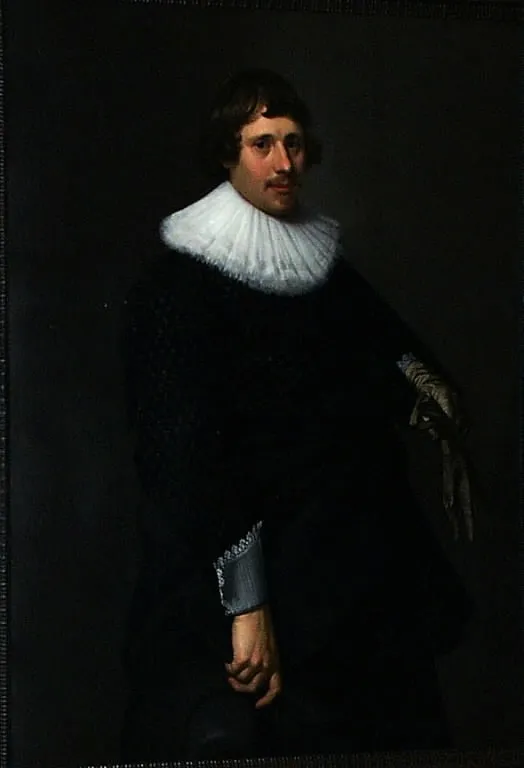
Portrait of a Man is an oil painting by the Dutch Golden Age artist Nicolaes Eliaszoon Pickenoy. It dates from 1635 and is held in the collection of the Statens Museum for Kunst.
About this work
Technique & Style
The application of oil paint on a woven canvas support represents the standard material practice for Dutch Golden Age portraiture of this scale.
Executed in 1635, this portrait by Nicolaes Eliaszoon Pickenoy is an oil painting on canvas. The work measures 112 cm in height and 90 cm in width. As a formal portrait, the composition focuses on a single male subject, adhering to the genre conventions of the period.
The application of oil paint on a woven canvas support represents the standard material practice for Dutch Golden Age portraiture of this scale.
History & Provenance
The portrait was painted by Nicolaes Eliaszoon Pickenoy in 1635 as an oil on canvas work measuring 112 cm by 90 cm. It entered the collection of the Statens Museum for Kunst in Copenhagen, where it remains on display. The painting was created as a standalone portrait of an unidentified sitter, reflecting the Dutch Golden Age practice of individual portraiture. Its provenance traces directly to the museum’s acquisition, with no documented earlier owners before the institution’s care.
Portrait of a Man is housed in the Statens Museum for Kunst (SMK) in Copenhagen. The painting is registered in the museum’s inventory under accession number KMS7983. The available sources do not document any exhibition history for the work; consequently, no public showings or loans are recorded in the provided material.
The museum’s records indicate that the portrait has remained in its permanent collection without recorded loans or temporary exhibitions.
Context
Nicolaes Eliaszoon Pickenoy was a prominent Amsterdam portraitist active in the early 17th century, known for his distinguished depictions of civic and elite figures. His 1635 Portrait of a Man exemplifies the refined realism and psychological depth characteristic of Dutch Golden Age portraiture, situating the work within his broader oeuvre of civic and private commissions. The painting is housed in the collection of the Statens Museum for Kunst, where it remains part of their Dutch Golden Age holdings.
Scholars continue to analyze Pickenoy's technique and social context through works like this, emphasizing his role in shaping Amsterdam's artistic identity during the period.
The Portrait of a Man reflects the era's emphasis on individual status and civic virtue, aligning with other contemporary Dutch portraiture that blended realism with symbolic representation. Its dimensions (112 cm × 90 cm) and oil on canvas medium underscore the technical mastery of the time, while its presence in a major Danish museum highlights cross-border artistic exchange in Northern Europe. This work remains a key reference point for understanding Pickenoy's contribution to portraiture beyond Amsterdam, influencing later interpretations of Dutch portrait conventions.
Overview
Nicolaes Eliaszoon Pickenoy, a Dutch painter of Flemish descent active during the Golden Age, executed this oil portrait in 1635. The work presents a single male sitter, rendered in a realistic manner, and is currently part of the collection of the Statens Museum for Kunst in Copenhagen.
Subject & Meaning
The figure wears a black robe trimmed with a white ruffled collar, his right arm bent and his head turned slightly to the left. His hair is neatly arranged, his expression neutral, and his forward gaze suggests a composed, perhaps professional, demeanor, typical of upper‑class portraiture of the period.
Artist & collection
Artist
Nicolaes Eliaszoon Pickenoy (10 January 1588 – 1653/1656) was a Dutch painter of Flemish origin. Pickenoy was possibly a pupil of Cornelis van der Voort and presumably Bartholomeus van der Helst was his own pupil.

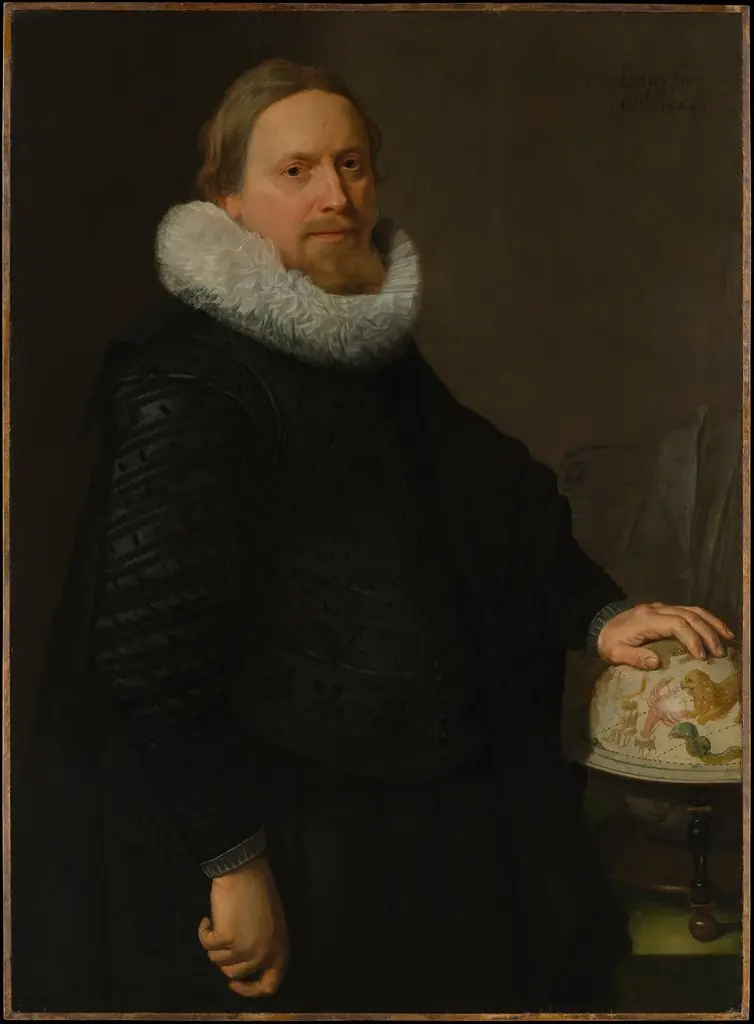 Man with a Celestial Globe
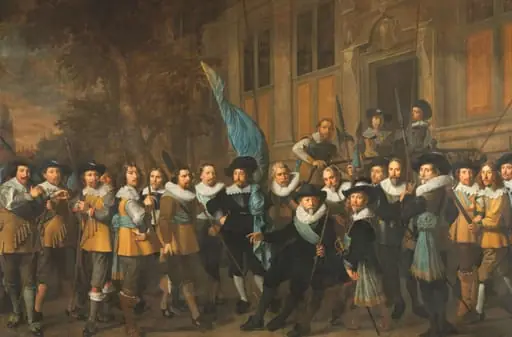 Officers and Other Civic Guardsmen of the IVth District of Amsterdam, under the Command of Captain Jan Claesz van Vlooswijck and Lieutenant Gerrit Hudde
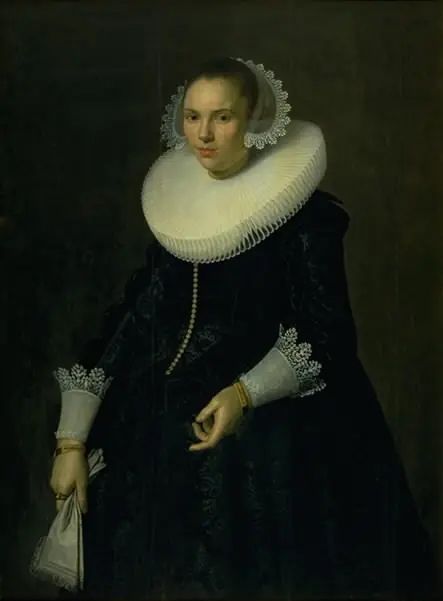 Portrait of a Lady
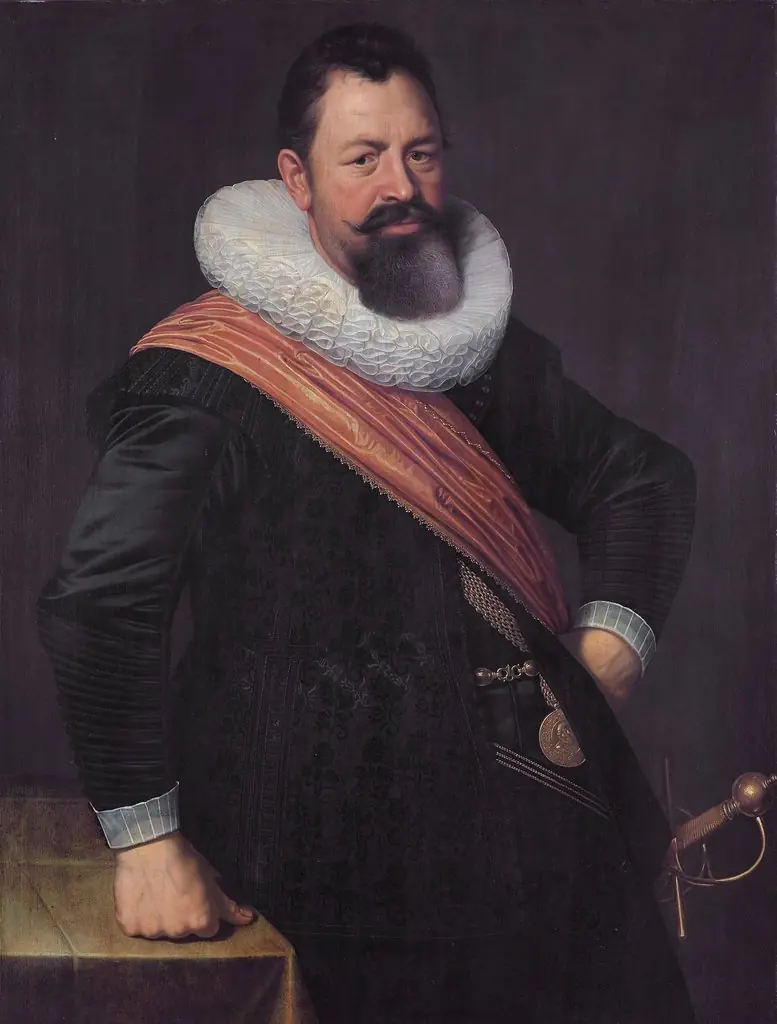 Portrait of Jochem Hendricksz Swartenhont (1566-1627)
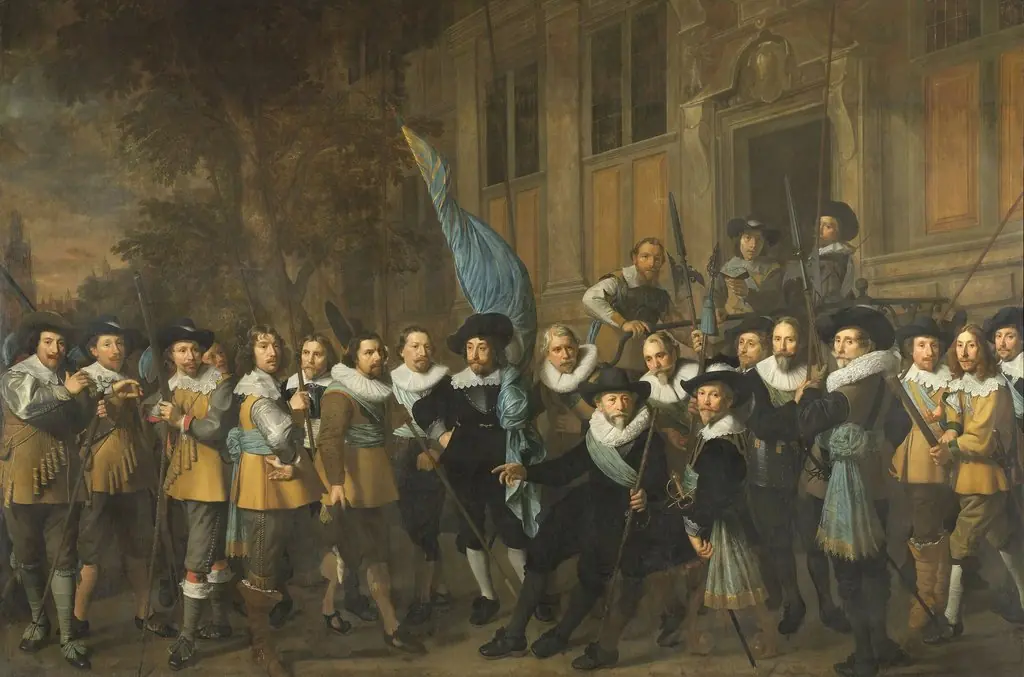 Officers and other civic guardsmen of the IVth District of Amsterdam, under the command of Captain Jan Claesz van Vlooswijck and Lieutenant Gerrit Hudde
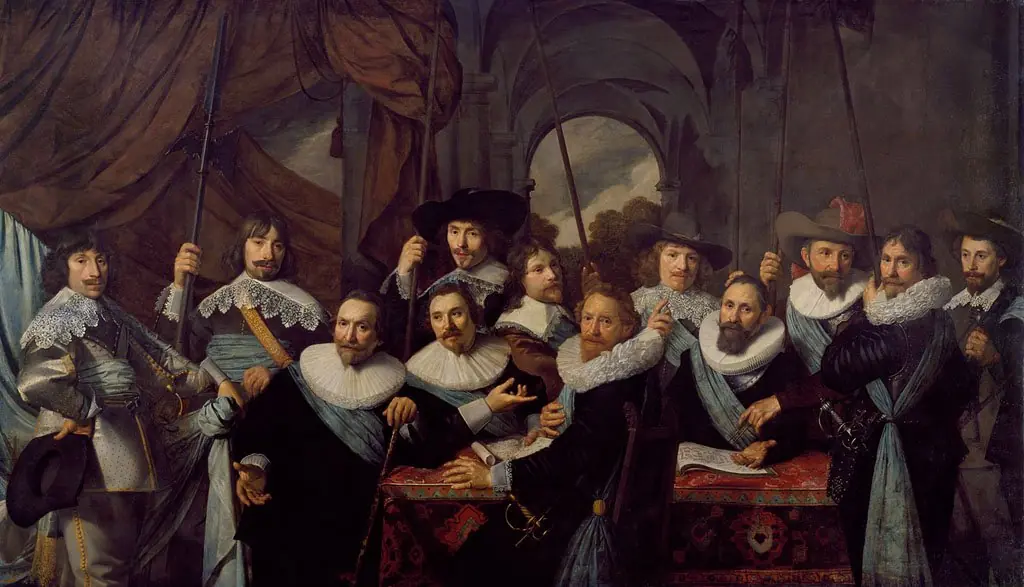 Members of the civic guard company of Captain Dirck Tholinx and Lieutenant Pieter Adriaenszn Raep
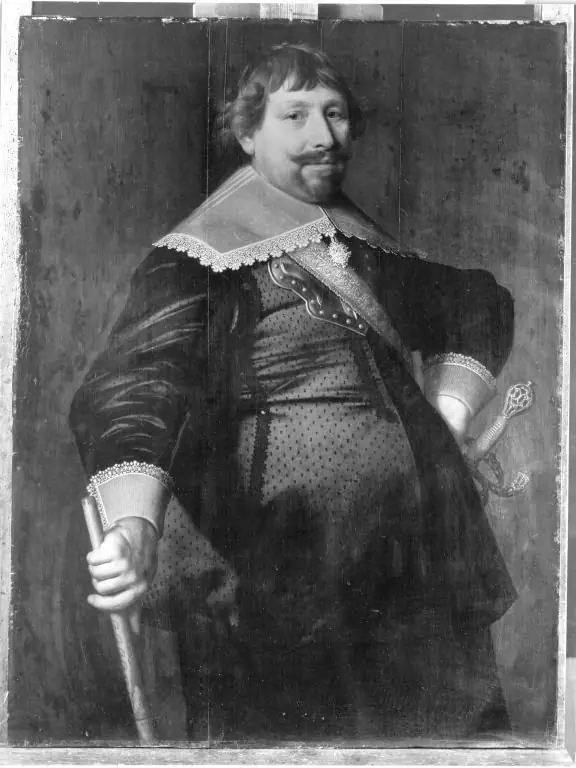 Portrait of a man
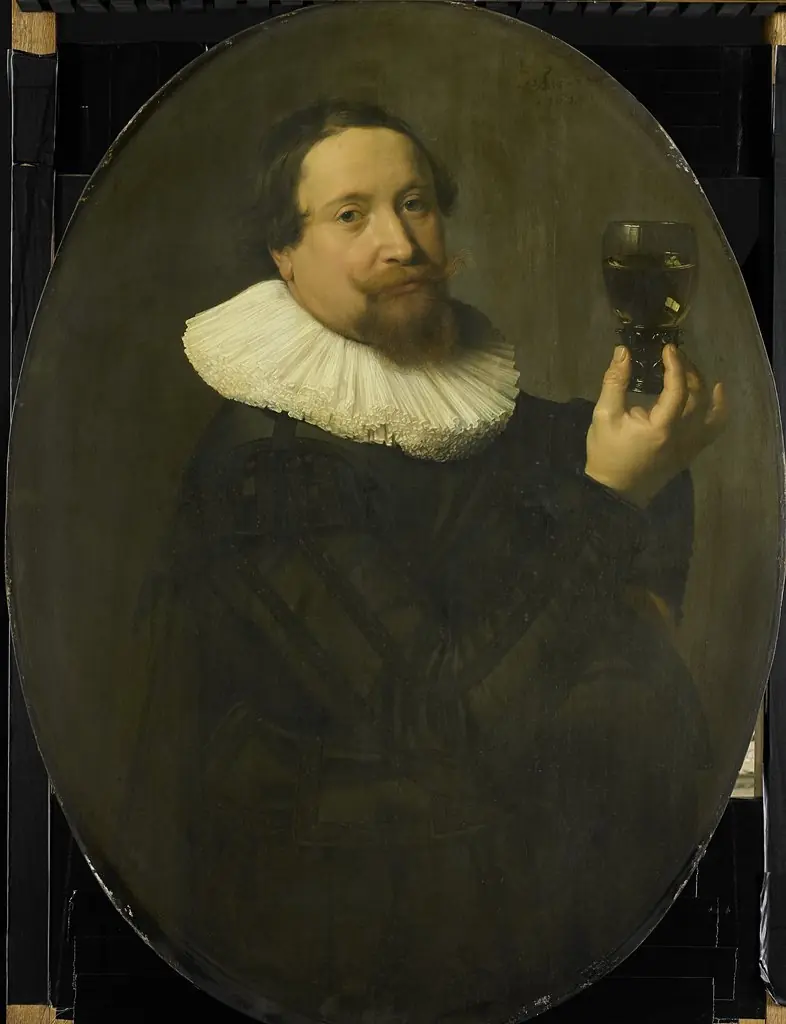 Portrait of Maerten Rey (1595/96-1632)
- Portrait of Alexandre della Faille (1589-1653)
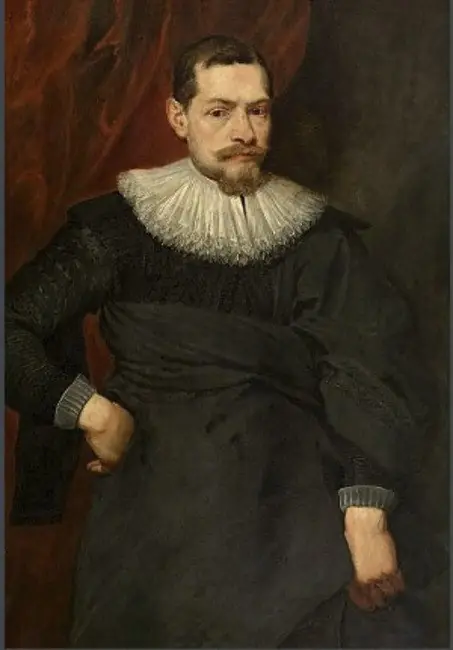 Portrait of man with an unstarched ruff
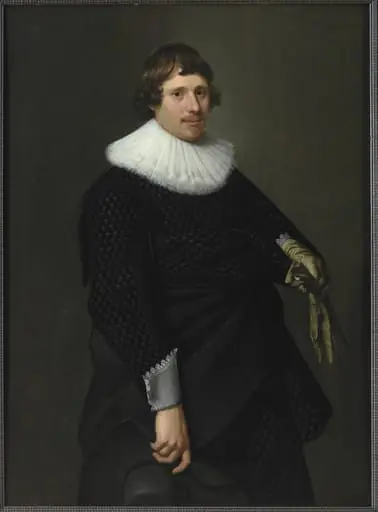 Portrait of a Man
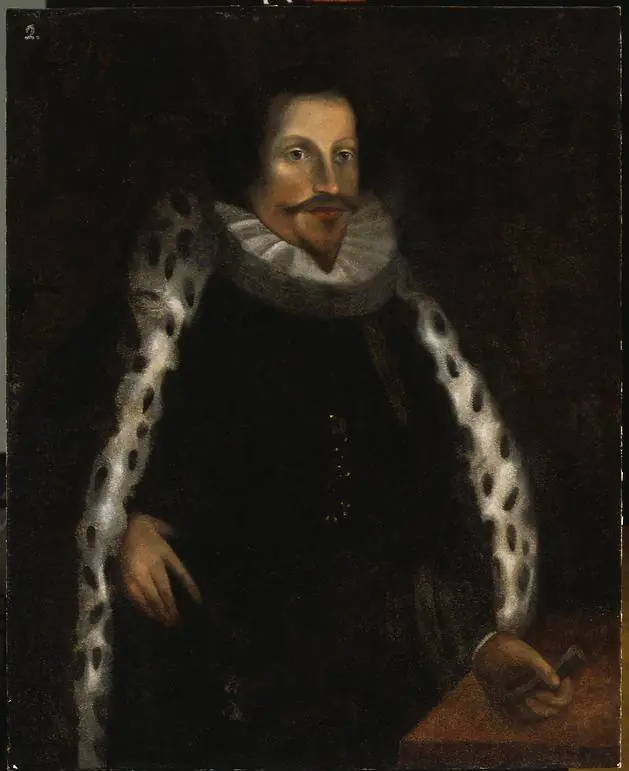 Portrait of Albrycht Stanisław Radziwiłł (1593–1656)
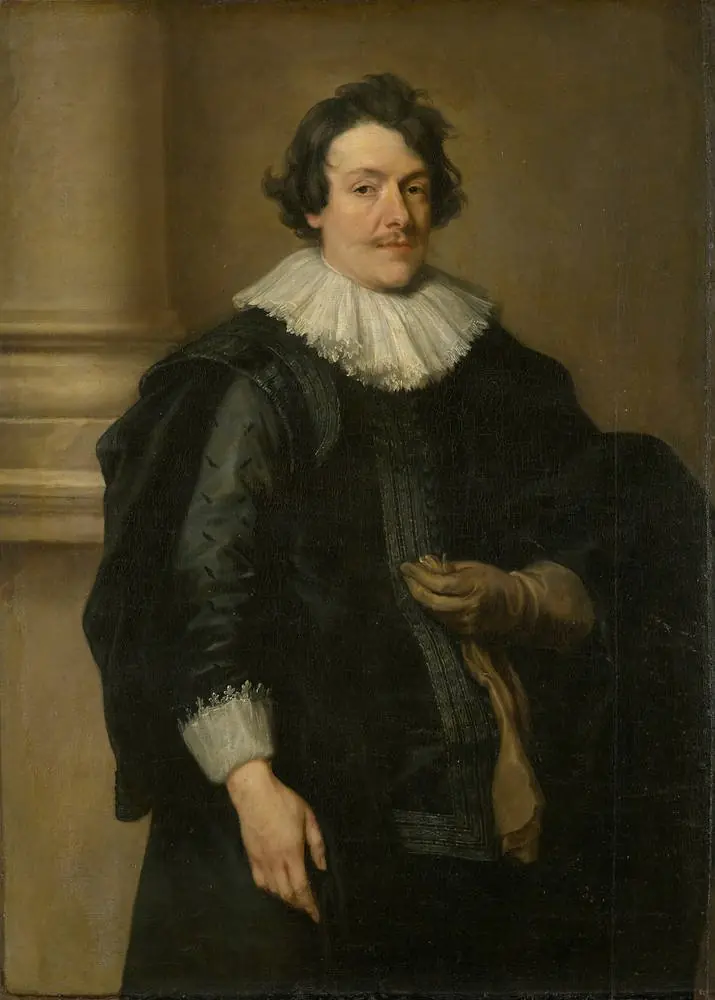 Portrait of a Man in Black before a Column
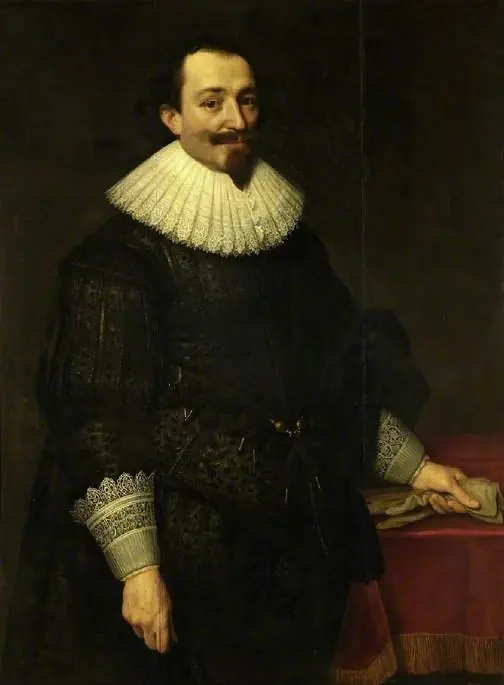 A gentleman
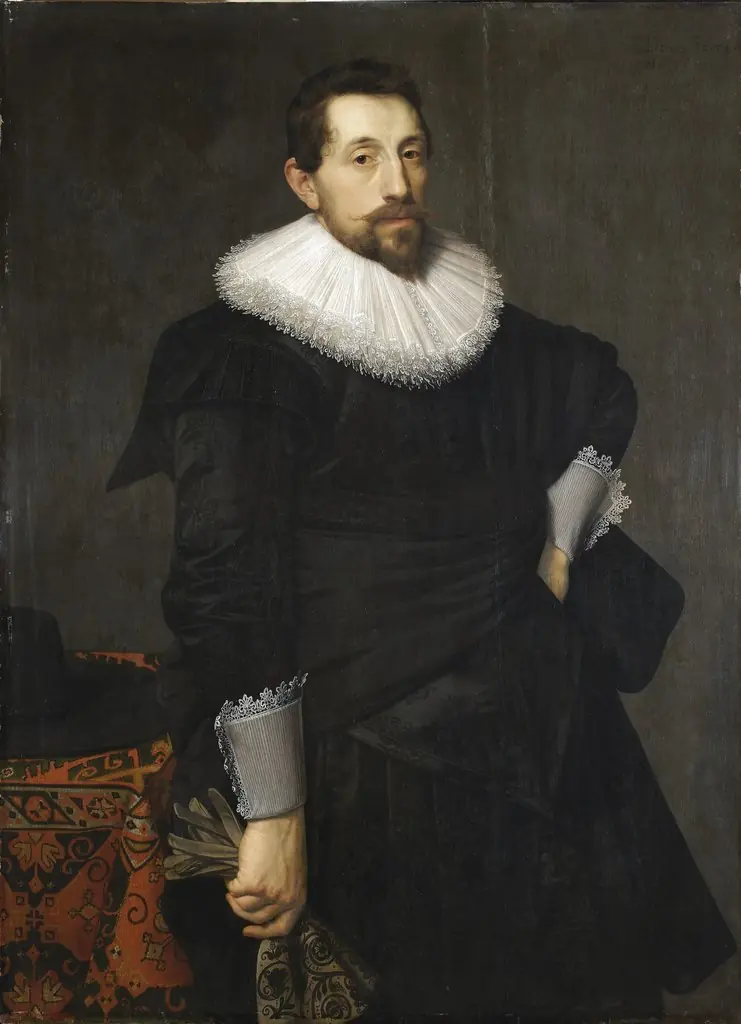 Portrait of a Man with Gloves
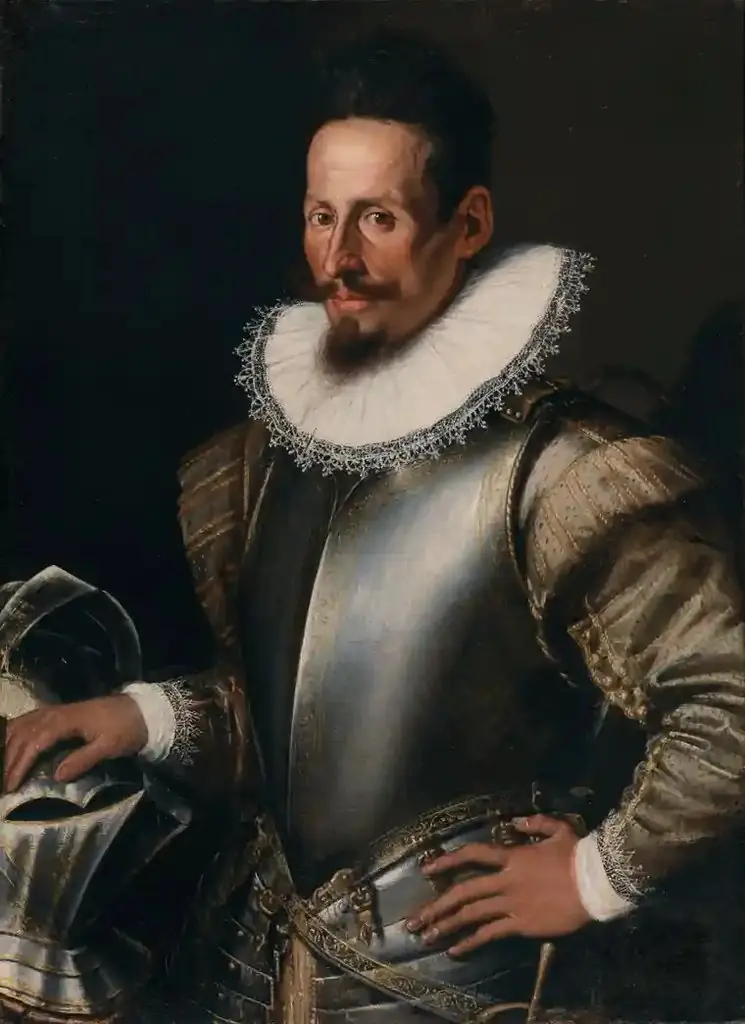 Portrait of a Gentleman in Armour
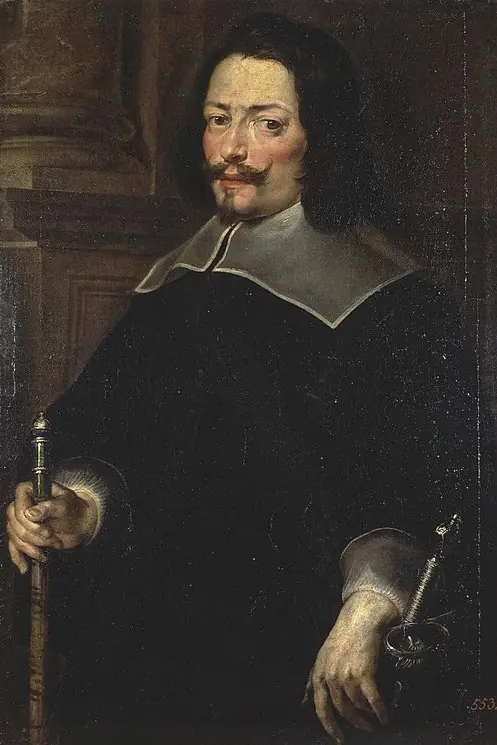 Portrait of a Man
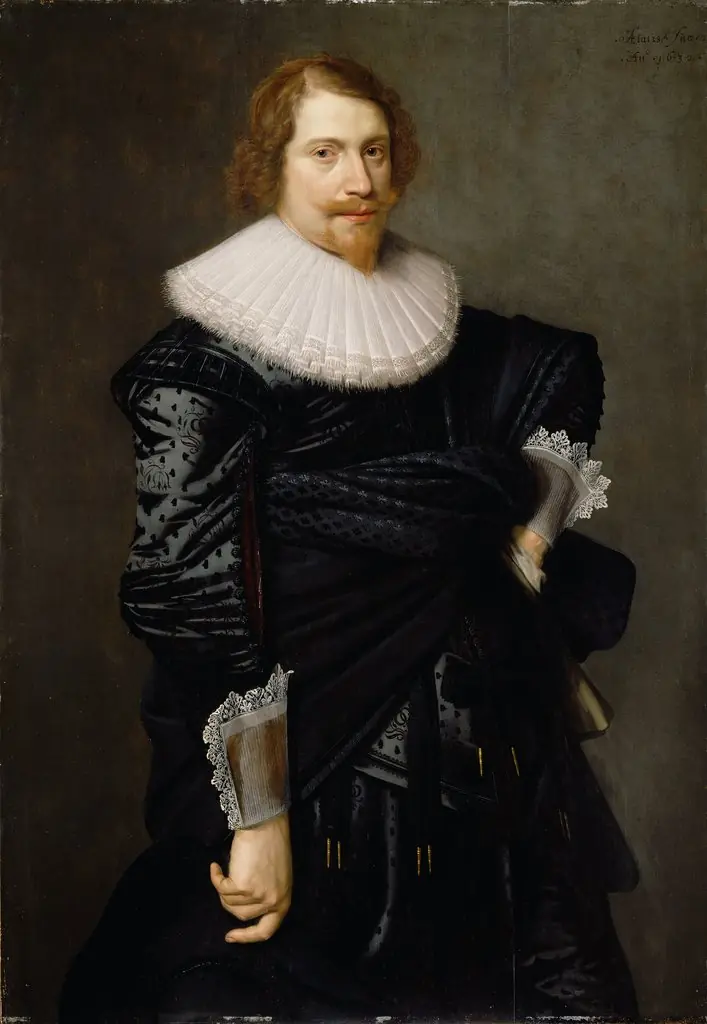 Portrait of a Man
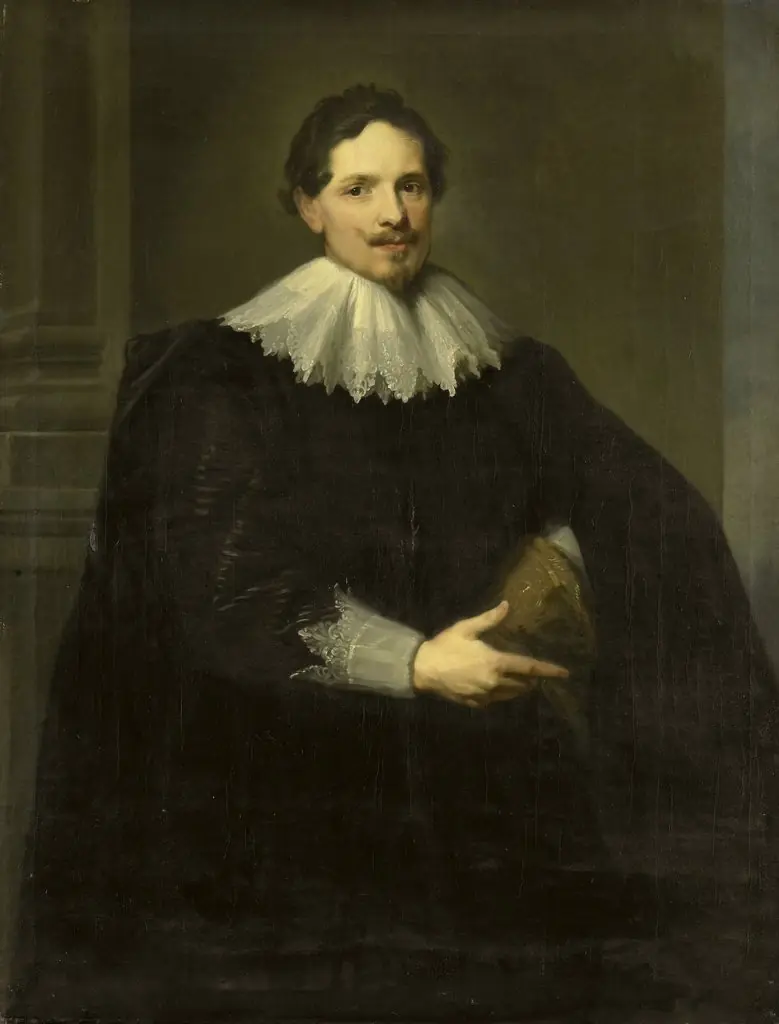 Sebastiaan Leerse, Antwerp Merchant
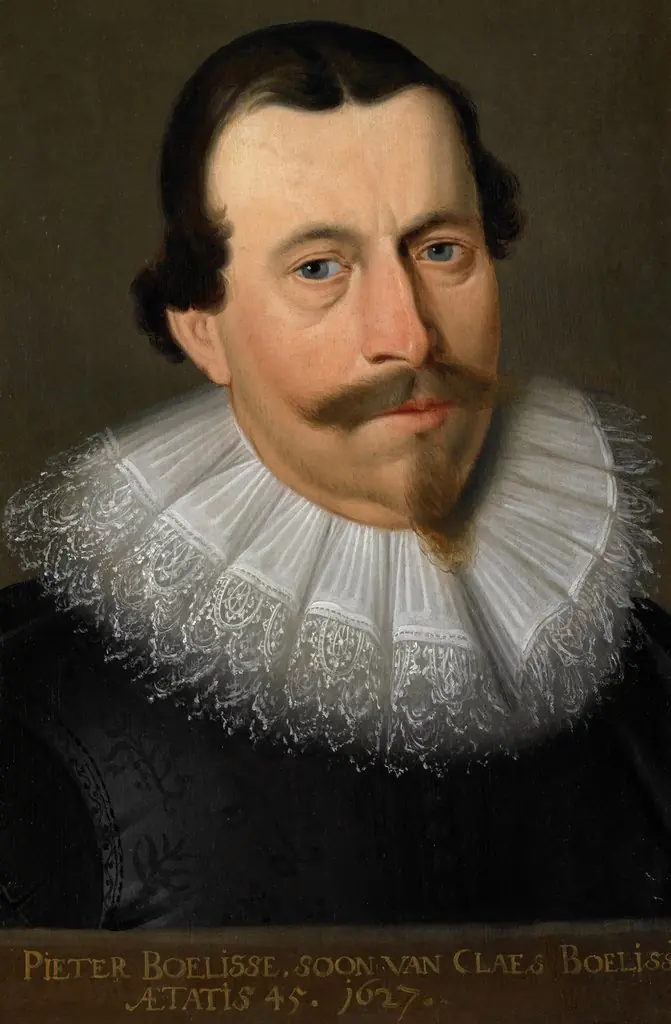 Portrait of Pieter Claesz Boelens (1582-1627)