Artwork
Merchant Receiving a Moor in the Harbour
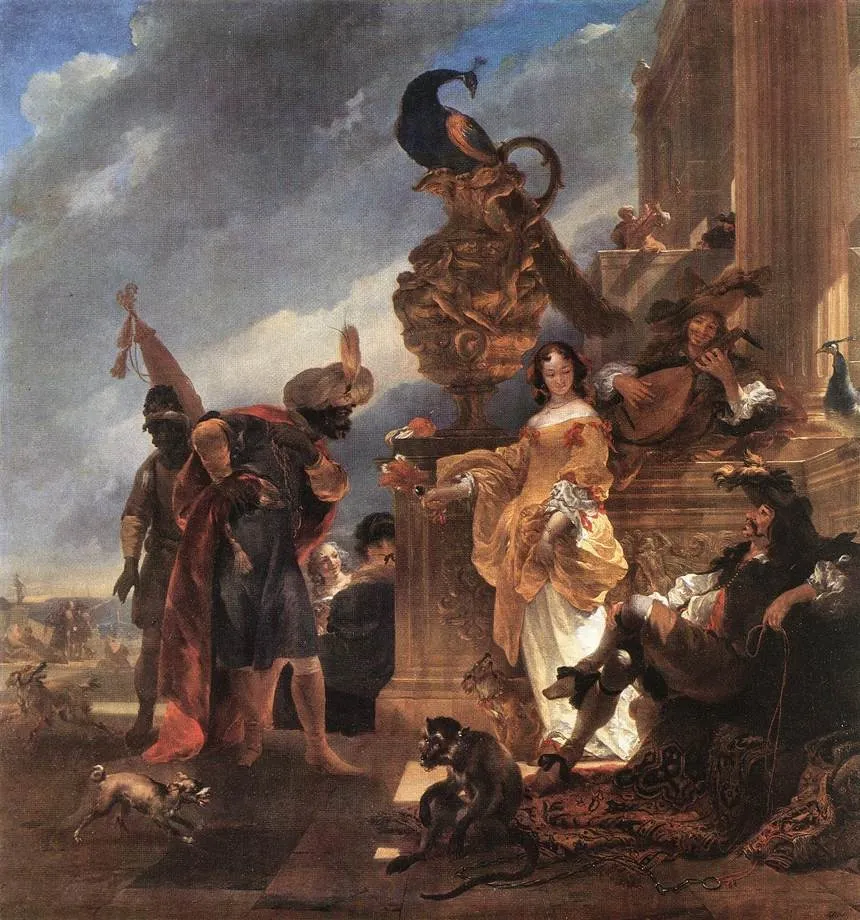
Merchant Receiving a Moor in the Harbour is an oil painting by the Dutch Golden Age artist Nicolaes Pieterszoon Berchem. It dates from 1650 and is held in the collection of the Staatliche Kunstsammlungen Dresden.
About this work
Overview
Berchem, known for blending Italianate landscapes with Dutch genre elements, frames the scene with atmospheric light and architectural hints of antiquity.
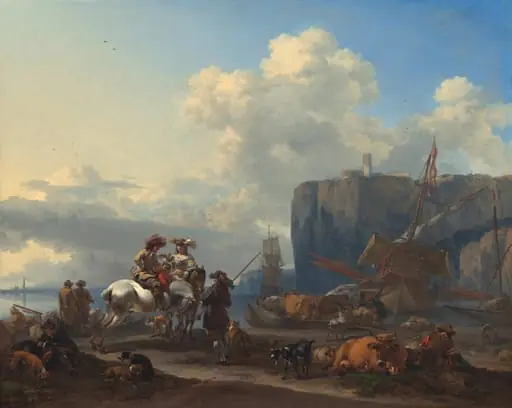
Painted around 1650 by Nicolaes Pieterszoon Berchem, this oil-on-canvas work depicts a moment of commercial exchange in a Mediterranean-style harbor. Berchem, known for blending Italianate landscapes with Dutch genre elements, frames the scene with atmospheric light and architectural hints of antiquity. The composition centers on human interaction within a bustling port, reflecting the era’s expanding trade networks and cultural encounters.
Subject & Meaning
The painting captures a merchant, dressed in contemporary Dutch garb, engaging with a figure identified by his turban and robe as a Moor. Their interaction suggests a transaction, possibly involving goods or documents. Surrounding figures, sailors, laborers, onlookers, imply a lively harbor economy.
The scene does not idealize or moralize but presents a quiet, plausible moment of cross-cultural commerce, typical of Berchem’s interest in everyday life amid exoticized settings.
Technique & Style
Berchem employs soft, diffused lighting to model forms and create depth, with sunlight filtering through cloud cover to illuminate the central figures. His brushwork is precise yet fluid, particularly in rendering textiles and water reflections. The background blends classical ruins with stylized ships, merging Italianate inspiration with Dutch realism. The palette is muted yet harmonious, emphasizing naturalism over dramatic contrast, characteristic of his Italianate phase.
History & Provenance
The painting has been part of the Gemäldegalerie Alte Meister’s collection since at least the 19th century, likely acquired during the museum’s early expansion of Dutch Golden Age holdings. Its attribution to Berchem has remained consistent, supported by stylistic analysis and archival records. No significant alterations or restorations are documented, preserving its original composition and tonal balance.
Context
In mid-17th-century Amsterdam, maritime trade connected Europe with North Africa and the Levant, bringing diverse peoples into Dutch ports. Berchem’s depiction reflects this reality without overt commentary. While Moorish figures appeared frequently in Dutch art as symbols of the exotic, here they are integrated into a functional economic setting, suggesting a more normalized, if still stylized, presence in daily commerce.
Legacy
Berchem’s work contributed to the broader Dutch tradition of genre scenes infused with classical and foreign elements. This painting exemplifies how artists translated global trade into intimate, human-scale narratives. Though not widely reproduced, it remains a quiet testament to the multicultural dynamics of the Dutch Republic’s commercial world, influencing later genre painters interested in cross-cultural encounters.
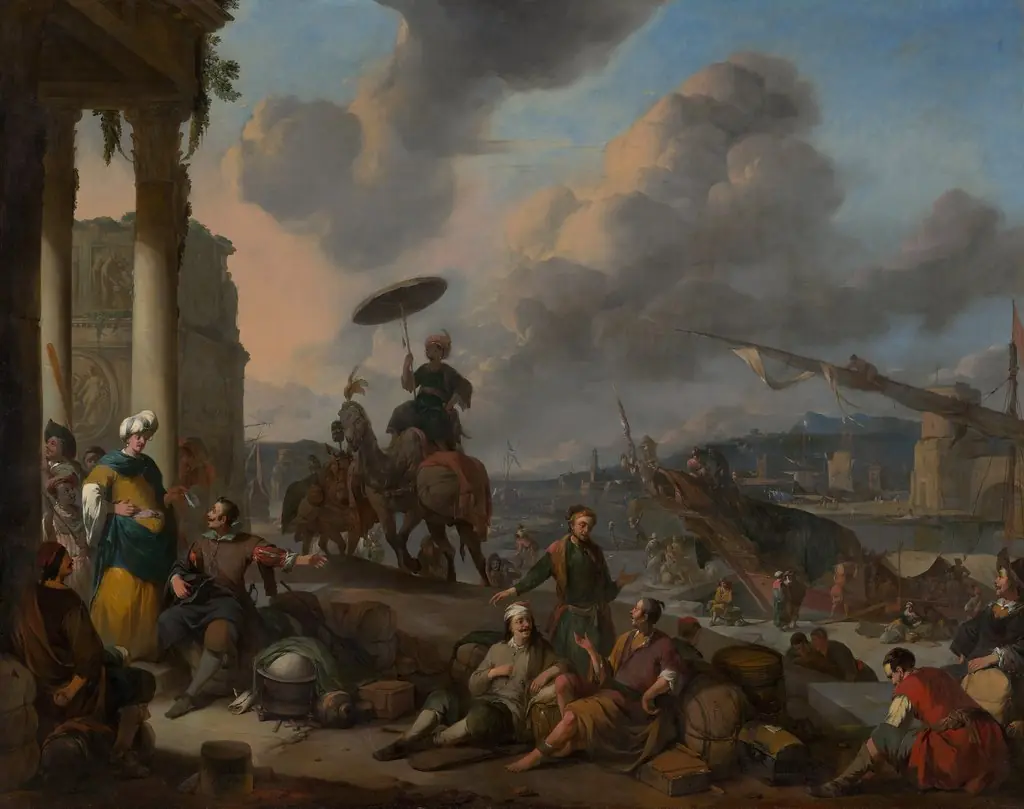
Artist & collection
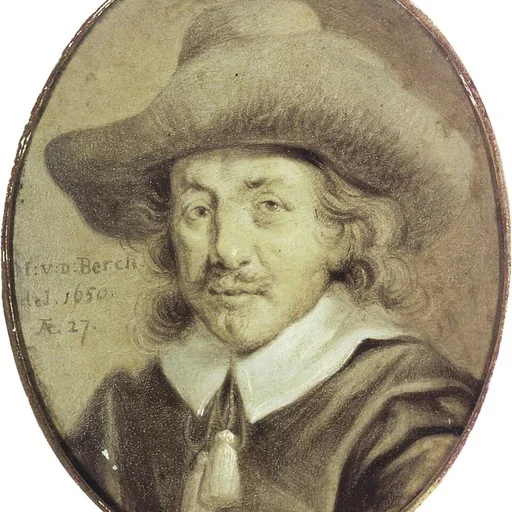
Artist
Nicolaes Pieterszoon Berchem (1 October 1620 – 18 February 1683) was a highly esteemed and prolific Dutch Golden Age painter of pastoral landscapes, populated with mythological or biblical figures, but also of a number of allegories and…


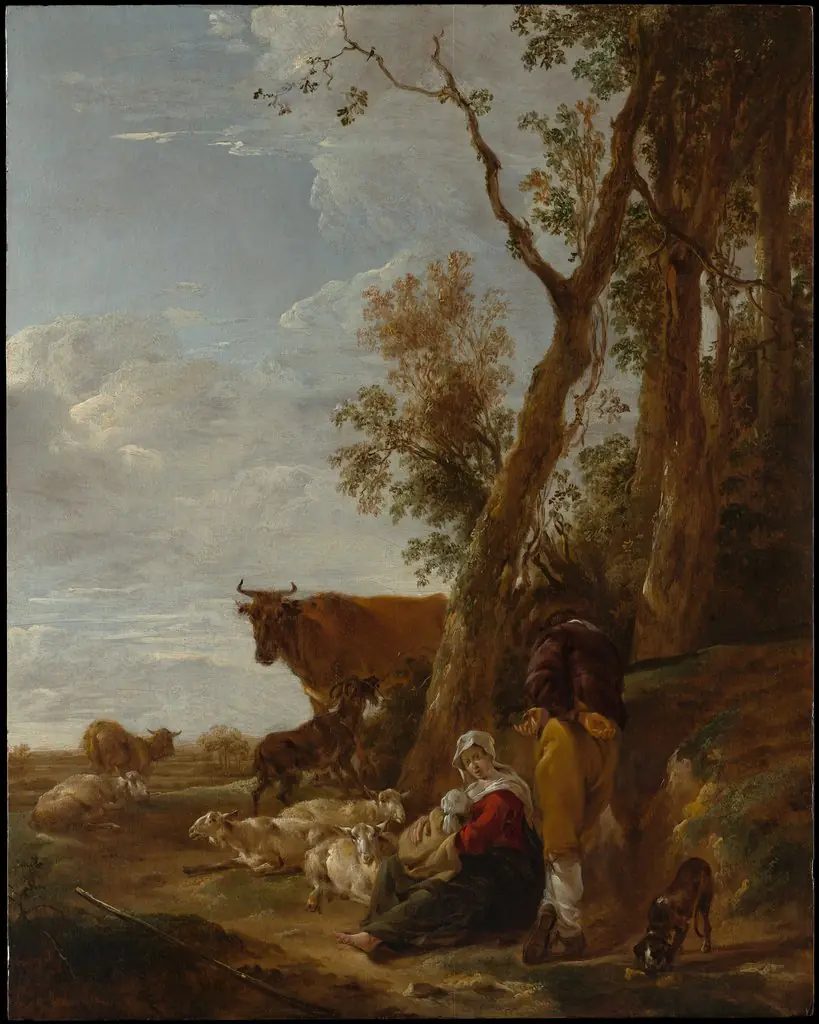
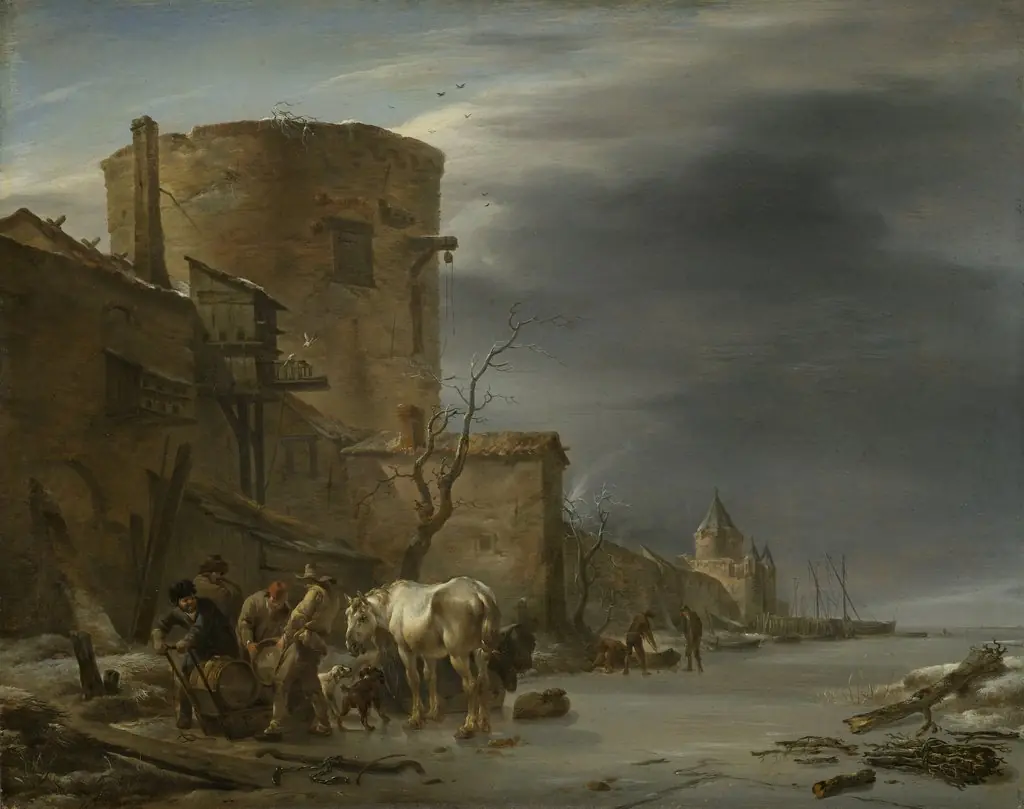
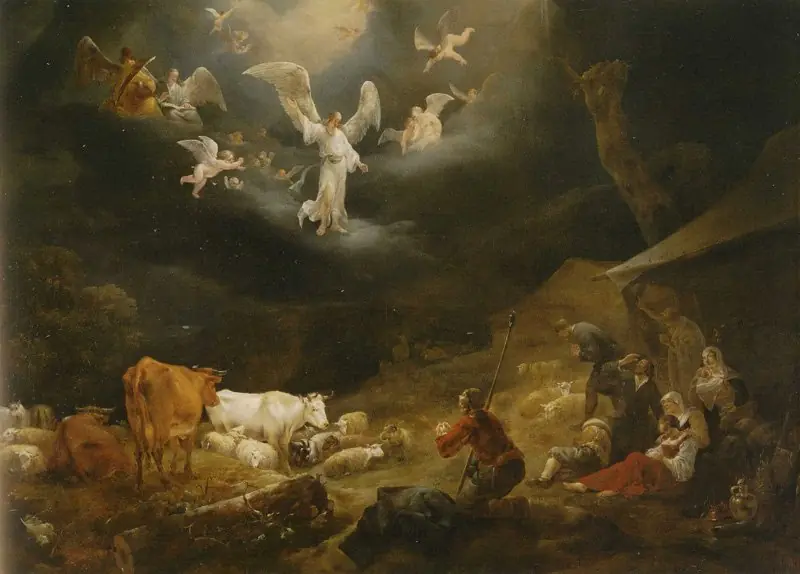
- Harbour on the Mediterranean
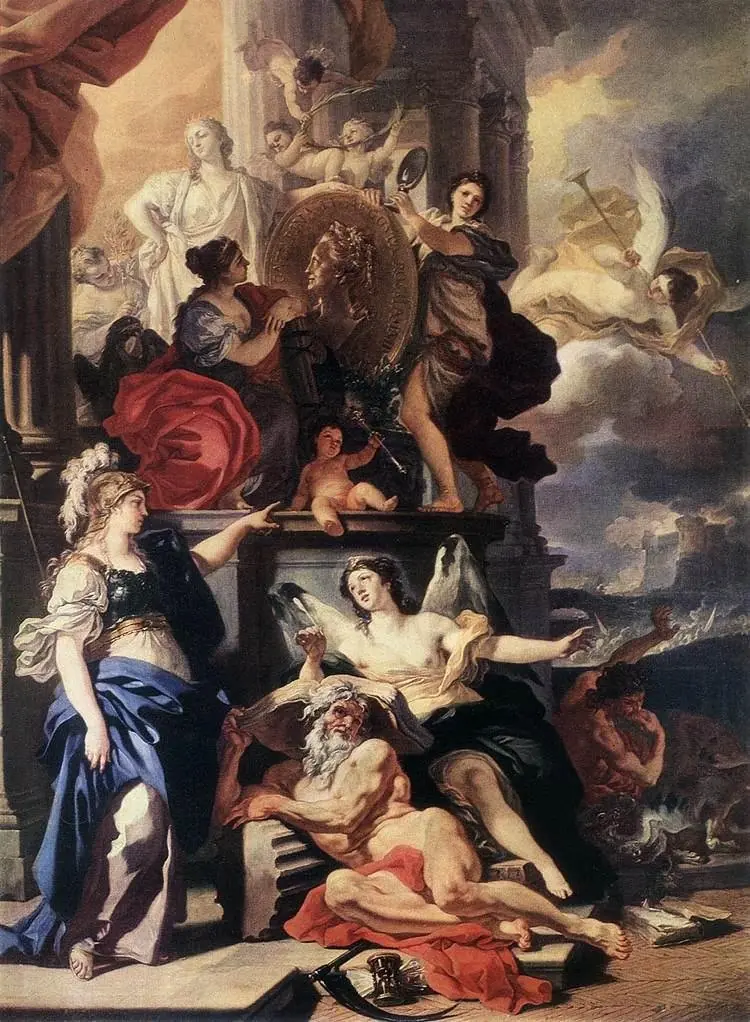 Allegory of Rule
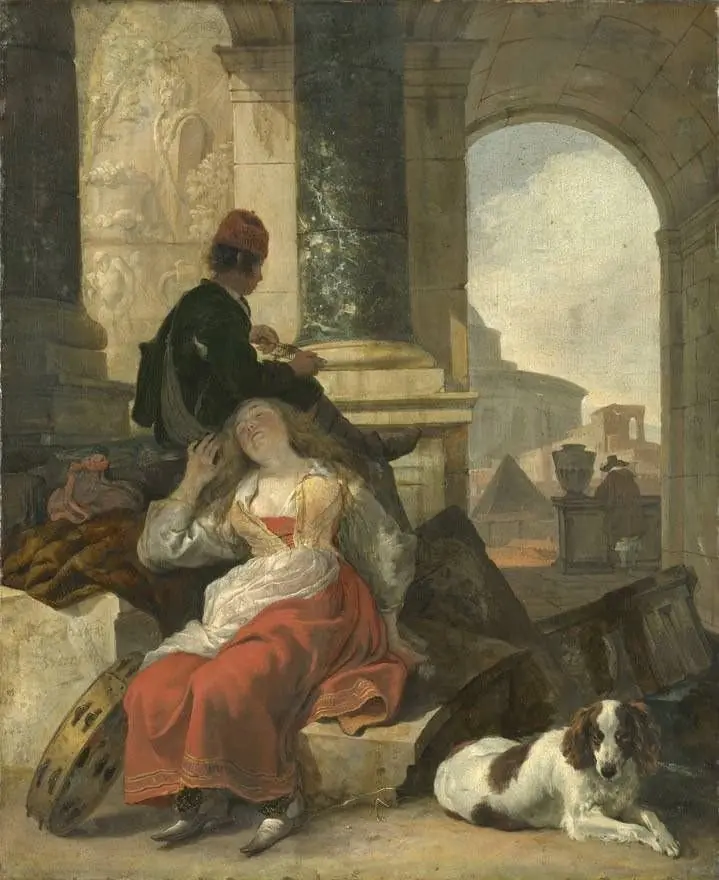 Sleeping girl
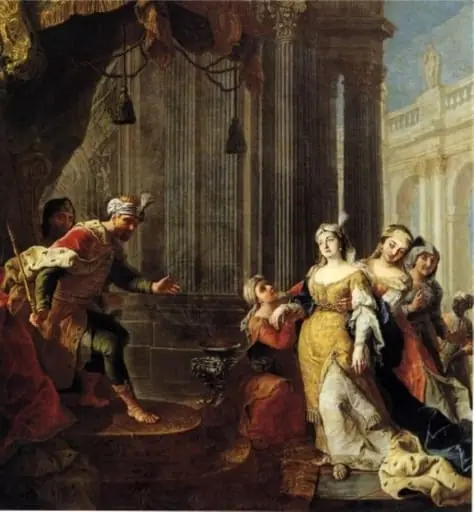 Estera și Ahasver
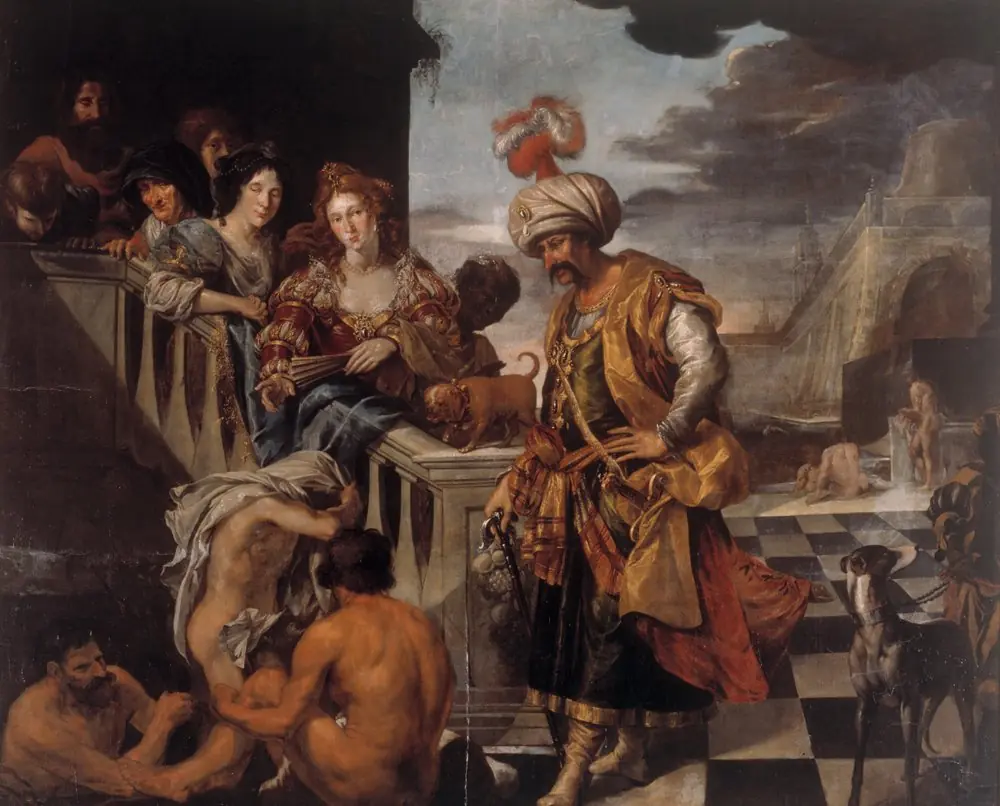 Bathing in an Oriental Harbour
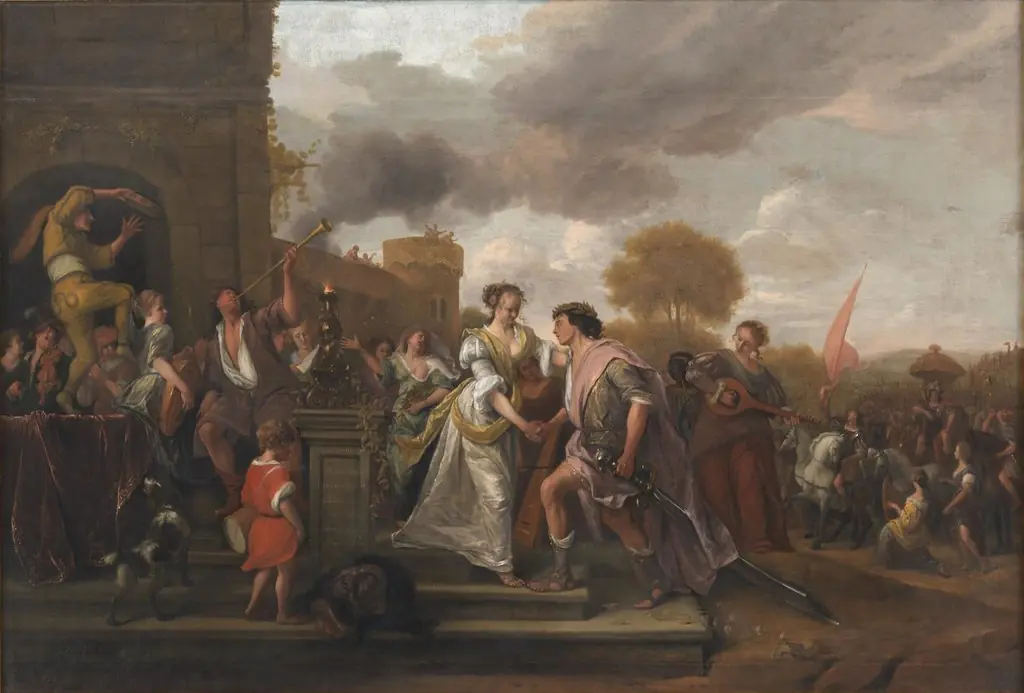 David Returning Victorious after Defeating Goliath and the Philistines
 Abraham și Melhisedec
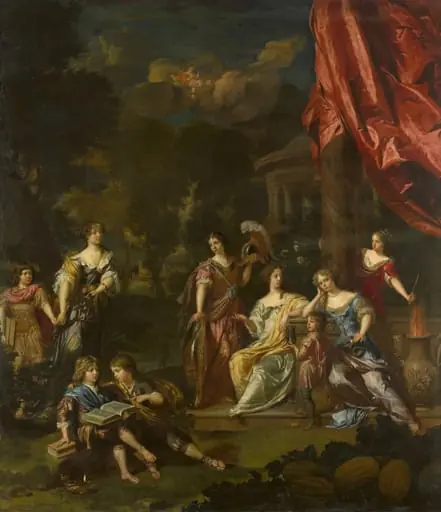 Allegorizing Group Portrait of the Children of Diederic Pietersz van Leyden van Leeuwen, Burgomaster of Leiden, and Alida Paets
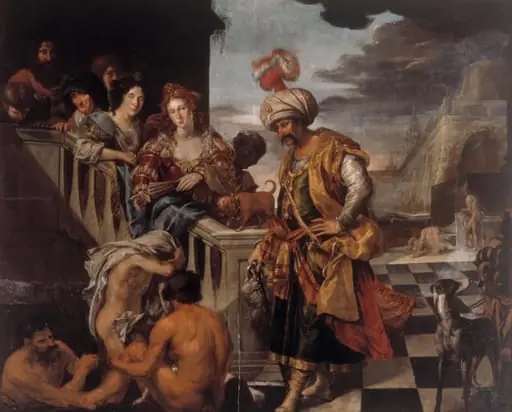 Bathing in an Oriental Harbour
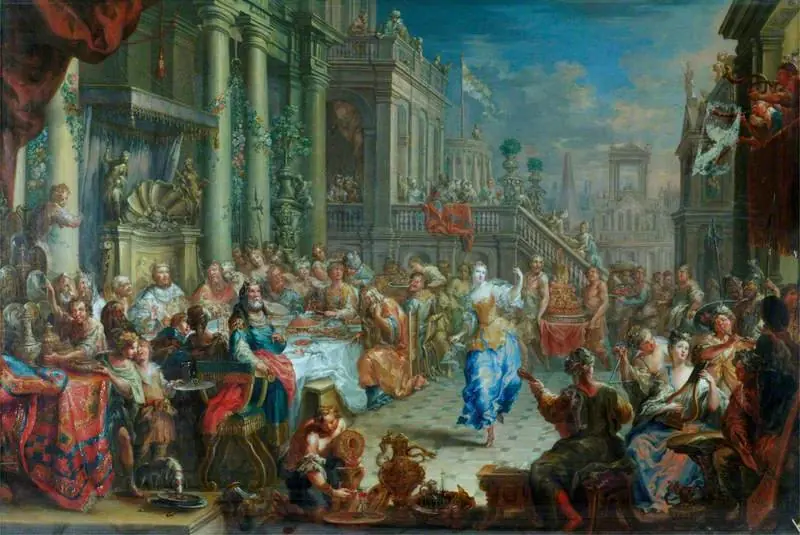 Salome Dancing before Herod
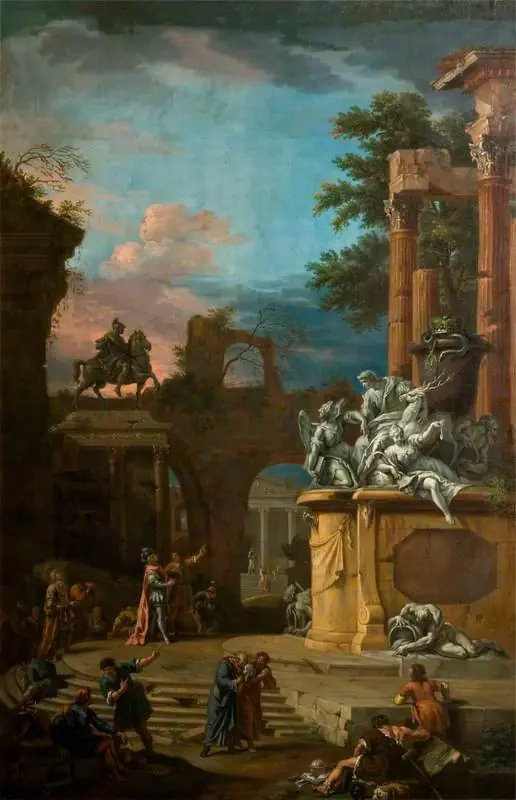 Imaginary Monument to William Cavendish (1640–1707), 1st Duke of Devonshire
 Return of Jephtae