Artwork
Christus und das kanaanitische Weib
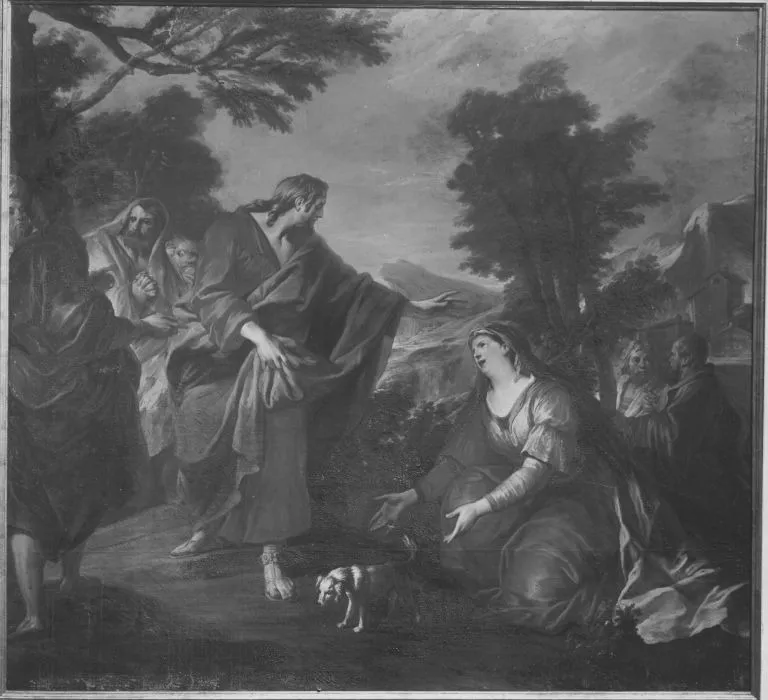
Christus und das kanaanitische Weib is an unspecified painting by the French Classical Baroque artist Nicolas Bertin. It dates from 1701 and is held in the collection of the Bavarian State Painting Collections.
About this work
Overview
Created in 1701 by French painter Nicolas Bertin, this religious canvas, titled Christus und das kanaanitische Weib, depicts a biblical encounter set within a forested clearing. The work is part of the collection of Munich’s Alte Pinakothek, where it is displayed among other Baroque-era pieces.
Subject & Meaning
The scene illustrates the moment when Jesus engages with a Canaanite woman seeking his aid, a narrative drawn from the Gospel of Matthew. The central figure, a robed man, represents Christ, while the seated woman extends her hand in supplication, emphasizing themes of faith and divine compassion across cultural boundaries.
Technique & Style
Bertin employs a chiaroscuro scheme, contrasting deep shadows with a soft, diffused illumination that bathes the figures in a gentle glow. The rendering of faces and drapery shows a polished finish, giving the textures an almost luminous quality that enhances the tranquil, contemplative atmosphere.
History & Provenance
The painting entered the Alte Pinakothek’s holdings in the 19th century, becoming part of the museum’s extensive Baroque collection. Its acquisition reflects the institution’s interest in French religious art of the early 1700s, and it has remained on display since its arrival.
Context
Bertin worked during the late French Baroque period, a time when religious subjects were often rendered with dramatic lighting and emotive gestures. This work aligns with contemporary trends that favored intimate, narrative-driven compositions, while also showcasing the artist’s skill in balancing naturalistic detail with spiritual symbolism.
Artist & collection


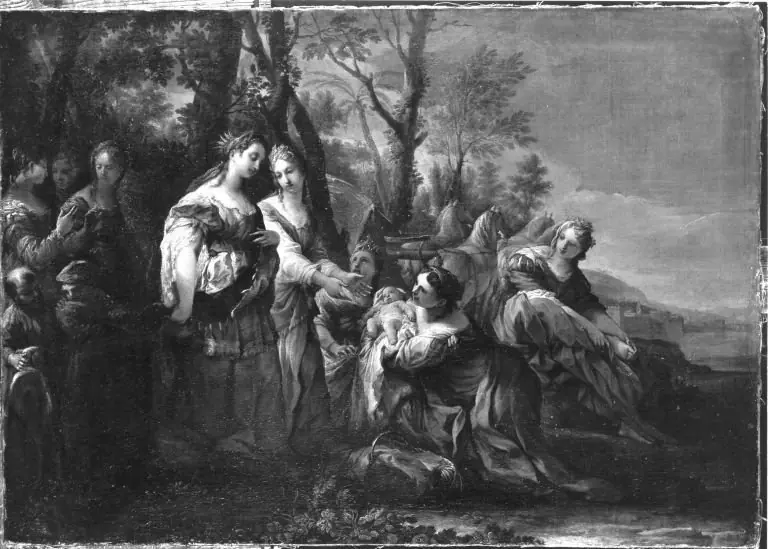 Die Auffindung Moses
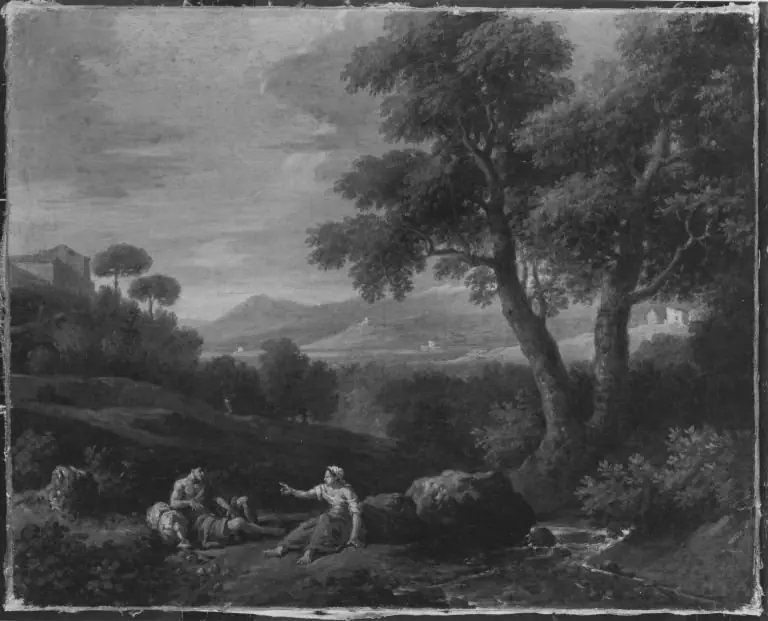 Italienische Landschaft
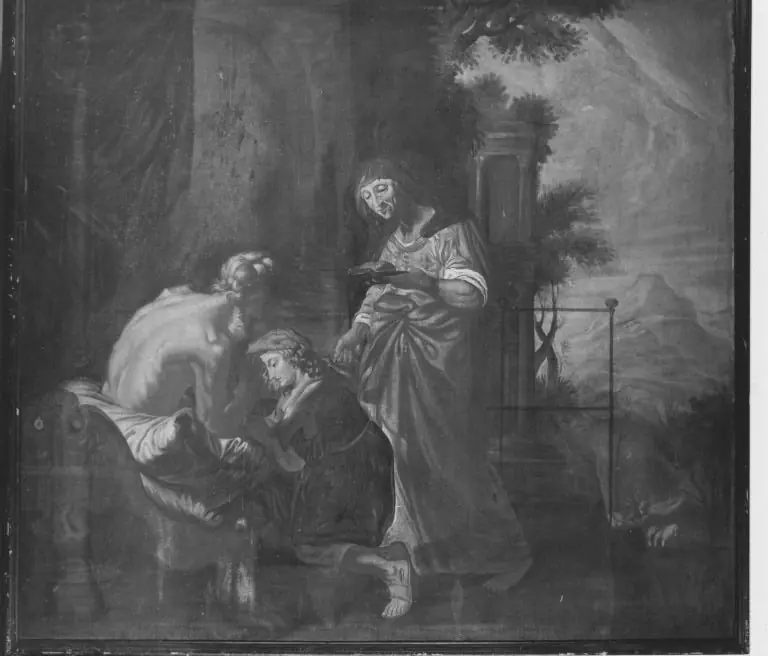 Isaak segnet Jakob (Kopie nach)
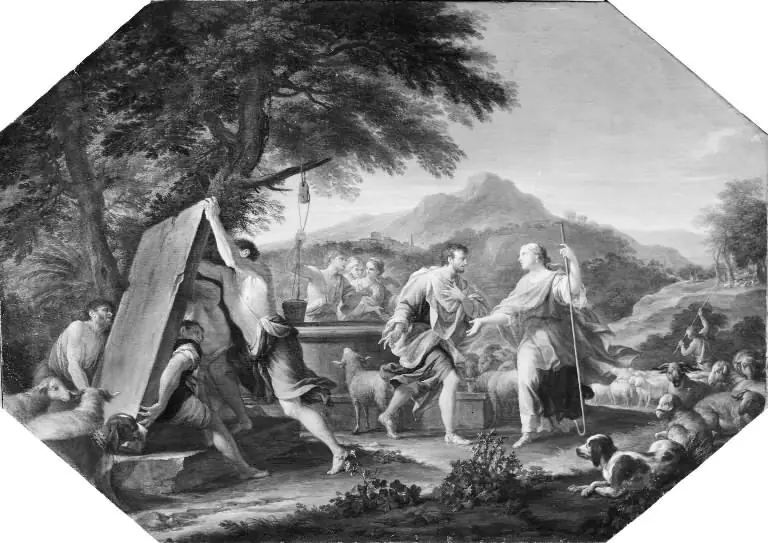 Jacob meets Rachel at the Well
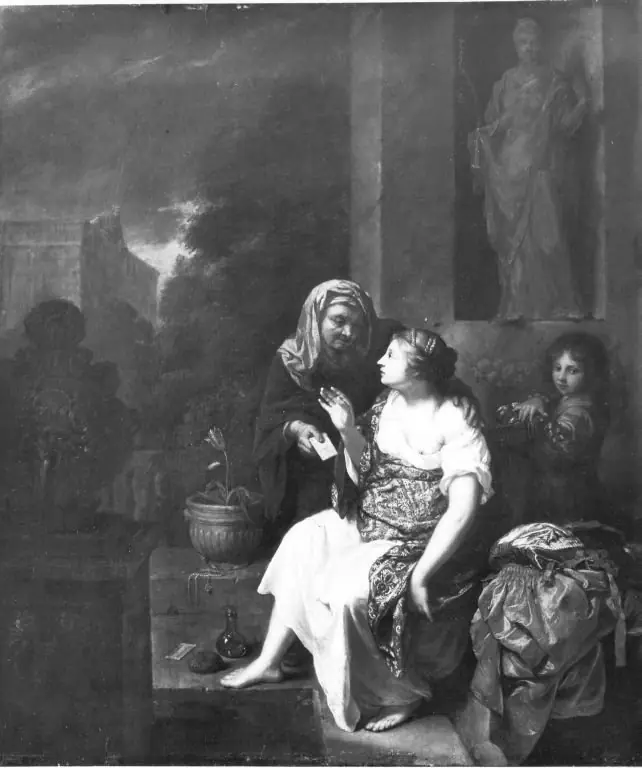 Bathseba erhält den Brief König Davids
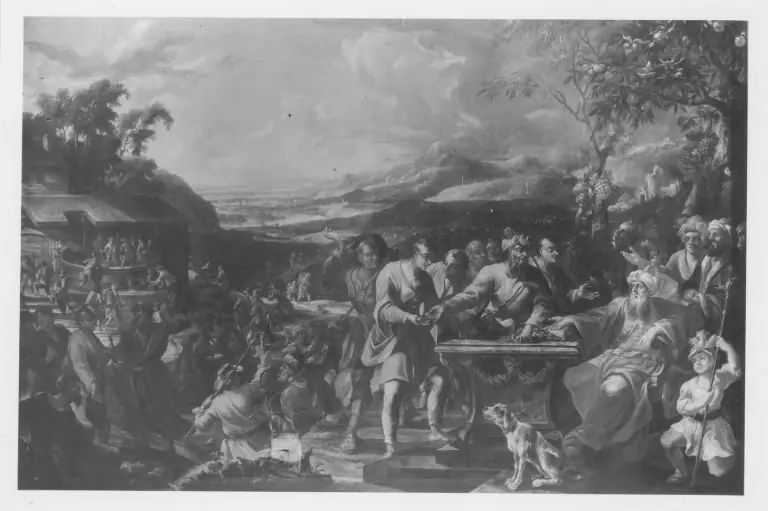 Gleichnis von den Arbeitern im Weinberg
 Jacob meets Rachel at the Well
 Martyrdom of Saint Marta
 Erminia bei den Hirten
 Landscape with the Holy Family and the Infant Saint John the Baptist