Artwork
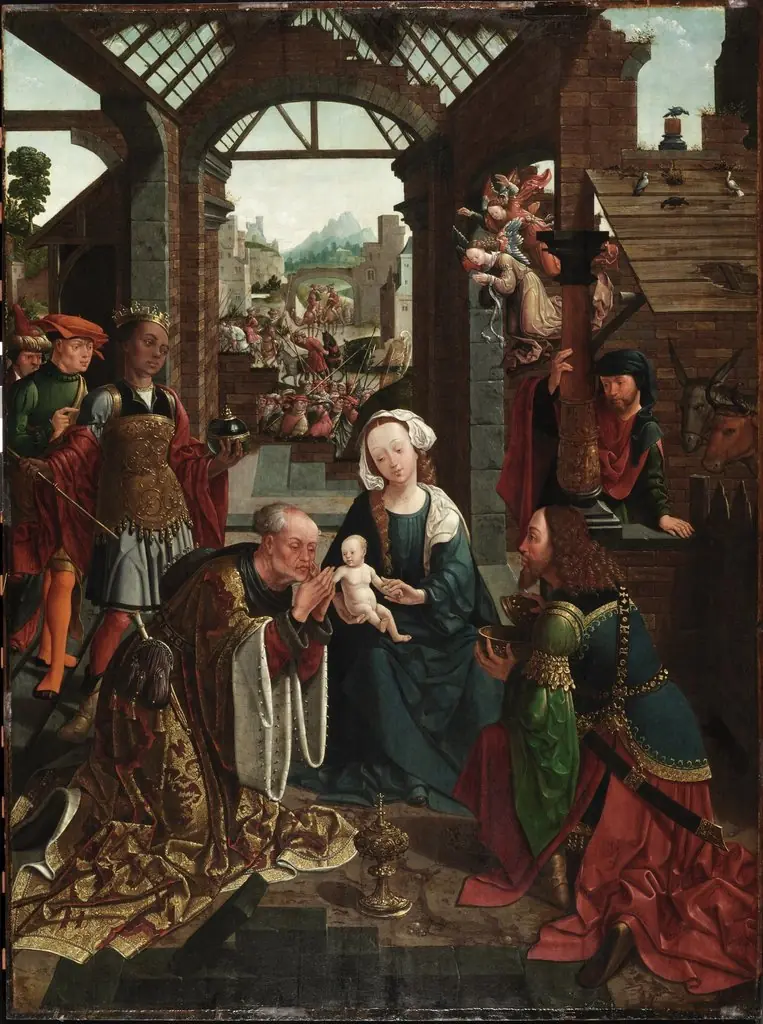
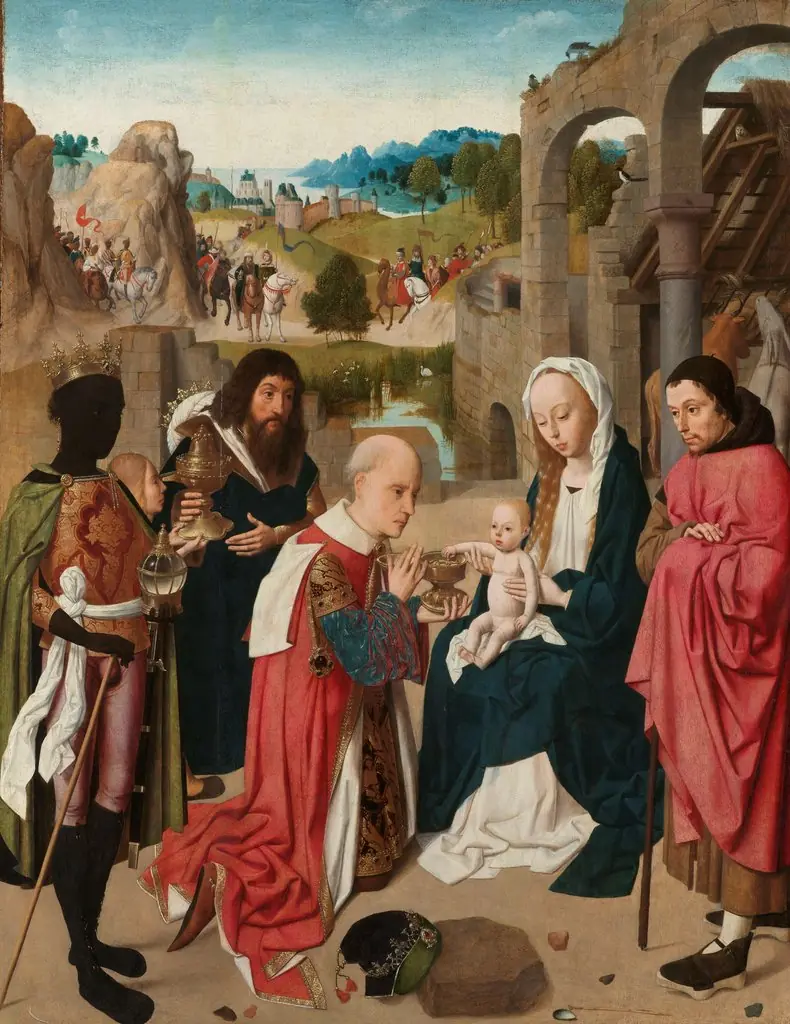
The Adoration of the Magi
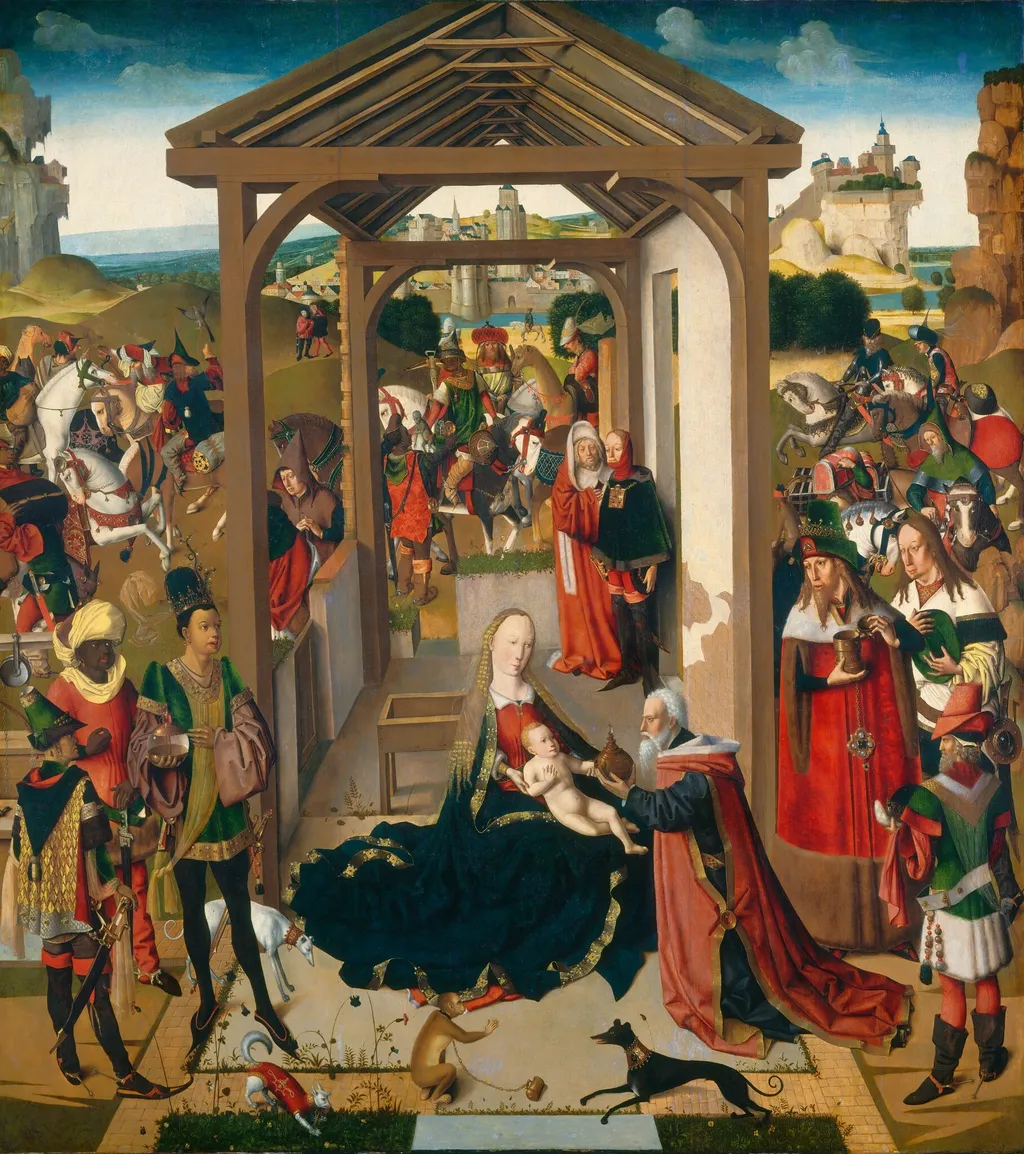
The Adoration of the Magi is an oil painting. It dates from 1450 and is held in the collection of the National Gallery of Art.
About this work
Subject & Meaning
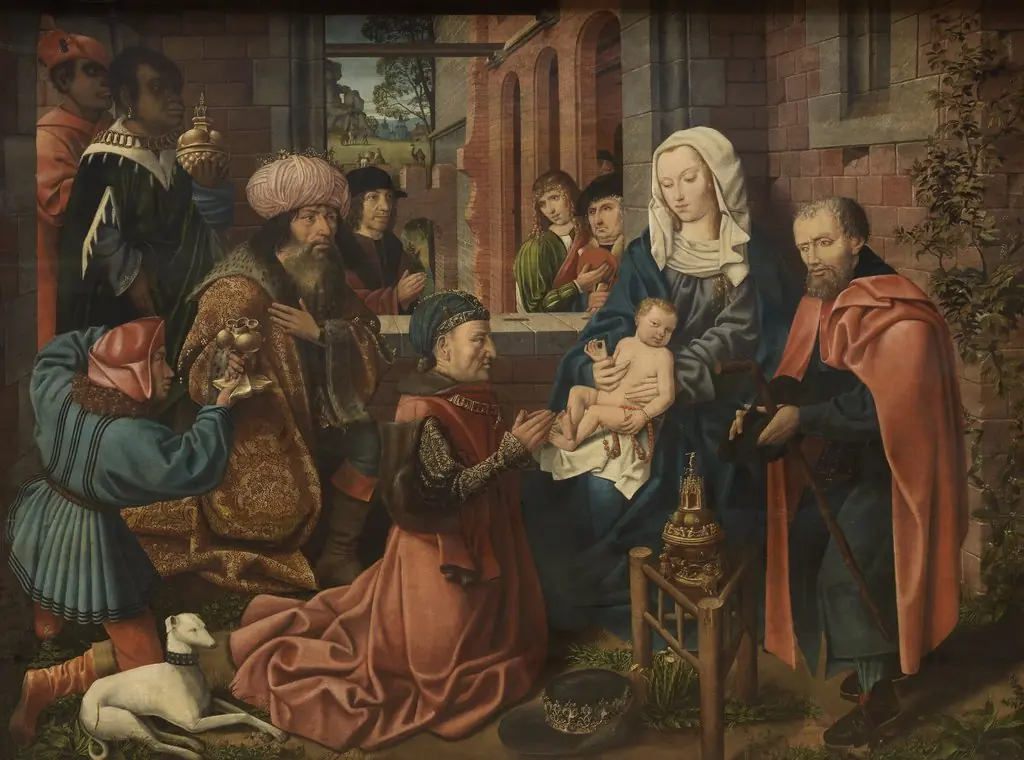
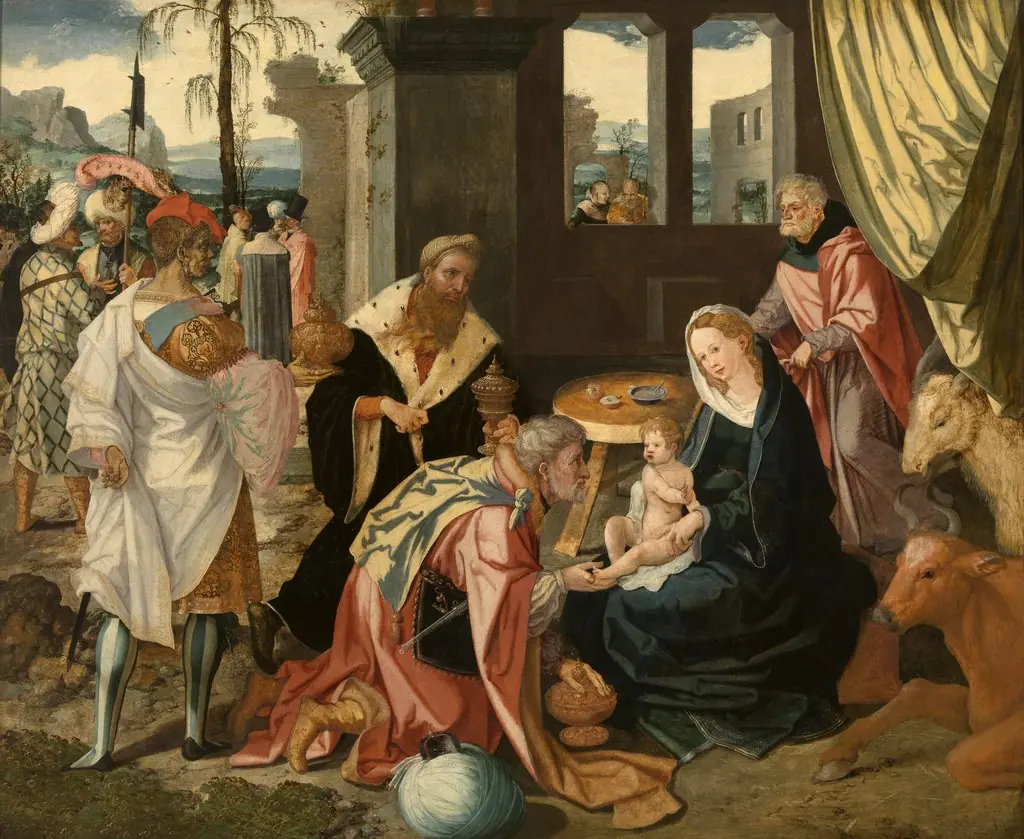
The painting depicts the biblical narrative of the Adoration of the Magi, a religious subject centered on the Christ Child.
The painting depicts the biblical narrative of the Adoration of the Magi, a religious subject centered on the Christ Child. Created by a North Netherlandish artist around 1450, the work falls within the genre of religious art and illustrates the moment the Magi present gifts to the infant Jesus. While the specific iconographic details of the figures and gifts are not elaborated in the provided records, the composition's primary focus is the recognition and veneration of the Christ Child by the three kings.
As a 15th-century Netherlandish work, it represents the region's tradition of depicting sacred narratives with a focus on the central holy figure, serving as an object of devotion likely intended for a monastic setting.
Technique & Style
The Adoration of the Magi is executed in oil on canvas, transferred from an original panel support. The work measures 183 × 164.5 cm. As a religious painting from the North Netherlandish tradition of the mid-15th century, it reflects the period's embrace of oil painting techniques that allowed for detailed rendering and luminous color effects. The transfer from panel to canvas indicates a later conservation intervention to preserve or stabilize the painting.
The medium and handling align with Netherlandish practices of the era, which prized meticulous detail and rich tonal variation in devotional imagery.
History & Provenance
The Adoration of the Magi is dated to 1450 and was likely created in the North Netherlandish tradition. According to provenance records, the painting probably originated in a convent in the Spanish Basque province of Guipúzcoa, with the Convento de Bidaurrete and the Convento de Aránzazu in Oñate identified as the most likely candidates for its original ownership. By the early twentieth century, the work had entered the London art market through the dealer Arthur J. Sulley.
It subsequently passed to Count Alessandro Bonacossi in Rome by 1926, as documented by a certificate from Roberto Longhi issued that November. On 6 April 1927, eight paintings including the Adoration were sold to the American collector Samuel H. Kress, who purchased them in New York. In 1952, Kress transferred the painting to the National Gallery of Art in Washington, D.C., through the Samuel H. Kress Collection, where it remains today.
The painting is held by the National Gallery of Art in Washington, D.C., where it entered the museum in 1952 as a gift by exchange from the Samuel H. Kress Collection. Its accession is recorded as part of the Kress Collection, a gift of Samuel H. Kress in 1952. The work’s provenance traces from a probable convent in the Basque province of Guipuzcoa, through private owners in Spain and Italy, to its purchase by Kress in April 1927, and finally to its donation to the National Gallery of Art.
As a notable piece of the Kress Collection, it has been displayed in the museum’s permanent collection galleries, allowing public viewings of the North Netherlandish 15th‑century masterpiece.
Context
The Adoration of the Magi, a North Netherlandish oil painting of about 1450, exemplifies early Netherlandish religious art through its meticulous rendering of the infant Christ and the adoring figures. Its provenance reflects a complex journey from a probable Basque convent to the Samuel H. Kress collection, documented by archival notes and scholarly investigations that cite the likely origins at the Convento de Bidaurrete or Aránzazu (see Quinn and Eisler). Art historical analyses, including Friedlander’s 1937 observation and Longhi’s 1926 attribution, underscore its significance within 15th‑century Netherlandish painting and its role in shaping Kress’s European acquisitions, positioning the work as a key example of devotional imagery that bridges regional workshop practices with broader European artistic currents.
Overview
The painting titled "The Adoration of the Magi" captures a significant biblical event. It depicts the infant Christ receiving tribute and offerings from three wise men. This artwork was executed in oil paint, and notably, it underwent a historical process where its original support, a wooden panel, was carefully transferred to a canvas. This change in medium provides a glimpse into past art conservation techniques.
Artist & collection