Artwork
The Presentation in the Temple
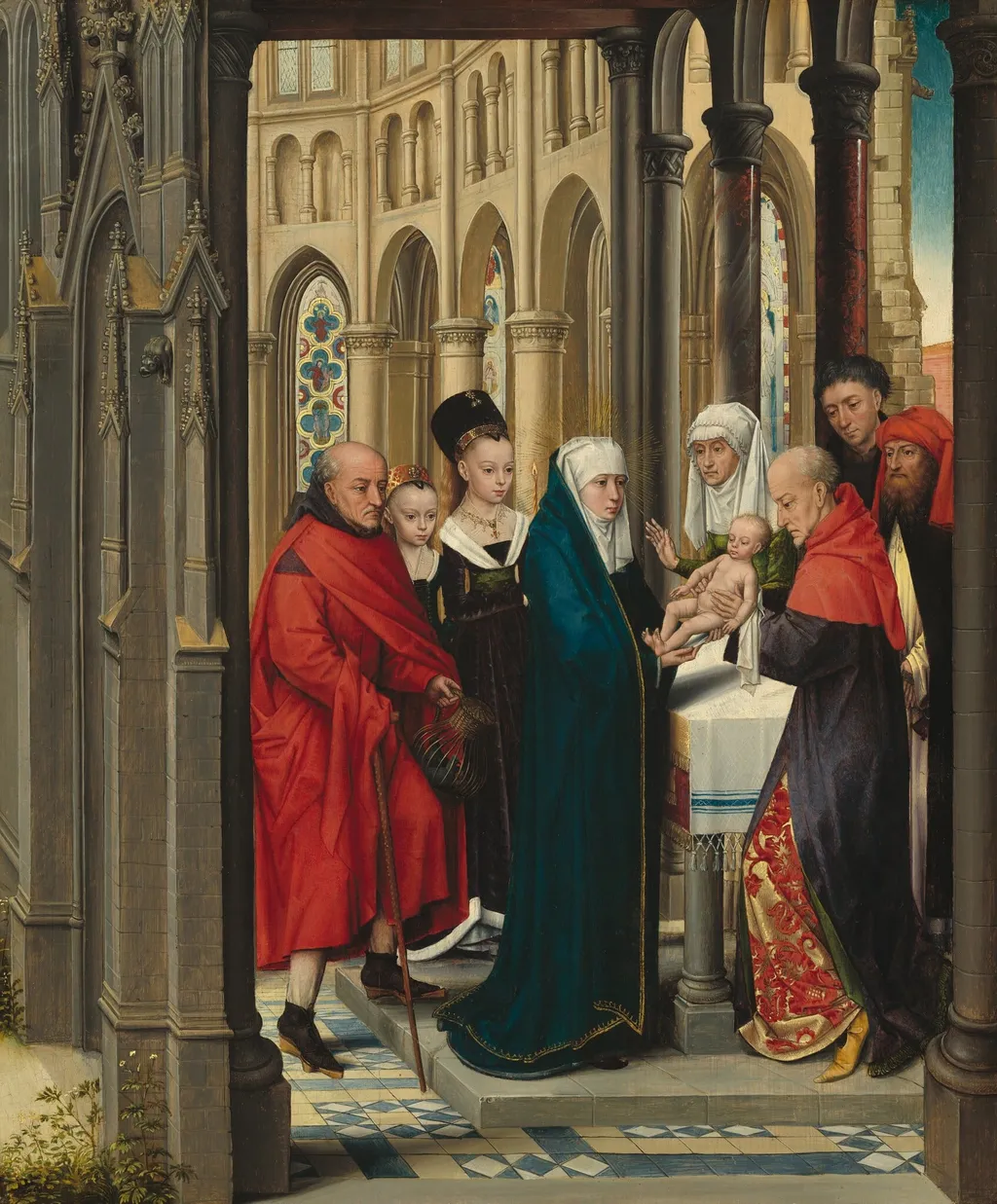
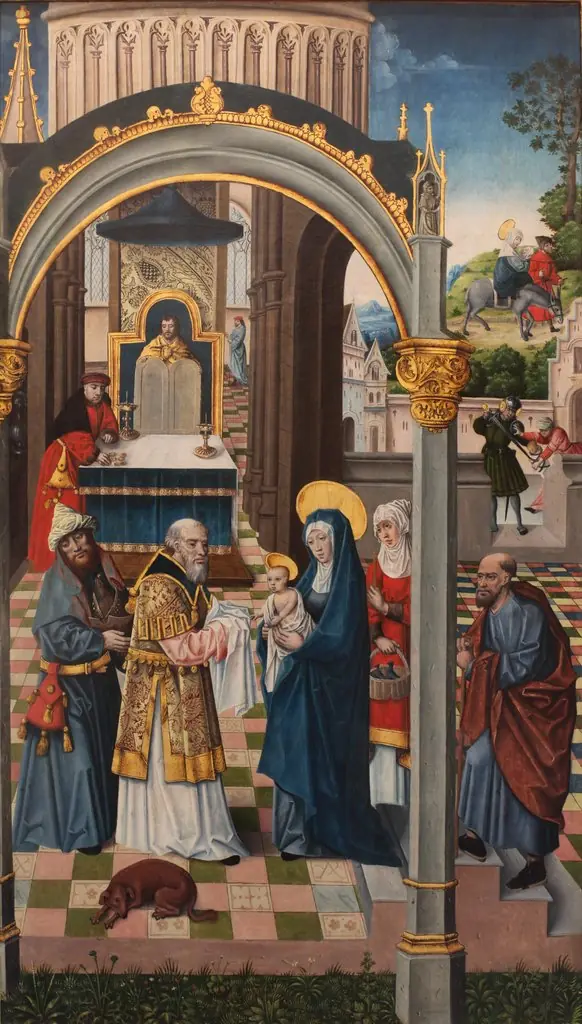
The Presentation in the Temple is an oil painting by the Northern Renaissance artist Master of the Prado "Adoration of the Magi". It dates from 1475 and is held in the collection of the National Gallery of Art.
About this work
Subject & Meaning
The central act of recognition is performed by the elderly Simeon, who receives the child and proclaims him a light for revelation to the Gentiles.
The painting depicts the Presentation of Jesus at the Temple, a scene drawn from the Gospel of Luke in which the infant Christ is brought to the Temple in Jerusalem to be consecrated to God, in accordance with Jewish law. The central act of recognition is performed by the elderly Simeon, who receives the child and proclaims him a light for revelation to the Gentiles. The episode is traditionally paired with Mary's ritual purification following childbirth, and the work situates the young Christ at the threshold of the sacred space, marking his first formal encounter with the religious establishment.
Within Early Netherlandish devotional painting, the subject functions as a typological hinge: the Temple's altar prefigures Christ's future sacrifice, while Simeon's acclamation foreshadows the Passion and the universal mission of the Church. The Virgin Mary, often shown with a candle or offering, embodies both obedience to the Mosaic law and her role as the New Eve, and her presence anchors the Incarnation within the Old Covenant setting.
Technique & Style
The Presentation in the Temple is executed in oil on panel, a technique characteristic of Early Netherlandish painting, to which the work is stylistically aligned. The panel support measures 57.9 cm in height by 47.8 cm in width, providing an intimate vertical format suited to its religious subject. The medium and handling are consistent with the practice of the Master of the Prado "Adoration of the Magi," the attributed creator, working circa 1475.
The painting belongs to the religious genre tradition and is classified as a painting within the Samuel H. Kress Collection at the National Gallery of Art in Washington, D.C. Its provenance traces through Viennese aristocratic collections before acquisition by the Kress Foundation in 1955 and subsequent donation to the gallery in 1961.
History & Provenance
Dated to circa 1475, this oil on panel was created by the Master of the Prado "Adoration of the Magi." The work entered the collection of Count Johann Rudolph Czernin von Chudenitz in Vienna by 1823. It remained within the Czernin family through inheritance until approximately 1954, when it was held by Count Eugen Czernin von Chudenitz.
By 1954, the painting was in the possession of Wildenstein & Co. in New York, which sold it to the Samuel H. Kress Foundation in 1955. Although a 1955 letter from the dealer identified the artist as Memling, the foundation subsequently gifted the work to the National Gallery of Art in Washington, D.C., in 1961, where it is held as part of the Samuel H. Kress Collection. The available sources do not list a specific exhibition history or accession number.
Overview
This oil painting on panel, titled The Presentation in the Temple, was created around 1475 by the artist known as the Master of the Prado "Adoration of the Magi." The work depicts a pivotal event from the New Testament, illustrating the ritual presentation of the infant Jesus at the Jerusalem Temple. It exemplifies characteristics of the Northern Renaissance, reflecting the period's detailed naturalism and religious devotion.
Context
Created during the Northern Renaissance, The Presentation in the Temple reflects the artistic trends of the Low Countries in the late 15th century. Artists of this period often combined religious narratives with a keen observation of everyday life and material detail. The use of oil paint allowed for luminous colors and precise rendering of textures, contributing to a sense of tangible reality that distinguished Northern European art from its Italian counterparts.
Own this work as a print
Artist & collection

Artist
Master of the Prado "Adoration of the Magi"
Master of the Prado "Adoration of the Magi" (1470–1480) was an artist.

 The Adoration of the Magi
 The Adoration of the Shepherds
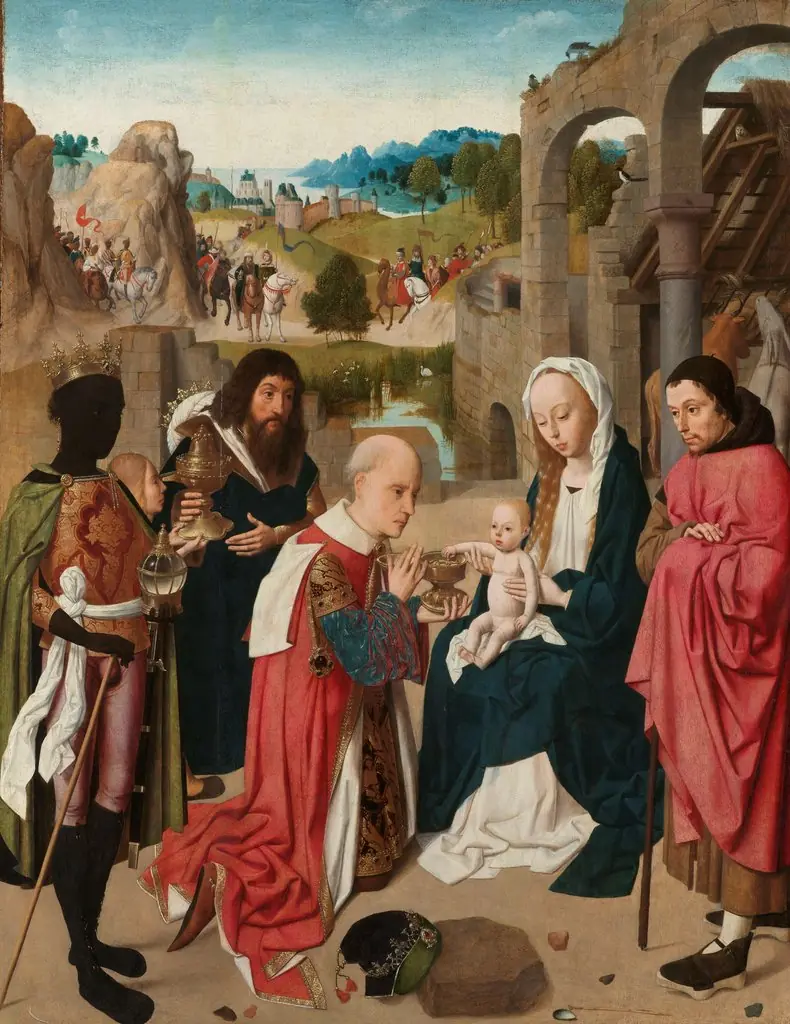 The Adoration of the Magi
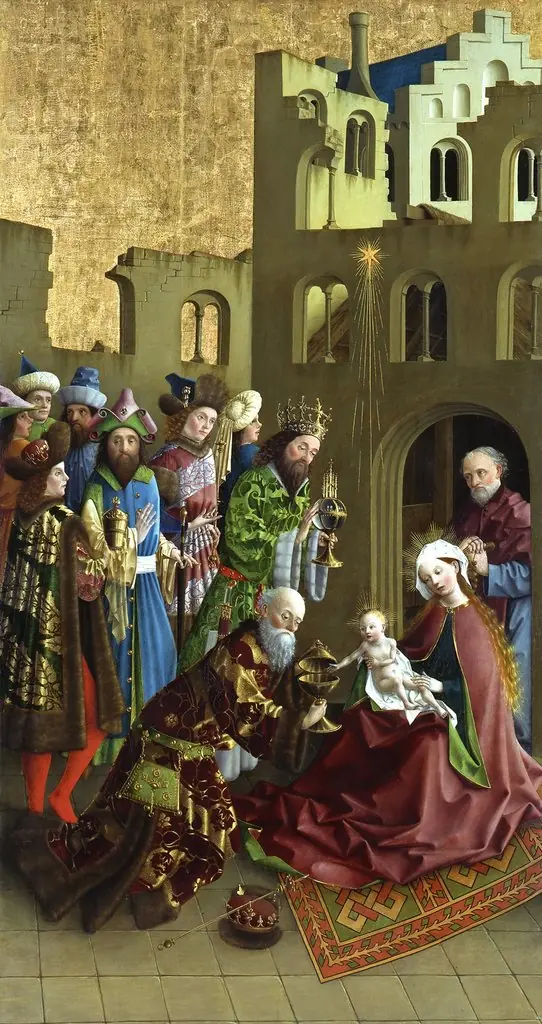 Darmstadt Altarpiece: The Epiphany
 The Adoration of the Magi
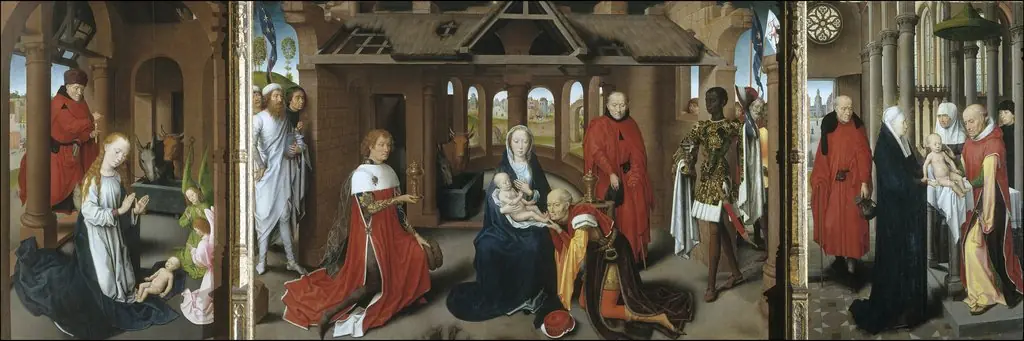 Adoration of the Magi Triptych
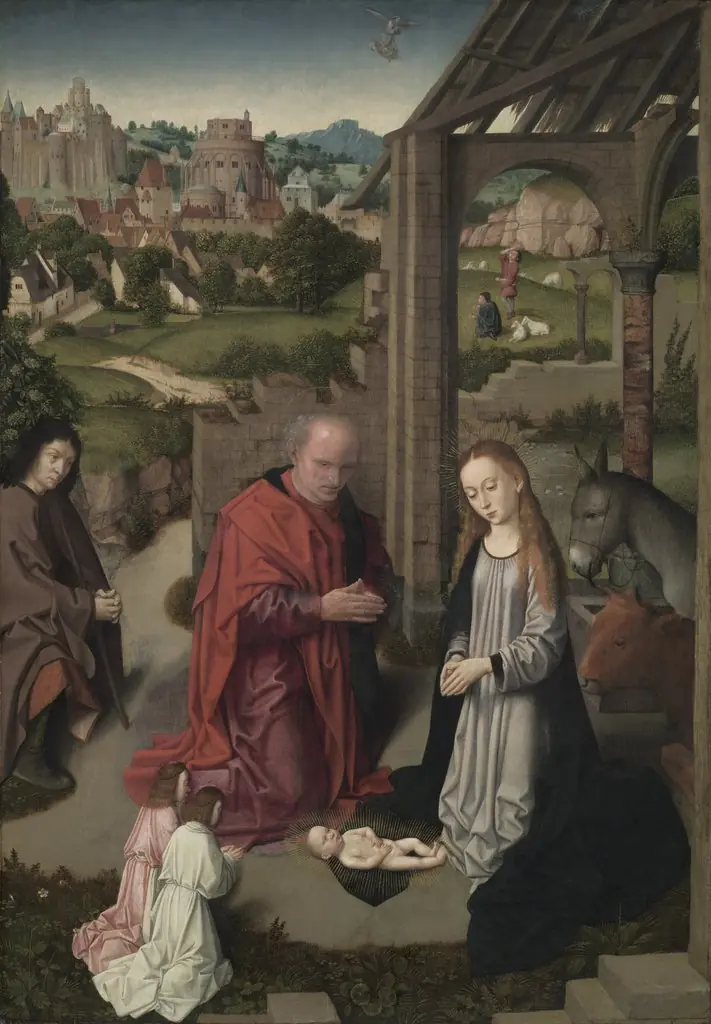 The Nativity
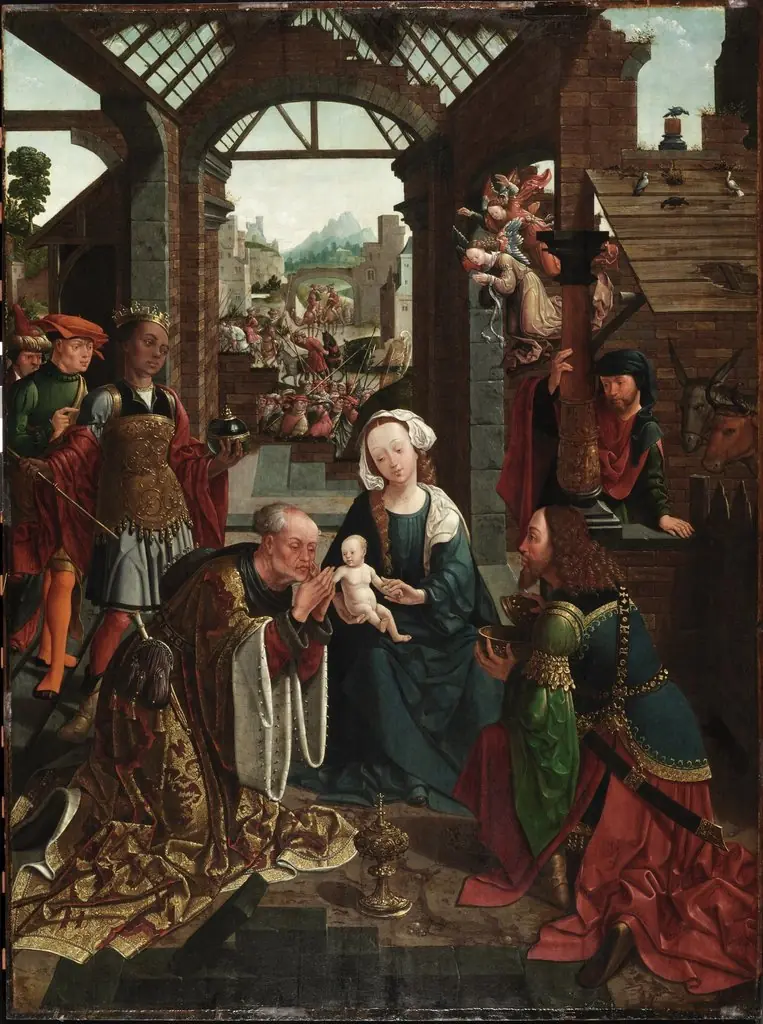 The Adoration of the Kings
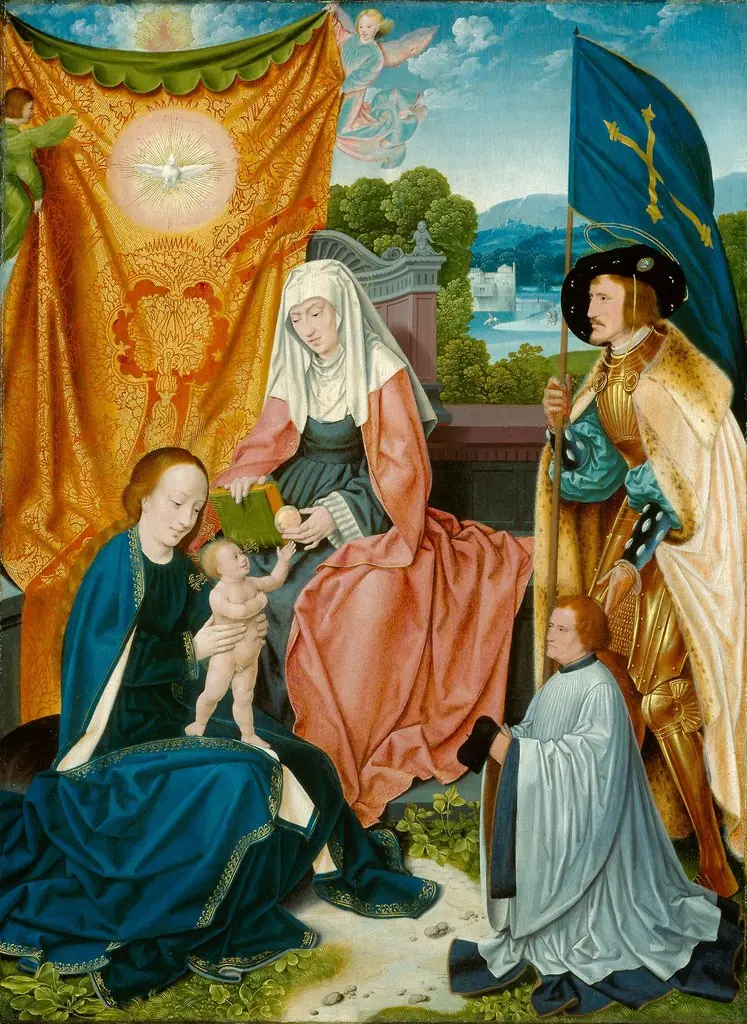 Virgin and Child with Saint Anne, Saint Gereon, and a Donor
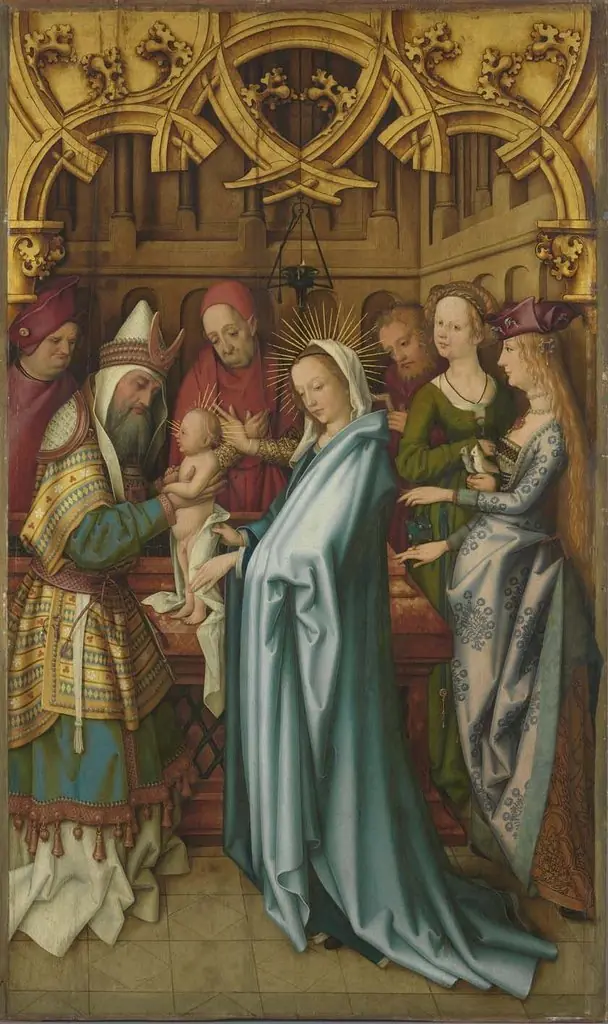 Kaisheimer Altar: Darbringung im Tempel
 Presentation of Jesus Christ at the Temple
- Presentation in the Temple