Artwork
Autumn Landscape at Eigenji
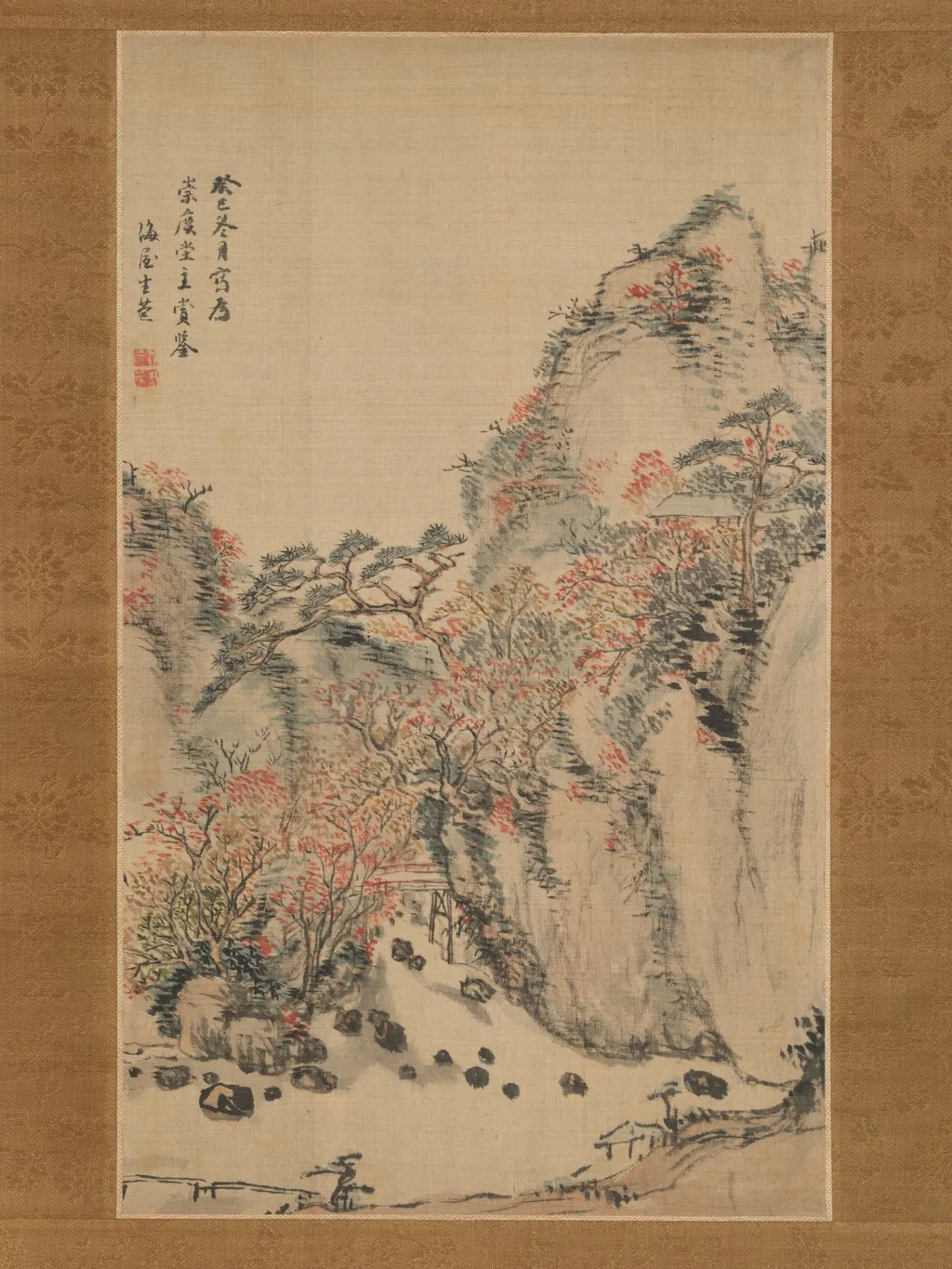
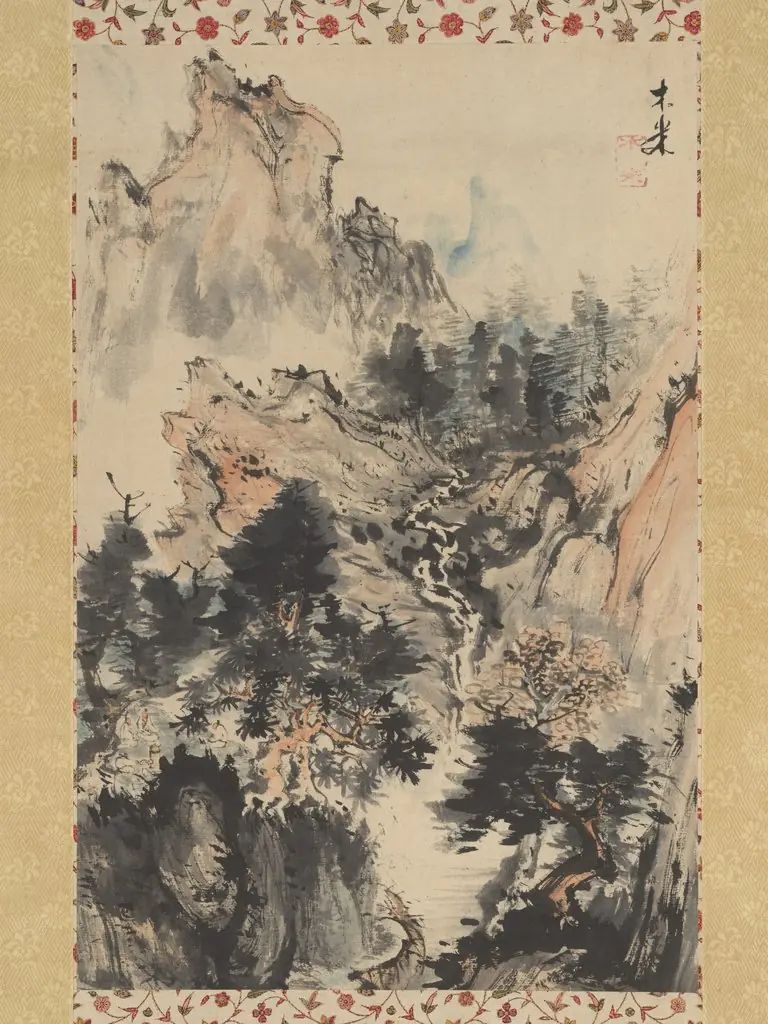
Autumn Landscape at Eigenji is an unspecified painting by Nukina Sūō. It dates from 1833 and is held in the collection of the Metropolitan Museum of Art.
About this work
History & Provenance
The work has been included in exhibitions at the Metropolitan Museum of Art, where it has been displayed as part of landscape painting presentations.
Autumn Landscape at Eigenji is a painting by Nukina Sūō, created in 1833 in Japan. It was commissioned as a landscape work and has been part of the Metropolitan Museum of Art's collection since its inception in 1833. The work entered the museum's holdings through a documented acquisition, establishing its provenance within the institution's collection.
The painting Autumn Landscape at Eigenji by Nukina Sūō is held in the collection of the Metropolitan Museum of Art. It was accessioned into the museum's inventory as part of its holdings. The work has been included in exhibitions at the Metropolitan Museum of Art, where it has been displayed as part of landscape painting presentations.
Overview
Created in 1833 by Nukina Sūō, a prominent Edo‑period painter and calligrapher, Autumn Landscape at Eigenji is a modestly sized ink and color work now in the Metropolitan Museum of Art. Executed in the Nanga tradition that looks to Chinese literati painting, the piece presents a tranquil mountain scene rendered with restrained palette and atmospheric perspective.
Subject & Meaning
The composition depicts a winding path threading through rocky hills, flanked by leaf‑bare trees tinged with red and green. A small bridge arches near the foreground, while distant forms dissolve into lighter, mist‑like shapes. The muted blues and grays, punctuated by occasional crimson foliage, evoke the crisp, transitional quality of autumn in a secluded temple setting.
Technique & Style
Sūō employs loose, expressive brushwork to suggest the texture of bark, rock, and foliage, allowing the ink to bleed into soft washes that create depth. The restrained color application, primarily cool tones with selective red accents, reflects the Nanga emphasis on spontaneity and the scholar‑artist’s preference for suggestion over detailed realism.
Context
The painting aligns with the broader Nanga movement’s fascination with Chinese literati ideals, where landscape served as a vehicle for personal expression and scholarly contemplation. By choosing a temple site such as Eigenji, Sūō situates his work within a tradition of integrating natural scenery with cultural and spiritual references common to Edo‑period art.
Own this work as a print
Artist & collection
Artist
Nukina Kaioku (貫名 海屋; 1778–1863) was a Japanese painter and calligrapher. He had many pseudonyms, but Kaioku (海屋) and Sūō (菘翁) are the most well-known. He was considered a leader in the field of Japanese calligraphy…

- Paintings after Ancient Masters: Autumn Landscape
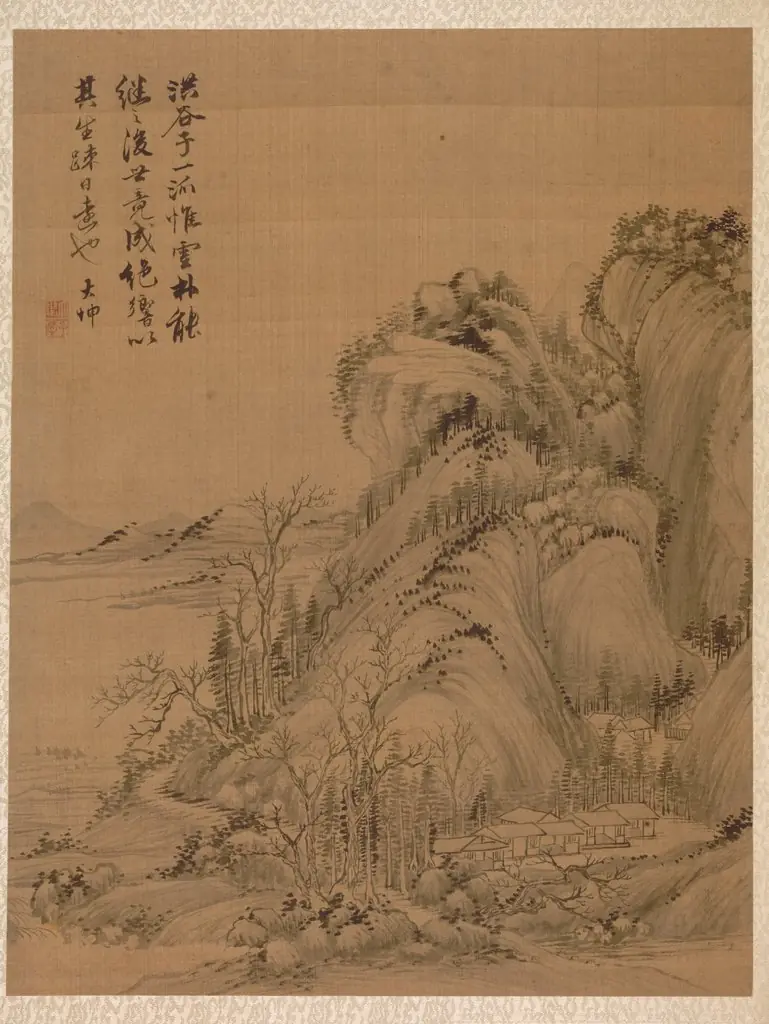 Landscape in the Style of Ching Hao
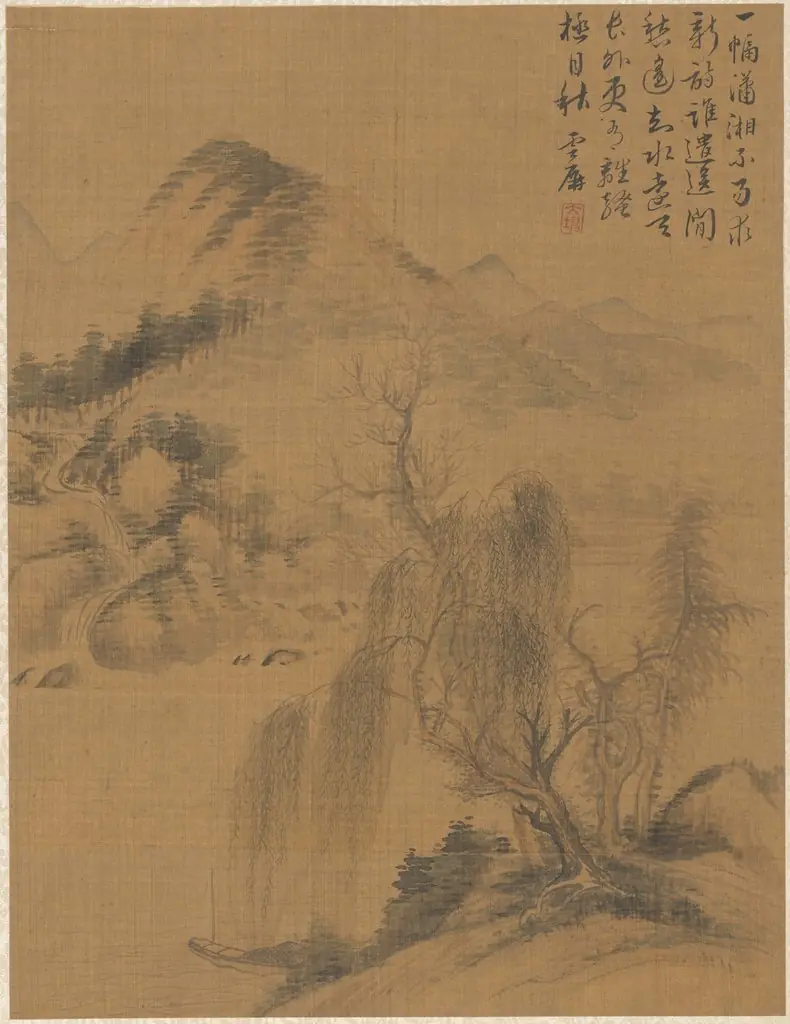 Landscape
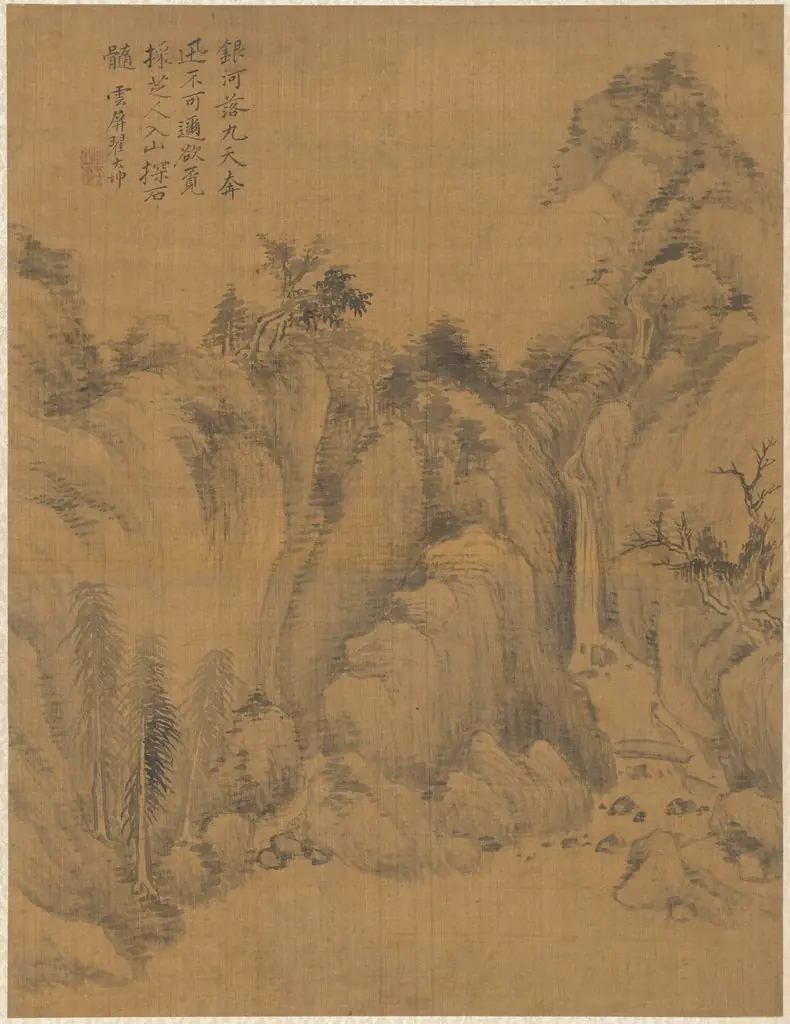 Landscape
 Landscape in the Style of Ching Hao
 Brewing Tea in the Shade of Trees
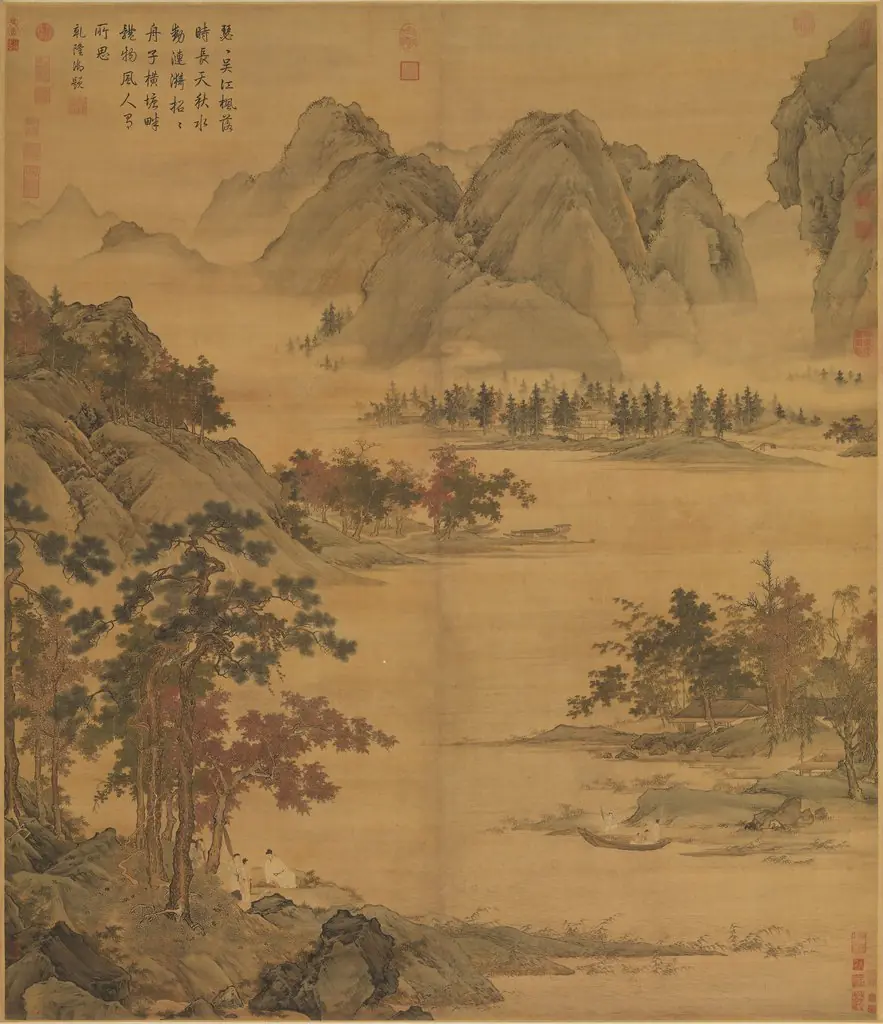 Waiting for the Ferry on an Autumn River
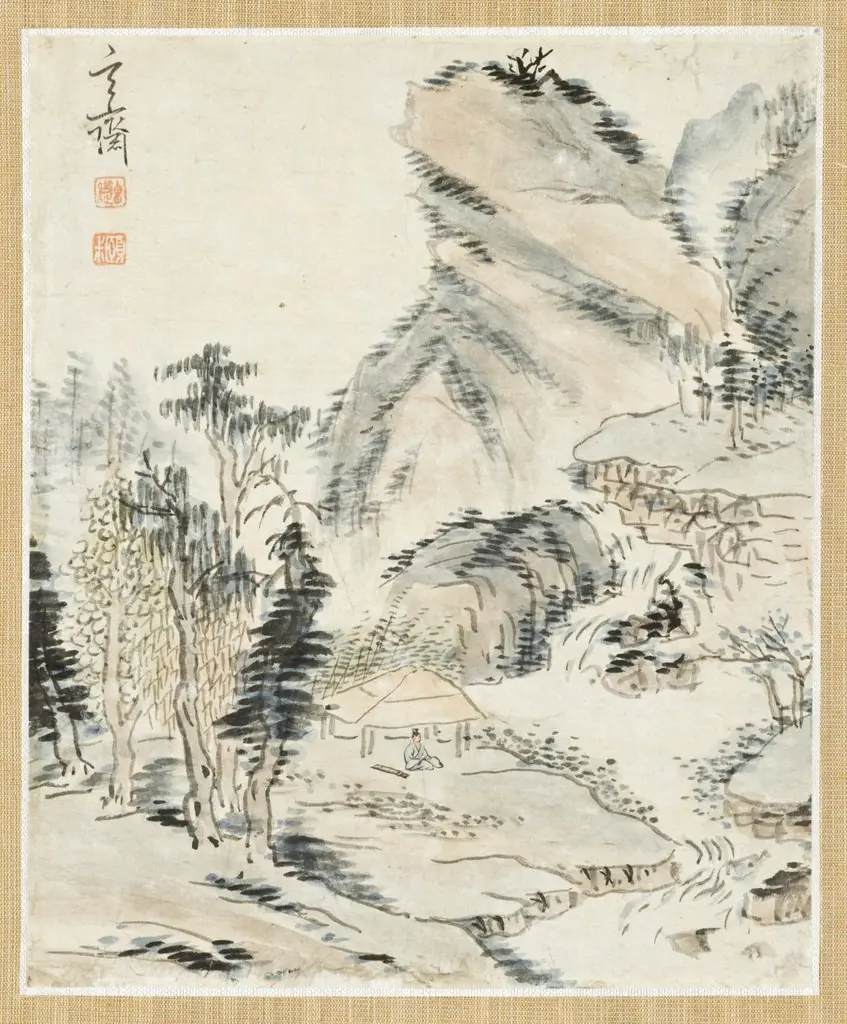 Landscape
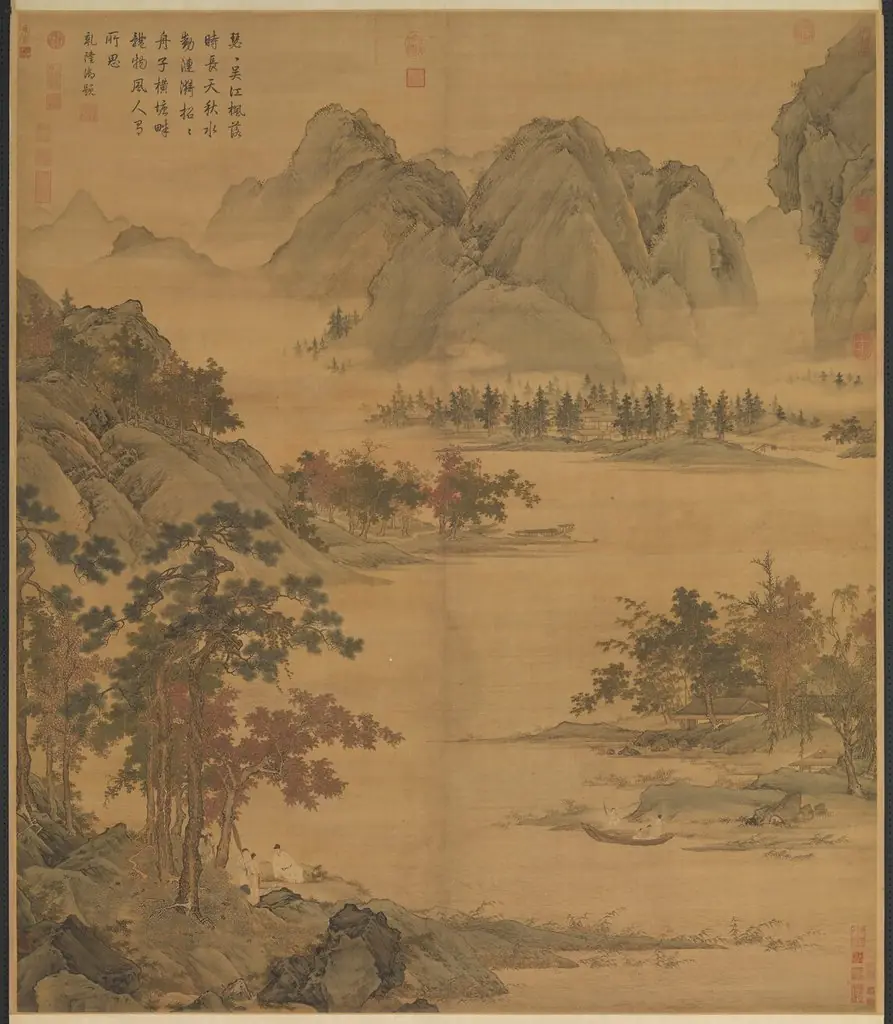 明仇英秋江待渡 軸
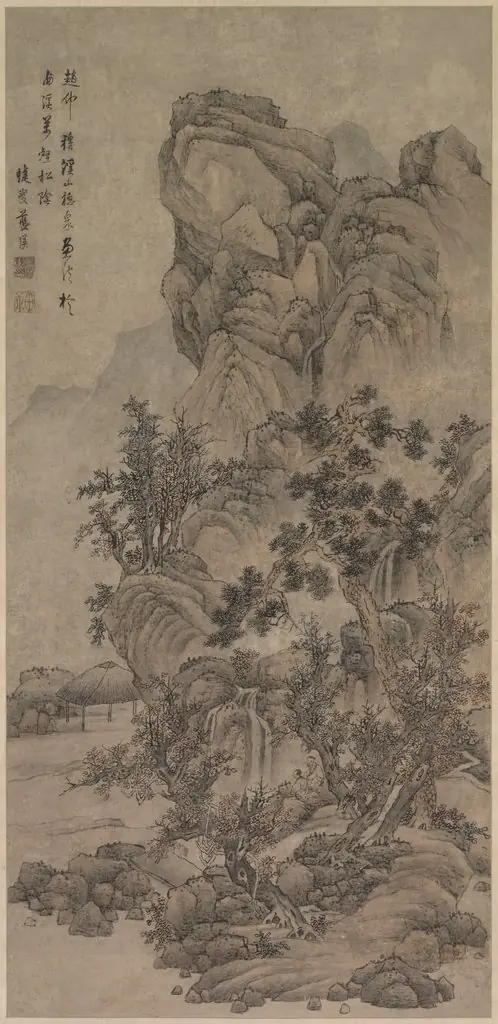 Landscape with Figures
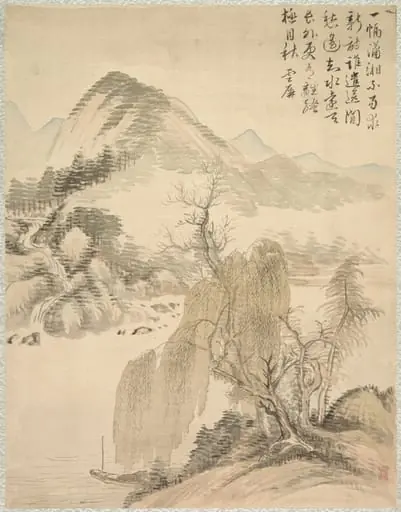 Willow and Waterfall
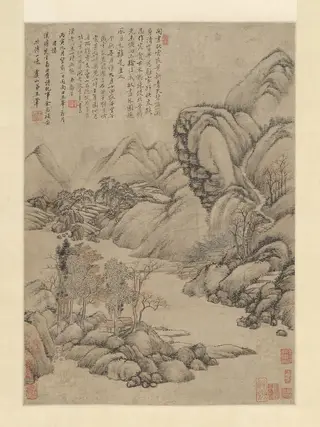 清 王翬 玉峰看月圖 軸|Landscape: Eve of Mid-autumn