Artwork
Lake Biwa in Four Seasons
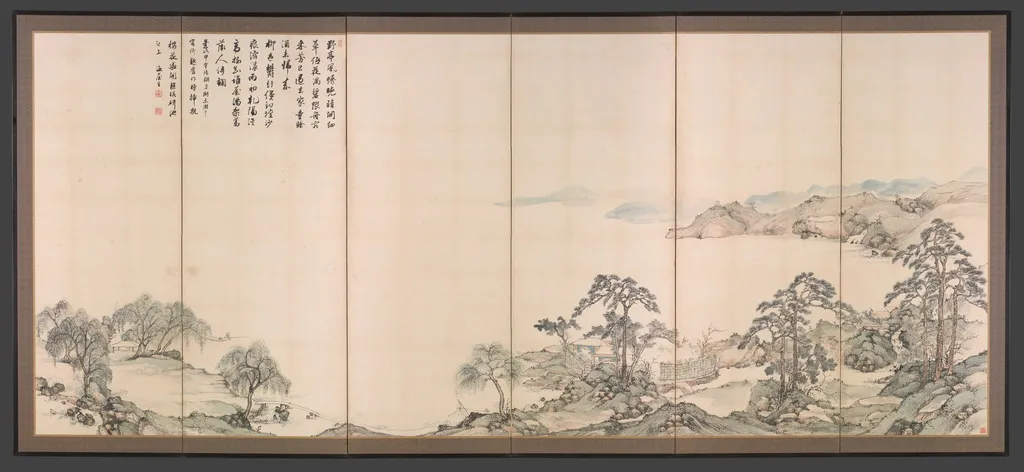
Lake Biwa in Four Seasons is an unspecified painting by the Nanga artist Nukina Sūō. It dates from 1834 and is held in the collection of the Metropolitan Museum of Art.
About this work
Overview
Created in 1834, Lake Biwa in Four Seasons is a nanga painting by the Edo‑period artist Nukina Sūō, also known as Nukina Kaioku.
Created in 1834, Lake Biwa in Four Seasons is a nanga painting by the Edo‑period artist Nukina Sūō, also known as Nukina Kaioku. The work presents a tranquil lakeside scene divided into two complementary halves, each illustrating different aspects of the landscape as they shift through the year. Soft, muted tones of green, brown and blue dominate, lending the composition a quiet, contemplative atmosphere.
Subject & Meaning
The picture portrays the environs of Lake Biwa, Japan’s largest freshwater lake, rendered in four seasonal moods. One side shows a densely wooded bank with a modest dwelling near a river, while the opposite side features gently rolling hills dotted with sparse trees. The juxtaposition of foliage density and architectural elements suggests the passage of time and the artist’s reflective engagement with nature.
Technique & Style
Executed in the nanga, or bunjinga, tradition, the painting employs delicate brushwork that merges ink and light washes of color. The strokes are intentionally loose, echoing Chinese literati aesthetics that value personal expression over strict realism. A faint calligraphic inscription runs along the left margin in Japanese, integrating poetry or commentary directly into the visual field, a hallmark of the scholar‑artist approach.
History & Provenance
Nukina Sūō was a prominent calligrapher and painter during the late Edo era, recognized for his contributions to the Japanese adaptation of Chinese scholarly painting. Lake Biwa in Four Seasons reflects his commitment to the nanga movement’s ideals of amateurish sincerity and reverence for classical Chinese models. The work remains in a public collection, where it continues to illustrate the cross‑cultural artistic dialogues of early nineteenth‑century Japan.
Artist & collection
Artist
Nukina Kaioku (貫名 海屋; 1778–1863) was a Japanese painter and calligrapher. He had many pseudonyms, but Kaioku (海屋) and Sūō (菘翁) are the most well-known. He was considered a leader in the field of Japanese calligraphy…

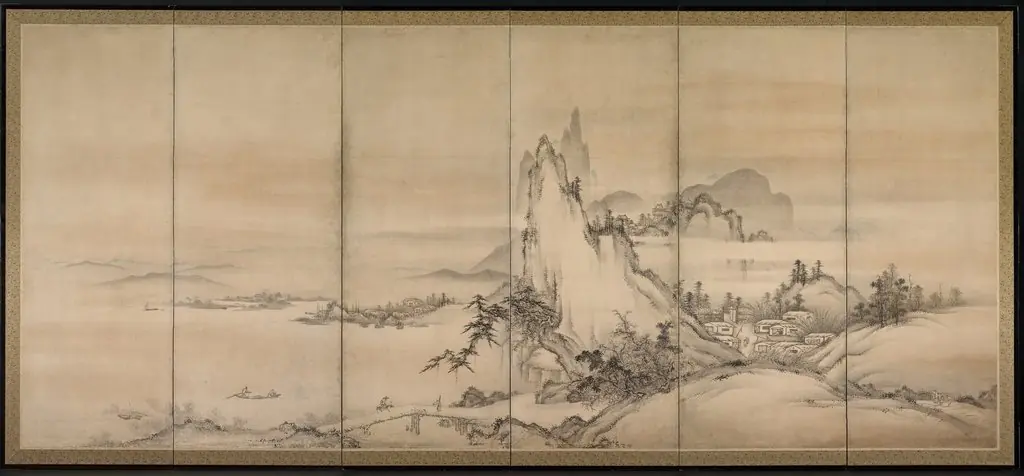 Chinese Landscape
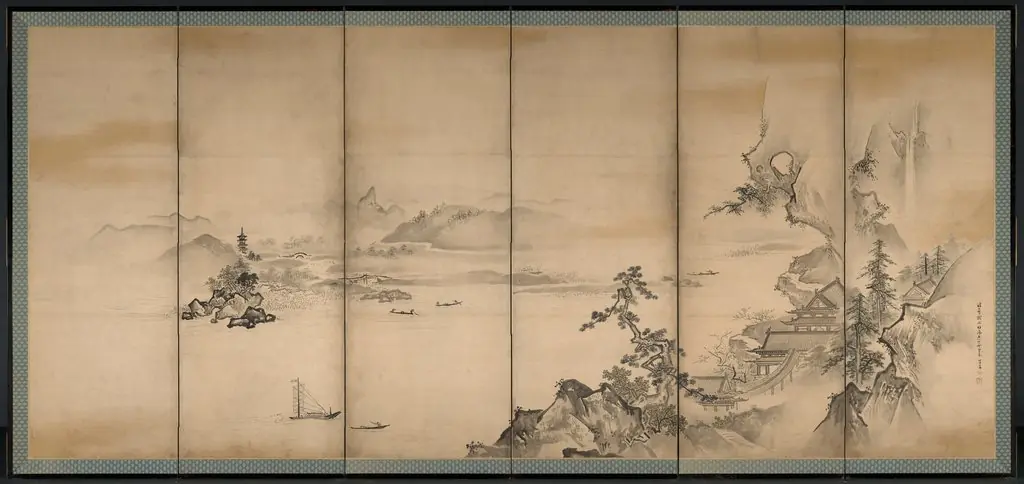
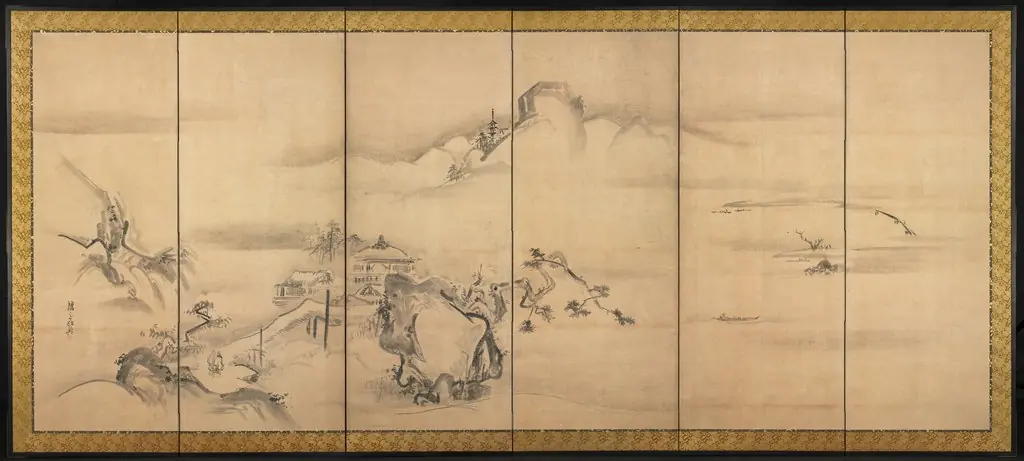 Eight Views of the Xiao and Xiang Rivers
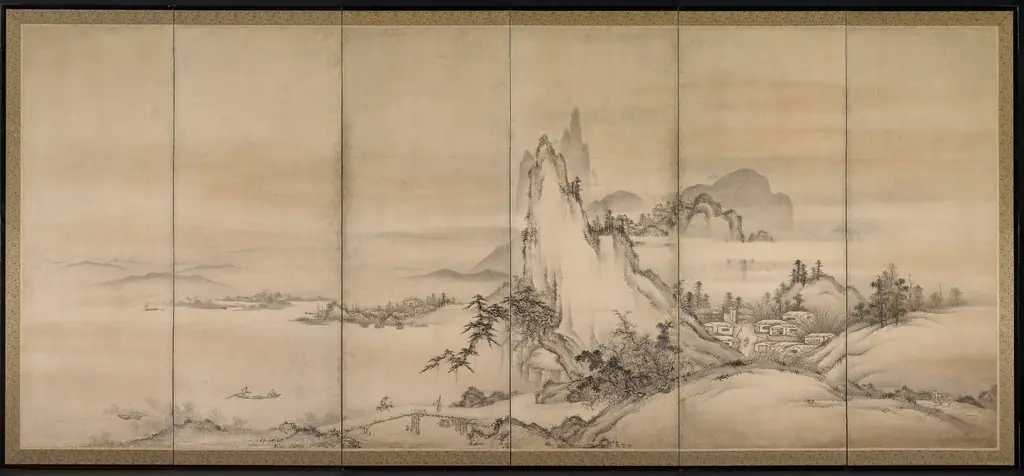 Chinese Landscape
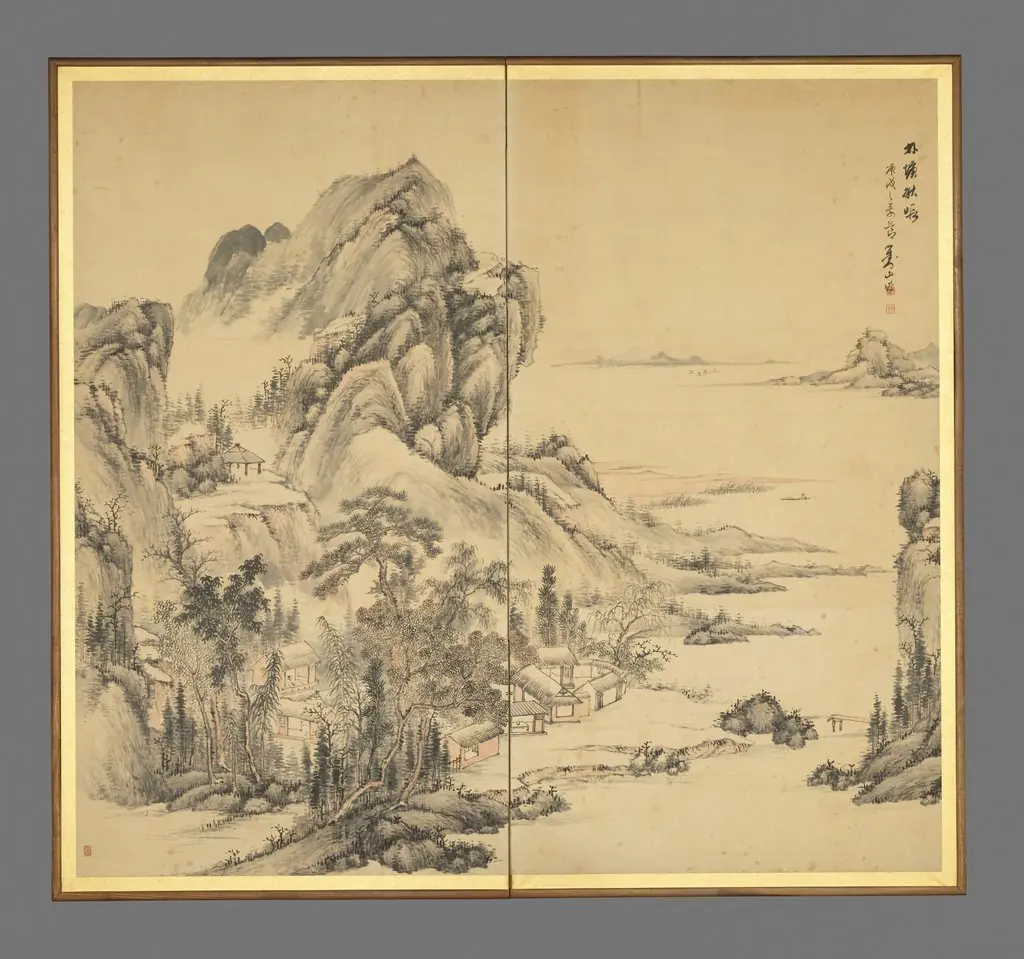 “At leisure in a lakeside grove in autumn”
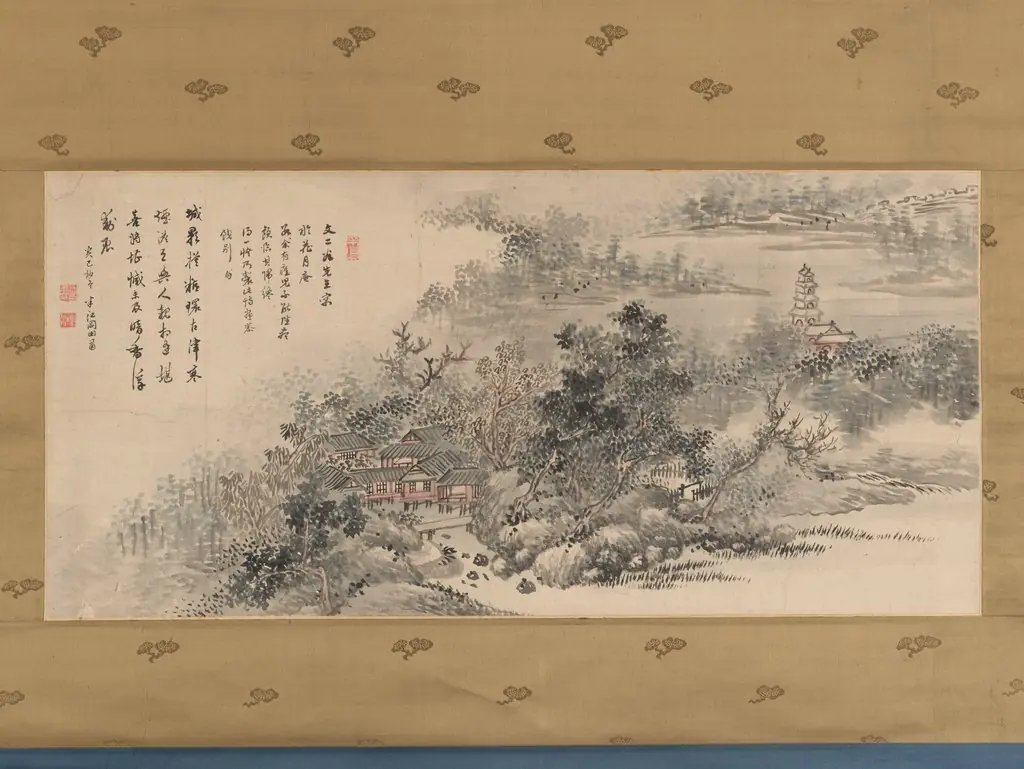 Farewell Gift to Tani Bunji
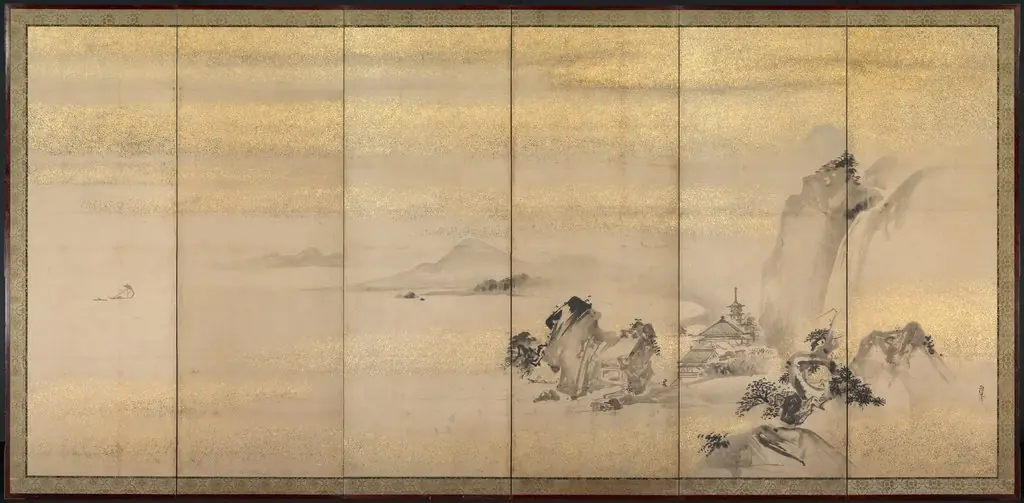 Summer and Winter Landscapes (one of a pair)
 Summer and Winter Landscapes
 相阿弥筆 四季山水図 (瀟湘八景)|Landscape of the Four Seasons (Eight Views of the Xiao and Xiang Rivers)