Artwork
Saint Matthew the Evangelist
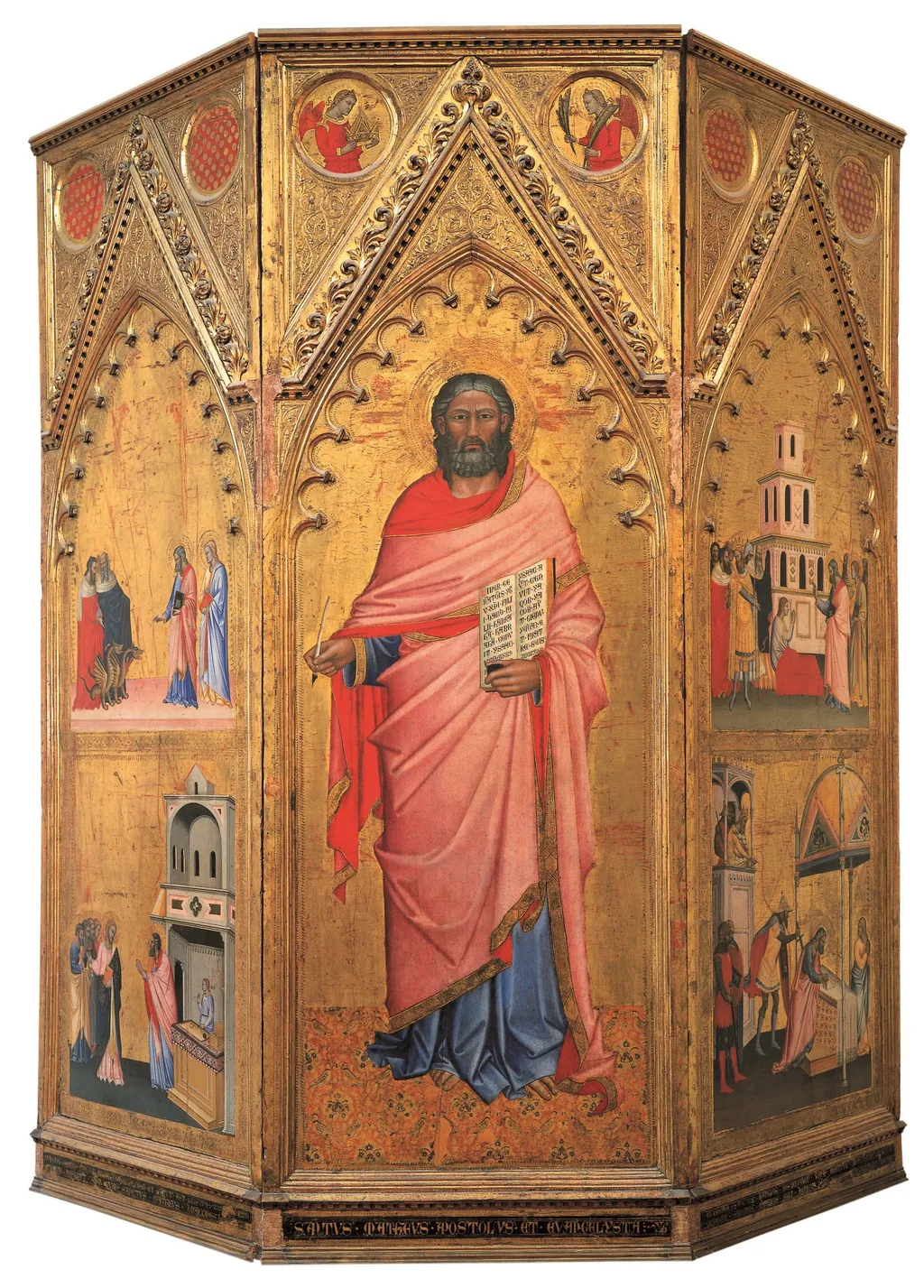
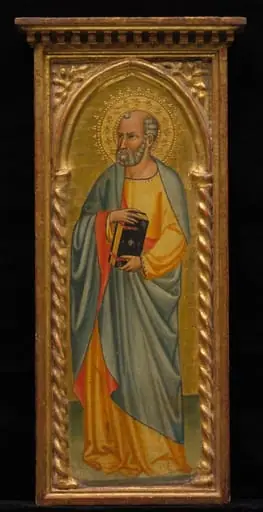
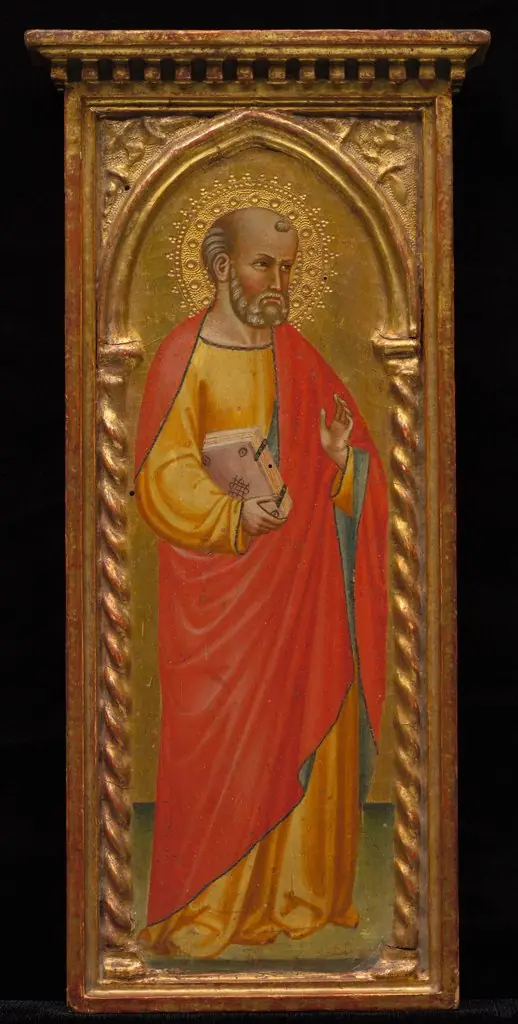
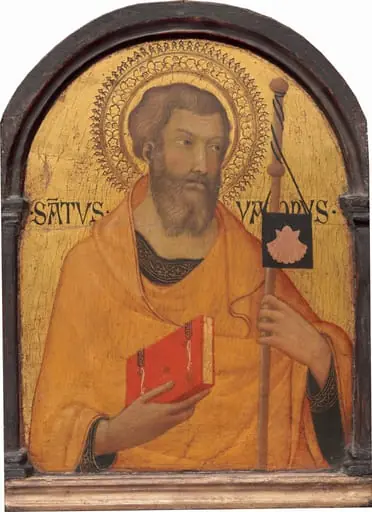
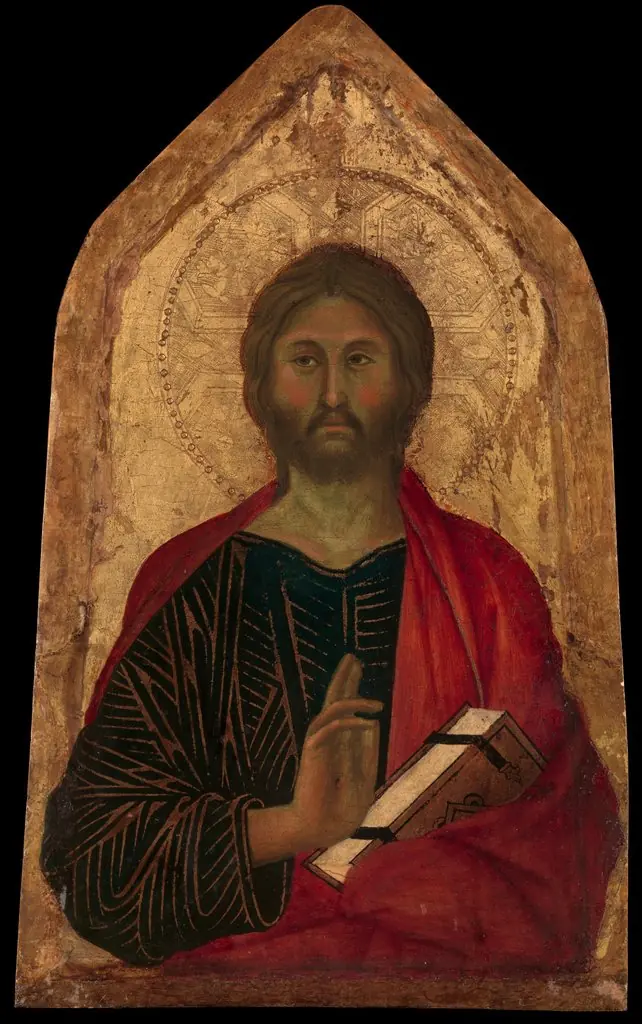
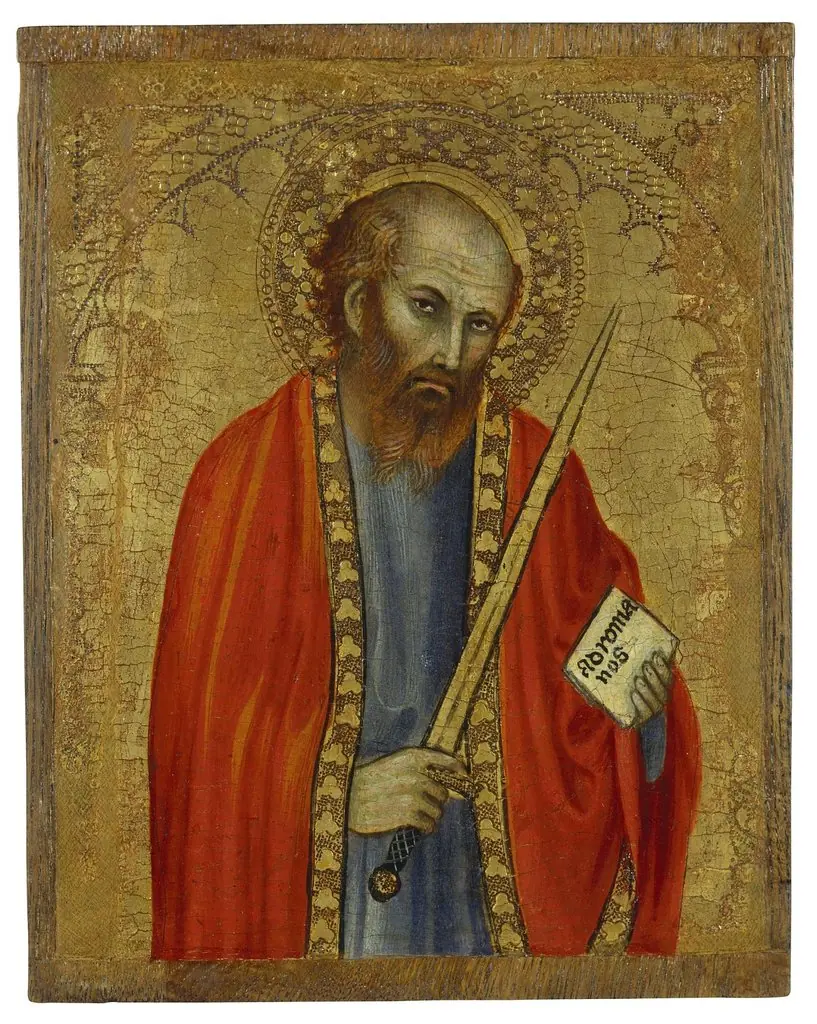
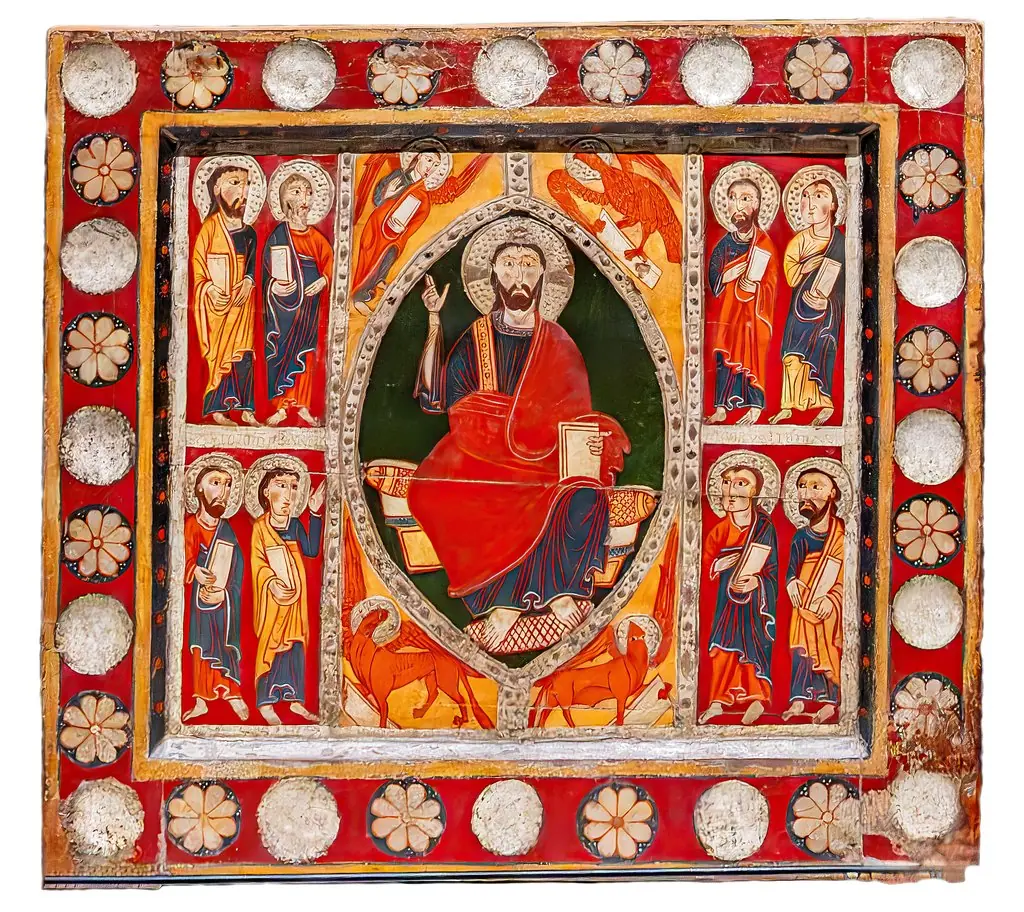
Saint Matthew the Evangelist is a tempera painting by the Byzantine icon painting artist Orcagna. It dates from 1367 and is held in the collection of the Uffizi Gallery. Created in 1367, this tempera panel by the Florentine artist known as Orcanda presents the figure of Saint Matthew.
About this work
Overview
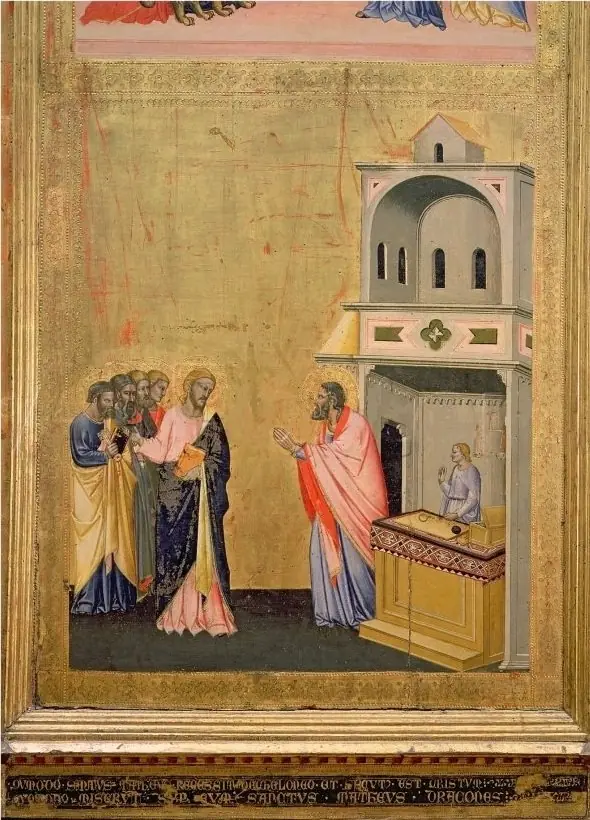
Flanking panels contain additional narrative scenes rendered in a restrained palette of reds, blues and gold, characteristic of the work’s formal elegance.
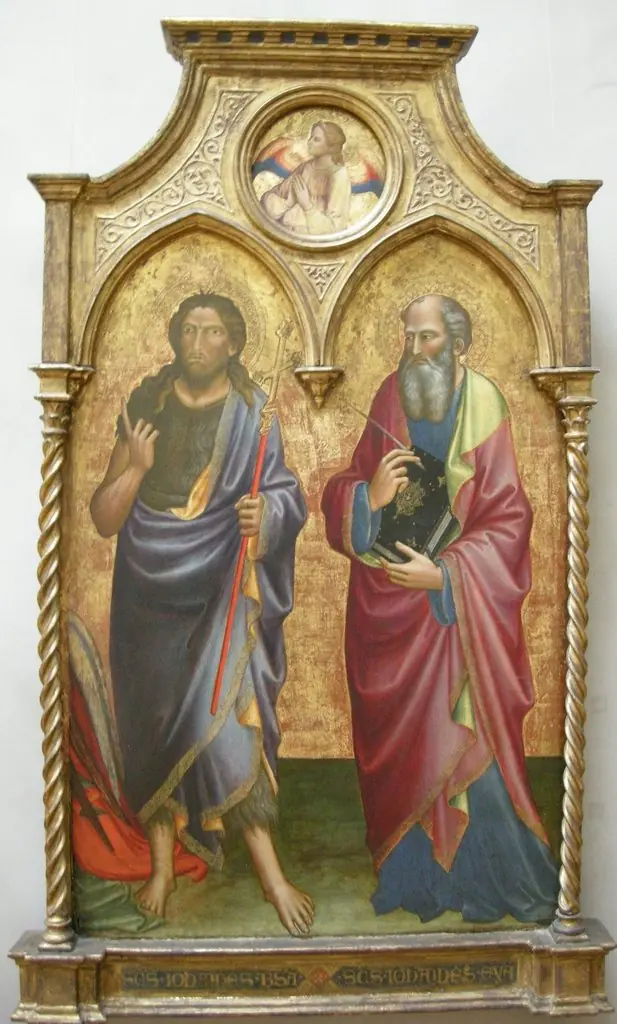
Created in 1367, this tempera panel by the Florentine artist known as Orcanda presents the figure of Saint Matthew. Executed as a three‑part composition, the central image shows the evangelist seated against a gold field, clutching a book and a quill. Flanking panels contain additional narrative scenes rendered in a restrained palette of reds, blues and gold, characteristic of the work’s formal elegance.
Subject & Meaning
The central figure is identified as the apostle Matthew, traditionally portrayed as a writer of the Gospel. He is dressed in a vivid red robe and blue trousers, symbols of his authority and spiritual insight, while the book and writing implement underscore his role as a chronicler of Christ’s teachings. The surrounding scenes on the side panels complement this theme, depicting related biblical or hagiographic moments.
Technique & Style
Executed in tempera on wood, the painting follows the conventions of Byzantine iconography that persisted in 14th‑century Italy. The gold background creates a timeless, luminous space, while the figures are rendered with linear precision and delicate modeling. Ornamented patterns frame the central saint, and the muted tonal range of reds, blues and gold contributes to a solemn, devotional atmosphere.
History & Provenance
Andrea di Cione, called Orcanda, was active as a painter, sculptor and architect, serving as a consultant for the cathedral of Florence and supervising the façade of Orvieto Cathedral. This work entered the Uffizi Gallery’s collection, where it remains on display as part of the museum’s holdings of medieval religious art.
Context
The piece reflects the continued influence of Byzantine visual language on Tuscan art during the mid‑1300s, a period when local workshops blended Eastern iconographic models with emerging Gothic sensibilities. Orcanda’s involvement in major architectural projects suggests that the painting was likely commissioned for a liturgical setting, aligning with the era’s emphasis on didactic and devotional imagery.
Own this work as a print
Artist & collection
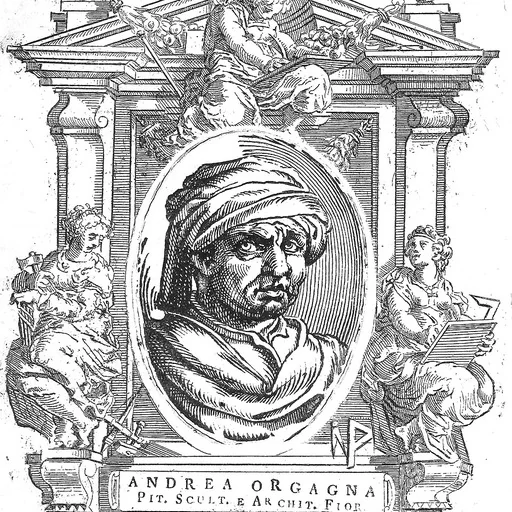
Artist
Andrea di Cione di Arcangelo (c. 1308 – 25 August 1368), better known as Orcagna, was an Italian painter, sculptor, and architect active in Florence. He worked as a consultant at the Florence Cathedral and supervised…