Artwork
The Chiarito Tabernacle
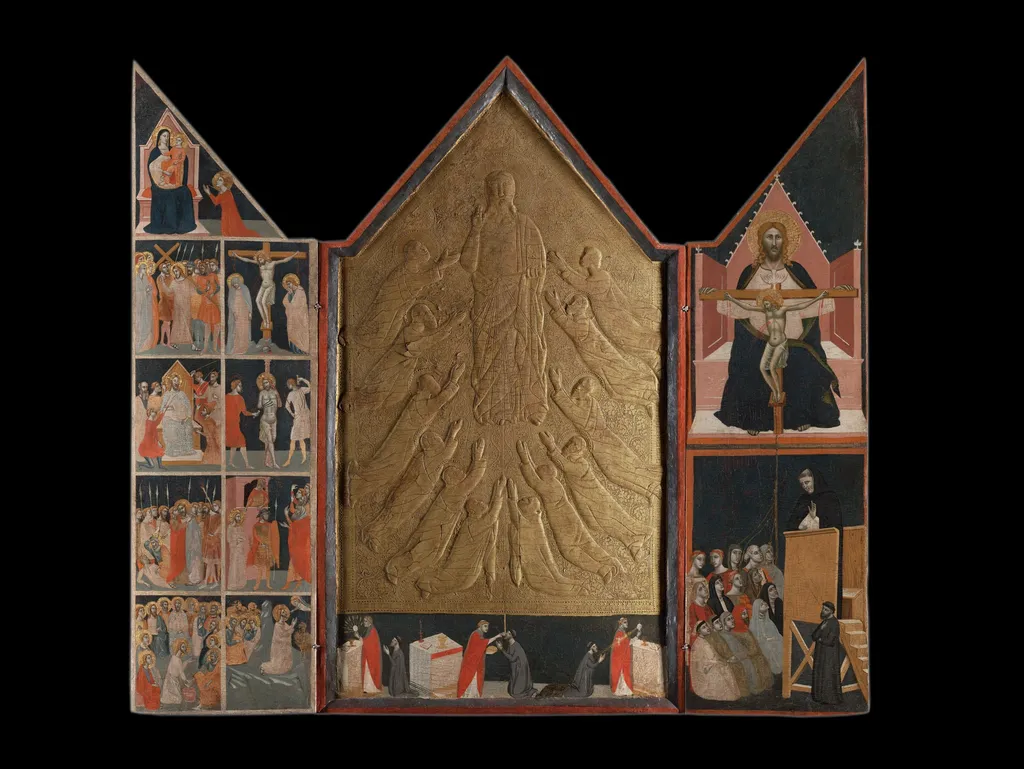
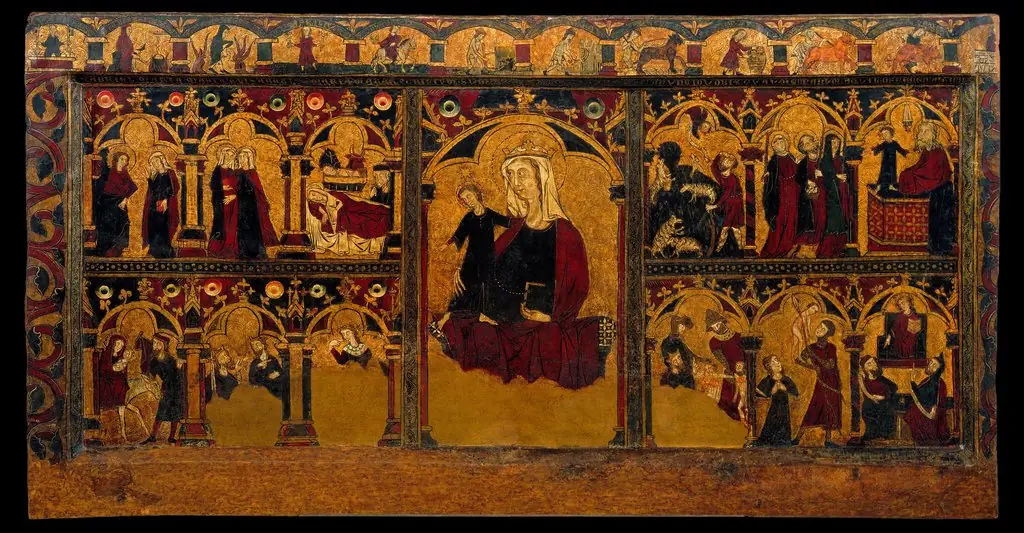
The Chiarito Tabernacle is an unspecified painting by the Italo Byzantine artist Pacino di Buonaguida. It dates from 1340 and is held in the collection of the J. Paul Getty Museum.
About this work
Overview
The Chiarito Tabernacle is a painting created in 1340 by Pacino di Buonaguida, a Florentine Italian Gothic artist. It is part of the Italo-Byzantine movement.
Subject & Meaning
The painting depicts a religious scene, characteristic of the Italo-Byzantine style's emphasis on sacred themes.
Technique & Style
While specific techniques used are not detailed here, the work's adherence to Italo-Byzantine conventions suggests the use of gold leaf, tempera, and rigid compositional forms typical of the period.
History & Provenance
Originally created for the Chiarito family, the tabernacle is now part of the J. Paul Getty Museum's collection.
Context
Produced in 1340, the work reflects the artistic and religious sensibilities of 14th-century Florence, blending Byzantine influences with emerging Gothic styles.
Legacy
The Chiarito Tabernacle contributes to the understanding of the Italo-Byzantine movement's influence on Florentine art during the Gothic period, though its broader impact on later art movements is not explicitly defined in available information.
Own this work as a print
Artist & collection
Artist
Pacino di Buonaguida (active c. 1303 – about 1347) was an Italian painter active in Florence in the Gothic. Little is known of his biography, and only one work is signed, an altarpiece at the Accademia di Belle Arti in…

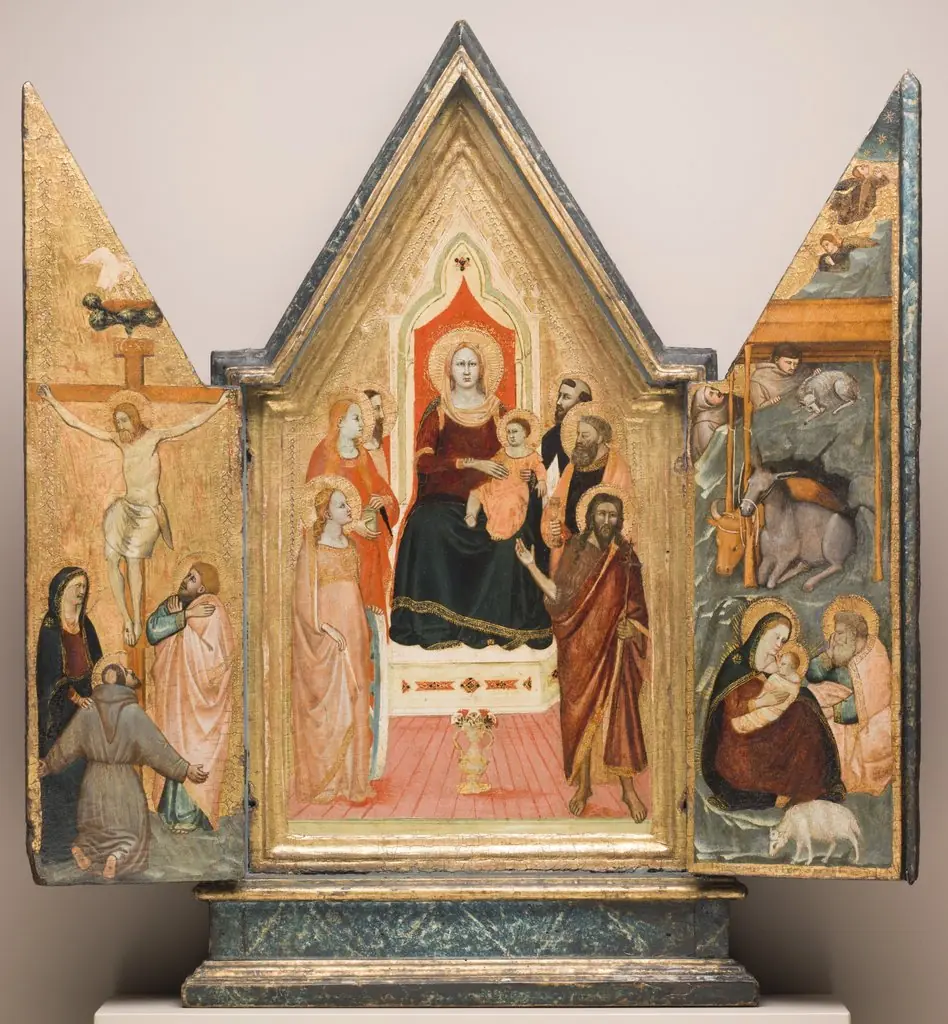 Virgin Enthroned with Saints, Nativity and Crucifixion
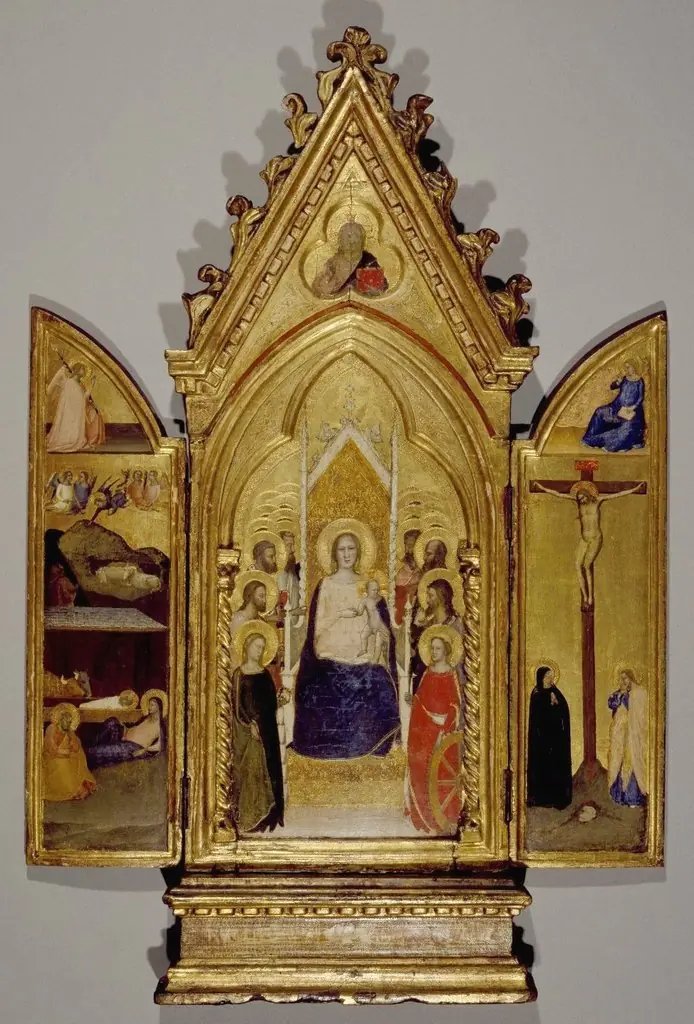 Triptych: Madonna with Saints and Christ Blessing (Center); The Nativity and the Annunciate Angel (Left Wing); Crucifixion and the Virgin Annunciate (Right Wing)
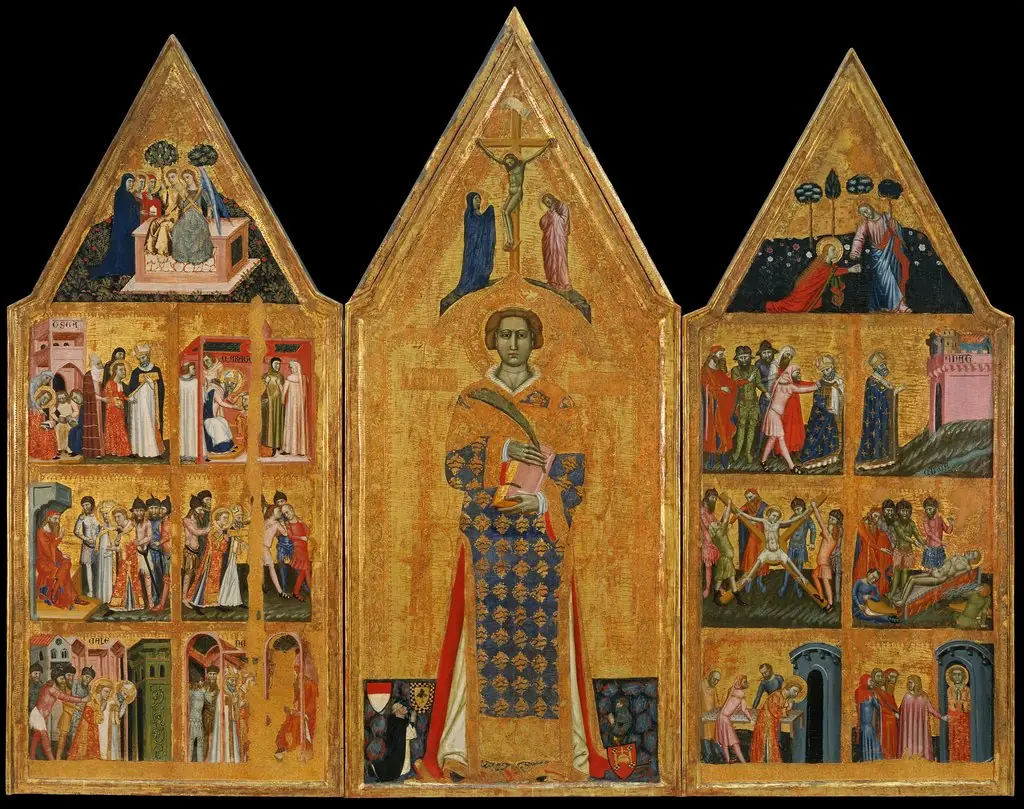 Altarpiece of Saint Vincent
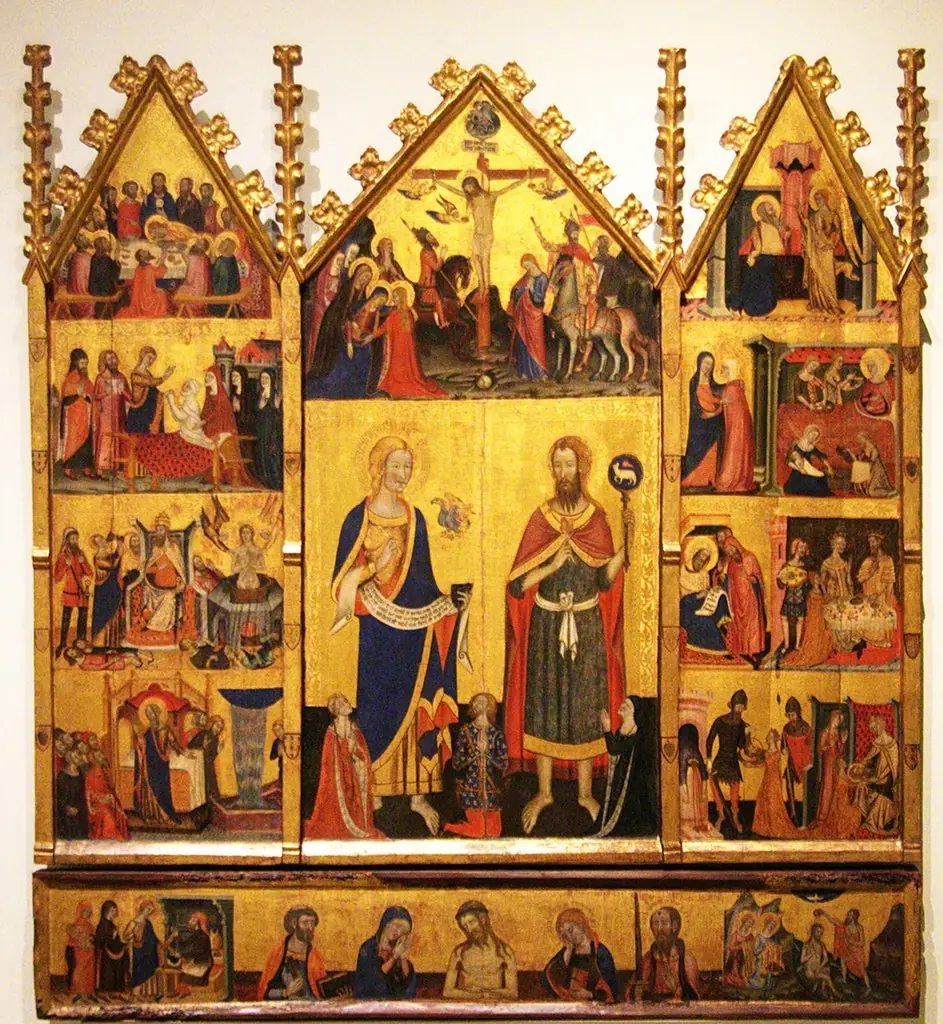 Altarpiece of the Saints John
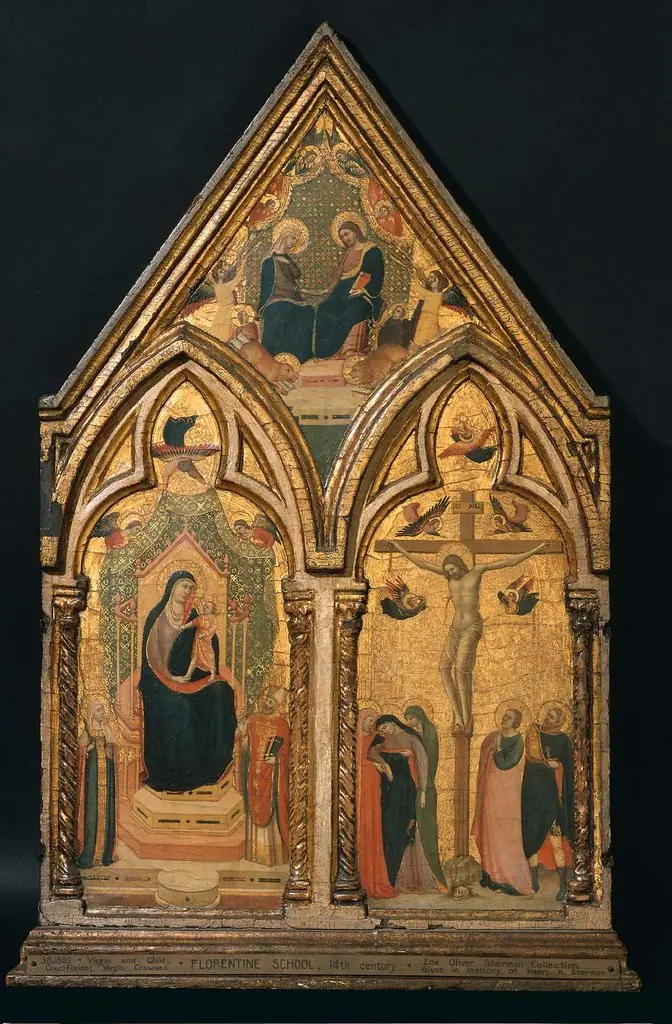 Virgin and Child Enthroned with Saints; Crucifixion; Coronation of the Virgin
 Saint Ursula and Her Maidens
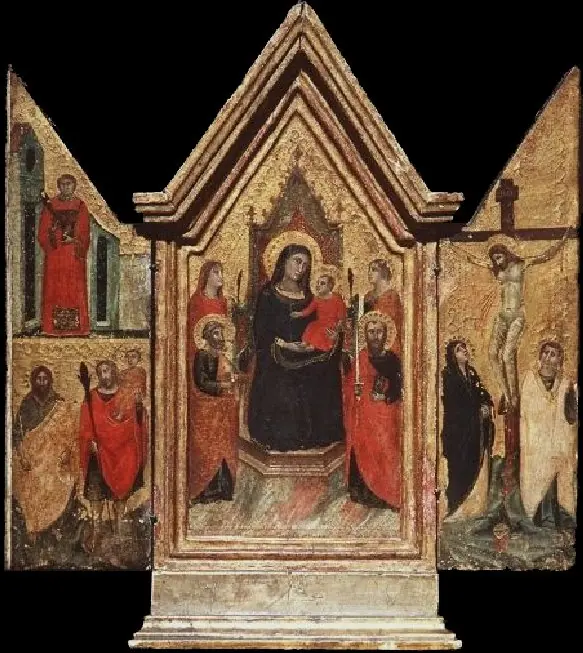 Crucifixion, Madonna, and saints
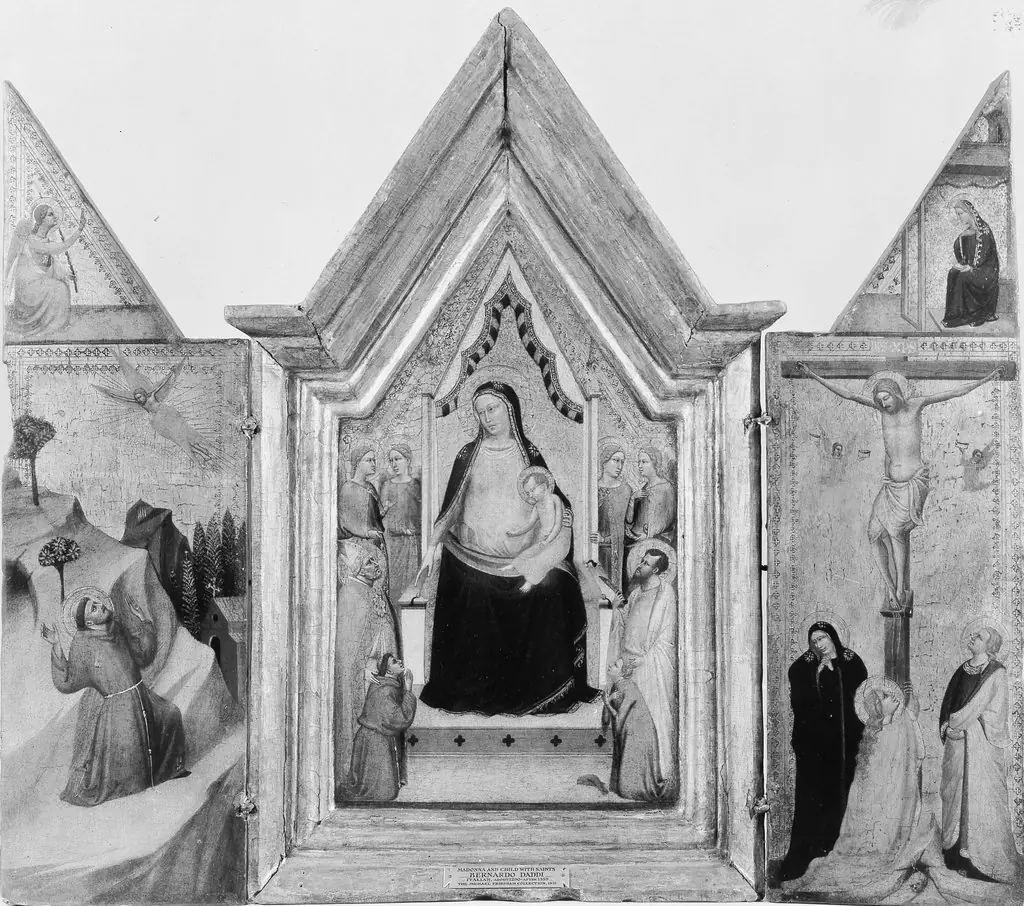 Madonna and Child Enthroned with Saints
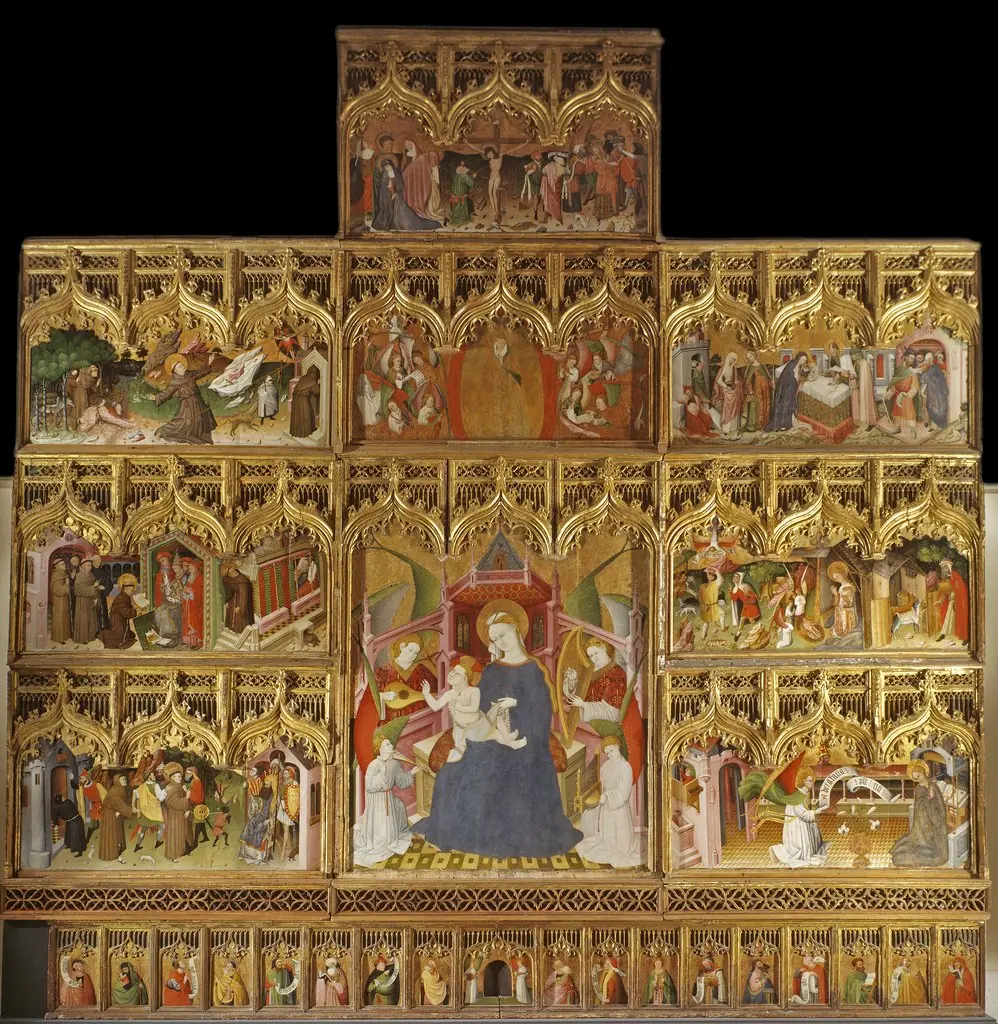 Altar Piece of the Lives of the Virgin and Saint Francis
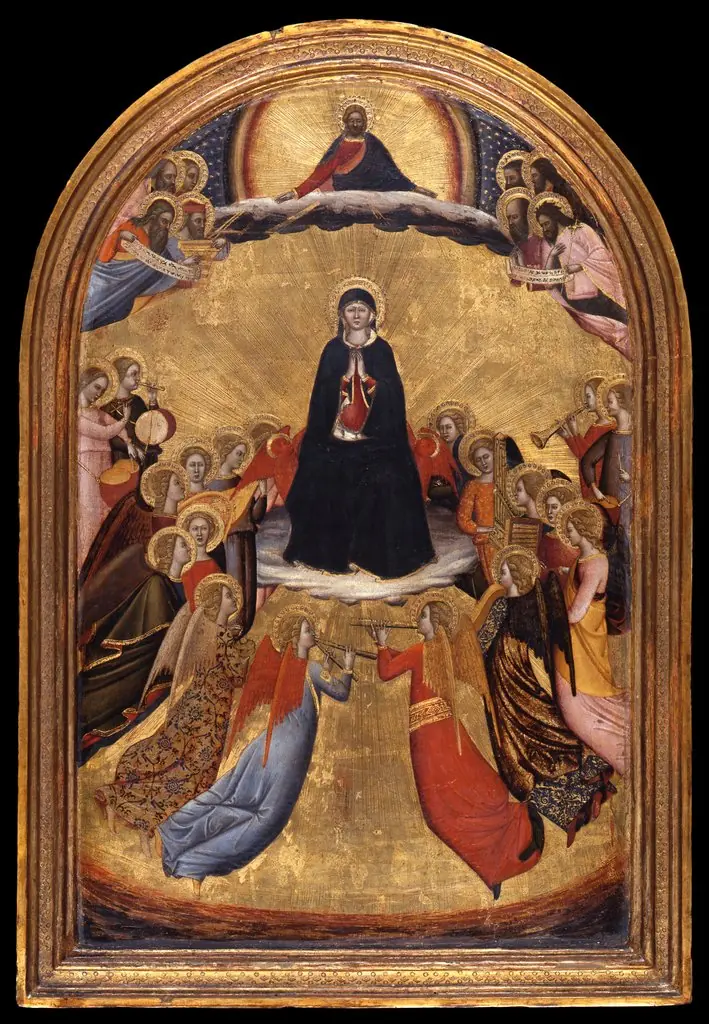 The ascension of Mary
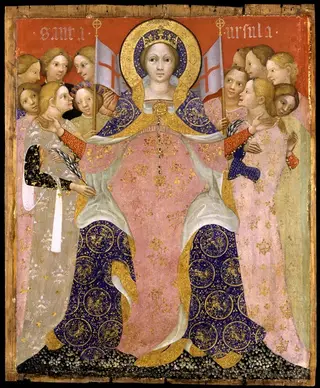 St Ursula
 Altar frontal of Jesus' childhood