Artwork
Crucifixion, Madonna, and saints
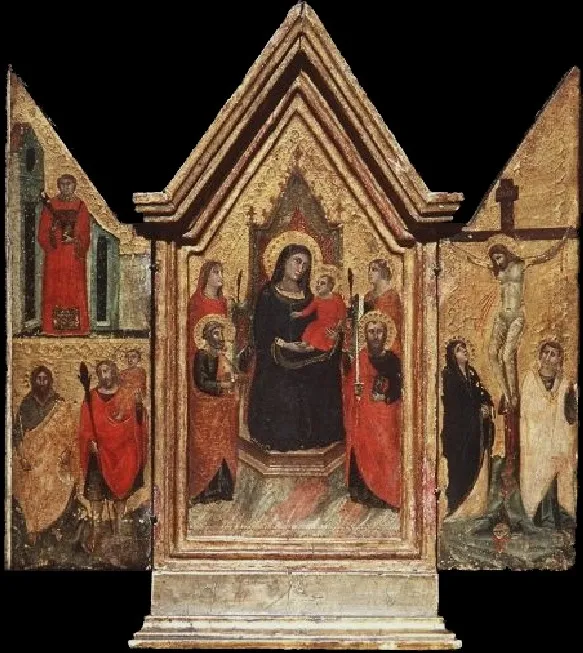
Crucifixion, Madonna, and saints is an unspecified painting by the Italo Byzantine artist Pacino di Buonaguida. It dates from 1300 and is held in the collection of the Uffizi Gallery.
About this work
Overview
Crucifixion, Madonna, and saints is a painting by Pacino di Buonaguida, created circa 1300 in the Italo-Byzantine style. Comprising a central panel flanked by two smaller ones, the work showcases the artist's religious themes and stylized figures.
Subject & Meaning
The central panel features the Madonna holding the Christ Child, surrounded by saints and angels, emphasizing the devotional focus of the late 13th-century Florentine context. Adjacent panels depict a saint at a window and the Crucifixion, collectively highlighting key Christian narratives.
Technique & Style
Characterized by Italo-Byzantine stylization, the painting employs gold leaf for the background, intricate details, and halos, demonstrating high craftsmanship. Figures wear distinctive red and black robes, set against the golden backdrop and topped by a pointed arch.
History & Provenance
The painting is currently housed in the Uffizi Gallery, Florence, though its precise provenance before acquisition is not detailed here.
Context
Created around 1300, the work reflects the religious and artistic tendencies of its time, blending Byzantine influences with early Florentine Gothic elements.
Legacy
As a representative of the Italo-Byzantine style, Crucifixion, Madonna, and saints contributes to the understanding of transitional artistic periods in Florence, though specific influences or subsequent artistic impacts are not highlighted in available information.
Artist & collection
Artist
Pacino di Buonaguida (active c. 1303 – about 1347) was an Italian painter active in Florence in the Gothic. Little is known of his biography, and only one work is signed, an altarpiece at the Accademia di Belle Arti in…

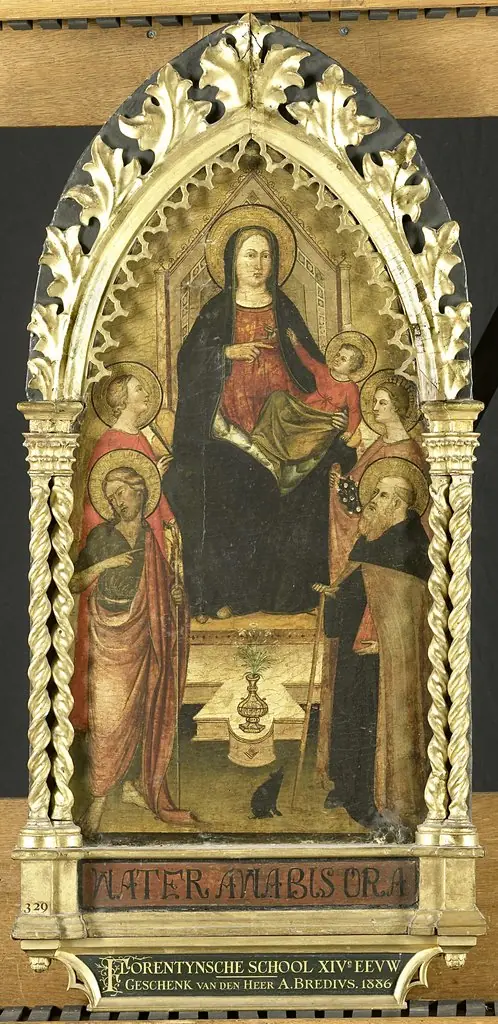 Virgin and Child Enthroned with Four Saints, Saints John the Baptist, Antony Abbot, Elizabeth of Hungary, a female saint
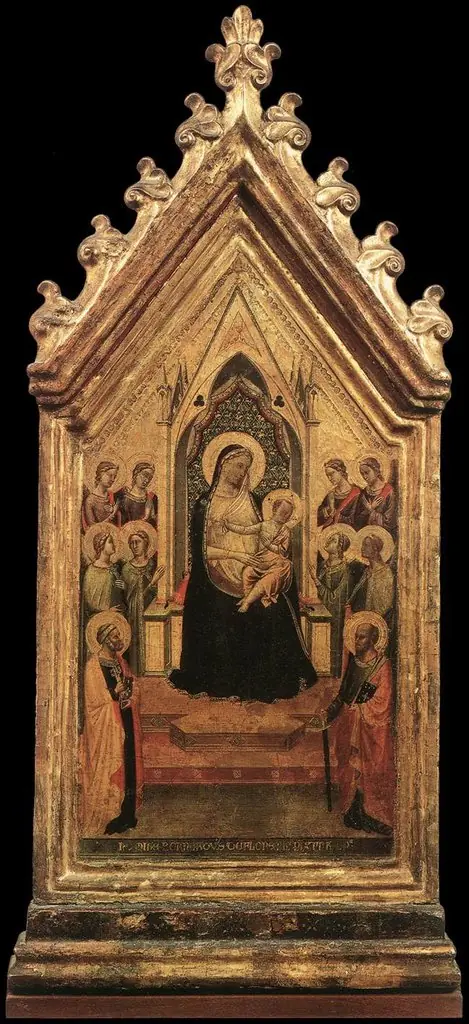 Madonna and Child Enthroned with Angels and Saints
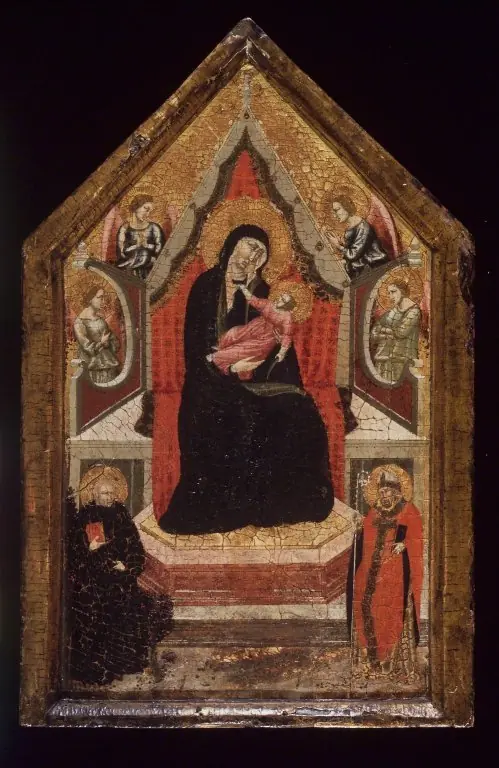 Virgin and Child Enthroned with Saints Benedict and Donato (?) and Four Angels
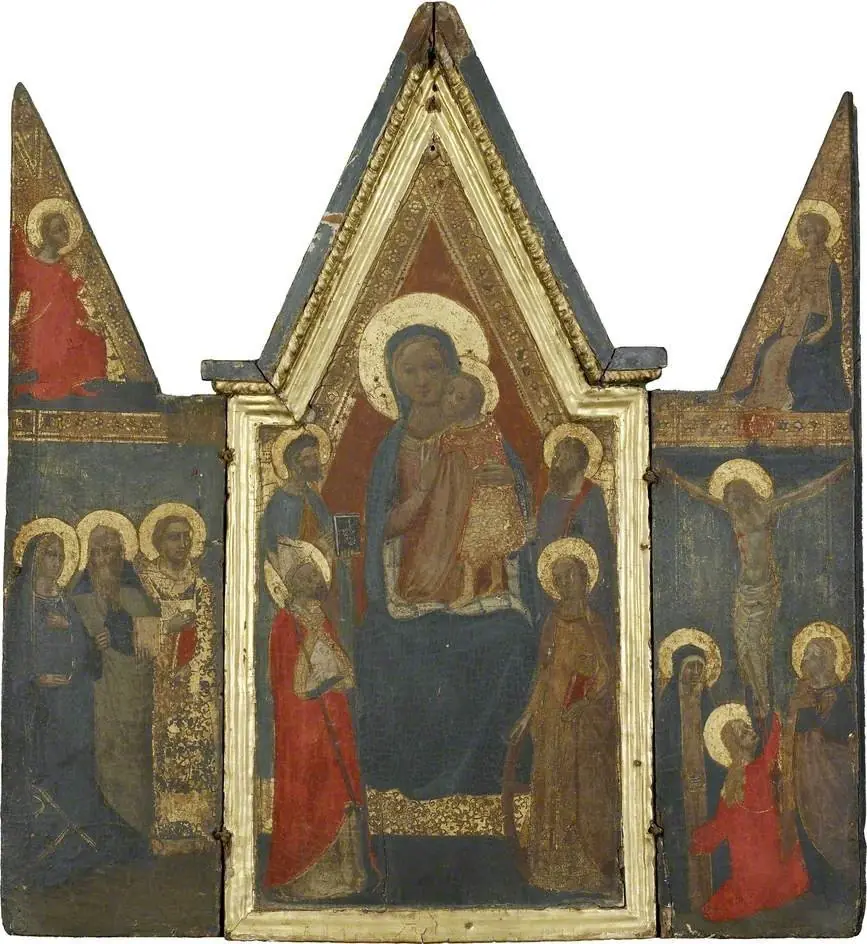 Triptych: Centre Panel: The Virgin and Child with Sts Peter, Paul, Zenobius and Catherine of Alexandria
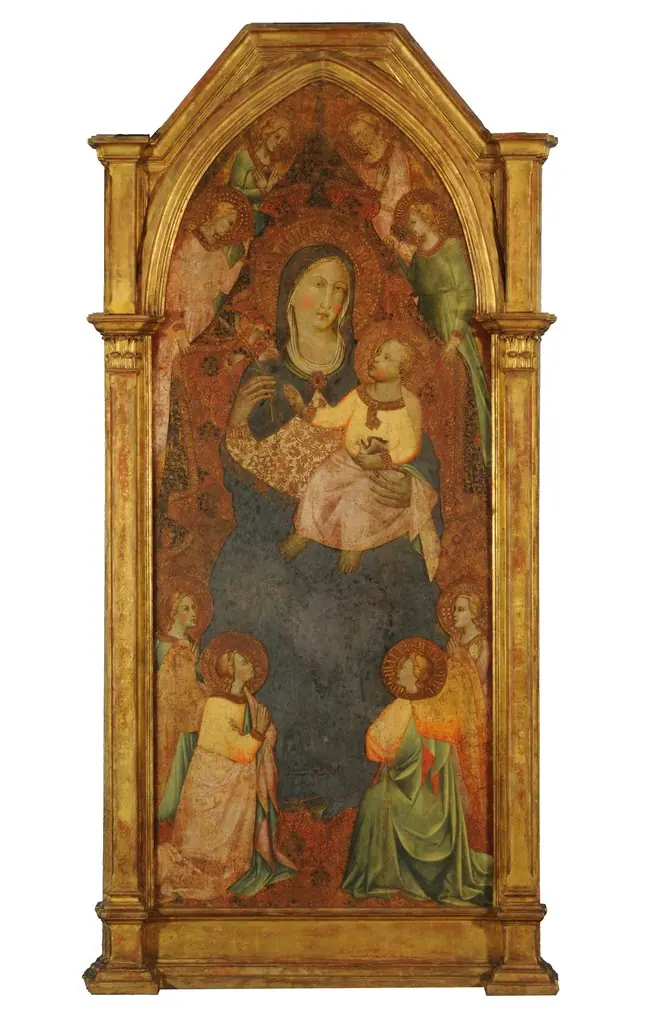 Virgin with child
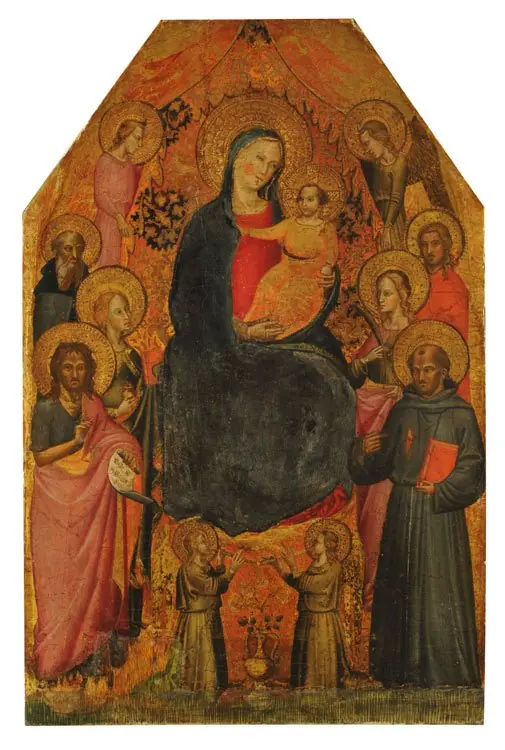 Virgen y Niño rodeados de santos y ángeles
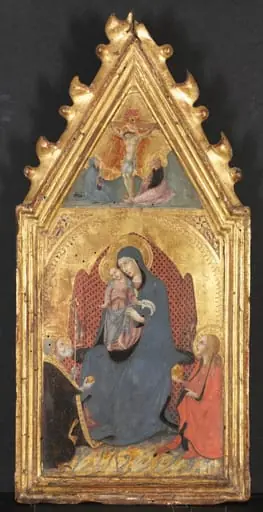 Virgin and Child Adored by Saints Mary Magdalene and Nicolas of Bari; Christ Crucified with the Virgin and Saint John the Evangelist
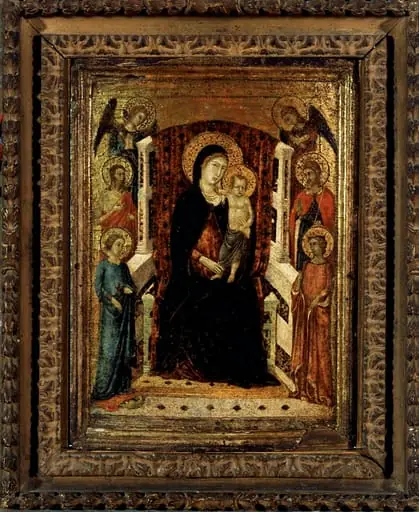 Madonna ja lapsi valtaistuimella
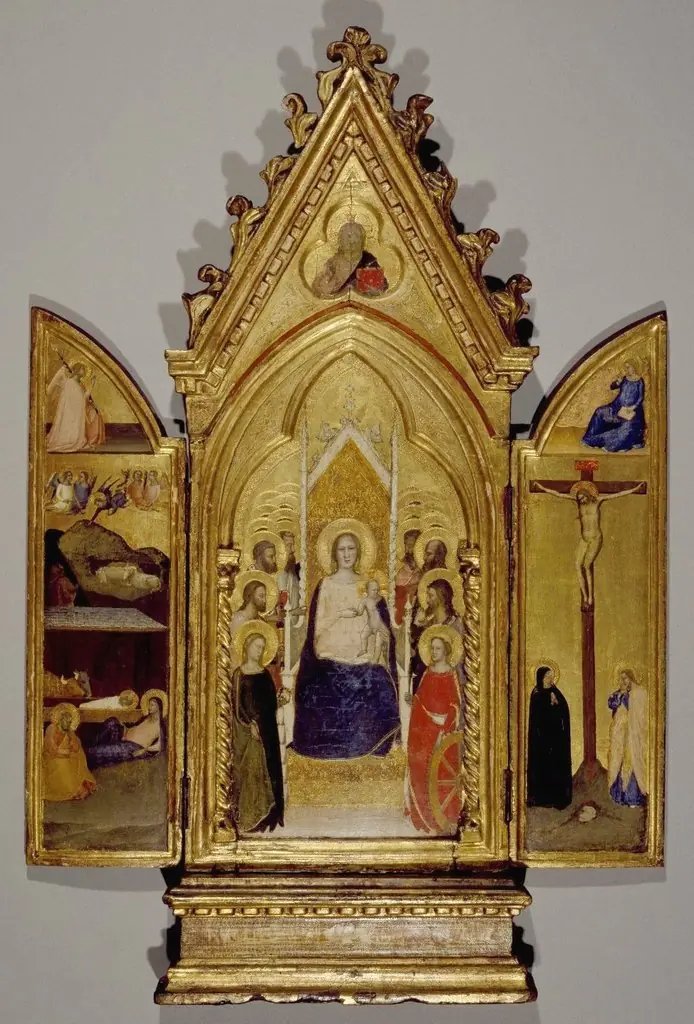 Triptych: Madonna with Saints and Christ Blessing (Center); The Nativity and the Annunciate Angel (Left Wing); Crucifixion and the Virgin Annunciate (Right Wing)
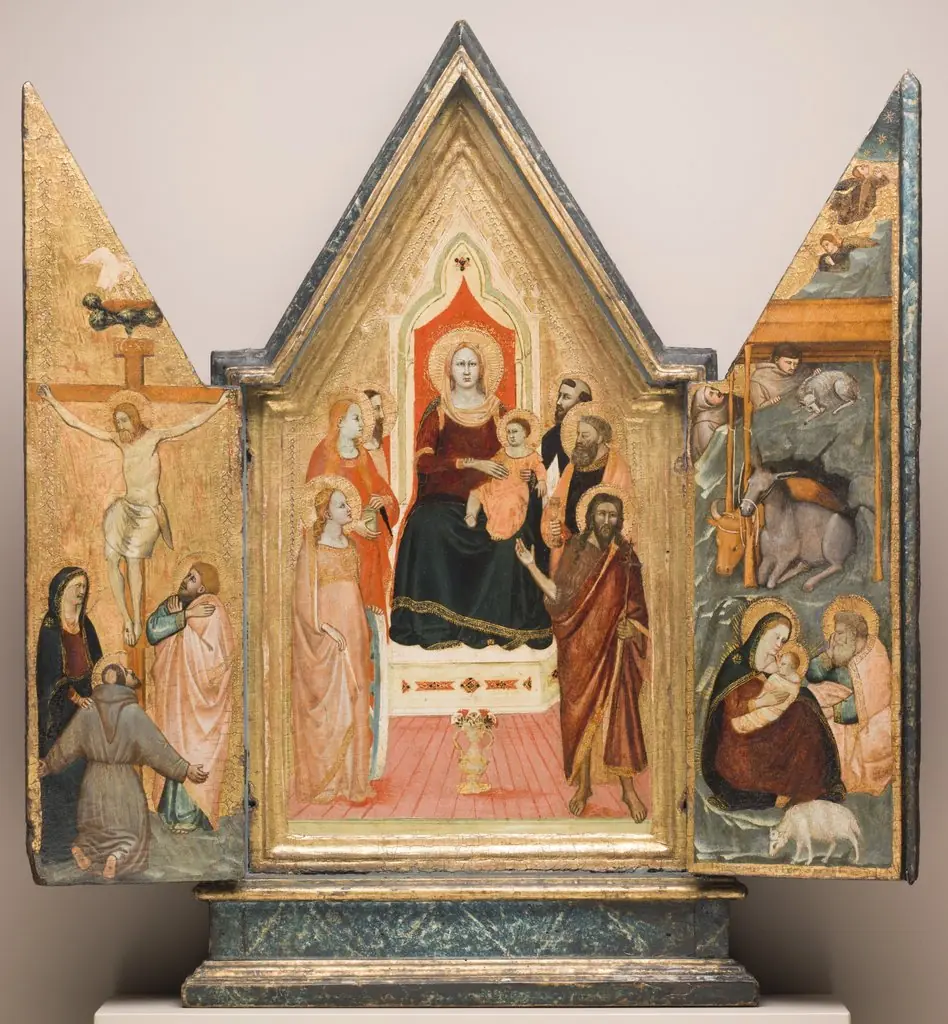 Virgin Enthroned with Saints, Nativity and Crucifixion
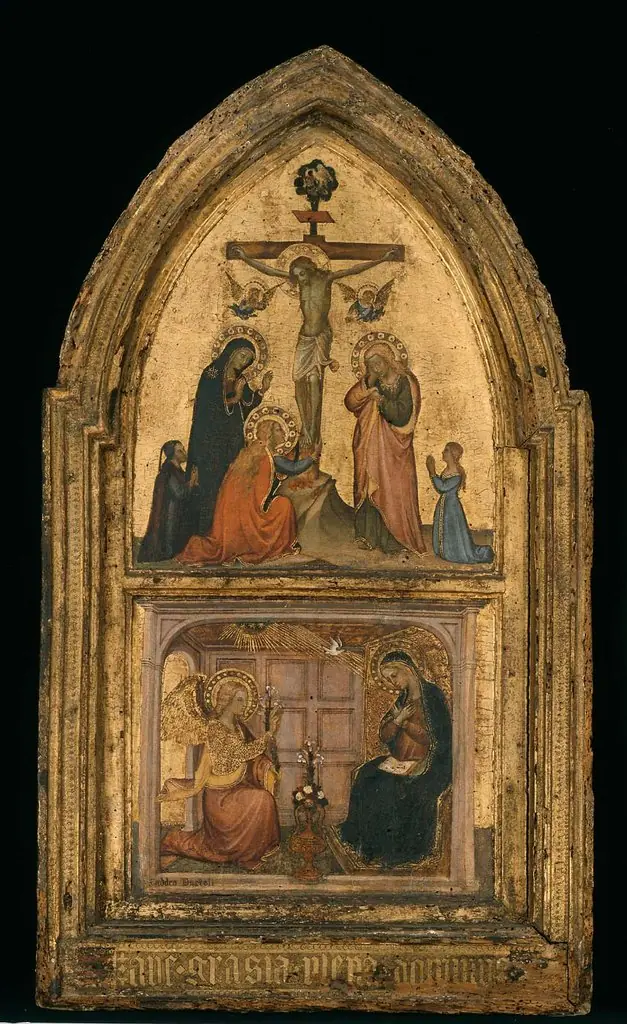 Annunication; Crucifixion
- Madonna and Child, Crucifixion and Saints
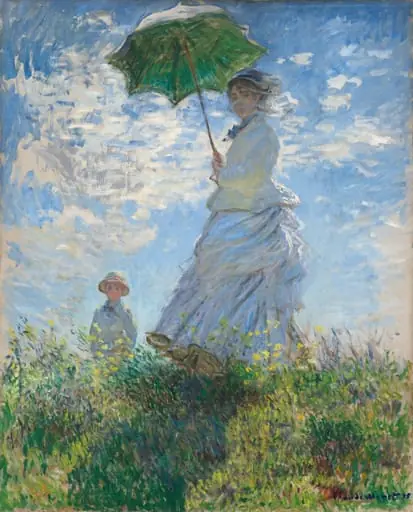 Woman with a Parasol - Madame Monet and Her Son
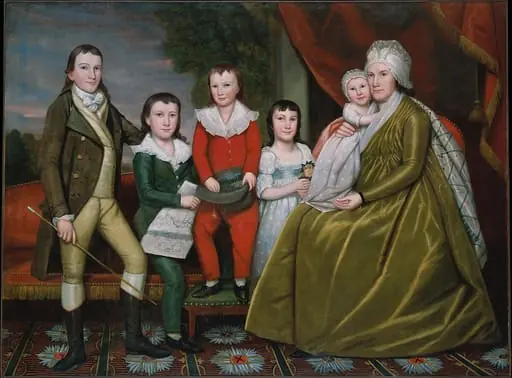 Mrs. Noah Smith and Her Children
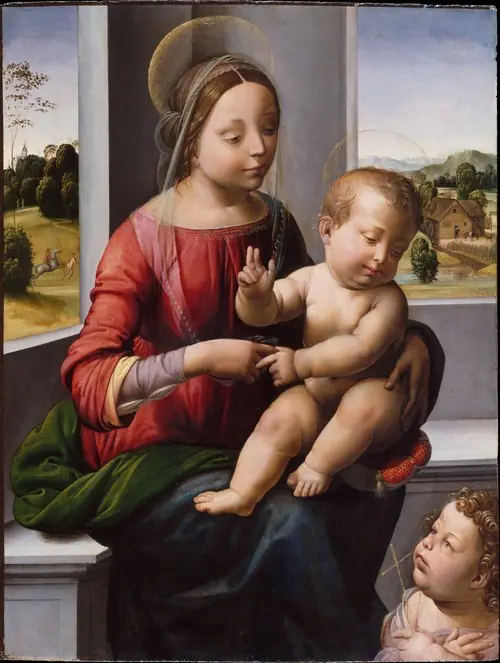 Madonna and Child with the Young Saint John the Baptist
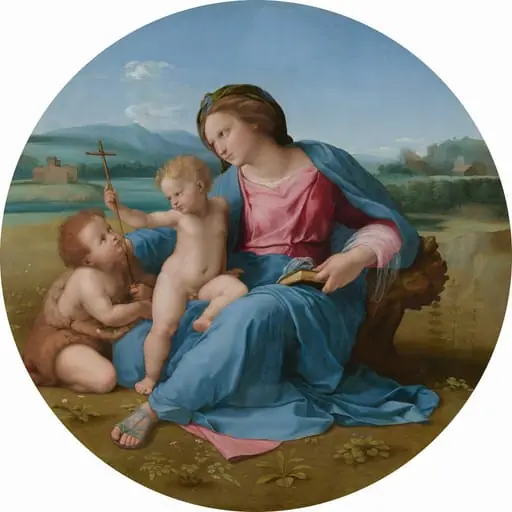 The Alba Madonna
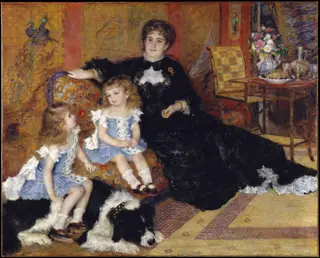 Madame Georges Charpentier and her Children
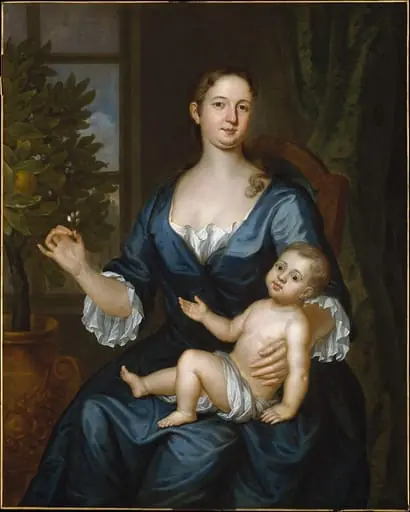 Mrs. Francis Brinley and Her Son Francis
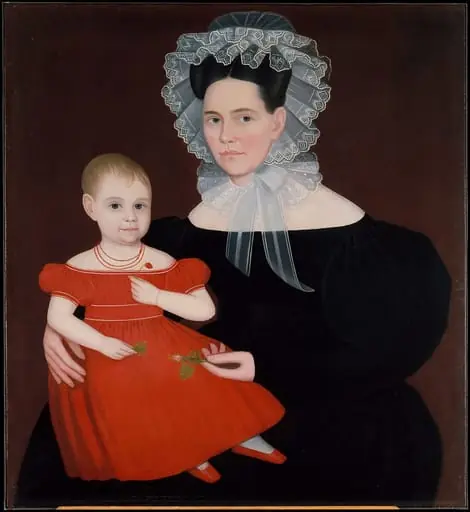 Mrs. Mayer and Daughter
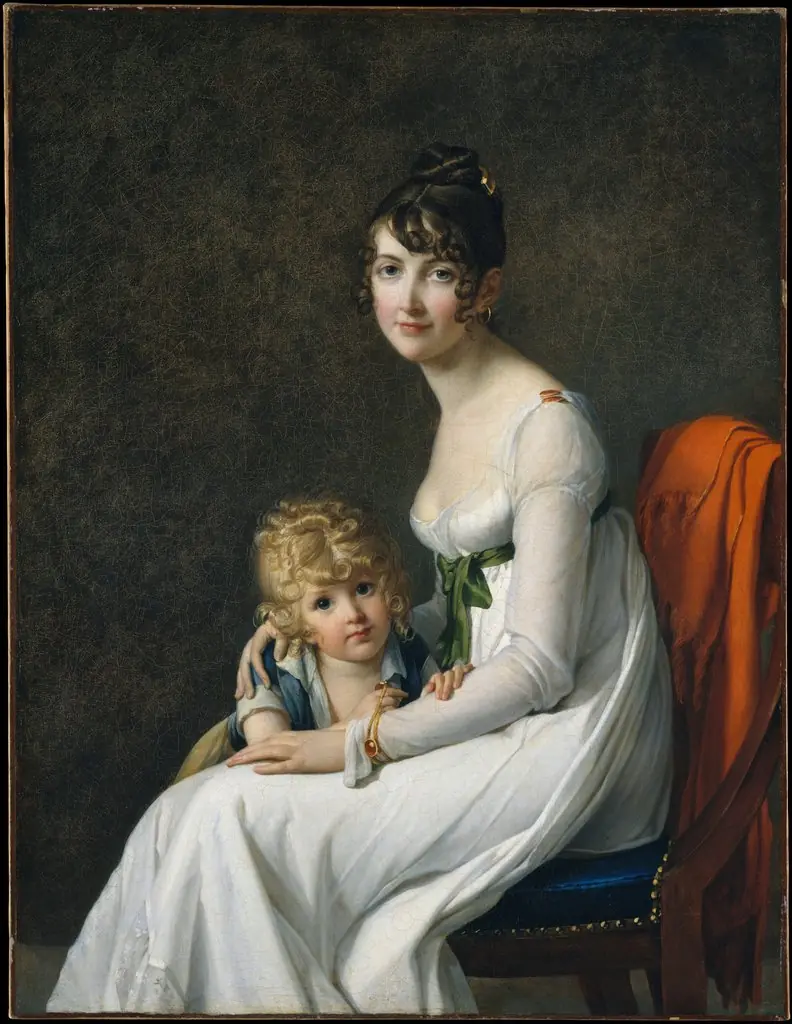 Madame Philippe Panon Desbassayns de Richemont (Jeanne Eglé Mourgue, 1778–1855) and Her Son, Eugène (1800–1859)