Artwork
Thomas Scott
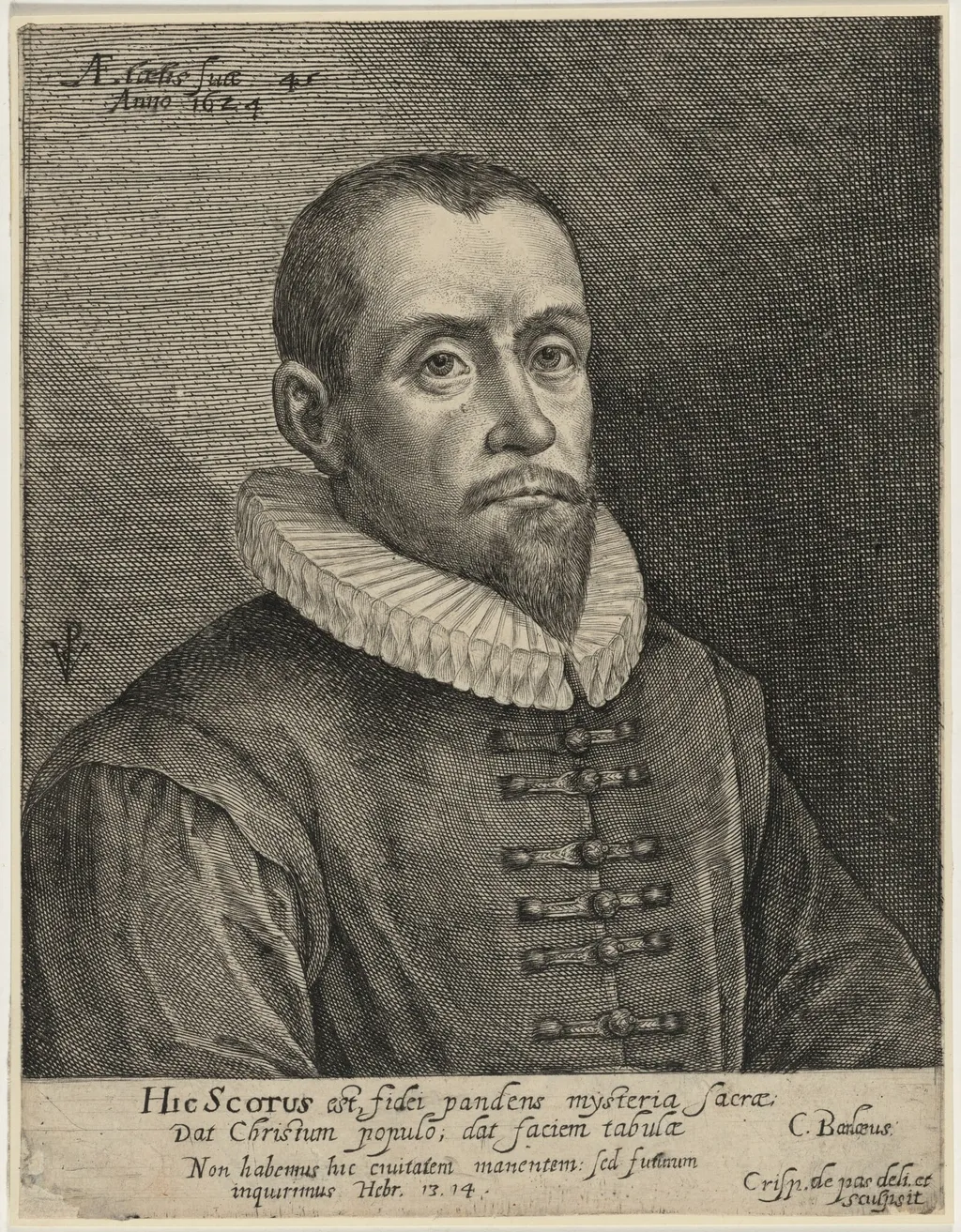
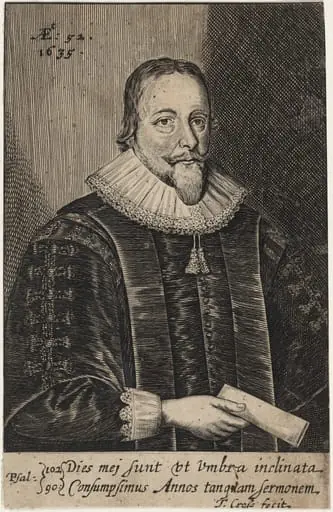
Thomas Scott is an ink print by the Baroque artist Crispijn van de Passe I. It dates from 1624 and is held in the collection of the Rosenwald Collection.
About this work
Overview
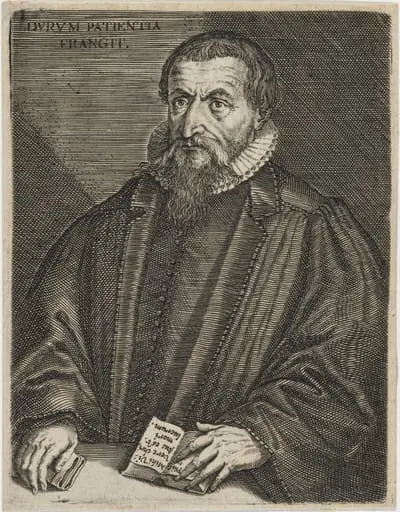
Thomas Scott is a 1624 engraving by the Dutch artist Crispijn van de Passe I, depicting the English Puritan preacher and controversialist of the same name.
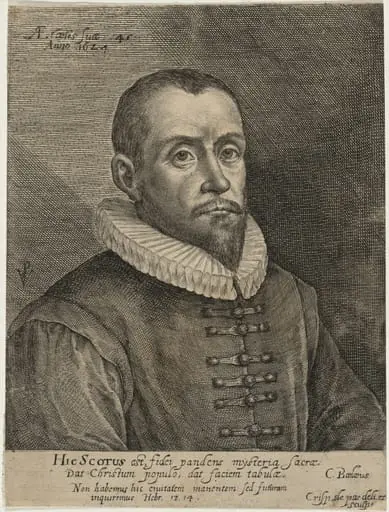
Thomas Scott is a 1624 engraving by the Dutch artist Crispijn van de Passe I, depicting the English Puritan preacher and controversialist of the same name. The portrait presents a bust-length view of Scott, characterized by a serious, direct gaze and a prominent, thick beard and mustache. His hair is pulled back from the forehead, adhering to the sober aesthetic typical of Puritan portraiture of the era.
He wears a dark, stiff ruffled collar that contrasts sharply with the plain shirt beneath, drawing the viewer's attention to the facial features. The background is unadorned, ensuring the focus remains entirely on the sitter's visage and attire. Executed with the fine, precise line work characteristic of van de Passe's reproductive prints, the work serves as a visual record of a significant religious figure during the early 17th century.
Created during a period of intense religious and political tension in England, this image likely circulated to support or document Scott's theological positions and public persona. As a product of van de Passe's prolific output, it exemplifies the artist's skill in translating distinct facial characteristics into the medium of engraving for wide dissemination.
Subject & Meaning
The work depicts Thomas Scott, a figure whose identity is conveyed through his dignified demeanor and modest clothing. The serious expression and restrained dress suggest a man of respectable standing, possibly involved in scholarly, clerical, or civic duties, typical of early‑17th‑century portraiture that emphasized personal gravitas over ornament.
Technique & Style
Van de Passe employed the intaglio engraving process, incising fine lines into a copper plate with a burin. The dense network of lines creates tonal variation and texture, especially in the facial hair and fabric folds. This method allowed for multiple impressions, each retaining the crispness of the original carving, characteristic of Northern European printmaking of the period.
History & Provenance
Created in 1624, the engraving was likely produced for distribution among patrons or as a means of commemorating Scott’s status. Copies would have been circulated in the Dutch Republic, where van de Passe operated a prolific workshop. The print’s survival in museum collections indicates its continued relevance as a documentary portrait from the early modern era.
Context
The portrait belongs to a broader tradition of engraved likenesses that served both personal and commercial purposes before the advent of photography. In the early 17th century, such prints functioned as portable, affordable representations of notable individuals, reflecting the growing demand for visual records among the educated classes.
Own this work as a print
Artist & collection

Artist
Crispijn van de Passe I (1564–1637) was an artist, born in Arnemuiden.