Artwork
David Whitehead, D.D., Chaplain to Anne Boleyn
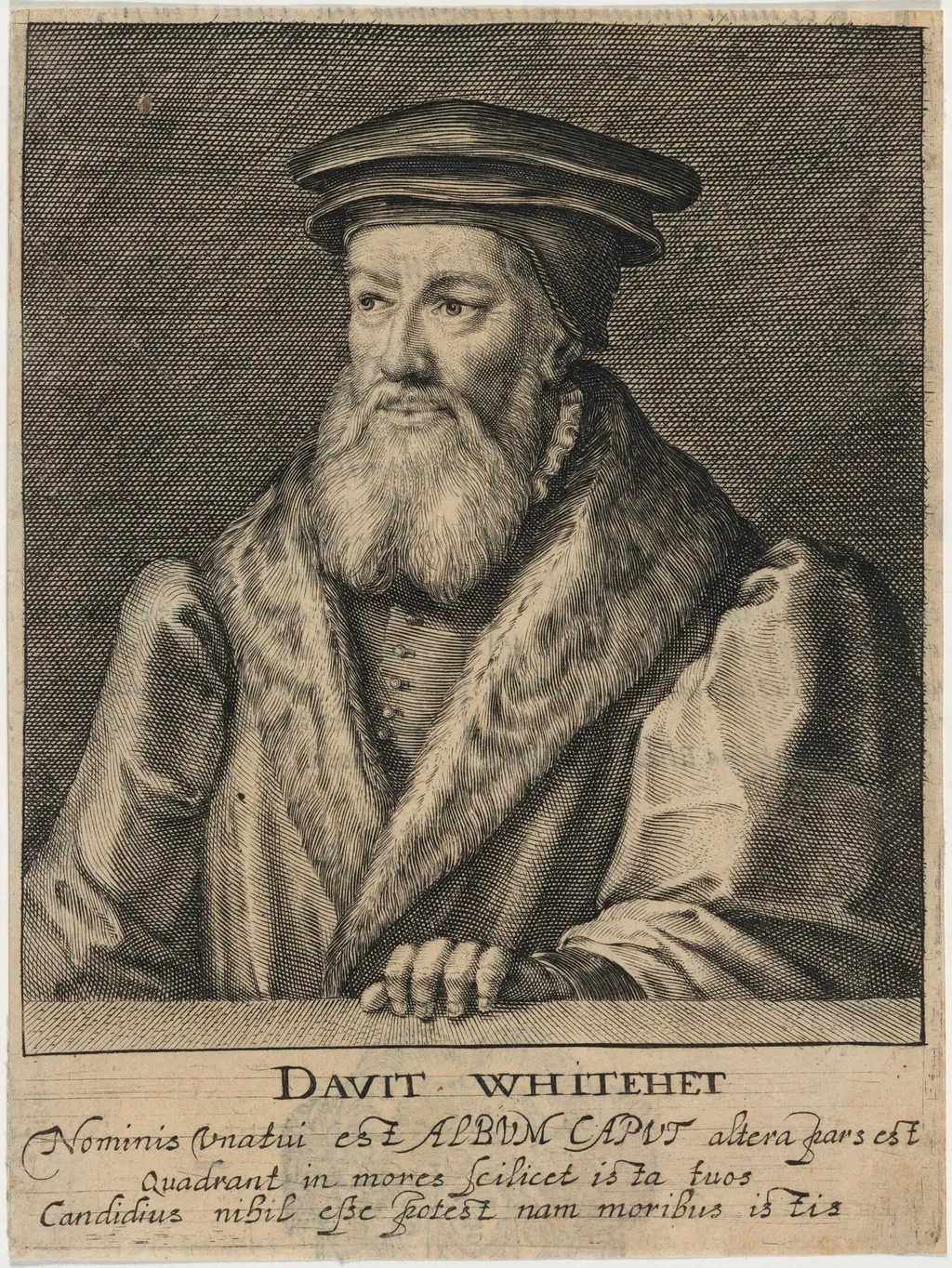
David Whitehead, D.D., Chaplain to Anne Boleyn is an ink print by the Baroque artist Magdalena van de Passe. It dates from 1620 and is held in the collection of the National Gallery of Art.
About this work
Overview
The composition emphasizes his solemn demeanor and scholarly attire, offering a concise visual record of a notable religious figure from early Tudor England.
Magdalena van de Passe’s 1620 engraving portrays David Whitehead, D.D., who served as chaplain to Anne Boleyn. Executed as a print, the image presents Whitehead seated at a table, his hands clasped, against a dark, subtly textured background. The composition emphasizes his solemn demeanor and scholarly attire, offering a concise visual record of a notable religious figure from early Tudor England.
Subject & Meaning
The sitter, identified as David Whitehead, appears in a contemplative pose, his gaze directed downward and his expression restrained. As a chaplain to Anne Boleyn, his representation underscores the intellectual and spiritual roles occupied by clergy within the Tudor court, hinting at the personal gravity of his service during a turbulent period.
Technique & Style
Van de Passe employs fine cross‑hatching to render the fur‑trimmed coat, beard, and facial features, creating a nuanced play of light and shadow. The intricate line work produces a sense of depth, while the dark, fabric‑like background recedes, focusing attention on the subject’s face and hands. The engraving exemplifies early‑17th‑century printmaking precision.
History & Provenance
Created in 1620, the print originates from the workshop of the van de Passe family, renowned for portrait engravings. Though specific ownership records are limited, the work has circulated among collections of Tudor portraiture and is cited in catalogues of early modern English prints.
Context
The portrait belongs to a broader tradition of commemorating court officials through engraved likenesses, a practice that expanded with the rise of print culture. Whitehead’s association with Anne Boleyn situates the image within the religious and political upheavals that preceded the English Reformation.
Own this work as a print
Artist & collection

 Walter Devereux, First Earl of Essex
 Thomas Cromwell, Earl of Essex
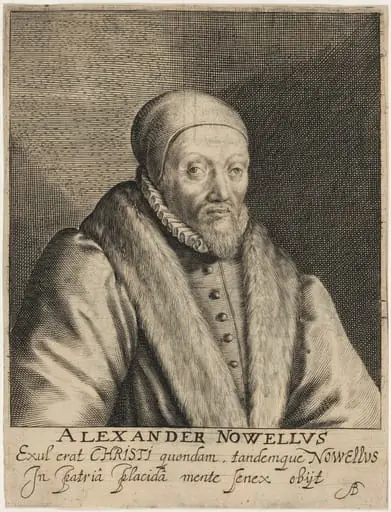 Alexander Nowell, Dean of Saint Paul's
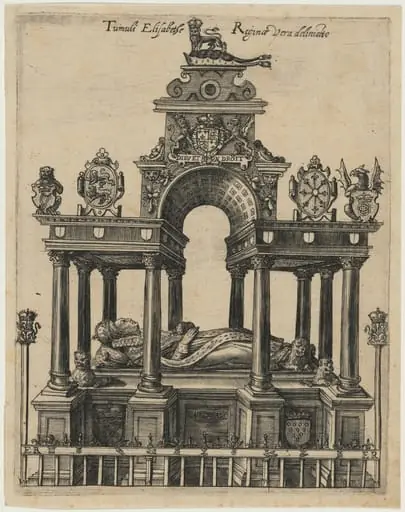 Elizabeth's Tomb
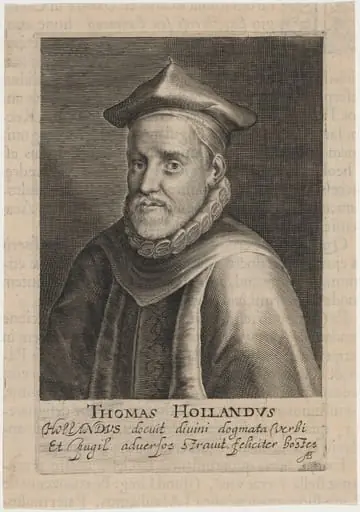 Thomas Holland, Regius Professor of Divinity at Oxford, and Rector of Exeter College
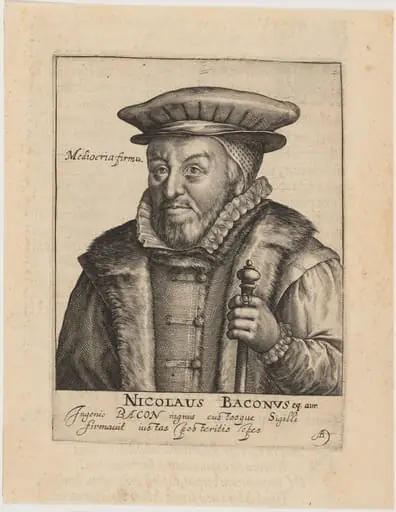 Sir Nicholas Bacon, Lord Keeper
 Nicholas Ridley, Bishop of London, Protestant Martyr
 Ambrose Dudley, Earl of Warwick
 William Whitaker, D.D.
 William Whitaker, D.D., Master of Saint John's College, Cambridge
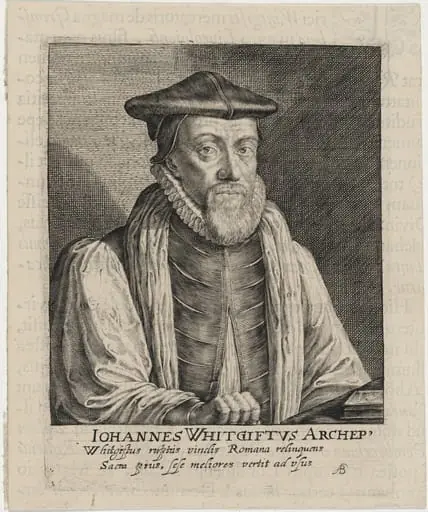 John Whitgift, D.D., Archbishop of Canterbury
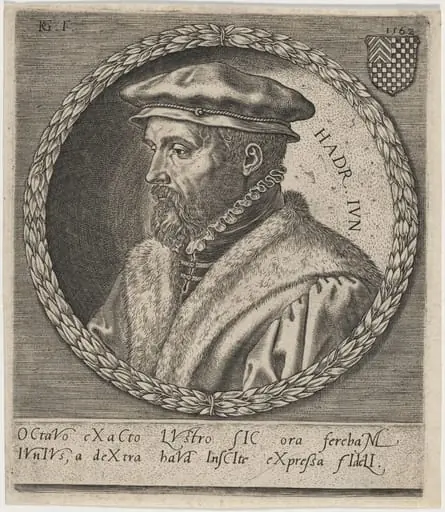 Hadrianus Junius
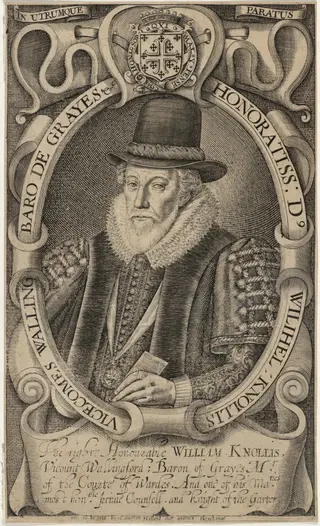 William Knollis, Earl of Banbury, When Viscount Wallingford
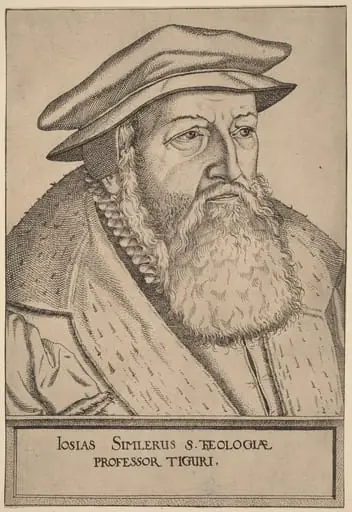 Josias Simler
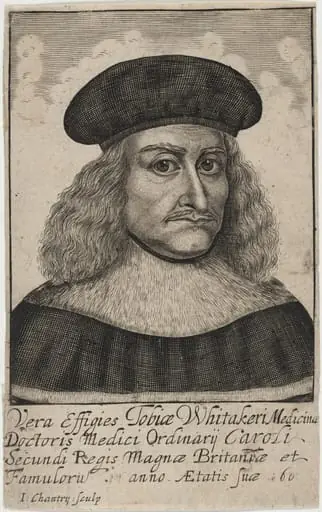 Tobias Whitaker, Physician in Ordinary to the Royal Household
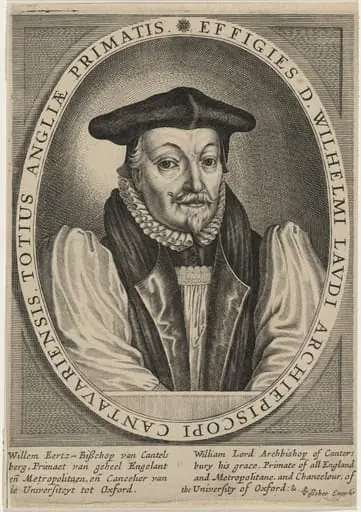 William Laud, Archbishop of Canterbury
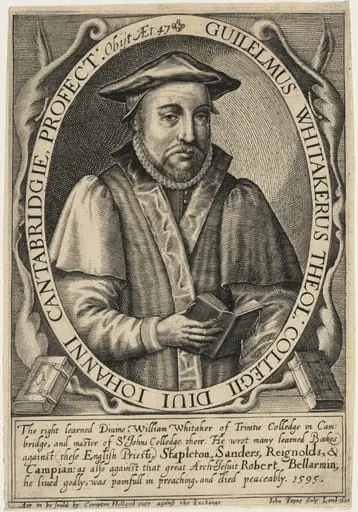 William Whitaker, Master of Saint John's College, Cambridge
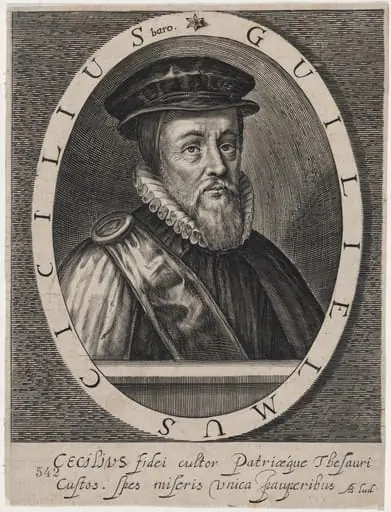 William Cecil, First Baron Burghley
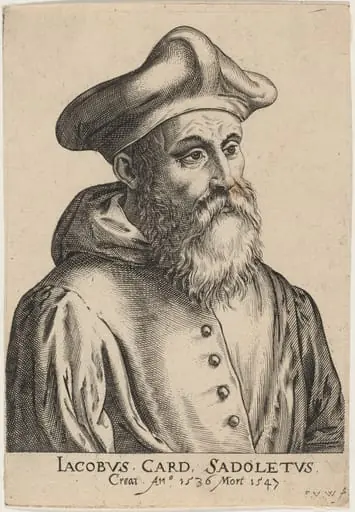 Cardinal Jacopo Sadoleto
- Andreas Laurent, Doctor of Henry IV of France