Artwork
Sir Henry Hobart
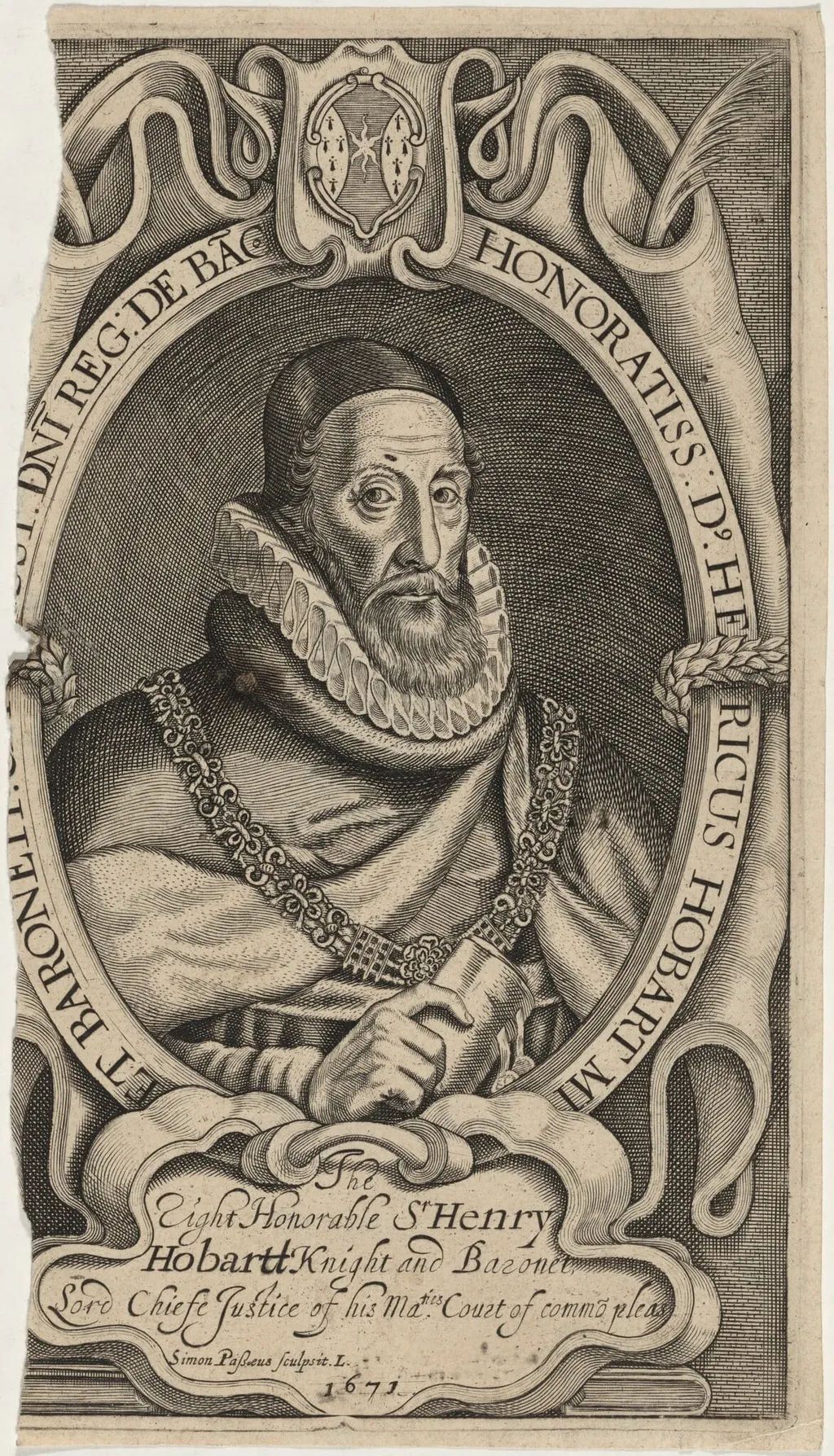
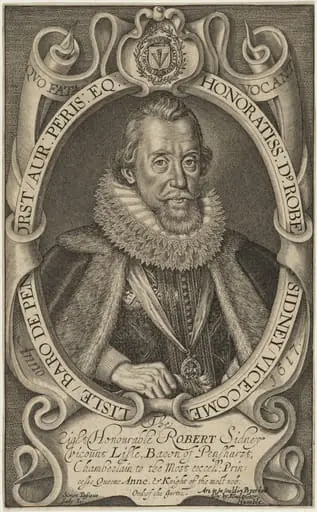
Sir Henry Hobart is an ink print by the Baroque artist Simon van de Passe. It dates from 1641 and is held in the collection of the National Gallery of Art.
About this work
Overview
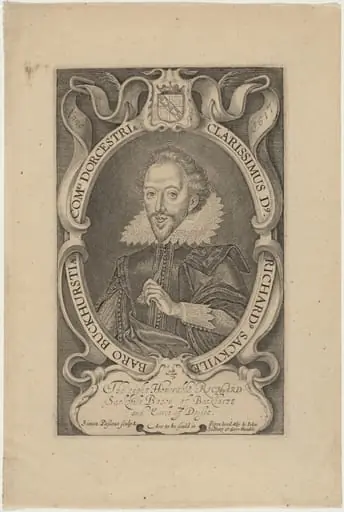
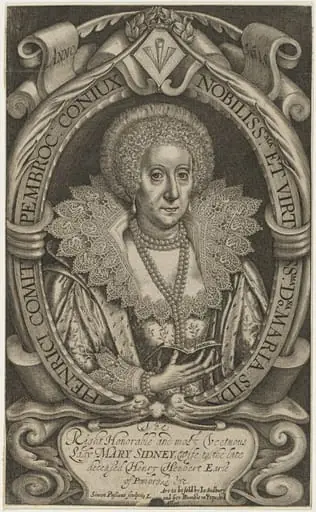
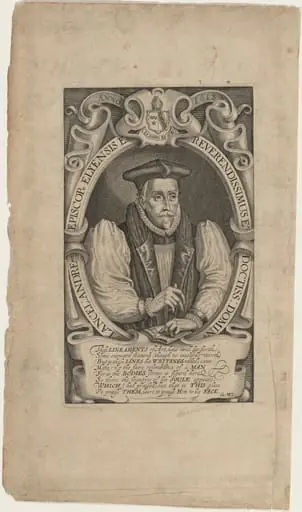
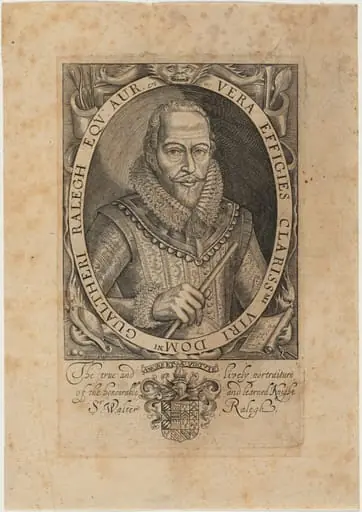
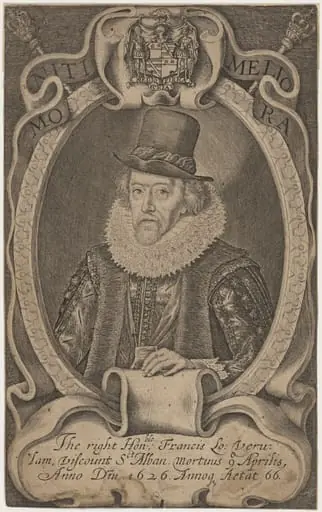
Simon van de Passe’s 1641 engraving portrays Sir Henry Hobart, a knight and baronet, in formal 17th‑century dress. The portrait is framed by an elaborate border that incorporates a coat of arms, ornamental foliage, and a ribbon bearing the sitter’s name and titles.
Subject & Meaning
The sitter is presented with a solemn expression, his ruffled collar and draped cloak indicating status, while a chain at his throat signifies his knighthood. His hands are clasped before him, a conventional gesture of dignity and restraint in portraiture of the period.
Technique & Style
Executed in fine line engraving, the work displays the intricate detailing characteristic of Baroque portraiture. Van de Passe renders textures, fabric, metal, and foliage, with precise hatching, creating depth and a tactile quality that underscores the artist’s technical proficiency.
History & Provenance
Created in 1641, the print was likely commissioned to commemorate Hobart’s social rank. As a product of the van de Passe workshop, it circulated among collectors of English gentry portraits, though specific ownership records after its production remain scarce.
Context
The portrait aligns with early‑modern English portrait conventions, where heraldic elements and elaborate borders served to affirm lineage and honor. Van de Passe, a Dutch engraver active in England, frequently produced such images for the aristocracy, integrating continental engraving techniques with English iconography.
Artist & collection