Artwork
James Ley, First Earl of Marlborough
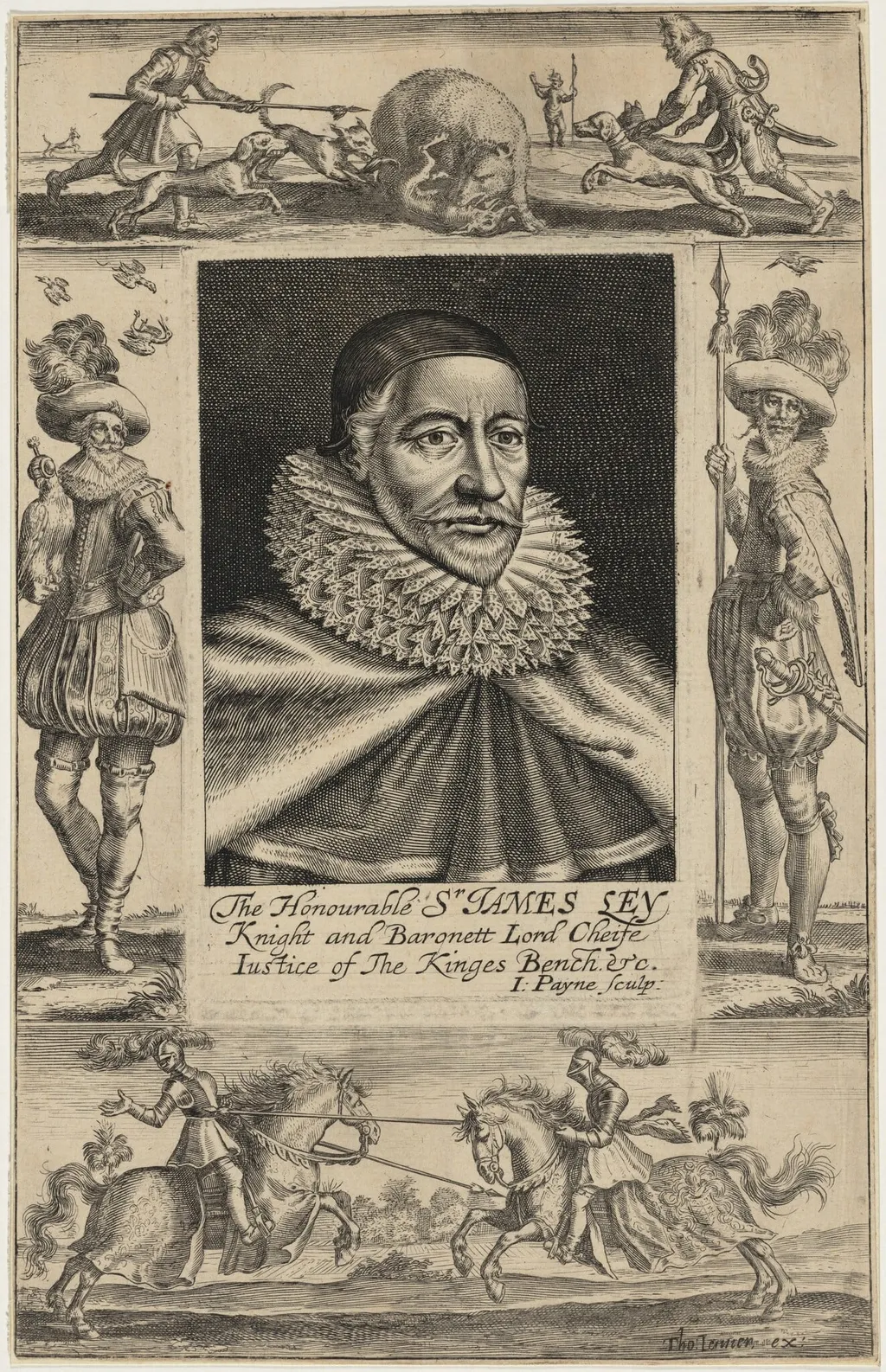
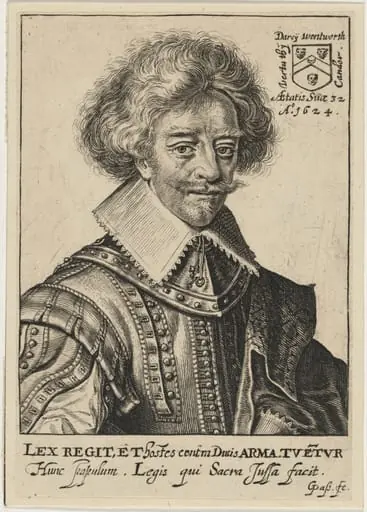
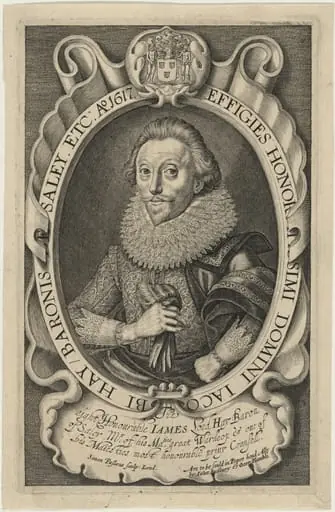
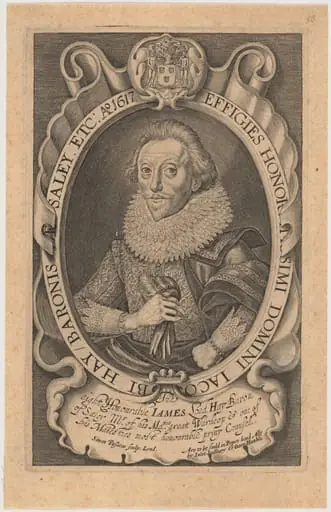
James Ley, First Earl of Marlborough is an ink print by the Baroque artist Willem de Passe. It dates from 1627 and is held in the collection of the National Gallery of Art.
About this work
Overview
The composition presents the sitter in a three-quarter view, facing slightly to the right, with a serious and dignified expression.
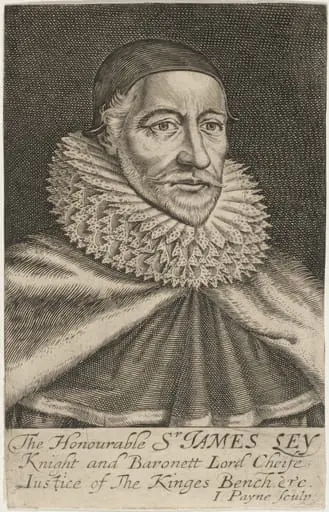
Created in 1627 by the Dutch engraver Willem de Passe, this portrait depicts James Ley, First Earl of Marlborough, rendered in the precise line work characteristic of early 17th-century reproductive printmaking. The composition presents the sitter in a three-quarter view, facing slightly to the right, with a serious and dignified expression. Ley is dressed in the formal attire of the English aristocracy of the period, wearing a high, ruffled collar and a heavy cloak draped over his shoulders, topped with a wide-brimmed hat.
De Passe utilizes intricate cross-hatching and fine parallel lines to model the folds of the fabric and the texture of the lace, creating a sense of volume and depth against a stark, dark background. This engraving serves as a formal record of the statesman, who served as Lord High Treasurer under King Charles I. As a work by de Passe, it reflects the artist's role in disseminating royal and noble portraiture across Europe, translating the authority of the original painted likeness into a widely distributable medium. The print stands as a significant example of the period's engraving style, emphasizing the status and gravitas of the sitter through controlled tonal contrasts and detailed rendering of costume.
Subject & Meaning
The sitter appears in formal dress, with a ruffled collar, a flowing cloak, and a brimmed hat, his expression solemn and composed. Such presentation aligns with contemporary conventions for depicting members of the English aristocracy, conveying authority, dignity, and the social rank associated with an earldom.
Technique & Style
De Passe employs fine cross‑hatching and varied line density to model the folds of clothing and the contours of the face, creating a convincing sense of volume. The darkened background, achieved through denser engraving, isolates the figure and directs the viewer’s focus to the subject’s visage and attire.
History & Provenance
Created in 1627, the print reflects de Passe’s active period in England, where he supplied portraits of notable figures to a growing market for printed likenesses. While specific ownership records are limited, the engraving would have been distributed as part of the era’s burgeoning print culture, reaching collectors interested in political and noble personalities.
Own this work as a print
Artist & collection