Artwork
Equals Infinity
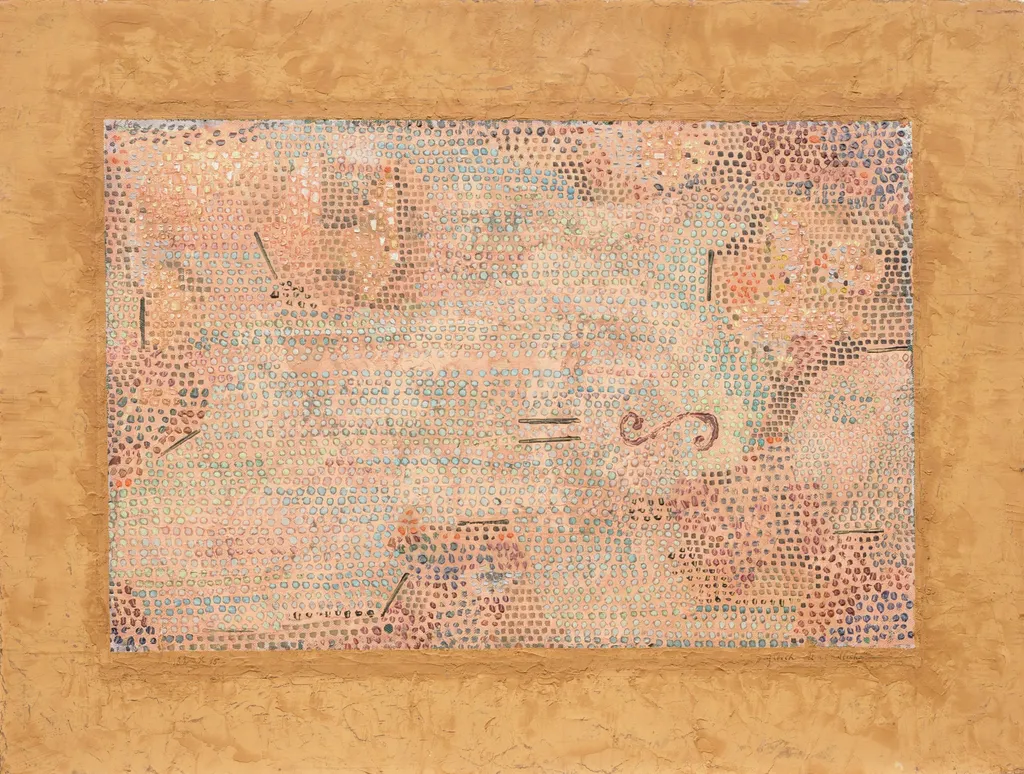
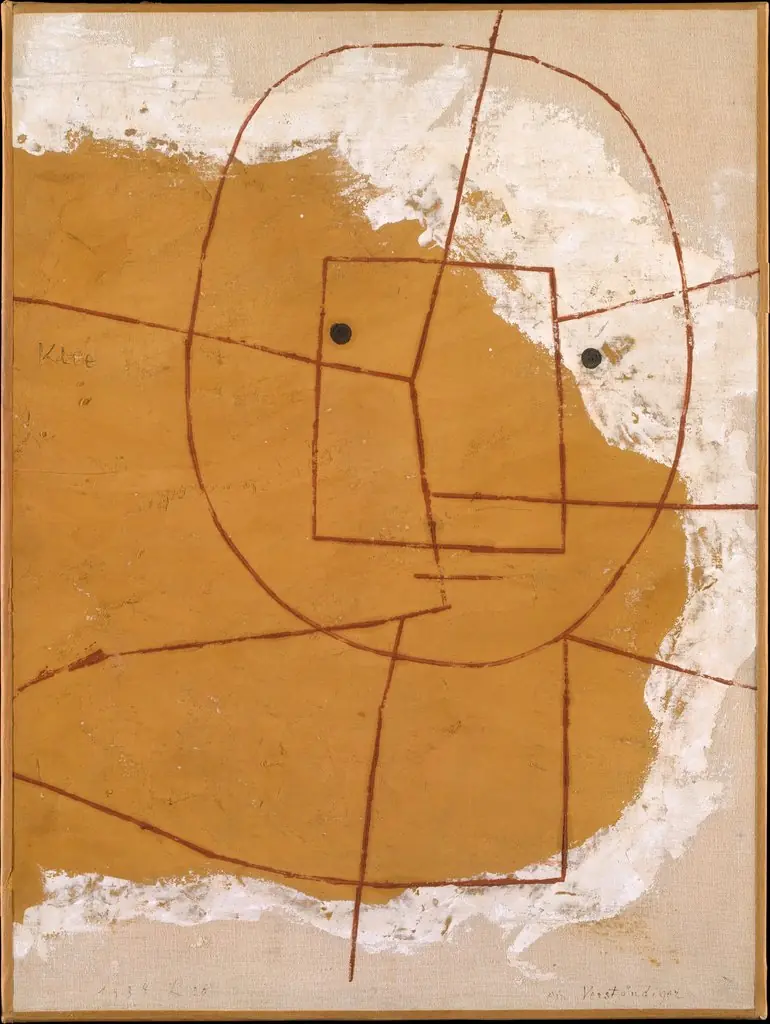
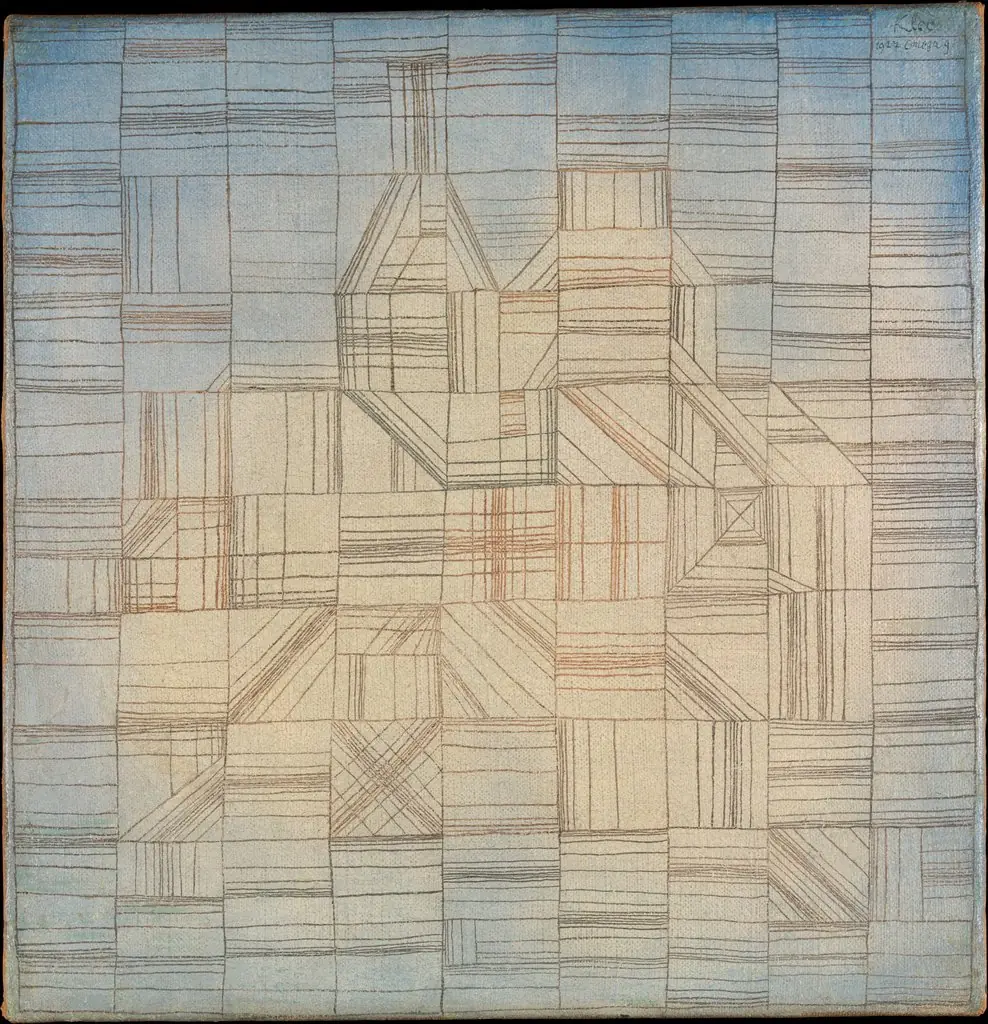
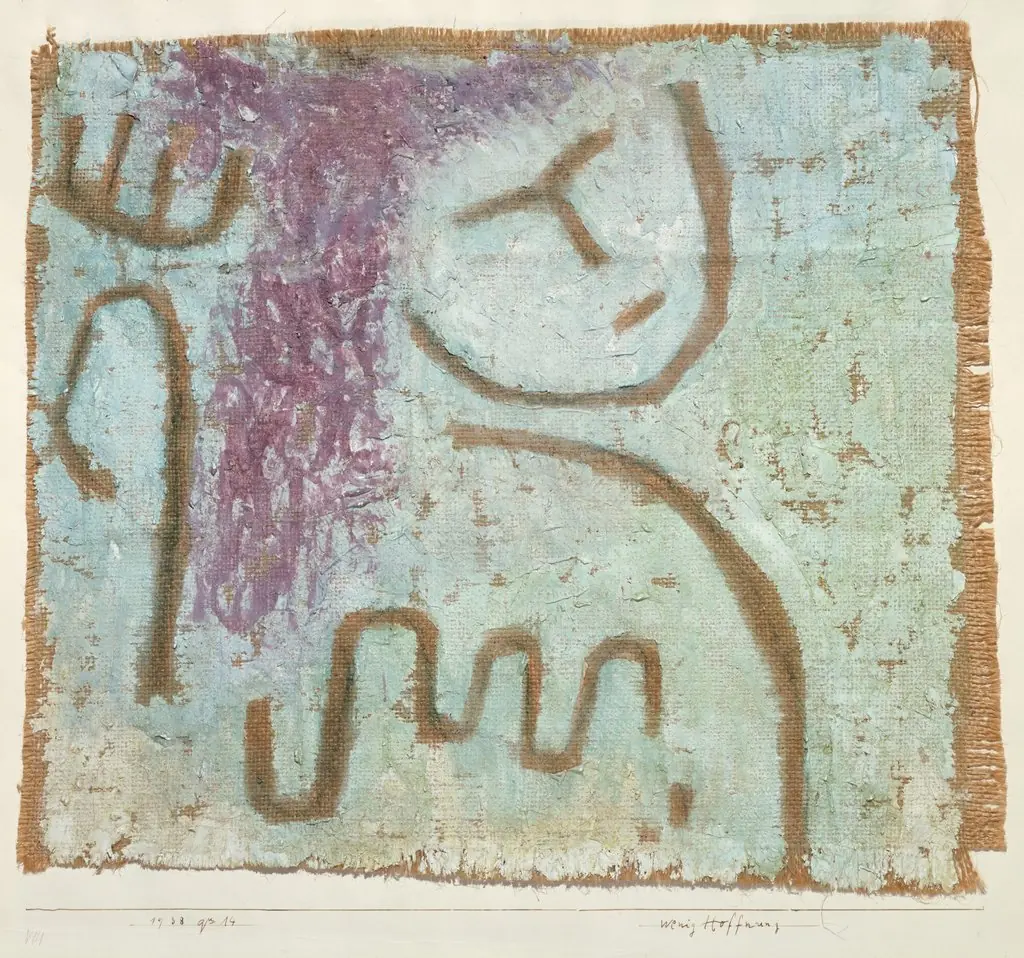
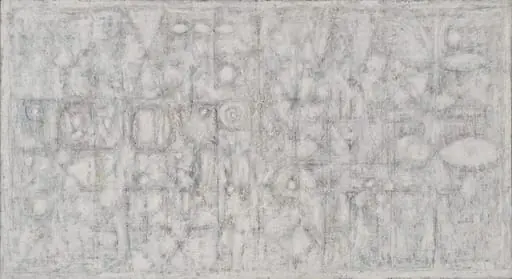
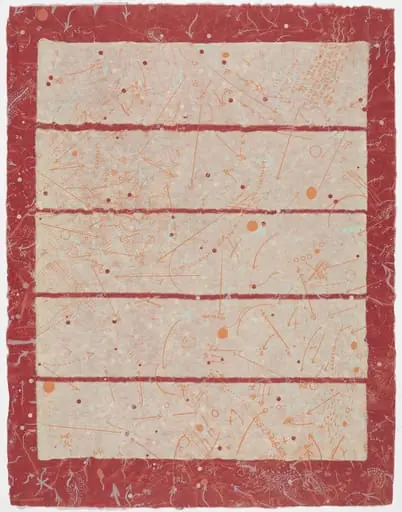
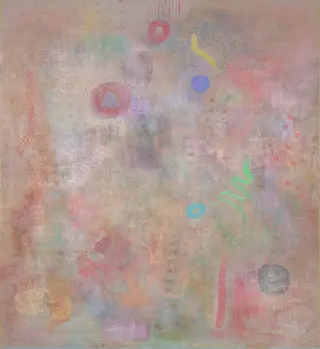
Equals Infinity is an oil painting by the Abstract Expressionist artist Paul Klee. It dates from 1932 and is held in the collection of the Museum of Modern Art.
About this work
Overview
Created in 1932 by Swiss-German artist Paul Klee, Equals Infinity is an oil painting on canvas that exemplifies his abstract approach to visual language.
Created in 1932 by Swiss-German artist Paul Klee, Equals Infinity is an oil painting on canvas that exemplifies his abstract approach to visual language. Though often associated with expressionist and surrealist traditions, Klee’s work here resists easy categorization, favoring a personal system of form and color. The piece is part of the Museum of Modern Art’s permanent collection, reflecting its significance in 20th-century modernist practice.
Subject & Meaning
The painting centers on a balanced, curved equals sign formed by two gentle arcs, suggesting equilibrium rather than mathematical equivalence. Surrounding it, a grid of colored dots and intersecting lines evokes rhythm and structure without depicting recognizable objects. Klee’s intent appears to be meditative: the composition invites contemplation of order, repetition, and the quiet harmony between elemental visual units.
Technique & Style
Klee applied oil paint with precision, using fine lines and small, distinct dots to build texture and movement. The background, a muted brown, provides subtle contrast, allowing the chromatic dots and linear elements to emerge with clarity. His method reflects a deliberate, almost musical arrangement, each mark placed with calculated restraint, avoiding gesture in favor of measured composition and tonal balance.
History & Provenance
Painted during Klee’s tenure at the Düsseldorf Academy, Equals Infinity emerged from a period of intense theoretical reflection on color and form. It was acquired by the Museum of Modern Art in 1939, shortly after the artist’s emigration to Switzerland. The work’s early inclusion in a major U.S. institution underscores its recognition within modernist circles during Klee’s lifetime.
Context
In the early 1930s, Klee was refining ideas later compiled in his Notebooks, where he explored the spiritual and structural potential of line and color. Equals Infinity aligns with his broader interest in visual systems, musical notation, cartographic symbols, and mathematical patterns, as frameworks for artistic expression beyond representation. The work reflects a broader modernist turn toward abstraction as a means of conveying inner experience.
Legacy
The painting’s quiet precision influenced later generations of abstract artists interested in minimalism and systematic composition. Its emphasis on restraint, repetition, and subtle color relationships prefigured concerns in postwar art movements. While not overtly political or emotional, Equals Infinity remains a quiet testament to Klee’s belief in art as a structured, contemplative practice.
Own this work as a print
Artist & collection
Artist
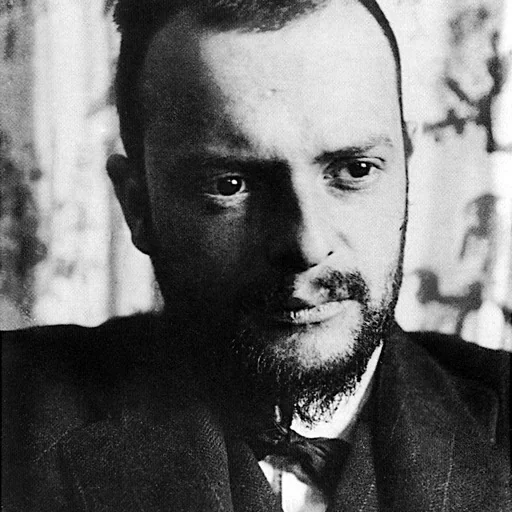
Paul Klee (German:; 18 December 1879 – 29 June 1940) was a Swiss-born German artist.