Artwork
Falling Bird
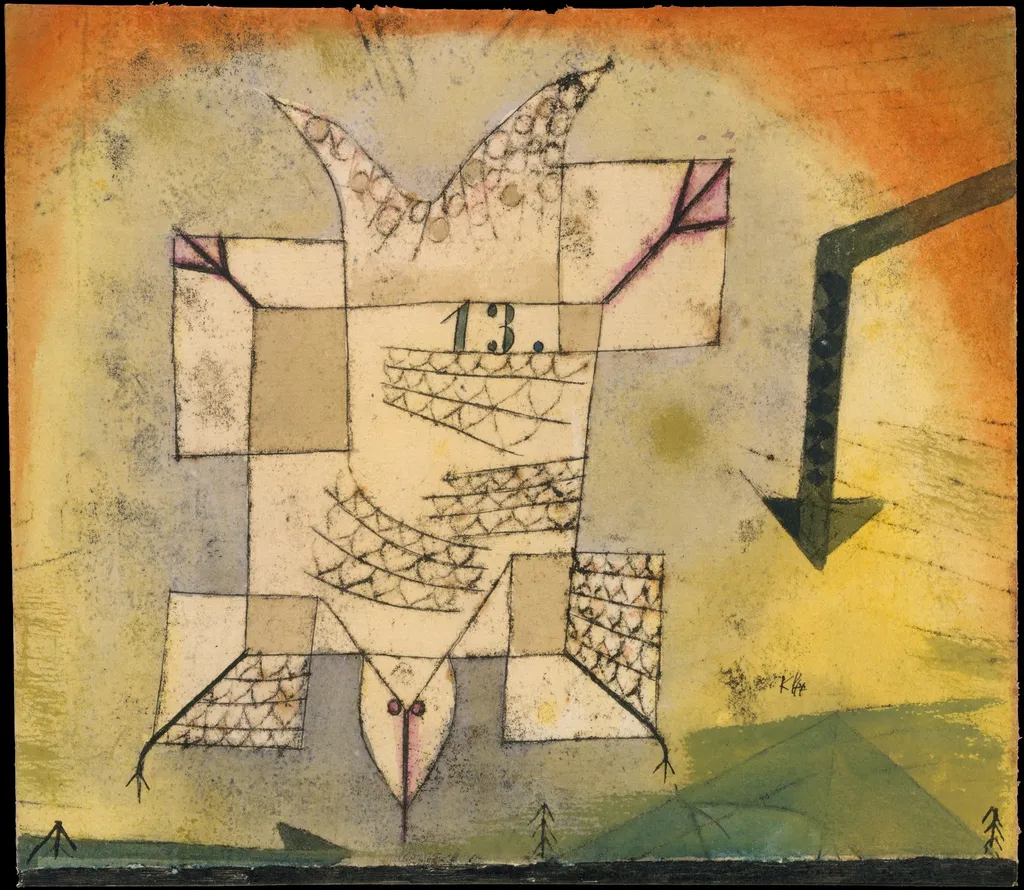
Falling Bird is an unspecified painting by the Bauhaus artist Paul Klee. It dates from 1919 and is held in the collection of the Metropolitan Museum of Art.
About this work
Subject & Meaning
The work functions as a meditation on instability and transition, aligning the literal fall with broader existential themes of vulnerability and impermanence.
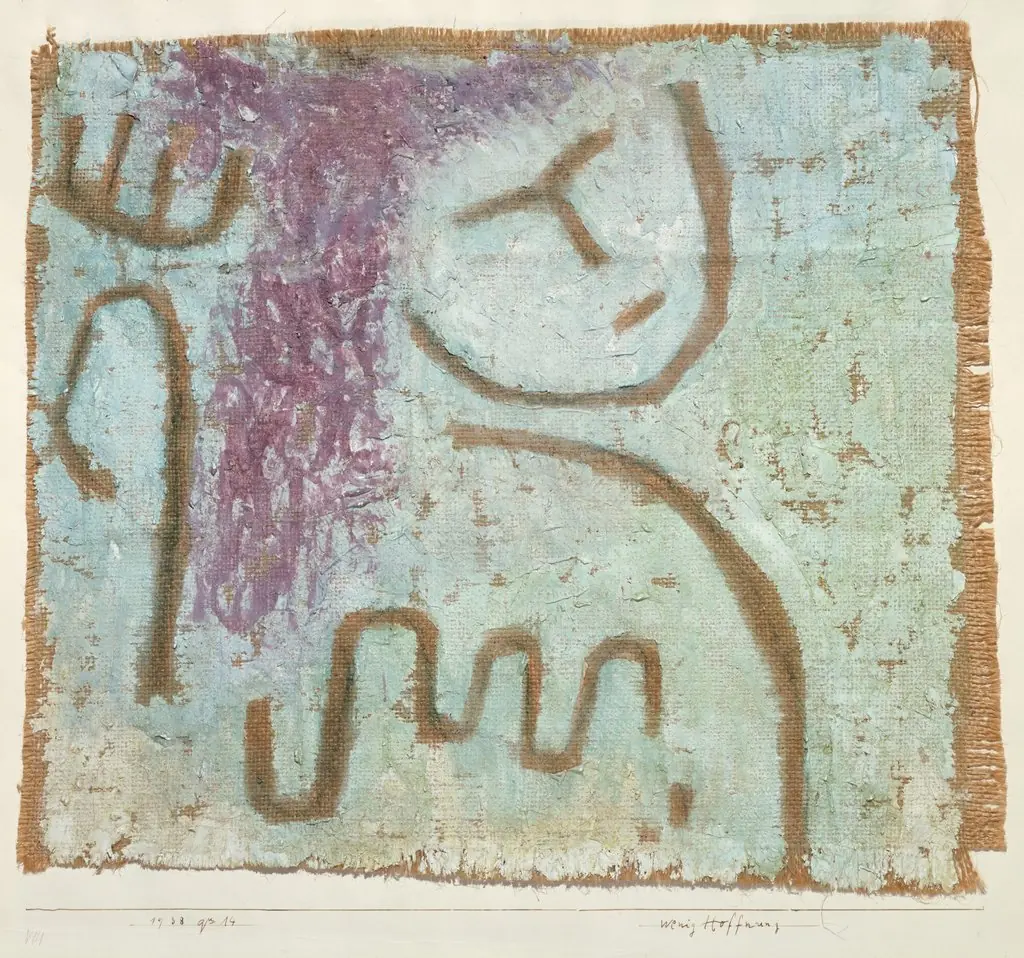
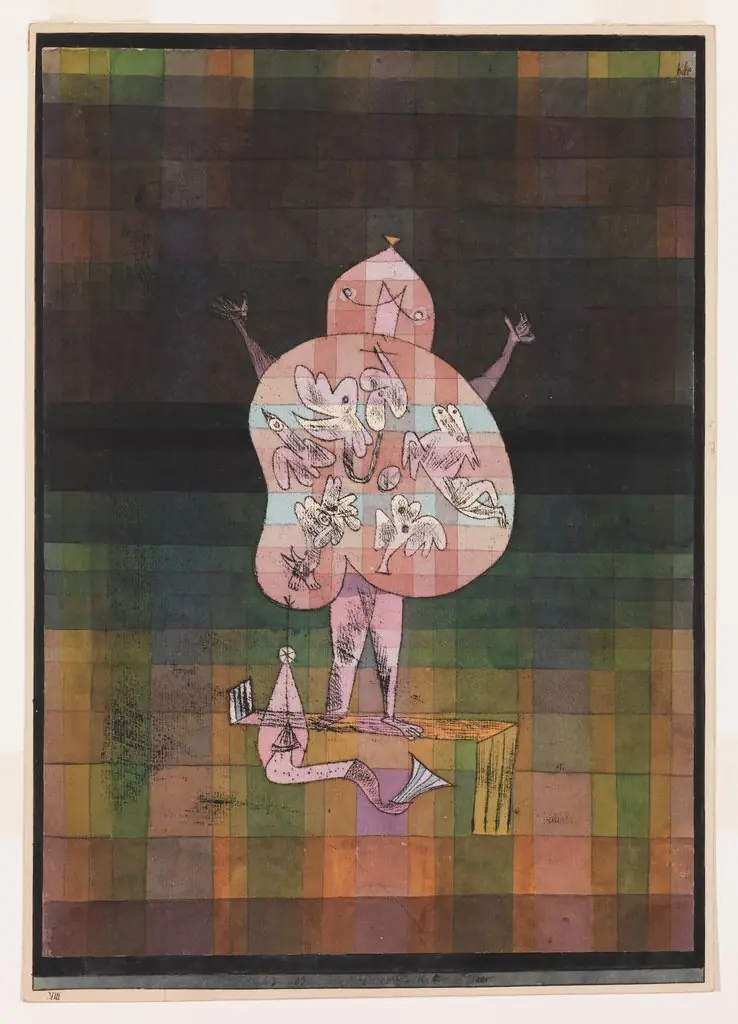
In Falling Bird (1919), Paul Klee renders a fragile avian form suspended in descent, distilling the creature to elemental lines and planar color fields. The composition pares the bird to its essential silhouette, evoking fragility and transience through attenuated limbs and a downward tilt of the body.
The work functions as a meditation on instability and transition, aligning the literal fall with broader existential themes of vulnerability and impermanence. Klee’s abstraction strips the subject of descriptive detail, focusing instead on rhythmic balance and tonal contrast to convey motion and loss of control.
History & Provenance
Falling Bird is a painting by Paul Klee dated to 1919. The work is held in the collection of the Metropolitan Museum of Art, where it remains located. The sources do not provide further detail on a commission, prior ownership, or chain of custody preceding its accession by the museum, nor do they document intermediate owners, dealers, or acquisition circumstances.
The painting Falling Bird by Paul Klee is held in the collection of the Metropolitan Museum of Art. The work, created in 1919, is classified as an abstract painting within the museum's holdings. No specific inventory or accession number is provided in the available sources, nor is any exhibition history documented for this piece.
Overview
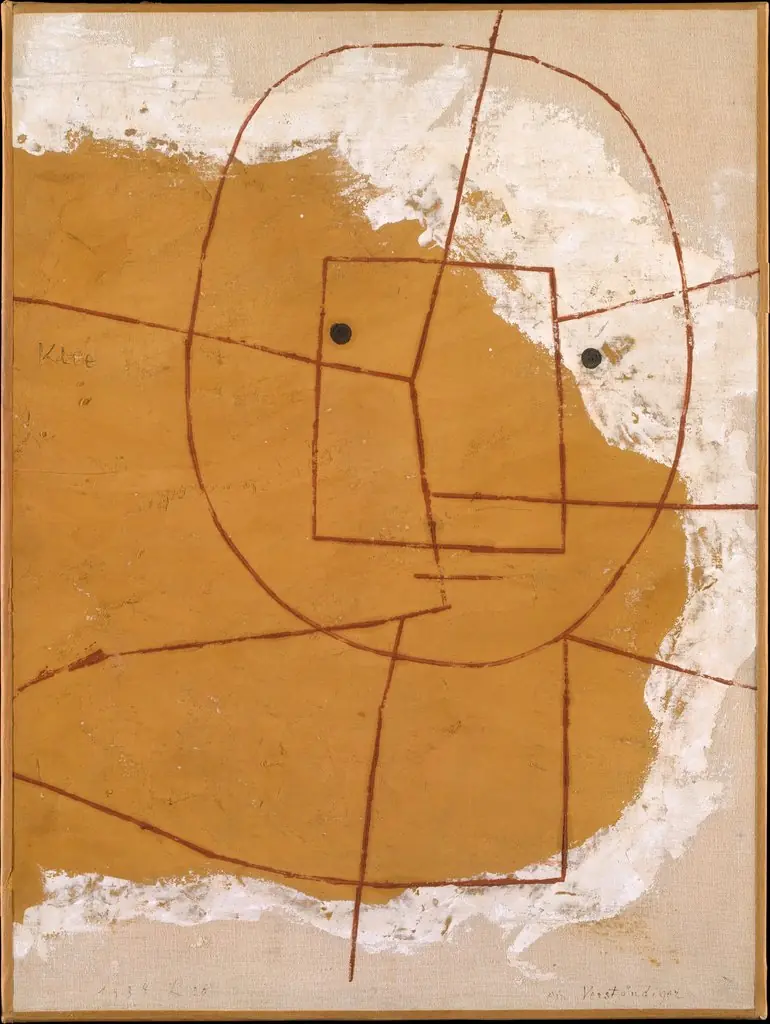
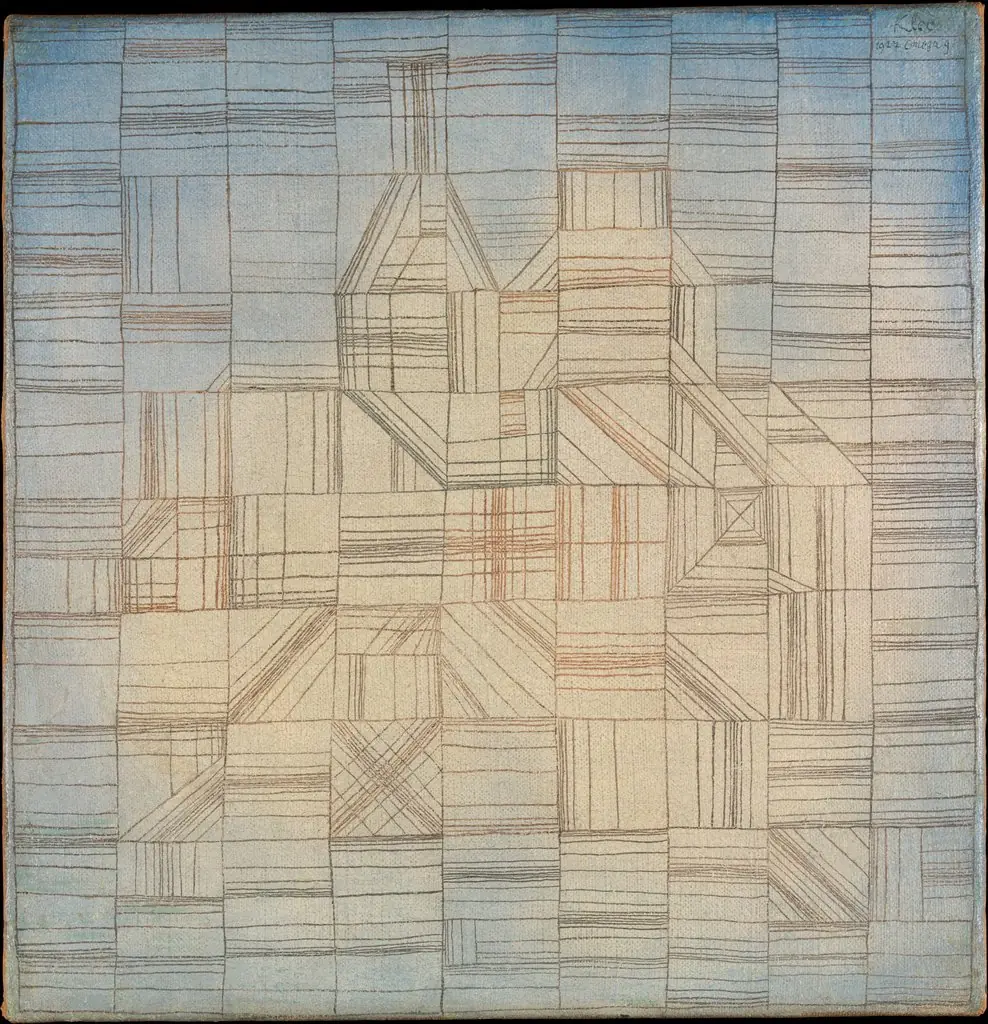
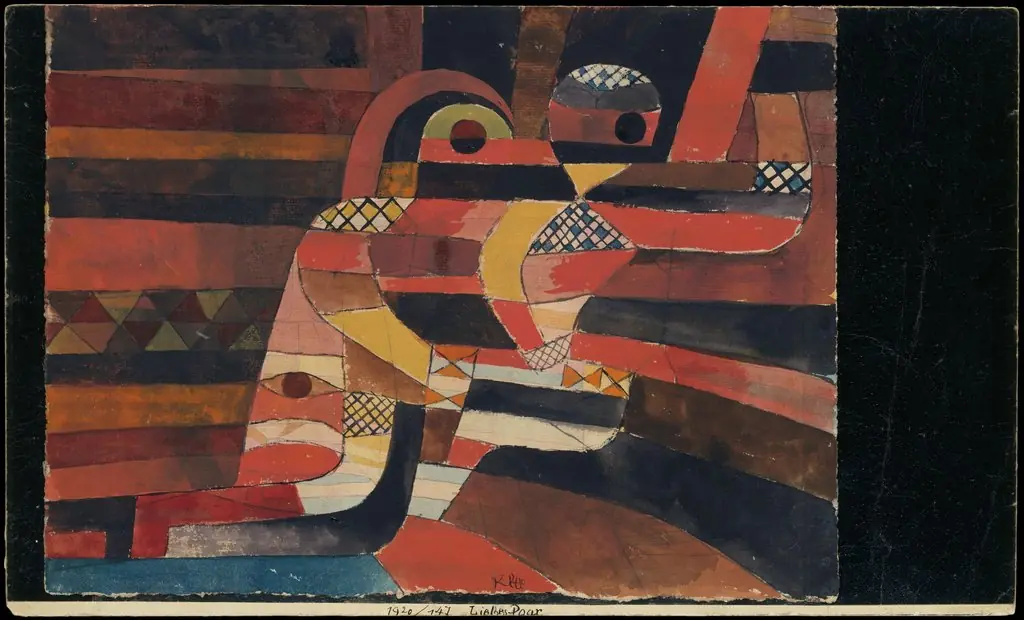
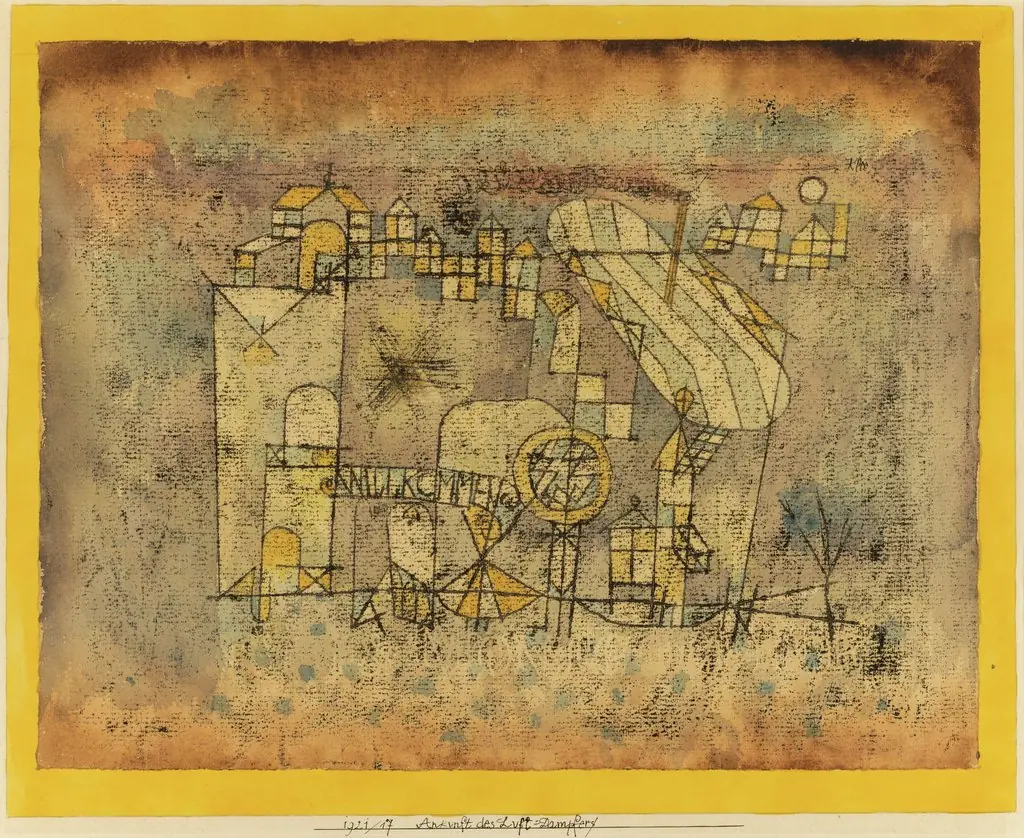
Created in 1919, Falling Bird is an oil painting by Paul Klee, the Swiss‑born artist active in Germany’s Bauhaus school. The work resides in the Metropolitan Museum of Art’s collection. It presents an abstract, dream‑like scene that merges architectural and avian motifs, rendered with bold outlines and a warm, muted palette.
Technique & Style
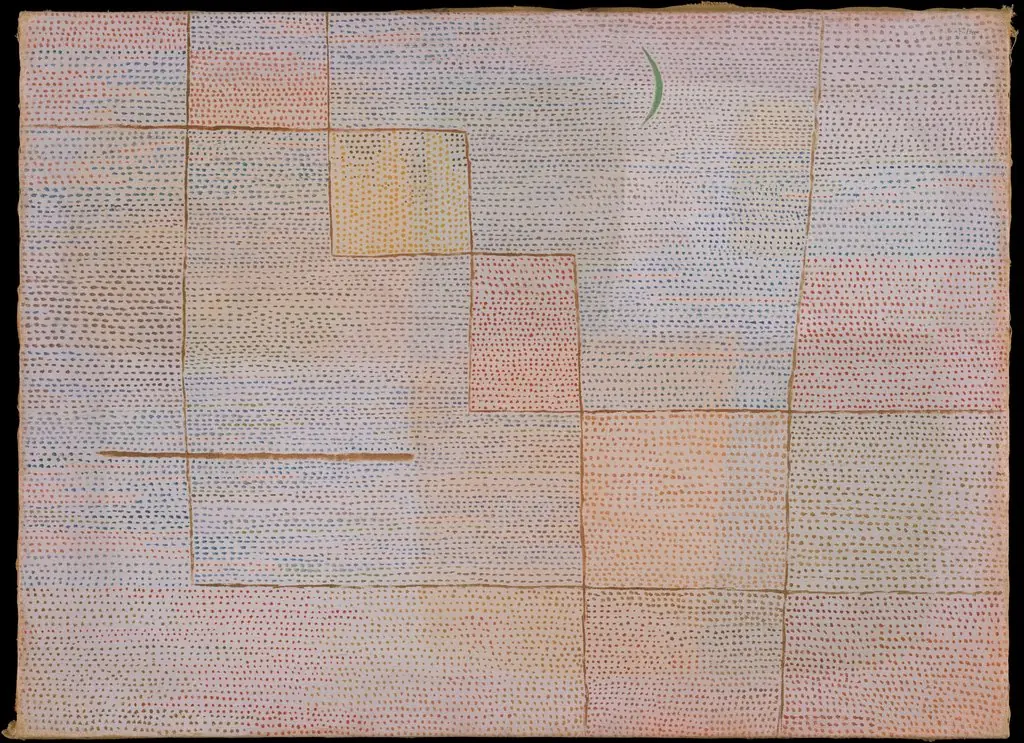
Klee employs simple, decisive lines to delineate angular planes, while the background glows with soft yellows and oranges that appear slightly faded, creating a nostalgic atmosphere. The painting synthesises elements of expressionism’s emotive color, cubism’s fragmented perspective, and Klee’s own investigations into color theory and visual rhythm.
Context
The work exemplifies Klee’s broader experimentations with form and hue that influenced 20th‑century abstraction. By integrating modernist vocabularies within a personal symbolic language, the painting reflects the Bauhaus aim of uniting art, craft, and theory, and continues to be studied for its contribution to the development of abstract visual expression.
Own this work as a print
Artist & collection
Artist
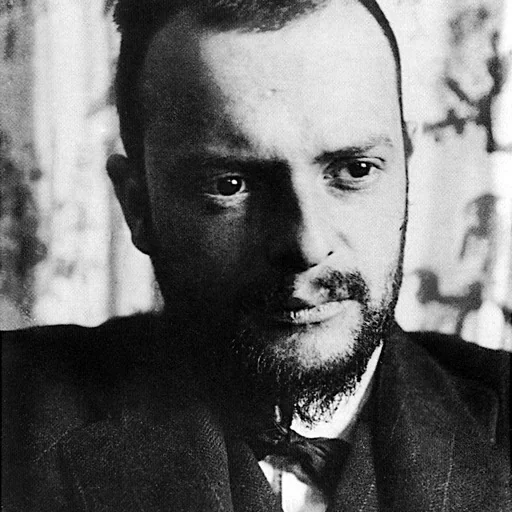
Paul Klee (German:; 18 December 1879 – 29 June 1940) was a Swiss-born German artist.