Artwork
Harmonized Region
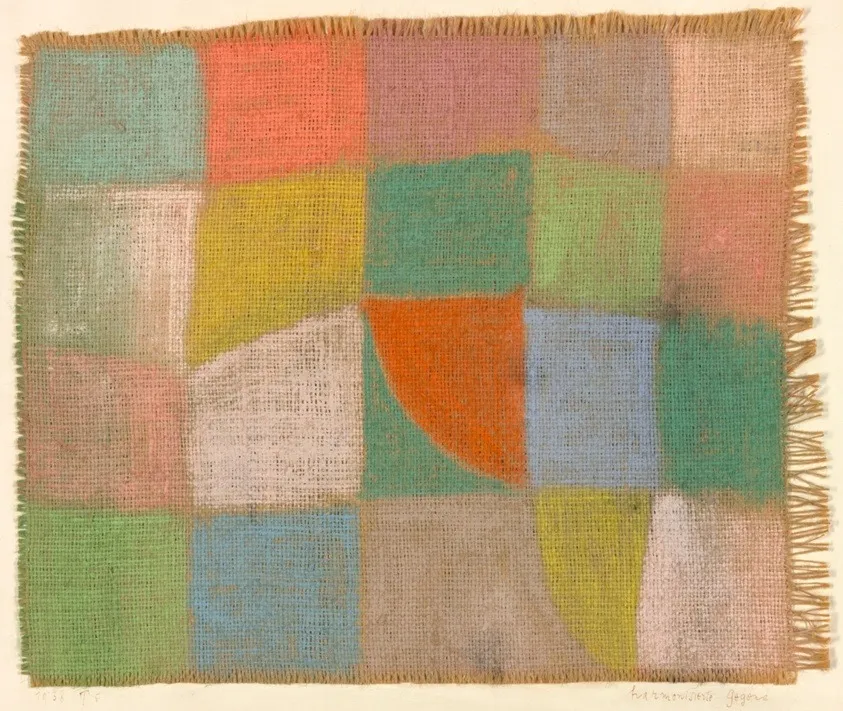
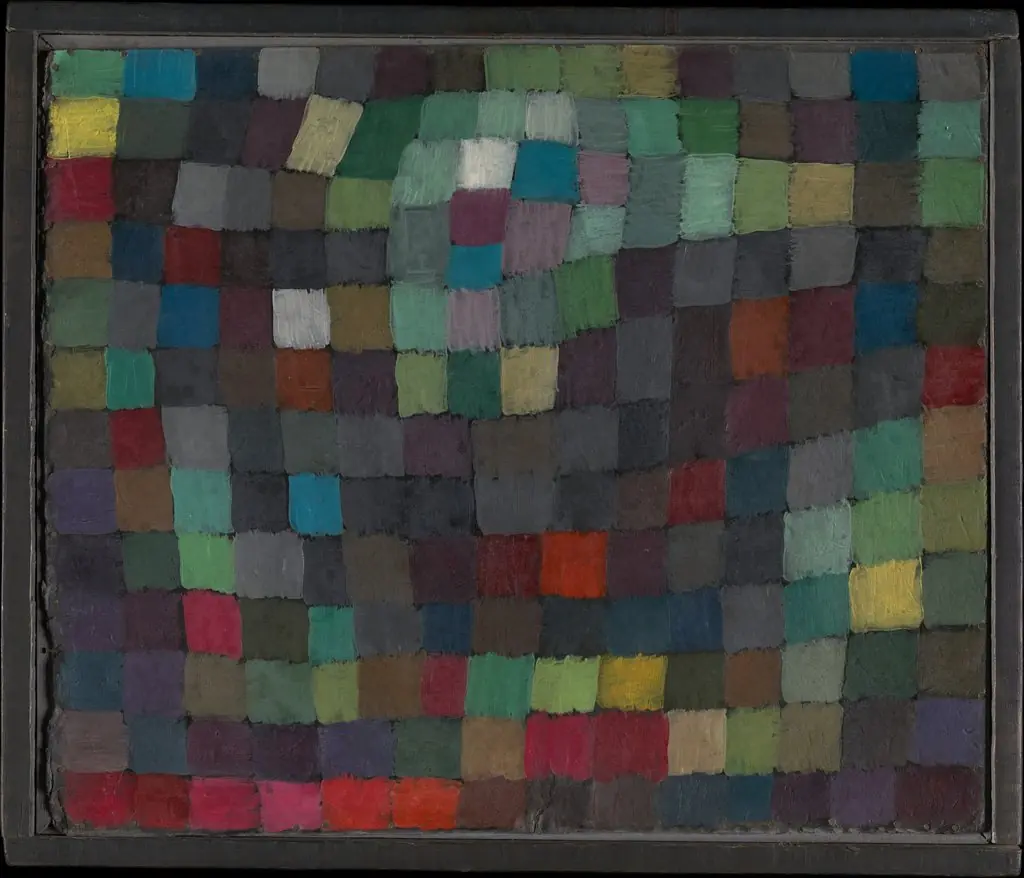
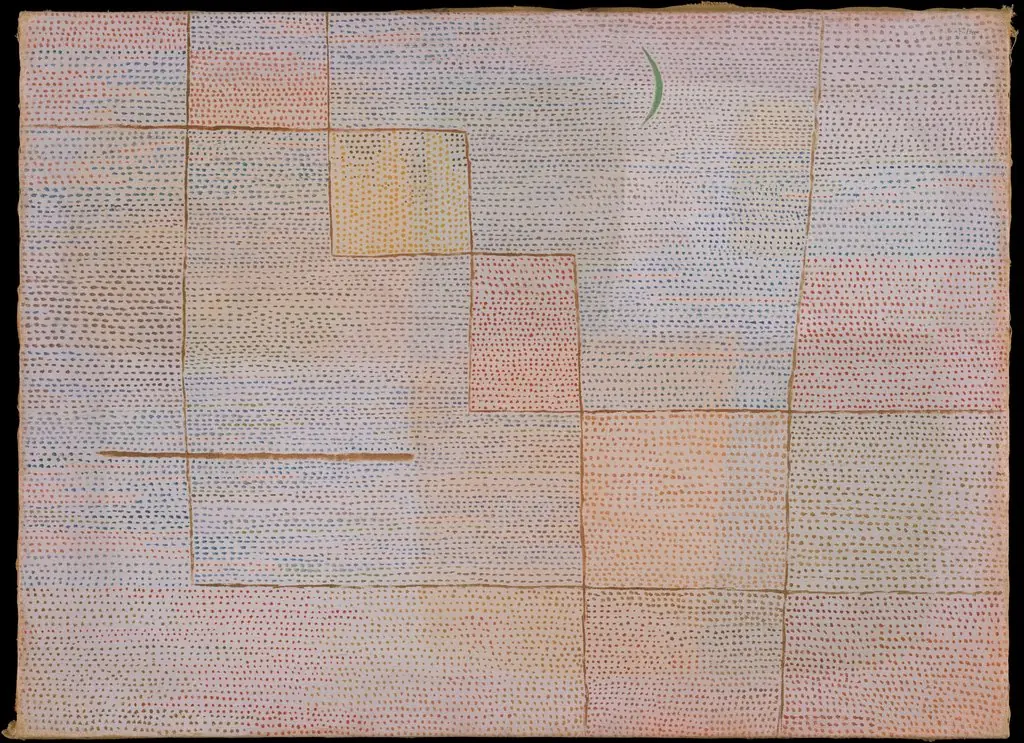
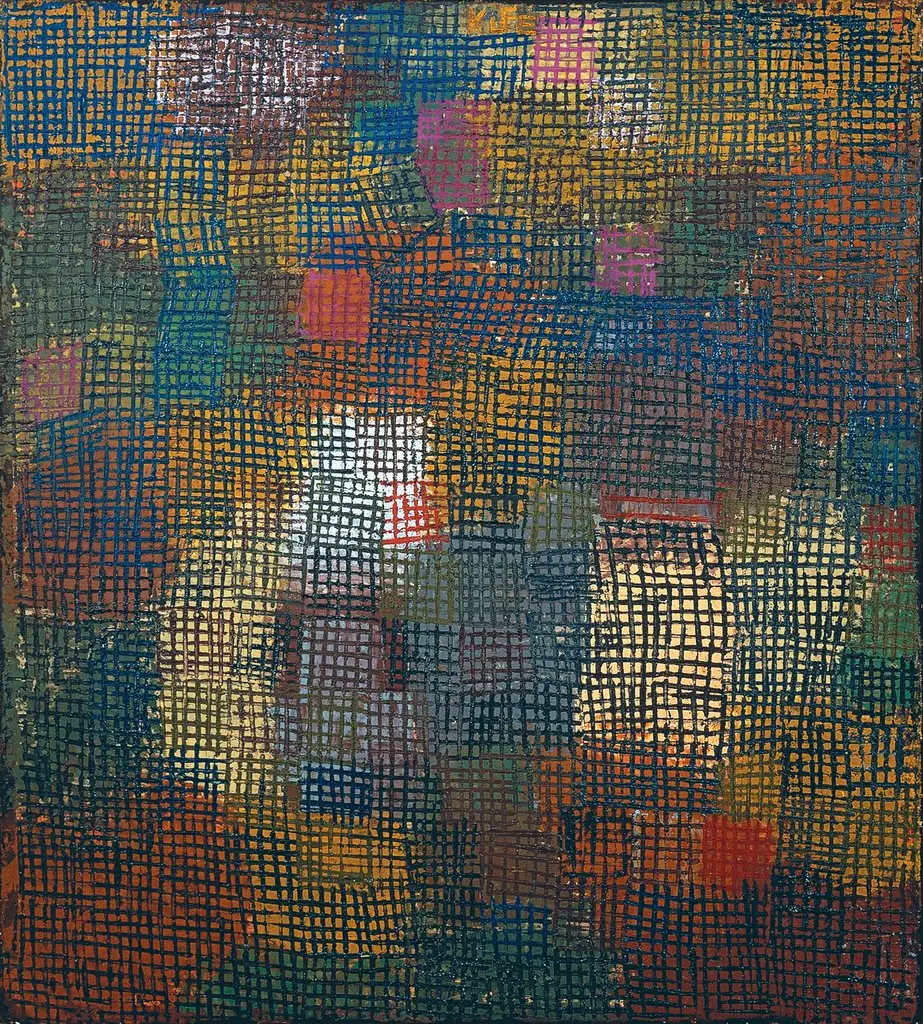
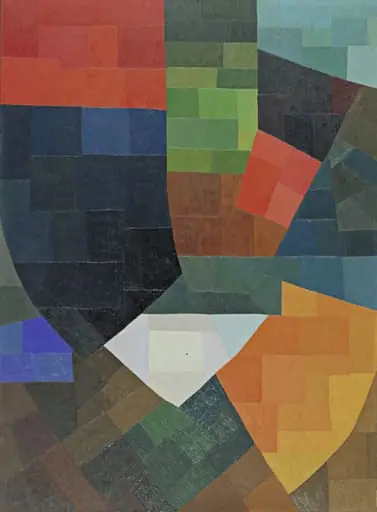
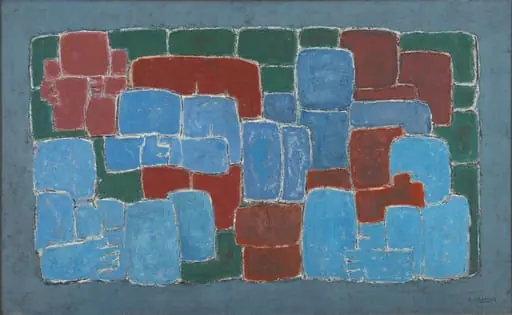
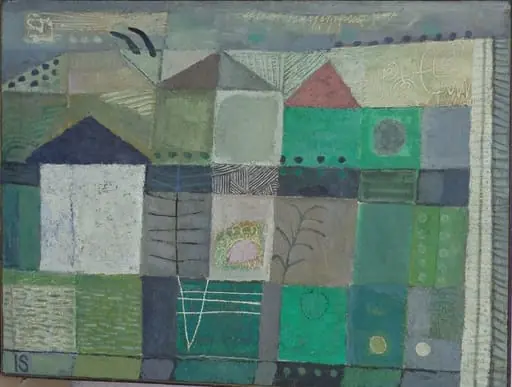
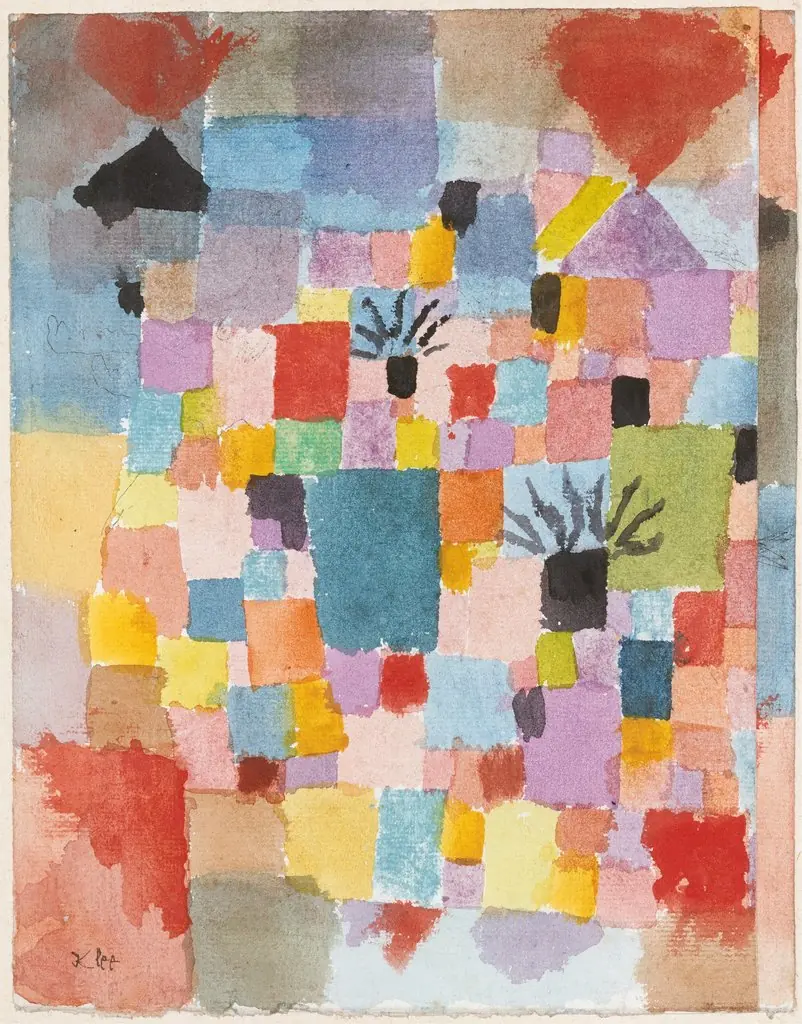
Harmonized Region is an oil painting by the Bauhaus artist Paul Klee. It dates from 1938 and is held in the collection of the Art Institute of Chicago.
About this work
Overview
The work belongs to his later period, when his abstract compositions became more structured yet retained a sense of lyrical rhythm.
Paul Klee painted Harmonized Region in 1938 using oil on canvas. The work belongs to his later period, when his abstract compositions became more structured yet retained a sense of lyrical rhythm. Though linked to the Bauhaus through his teaching years, this piece reflects a personal evolution beyond institutional styles, emphasizing color as an independent structural element rather than a descriptive tool.
Subject & Meaning
The painting does not depict a recognizable scene but instead proposes a visual harmony through geometric arrangements. Rectangles and squares in primary and secondary hues interact like musical notes in a chord, suggesting an abstract equilibrium. Klee often equated color relationships with musical intervals, and this work embodies his belief that visual form could evoke balance and resonance without narrative content.
Technique & Style
Klee applied oil paint in thin, opaque layers, allowing adjacent colors to remain distinct while softly blending at their edges. The brushwork creates a textured, almost textile-like surface, with irregular boundaries that mimic woven threads. This method preserves the integrity of each color field, reinforcing the painting’s deliberate, grid-like composition while introducing subtle imperfections that prevent mechanical rigidity.
History & Provenance
Created during Klee’s final years in Switzerland, the painting was acquired by the Art Institute of Chicago in 1948. It entered the collection through the museum’s growing interest in European modernism following World War II. The work has remained in the institution’s permanent holdings since, consistently included in exhibitions focused on abstraction and color theory in 20th-century art.
Context
Klee developed this work amid rising political tensions in Europe and his own declining health. His earlier Bauhaus teachings on form and color had already influenced generations of artists, but Harmonized Region reflects a more introspective phase, less didactic, more meditative. It aligns with his writings on art as a system of relationships, where visual elements function like linguistic or musical units in a larger structure.
Legacy
The painting exemplifies Klee’s enduring impact on postwar abstraction, particularly in how color and geometry can convey emotional and intellectual order without figuration. Artists such as Mark Rothko and Ellsworth Kelly later expanded on his ideas, though Klee’s approach remained uniquely personal, quiet, precise, and rooted in a belief that art could articulate invisible harmonies.
Artist & collection
Artist
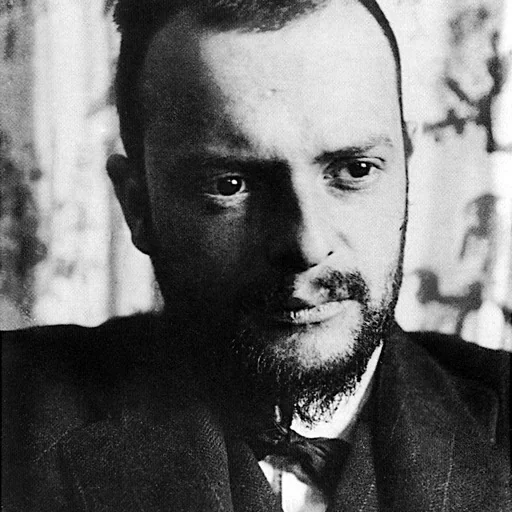
Paul Klee (German:; 18 December 1879 – 29 June 1940) was a Swiss-born German artist.