Artwork
Revolution of the Viaduct
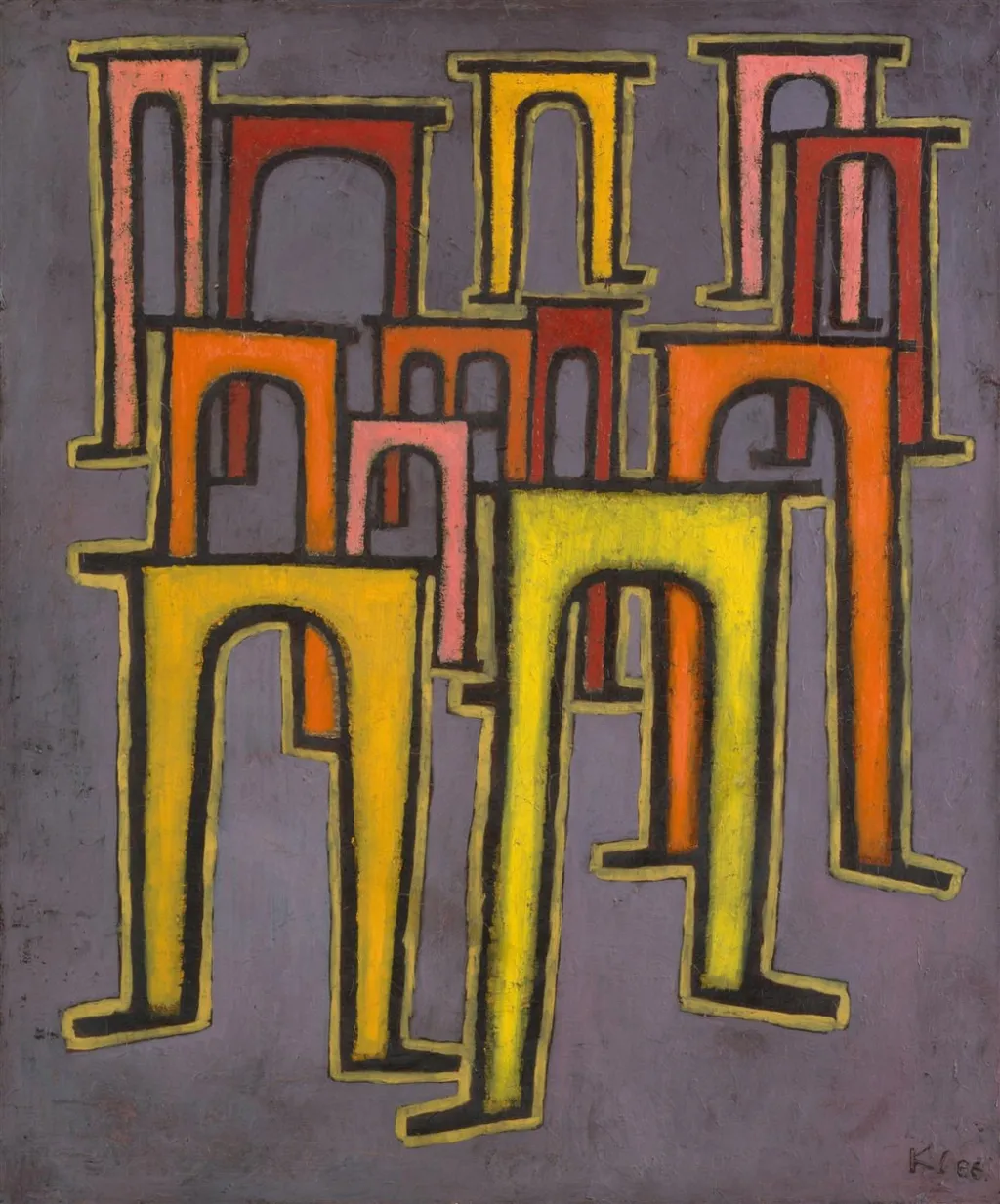
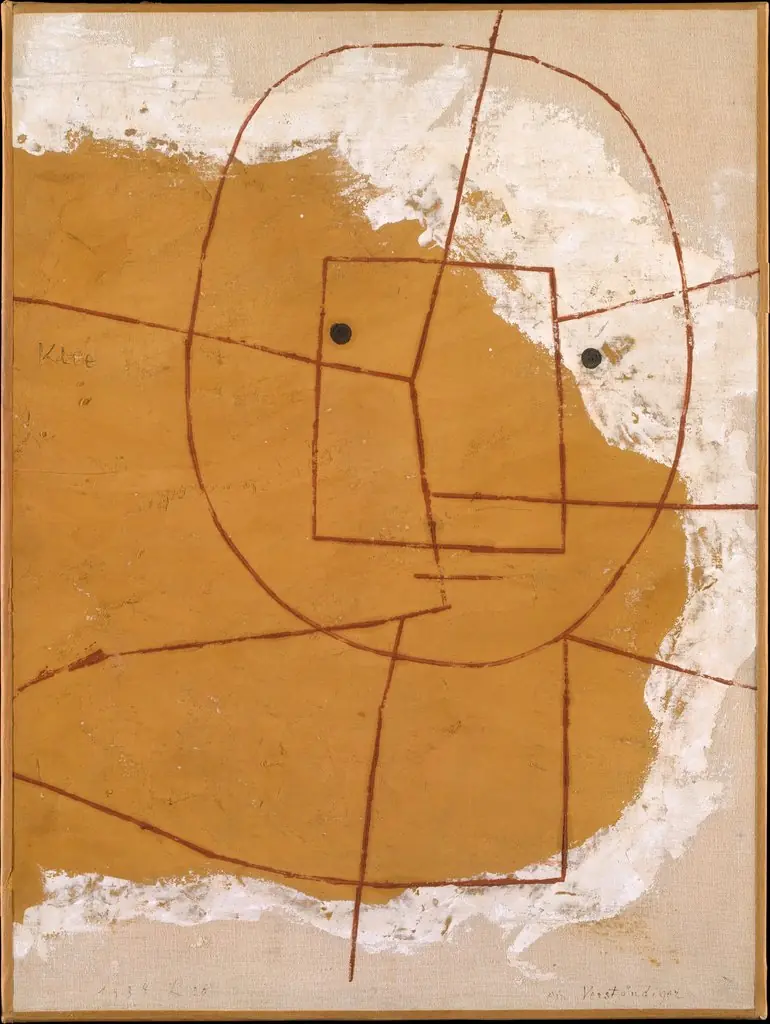
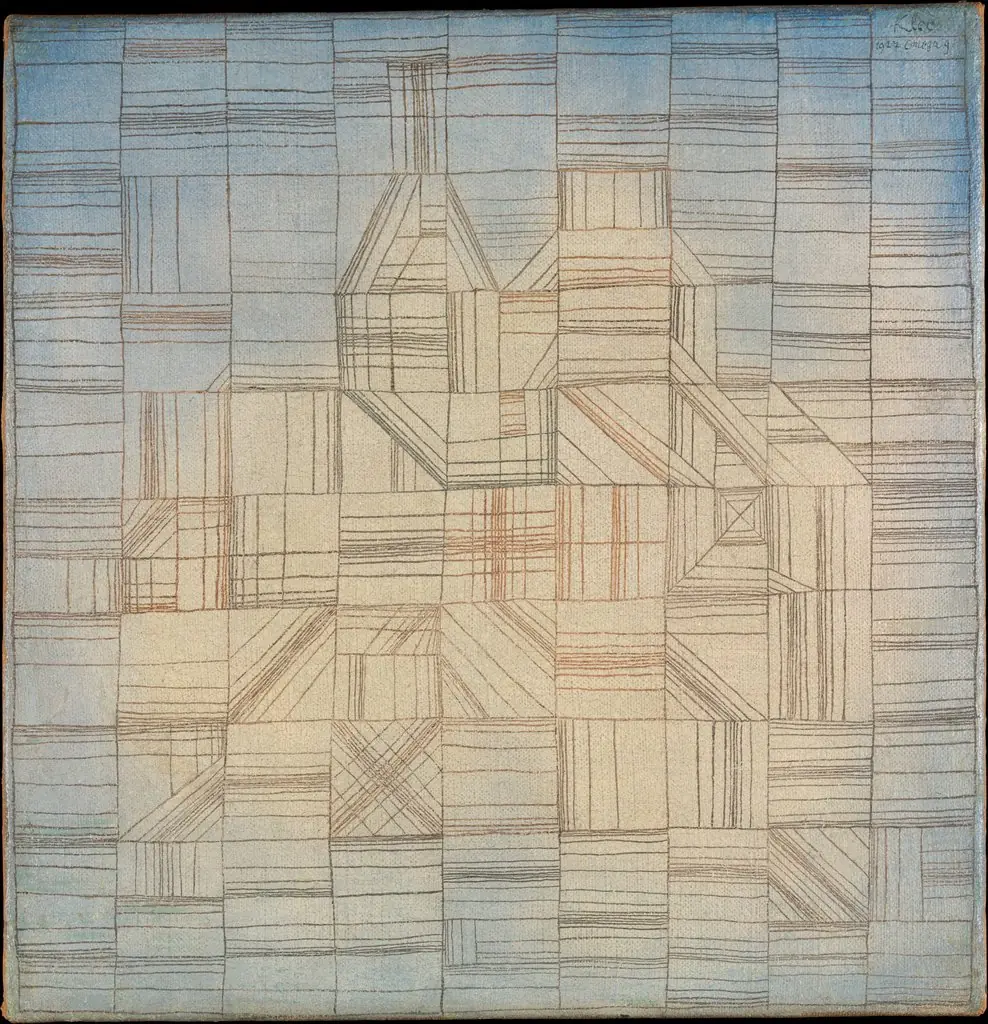
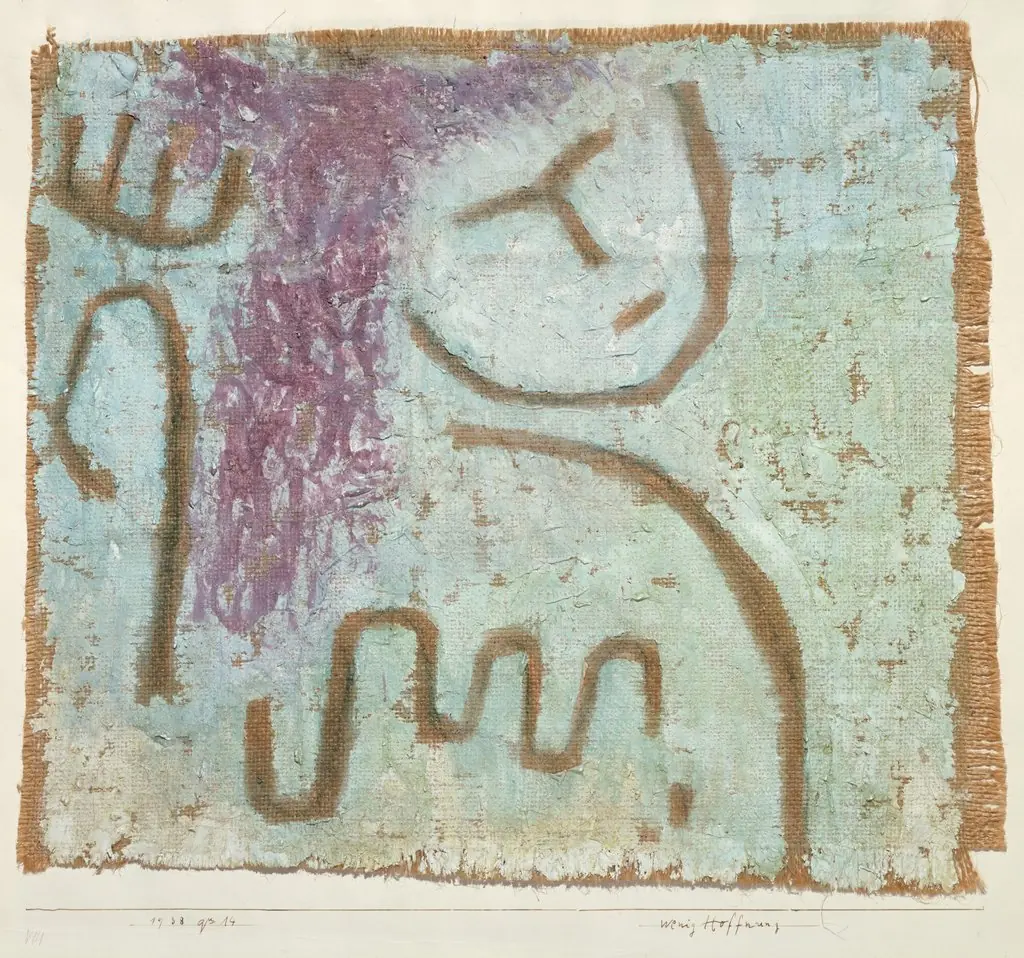
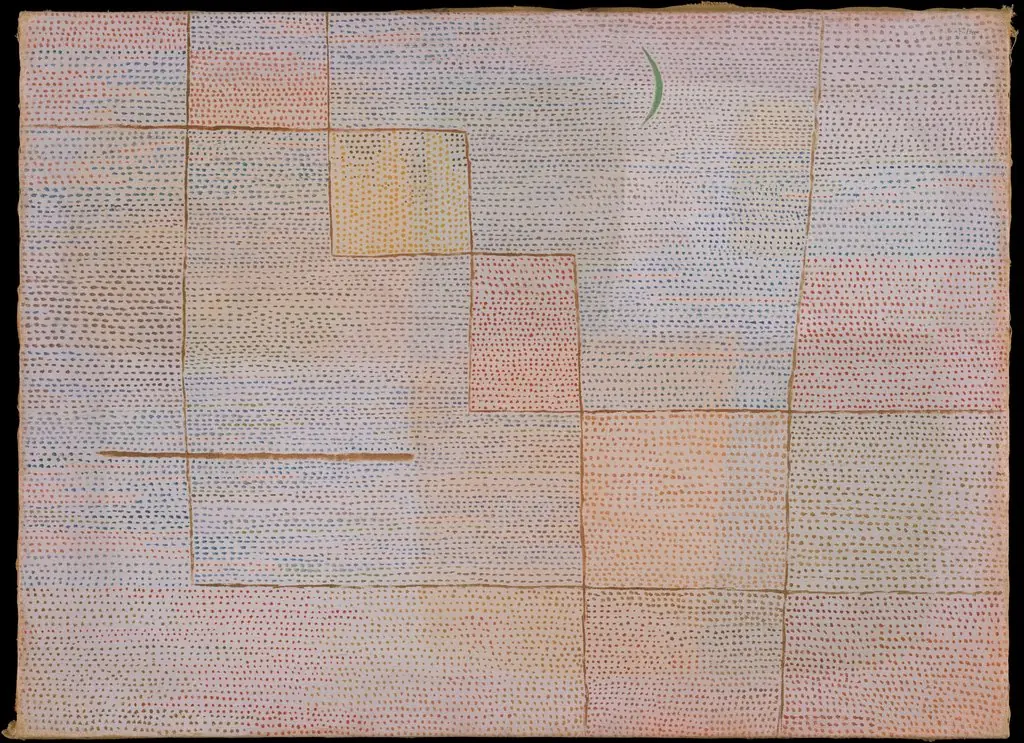
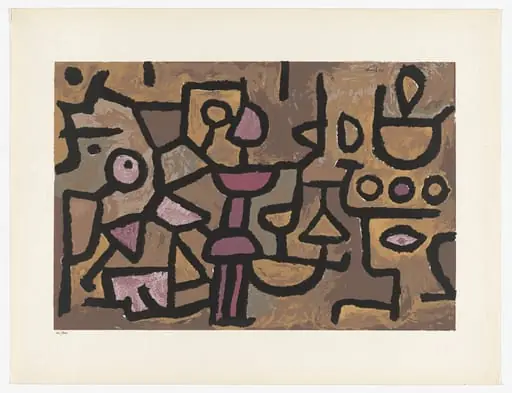
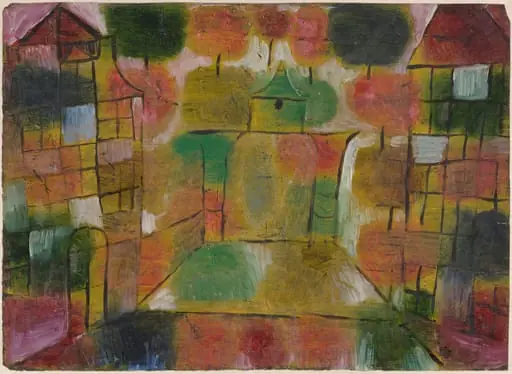
Revolution of the Viaduct is an oil painting by the Bauhaus artist Paul Klee. It dates from 1937 and is held in the collection of the Hamburger Kunsthalle.
About this work
Overview
Created in 1937, Revolution of the Viaduct is an oil painting by Paul Klee. Executed while the artist was involved with the Bauhaus school, the work reflects the period’s experimental spirit. It now forms part of the permanent collection of the Hamburger Kunsthalle in Hamburg, Germany.
Technique & Style
Klee applied oil pigments in a manner that merges the gestural vigor of expressionism with the fragmented planes of cubism, while retaining a dreamlike, surreal quality. His handling of color demonstrates a sophisticated grasp of chromatic relationships, a recurring focus in his practice and theoretical writings.
Context
At the time of this painting, Klee, a Swiss‑born artist who had taken German citizenship, was navigating the tensions between avant‑garde ideals and the increasingly hostile political climate of the late 1930s. His affiliation with the Bauhaus, which had been forced to close in 1933, informed his continued interest in interdisciplinary approaches to visual art.
History & Provenance
After its completion, the canvas entered the collection of the Hamburger Kunsthalle, where it has remained on public view. The museum acquired the work as part of its broader effort to represent key figures of early twentieth‑century modernism, ensuring Klee’s oeuvre is accessible to scholars and visitors alike.
Artist & collection
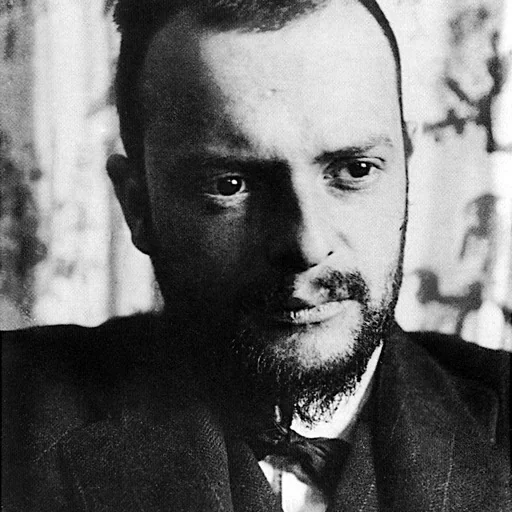
Artist
Paul Klee (German:; 18 December 1879 – 29 June 1940) was a Swiss-born German artist.