Artwork
Theater-Mountain-Construction
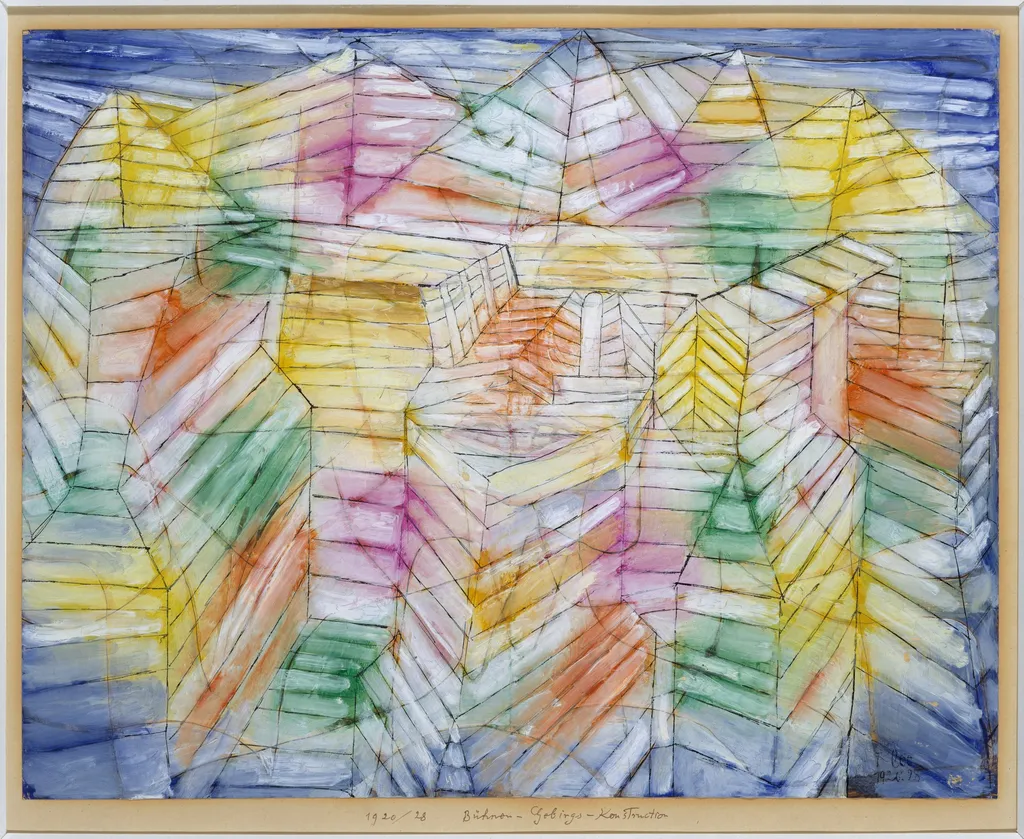
Theater-Mountain-Construction is an unspecified painting by the Bauhaus artist Paul Klee. It dates from 1920 and is held in the collection of the Metropolitan Museum of Art.
About this work
Subject & Meaning
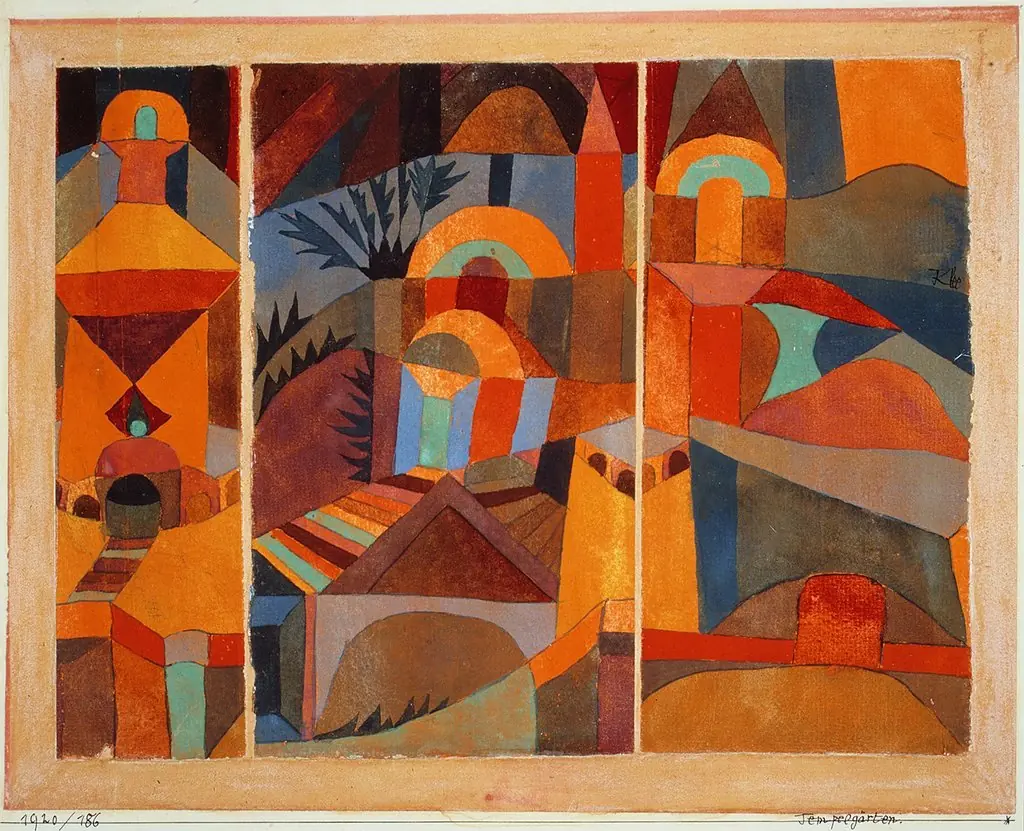
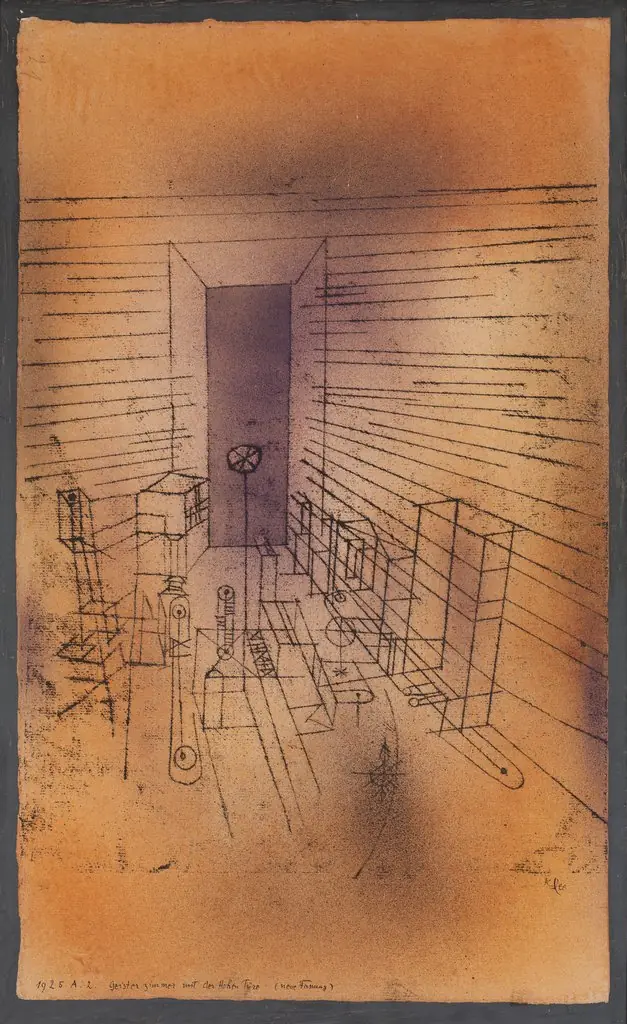
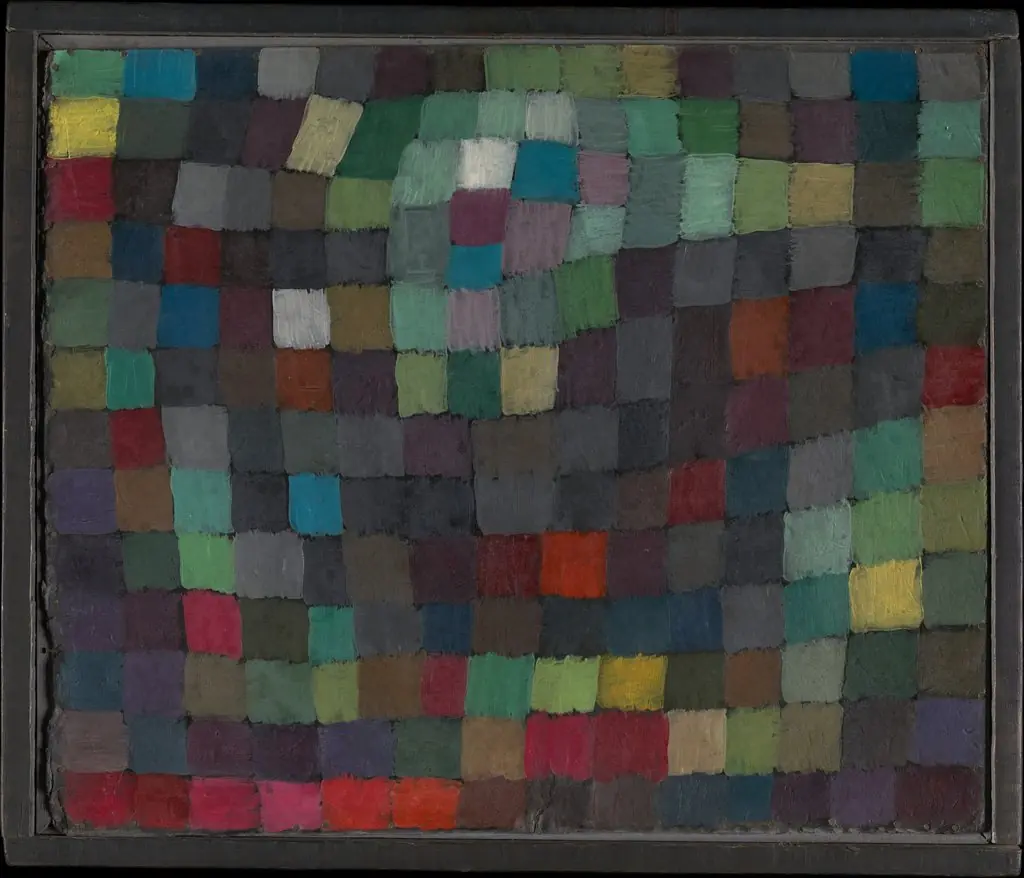
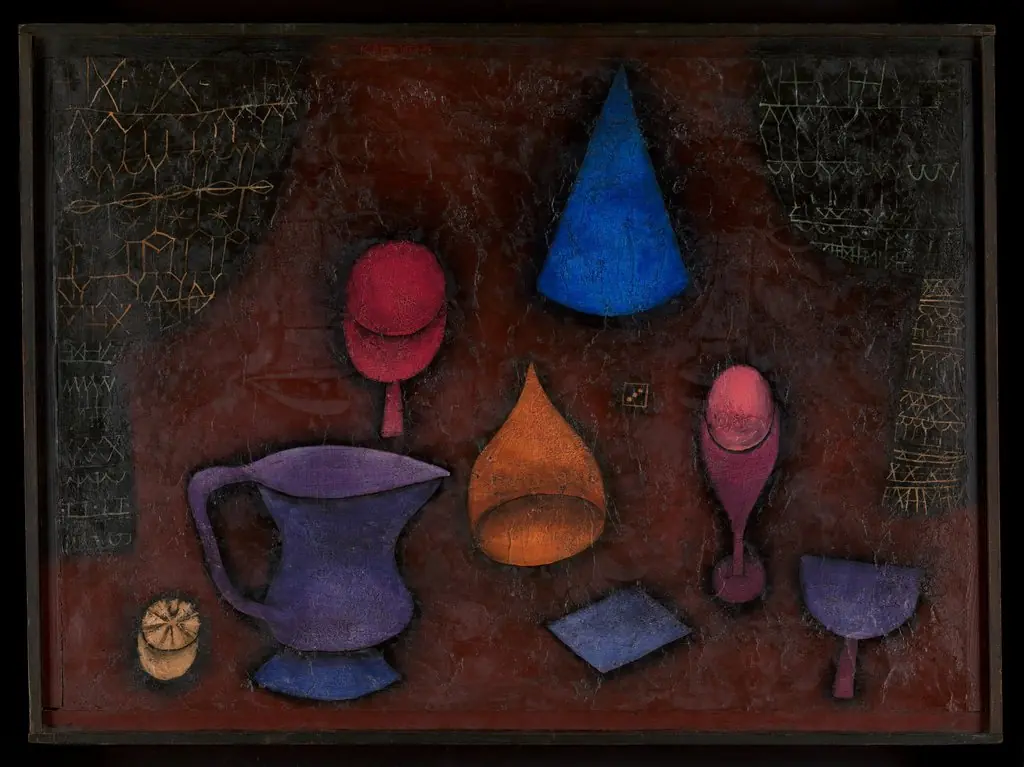
Paul Klee's Theater-Mountain-Construction presents an abstracted composition in which theatrical and geological motifs are combined, as its title suggests.
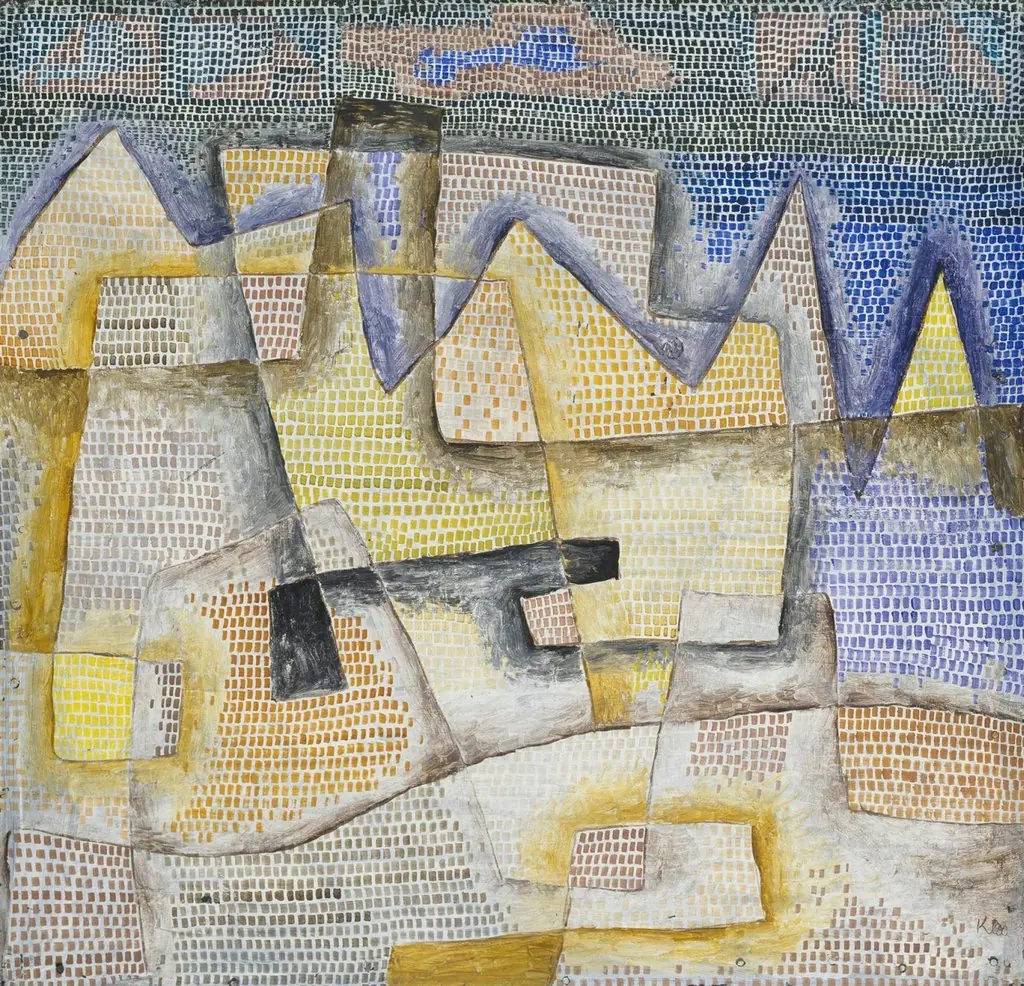
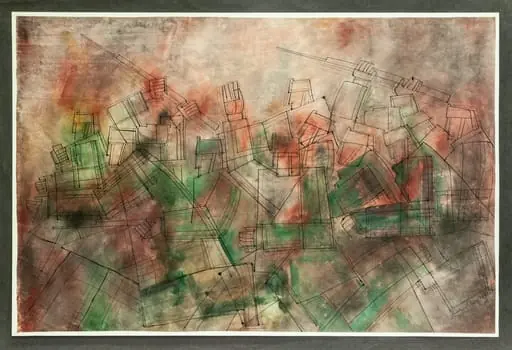
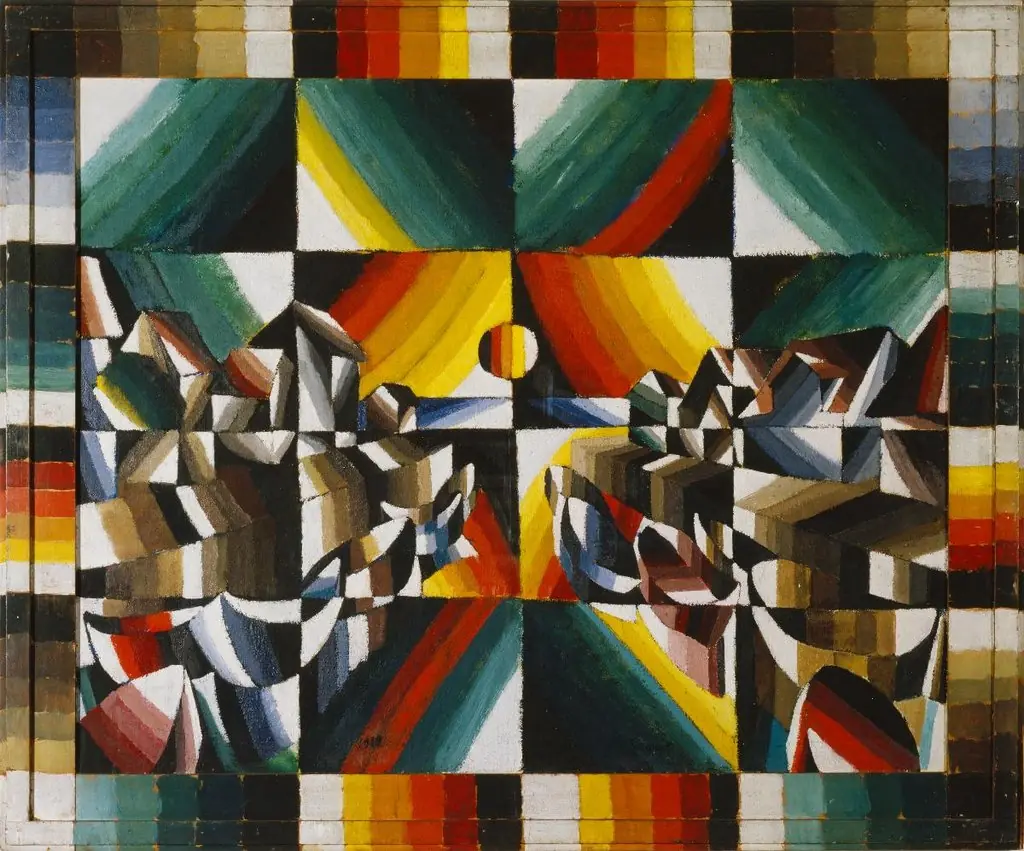
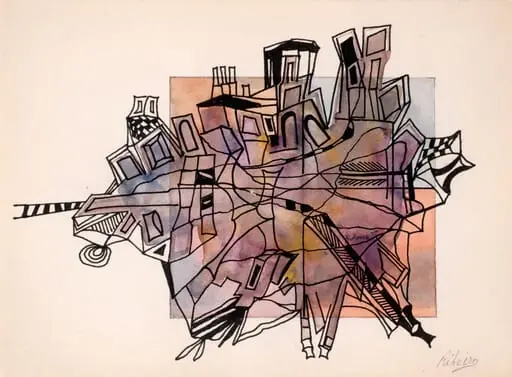
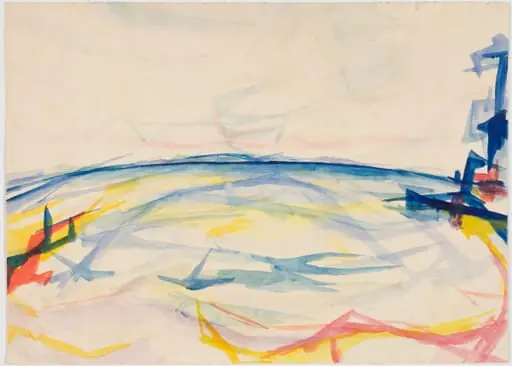
Paul Klee's Theater-Mountain-Construction presents an abstracted composition in which theatrical and geological motifs are combined, as its title suggests. Klee treats stage space as a constructed terrain, using fragmented geometric shapes to evoke spatial ambiguity. The work reflects his characteristic interest in the underlying structures shared by art and nature, juxtaposing the idea of performance with mountain-like forms that lend the abstraction a sense of stability.
History & Provenance
Paul Klee created the painting Theater-Mountain-Construction in 1920. The work is currently part of the collection of the Metropolitan Museum of Art. While the specific commission details and the full chain of ownership prior to its museum acquisition are not detailed in the available sources, the artwork's inception is dated to 1920.
Legacy
The painting has been recognized as a representative example of Klee's abstraction, contributing to discussions of modernist visual language. Its presence in a major institutional collection has allowed continued scholarly attention to Klee's compositional approach, particularly in how geometric and organic forms intersect. The work is referenced in analyses of early 20th-century avant-garde developments.
Overview
Created in 1920, Theater‑Mountain‑Construction is an oil painting by Paul Klee, a Swiss‑born artist who worked in Germany and was active in the Bauhaus school. The work exemplifies Klee’s interest in merging color and form through abstract means, and it is part of the permanent collection of the Metropolitan Museum of Art.
Technique & Style
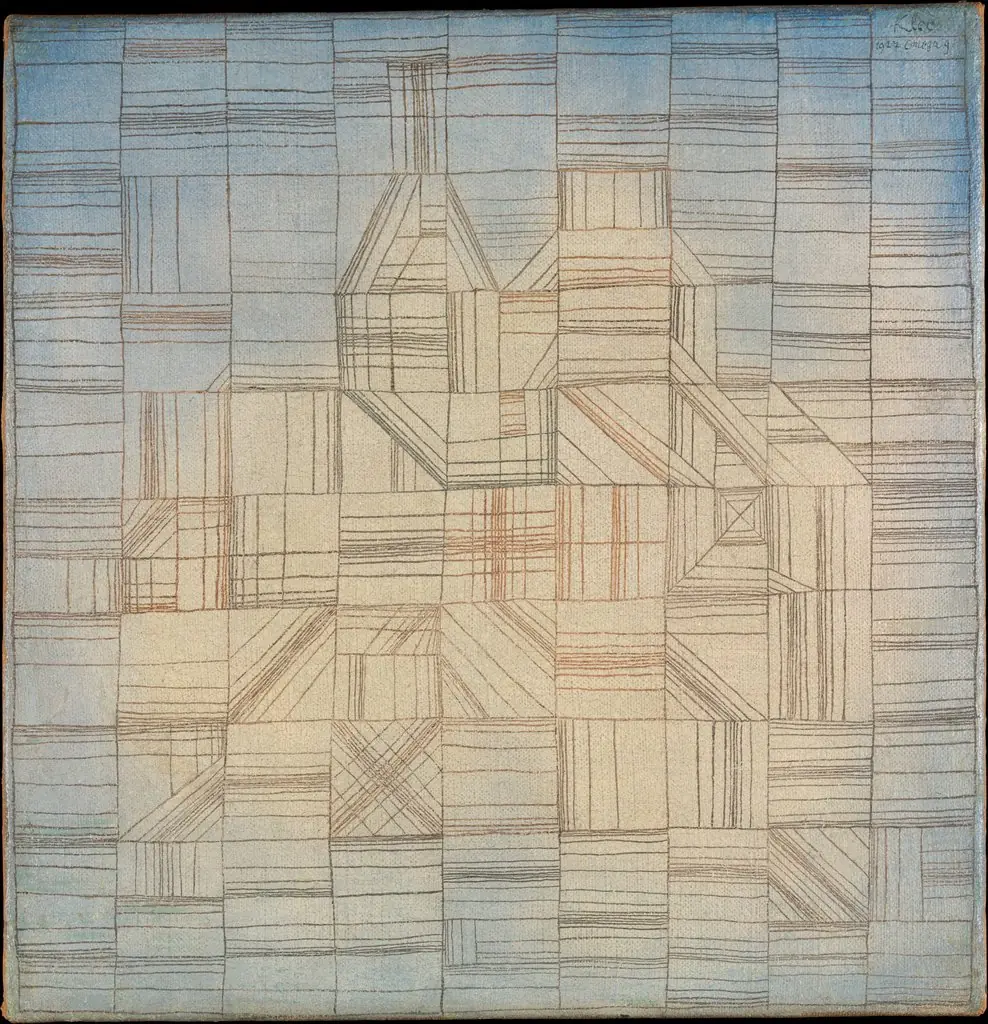
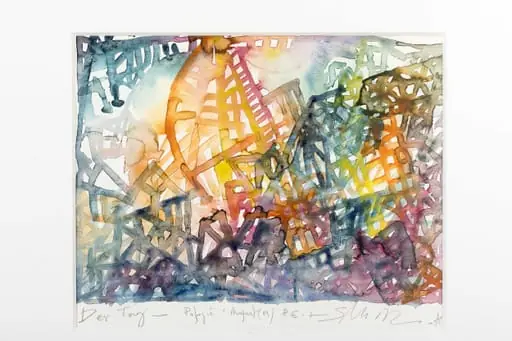
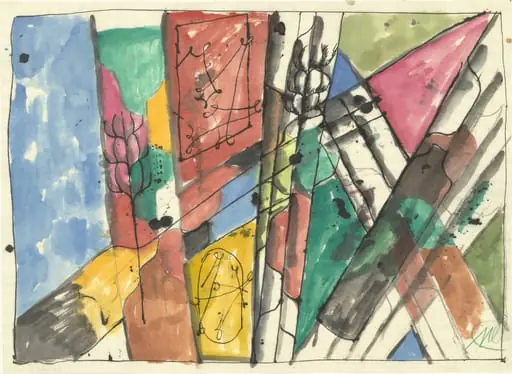
Klee employs a dense network of jagged lines that delineate triangles, rectangles, and irregular blocks. Bright blues, yellows, pinks and greens bleed into one another, blurring the boundary between drawing and painting. This synthesis of expressive color, cubist fragmentation and surrealist spontaneity creates a lively, non‑representational surface.
Context
Theater‑Mountain‑Construction reflects the cross‑currents of early‑20th‑century modernism, drawing on expressionist vigor, cubist structure and surrealist imagination. Klee’s experimental approach to color and form aligns with the Bauhaus emphasis on integrating art, craft, and theory, positioning the painting within a broader dialogue about abstraction in the interwar period.
Own this work as a print
Artist & collection
Artist
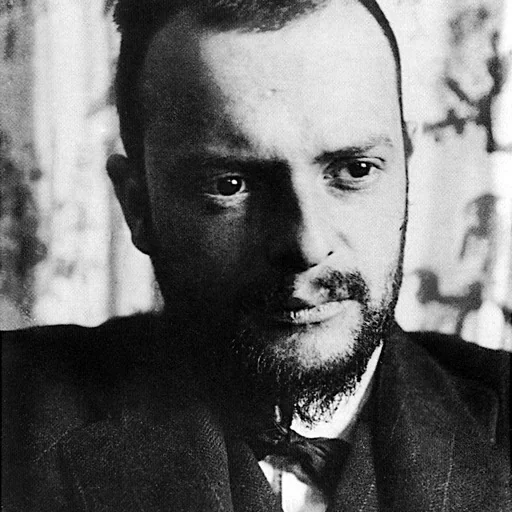
Paul Klee (German:; 18 December 1879 – 29 June 1940) was a Swiss-born German artist.