Artwork
After the Tornado
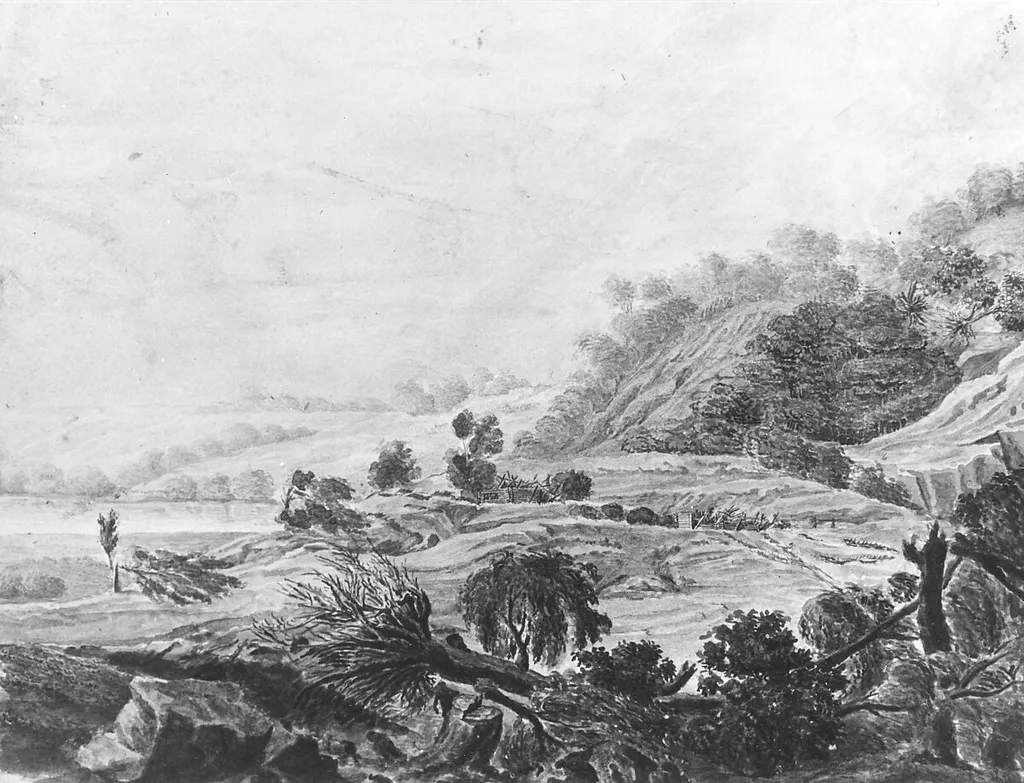
After the Tornado is a watercolor work on paper by the Romanticist artist Pavel Petrovich Svinin. It dates from 1811 and is held in the collection of the Metropolitan Museum of Art.
About this work
Overview
It is held in the American Wing of the Metropolitan Museum of Art in New York, acquired through the Rogers Fund in 1942 with the object number 42.
After the Tornado is a watercolor landscape by Pavel Petrovich Svinin, a Russian diplomat and amateur artist who worked in the United States between 1811 and 1813. Dated 1811 to approximately 1813, the work measures 7 1/2 by 10 inches (19.1 x 25.4 cm) and was executed in watercolor, gouache, and graphite on off-white wove paper. It is held in the American Wing of the Metropolitan Museum of Art in New York, acquired through the Rogers Fund in 1942 with the object number 42.95.52. The piece is significant as a rare early nineteenth-century document of the American landscape by a foreign observer, produced during a brief but prolific period when Svinin traveled the East Coast and recorded scenes from Maine to Virginia.
Subject & Meaning
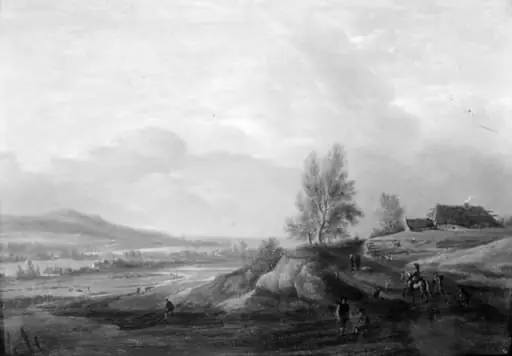
The image presents a panoramic view of rolling terrain in the aftermath of a severe storm. In the foreground, a large uprooted tree lies horizontally across rocky ground, its exposed roots splayed upward, while a willow and other standing trees appear nearby. The middle ground reveals cleared fields, a small fenced structure, and scattered trees, with a body of water at the left and distant hills fading into a hazy, cloud-filled sky. The scene is entirely monochromatic, ranging from deep blacks to pale grays, with diffused, overcast light. The subject belongs to the Romantic tradition of the sublime, where nature's destructive force carries symbolic weight. The tornado's aftermath evokes human vulnerability before natural power, while also suggesting themes of cyclical destruction and potential regeneration. The desolation of uprooted trees and disrupted rural settlement speaks to broader nineteenth-century anxieties about environmental change and the fragility of human endeavor.
Technique & Style
Svinin employed watercolor, gouache, and graphite on off-white wove paper to achieve atmospheric depth through graduated tonal values rather than sharp contrasts. The technique appears to involve wash or watercolor with fine linear detailing for foliage and texture. The handling creates a hazy, atmospheric perspective in the distant hills while allowing precise observation of the uprooted tree's exposed root system and the rocky foreground terrain. The absence of color, whether original to the artist's intention or a result of the medium's limitations, produces a stark, documentary quality that emphasizes the scene's emotional impact. The relatively small scale, 7 1/2 by 10 inches, suggests the work was created as part of a portable sketchbook practice during the artist's travels.
History & Provenance
Pavel Petrovich Svinin arrived in the United States in 1811 as Secretary to the Russian Consul-General, based in Philadelphia, and remained until June 1813. During this period he traveled extensively along the East Coast, sketching and painting watercolors of American scenes. After the Tornado was created between 1811 and approximately 1813, likely during these travels through the American countryside. The work was later acquired by the Metropolitan Museum of Art through the Rogers Fund in 1942, receiving the accession number 42.95.52. It is now housed in the museum's American Wing. The piece has been catalogued in Kevin J. Avery's American Drawings and Watercolors in the Metropolitan Museum of Art, Volume I: A Catalogue of Works by Artists Born before 1835, published in 2002.
Context
Svinin occupies an unusual position in early American art history as a trained Russian diplomat and amateur artist who produced one of the most extensive visual records of the United States during the War of 1812 period. Born in Russia in 1787 or 1788, he studied at the School for the Nobility and the Academy of Fine Arts in Moscow and St. Petersburg before entering foreign service. His American watercolors, including images of Natural Bridge and Niagara Falls, were later published in memoirs and illustration projects. The Metropolitan Museum holds a large collection of his work. Svinin's perspective combined European artistic training with genuine admiration for American institutions; he praised American religious tolerance, steamboats, public education, and republican government in his writings. His landscapes thus function as both artistic documents and diplomatic observations, reflecting European Romantic interest in the American wilderness while also serving as propaganda for American exceptionalism. The tornado subject specifically aligns with Romanticism's fascination with nature's destructive sublime, a theme explored by contemporary artists and writers across the Atlantic world.
Legacy
After the Tornado remains a significant work for understanding the intersection of foreign observation and early American landscape representation. As part of the Metropolitan Museum's collection, it contributes to scholarly understanding of how European-trained artists perceived and recorded the American environment during a formative period in national history. Svinin's American watercolors, though produced by an amateur, have outlasted many contemporary professional efforts as documentary records of the early republic's physical appearance. The work continues to generate interpretive interest regarding environmental history, disaster representation, and the cultural construction of American landscape identity. Its presence in a major museum collection ensures ongoing visibility, while Svinin's published memoirs and the scholarly editions of his travels provide continuing context for interpretation. The piece exemplifies how transient diplomatic presence could produce lasting artistic documentation, and how natural disaster imagery served broader cultural narratives of vulnerability, resilience, and national character in the early nineteenth century.
Artist & collection

Artist
Pavel Petrovich Svinyin or Svinin (Russian: Па́вел Петро́вич Свиньи́н; 19 June 1787 – 21 April 1839) was a Russian writer, painter, and editor, known as a "Russian Munchausen" for many exaggerated accounts of his travels.

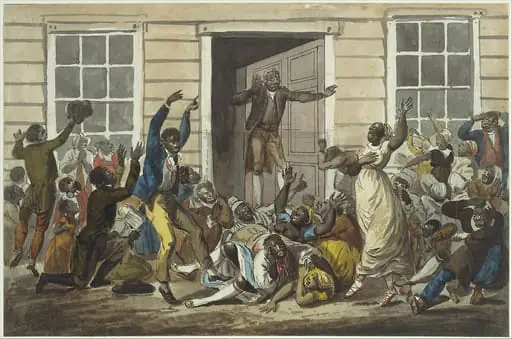 Black Methodists Holding a Prayer Meeting
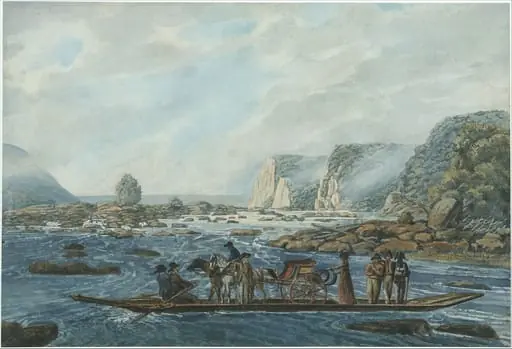 A Ferry Scene on the Susquehanna at Wright's Ferry, near Havre de Grace
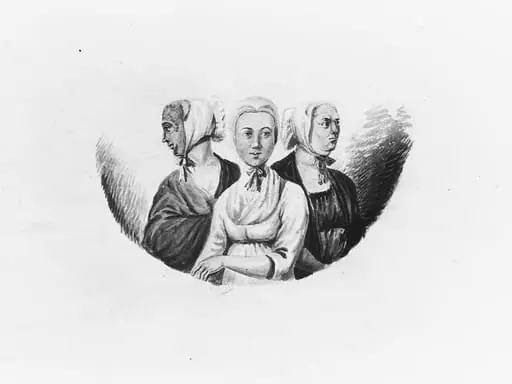 Moravian Sisters
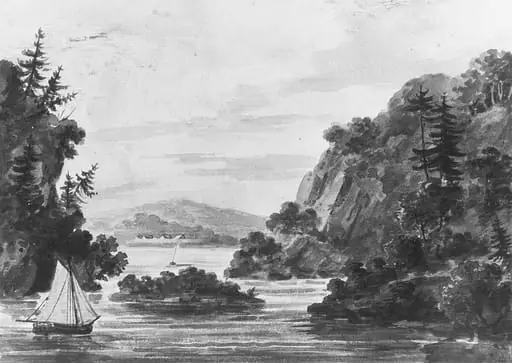 View on the Hudson River (Copy after Engraving by Weld and S. Springsguth in Weld, Travels Through the States of North America, 1807)
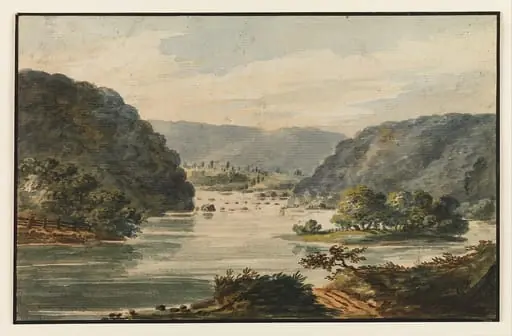 A View of the Potomac at Harpers Ferry
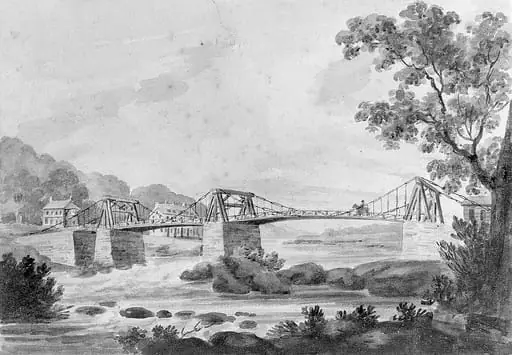 The Falls of the Schuylkill and Chain Bridge
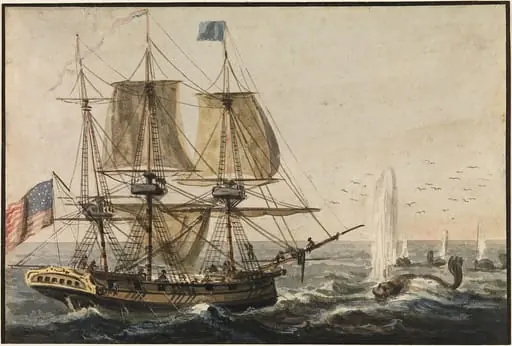 Replenishing the Ship's Larder with Codfish off the Newfoundland Coast
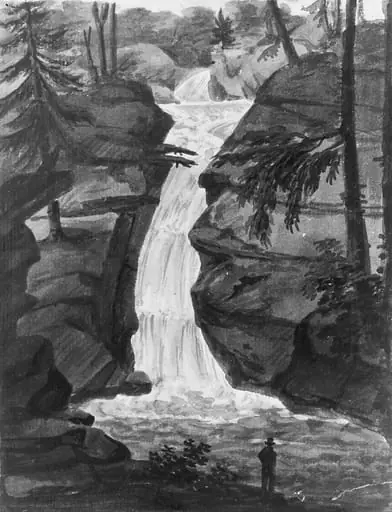 Upper Falls of Solomon's Creek (after an Engraving in The Port Folio Magazine, December 1809)
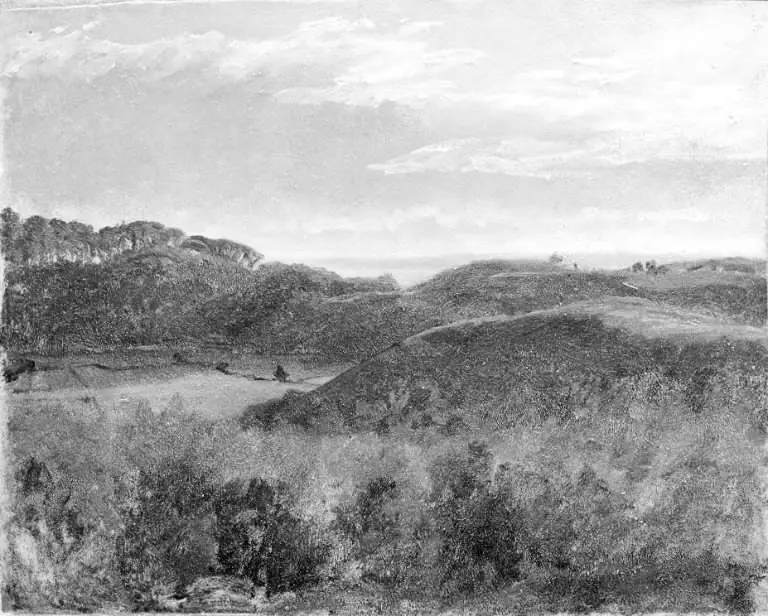 Landscape with Hills
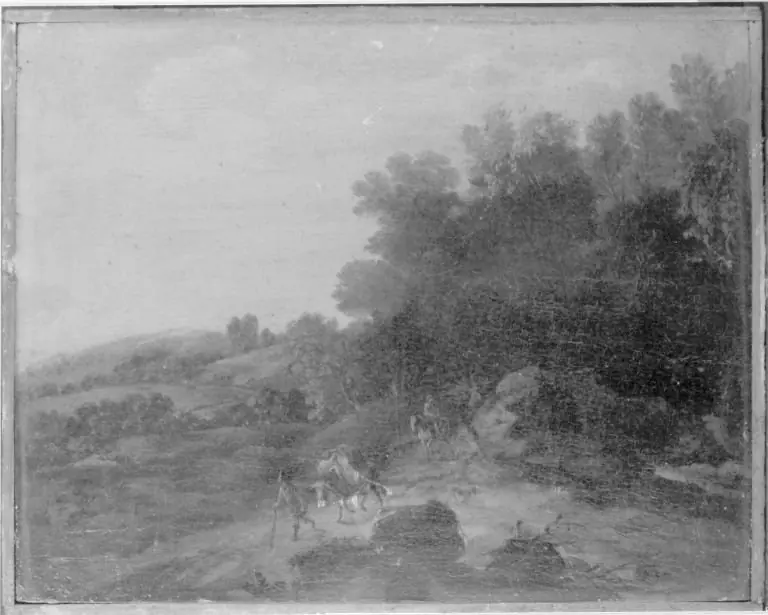 Hügellandschaft
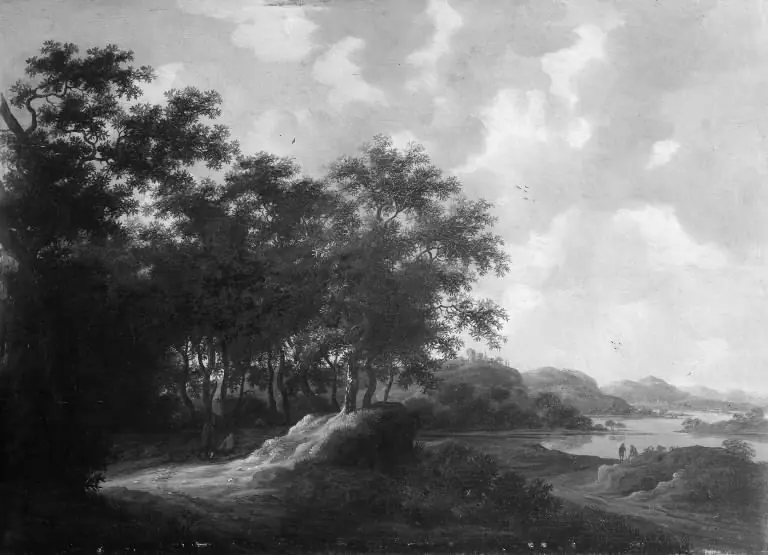 Wooded Landscape with a River
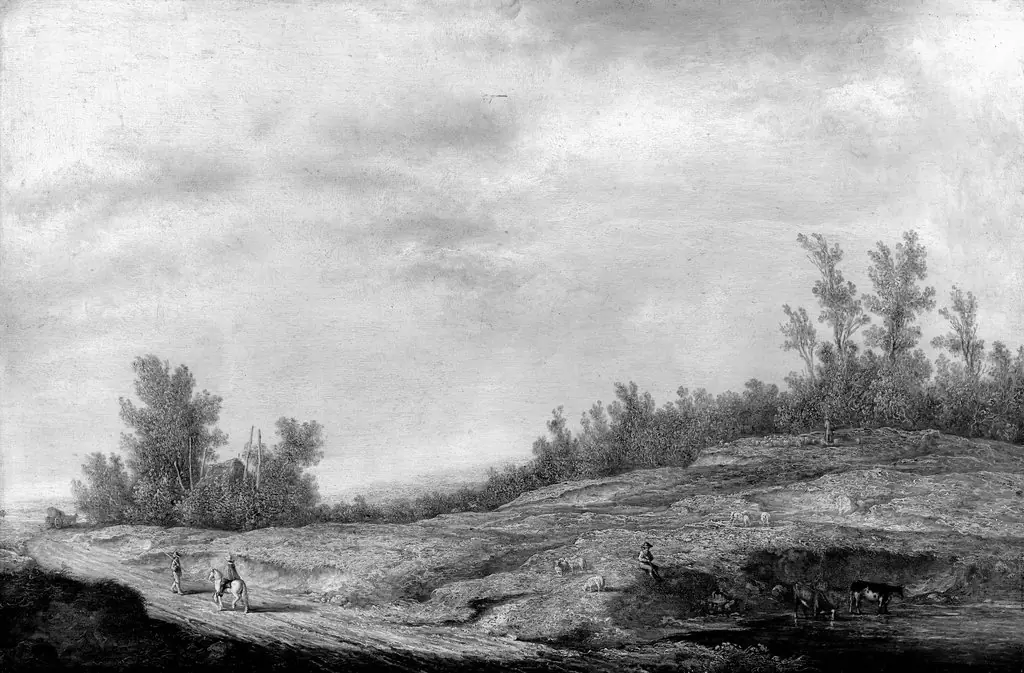 Road through the dunes
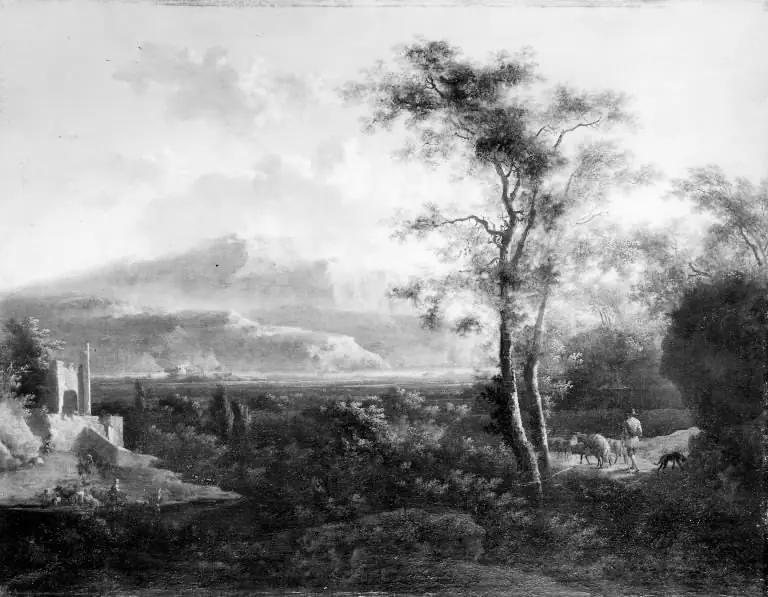 Italianate Landscape
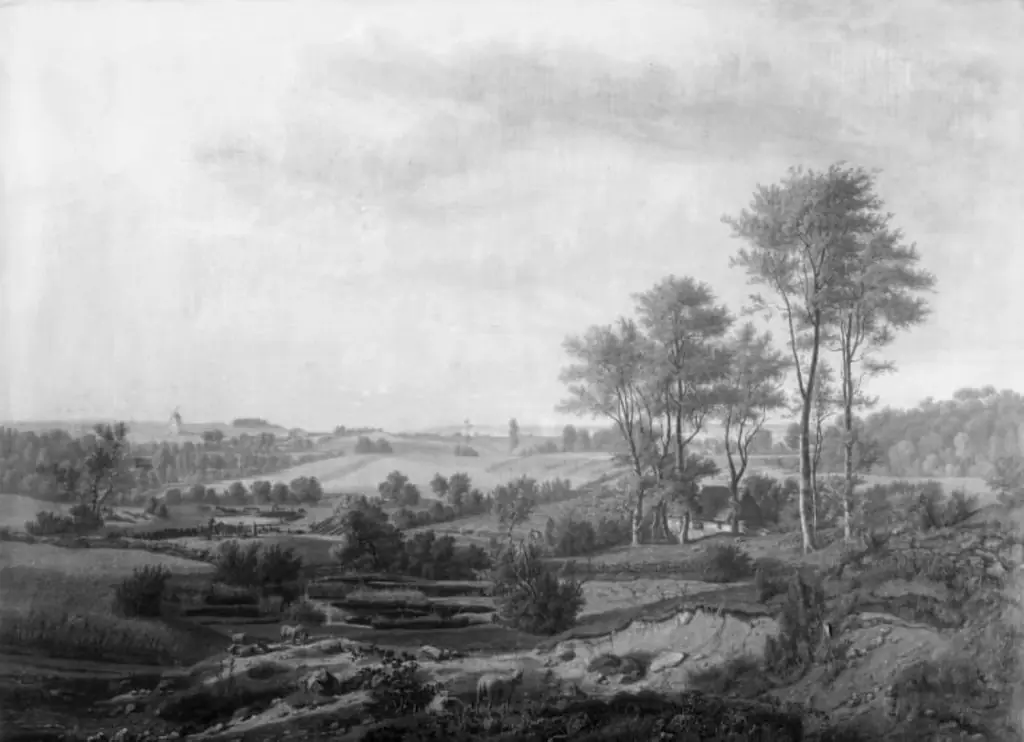 Nordsjællandsk landskab. I baggrunden den svenske kyst
 Landscape with Hills
 Mountain Landscape
 Wildnislandschaft mit Wasserfall
 Moutainous landscape with four riders and two beggars
 Flodlandskab
- After the Storm