Artwork
Algernon Percy, Earl of Northampton
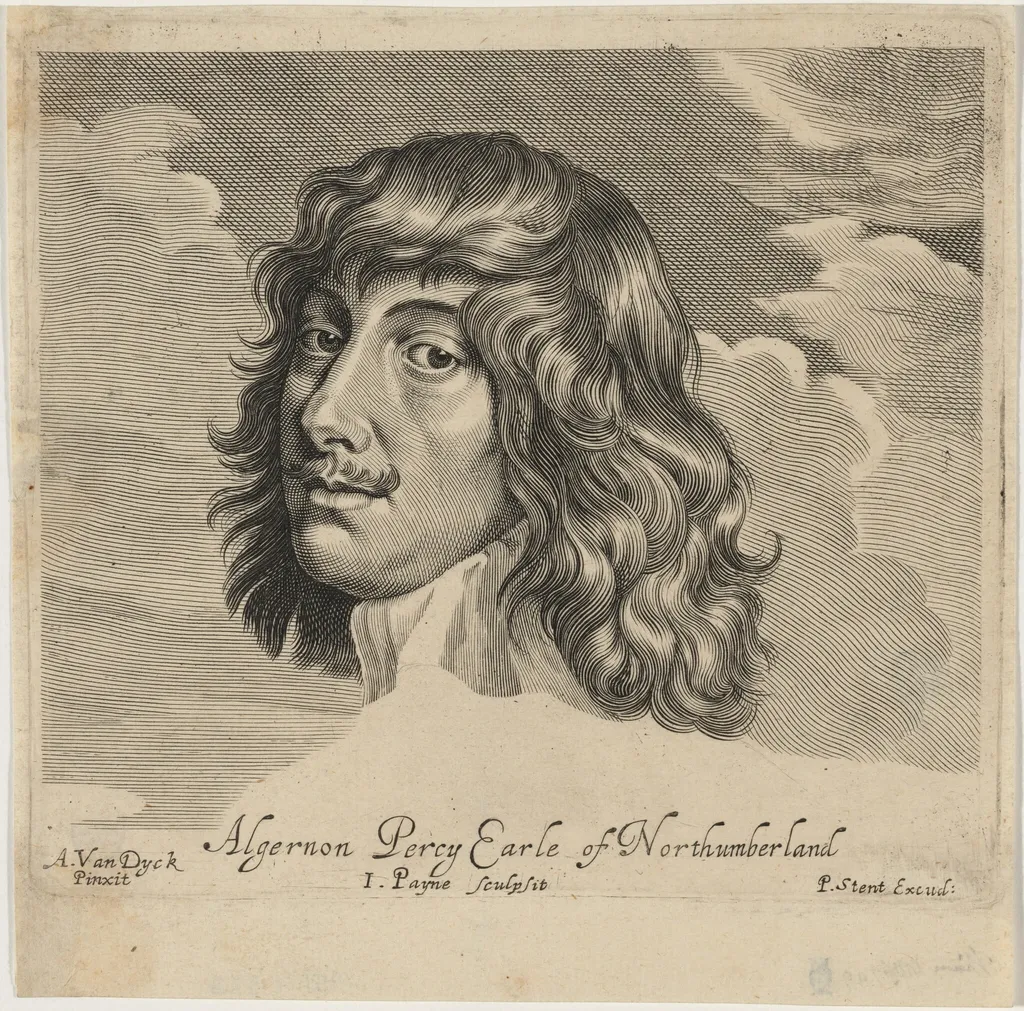
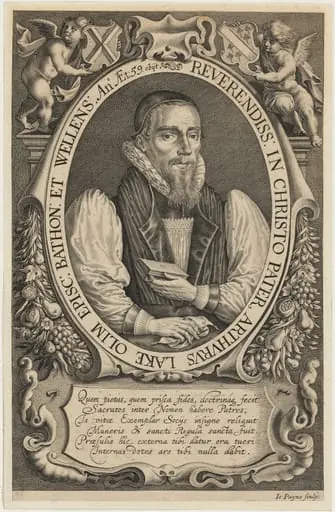
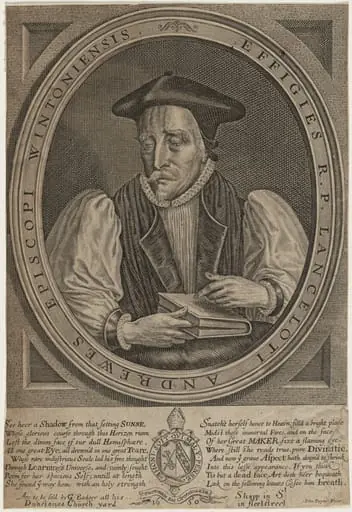
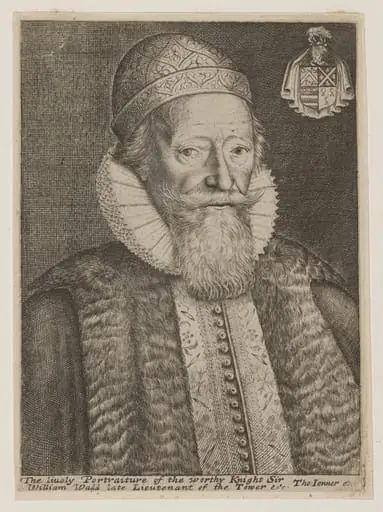
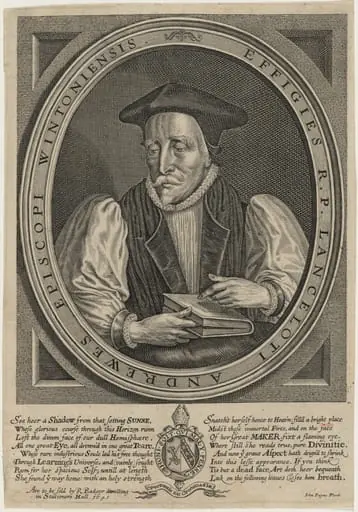
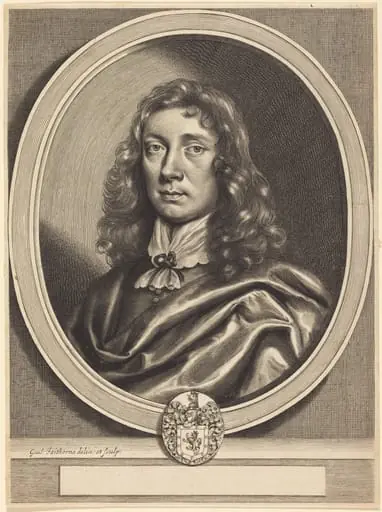
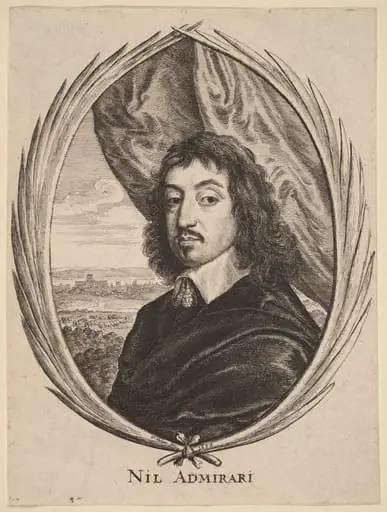
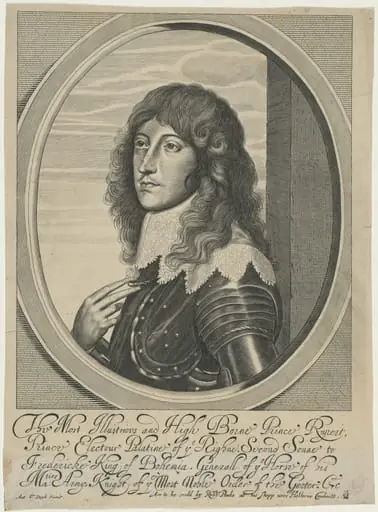
Algernon Percy, Earl of Northampton is an ink print by the Baroque artist John Payne. It dates from 1627 and is held in the collection of the National Gallery of Art.
About this work
Overview
This 1627 engraving by John Payne portrays Algernon Percy, Earl of Northampton, an English aristocrat during the reign of Charles I. Executed during a formative period for English engraving, the work exemplifies the medium's burgeoning sophistication.
Subject & Meaning
The subject, Algernon Percy, is depicted in a formal, dignified manner, reflecting his noble status. The composition focuses on the Earl's likeness, set against a subdued, cloudy sky background, emphasizing his individuality and rank.
Technique & Style
Payne employed detailed cross-hatching to achieve texture and depth, particularly evident in the Earl's clothing and the atmospheric background. Fine lines render the face with realism, showcasing Payne's technical skill as a leading native English engraver of his time.
History & Provenance
Created in 1627 by John Payne (born 1607), a prominent English engraver, the work's provenance details are not specified here, though it is recognized as part of Payne's notable oeuvre from a pivotal era in English engraving.
Context
This engraving is set within the early 17th-century English aristocratic context, under Charles I's reign, and reflects the growing refinement of engraving as an artistic medium in England during this period.
Own this work as a print
Artist & collection
Artist
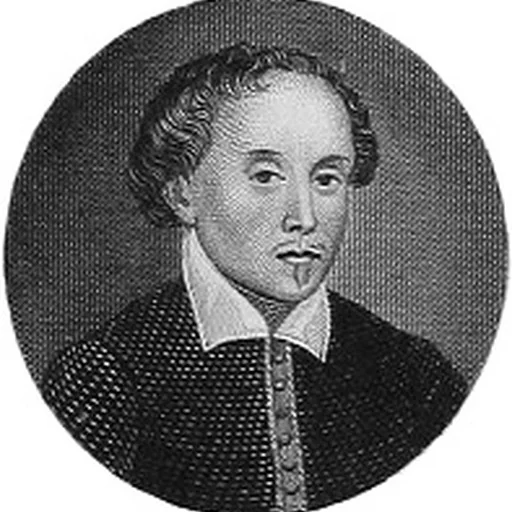
John Payne (1607–1647) was an English engraver, who was one of the earliest exponents of the art of engraving in England. His best work was the finest produced by a native-born engraver working during the reign of Charles I.