Artwork
Portrait of Aernout van Citters, Lord of Gapinge
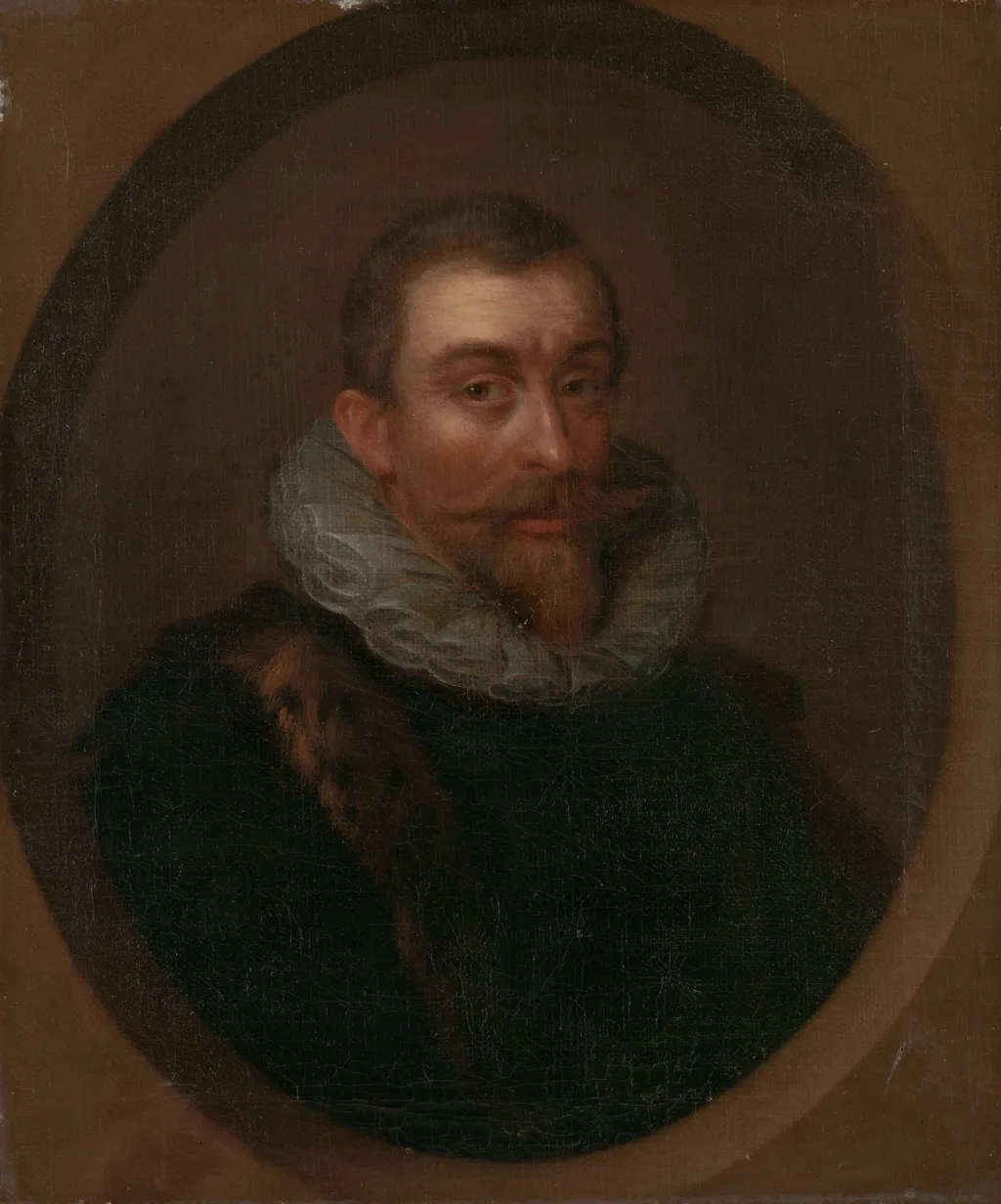
Portrait of Aernout van Citters, Lord of Gapinge is an oil painting by the Rococo painting artist Philip van Dijk. It dates from 1750 and is held in the collection of the Rijksmuseum.
About this work
Subject & Meaning
As a portrait genre work, the image serves to record the likeness and status of van Citters during the mid-eighteenth century.
The painting depicts Aernout van Citters, identified as the Lord of Gapinge. Created in 1750 by Philip van Dijk, the work functions as a formal portrait of this specific historical figure. The composition centers entirely on the sitter, presenting him as the main subject of the piece.
As a portrait genre work, the image serves to record the likeness and status of van Citters during the mid-eighteenth century.
Technique & Style
The portrait is executed in oil paint on canvas, measuring 37 by 32 cm. Philip van Dijk painted this work in 1750, employing the medium within the conventions of eighteenth-century portraiture. The relatively modest dimensions suggest an intimate format, typical for personal or familial commemorative portraits of the Dutch elite during this period.
History & Provenance
The work was painted in 1750 by Philip van Dijk for Aernout van Citters, Lord of Gapinge. It entered the collection of Jacob de Witte van Citters, who was the main subject of the portrait. The painting is part of the Rijksmuseum's holdings and is catalogued under the creator Philip van Dijk.
The painting is held in the collection of the Rijksmuseum in Amsterdam, as recorded in its Wikidata entry. It is catalogued as a portrait of Aernout van Citters by Philip van Dijk, executed in oil on canvas in 1750, with recorded dimensions of 37 cm in height and 32 cm in width.
Prior to entering the museum's holdings, the work was owned by Jacob de Witte van Citters. No specific accession number or detailed exhibition history is documented in the available sources.
Overview
Created around the middle of the eighteenth century, this oil painting presents Aernout van Citters, the lord of Gapinge, in a formal portrait. Executed by the Dutch artist Philip van Dijk, the work now belongs to the collection of the Rijksmuseum, where it is displayed as an example of mid‑century portraiture.
Context
During the mid‑1700s, Dutch portraiture often balanced realism with a subdued elegance, catering to the tastes of the provincial elite. Van Dijk’s work aligns with this trend, offering a clear, unembellished depiction that underscores the sitter’s rank while adhering to contemporary aesthetic conventions.
Own this work as a print
Artist & collection

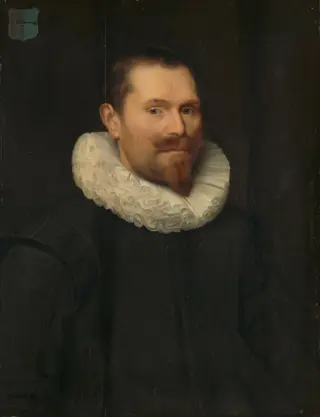 Portrait of a man
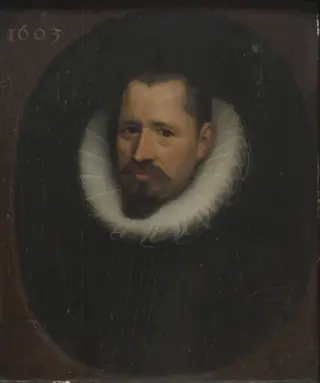 Portrait of a Man
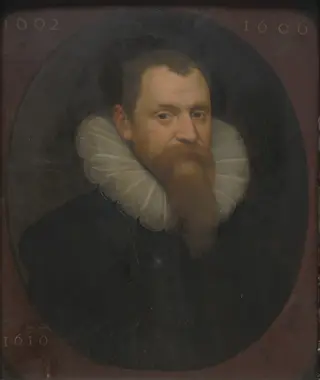 Portrait of a Man
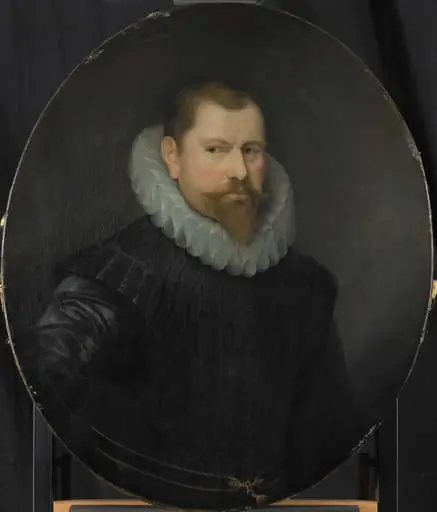 Portrait of Cornelis Matelieff the Younger, Director of the Rotterdam Chamber of the Dutch East India Company, elected 1602
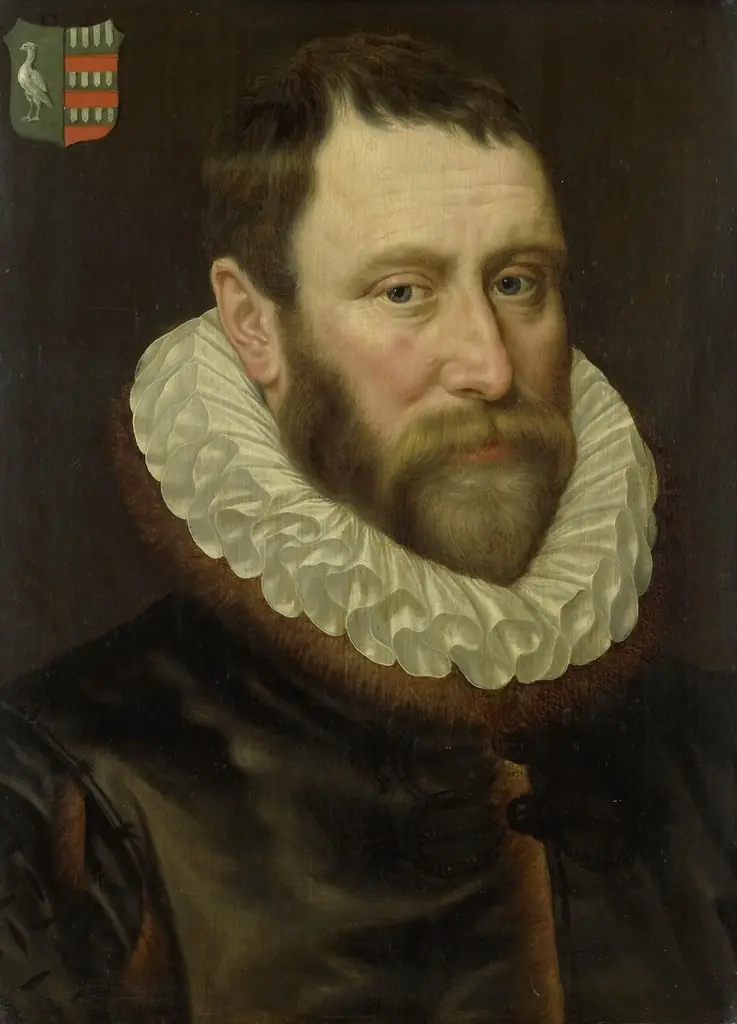 Portrait of Jacob Bas Claesz (1536-89), mayor of Amsterdam
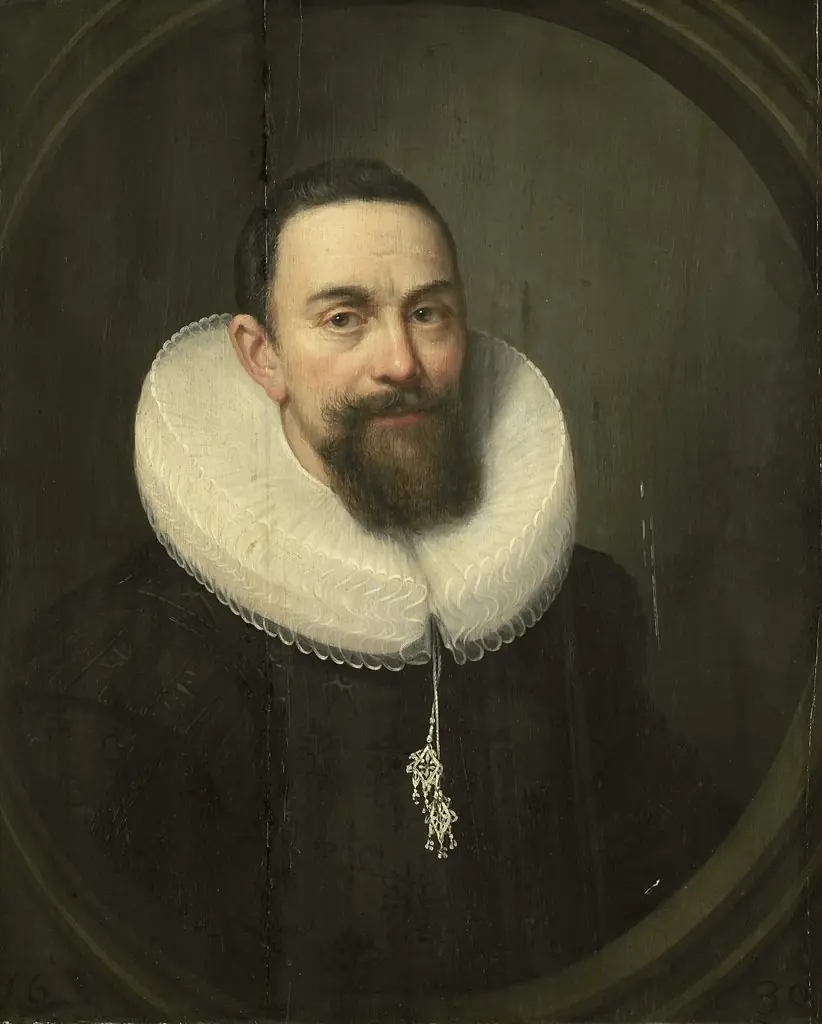 Portrait of Sir Pieter Courten (1581-1630)
 Untitled
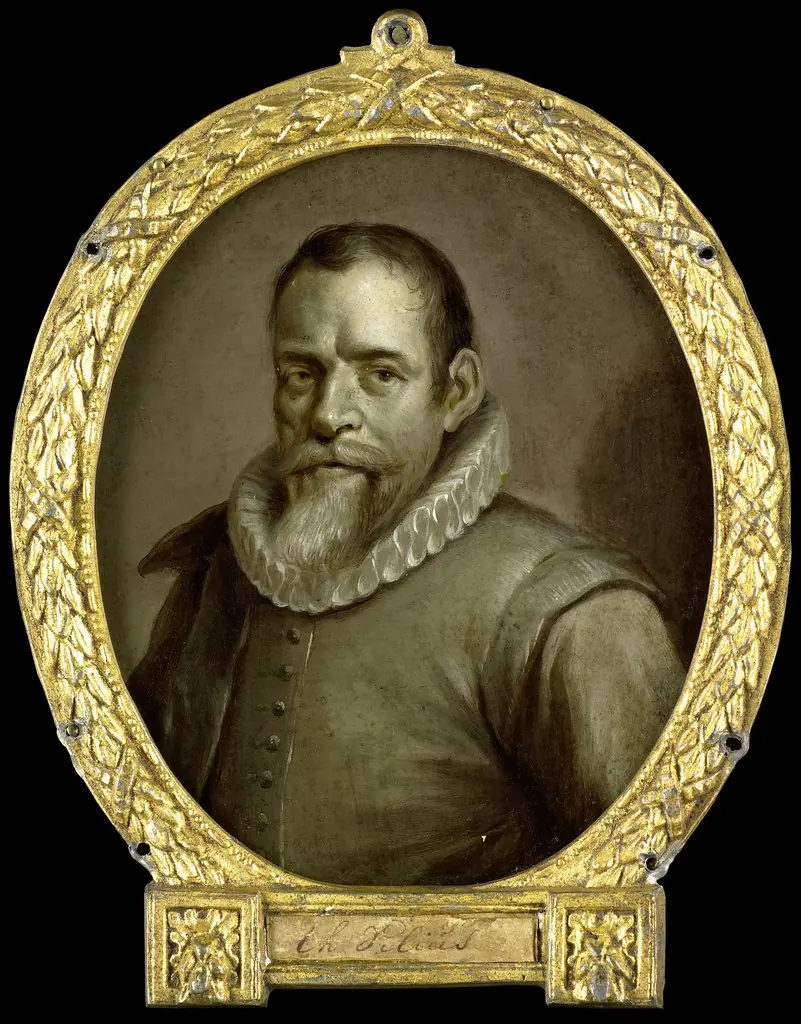 Portrait of Theodorus Velius, Writer of the Chronicle of Horn
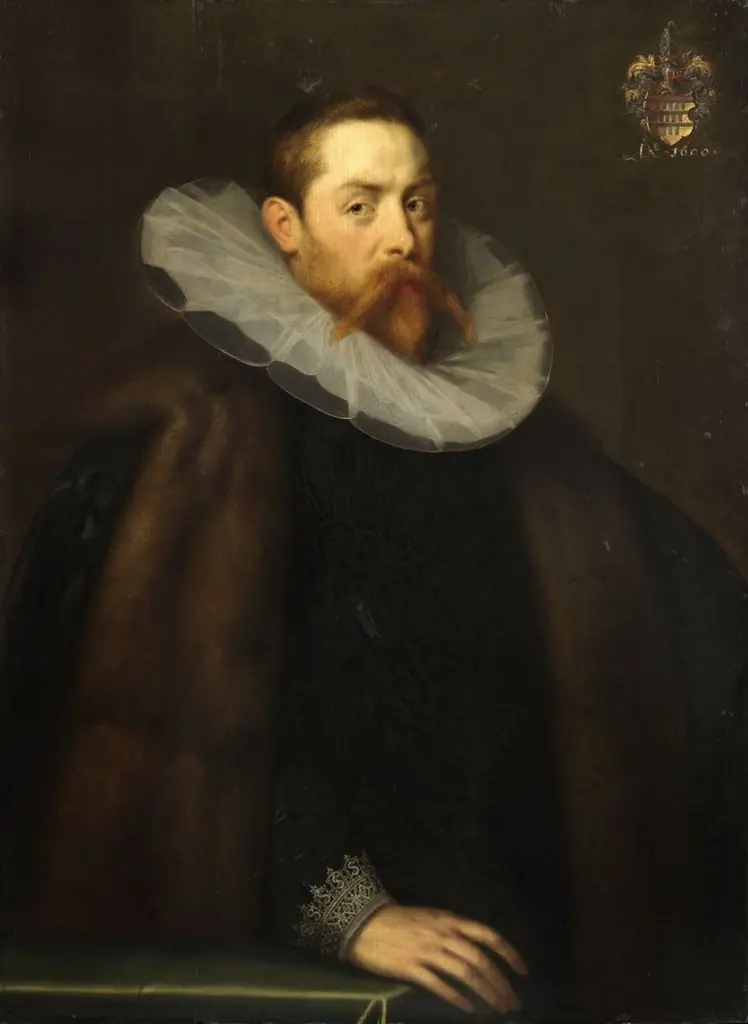 Portrait of a Member of the Lyskirchen Family
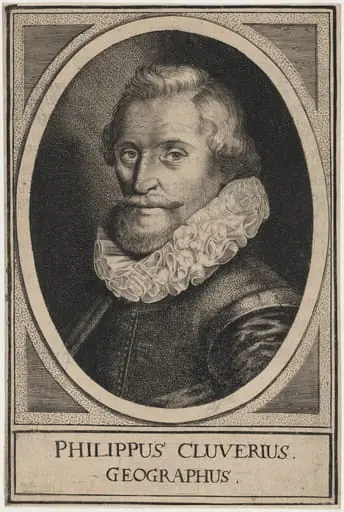 Philip Cluver, Geographer
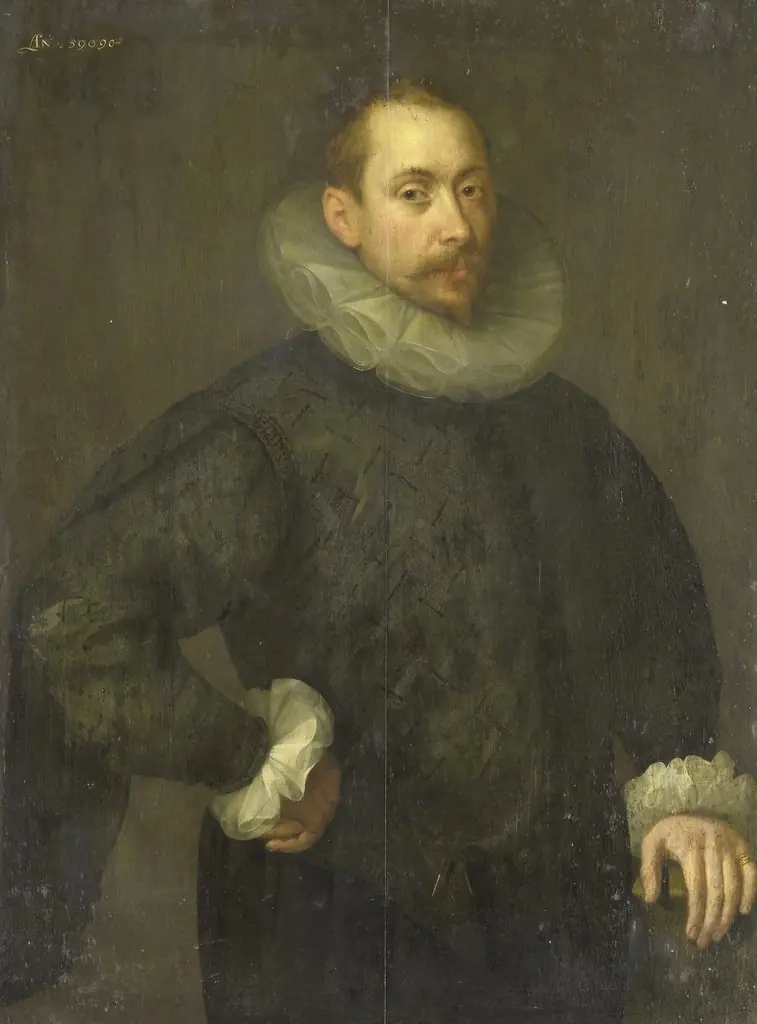 Portrait of Jean Fourmenois
- Portrait of Cornelis van Aerssen (1545-1627)