Artwork
Cornelis van Ceters (1503-99)
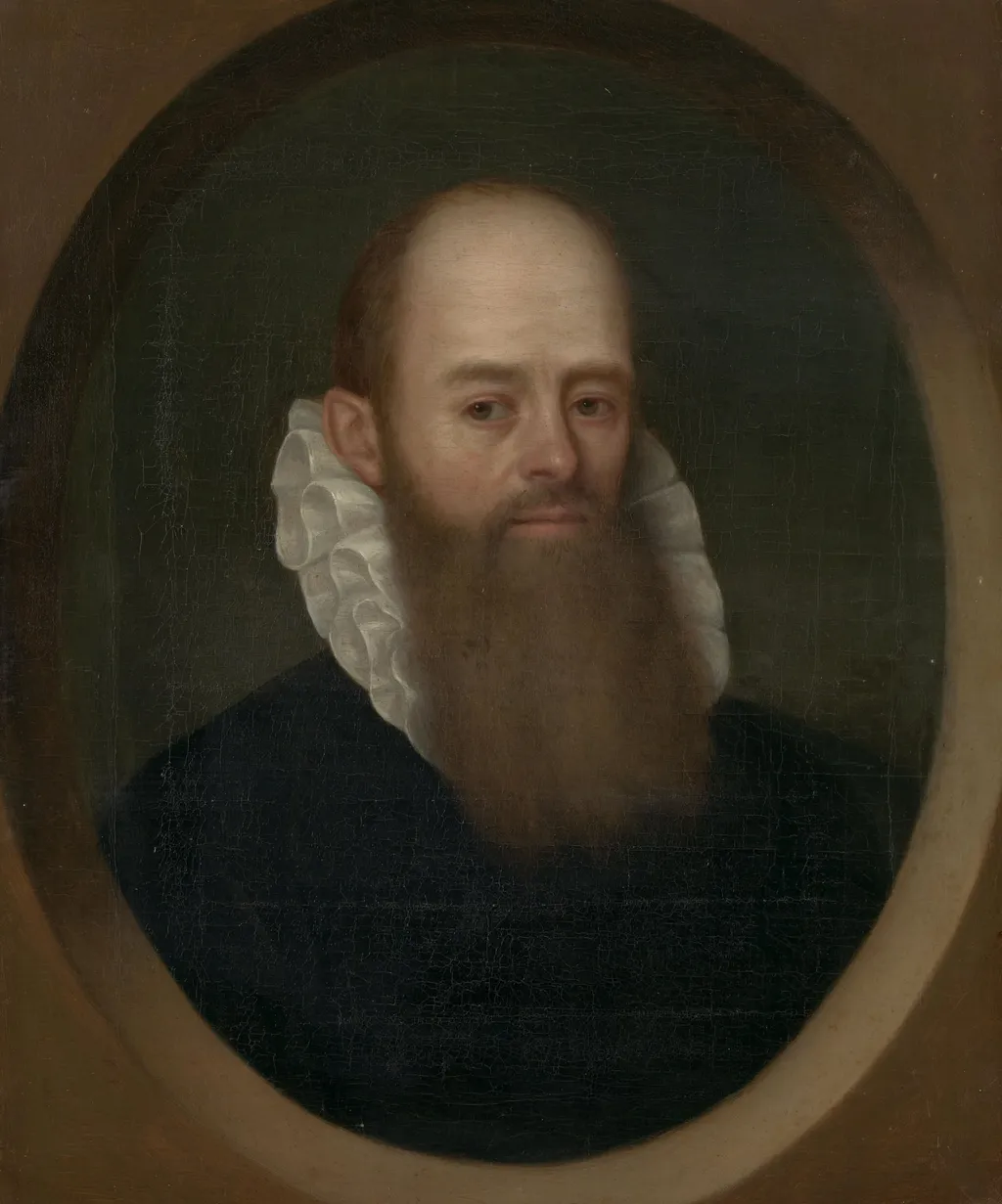
Cornelis van Ceters (1503-99) is an unspecified painting by the Baroque artist Philip van Dijk. It dates from 1726 and is held in the collection of the Rijksmuseum. The work is a portrait bust of Cornelis van Ceters, rendered within a painted oval frame.
About this work
Technique & Style
Van Dijk worked primarily in oil paint on canvas, producing portrait and genre scenes with smooth brushwork and attention to contemporary dress.
Van Dijk worked primarily in oil paint on canvas, producing portrait and genre scenes with smooth brushwork and attention to contemporary dress. His portraits display a restrained Baroque style marked by fine detailing and a polished surface finish. He also created miniatures and interior decorative schemes, often integrating figures into carefully composed settings.
The handling of light and drapery reflects the late Baroque conventions of the Dutch Republic, while his formal compositions maintain a balanced, almost theatrical arrangement of subjects.
History & Provenance
Philip van Dijk painted the portrait of Cornelis van Ceters (1503-99) sometime between 1700 and 1753. As the subject died in 1599, the work is a posthumous commemorative portrait created over a century after Ceters's death. The painting falls within van Dijk's active period as a sought-after portraitist in the Dutch Republic, during which he served as court painter to William VIII, Landgrave of Hesse-Cassel (from 1726 to 1736), and later to William IV, Prince of Orange (after 1747).
Context
Philip van Dijk (1683–1753) is recognized as a prominent Dutch Baroque painter whose career bridged the late 17th and mid-18th centuries. Trained under Arnold Boonen and Adriaen van der Werff, his smooth, finely executed style aligned with contemporary tastes in portraiture and genre scenes. His professional standing is evidenced by his roles as court painter to Landgrave William VIII of Hesse-Kassel and later to Prince William IV of Orange, as well as his membership in the Confrerie Pictura in The Hague.
Scholarship notes his influence as a teacher to artists such as Louis de Moni and Hendrik Pothoven, and his work was widely disseminated through engravings by Jacobus Houbraken. His legacy includes family portraits held in museums across Amsterdam, Berlin, Brussels, Gotha, Kassel, and Paris. Notably, one of his paintings served as the model for the Dutch 100 guilder note centuries after its creation, and a street in Oud-Beijerland was named in his honor in 2015.
Overview
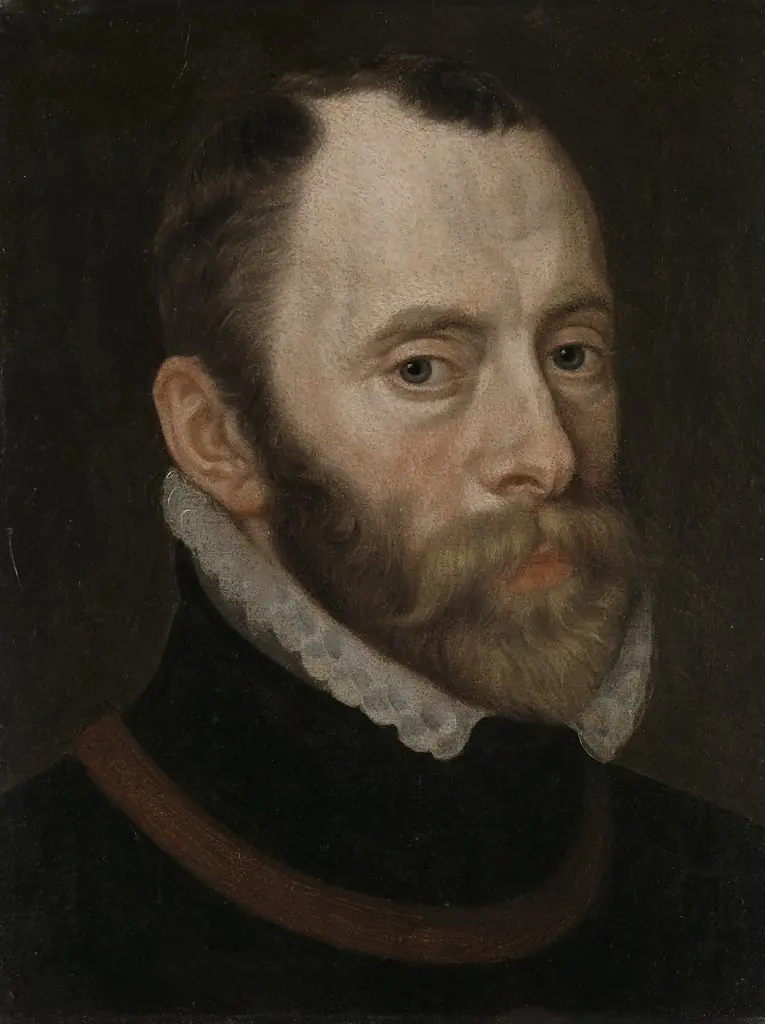
The work is a portrait bust of Cornelis van Ceters, rendered within a painted oval frame. Executed as a copy of an earlier sixteenth‑century original, the image presents the sitter in a dark coat with a composed, serious expression. The composition focuses tightly on the head and shoulders, typical of private portraiture of the period.
Subject & Meaning
Cornelis van Ceters, a member of a Dutch family whose coat of arms appears on the reverse, is depicted as a dignified individual. The calm demeanor and restrained pose suggest a desire to convey status and personal virtue rather than overt emotion, reflecting the conventions of portraiture intended for family remembrance.
Own this work as a print
Artist & collection

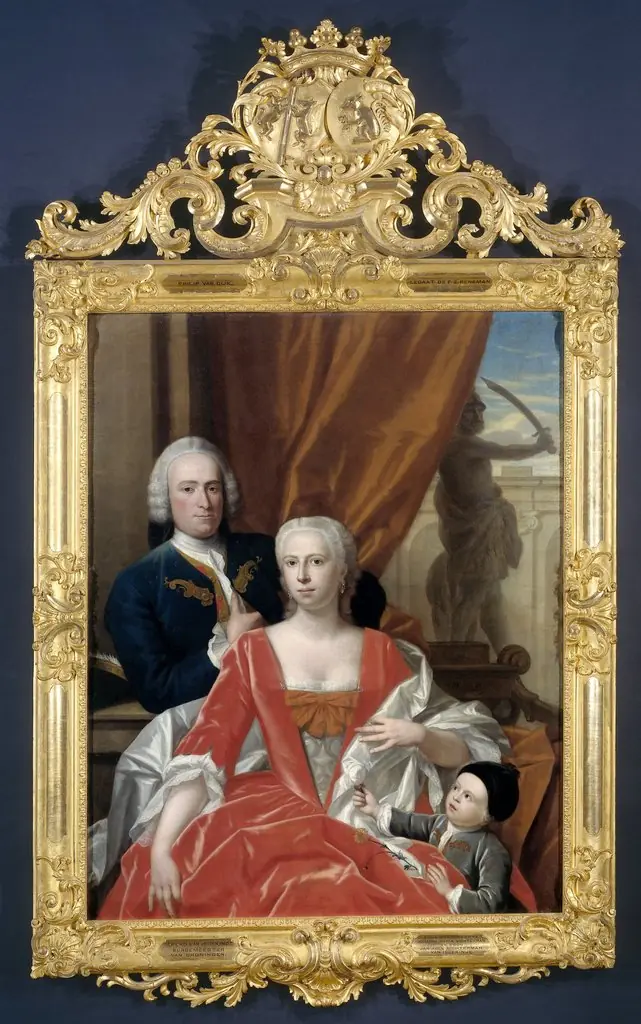 Berend van Iddekinge with his Wife and their Son
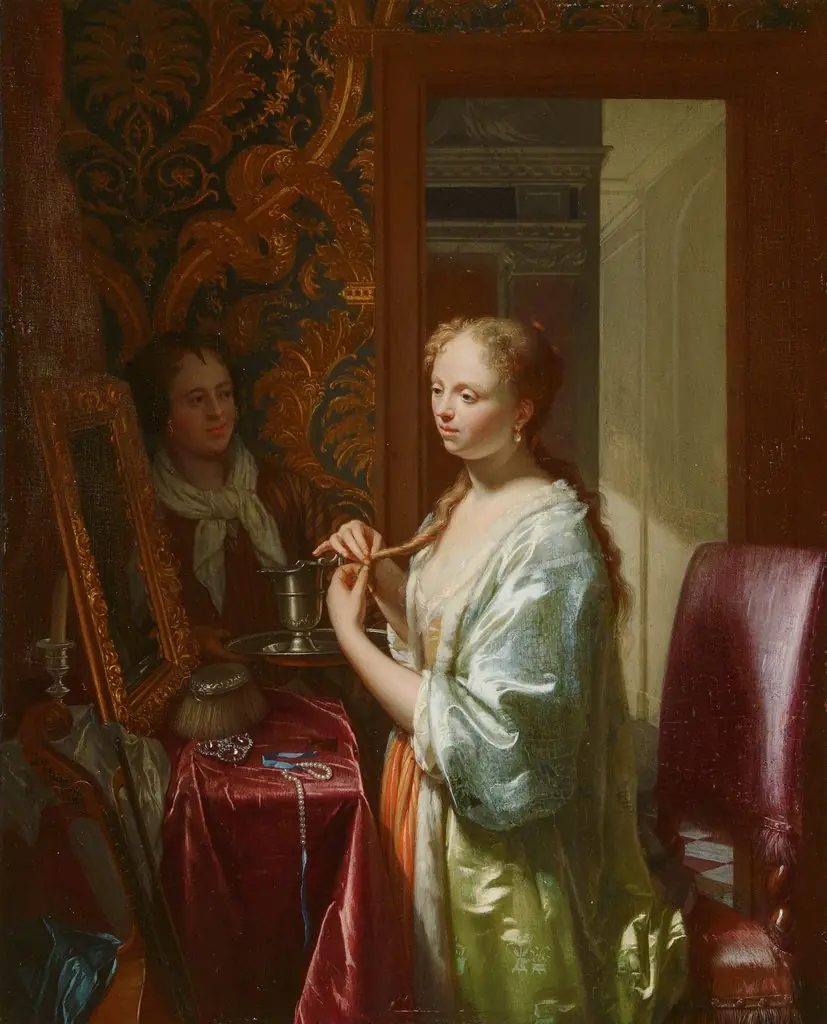 Lady attending to her toilet
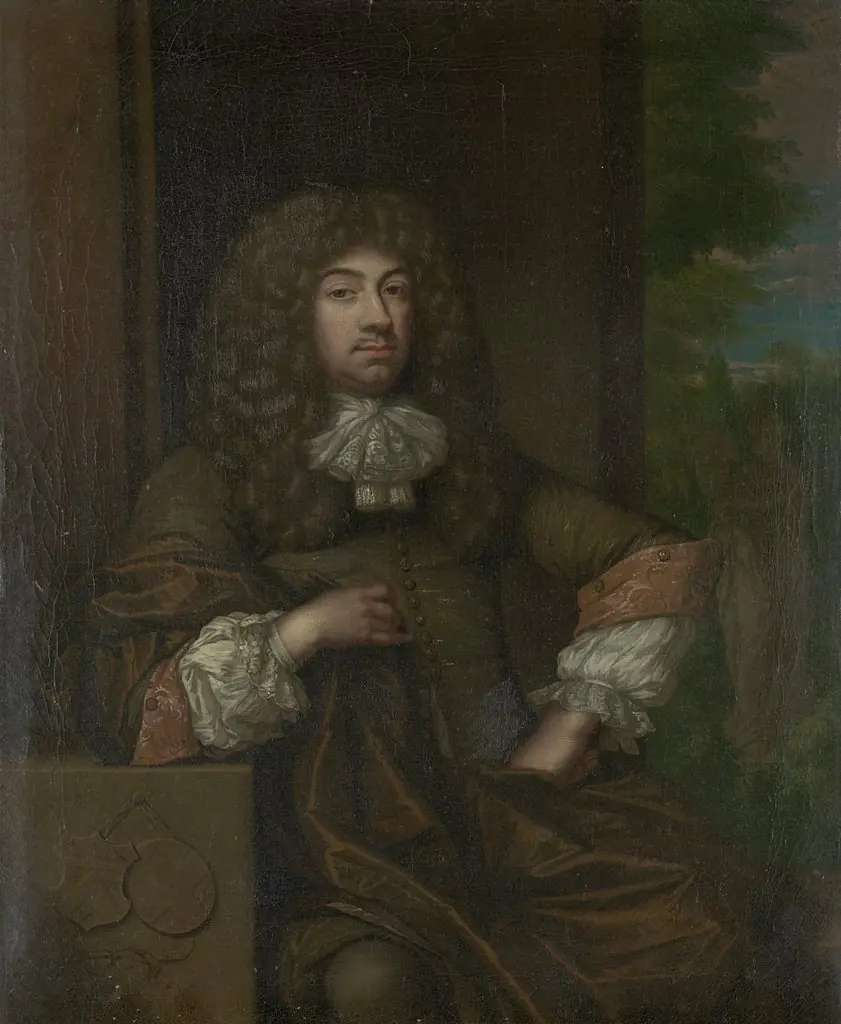 Portrait of Jan Boudaen Courten (1635-1716), lord of St. Laurens, Schellach and Popkensburg, Judge and alderman of Middelburg
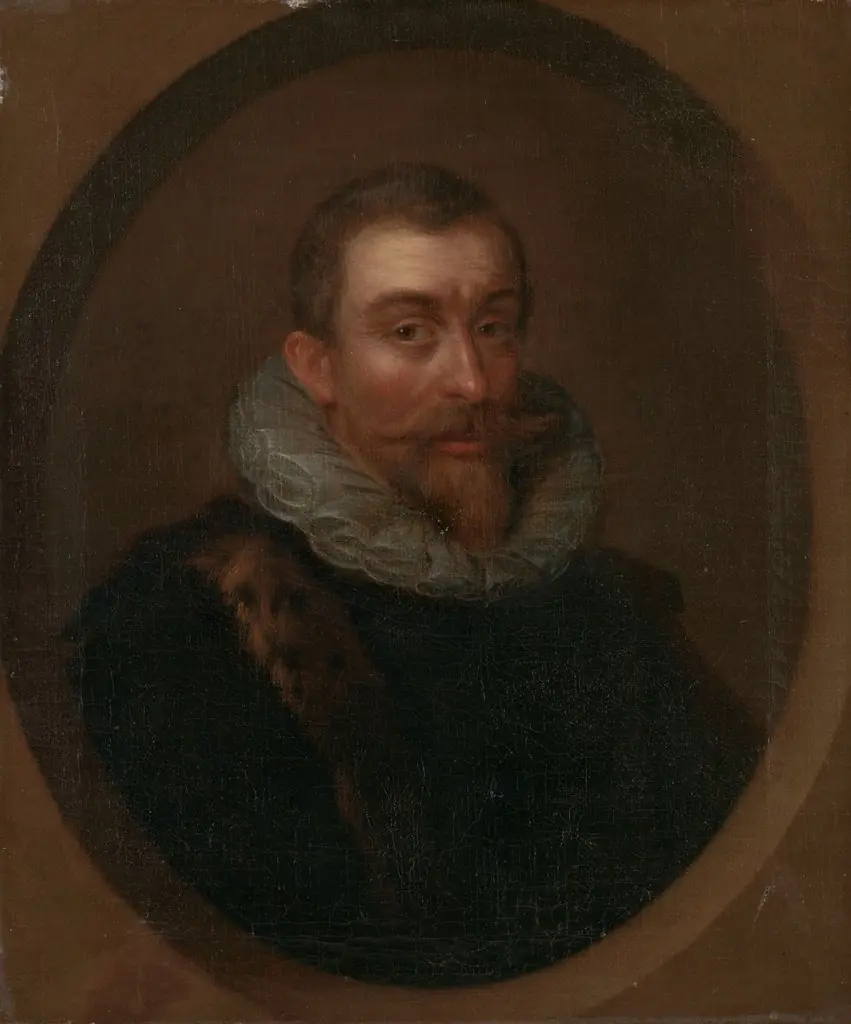 Portrait of Aernout van Citters, Lord of Gapinge
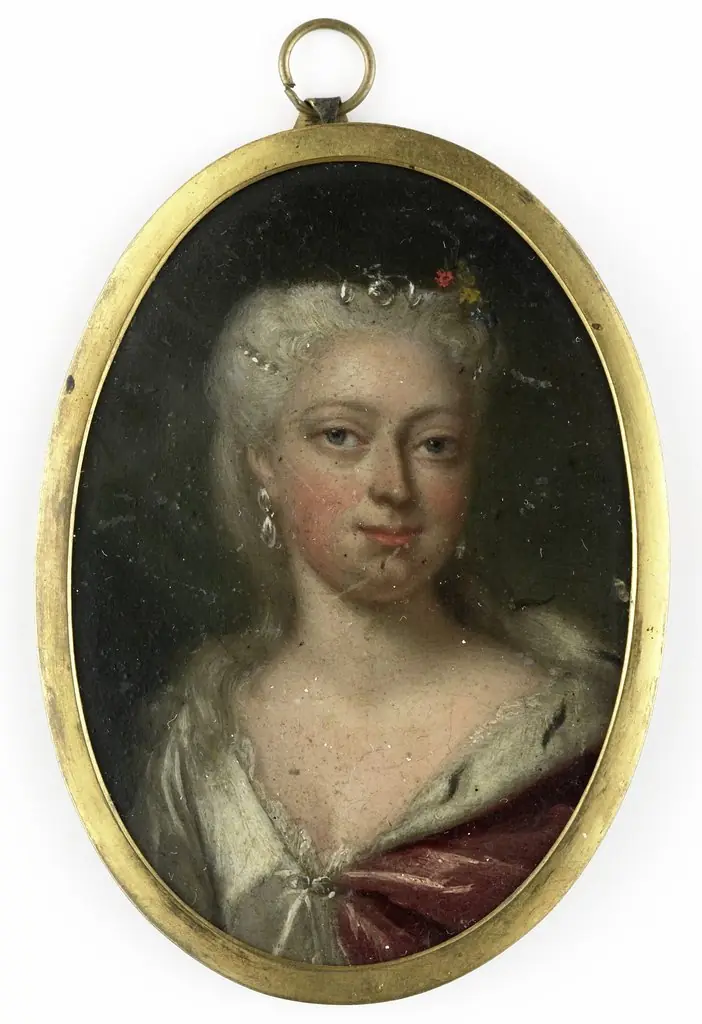 Anna van Hannover (1709-59). wife of Prince Willem IV
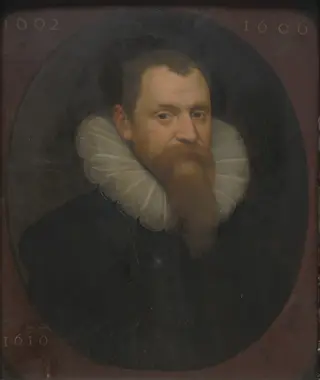 Portrait of a Man
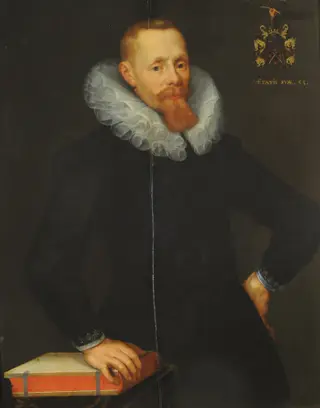 Male portrait
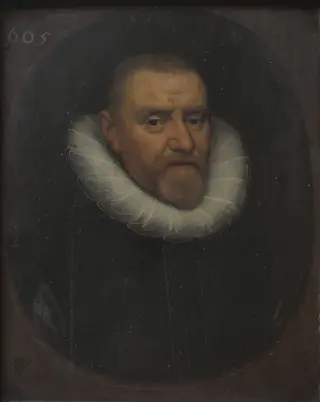 Portrait of a Man
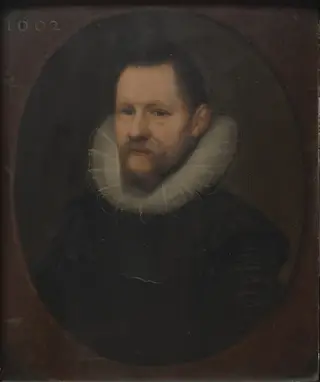 Portrait of a Man
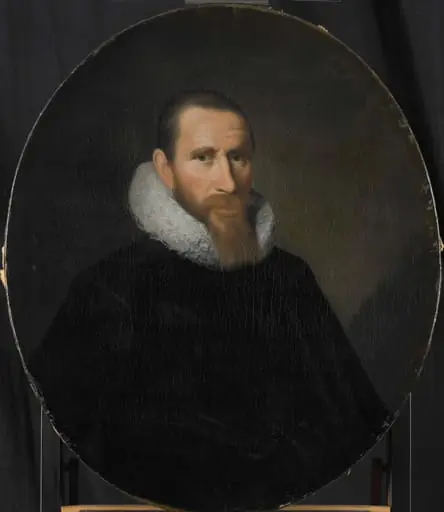 Portrait of Joost van Coulster, Director of the Rotterdam Chamber of the Dutch East India Company, elected 1630
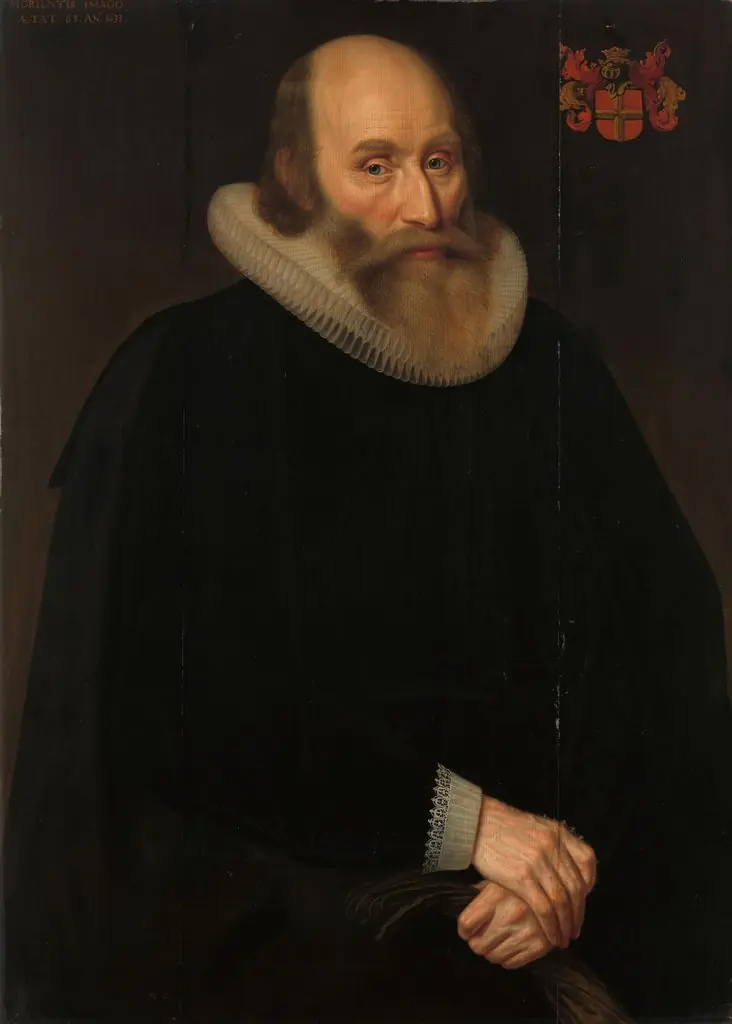
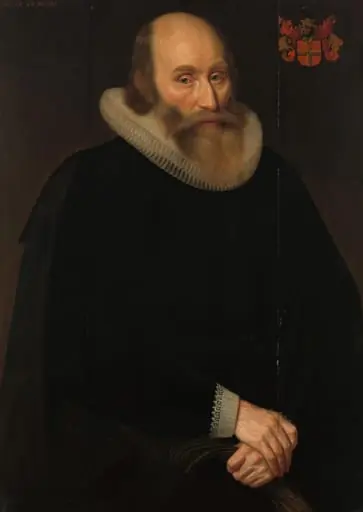 Portrait of Antonius Antonides van der Linden, Physician in Amsterdam
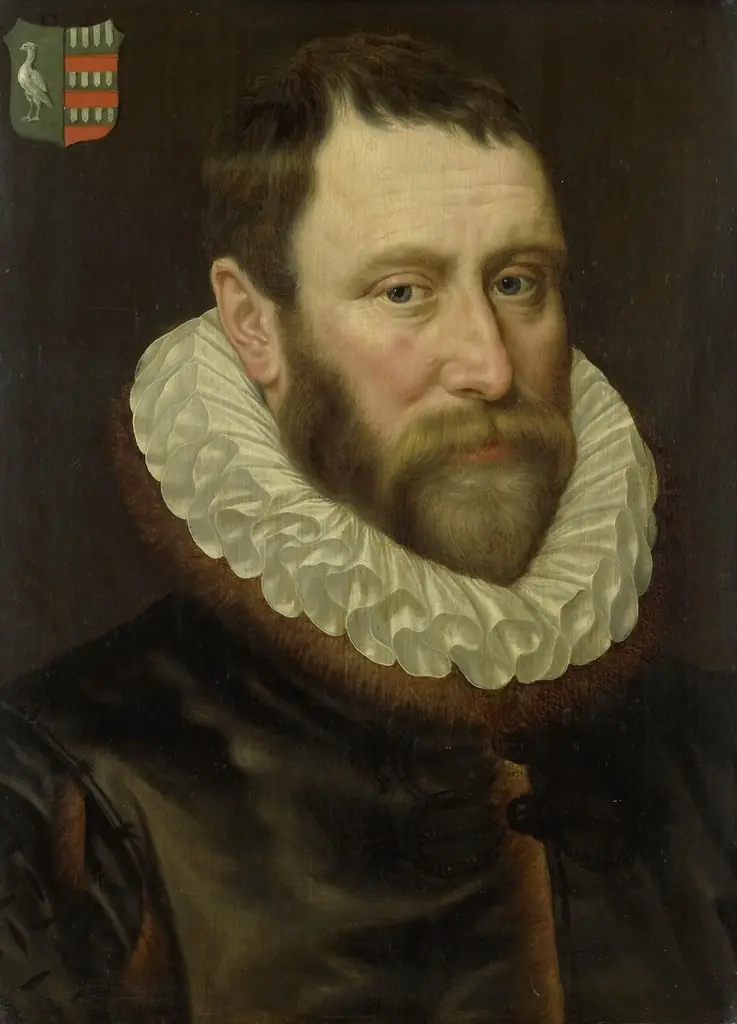 Portrait of Jacob Bas Claesz (1536-89), mayor of Amsterdam
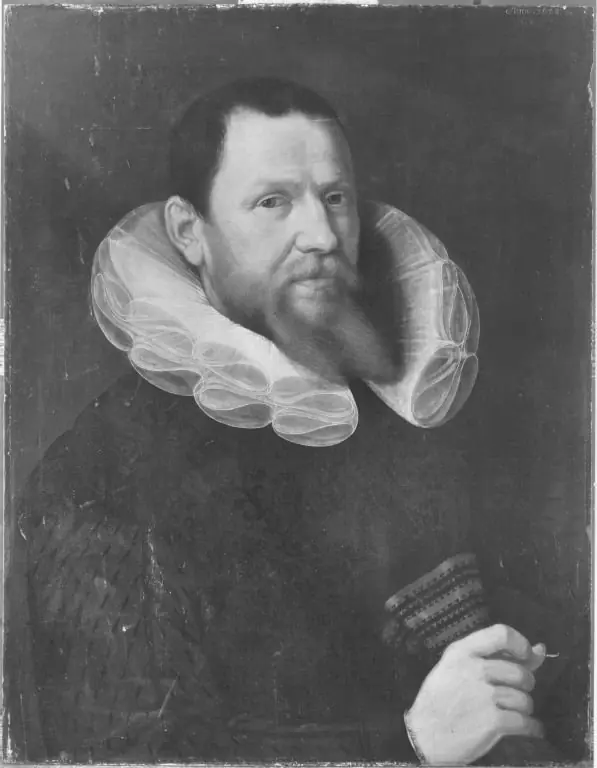 Bildnis eines Mannes
 Portrait of Philippe de Montmorency, Count of Hoorne, Admiral of the Netherlands, Member of the Council of State
 Portrait of Antonides van der Linden (1570-1633), Amsterdam physician