Artwork
William IV of Orange
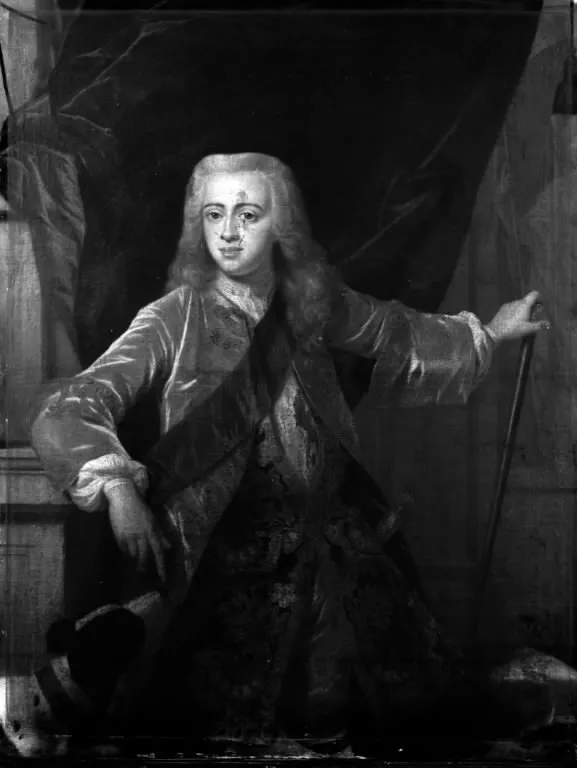
William IV of Orange is an oil painting by the Rococo painting artist Philip van Dijk. It dates from 1736 and is held in the collection of the Statens Museum for Kunst.
About this work
He is seated, with his right arm resting on a surface beside him and his left arm extended, holding a cane.
This painting depicts a man with long, wavy hair and a light-colored jacket. He is seated, with his right arm resting on a surface beside him and his left arm extended, holding a cane.
The man's attire includes a dark vest or waistcoat over a white shirt, and he wears dark pants. The background of the painting is dark, with a curtain or drapery visible behind him.
The painting's style and technique suggest a formal portrait, likely created during the 18th century. To learn more about the artist's use of chiaroscuro, look up the technique.
Subject & Meaning
This 1736 oil painting by Philip van Dijk functions as a formal portrait of William IV, Prince of Orange. As the primary subject, the work depicts the Prince to record his likeness and status during his lifetime. The piece serves as a historical representation of the Dutch stadtholder, capturing his identity through the conventions of eighteenth-century portraiture.
Housed in the collection of the Statens Museum for Kunst, the artwork continues to represent William IV as a significant figure in European nobility. The focus remains strictly on the individual, utilizing the medium of oil on canvas to convey his presence without additional allegorical symbolism noted in the available records.
Technique & Style
Created in 1736 by Philip van Dijk, this portrait of William IV of Orange is executed in oil paint on a canvas support. The work adheres to the formal conventions of the portrait genre, capturing the subject with the specific materials typical of 18th-century Dutch painting. The composition focuses entirely on the depiction of the Prince, utilizing the oil medium to render the figure within the classification of a painted portrait.
History & Provenance
The portrait of William IV, Prince of Orange was painted by Philip van Dijk in 1736. It entered the collection of the Statens Museum for Kunst, where it remains on display. The work was created as a likeness of the prince and exemplifies the portrait genre of the period.
Its material consists of oil paint on canvas, and it is classified as a portrait within the museum's holdings.
The painting is held in the collection of the Statens Museum for Kunst in Denmark, as recorded in the Wikidata entry for the work. The same source identifies the medium as oil on canvas and confirms the 1736 date of creation. No specific inventory or accession number is provided in the available sources, and no exhibition history is documented.
Overview
Philip van Dijk’s oil portrait, executed in 1736, presents William IV, Prince of Orange, in a formal seated pose. The composition centers the sitter against a darkened backdrop, accentuated by a draped curtain, and highlights his aristocratic bearing through measured gestures and attire.
Artist & collection

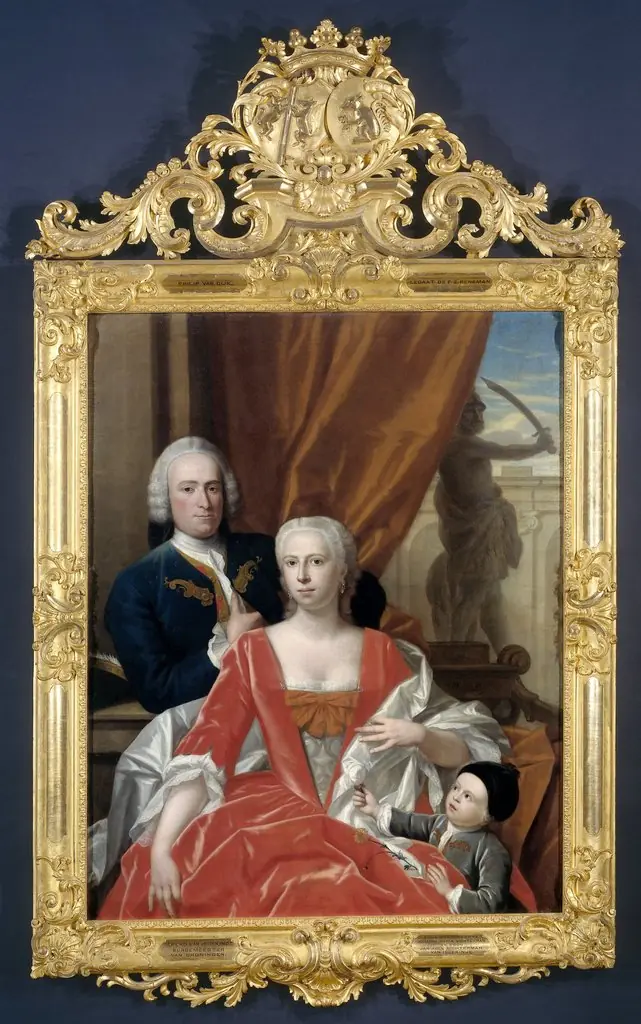 Berend van Iddekinge with his Wife and their Son
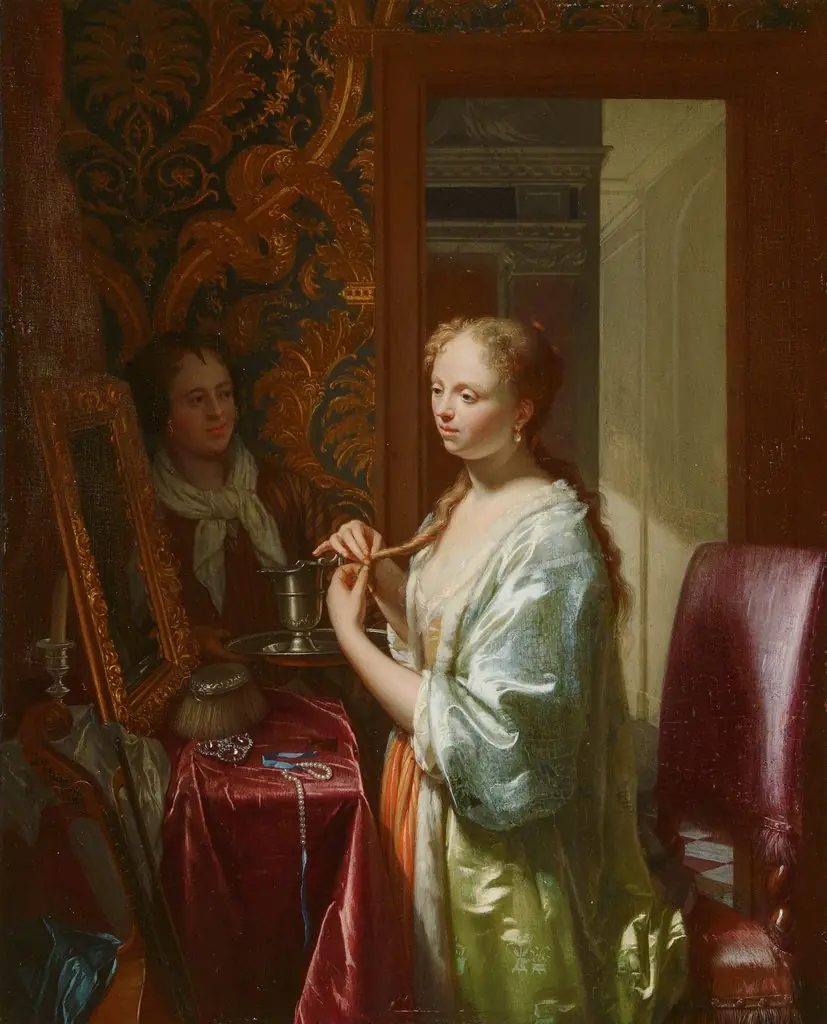 Lady attending to her toilet
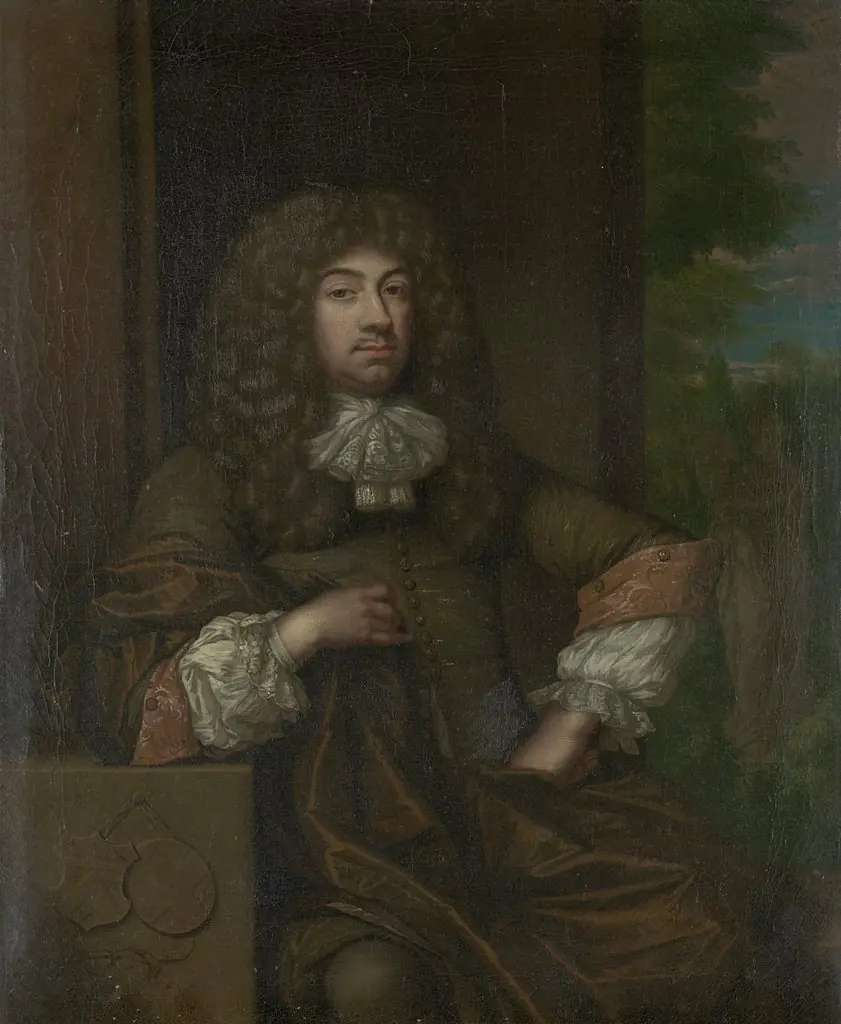 Portrait of Jan Boudaen Courten (1635-1716), lord of St. Laurens, Schellach and Popkensburg, Judge and alderman of Middelburg
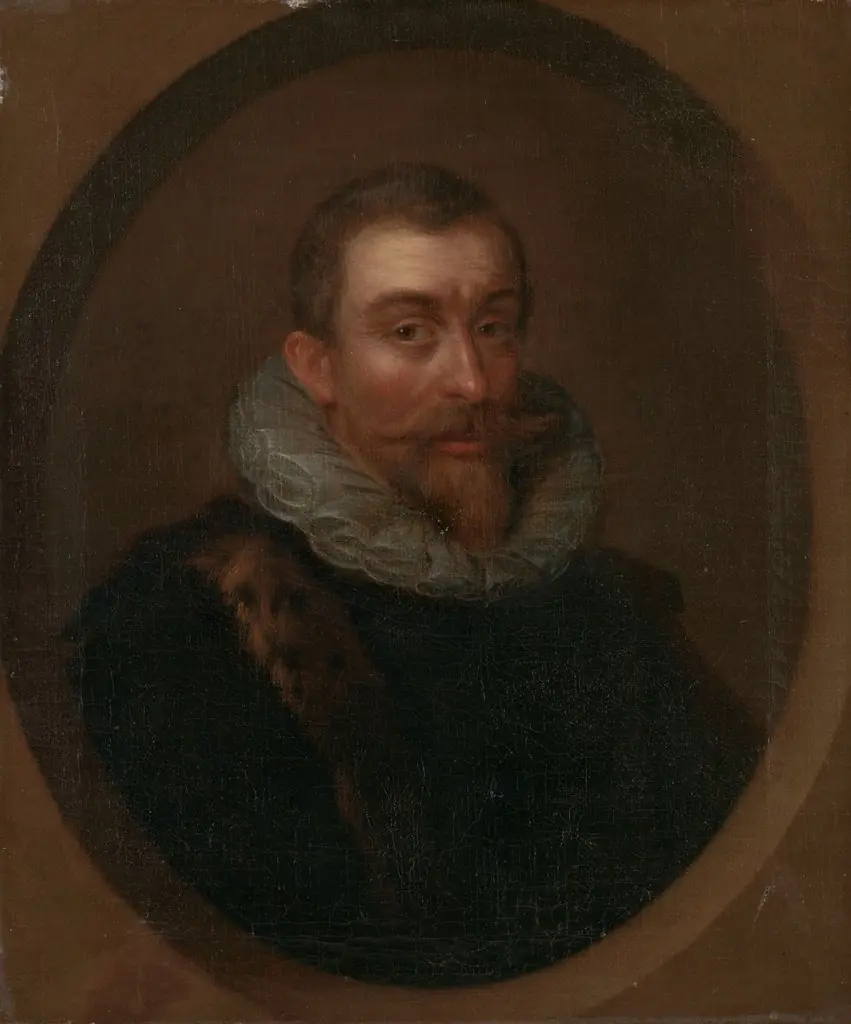 Portrait of Aernout van Citters, Lord of Gapinge
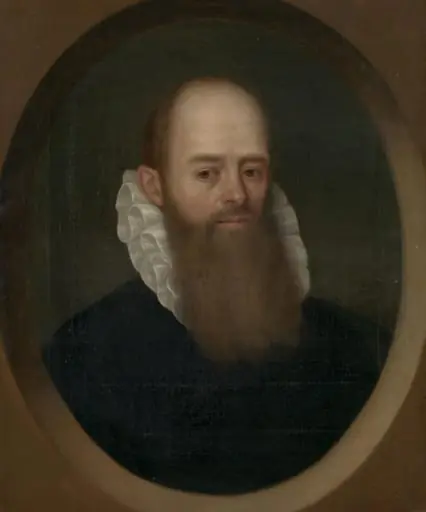 Cornelis van Ceters (1503-99)
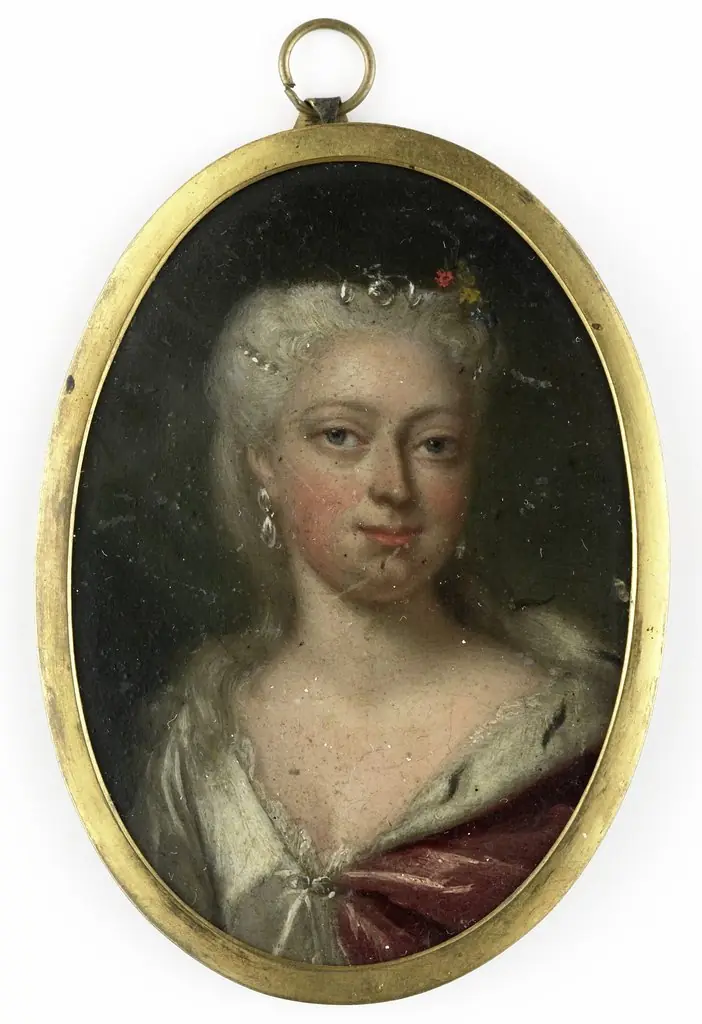 Anna van Hannover (1709-59). wife of Prince Willem IV
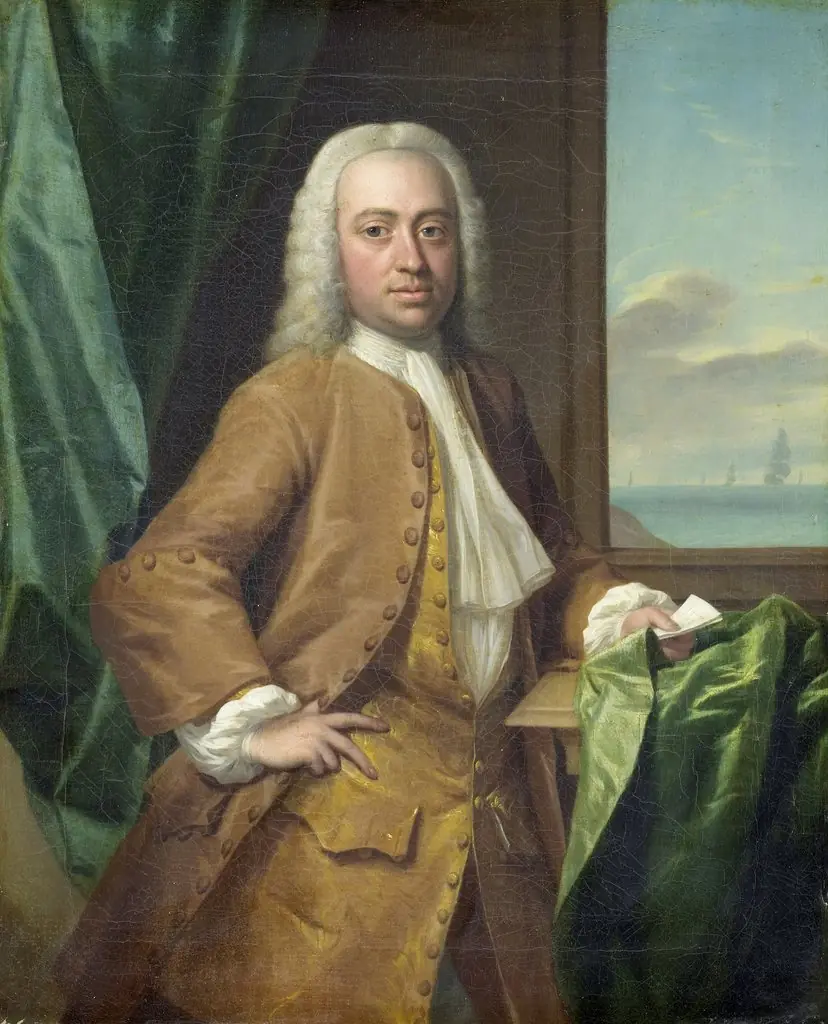 Portrait of Isaac Parker, Merchant from Middelburg
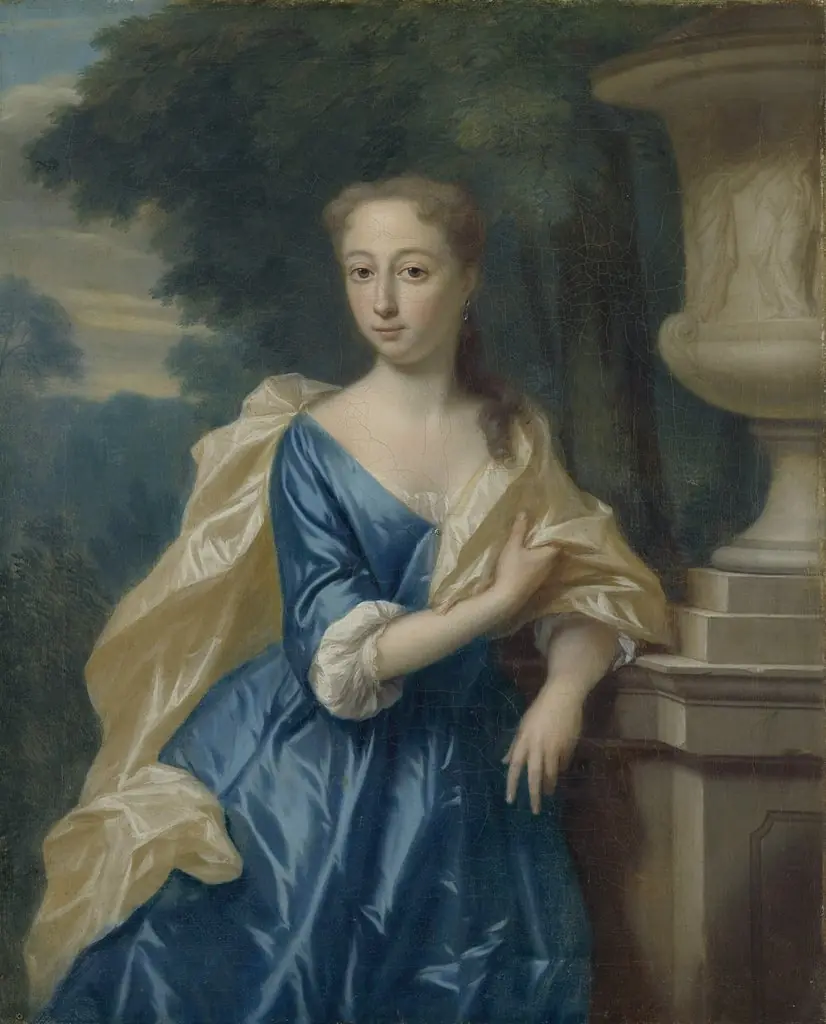 Portrait of Justina Johanna Ramskrammer, Wife of Isaac Parker
 H Beard Print Collection
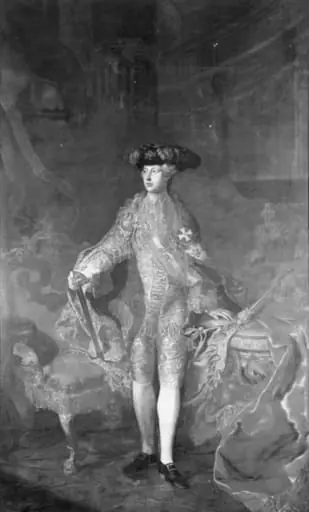 Portrait of the Emperor Joseph II of Austria
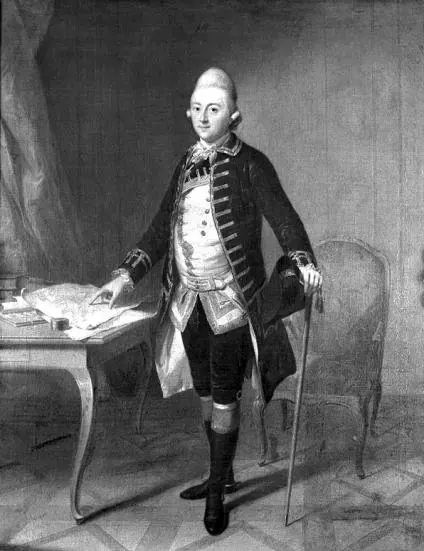 Major General Christopher Nugent (d.1742)
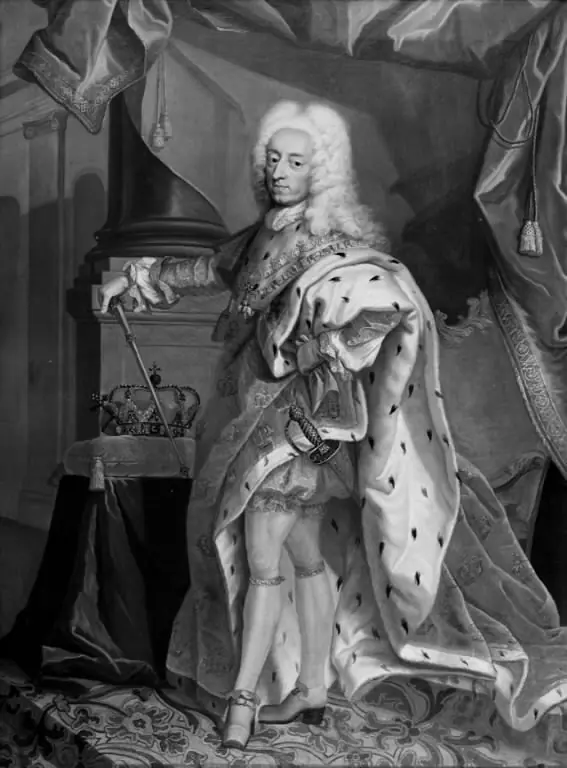 Frederik IV
 Frederik IV
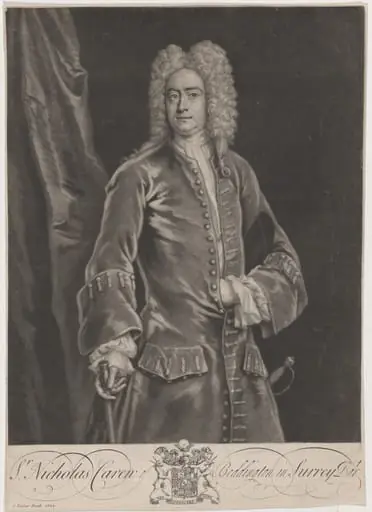 Sir Nicholas Caren of Beddington
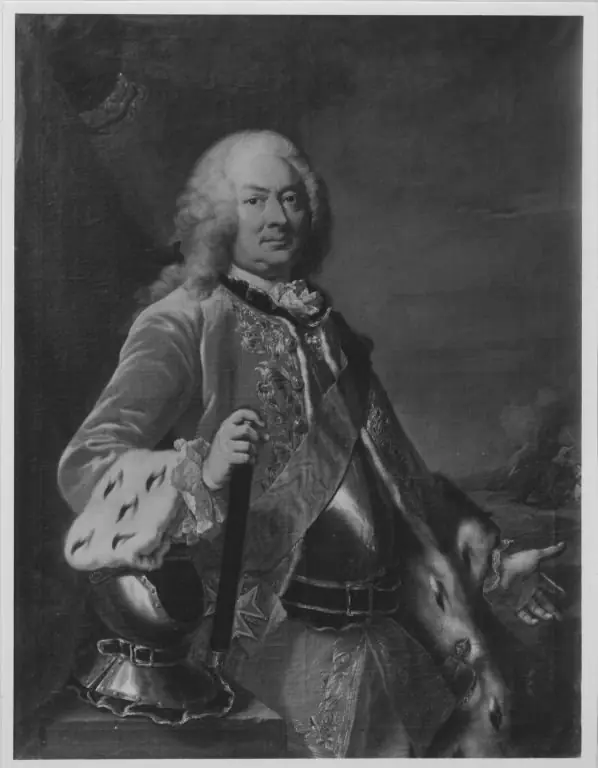 Landgraf Wilhelm VIII. von Hessen-Kassel
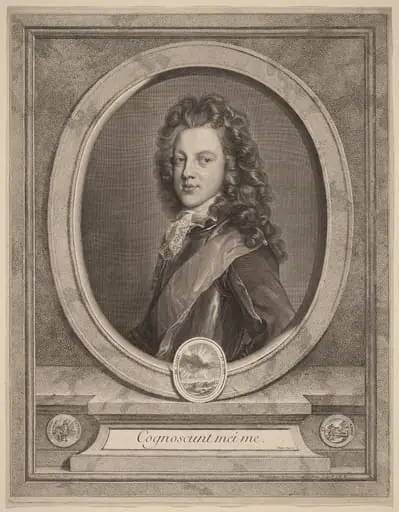 James III, Prince of Wales
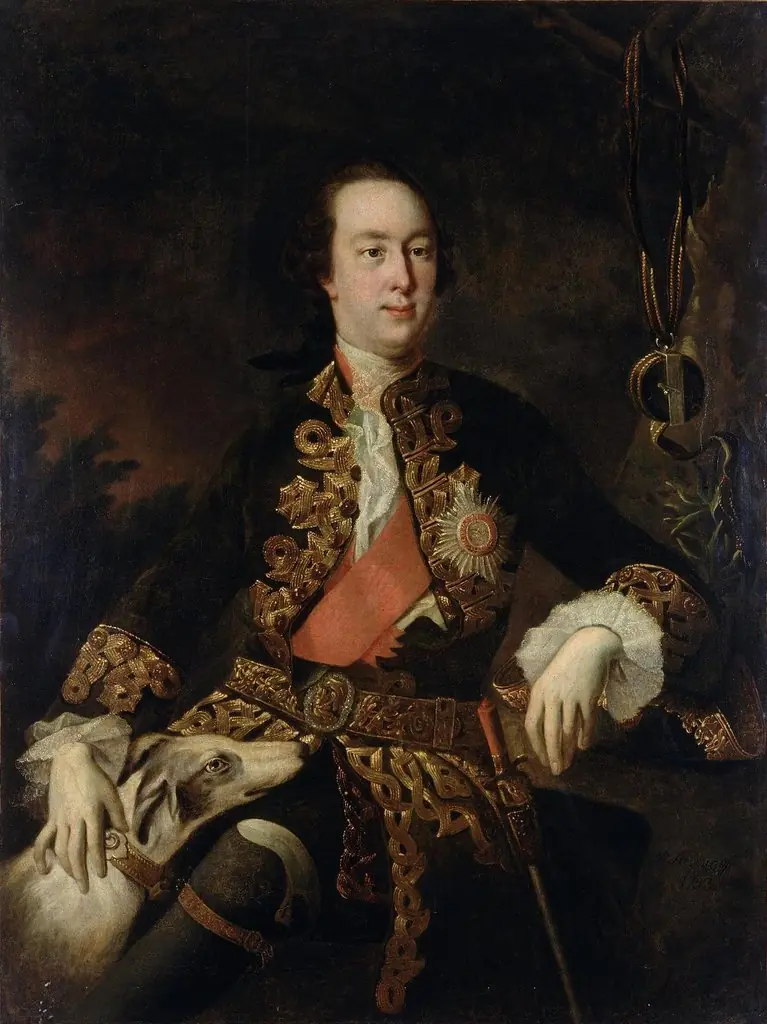 Portrait of P.B. Sheremetev
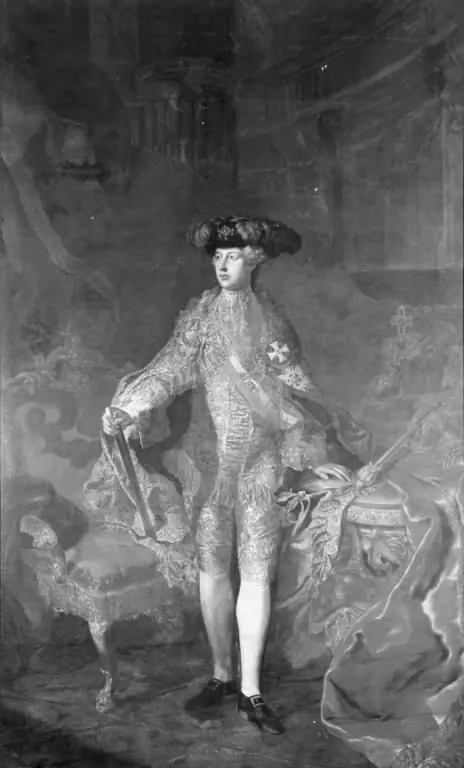 Portrait of the Emperor Joseph II of Austria