Artwork
Elector Charles Albert of Baviera
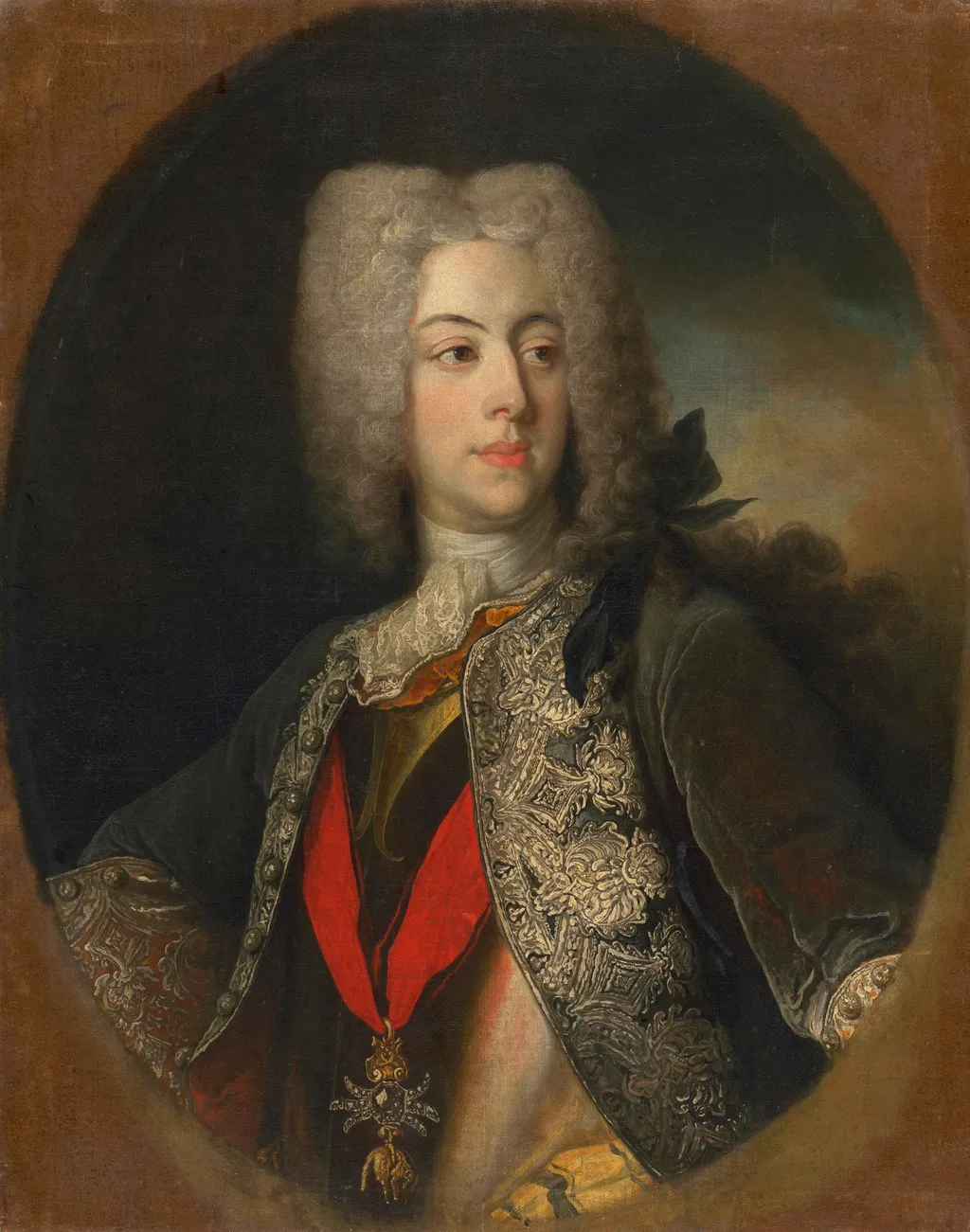
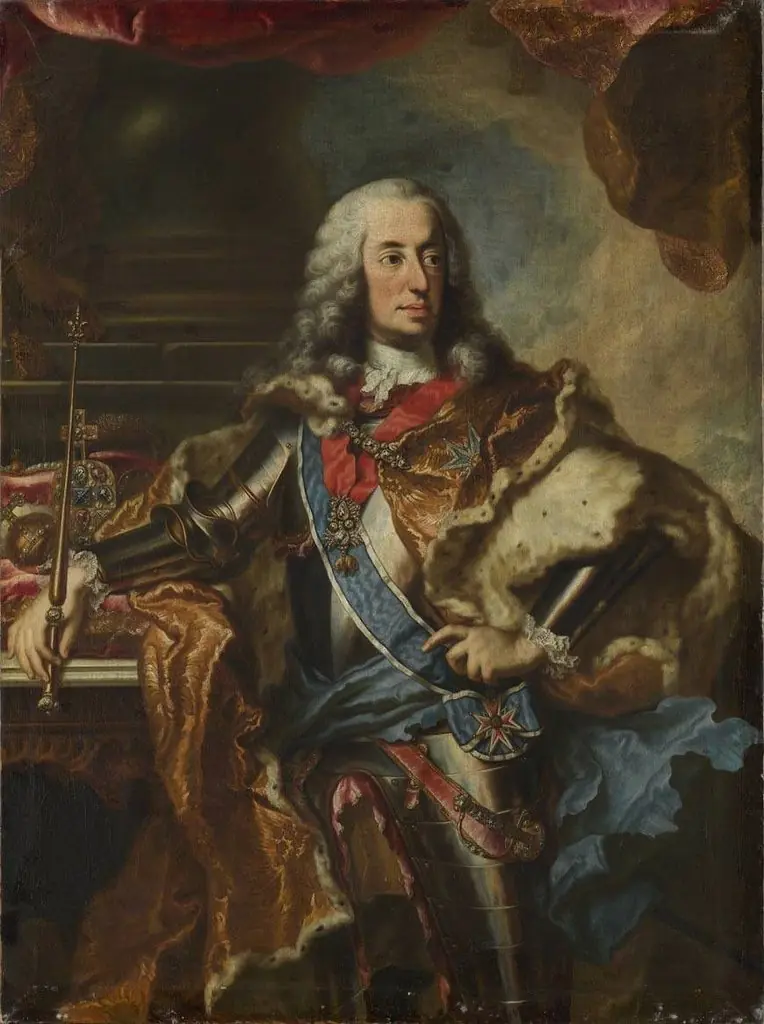
Elector Charles Albert of Baviera is an oil painting by the Rococo painting artist Pierre Goudreaux. It dates from 1723 and is held in the collection of the Bavarian State Painting Collections.
About this work
Subject & Meaning
The painting is a portrait whose main subject is Charles VII, Holy Roman Emperor, identified at the time of the work's creation as Elector Charles Albert of Bavaria. Depicted in 1723, before his later imperial election in 1742, the sitter is presented as the Bavarian Elector, a member of the Wittelsbach dynasty who held one of the hereditary electoral votes of the Holy Roman Empire.
As a formal state portrait, the work functions as an image of dynastic authority and electoral rank, presenting the subject in the visual conventions reserved for ruling princes. The portrait genre itself carries symbolic weight, signaling legitimacy, status, and the continuity of the Bavarian electorate at a moment when Charles Albert was heir to one of the most powerful territorial houses within the Empire.
Technique & Style
The work is an oil painting executed on canvas, a standard support for formal portraiture of the period.
The work is an oil painting executed on canvas, a standard support for formal portraiture of the period. It is classified as a portrait and depicts Charles VII, Holy Roman Emperor.
The canvas measures 86.2 cm in height by 68.3 cm in width, a modest scale suited to an intimate, half-length or bust-length likeness of an elector. The painting belongs to the Bavarian State Painting Collections and is held at the Alte Pinakothek.
Dated 1723 and attributed to Pierre Goudreaux, the work falls within the conventions of early eighteenth-century European court portraiture, though the sources do not specify further details of handling, brushwork, palette, or condition.
History & Provenance
The portrait of Elector Charles Albert of Bavaria was painted by Pierre Goudreaux in 1723 for the Bavarian court, depicting Charles VII as Holy Roman Emperor. It entered the Bavarian State Painting Collections shortly after its creation and has remained in the Alte Pinakothek in Munich since its acquisition, where it is displayed as part of the gallery’s portrait holdings.
The work measures 86.2 cm by 68.3 cm and is executed in oil on canvas.
The portrait of Elector Charles Albert of Bavaria is held in the Bavarian State Painting Collections and is accessioned under the inventory number of the Alte Pinakothek. It has been exhibited in the Alte Pinakothek as part of its permanent display of 18th‑century Bavarian portraiture.
Overview
Pierre Goudreaux's 'Elector Charles Albert of Baviera' is an oil portrait painted in 1723, now housed at the Alte Pinakothek. The work depicts Charles VII, who later became Holy Roman Emperor.
Own this work as a print
Artist & collection

- Nuori soturi
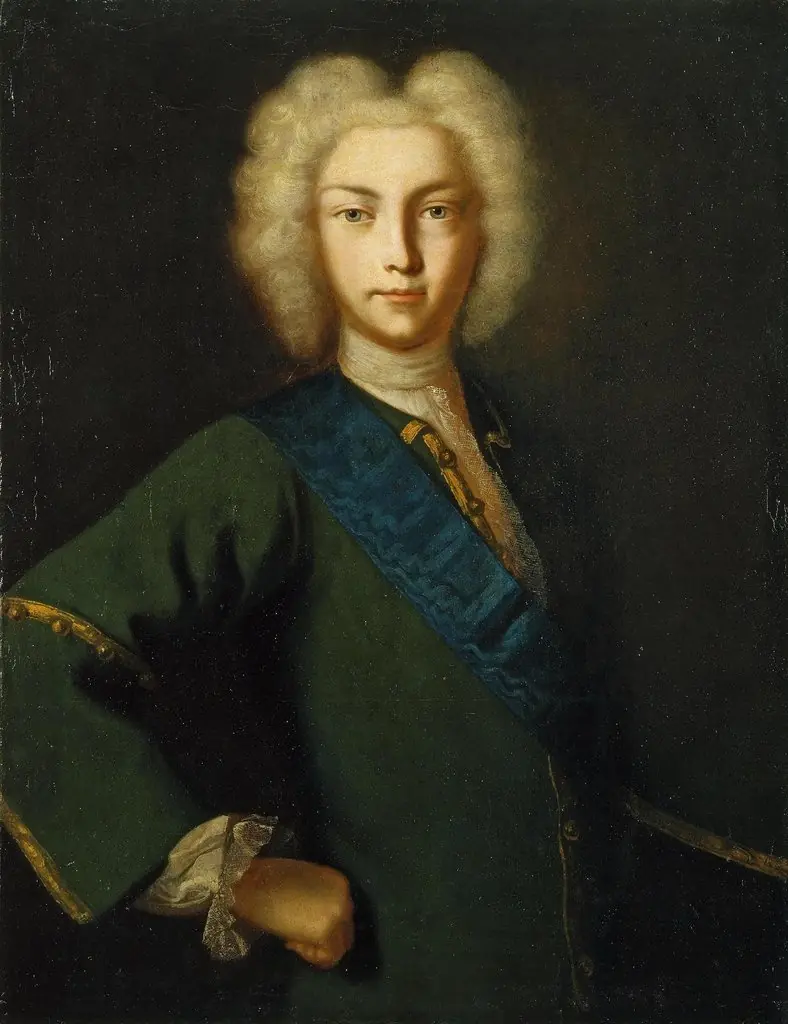 Portrait of Peter II
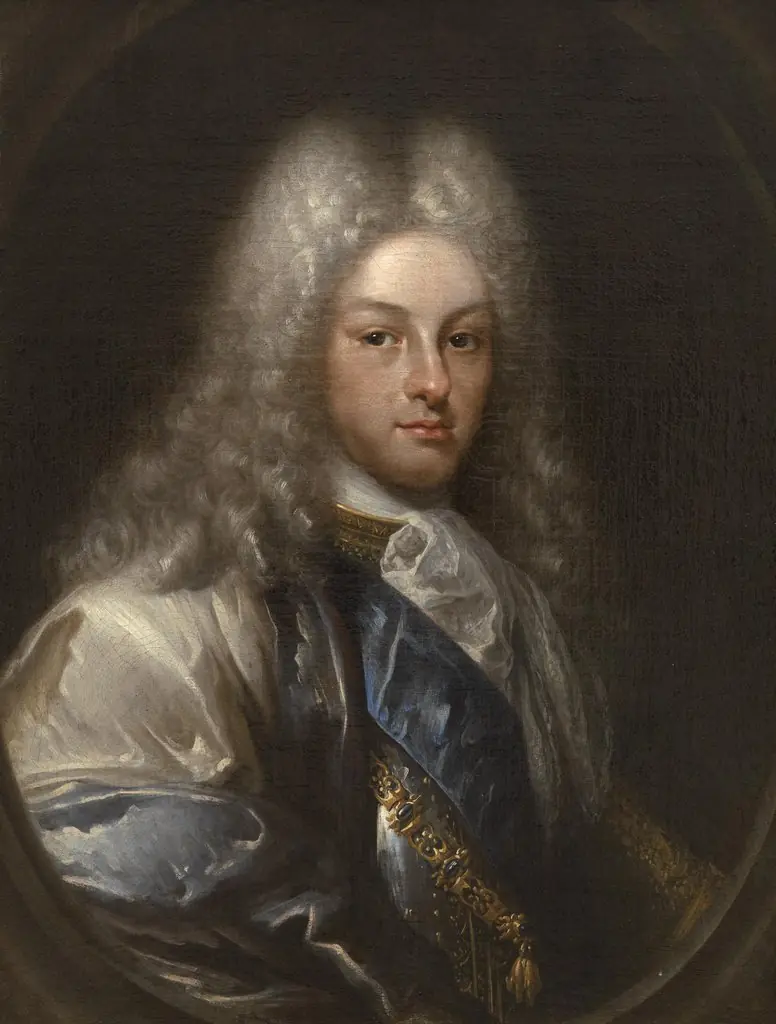 Philip V
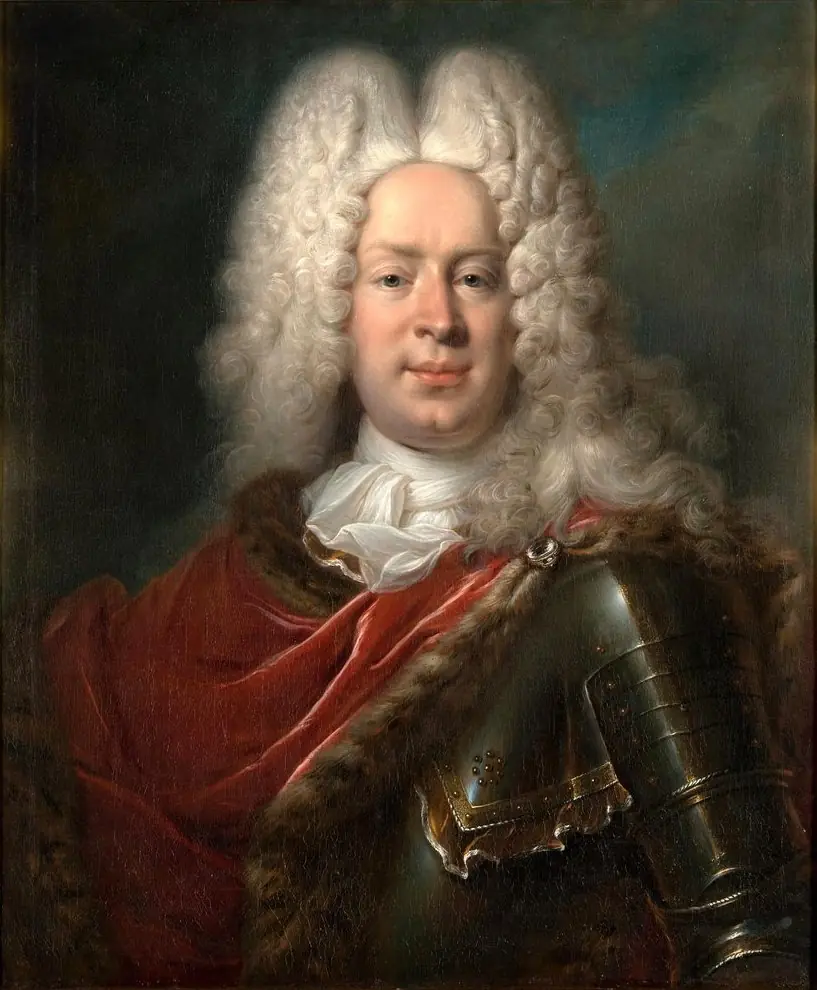 Portrait of Count Georg Wilhelm Werthern
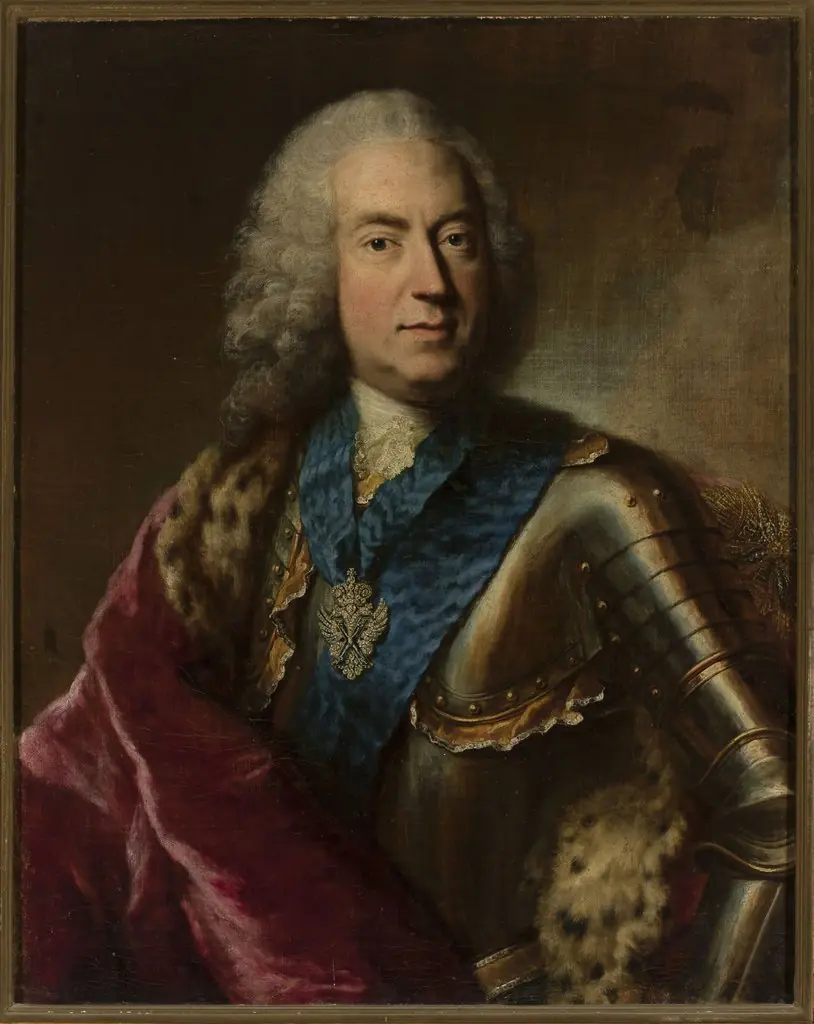 Portrait of Karl August Rex, Saxon minister
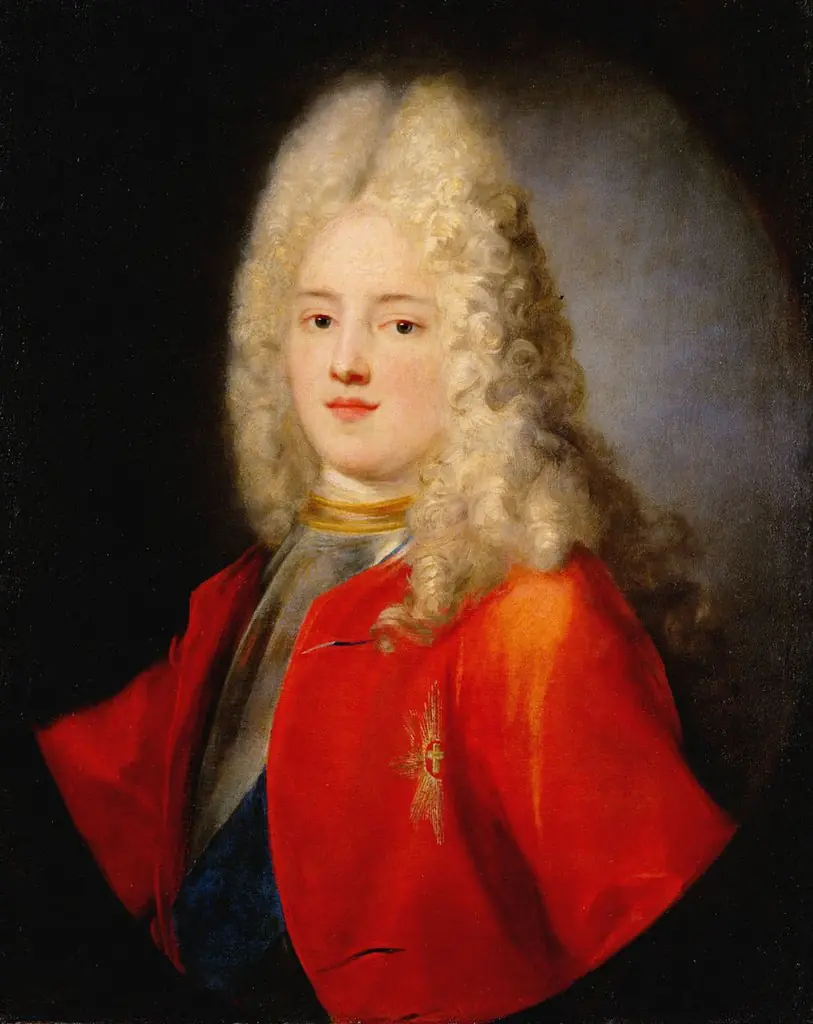 Prinz Friedrich August II. (1696-1763)
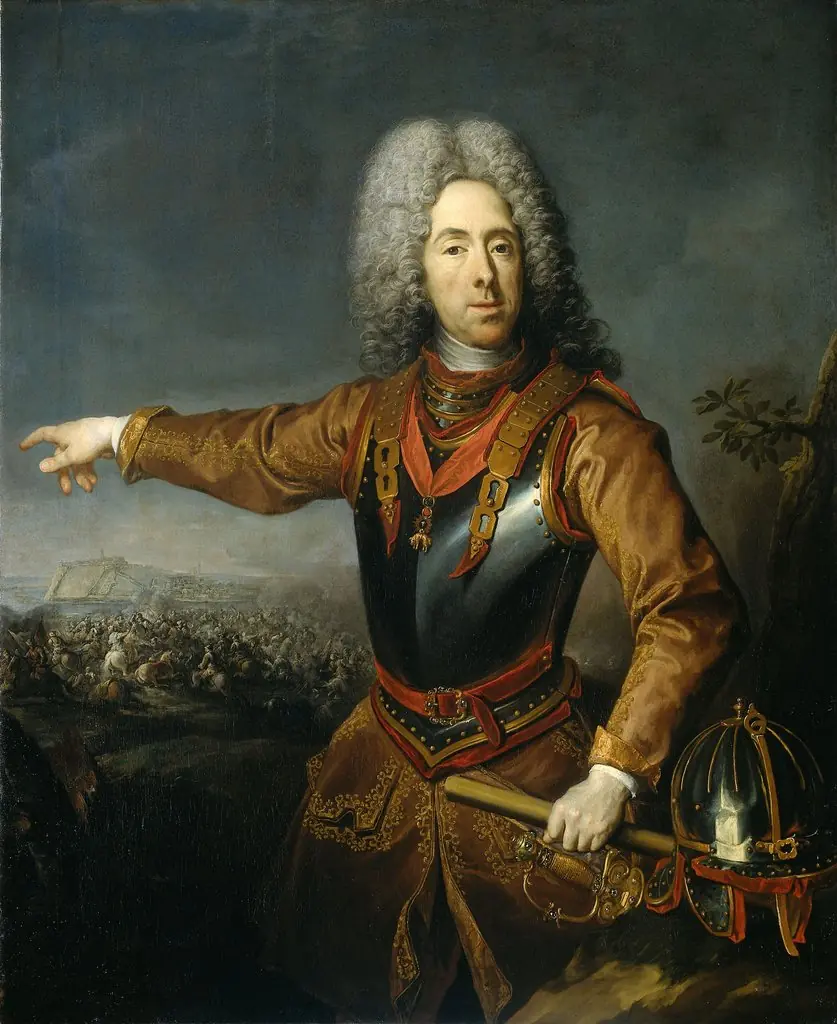 Portrait of Eugene, Prince of Savoy
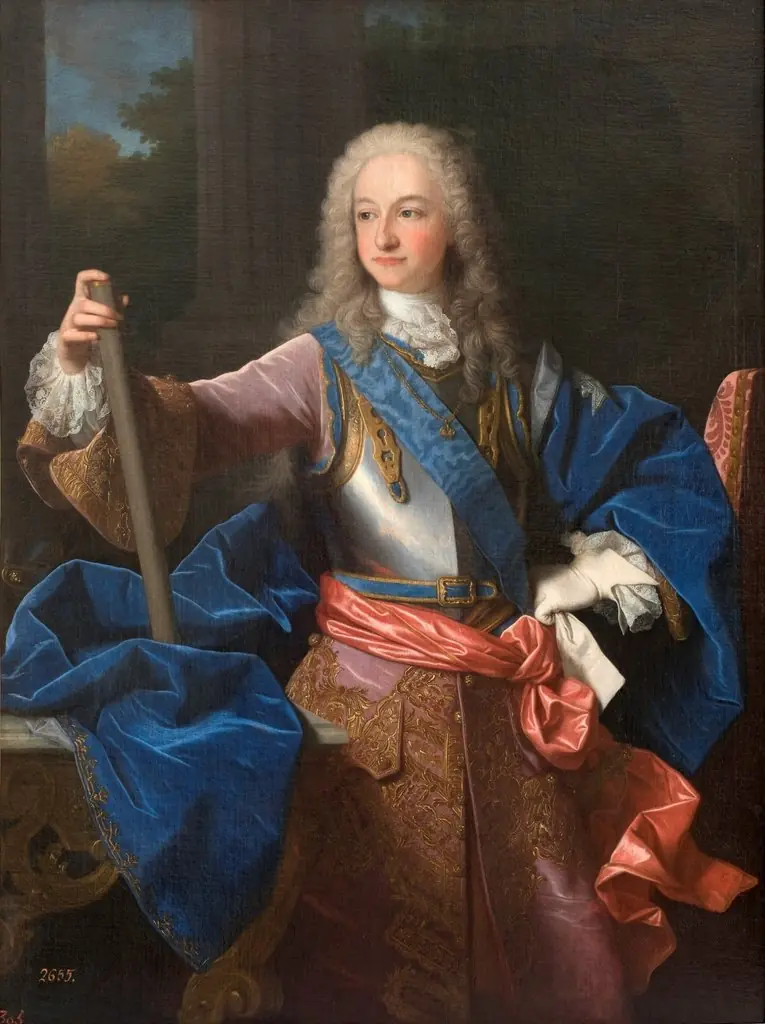 Portrait of Prince Louis of Spain
 Prins Carl. Frederik IV's broder
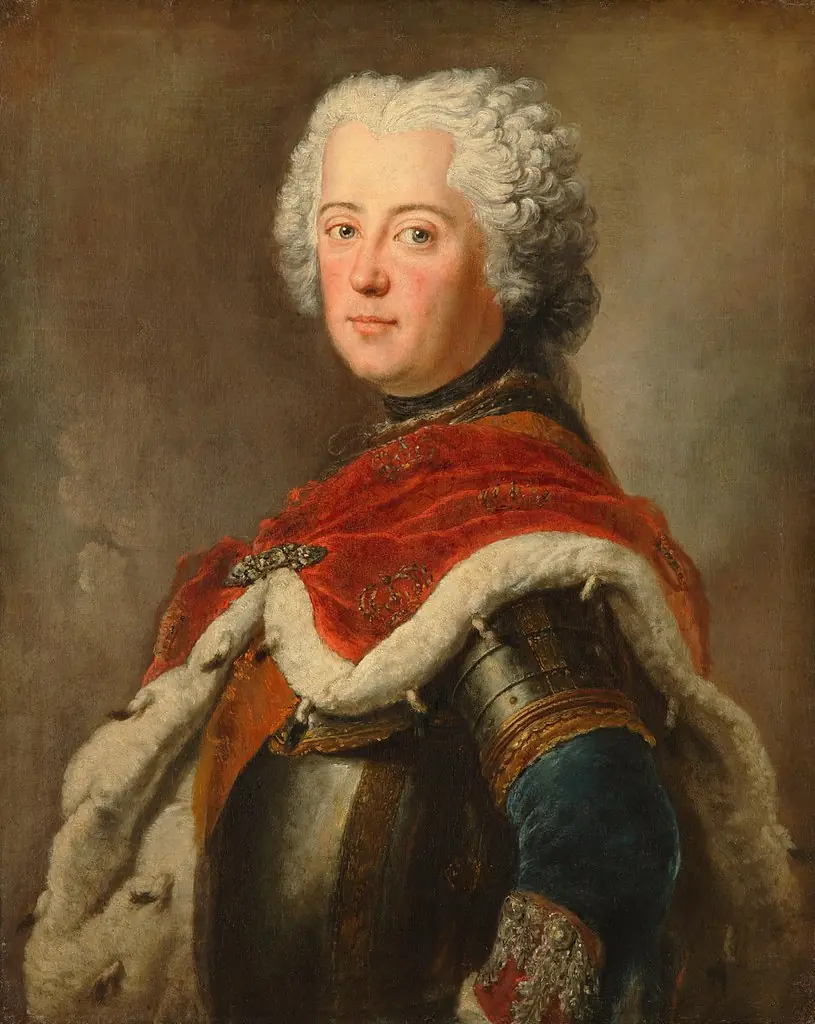 Crown prince Frederik de Great in Armour
 Kurfürst Karl Albrecht als Kaiser Karl VII. (1697-1745)