Artwork
God the Father
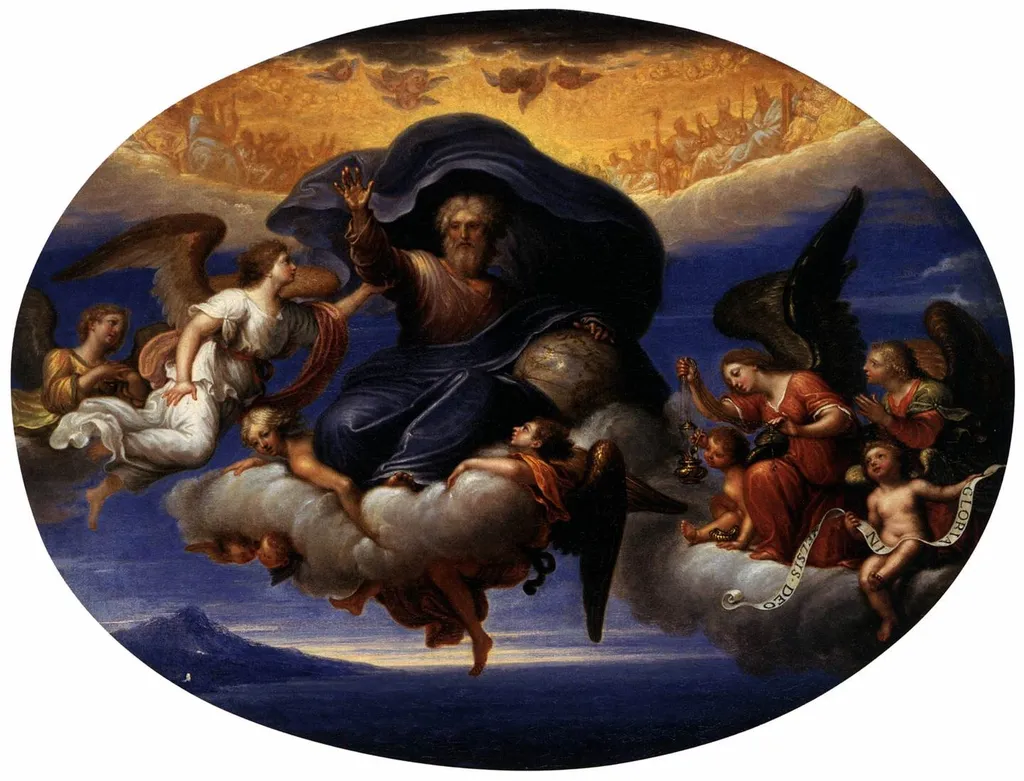
God the Father is an oil painting by the French Classical Baroque artist Pierre Mignard I. It dates from 1664 and is held in the collection of the National Gallery of Art.
About this work
Subject & Meaning
The painting presents God the Father as a central figure within a religious composition, rendered by Pierre Mignard I in 1664 using oil on canvas.
The painting presents God the Father as a central figure within a religious composition, rendered by Pierre Mignard I in 1664 using oil on canvas. Its iconography follows traditional Christian conventions that depict the divine as an elderly, authoritative presence, emphasizing paternal qualities and heavenly authority. As a work of religious art, it functions to convey theological concepts of God's role as creator and ruler, aligning with the devotional practices of the period.
The piece, housed in the National Gallery of Art in Washington, D.C., measures 46.5 cm by 60.3 cm and exemplifies the stylistic characteristics of 17th-century French religious painting.
Technique & Style
God the Father is an oil painting on canvas, executed in 1664 by Pierre Mignard I. The work is classified as a religious painting, a designation consistent with its devotional subject matter.
The canvas measures 46.5 cm in height by 60.3 cm in width, giving it a modest, horizontal format. The medium of oil paint on canvas was the standard support for easel painting in seventeenth-century France, allowing for the layered glazes and refined surface handling associated with Mignard's practice.
No specific information regarding the painting's current condition, surface handling, or stylistic qualities is documented in the available sources.
History & Provenance
The work was painted in 1664 by Pierre Mignard I. By the early twenty-first century the painting had entered the collection of the National Gallery of Art, Washington, D.C., where it remains housed. Executed on canvas, it measures 46.5 cm in height by 60.3 cm in width. The available sources do not list a specific inventory or accession number for the piece, nor do they document any exhibition history or past display locations.
Overview
This oil painting by Pierre Mignard, completed in 1664, presents a depiction of God the Father. It embodies the French Classical Baroque aesthetic prevalent during its creation. The work is held in the collection of the National Gallery of Art in Washington.
Mignard, often referred to as "Mignard le Romain," was a significant figure in French art of his era.
Context
Pierre Mignard, known during his lifetime as "Mignard le Romain," was a highly regarded French painter of the 17th century. His extensive body of work included religious narratives, mythological scenes, and portraiture. He was active during a period when artists like Charles Le Brun, the prominent court painter, also shaped the artistic landscape of France.
Artist & collection
Artist
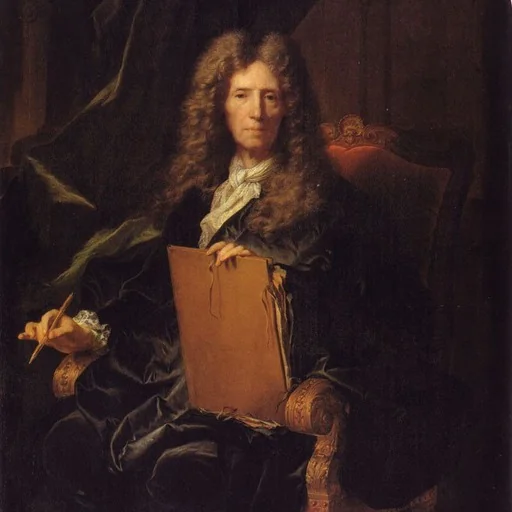
Pierre Mignard or Pierre Mignard I (French pronunciation:; 17 November 1612 – 30 May 1695), called "Mignard le Romain" to distinguish him from his brother Nicolas Mignard, was a French painter known for his religious and mythological…

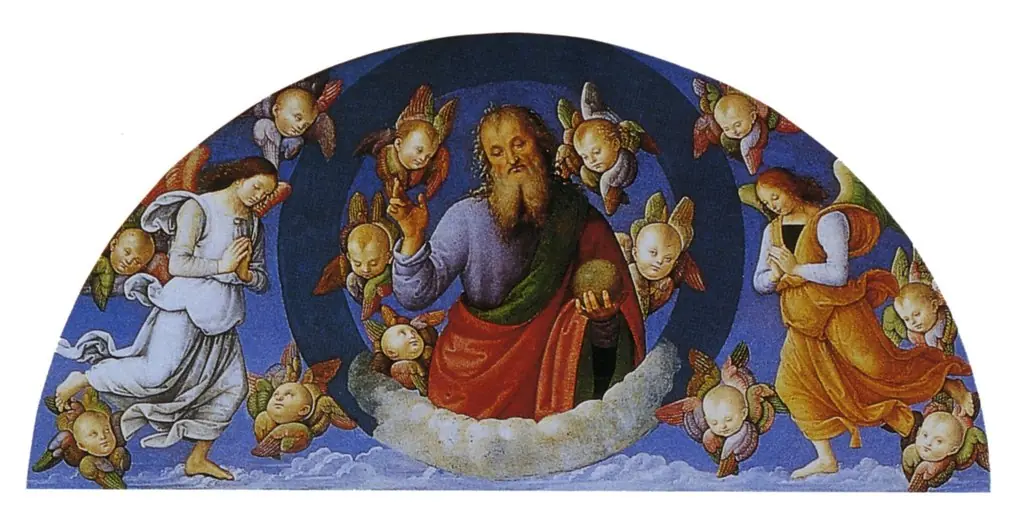 Eternal Father with cherubim and angels
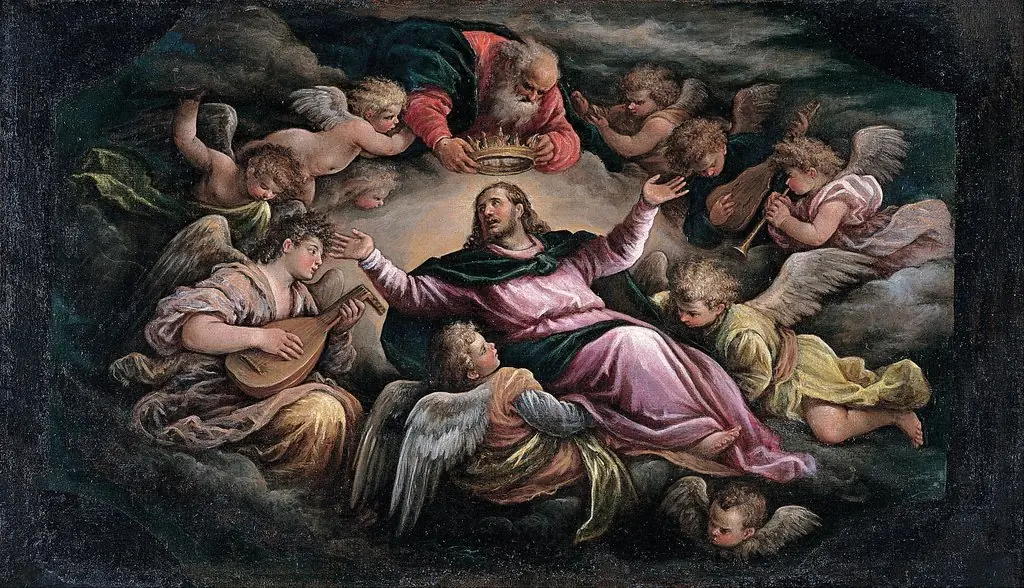 Christ in Glory
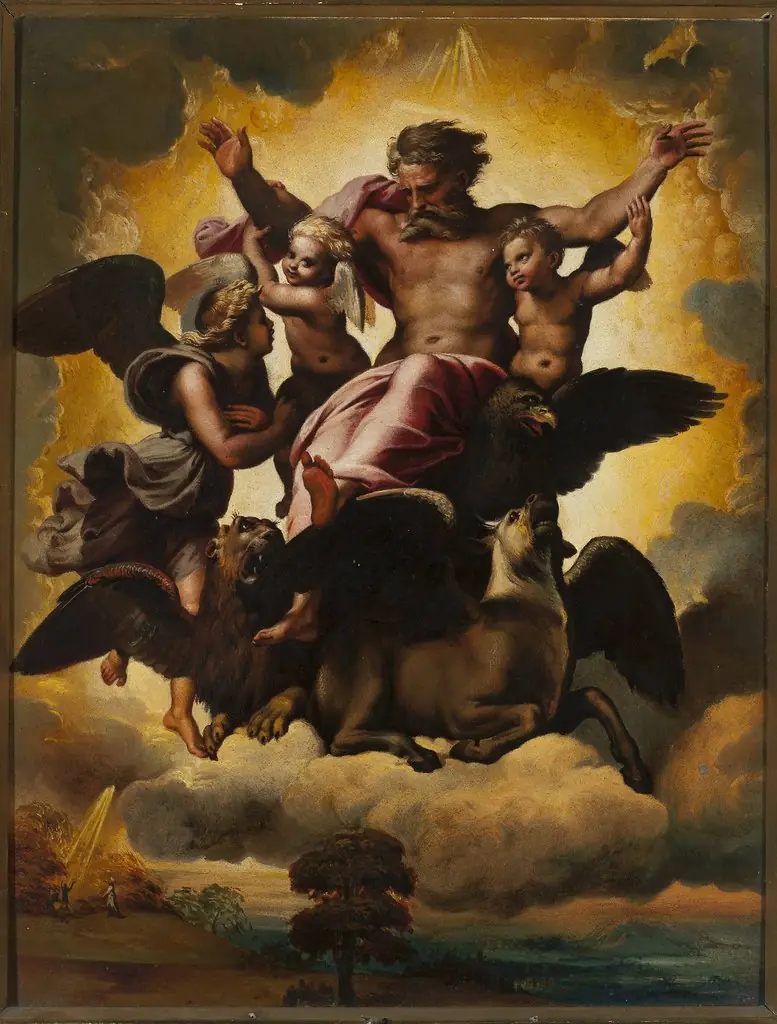 Ezekiel's Vision
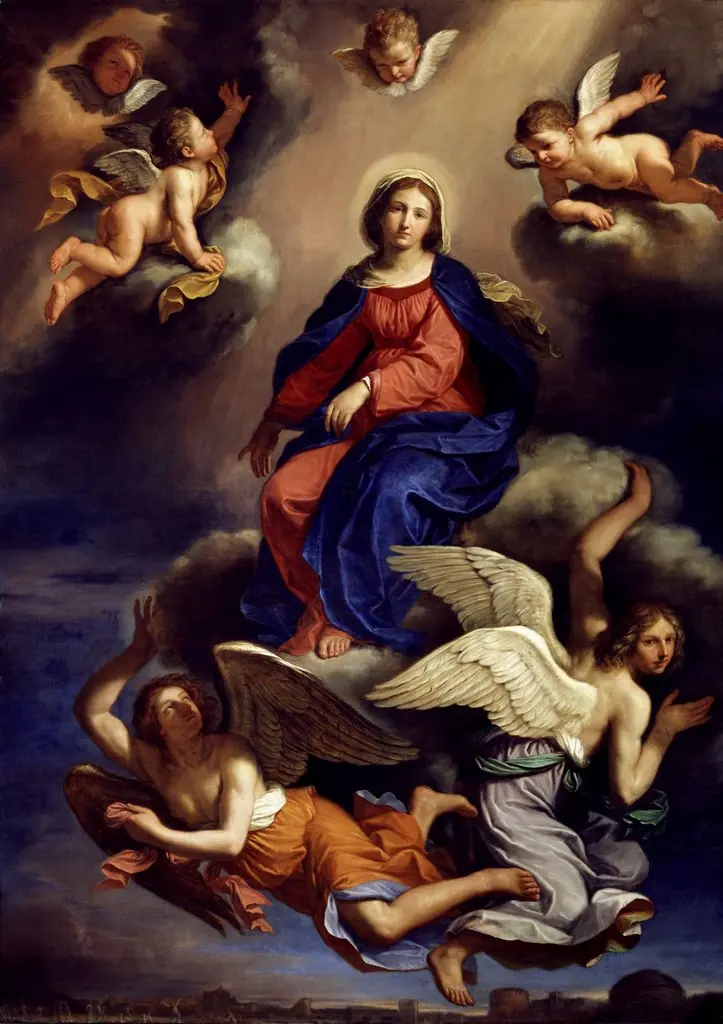 Assumption of the Virgin
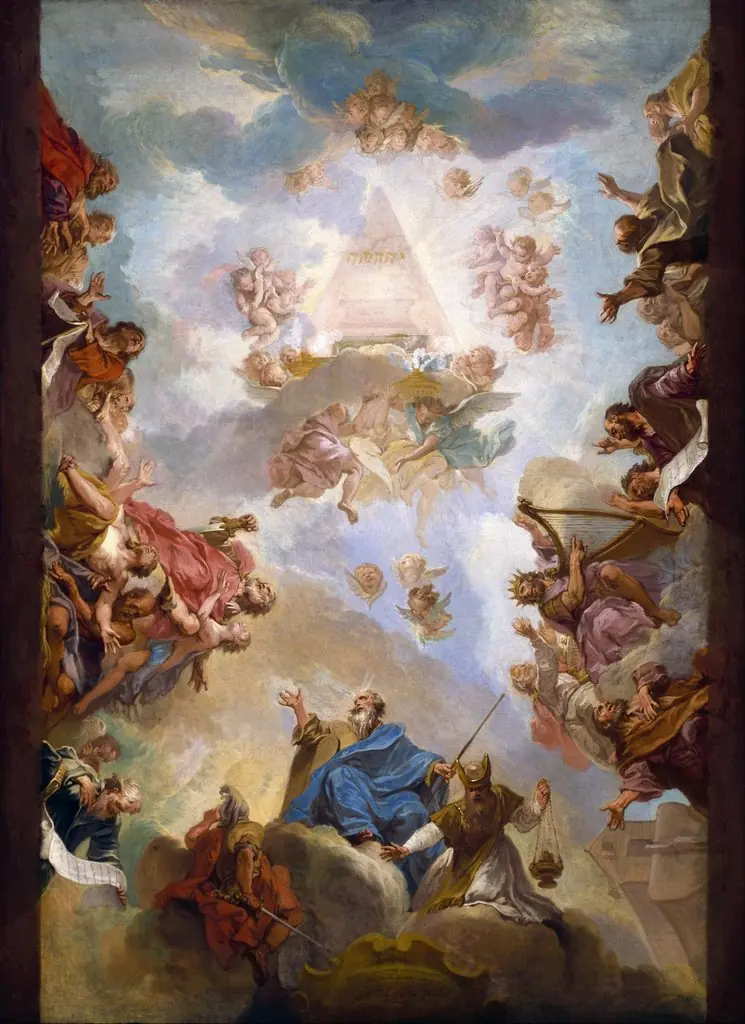 Prophets and Kings of the Old Testament Adoring the Name of Jehovah
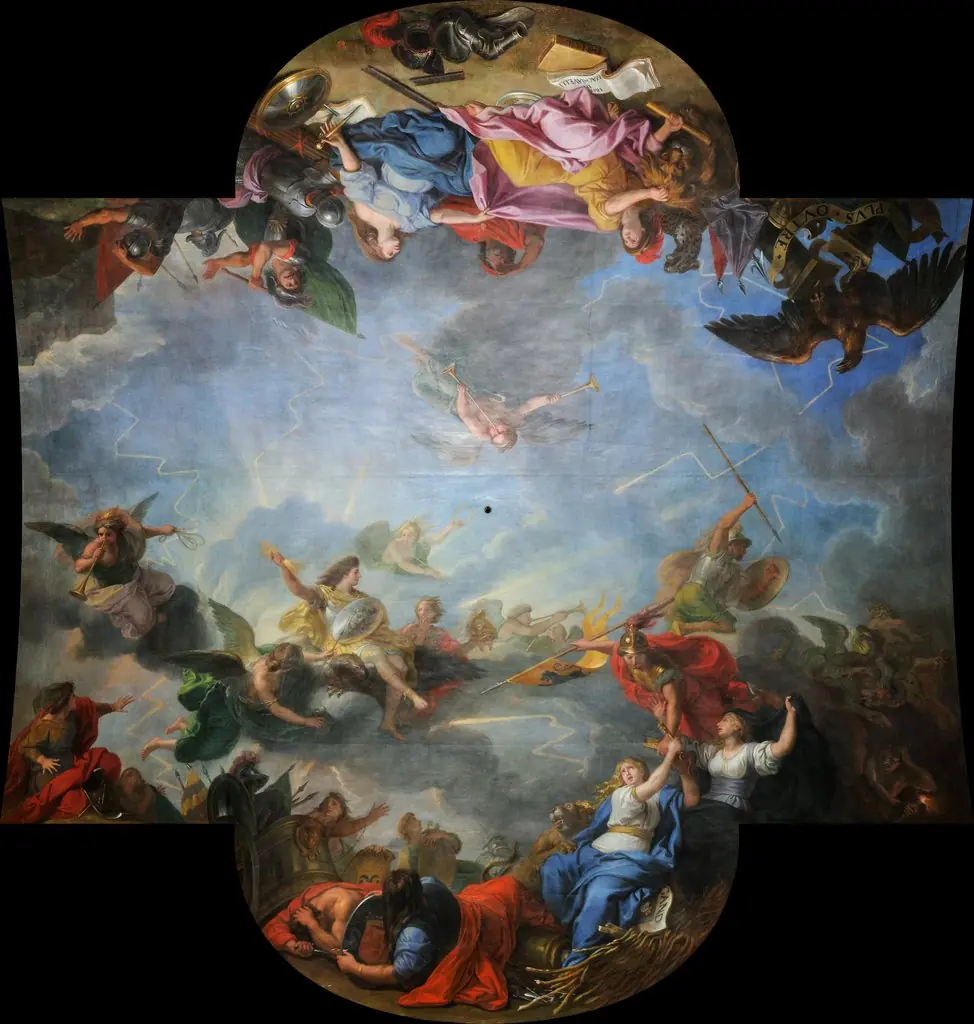 capture the citadel
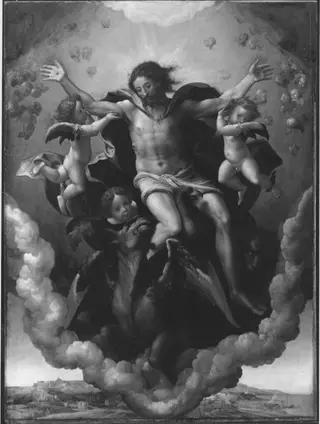 Ezekiel's vision of God sitting on his throne carried by four tetramorphs, each of them having four wings; wheels within wheels beside them (Ezekiel 1)
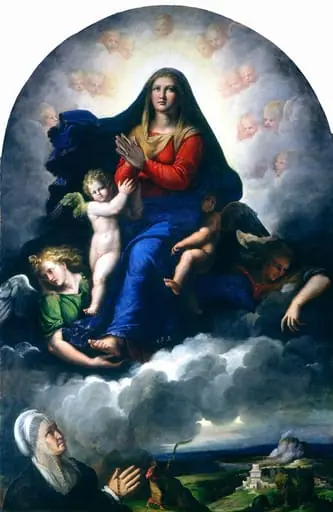 The Apparition of the Virgin
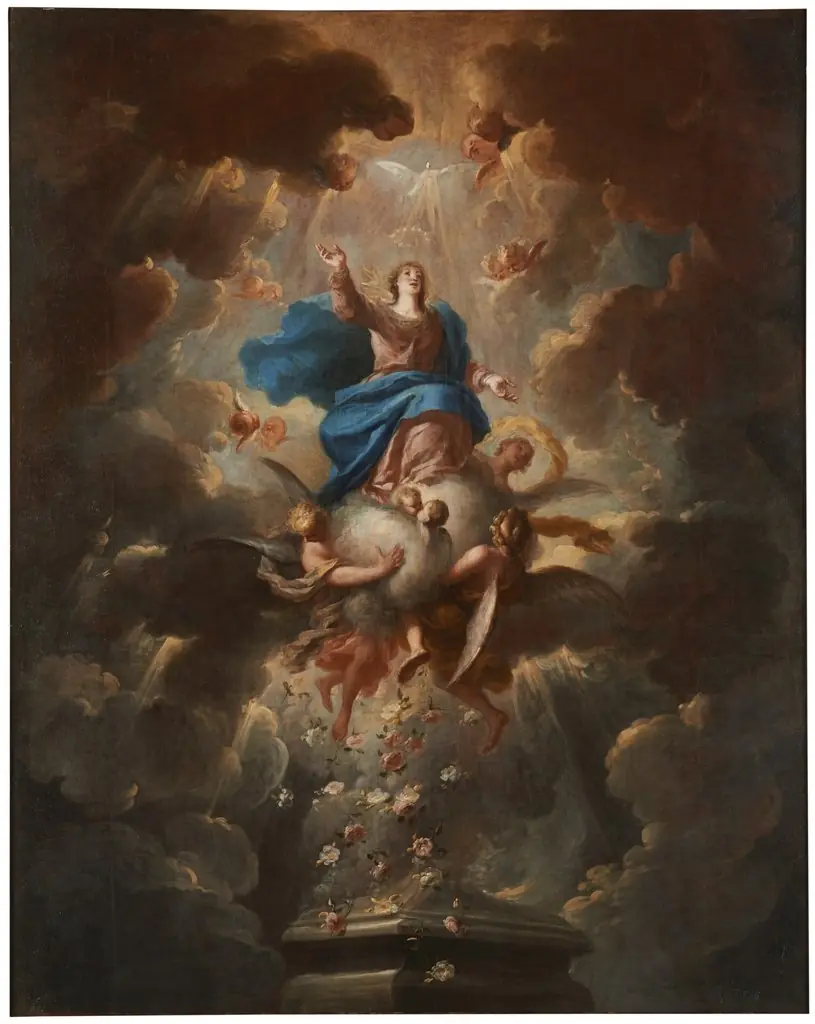 The Assumption of the Virgin
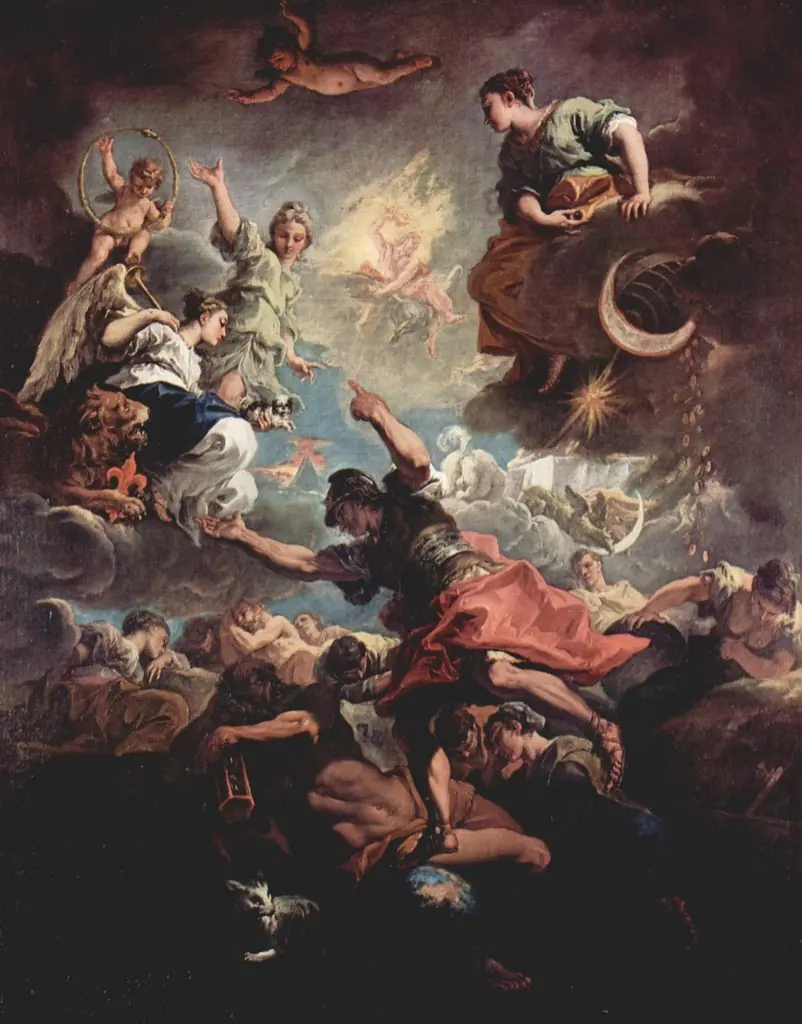 Allegory of Tuscany
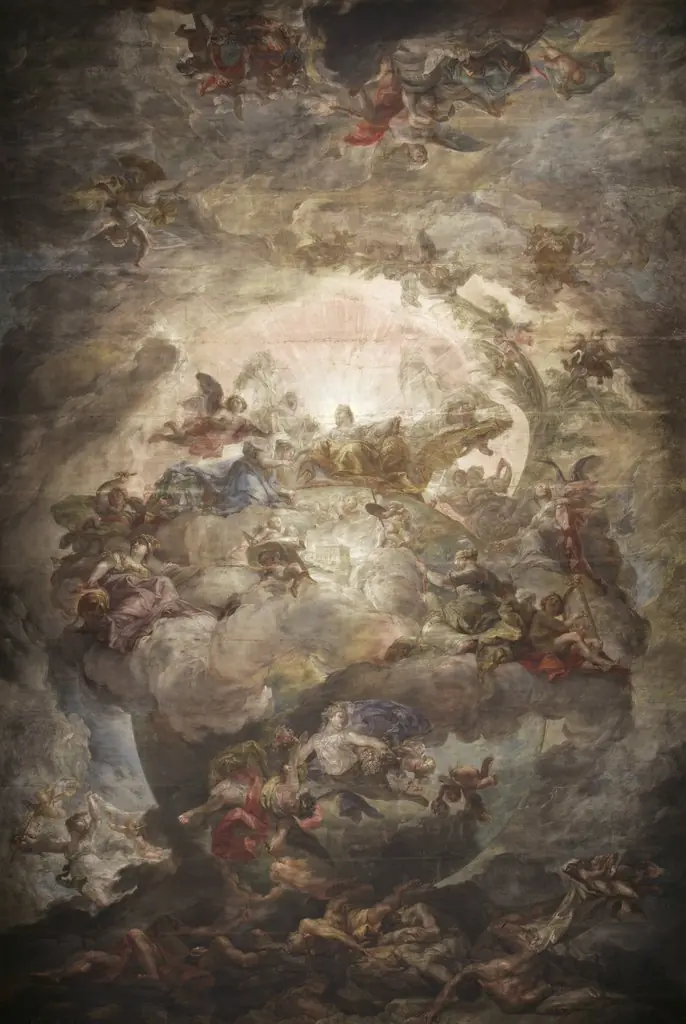 Allegory of the donation of the Casino to Queen María Isabel de Braganza by the Municipality of Madrid
- God the Father