Artwork
Andromache and Astyanax
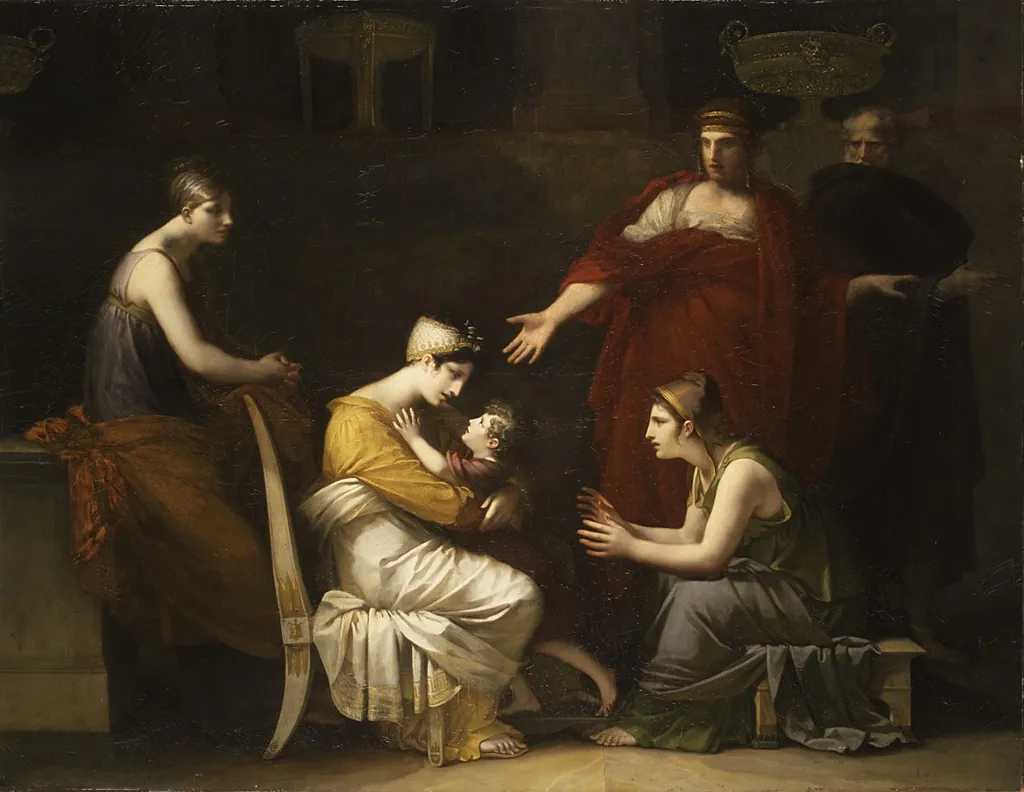
Andromache and Astyanax is an oil painting by the French Romanticist artist Pierre Paul Prud'hon. It dates from 1818 and is held in the collection of the Metropolitan Museum of Art.
About this work
Overview
Pierre-Paul Prud’hon completed Andromache and Astyanax, an oil painting, in 1818. This work belongs to the French Romanticism movement and features the mythological figures of Andromache and her son Astyanax, alongside other individuals. Prud’hon, a French artist active in the late 18th and early 19th centuries, created this piece, which is now part of The Metropolitan Museum of Art's collection.
Subject & Meaning
A central woman, likely Andromache, holds a young child, Astyanax, with a worried expression, clutching him closely.
The painting portrays a somber scene with five figures in a dimly lit interior. A central woman, likely Andromache, holds a young child, Astyanax, with a worried expression, clutching him closely. Another woman in a red cloak gestures towards her, seemingly engaged in a serious conversation.
The overall composition conveys a sense of distress and quiet contemplation among the assembled individuals, emphasizing the emotional weight of their interaction.
Technique & Style
Prud’hon utilized oil paint to create a dramatic interplay of light and shadow, characteristic of chiaroscuro. The soft illumination highlights certain faces from below, while others recede into the deep, dark background, enhancing the emotional intensity. The rich hues of red, gold, and gray in the figures' attire stand out against the muted setting, drawing attention to their forms and expressions within the shadowy room.
History & Provenance
Pierre-Paul Prud’hon completed Andromache and Astyanax in 1818, during a period when his work bridged Neo-classical influences with emerging Romantic sensibilities. This oil painting, a notable example of French Romanticism from the early 19th century, is now housed within the extensive collection of The Metropolitan Museum of Art, making it accessible for study and public viewing.
Legacy
Prud’hon, though often associated with Neo-classicism, developed a distinctive style that resonated with the Romantic movement. His approach to allegorical subjects and portraiture, including his depiction of Empress Josephine, demonstrated a sensitivity that influenced subsequent generations of artists. Notably, his use of dramatic lighting and emotional depth is recognized as having impacted figures such as Théodore Géricault.
Own this work as a print
Artist & collection
Artist
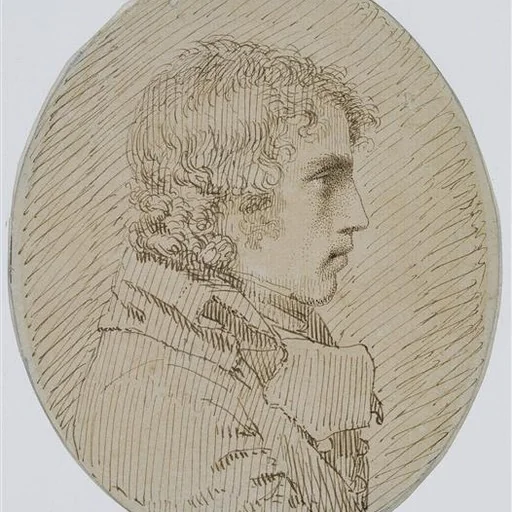
Pierre-Paul Prud'hon (French pronunciation: 4 April 1758 – 16 February 16, 1823) was a French Neo-classical painter and draughtsman best known in his own time for his allegorical paintings and portraits, now for his drawings.

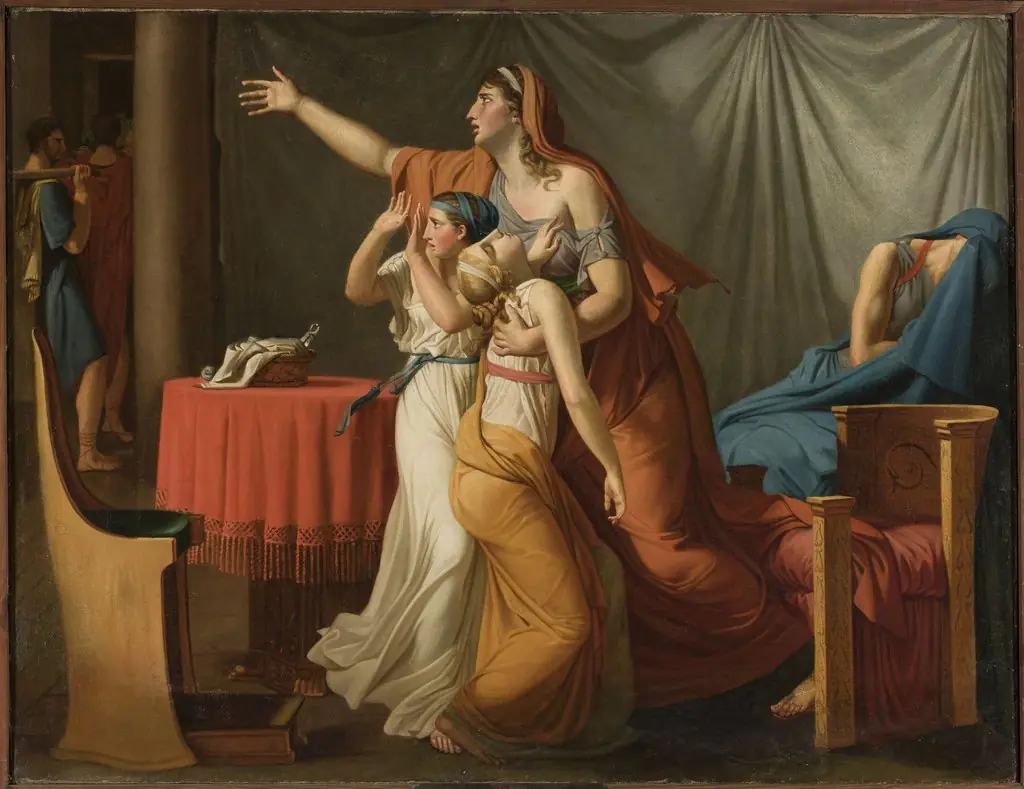 Lictors bring to Brutus the bodies of his sons
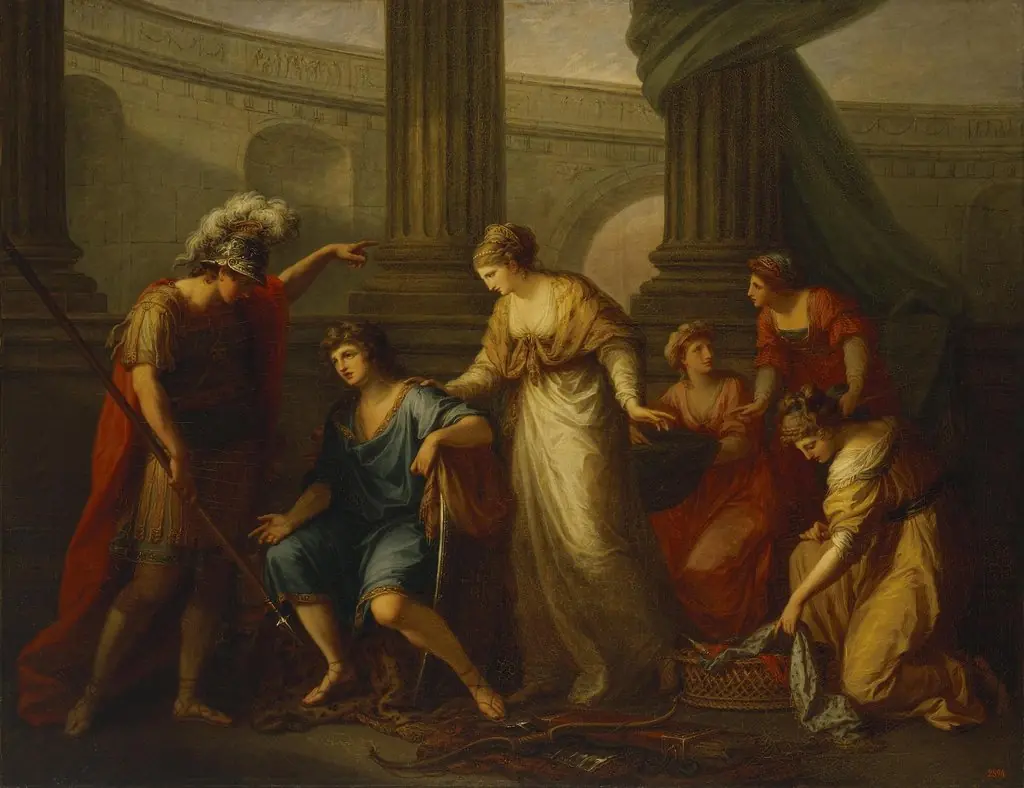 Hector Calling Up Paris to a Battle
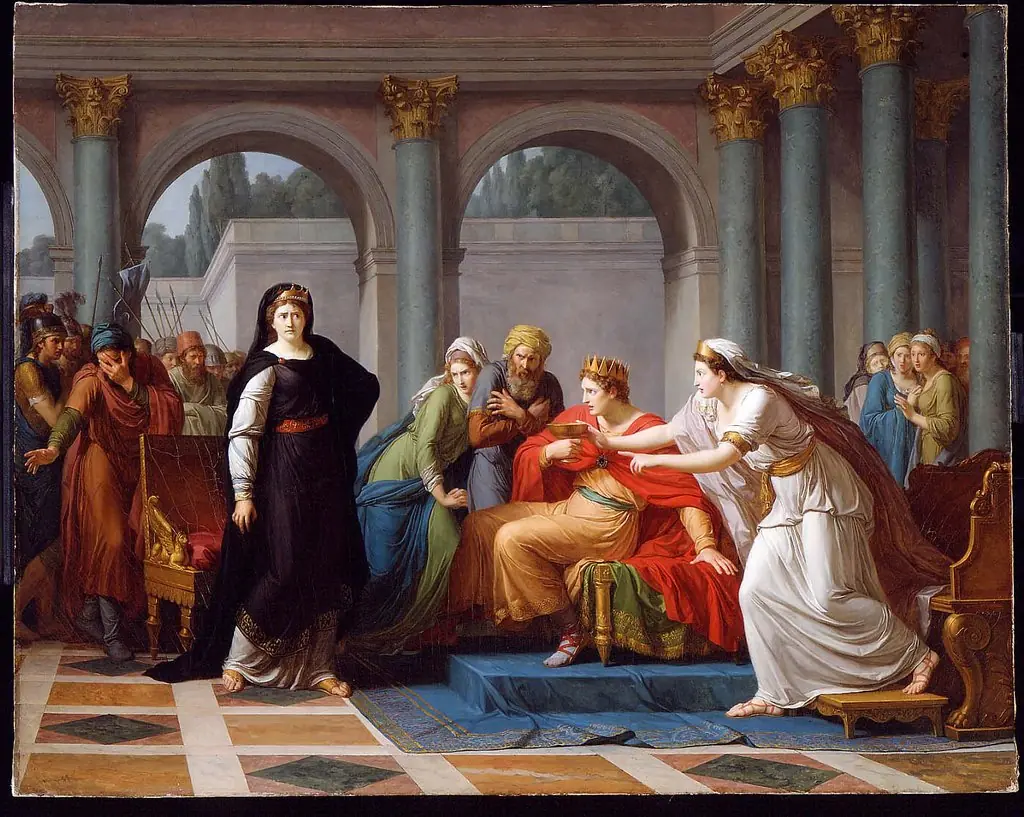 "Seigneur! Voyez ces yeux" (Cleopatra Discovered by Rodogune to Have Poisoned the Nuptial Cup)
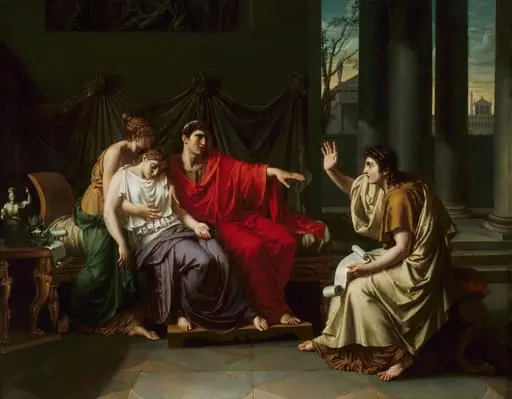 Virgil Reading the "Aeneid" to Augustus, Octavia, and Livia
 Et historisk stykke
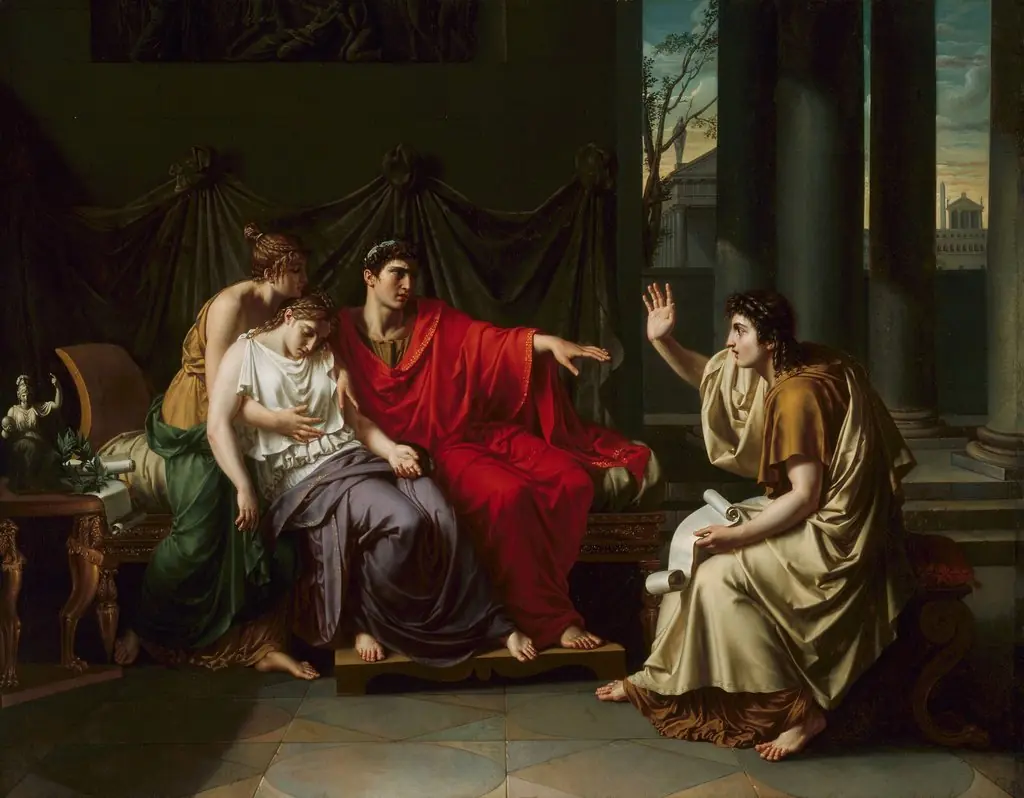 Virgil Reading the "Aeneid" to Augustus, Octavia, and Livia
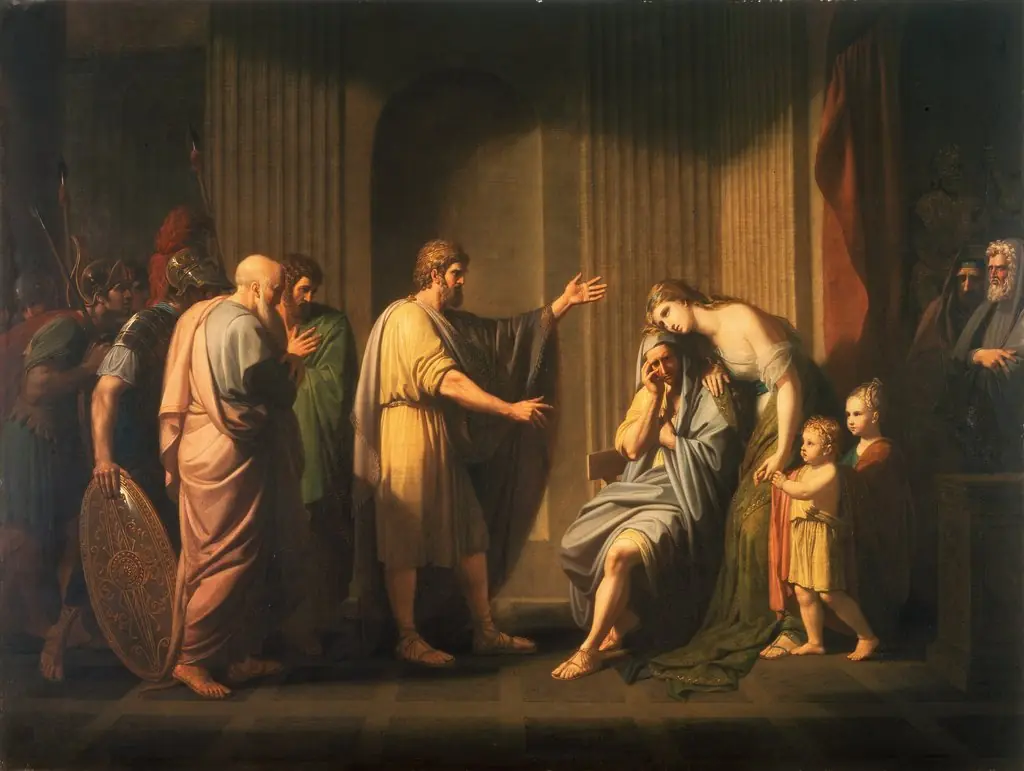 Cleombrotus Ordered into Banishment by Leonidas II, King of Sparta
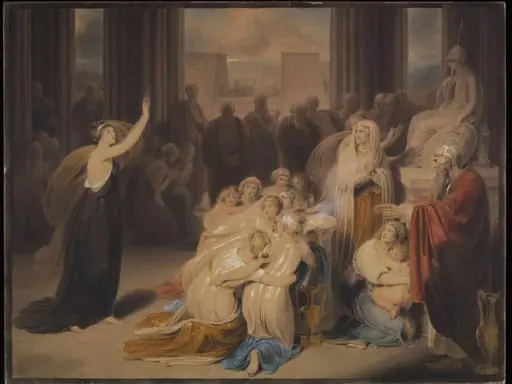 Cassandra in the Temple of Minerva
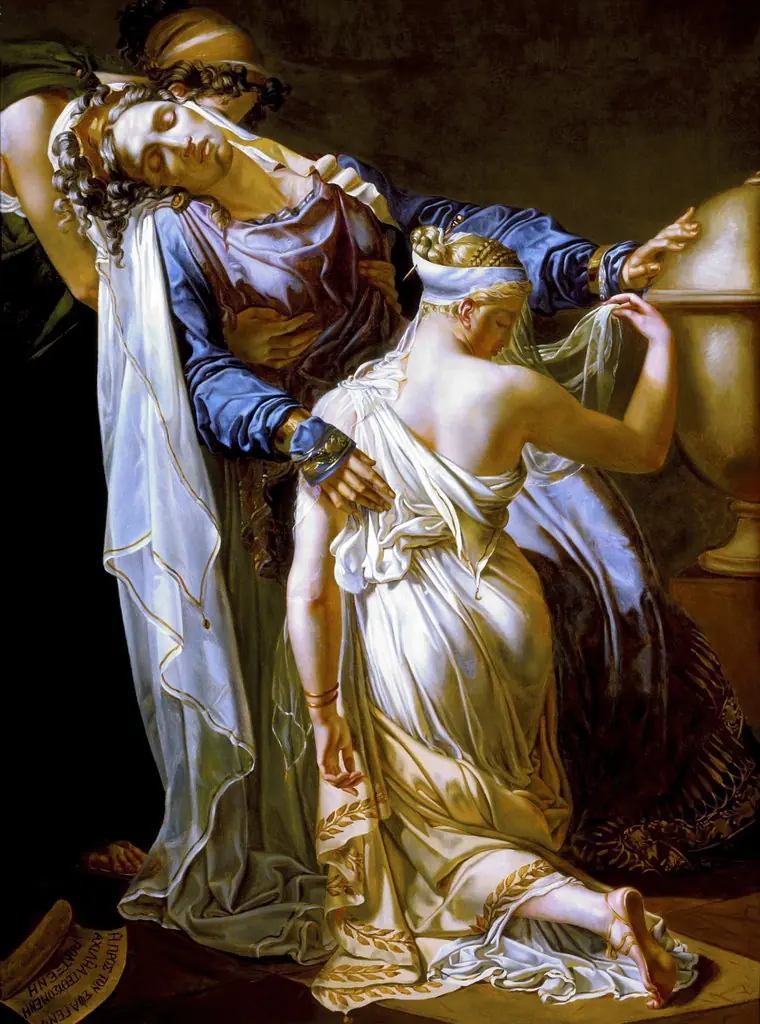 Hecuba and Polyxena
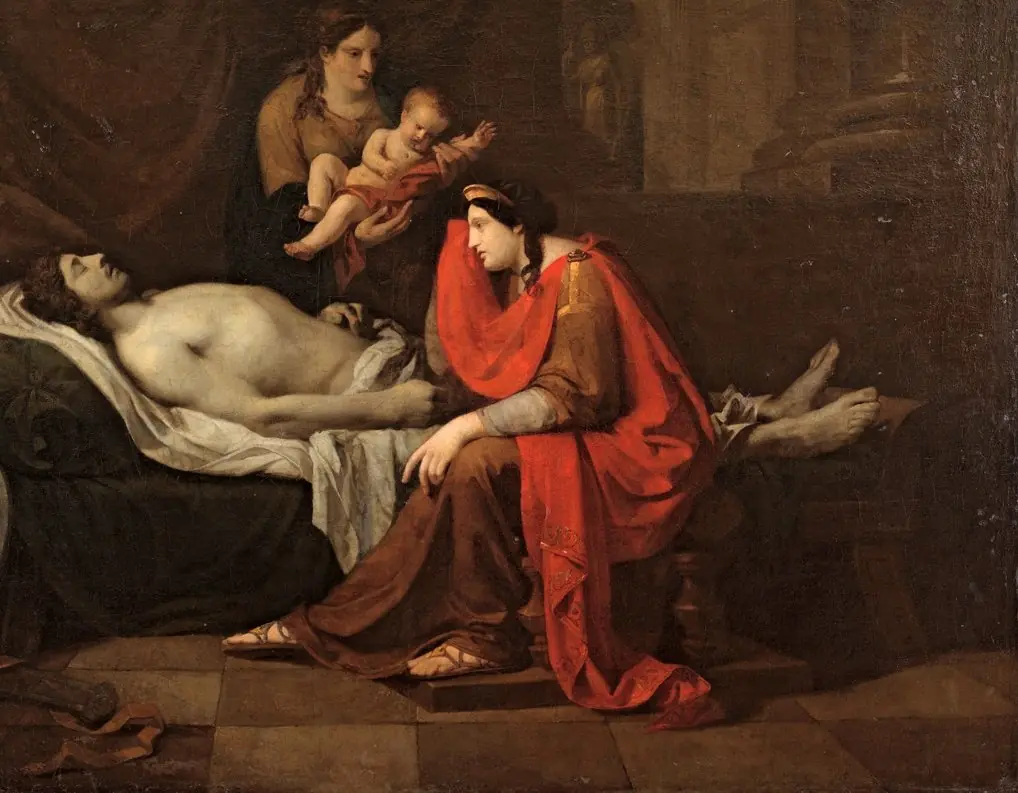 Andromache mourning killed Hector