Artist
Subject
Composition
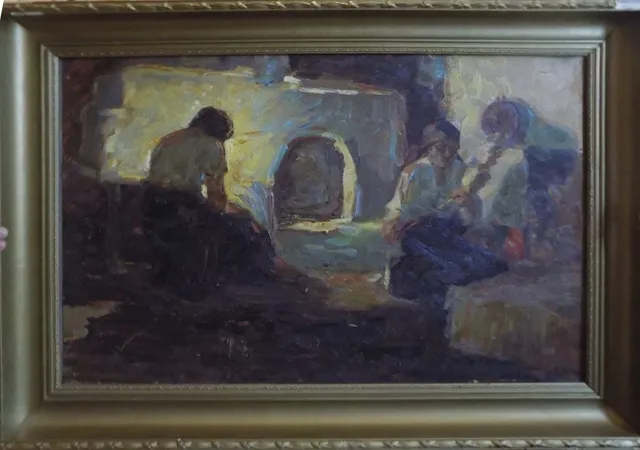
Composition is a subject in art. The gallery holds 200 works in this subject in art, including works by Hugo Kołłątaj, Aloysius-Rosarius-Amadeus-Raymundus-Andreas Preziosi and Ion Bărbulescu.
In museum cataloguing, the subject tag "composition" rarely names a finished picture. It almost always flags a preparatory compositional study — a drawing or oil sketch in which an artist organized figures, gestures, light, and the division of space before committing to the final work. The practice has deep theoretical roots. In his treatise *De pictura* (1435), Leon Battista Alberti made *compositio* one of the three divisions of painting, alongside the drawing of contours and the handling of light and colour. For Alberti, composition was the orchestration of an *istoria*, a narrative built from human figures arranged according to logical principles of balance and variety. From the Renaissance onward, working out that arrangement on paper or panel became an indispensable stage of invention.
The defining characteristics of the compositional study are speed, economy, and provisionality. Where a finished canvas is resolved, a study is exploratory: forms are blocked in with chalk or thinned pigment, alternatives are tried and abandoned, and detail is sacrificed to overall structure. Peter Paul Rubens (1577–1640), who took up the oil sketch in Italy and became its most prolific exponent, would block in a design in black chalk on a prepared panel, brush forms in brown and reddish-brown, then dab lead-white highlights — never delegating these sketches even to gifted assistants like Van Dyck. Such sketches went by specific names: a rapid *bozzetto*, or a more finished *modello* intended for a patron's or workshop's approval.
The great practitioners span centuries and schools. Giambattista Tiepolo prized his oil sketches as complete explorations of colour and compositional relationship, and Eugène Delacroix (1798–1863) refined compositions repeatedly on tracing paper, simplifying with each pass until he could render in ten pencil strokes what he first expressed in a hundred. Crucially, what began as a private working tool became collectible in its own right; Rubens's sketches were the first to be sought by collectors as autonomous works of art.
That shift in status is the lasting legacy of the compositional study. Once dismissed as studio by-products, these sketches are now preserved and exhibited as independent objects precisely because they reveal the creative process — the moment of invention, with its hesitations and revisions, that the polished final work conceals.
Key artists
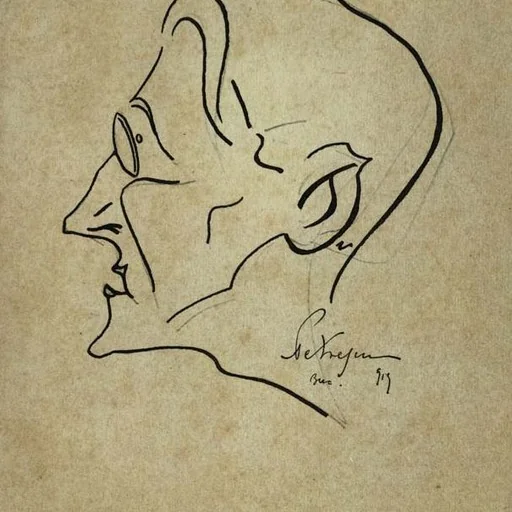
Artist
Works
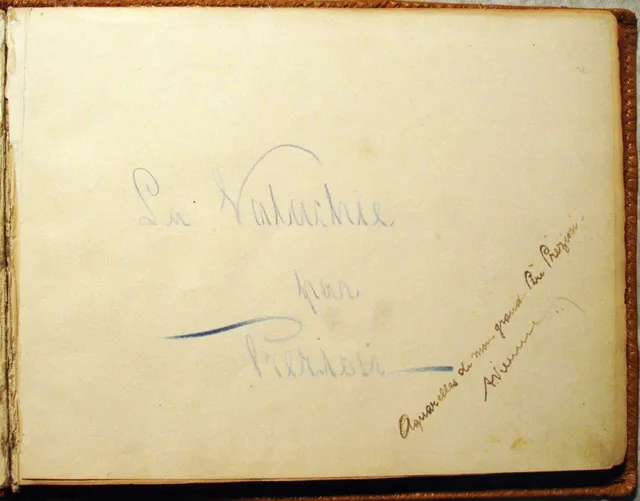
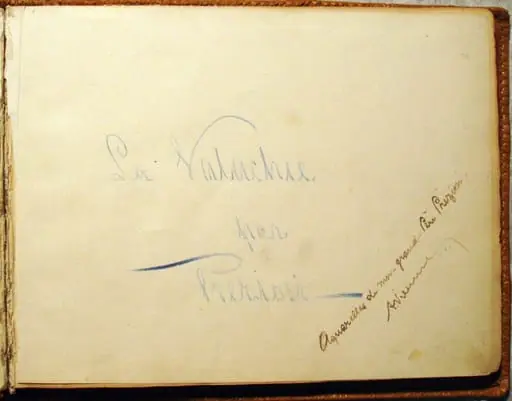 Album „La Valachie par Presiozi”
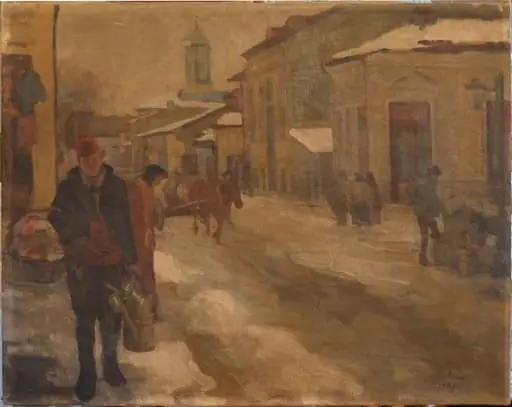 Calea Rahovei
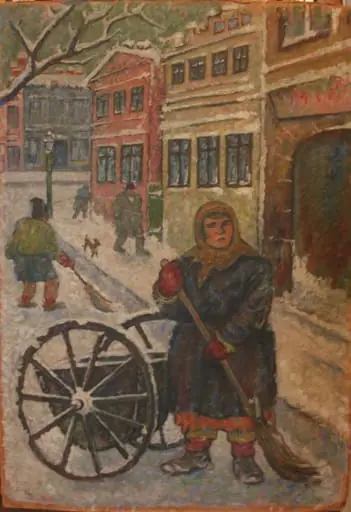 Măturător (Măturătoare)
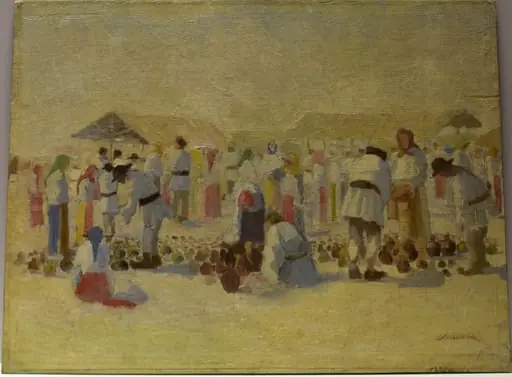 Târg la Olănești
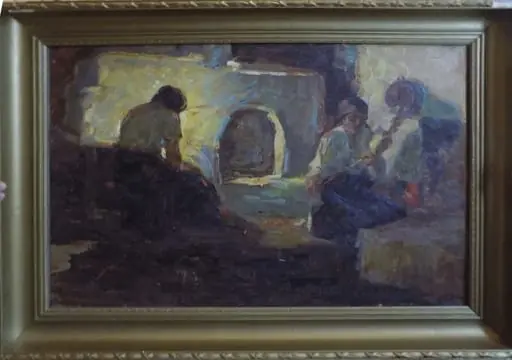 Interior de casă țărănească cu vatră
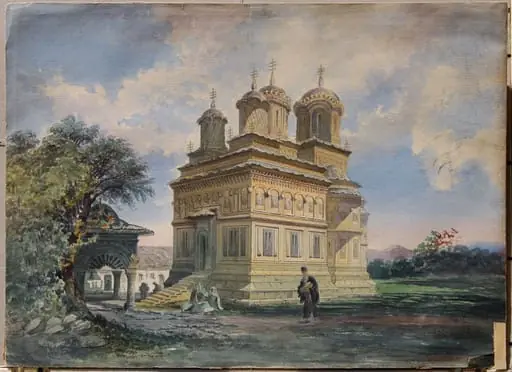 Curtea de Argeș
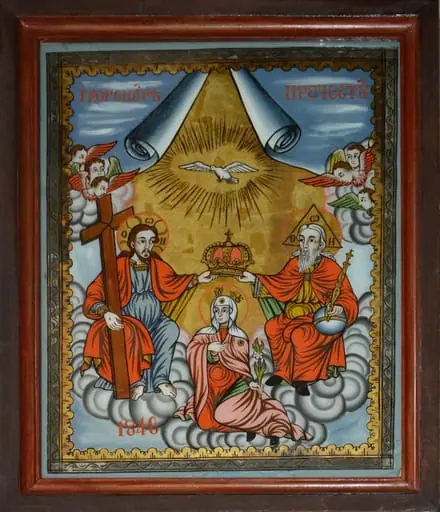 Încoronarea Fecioarei
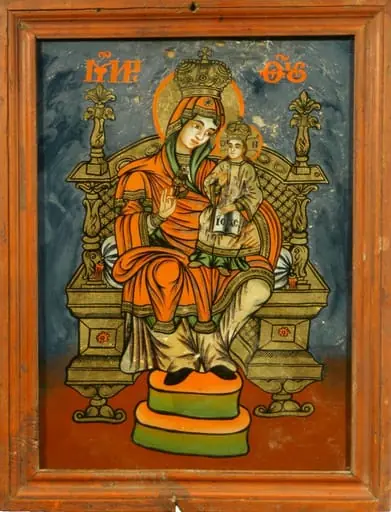 Maica Domnului cu Pruncul, floarea nevestejită
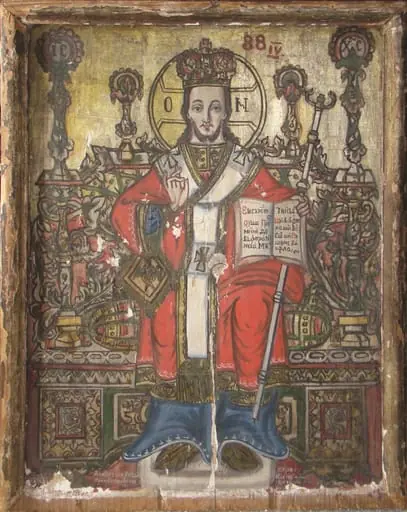 Iisus Hristos Mare Arhiereu și Învățător
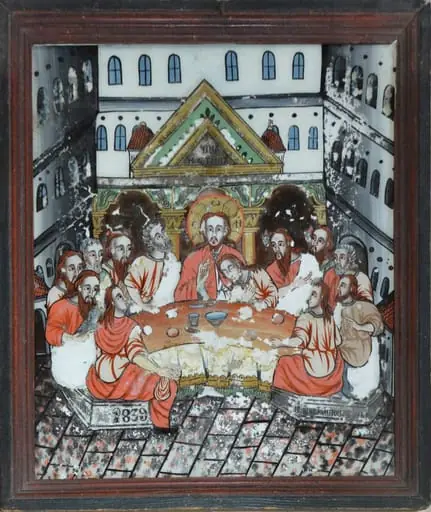 Cina cea de taină
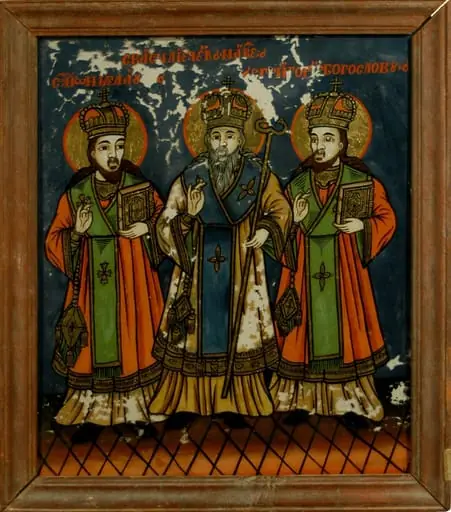 Sfinții Trei Ierarhi
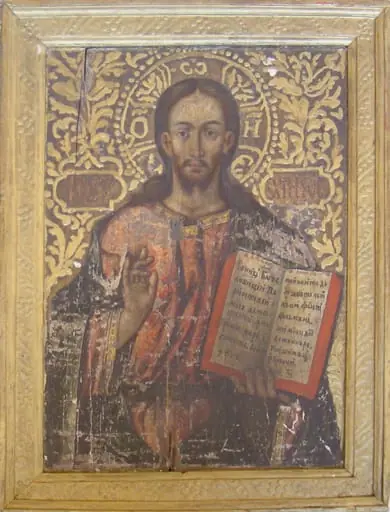 Iisus Hristos Învățător
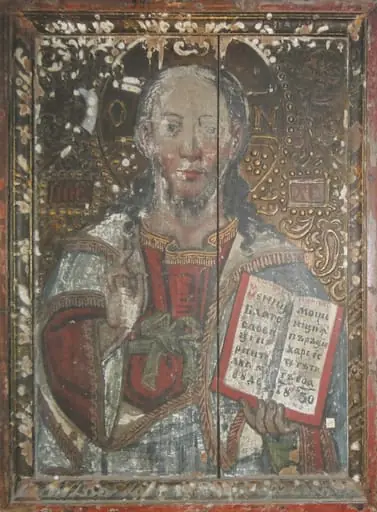 Iisus Hristos Învățător
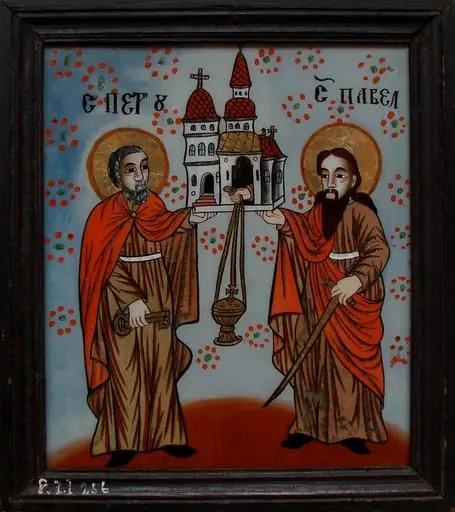 Apostolii Petru și Pavel
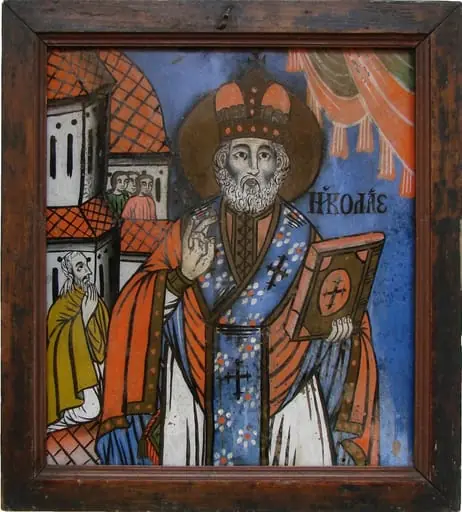 Sf. Nicolae
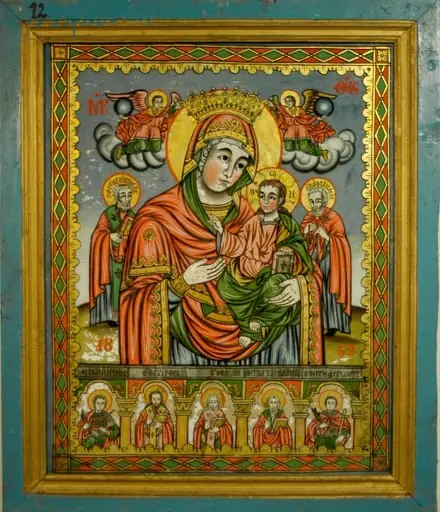 Maica Domnului cu Pruncul
 Natură statică cu păsări; pandant: Natură statică cu vânat și pește
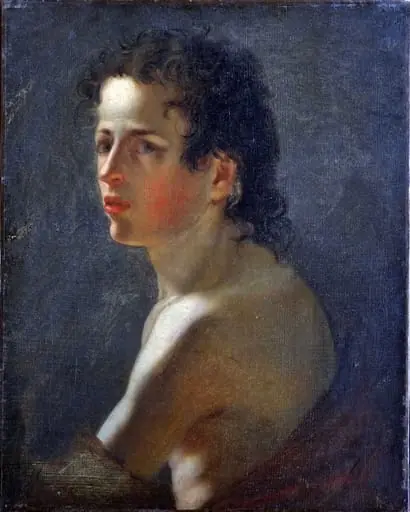 Portret de bărbat
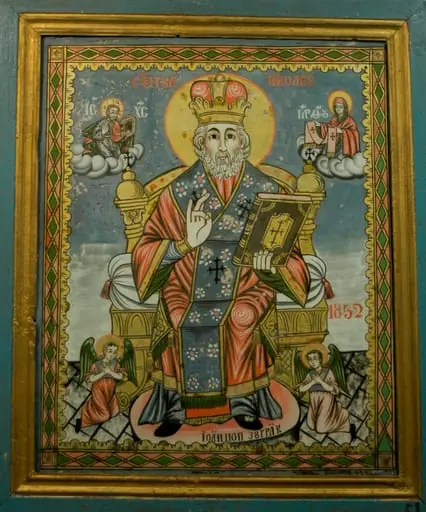 Sf. Nicolae
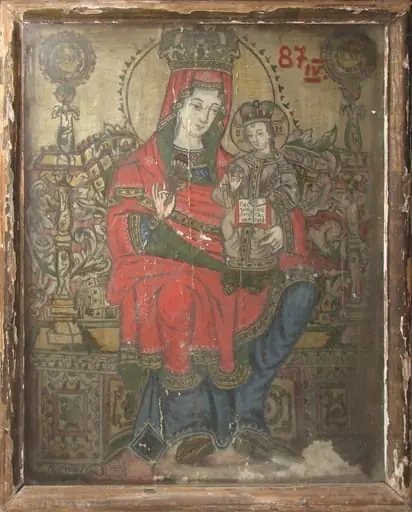 Maica Domnului cu Pruncul, floarea neveștejită
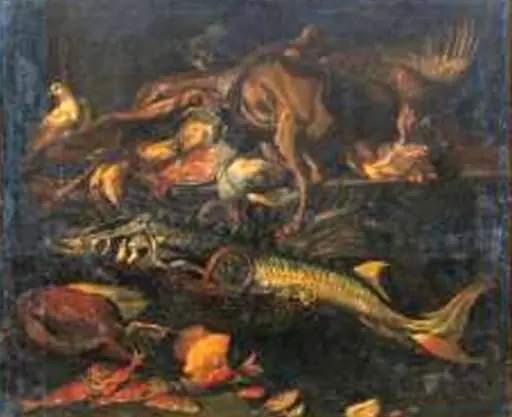 Natură statică cu vânat și pește; pandant: Natură statică cu păsări
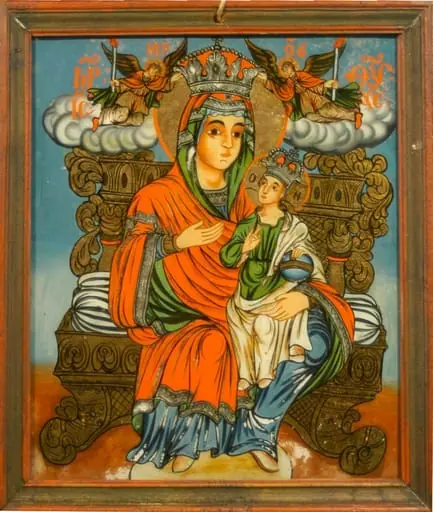 Maica Domnului cu Pruncul
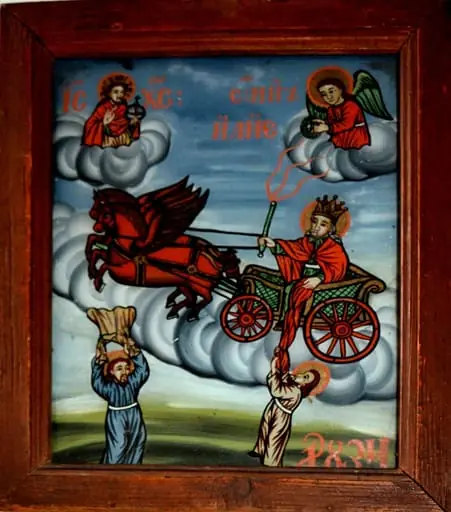 Sf. prooroc Ilie
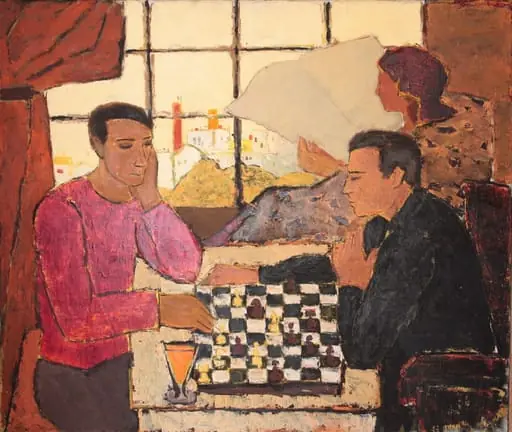 La clubul uzinei
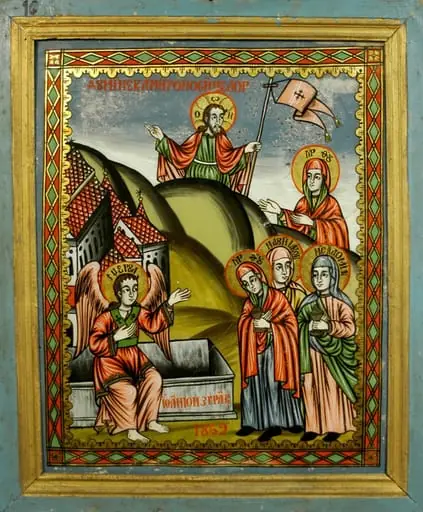 Duminica Mironosițelor
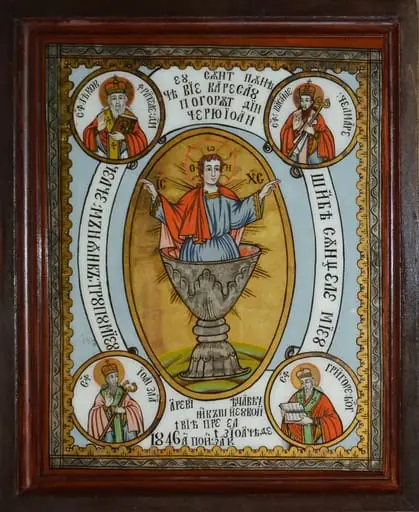 Iisus în potir
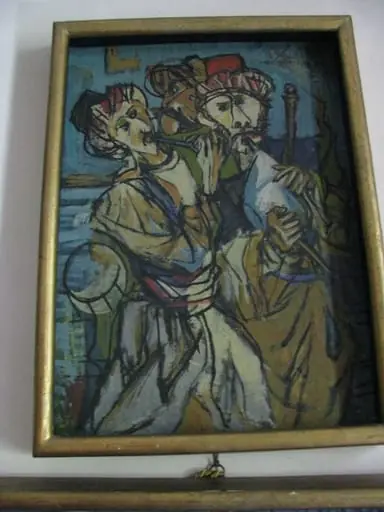 Muzicanți
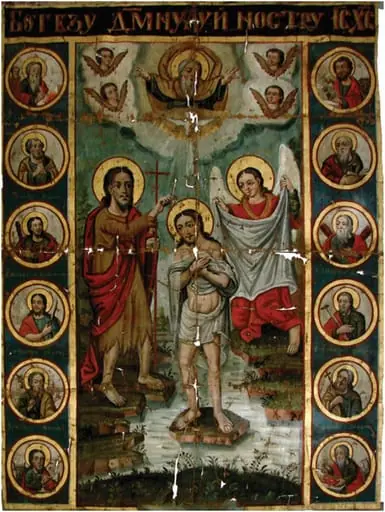 Botezul lui Iisus
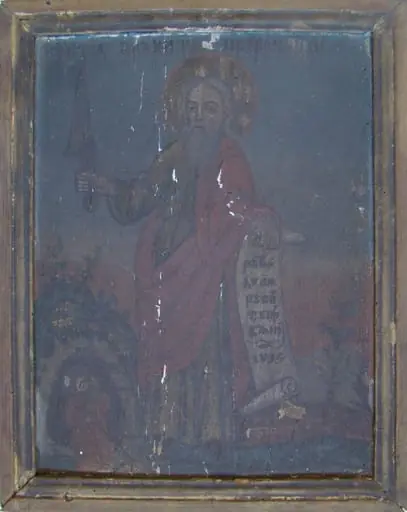 Sf. prooroc Ilie
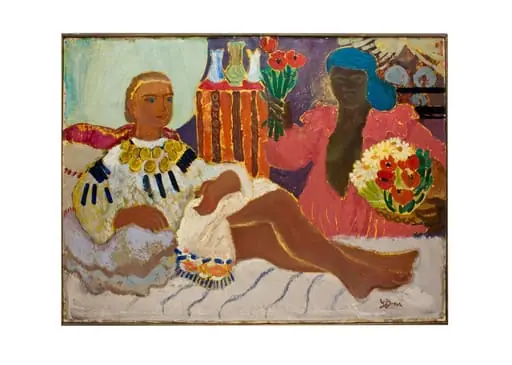 Olimpia românească
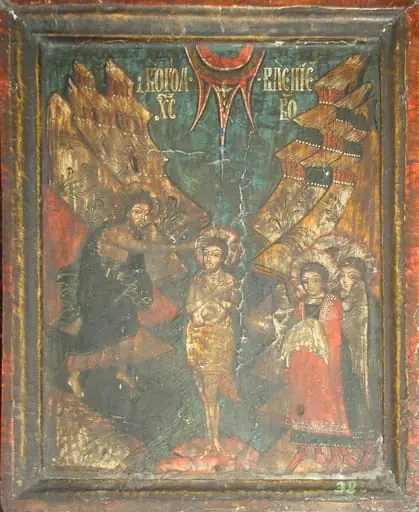 Botezul lui Iisus
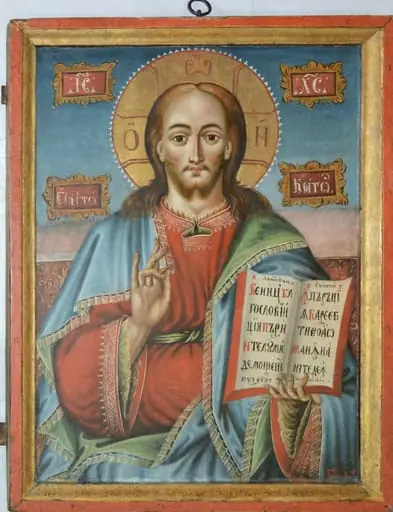 Iisus Hristos Învățător
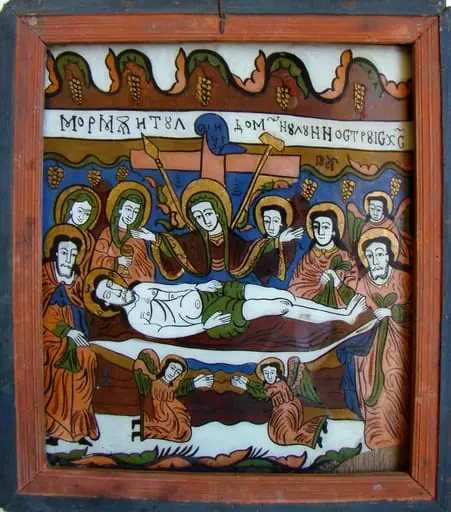 Prohodul lui Iisus
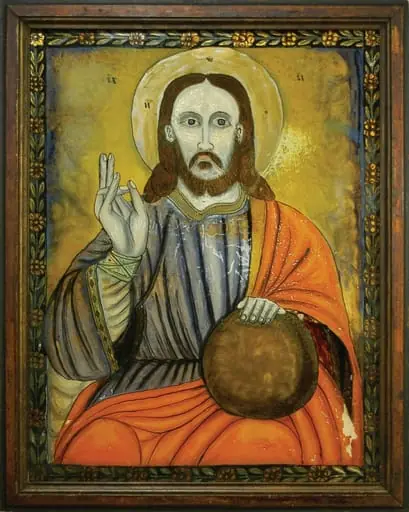 Iisus Hristos Pantocrator
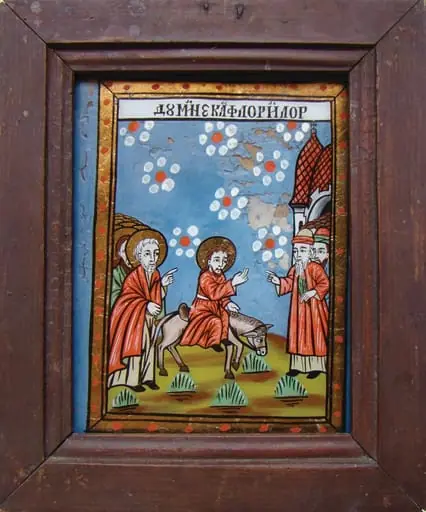 Duminica Floriilor
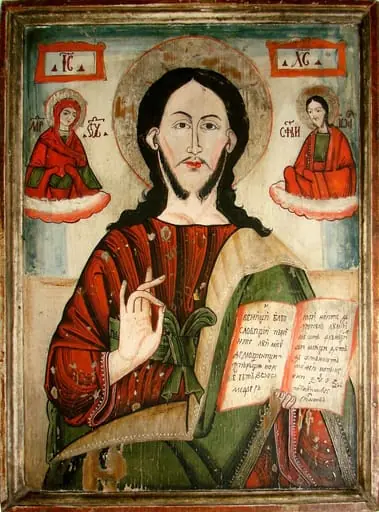 Deisis
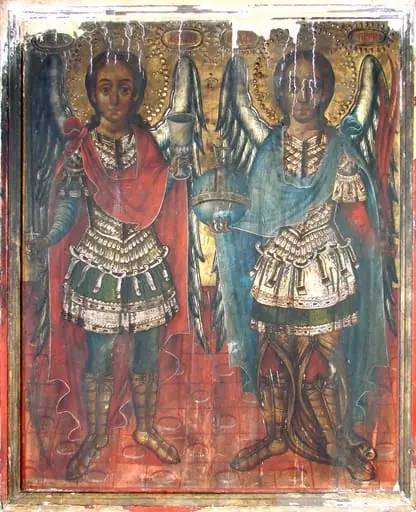 Arhanghelii Mihail și Gavriil
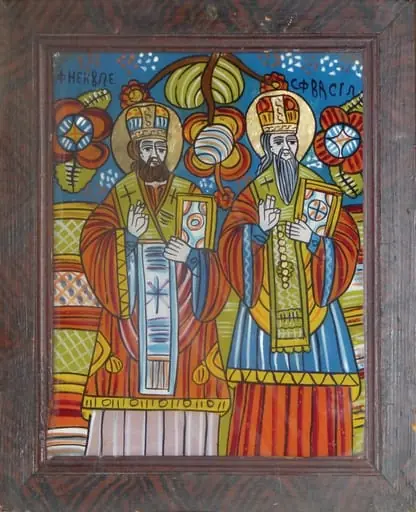 Sfinții Nicolae și Vasile cel Mare
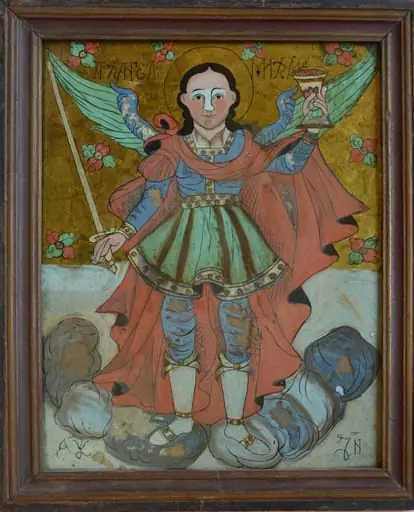 Arhanghelul Mihail
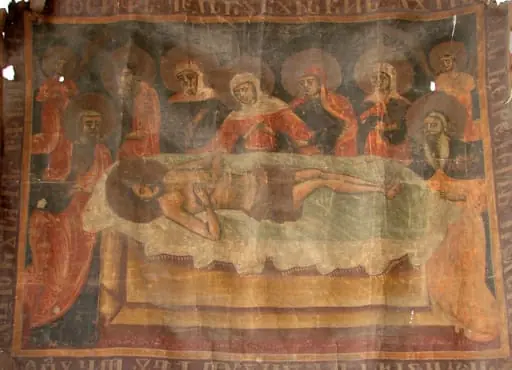 Plângerea lui Iisus
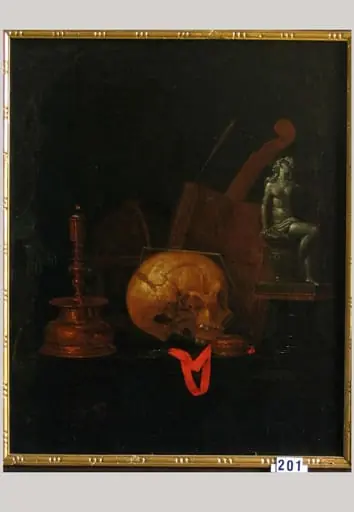 Memento mori (pandant: Deșertăciunea deșertăciunilor)
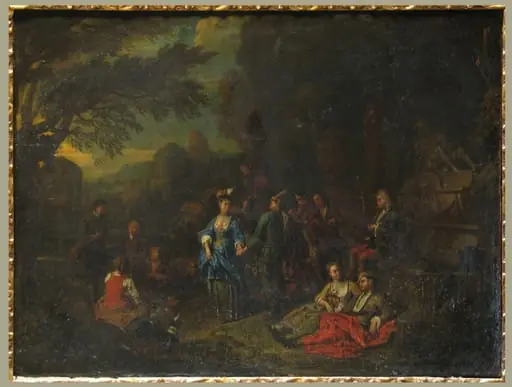 Muzică și dans (pandant: Sosirea vânătorilor)
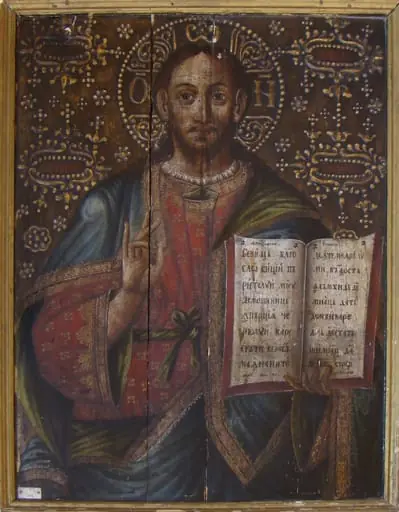 Iisus Hristos Învățător
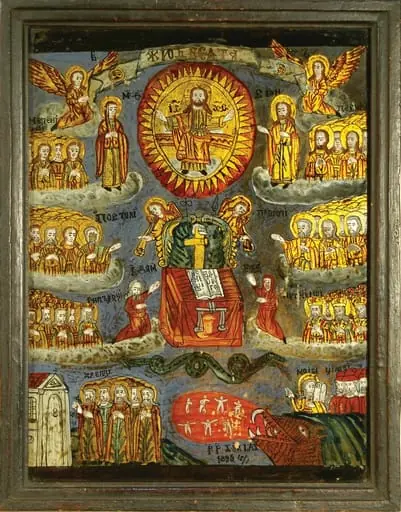 Judecata de Apoi
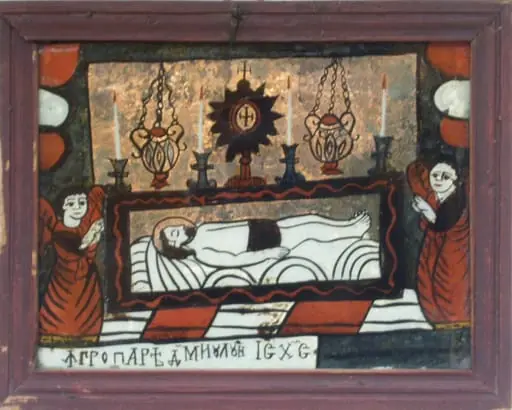 Mormântul Domnului
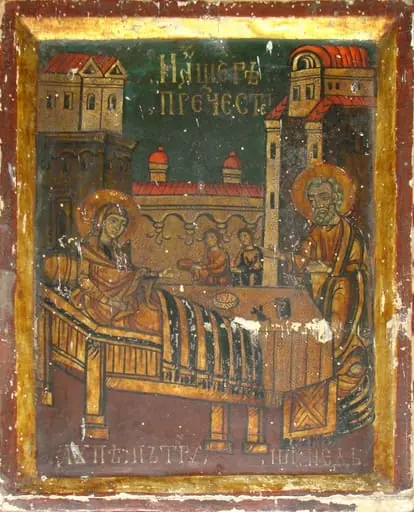 Nașterea Maicii Domnului
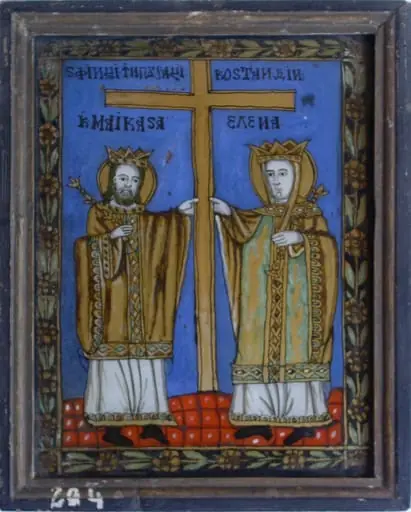 Sfinții împărați Constantin și Elena
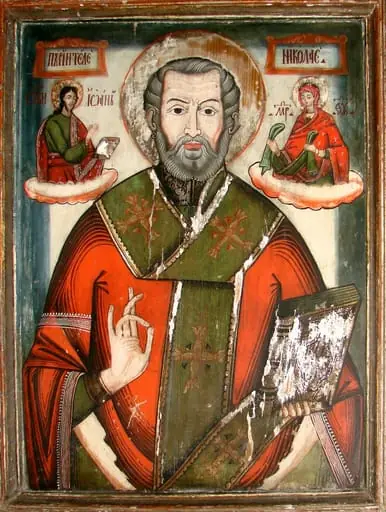 Sf. Nicolae
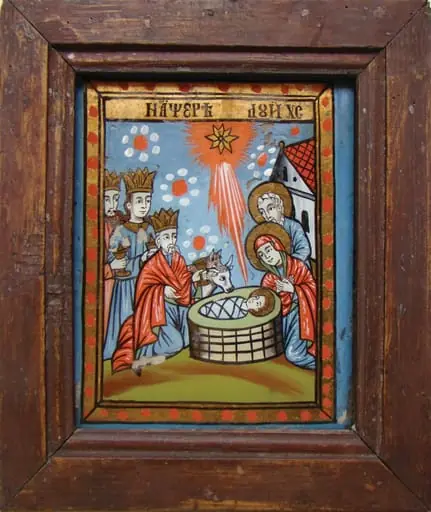 Nașterea lui Iisus
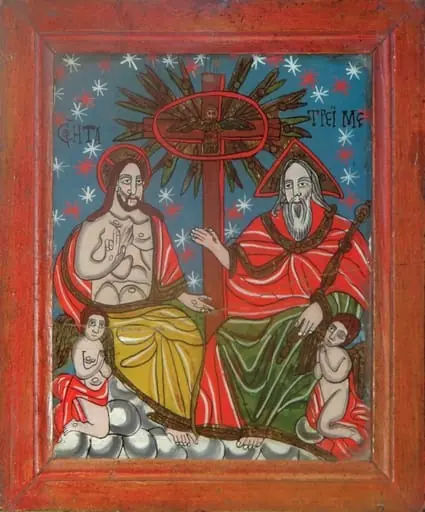 Sfânta Treime nou-testamentară
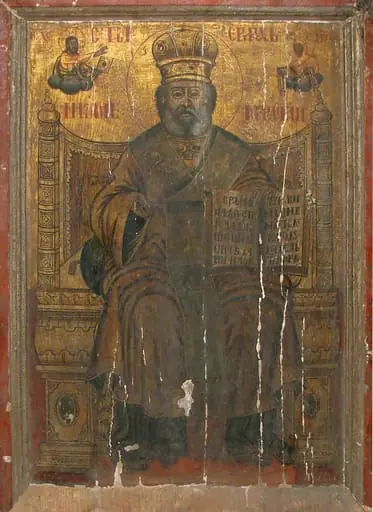 Sf. Nicolae
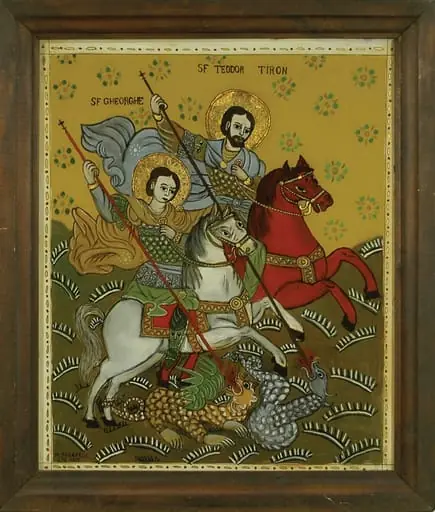 Sfinții Gheorghe și Teodor Tiron
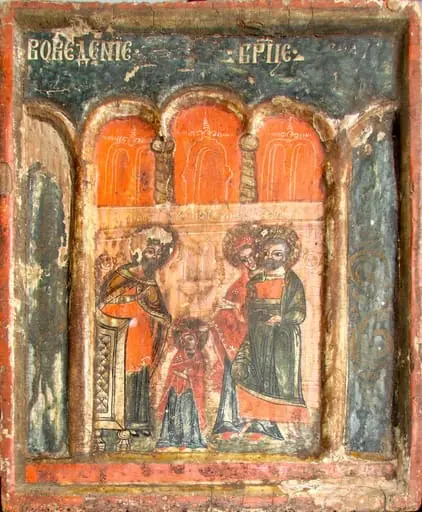 Intrarea în biserică a Maicii Domnului
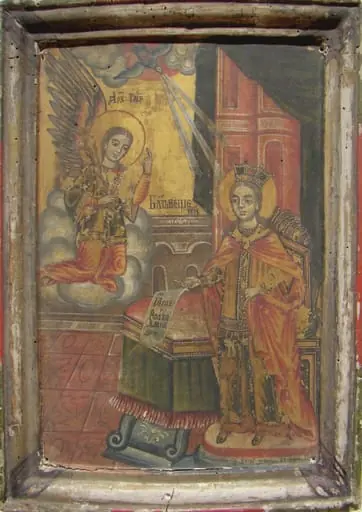 Buna Vestire
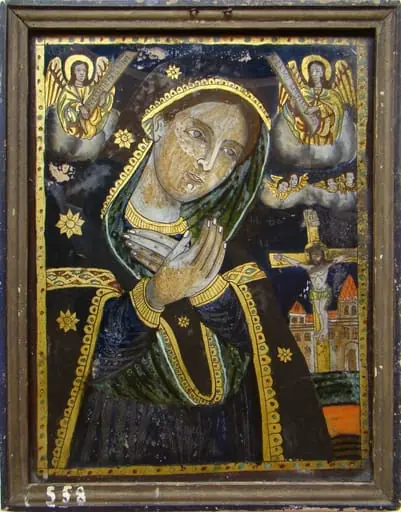 Maica Domnului îndurerată
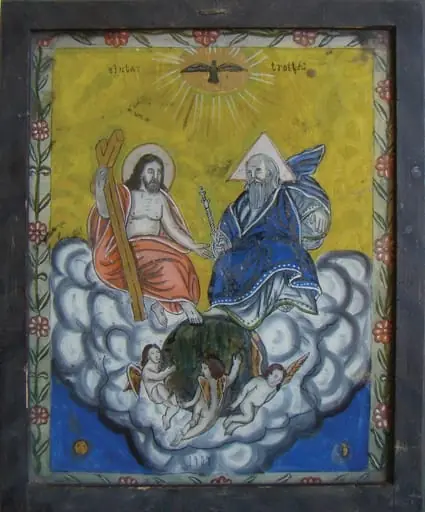 Sf. Treime nou-testamentară
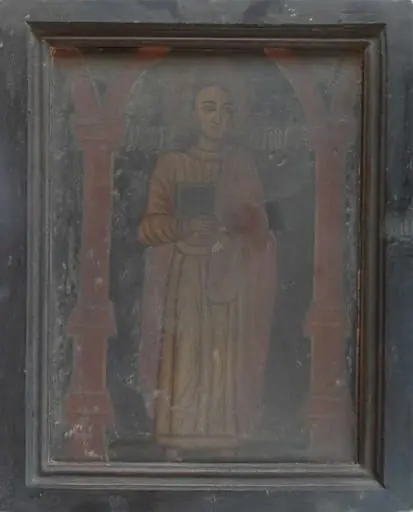 Sf. Apostol Toma
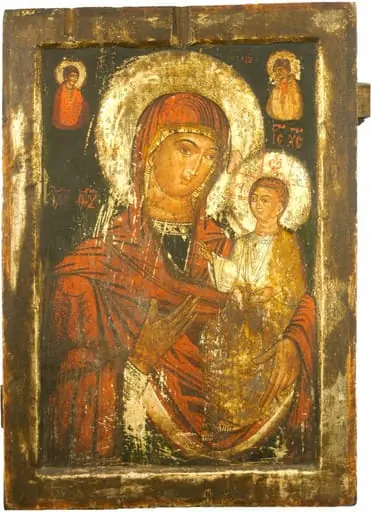 Maica Domnului cu Pruncul
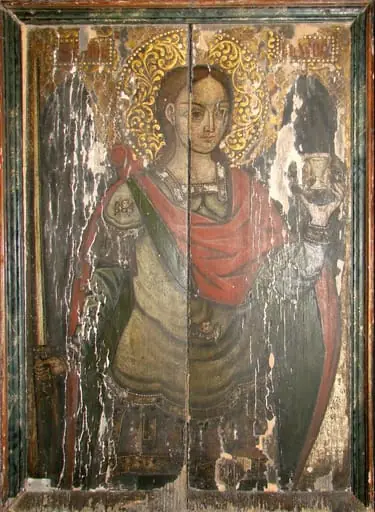 Arhanghelul Mihail
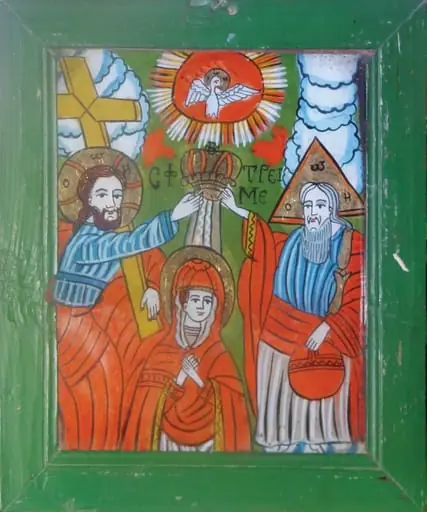 Încoronarea Fecioarei
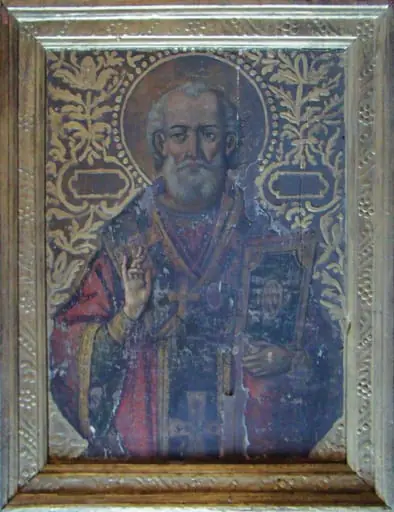 Sf. Nicolae
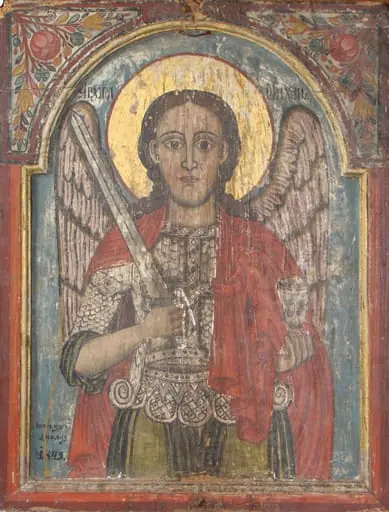 Arhanghelul Mihail
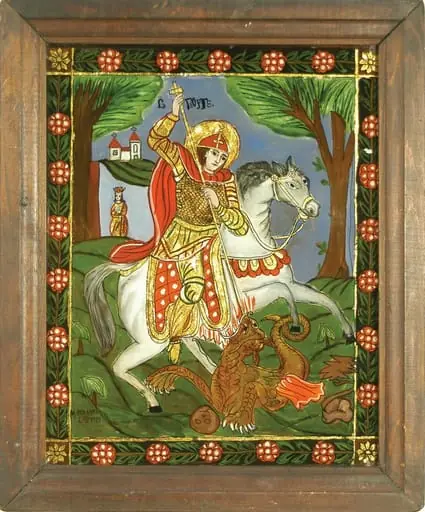 Sf. Mucenic Gheorghe, ucigând balaurul
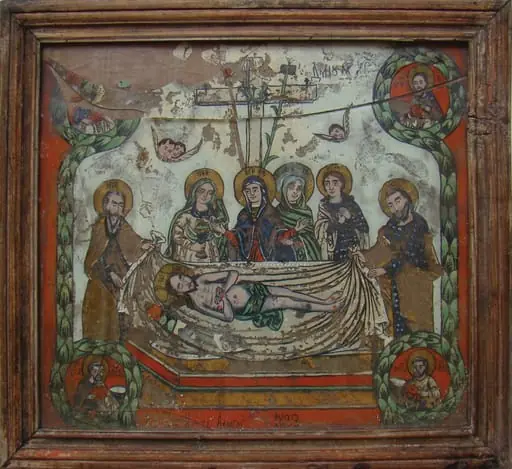 Prohodul lui Iisus
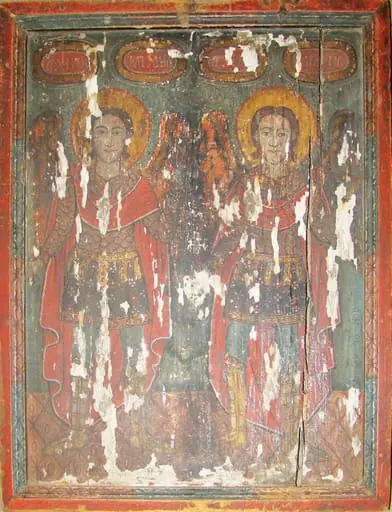 Arhanghelii Mihail și Gavriil
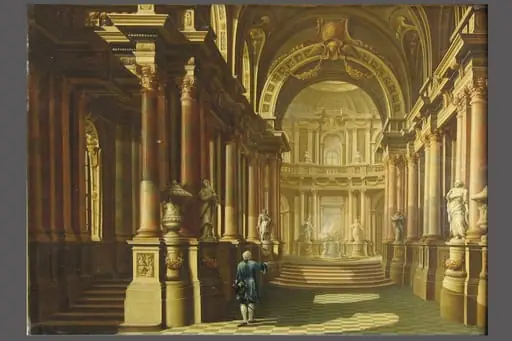 Interiorul unui templu
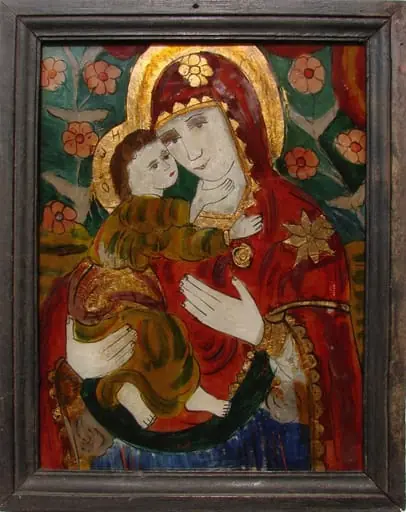 Maica Domnului cu Pruncul
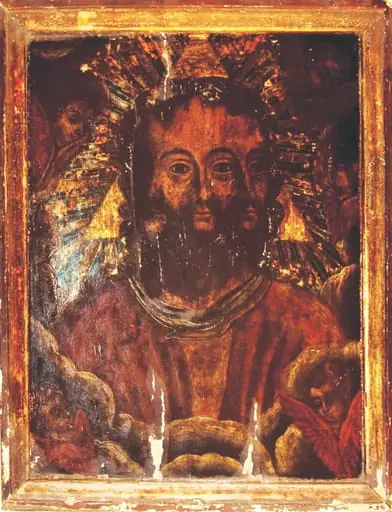 Sfânta Troiță într-un trup
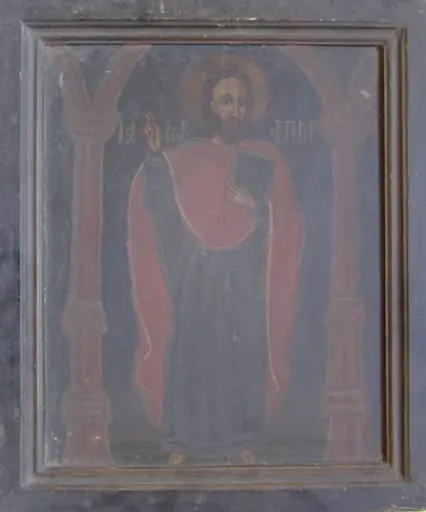 Sf. Apostol Iacov
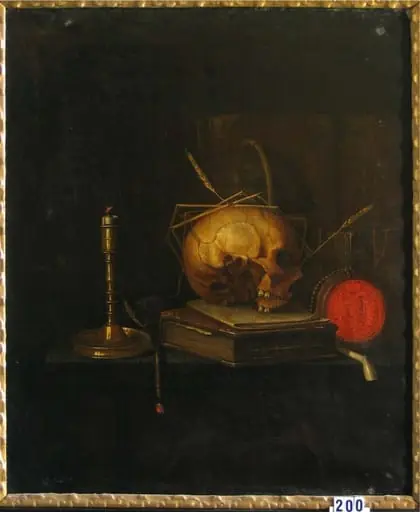 Deșertăciunea deșertăciunilor (pandant: Memento mori)
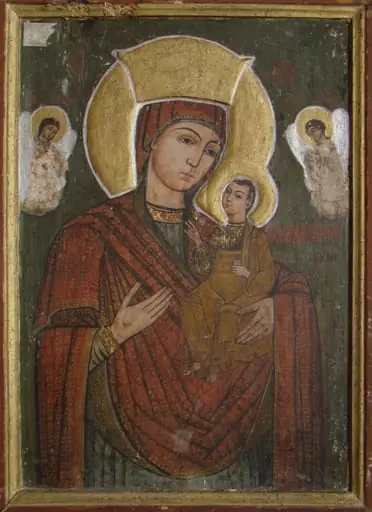 Maica Domnului cu Pruncul
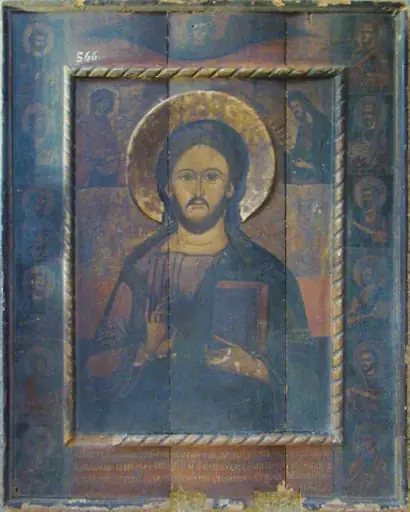 Deisis cu prooroci
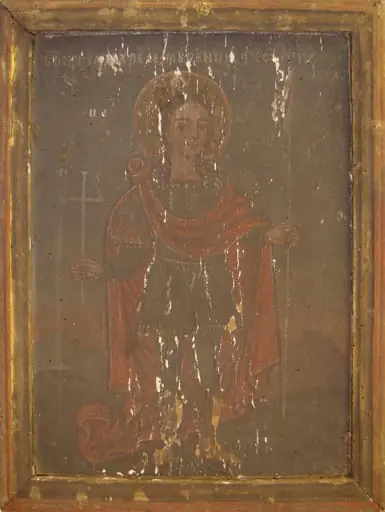 Sf. Gheorghe
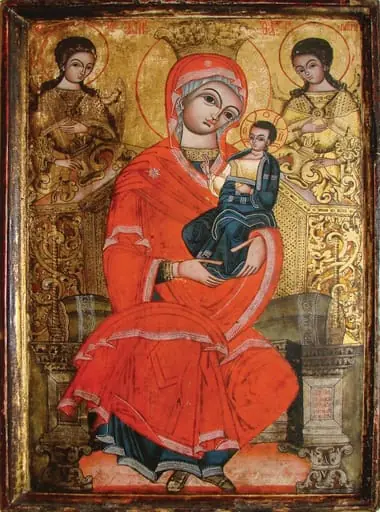 Maica Domnului cu Pruncul
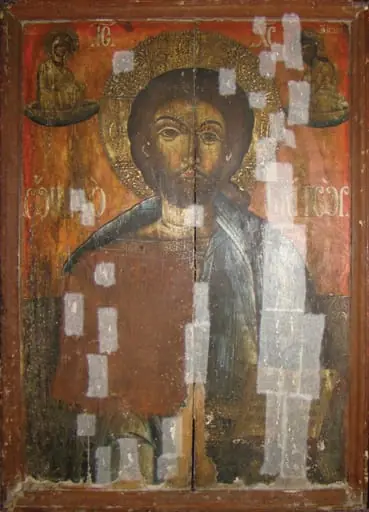 Deisis
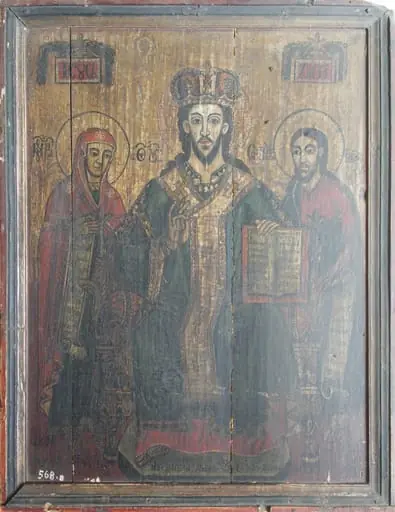 Deisis
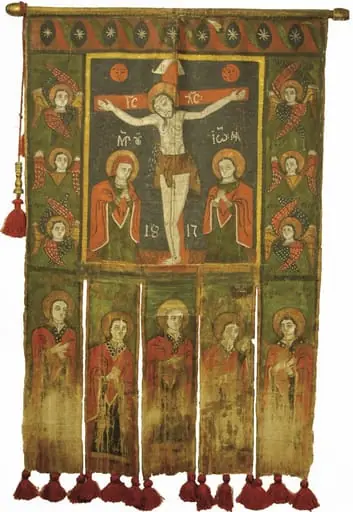 Răstignirea lui Iisus/Maica Domnului cu Pruncul
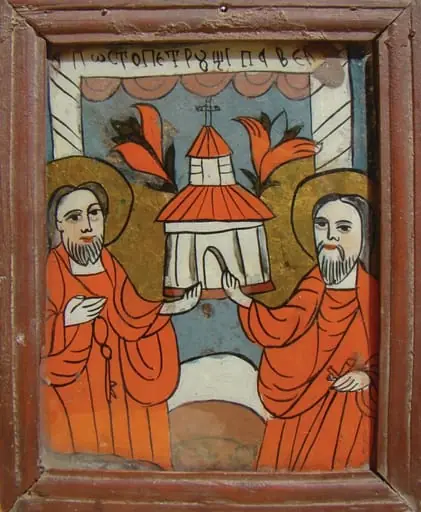 Apostolii Petru și Pavel
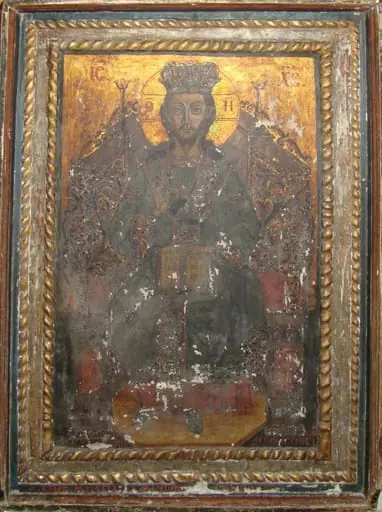 Iisus Hristos Mare Arhiereu și Învățător
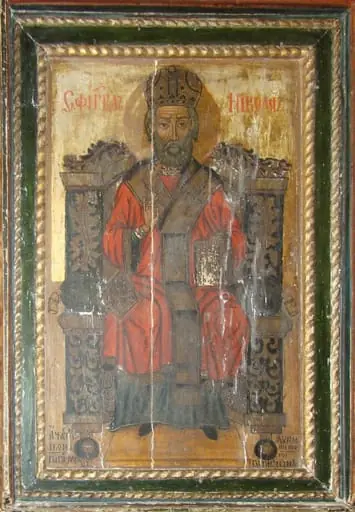 Sf. Nicolae
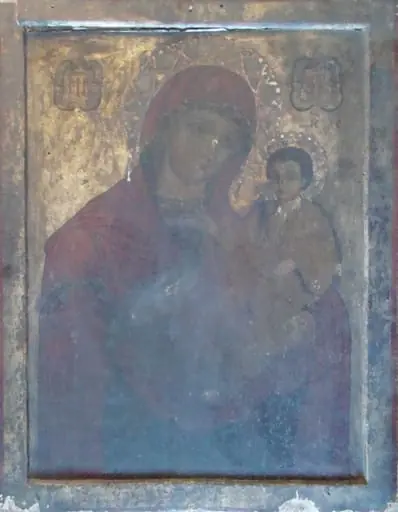 Maica Domnului cu Pruncul
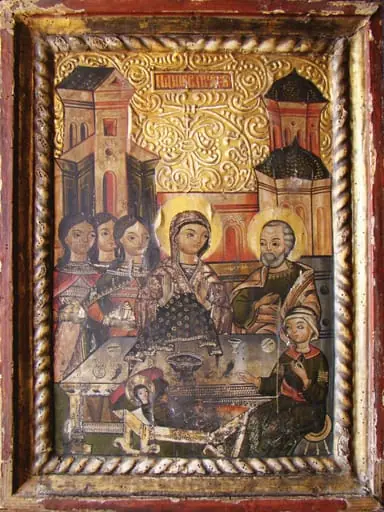 Nașterea Maicii Domnului
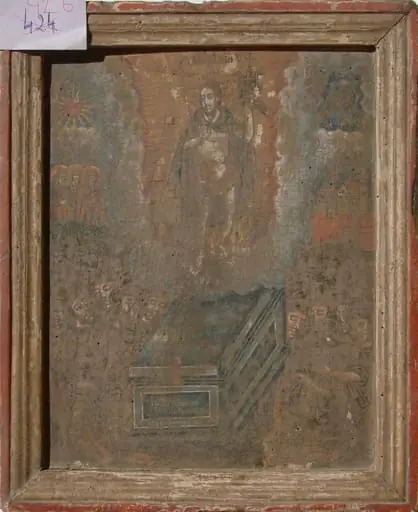 Învierea lui Iisus
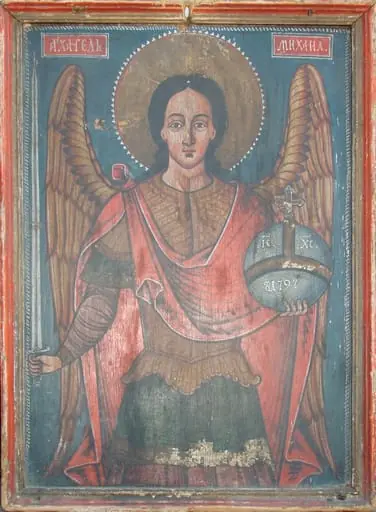 Arhanghelul Mihail
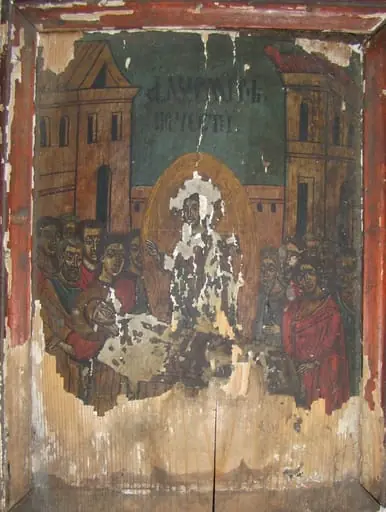 Adormirea Maicii Domnului
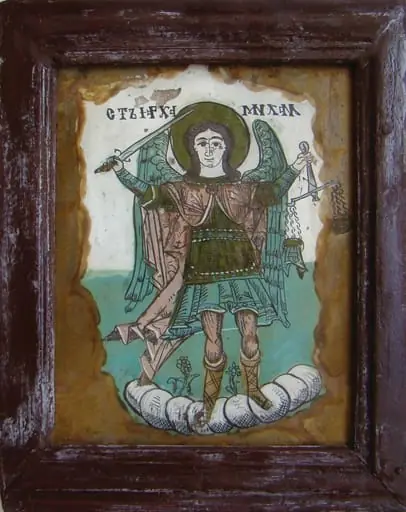 Arhanghelul Mihail
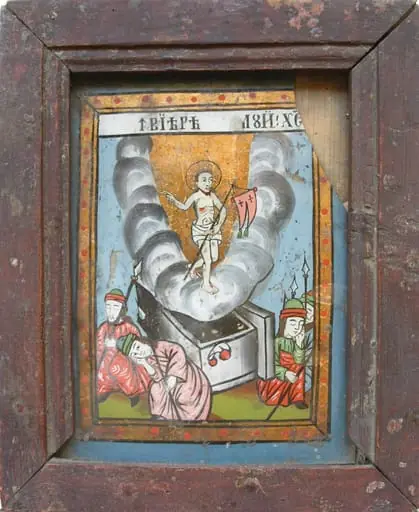 Învierea lui Iisus
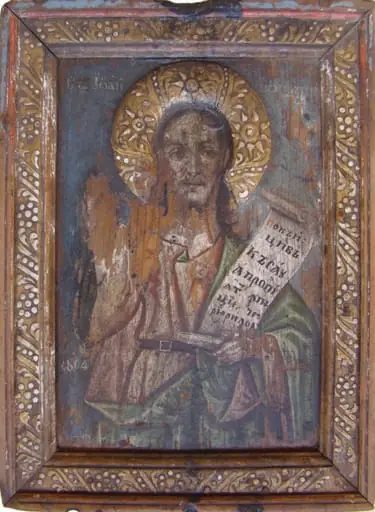 Sf. Ioan Botezătorul
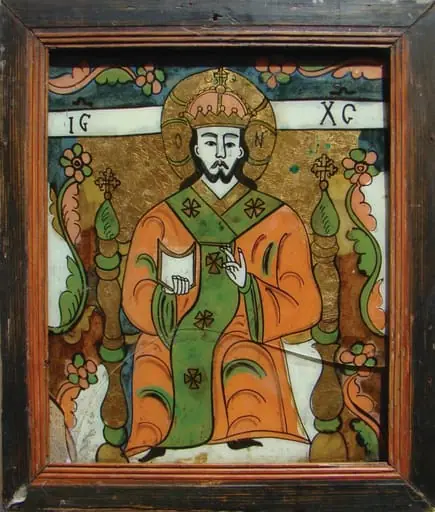 Iisus Hristos Mare Arhiereu și Învățător, tronând
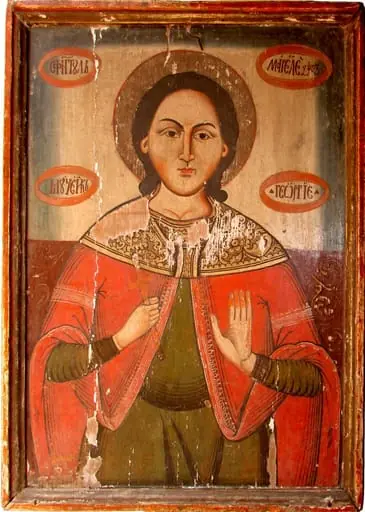 Sf. Gheorghe
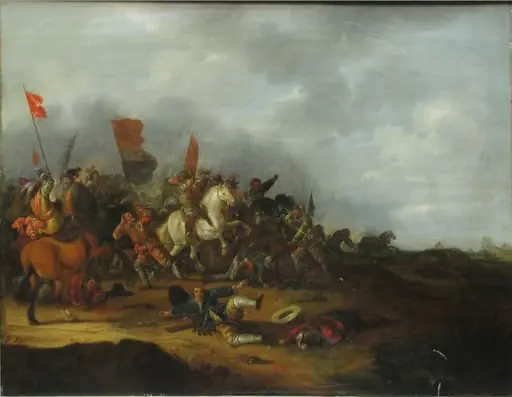 Societate veselă cu vânat (pandant: Societate cu vânat)
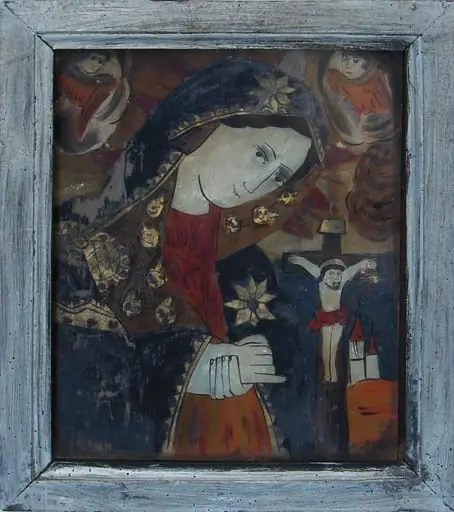 Maica Domnului îndurerată
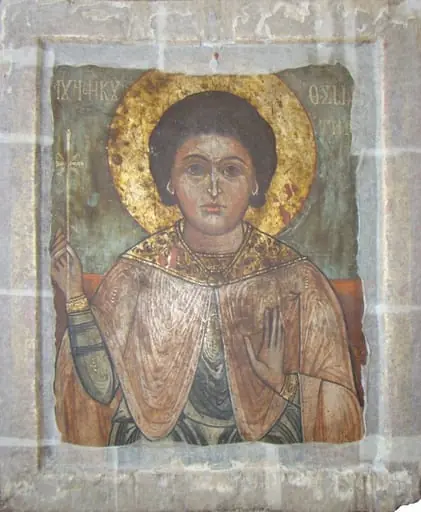 Sf. Teodor Tiron
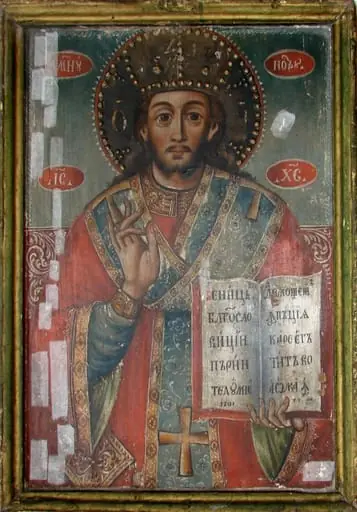 Iisus Hristos Mare Arhiereu și Învățător
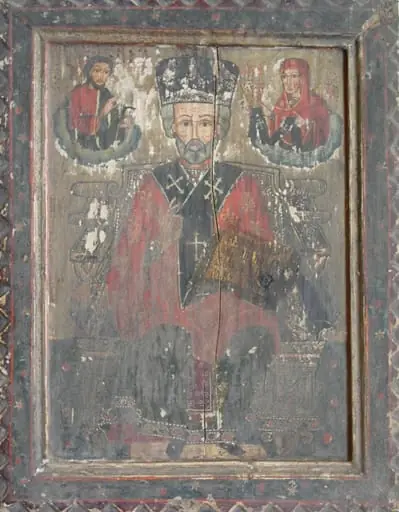 Sf. Nicolae
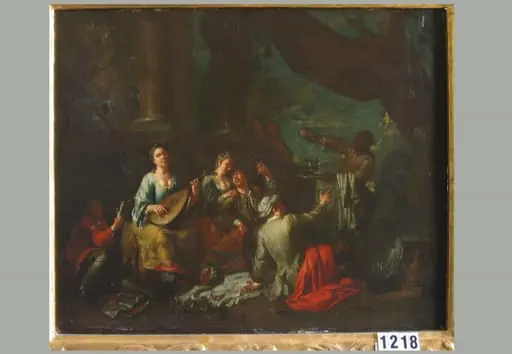 Petrecere (pandant: Petrecere cu dans)
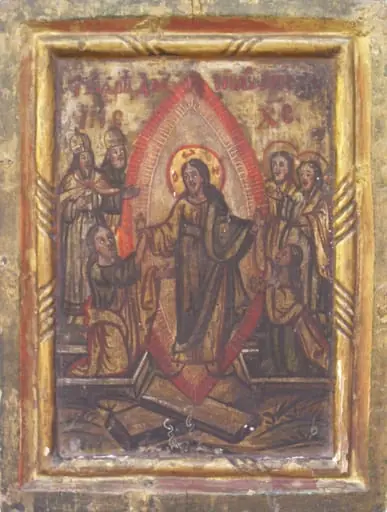 Coborârea la iad
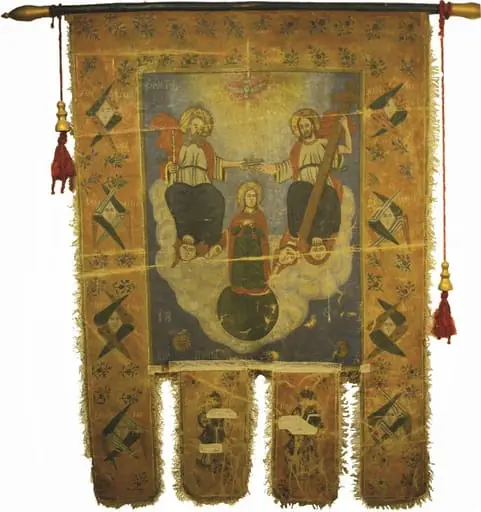 Încoronarea Fecioarei/Apostolii Petru și Pavel
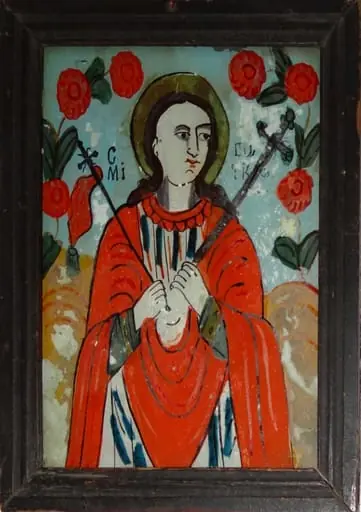 Sf. Dumitru
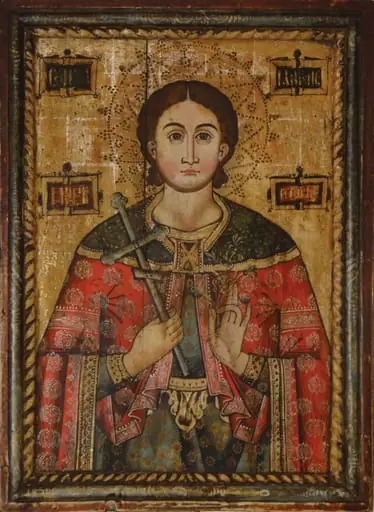 Sf. Gheorghe
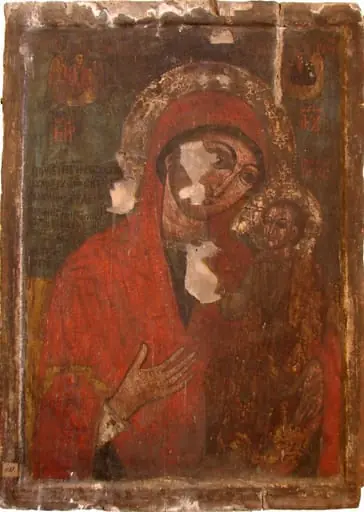 Iisus Hristos Învățător, flancat de apostoli
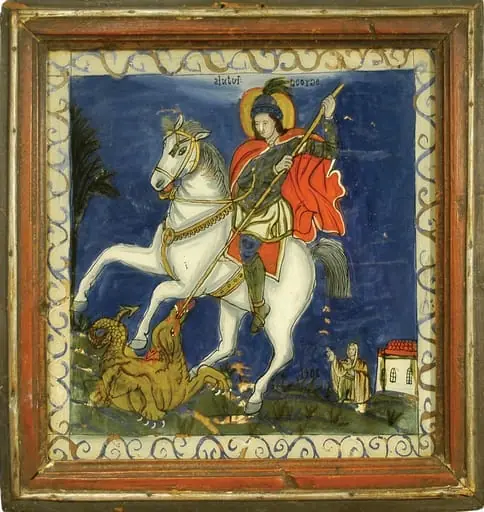 Sf. Mucenic Gheorghe, ucigând balaurul
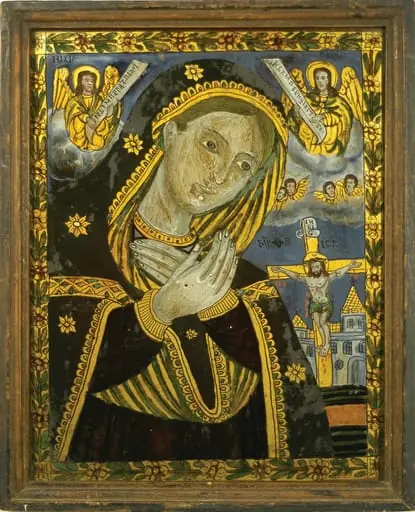 Maica Domnului îndurerată
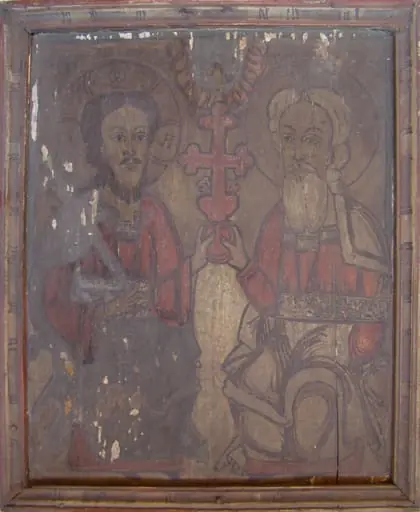 Sf. Treime nou-testamentară
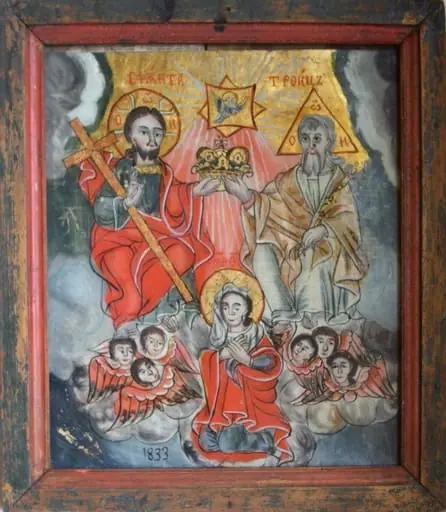 Încoronarea Fecioarei
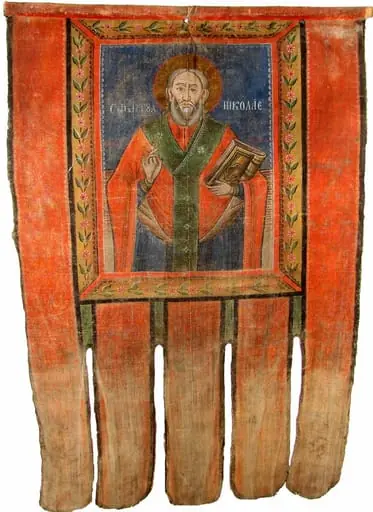 Arhanghelii Mihail și Gavriil
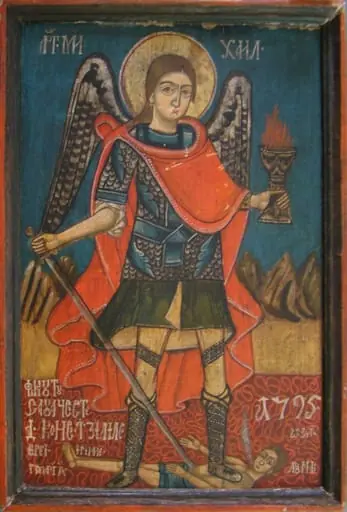 Arhanghelul Mihail
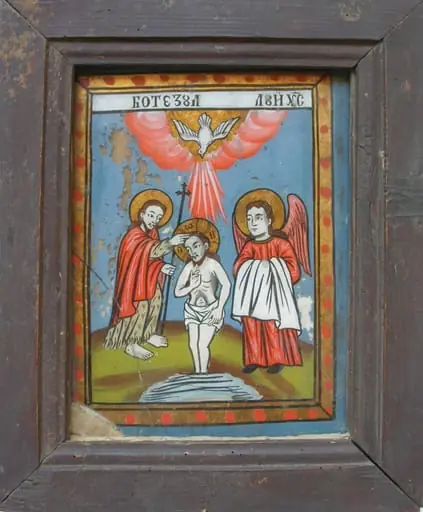 Botezul lui Iisus
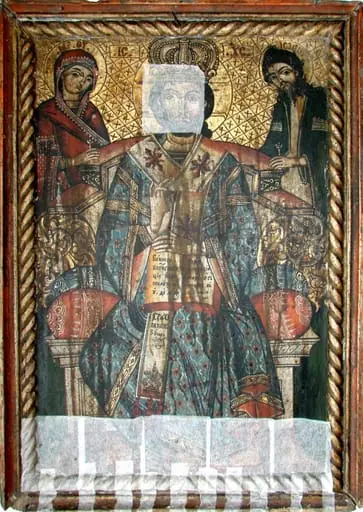 Deisis
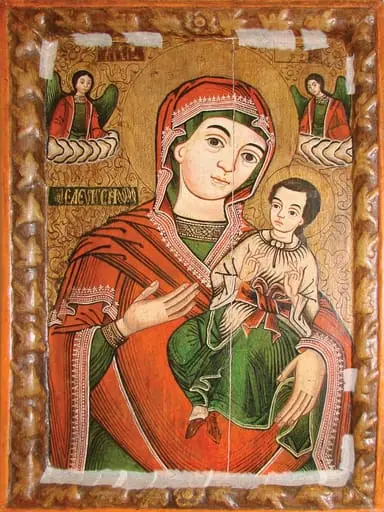 Maica Domnului cu Pruncul
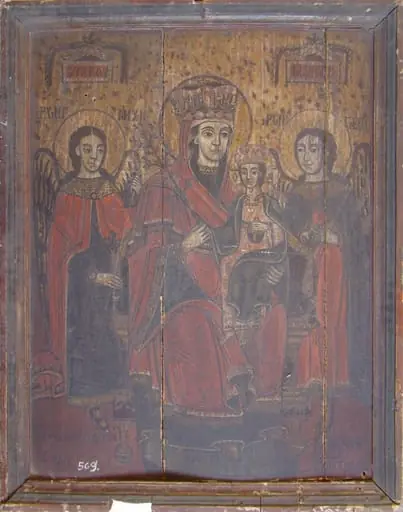 Maica Domnului cu Pruncul
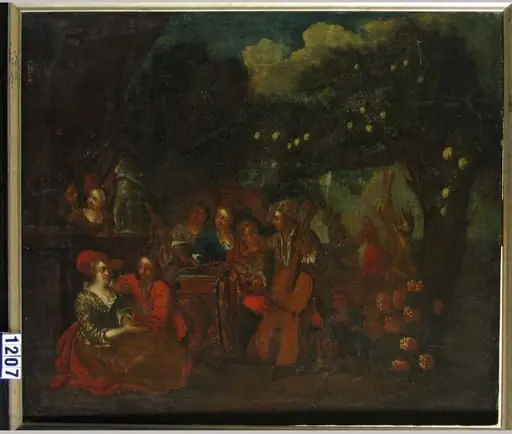 Societate cu vânat (pandant: Societate veselă cu vânat)
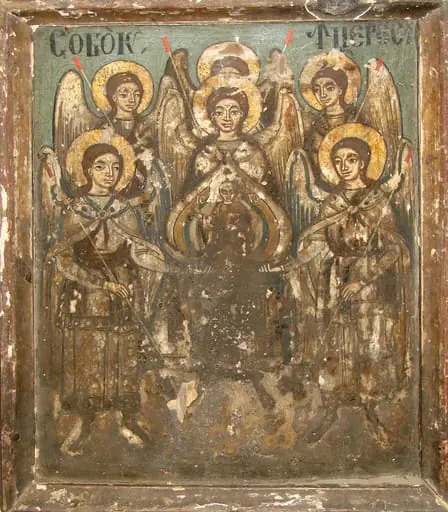 Soborul Arhanghelilor
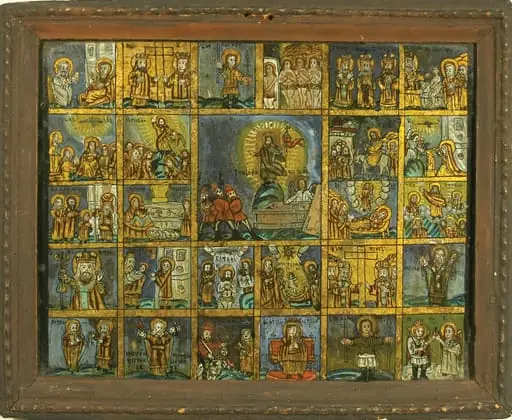 Învierea lui Iisus, cu 26 scene de praznic
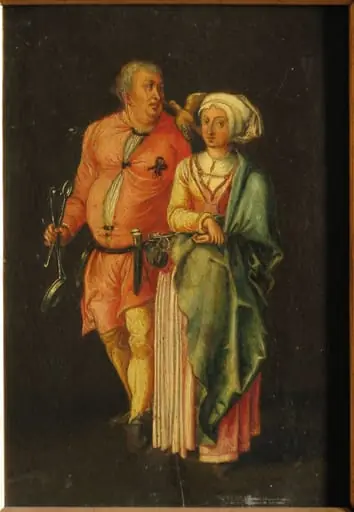 Bucătarul și soția sa
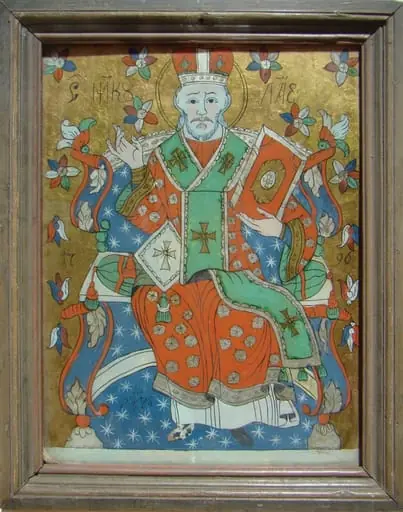 Sf. Nicolae
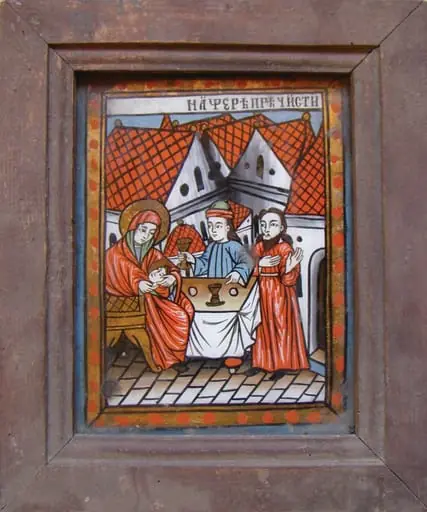 Nașterea Maicii Domnului
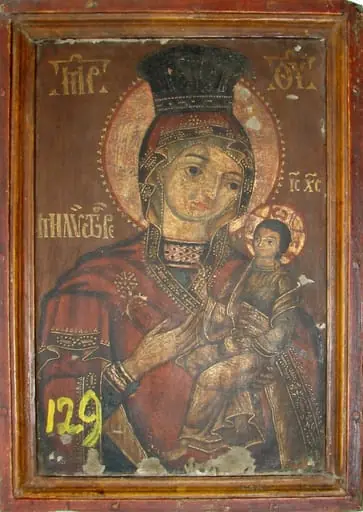 Maica Domnului cu Pruncul
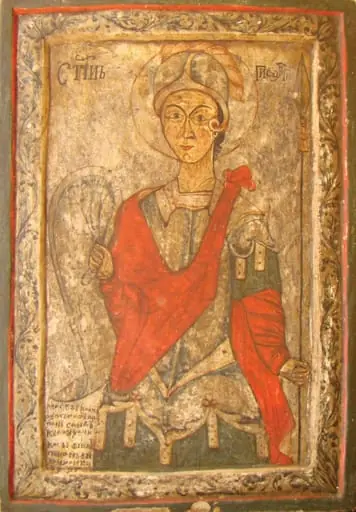 Sf. Gheorghe
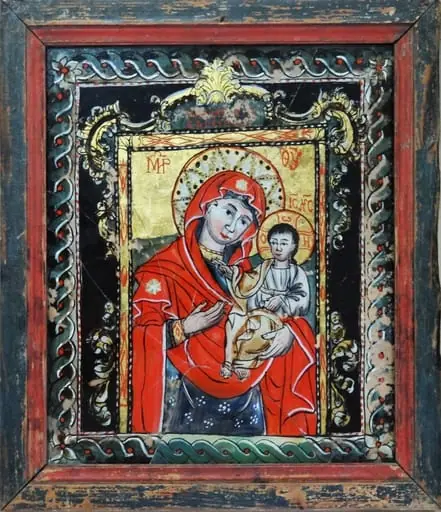 Maica Domnului cu Pruncul
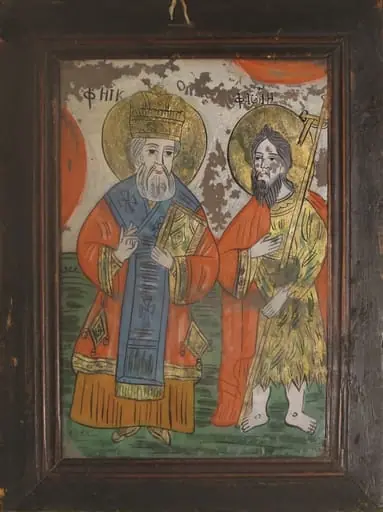 Sfinții Nicolae și Ioan Botezătorul
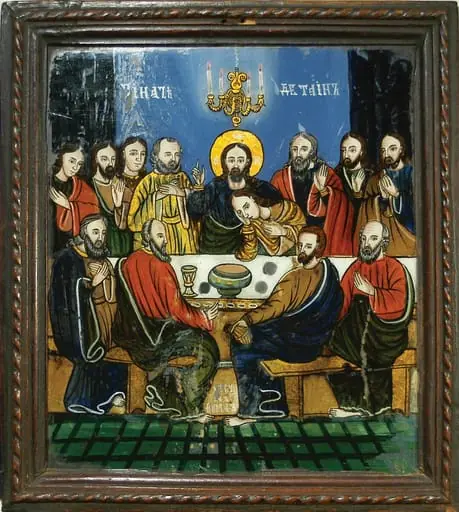 Cina cea de taină
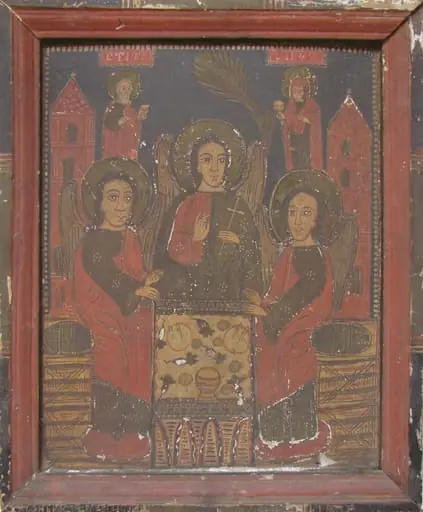 Cina de la Mamvri
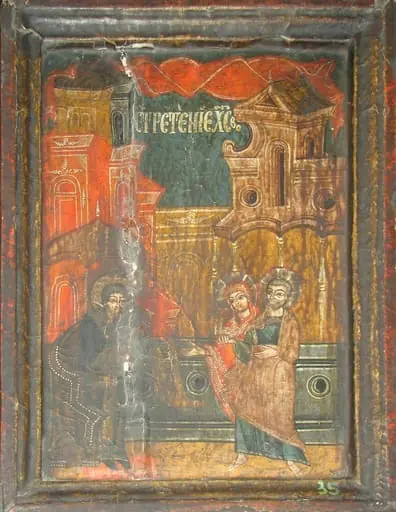 Întâmpinarea Domnului
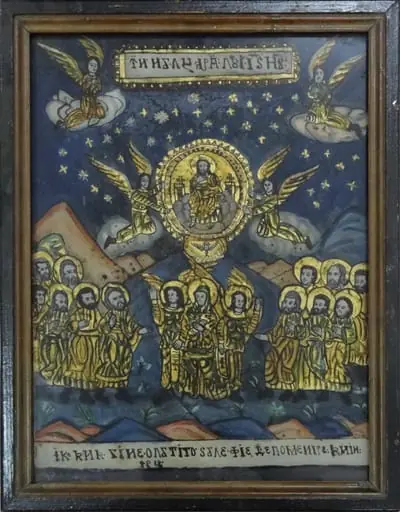 Înălțarea lui Iisus
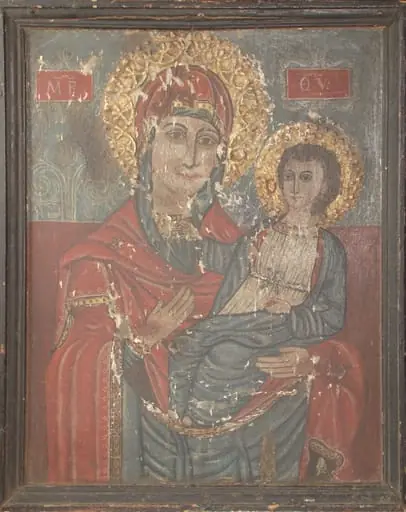 Maica Domnului cu Pruncul
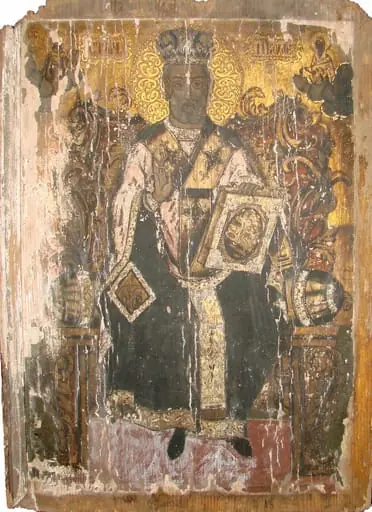 Sf. Nicolae
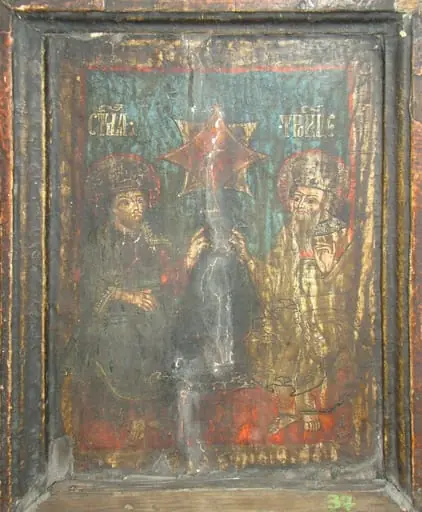 Sfânta Treime nou-testamentară
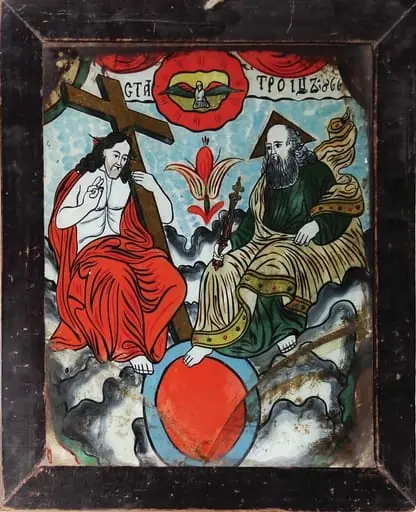 Sfânta Treime nou-testamentară
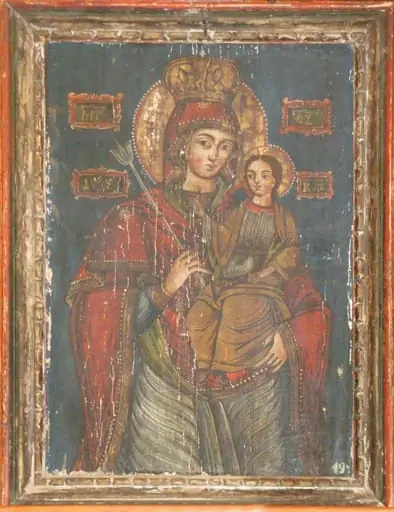 Maica Domnului cu Pruncul
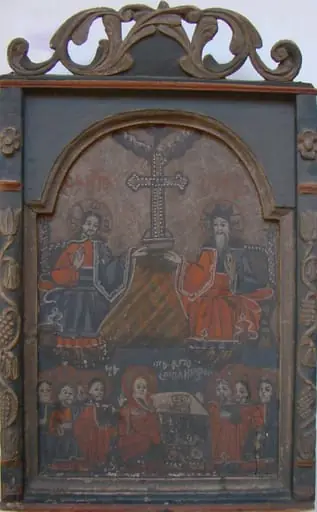 Sf. Treime și Ceata apostolilor
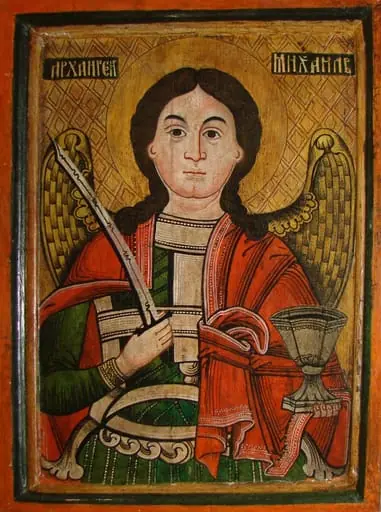 Arhanghelul Mihail
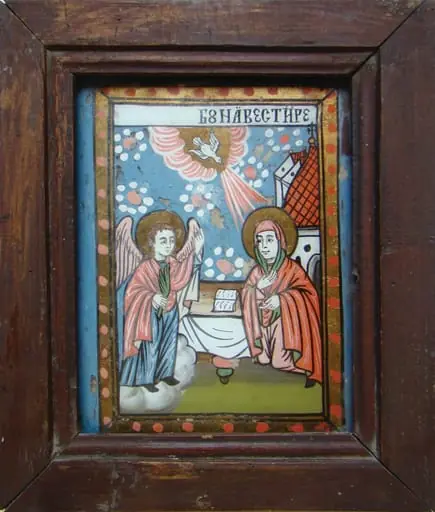 Buna Vestire
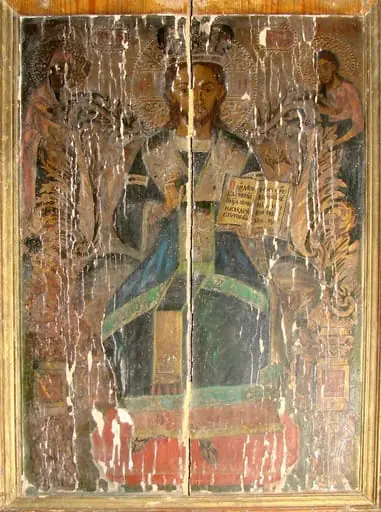 Deisis
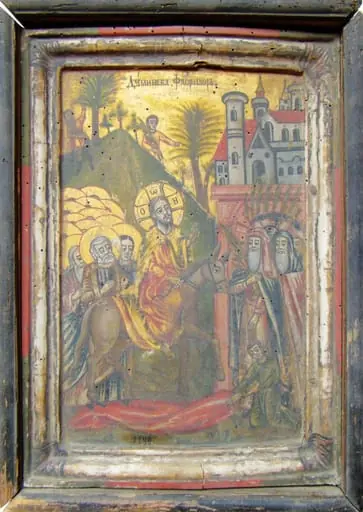 Duminica Floriilor
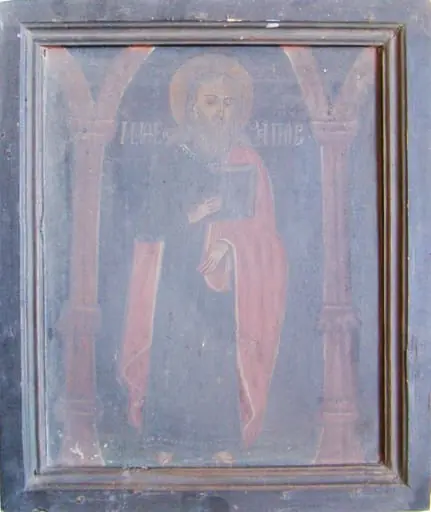 Sf. Apostol Matei
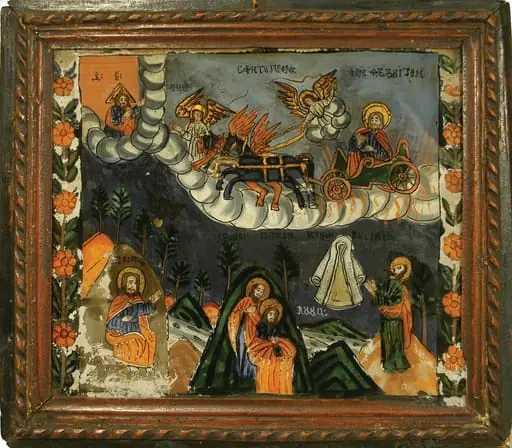 Răpirea la cer a Sfântului Ilie
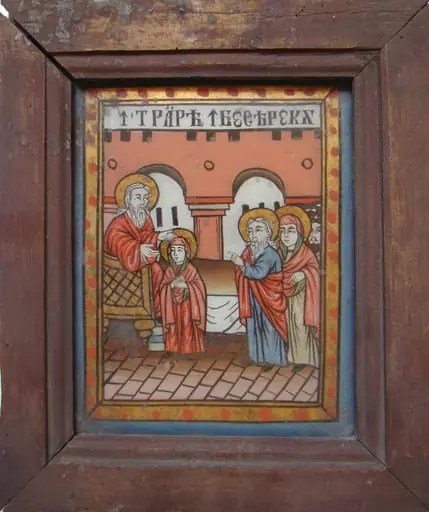 Intrarea în biserică a Maicii Domnului
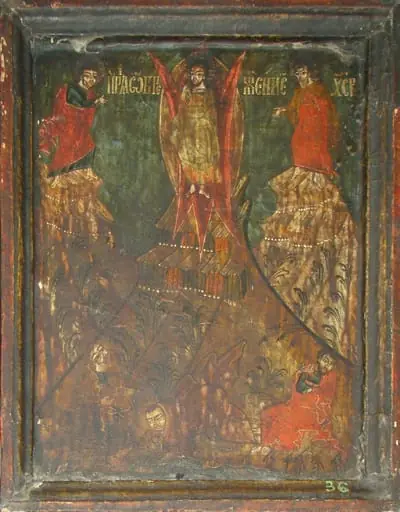 Schimbarea la față
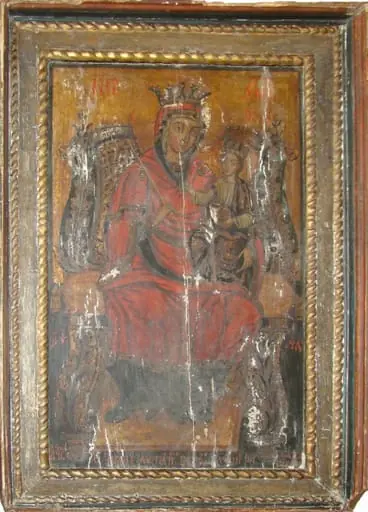 Maica Domnului cu Pruncul
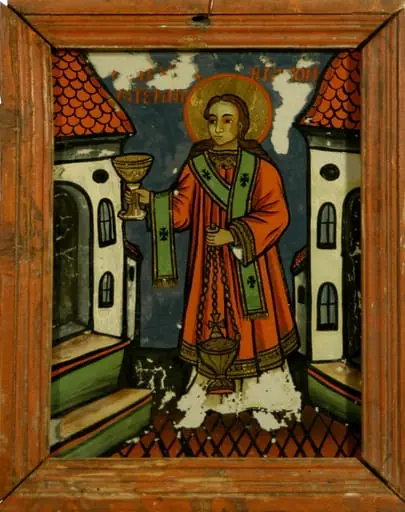 Sf. Arhidiacon Ștefan
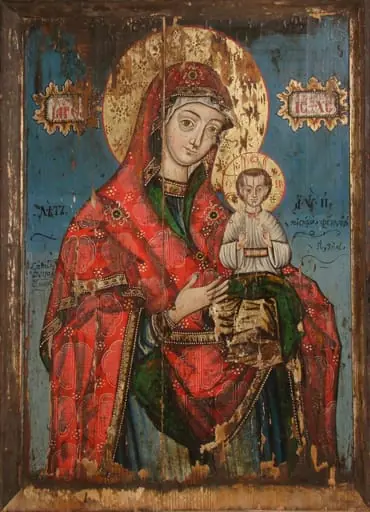 Maica Domnului cu Pruncul
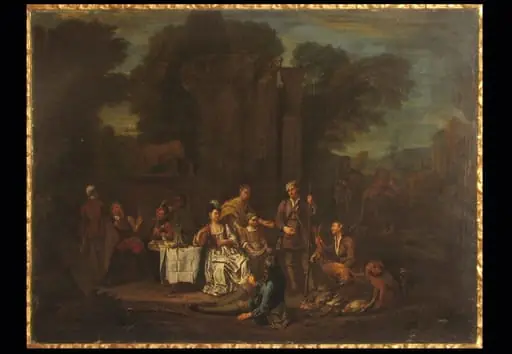 Sosirea vânătorilor (pandant: Muzică și dans)
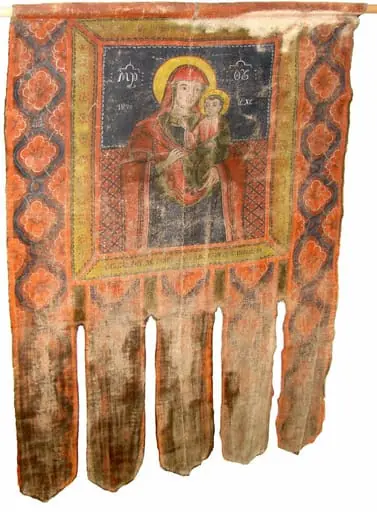 Arhanghelii Mihail și Gavriil
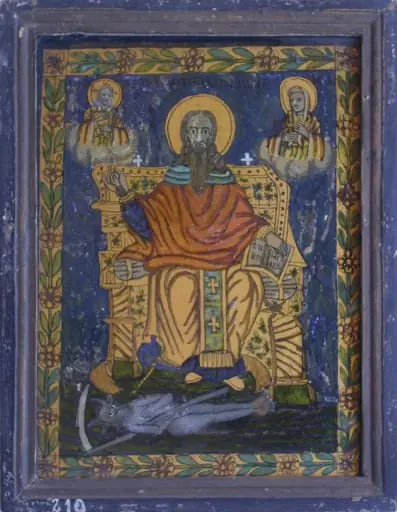 Sf. Haralambie
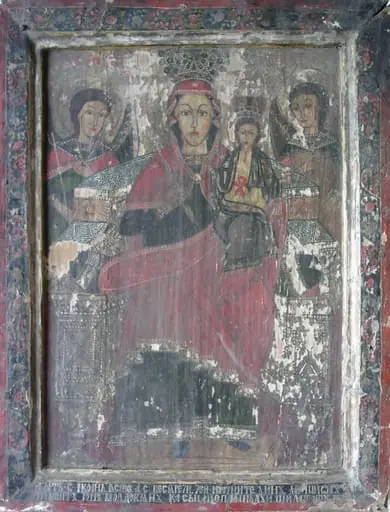 Maica Domnului cu Pruncul
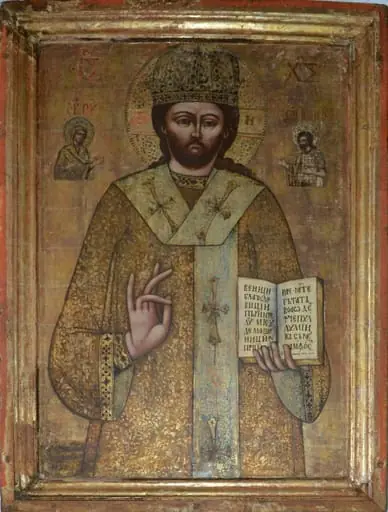 Deisis
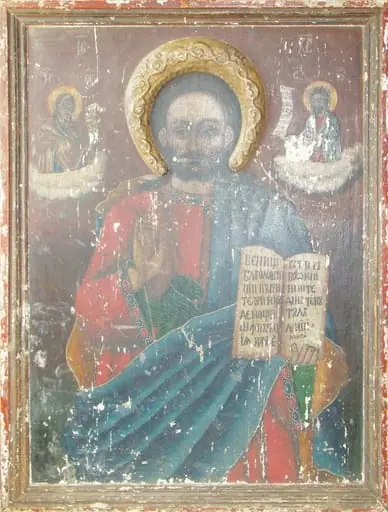 Deisis
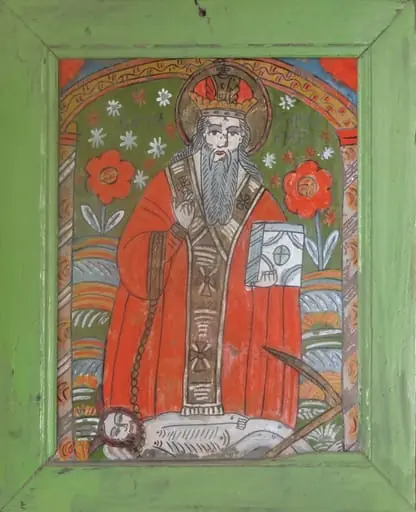 Sf. Haralambie
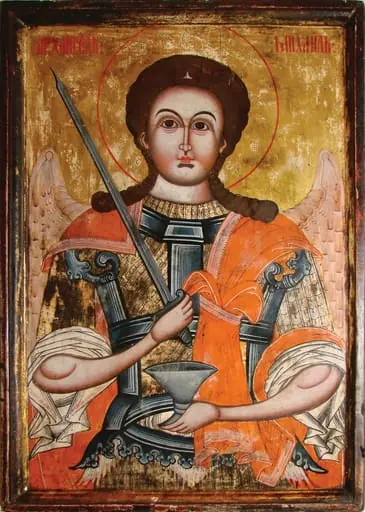 Arhanghelul Mihail
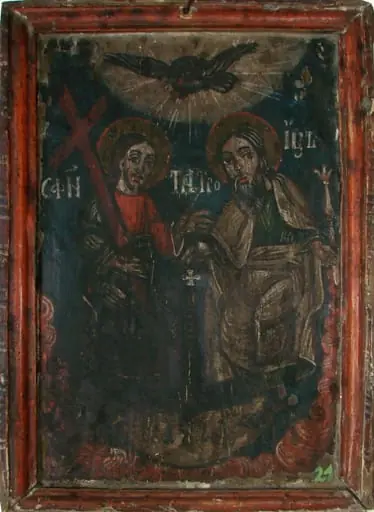 Sf. Treime nou-testamentară
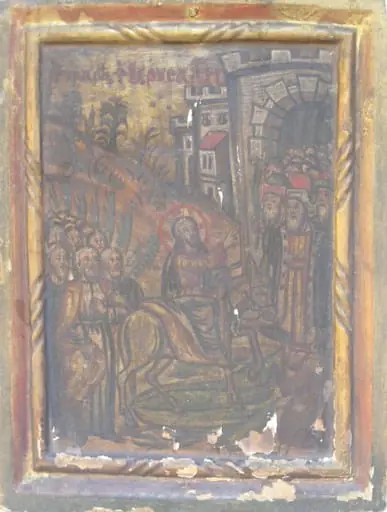 Duminica Floriilor
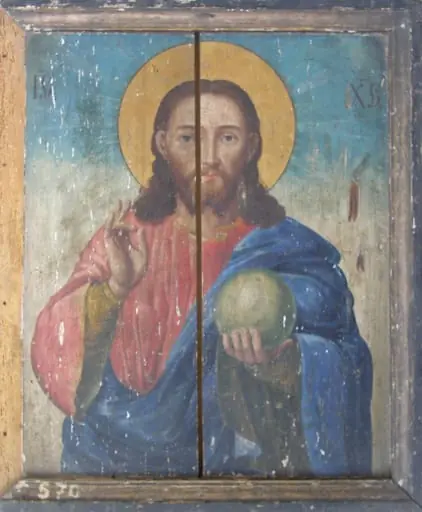 Iisus Hristos Pantocrator
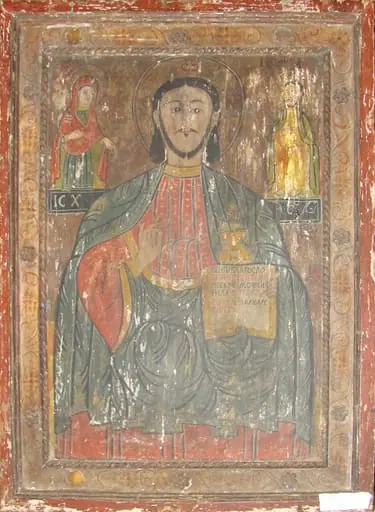 Deisis
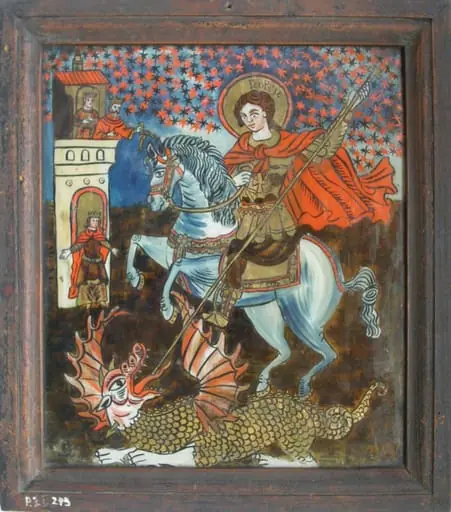 Sf. Gheorghe, ucigând balaurul
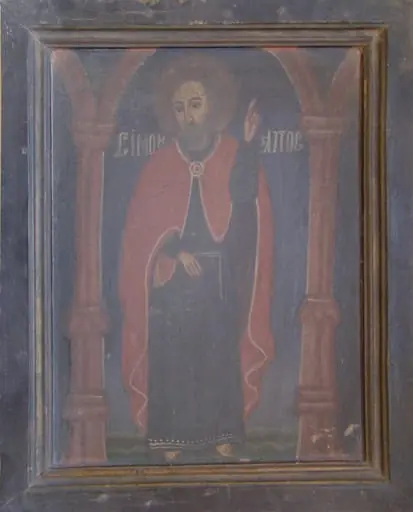 Sf. Apostol Simon
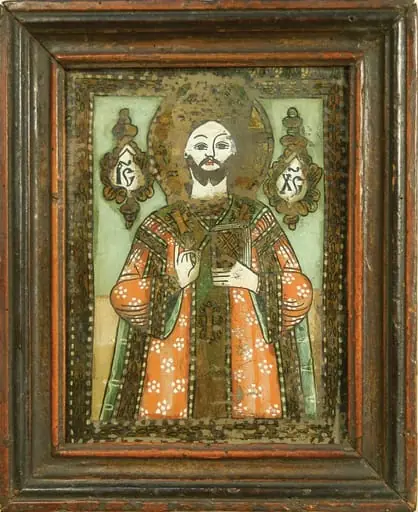 Iisus Hristos Mare Arhiereu și Învățător
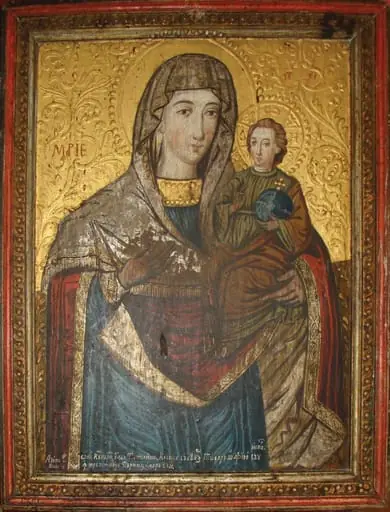 Maica Domnului cu Pruncul
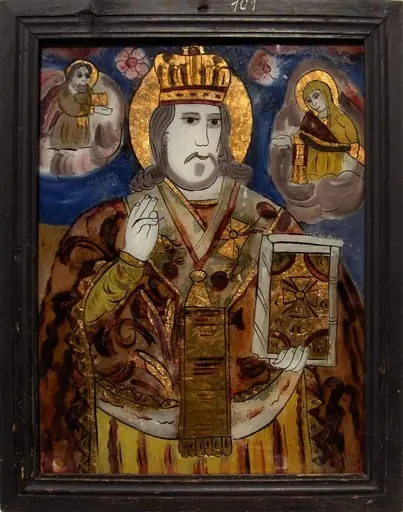 Sf. Nicolae
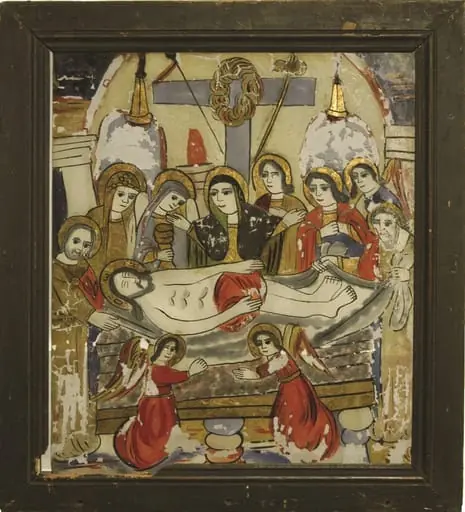 Prohodul lui Iisus
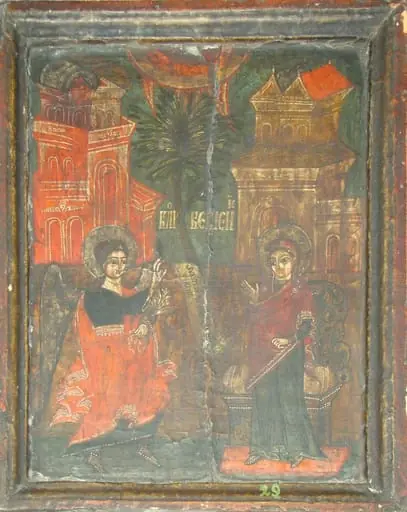 Buna Vestire
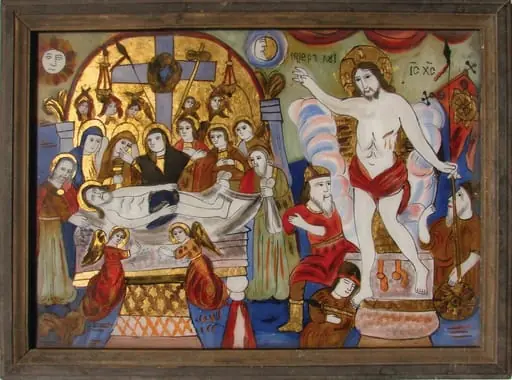 Prohodul și Învierea lui Iisus
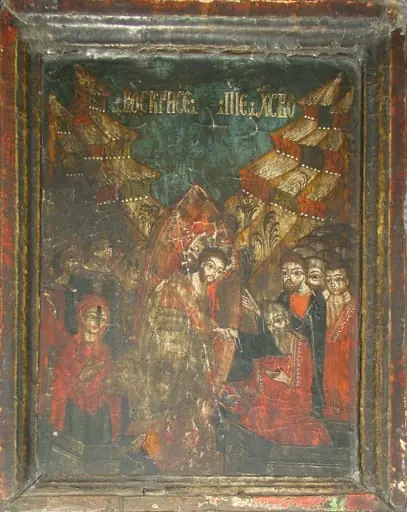 Coborârea la iad
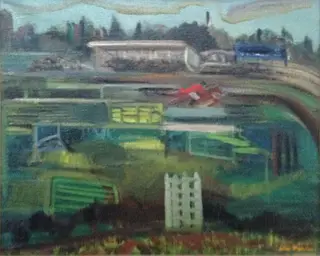 Concurs hipic pe hipodrom
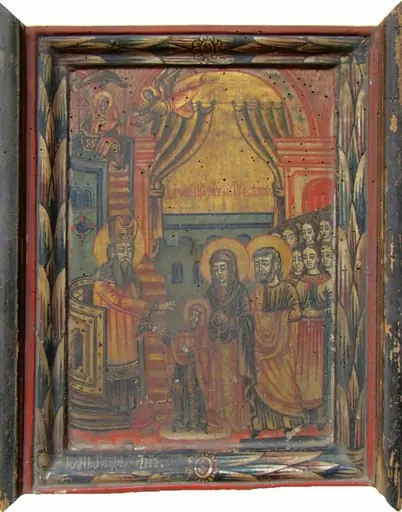 Intrarea în biserică a Maicii Domnului
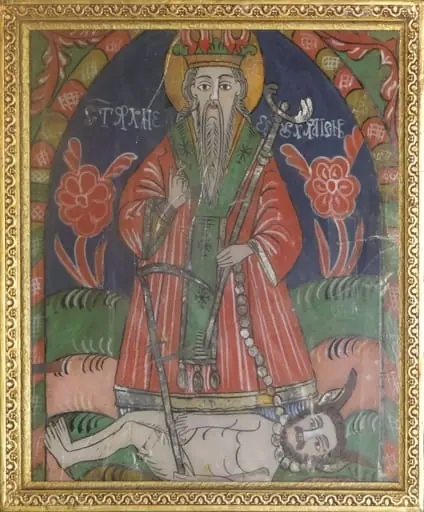 Sf. Haralambie
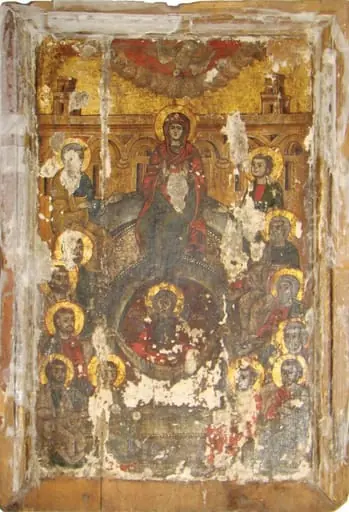 Pogorârea Sf. Duh
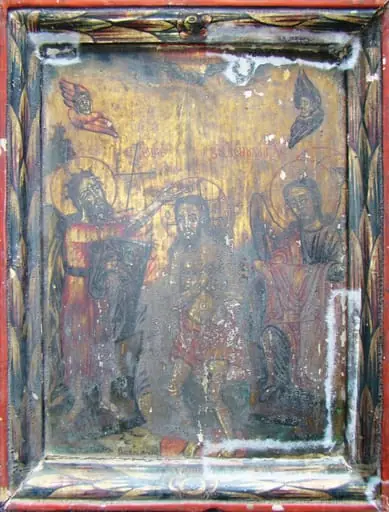 Botezul lui Iisus
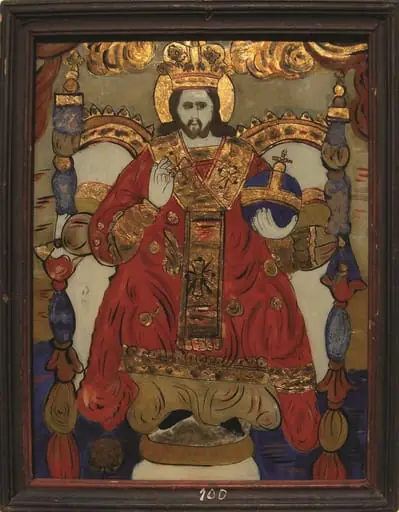 Iisus Hristos Mare Arhiereu și Învățător, tronând
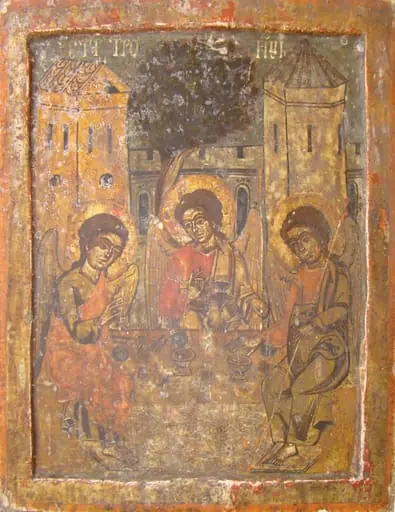 Cina de la Mamvri
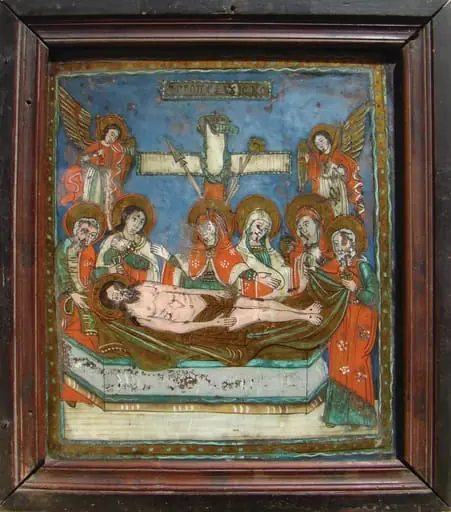 Prohodul lui Iisus
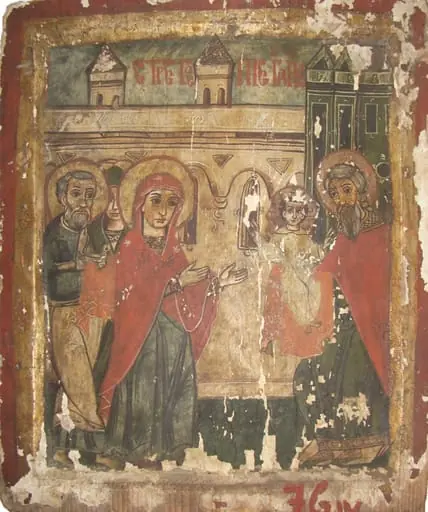 Întâmpinarea Domnului
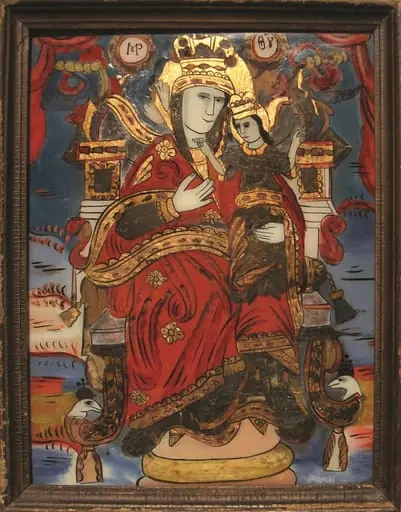 Maica Domnului cu Pruncul împărăteasă, tronând
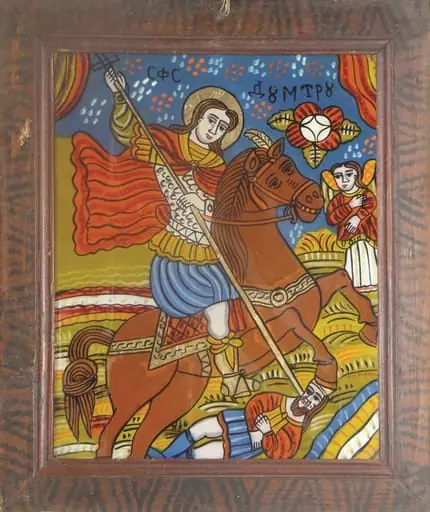 Sf. Mucenic Gheorghe, ucigând balaurul
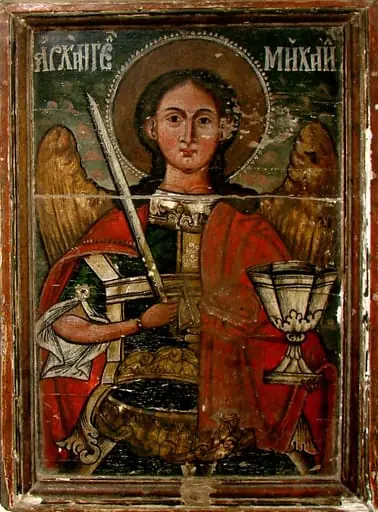 Arhanghelul Mihail
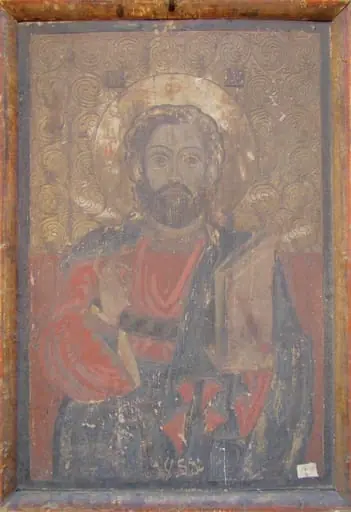 Iisus Hristos Învățător
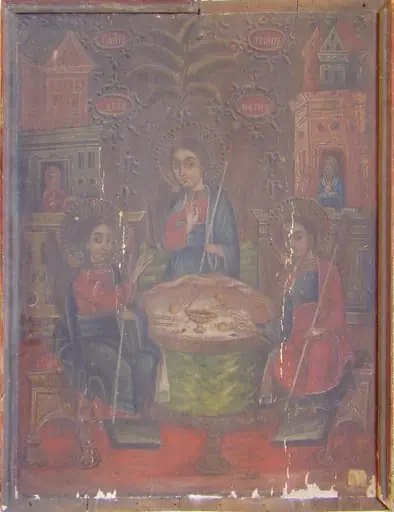 Cina de la Mamvri
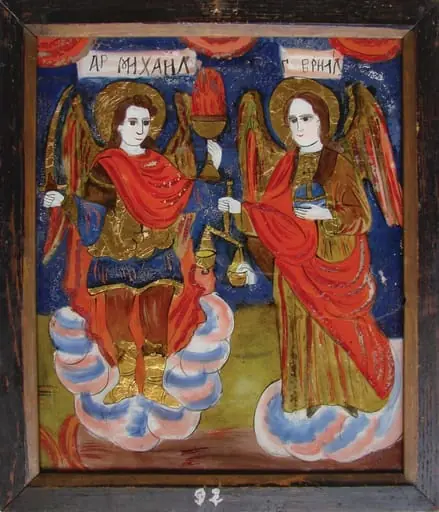 Sfinții Mihail și Gavril
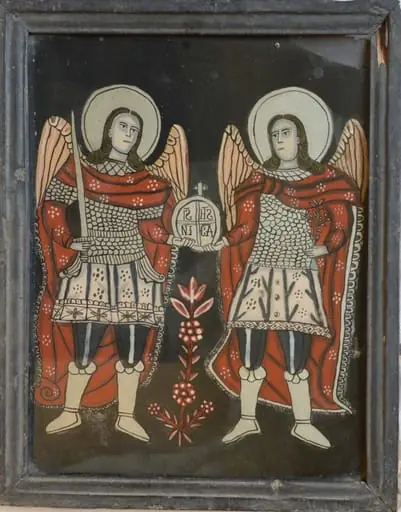 Arhanghelii Mihail și Gavriil
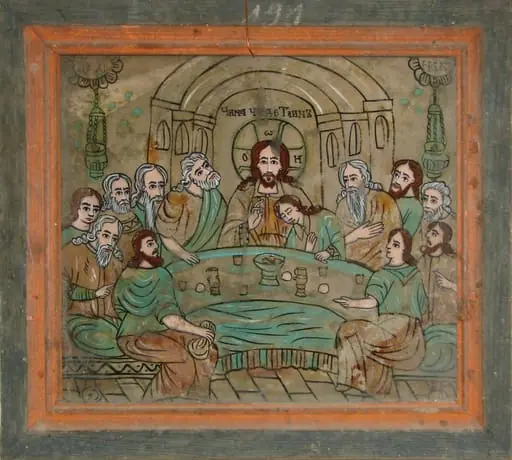 Cina cea de taină
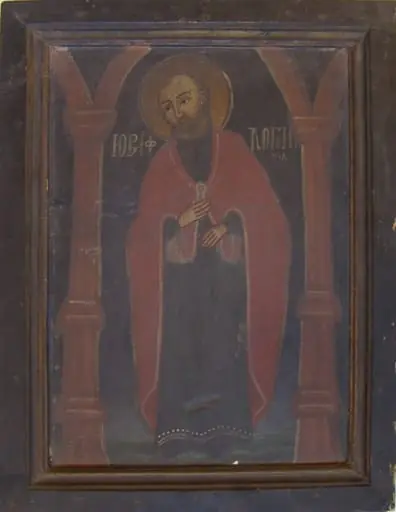 Sf. Iosif, logodnicul Fecioarei Maria
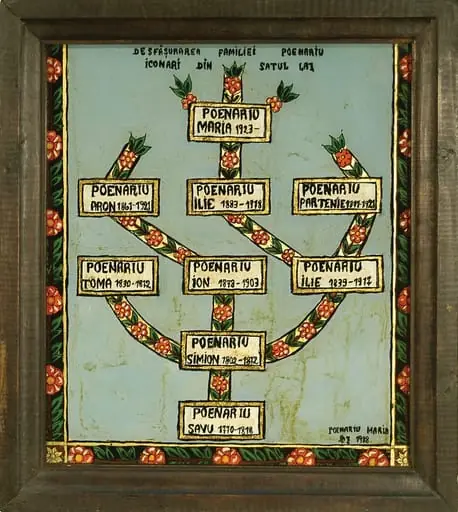 Arborele genealogic al pictorilor din familia Poienaru
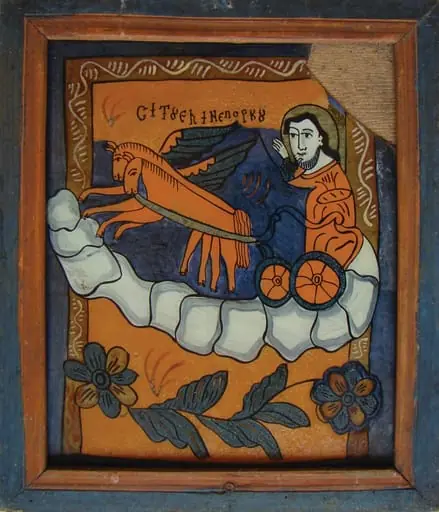 Ridicarea la cer a proorocului Ilie
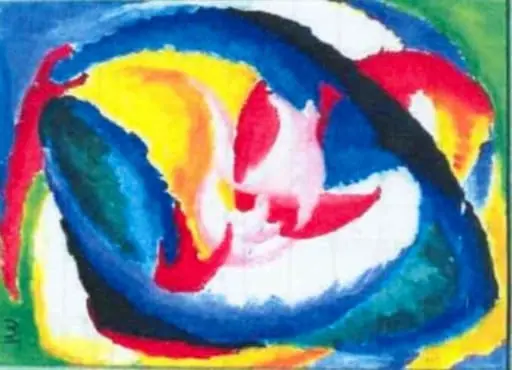 Compoziție
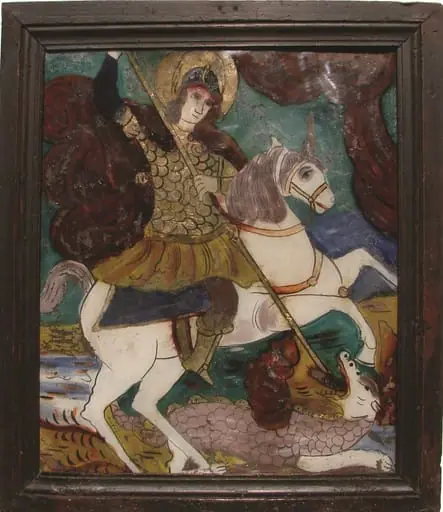 Sf. Gheorghe, ucigând balaurul
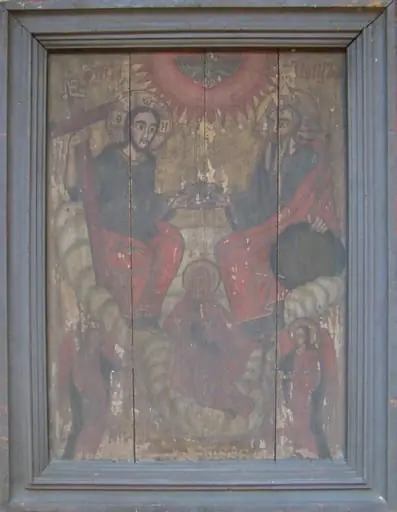 Încoronarea Fecioarei
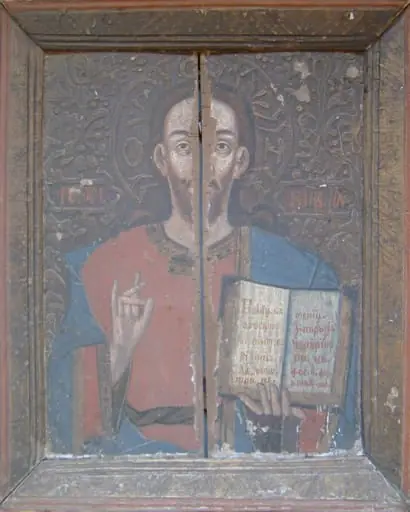 Iisus Hristos Învățător
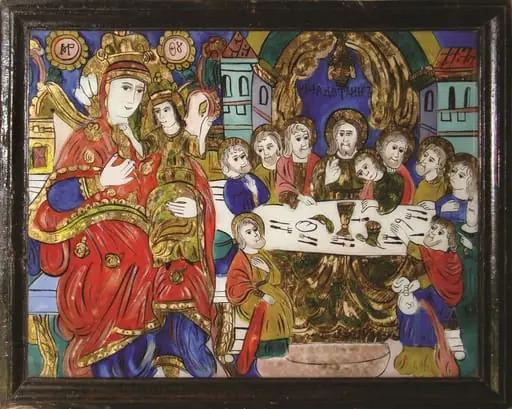 Maica Domnului cu Pruncul și Cina cea de taină
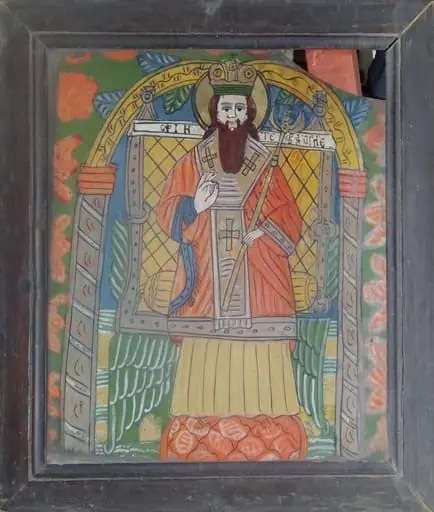 Sf. Vasile cel Mare
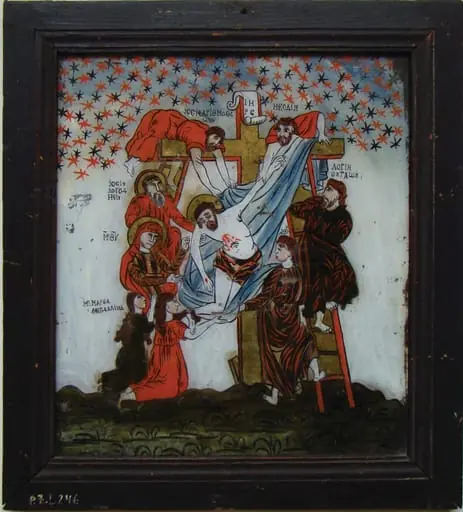 Coborârea de pe cruce
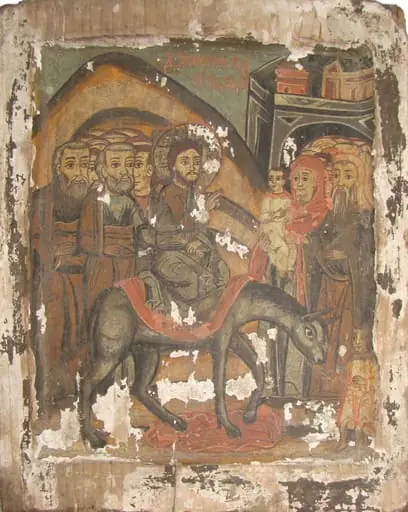 Duminica Floriilor
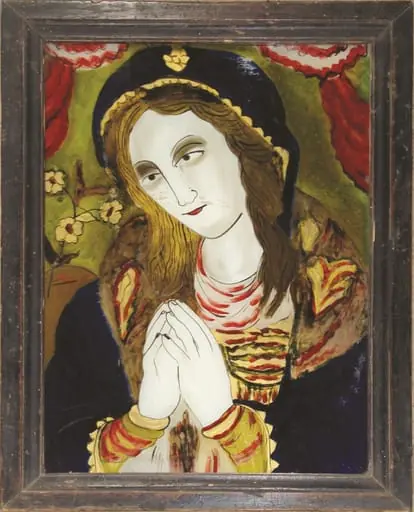 Maica Domnului îndurerată
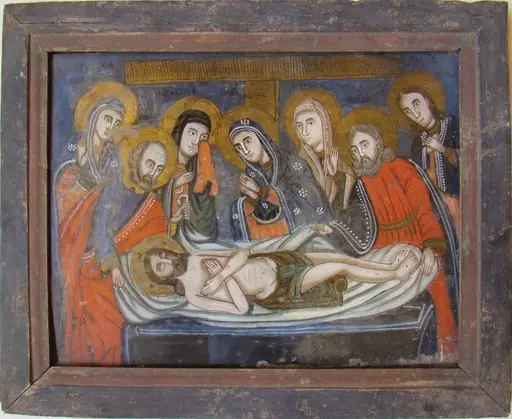 Prohodul lui Iisus
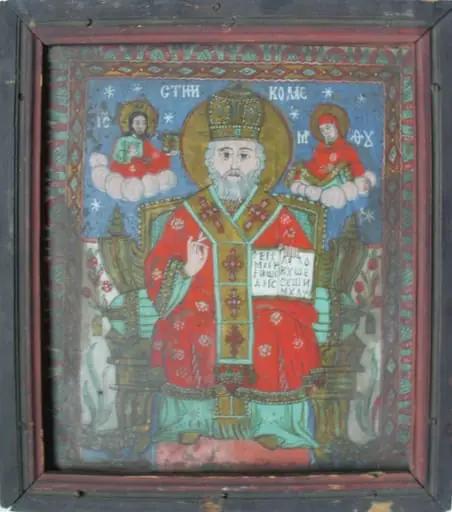 Sf. Nicolae
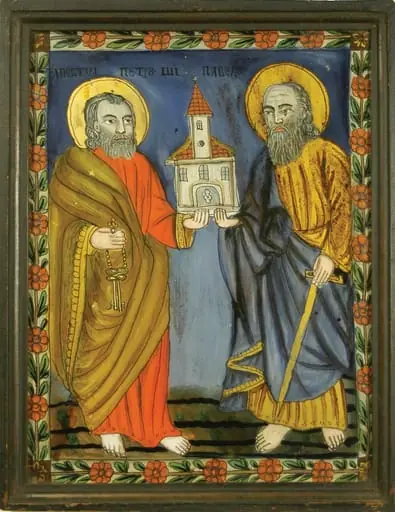 Apostolii Petru și Pavel
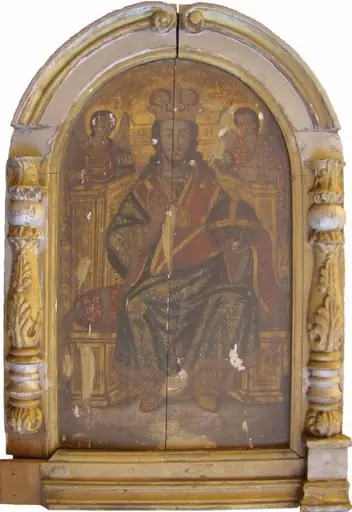 Iisus Hristos Mare Arhiereu
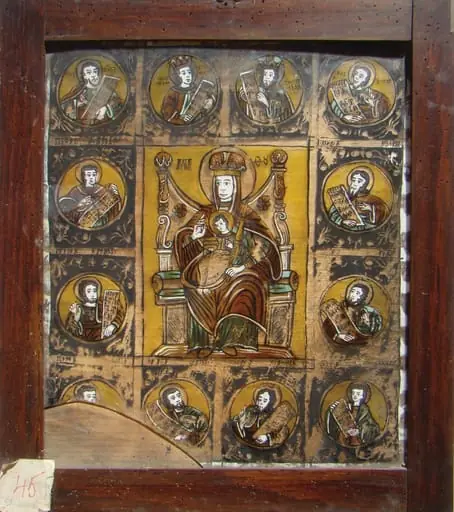 Maica Domnului cu Pruncul, tronând, înconjurată de prooroci
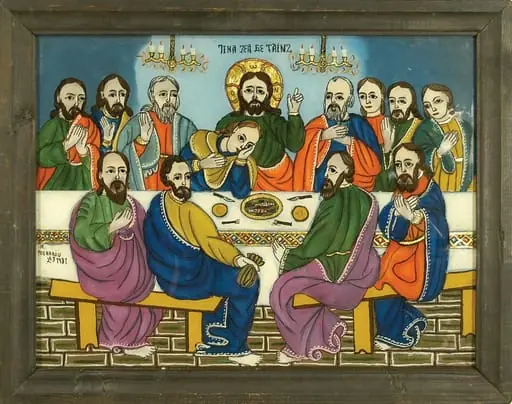 Cina cea de taină
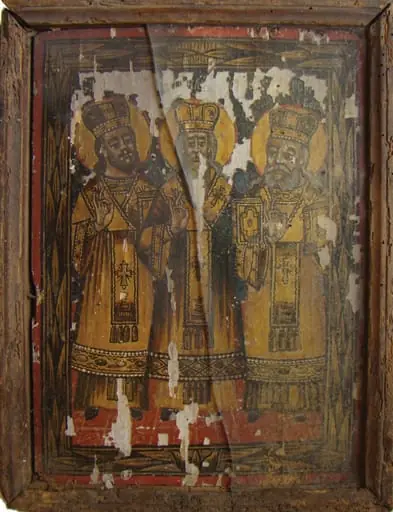 Sfinții trei ierarhi
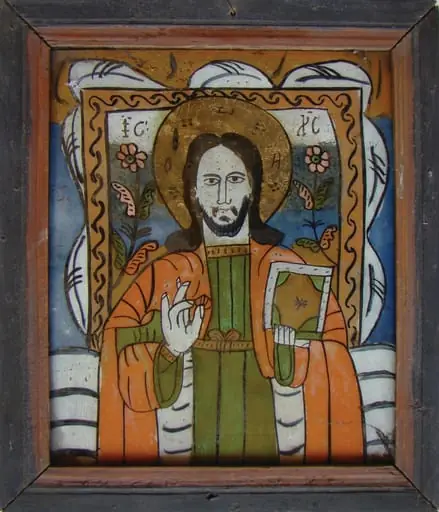 Iisus Hristos Învățător
Frequently asked questions
What is Composition?
Composition is a subject in art. In museum metadata, 'composition' as a subject tag typically indicates that a work is a preparatory compositional study — a sketch or oil sketch organizing figures and space — rather than the final picture.
How many Composition works does Artifact World Gallery have?
Artifact World Gallery holds 200 public-domain Composition works, all free to view and download.
Who are the key Composition artists?
Key Composition artists in the collection include Hugo Kołłątaj, Aloysius-Rosarius-Amadeus-Raymundus-Andreas Preziosi and Ion Bărbulescu.
Where can I see Composition works?
Composition works in the collection are held by Alba Iulia Orthodox Archdiocese, Alba Iulia Unification National Museum and Bucharest Municipality Museum.