
Movement
De Stijl
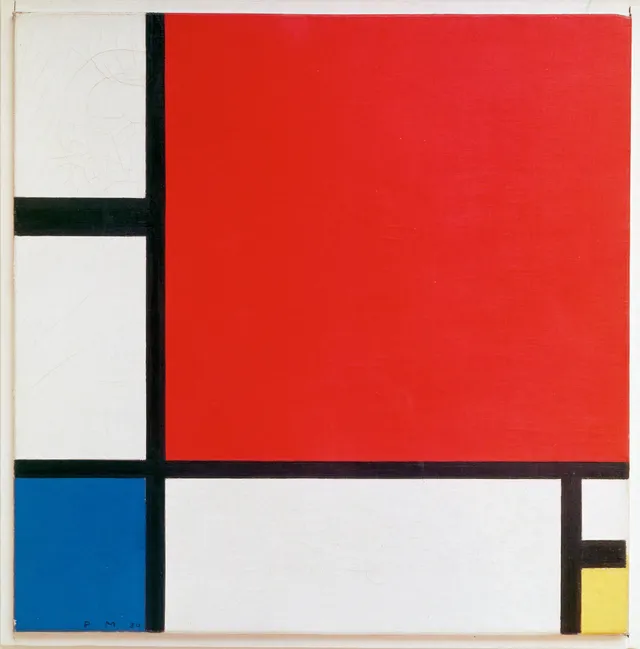
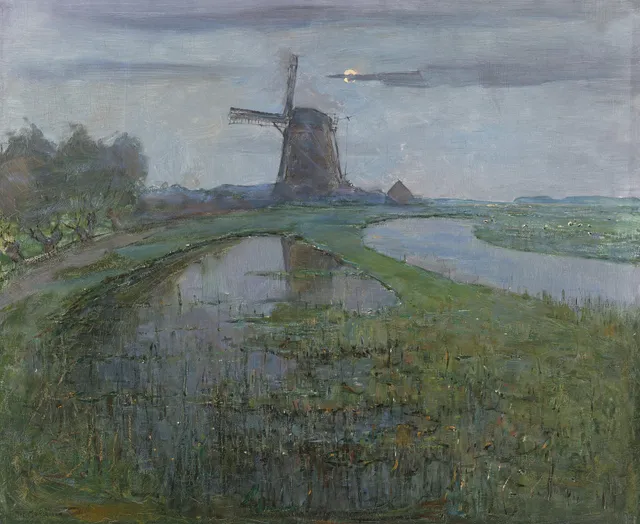
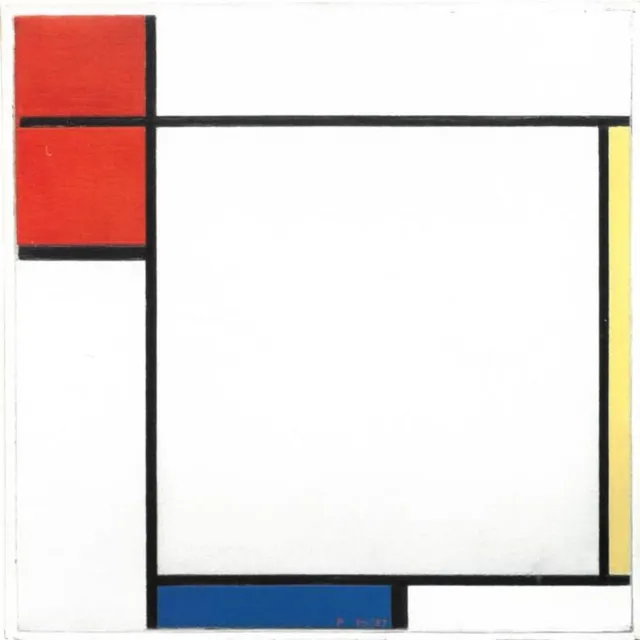
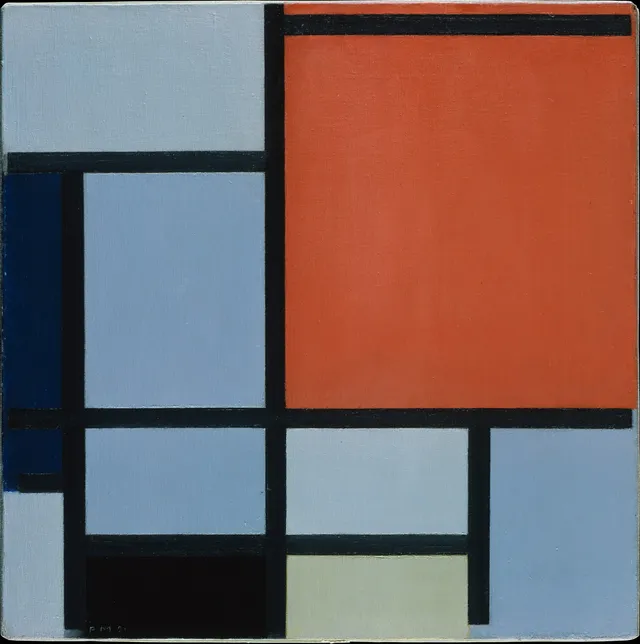
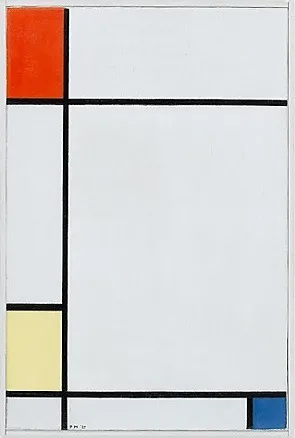
De Stijl is an art movement of the 1917–1932 period. The gallery holds 65 works in this movement, including works by Piet Mondrian, Gino Severini and Theo van Doesburg. Browse De Stijl paintings, portraits, pictures and artworks from the world's public-domain museum collections.
De Stijl (Dutch for "The Style") emerged in the Netherlands in 1917, when the painter and theorist Theo van Doesburg founded a journal of the same name in Leiden to gather like-minded artists, designers, and architects. Born amid the upheaval of the First World War—from which the neutral Netherlands stood apart—the movement channelled a utopian conviction that art could express a universal harmony beneath the chaos of the visible world. Its adherents sought a wholly modern visual language, purged of the individual and the representational, that might be carried from the easel into furniture, typography, and the built environment.
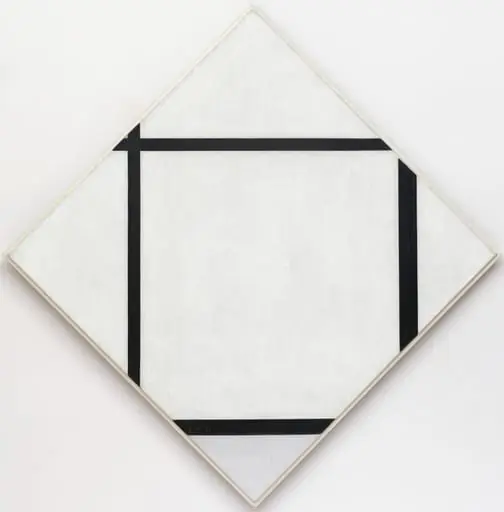
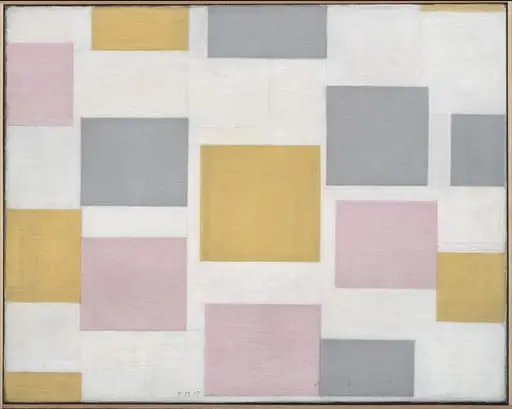
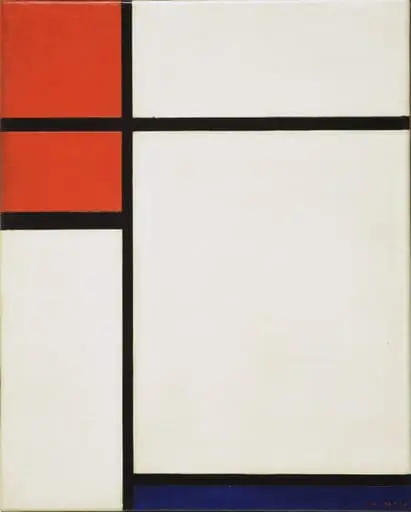
Visually, De Stijl reduced painting to its barest elements: straight black horizontal and vertical lines laid over a white ground, enclosing rectangular fields of the three primary colours—red, yellow, and blue—balanced by black, white, and grey. Asymmetry held in dynamic equilibrium replaced naturalistic depth and ornament. Piet Mondrian, the movement's pre-eminent painter, named this rigorous abstraction Neoplasticism (Nieuwe Beelding), and his mature grids—such as the various Compositions with Red, Yellow, and Blue of the 1920s—remain its defining images.
The circle extended well beyond Mondrian. Bart van der Leck contributed an early flattened, primary-colour abstraction; Vilmos Huszár worked in graphics and design; the sculptor Georges Vantongerloo translated the principles into three dimensions; and the architect-designer Gerrit Rietveld realised them physically in his Red and Blue Chair (1918) and the Rietveld Schröder House in Utrecht (1924), proof that De Stijl ideals could govern a whole inhabited space. Van Doesburg himself steered the group and its theory throughout.
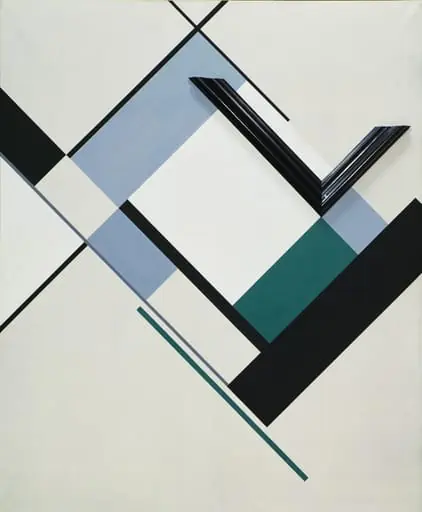
The collective was never fully unified. Around 1924–25 Mondrian broke with van Doesburg, who introduced the diagonal in his "Counter-Compositions" under the banner of Elementarism—a departure Mondrian regarded as a betrayal of the strict horizontal-vertical order. The movement effectively dissolved with van Doesburg's death in 1931. Yet its influence proved immense: it shaped the Bauhaus, ran parallel to Russian Constructivism, and fed directly into International Style architecture and modern graphic design. De Stijl's reduction of form to line, plane, and primary colour became one of the foundational grammars of twentieth-century abstraction and design.
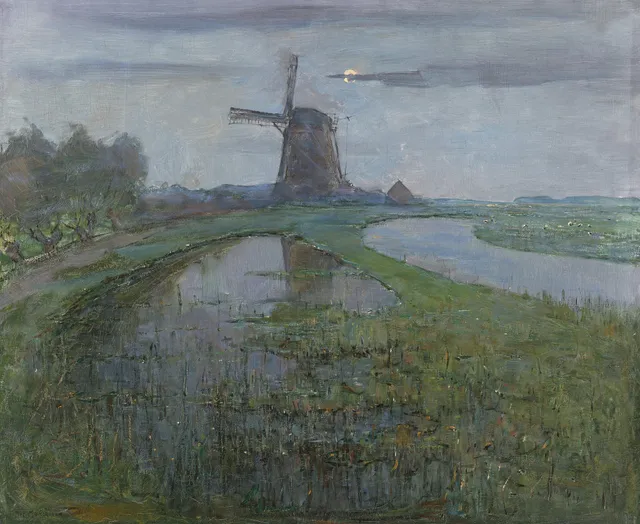
Key artists
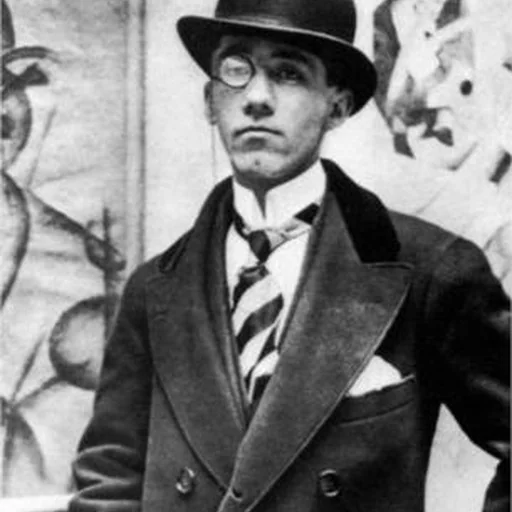

Works
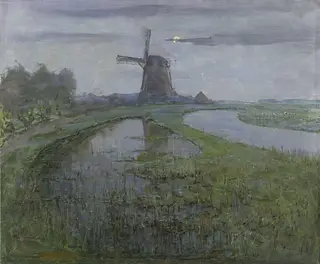
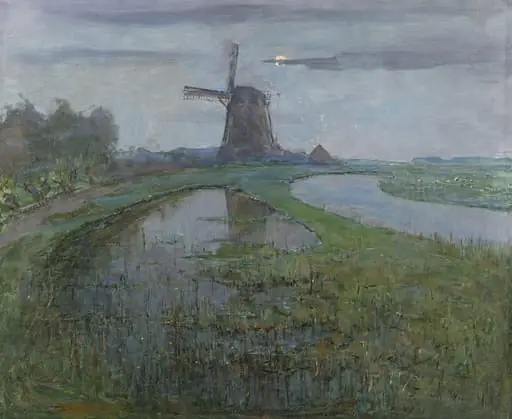 Oostzijdse Mill along the River Gein by Moonlight
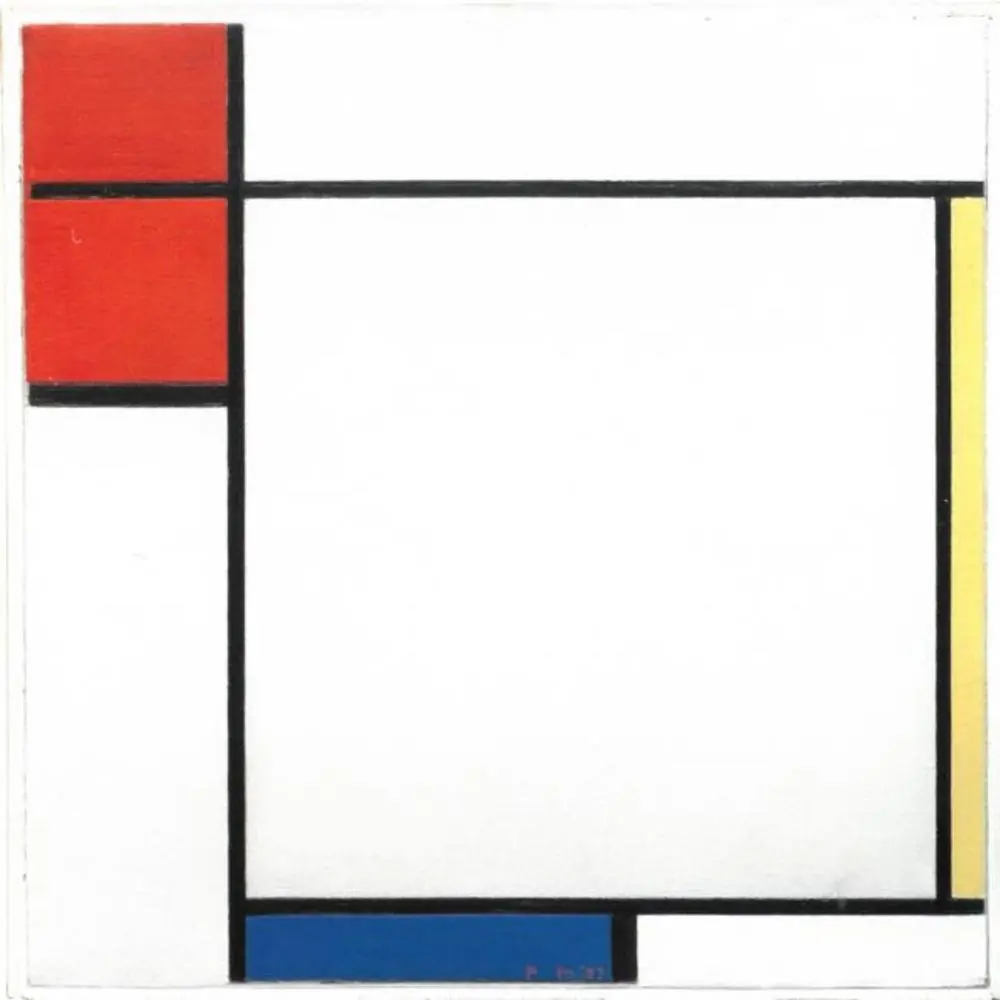 Composition with Red, Yellow, and Blue
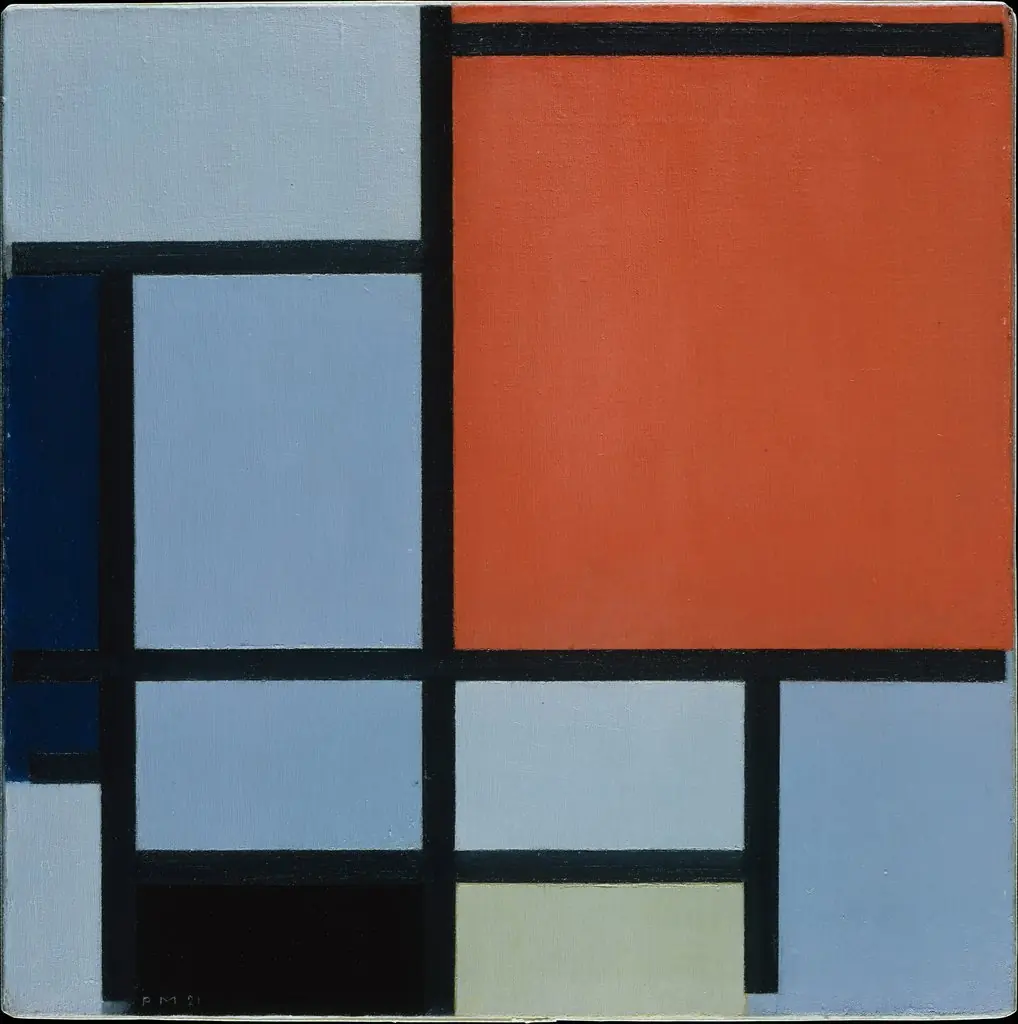 Composition
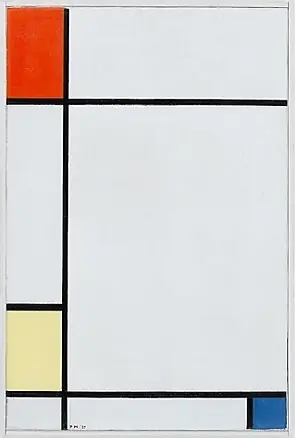 Composition no. III with red, yellow, and blue
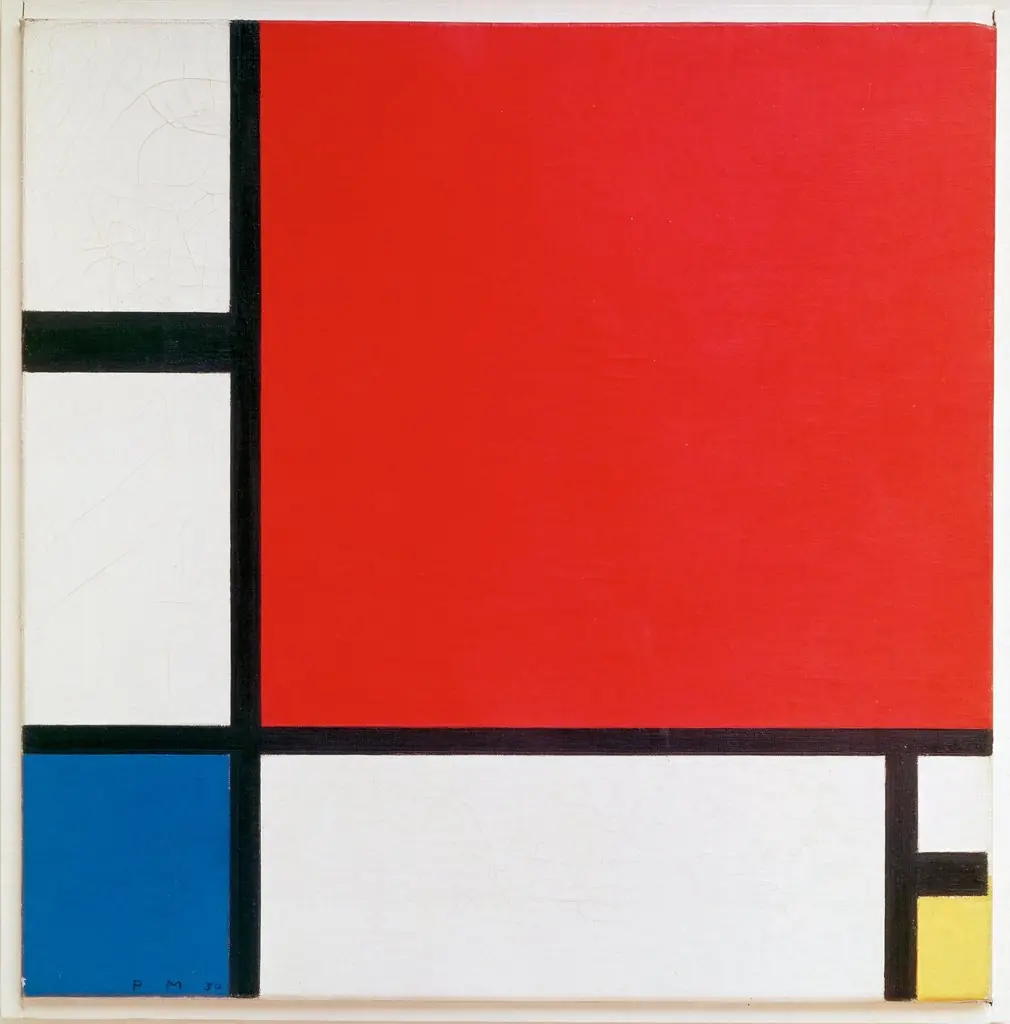 Composition II in Red, Blue, and Yellow
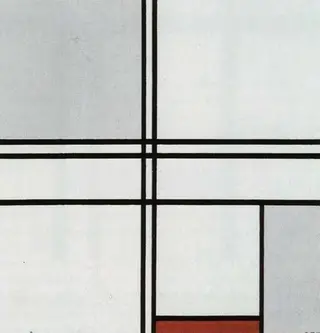 Composition (No. 1) Gray-Red
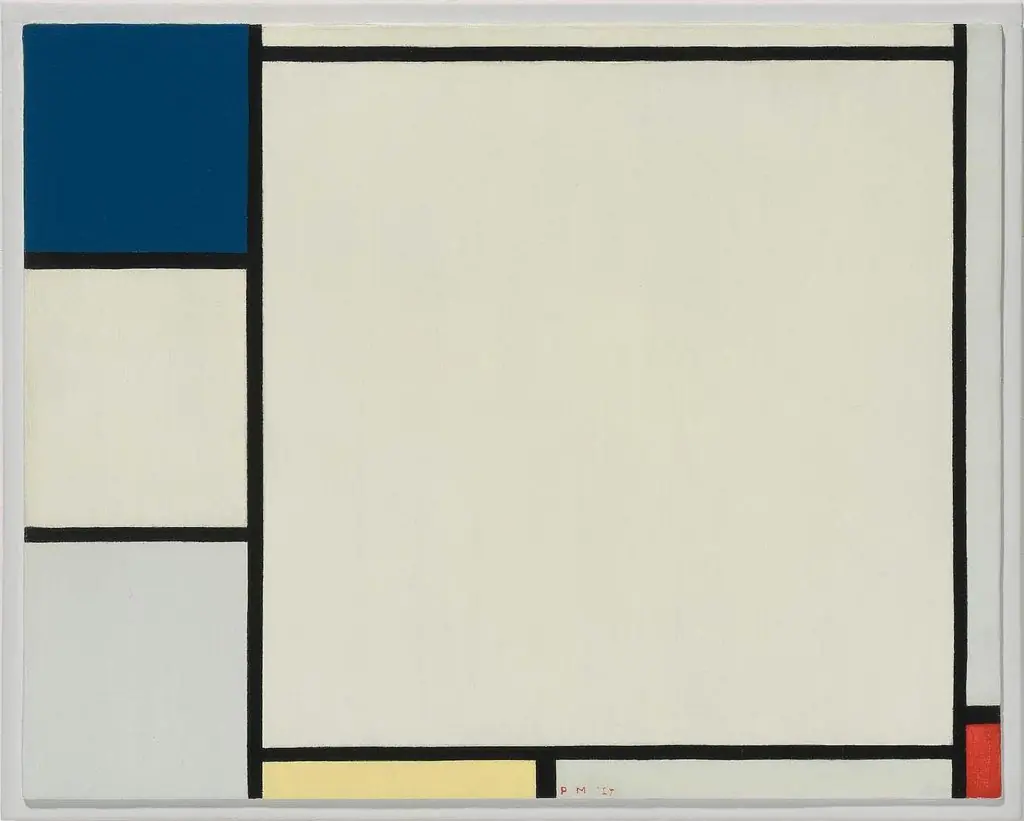 Composition with Blue, Yellow, and Red
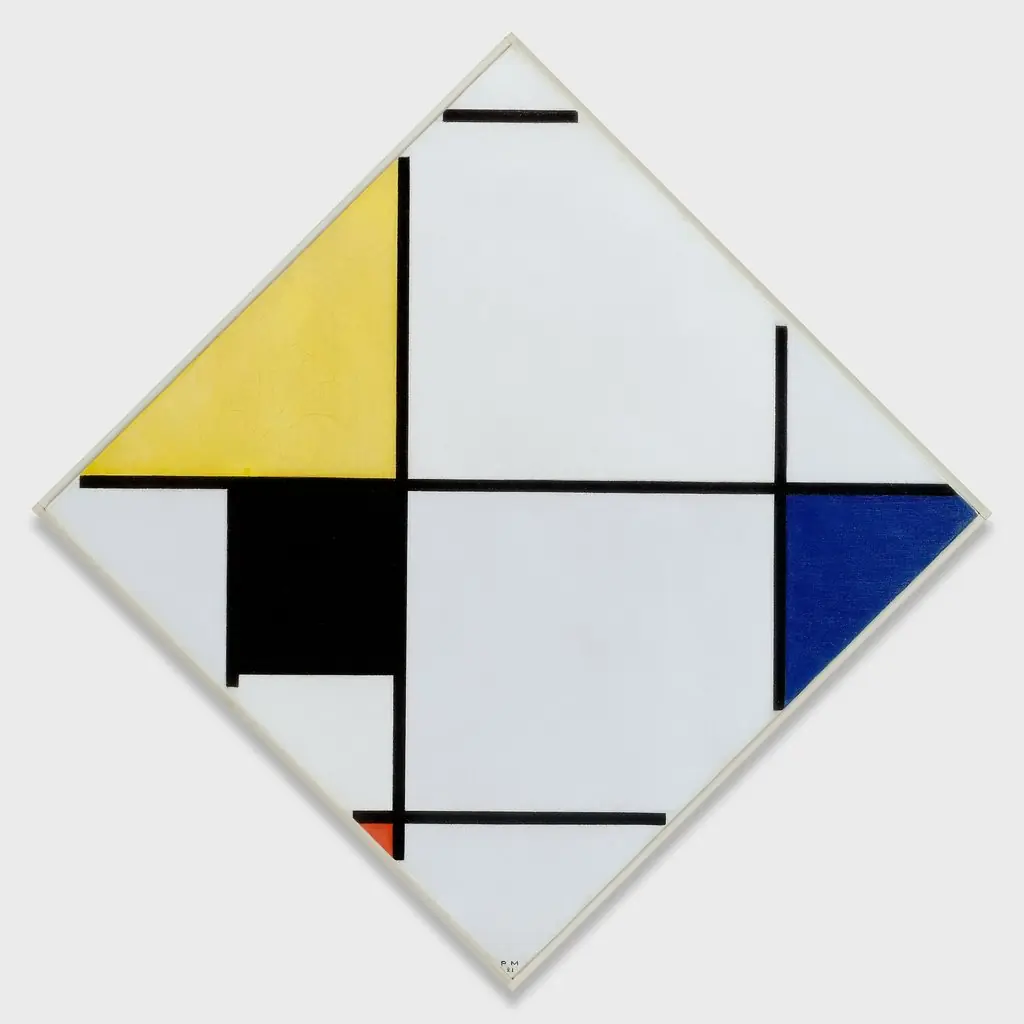 Lozenge Composition with Yellow, Black, Blue, Red, and Gray
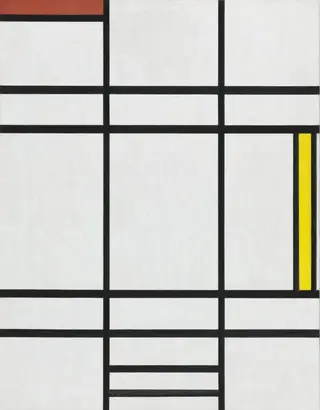 Composition in White, Red, and Yellow
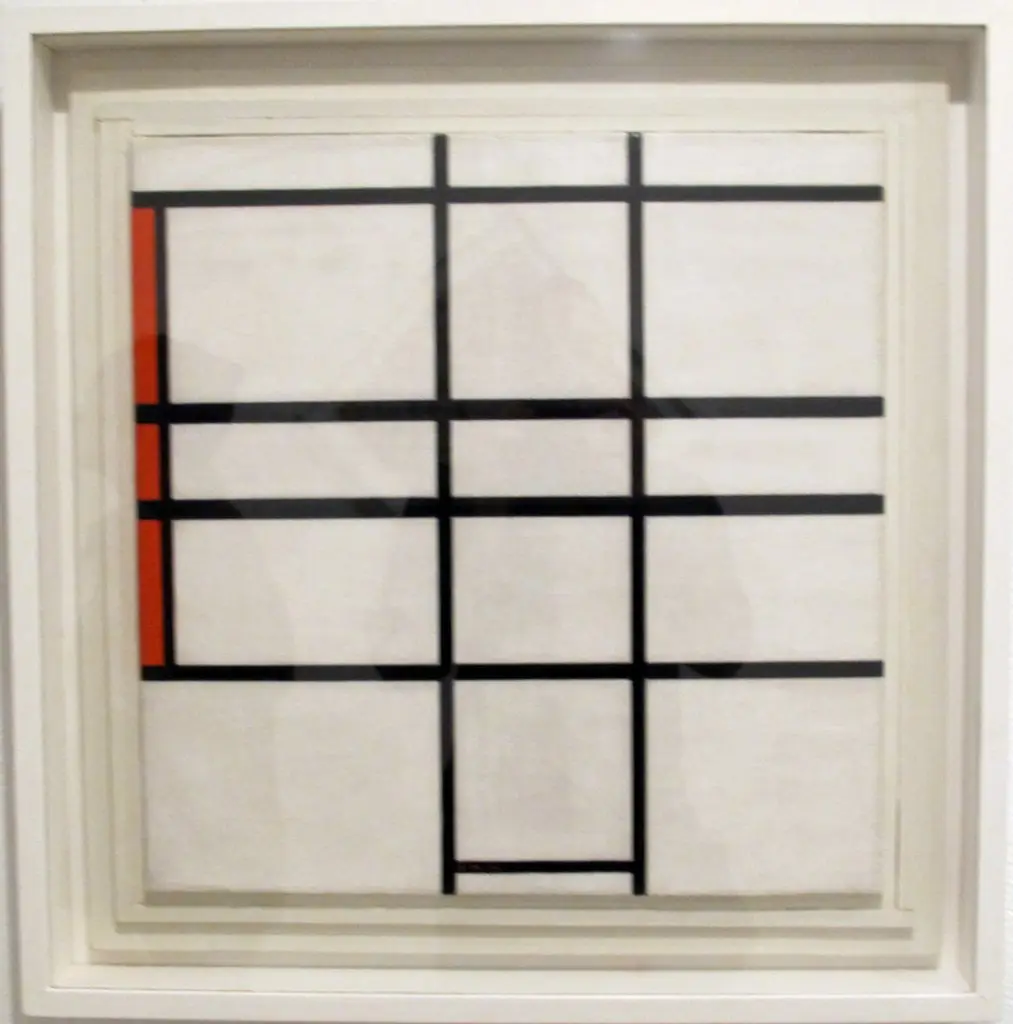 Composition with White and Red
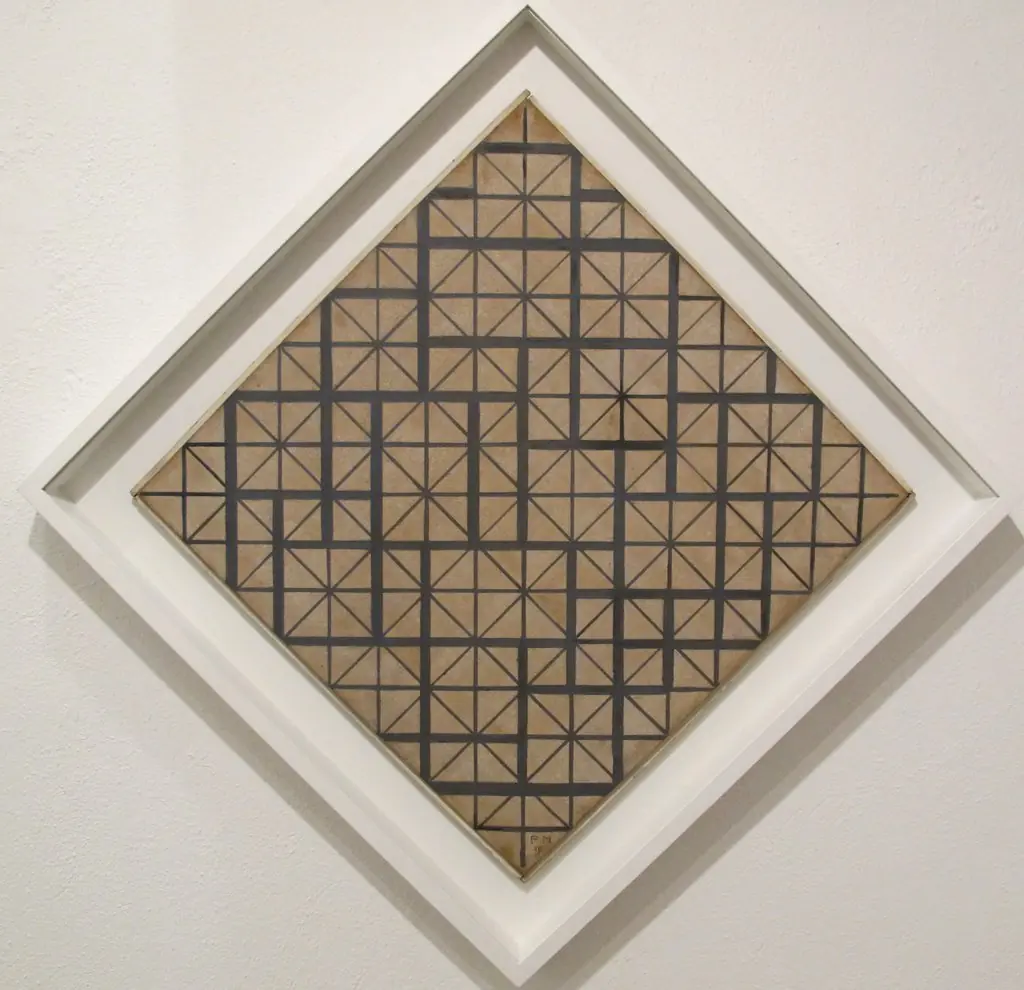 Composition with Grid 4 (Lozenge)
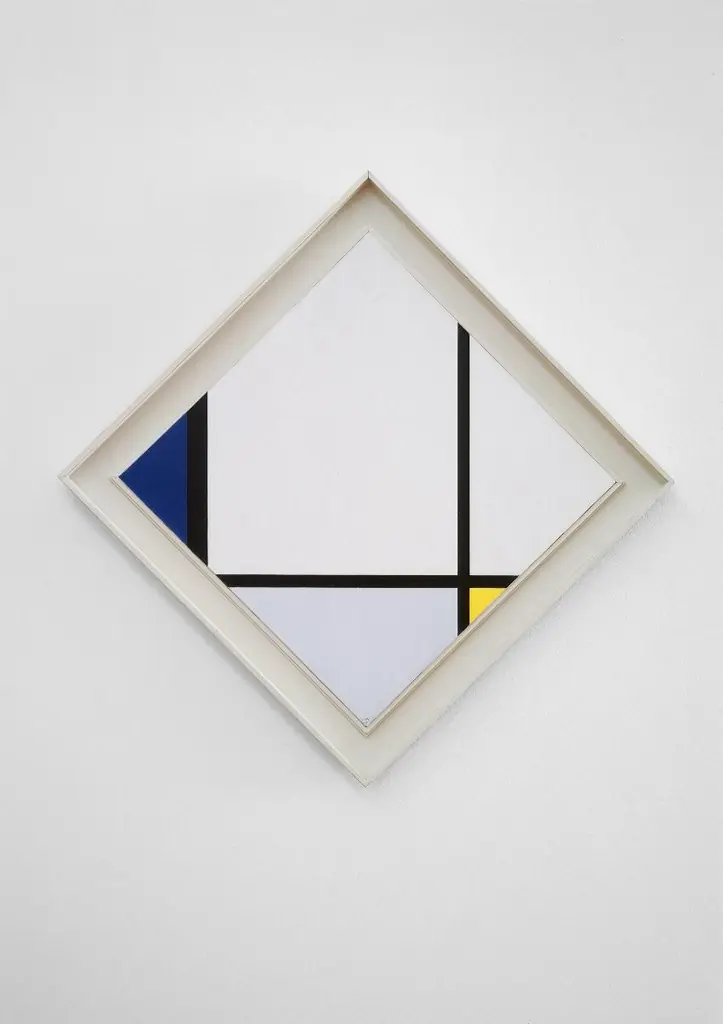 Tableau No. I
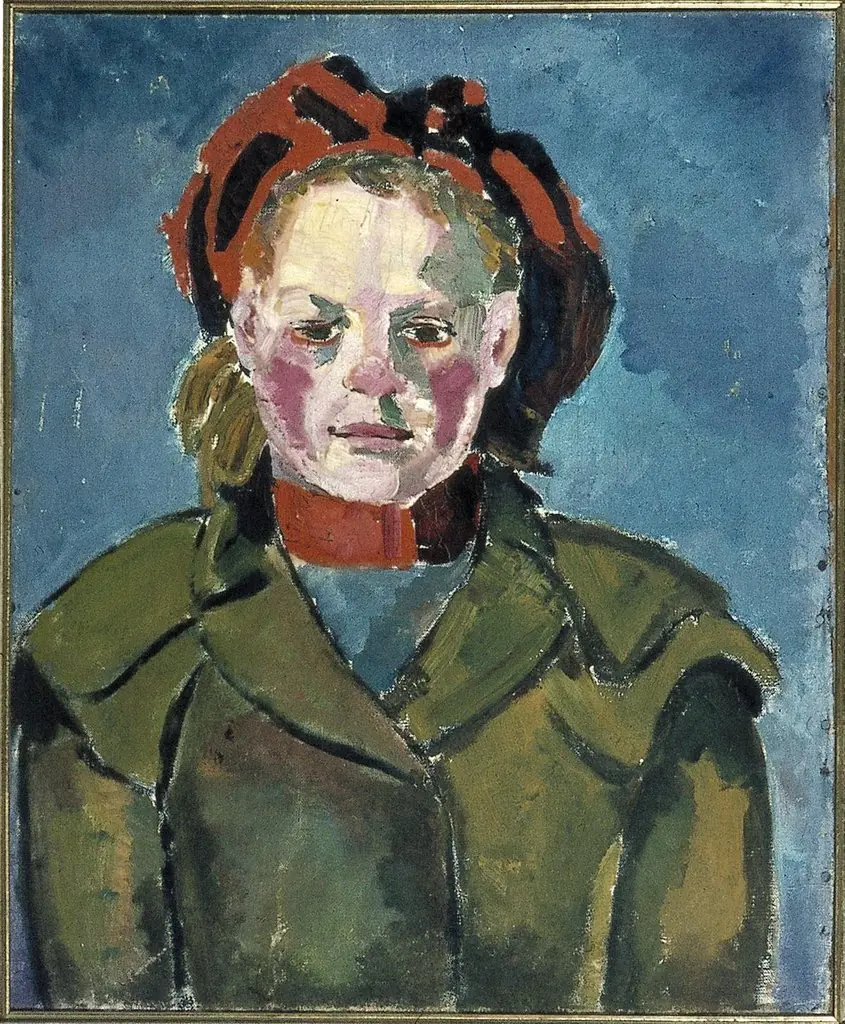 Portret van een meisje
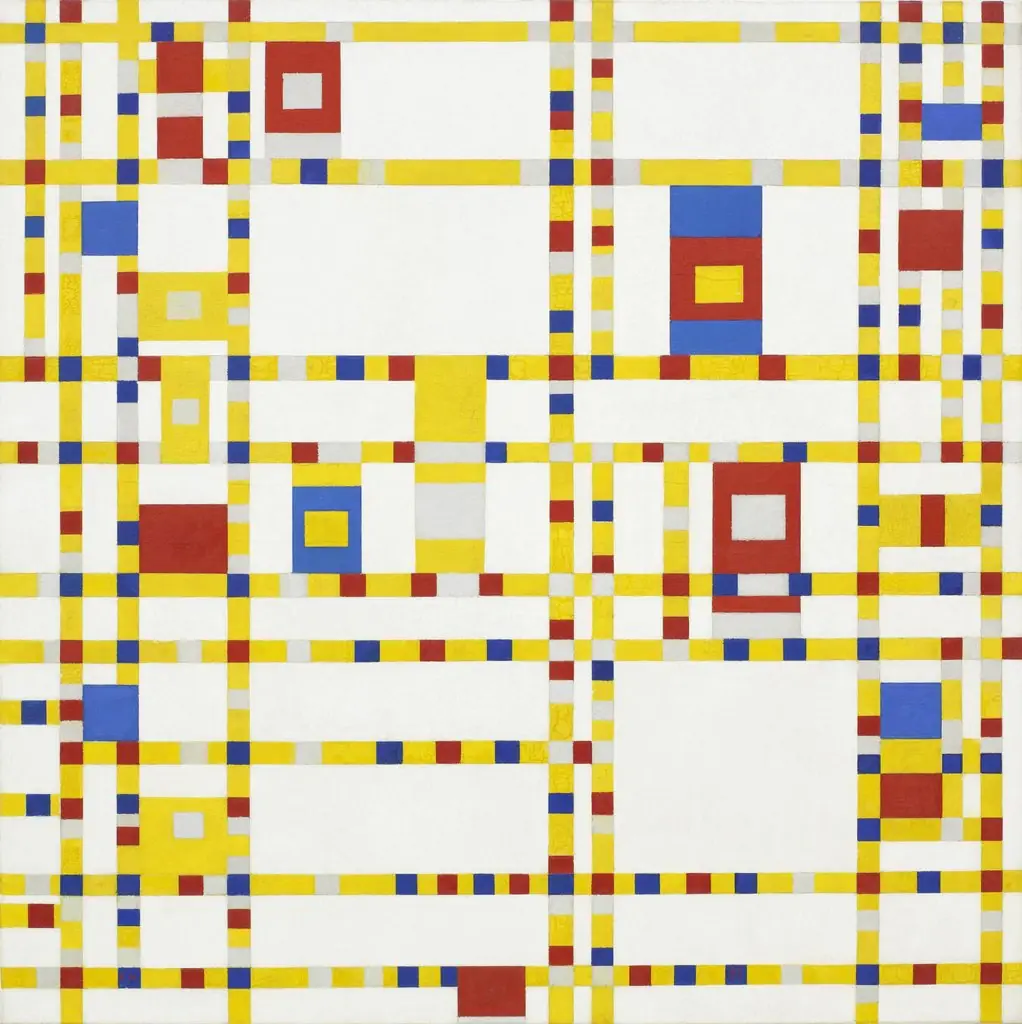 Broadway Boogie Woogie
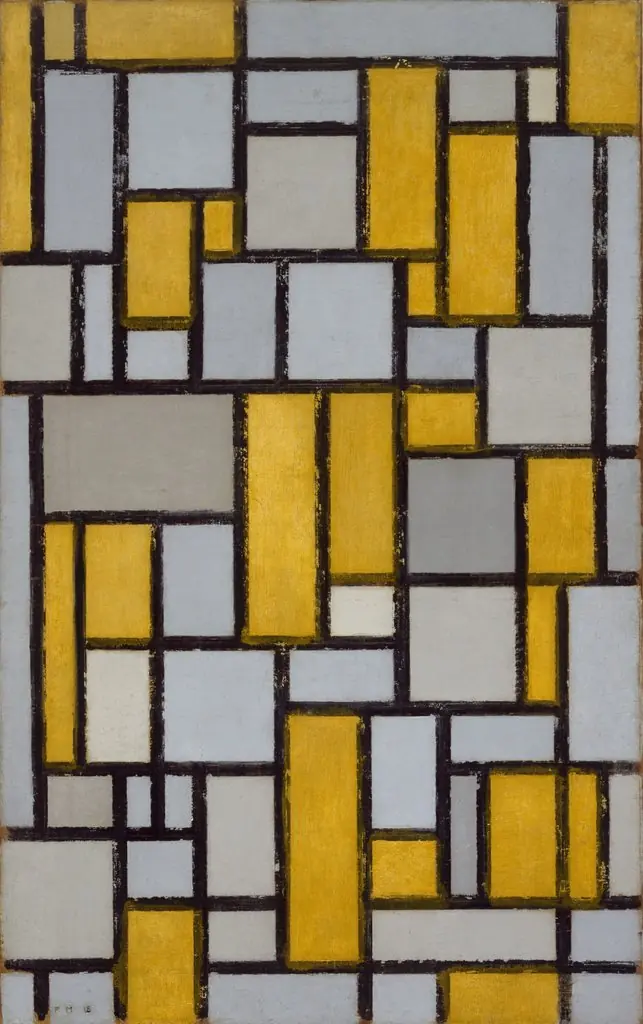 Composition with Grid 1
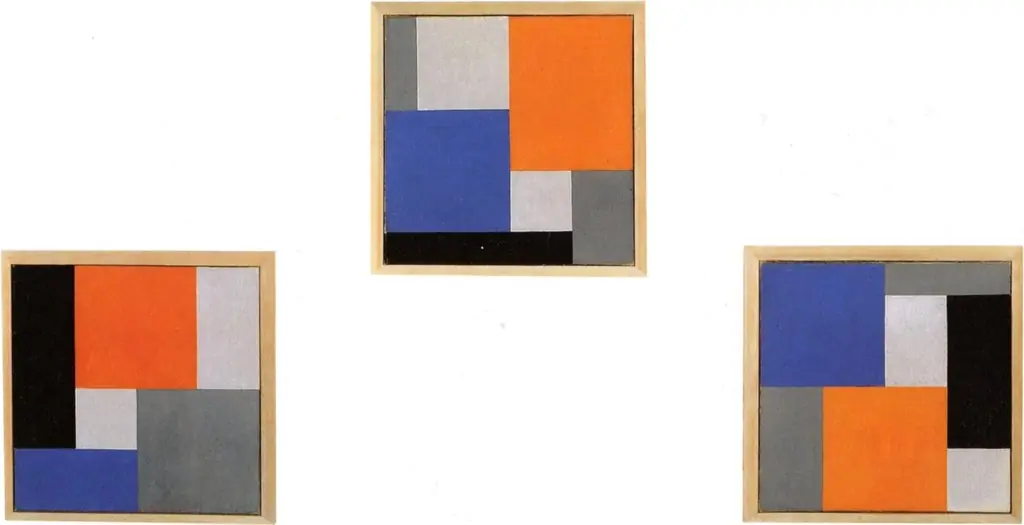 Composition XVIII in Three Parts
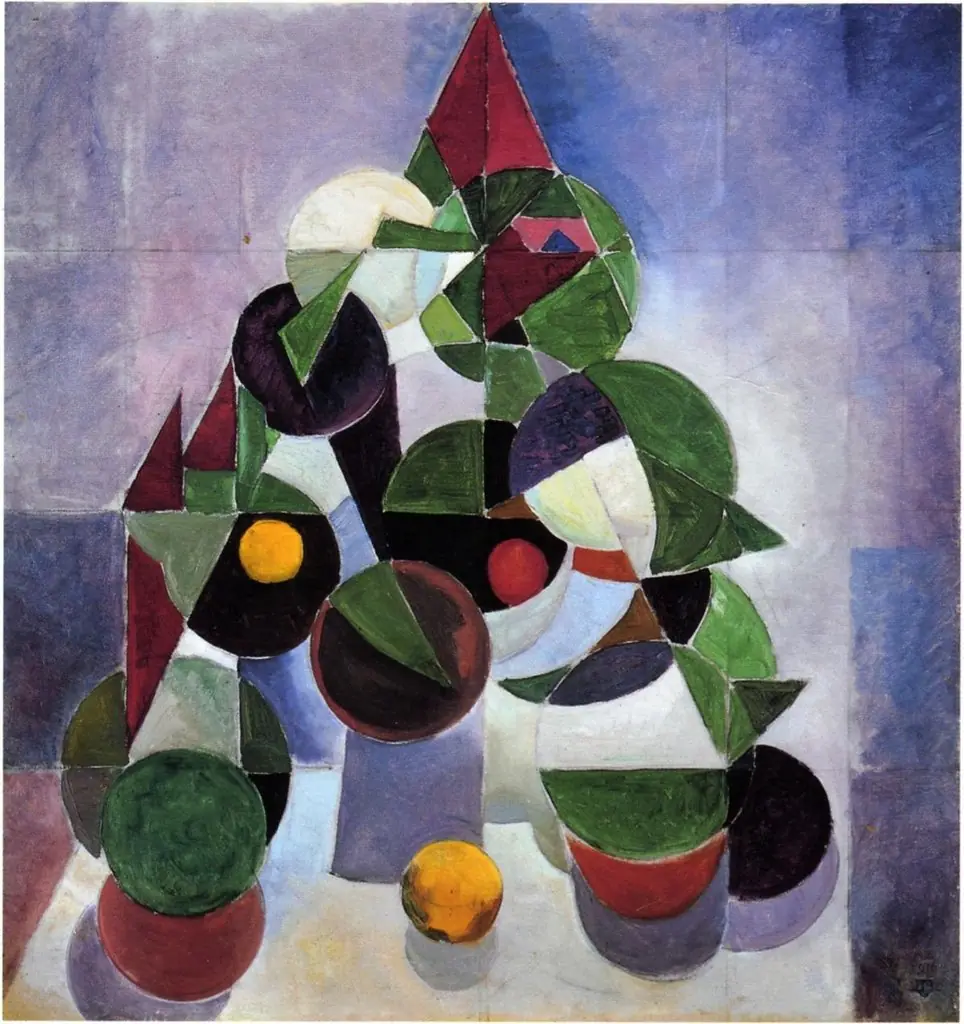 Compositie I
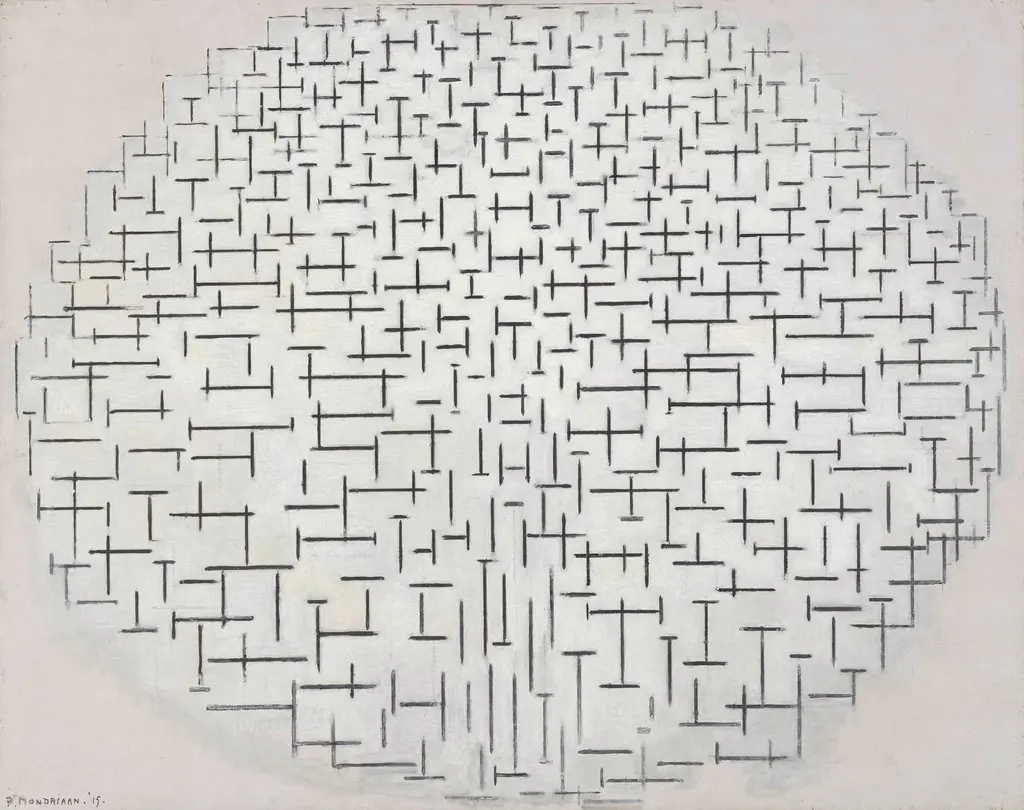 Composition No.10 (Pier and Ocean)
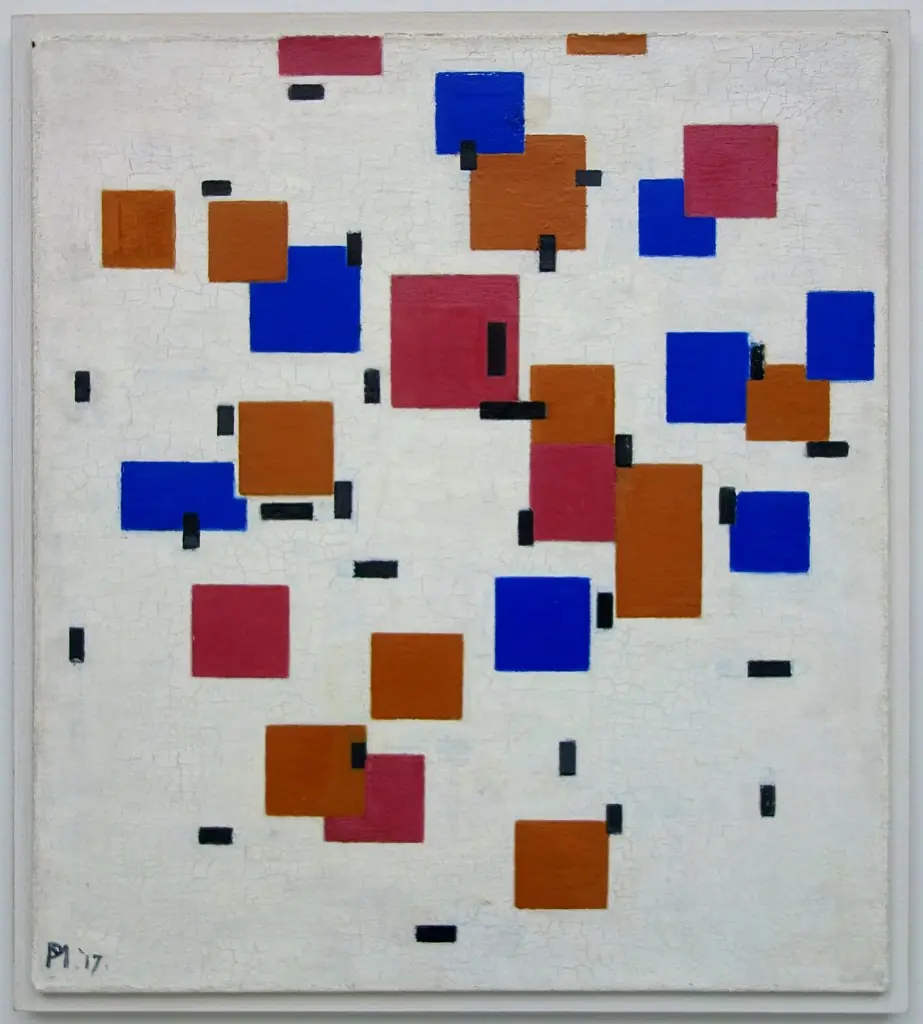 Composition in colour A
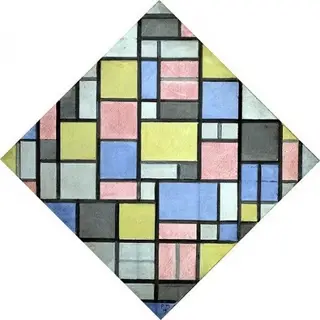 Compositie met raster 6: ruit, compositie met kleuren
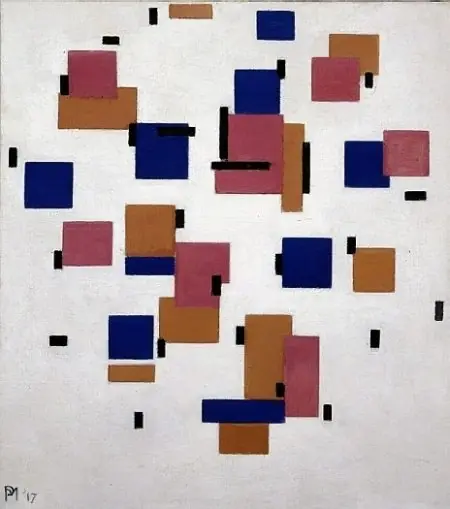 Composition in Color B
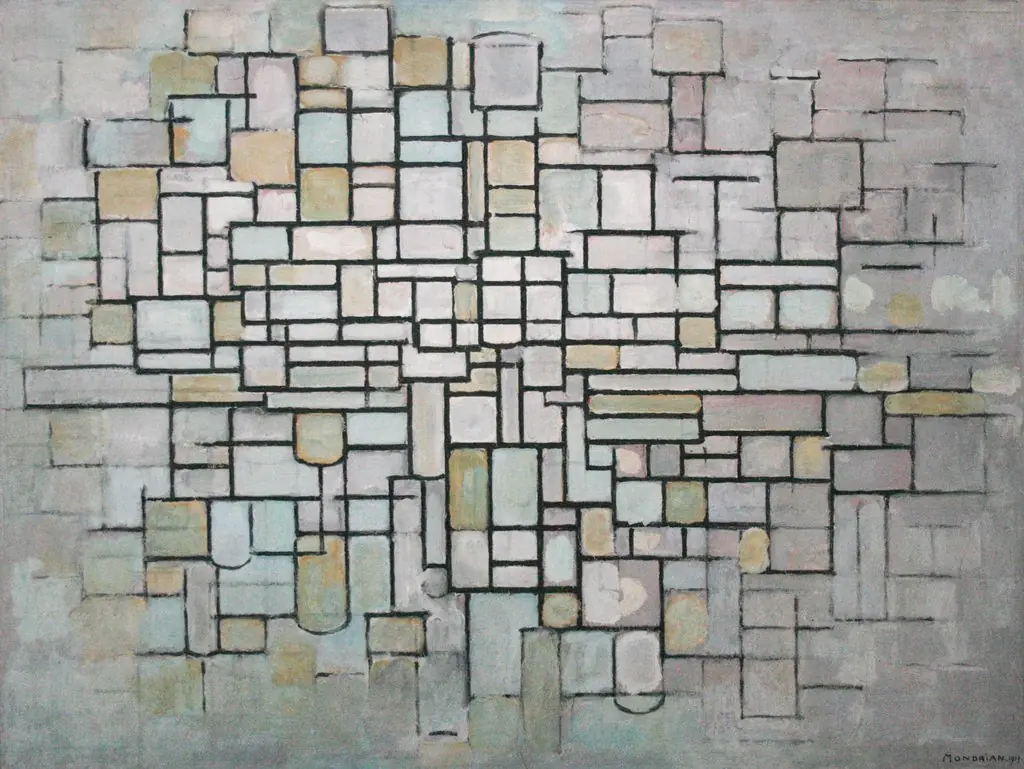 Composition No. 11
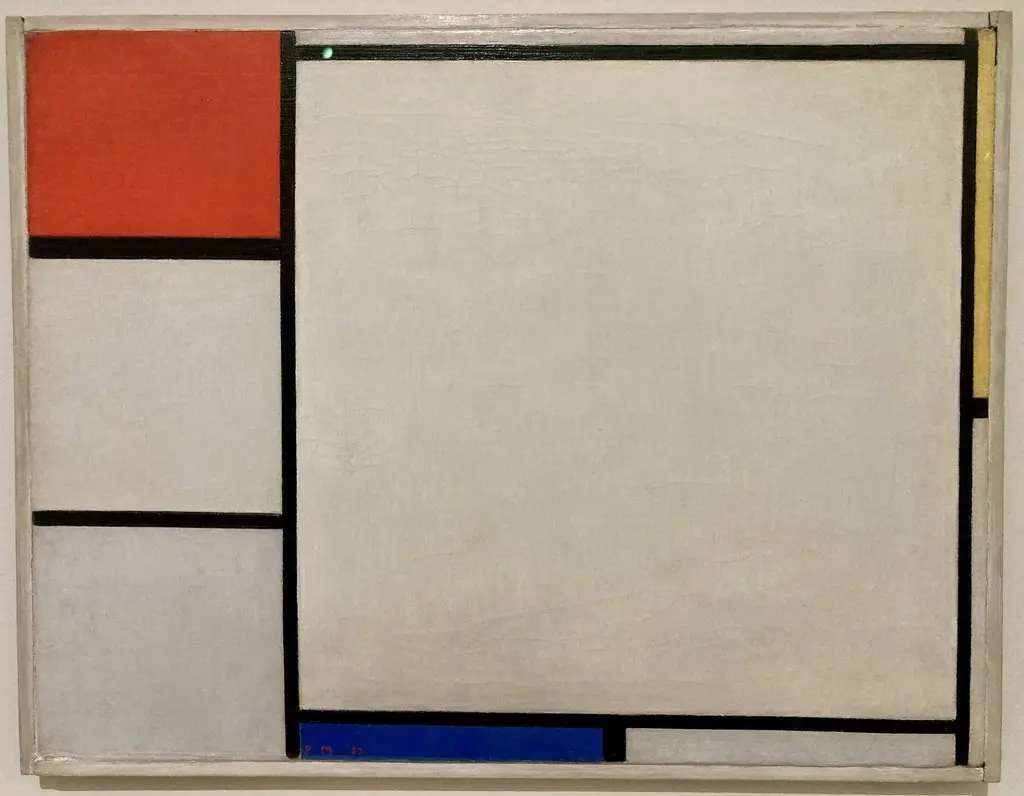 Composition with red, yellow, and blue
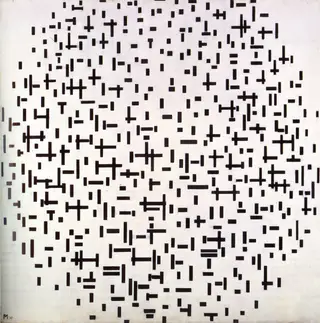 Composition in line, second state
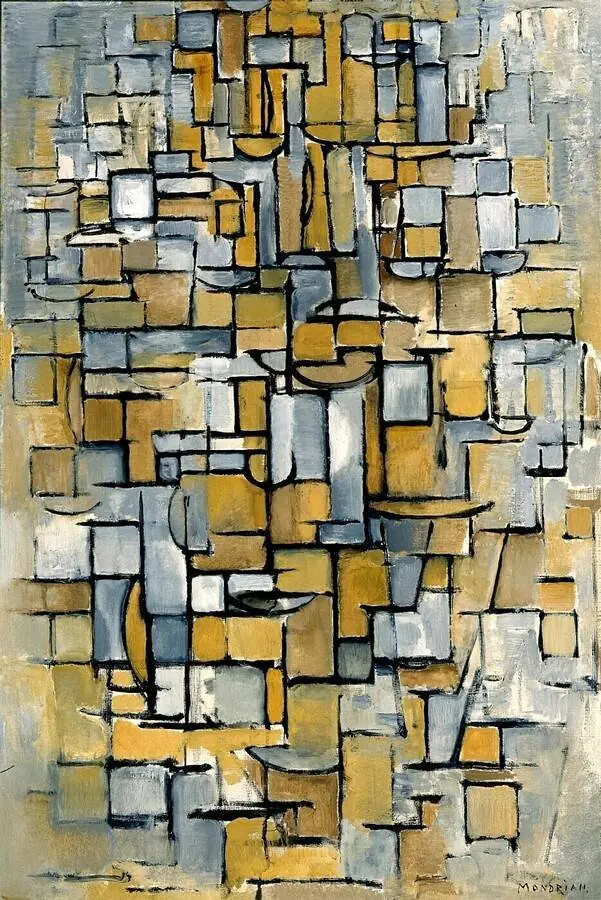 Tableau no 1
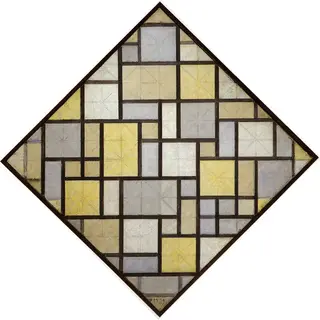 Composition: Light Color Planes with Grey Lines
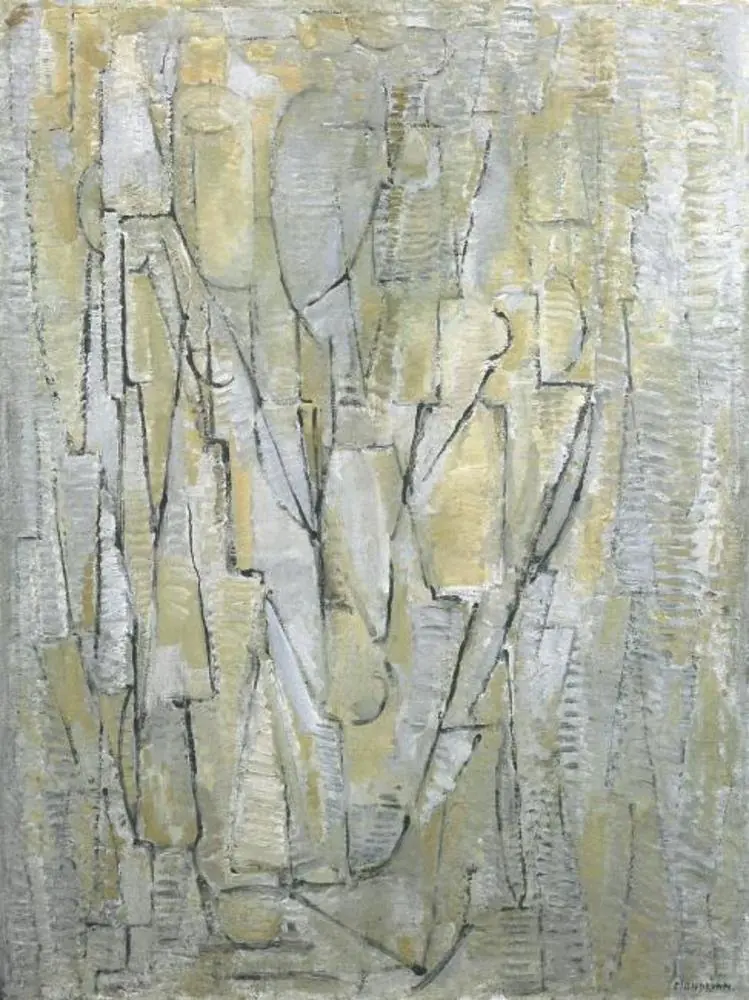 Composition no.XI (authentic)
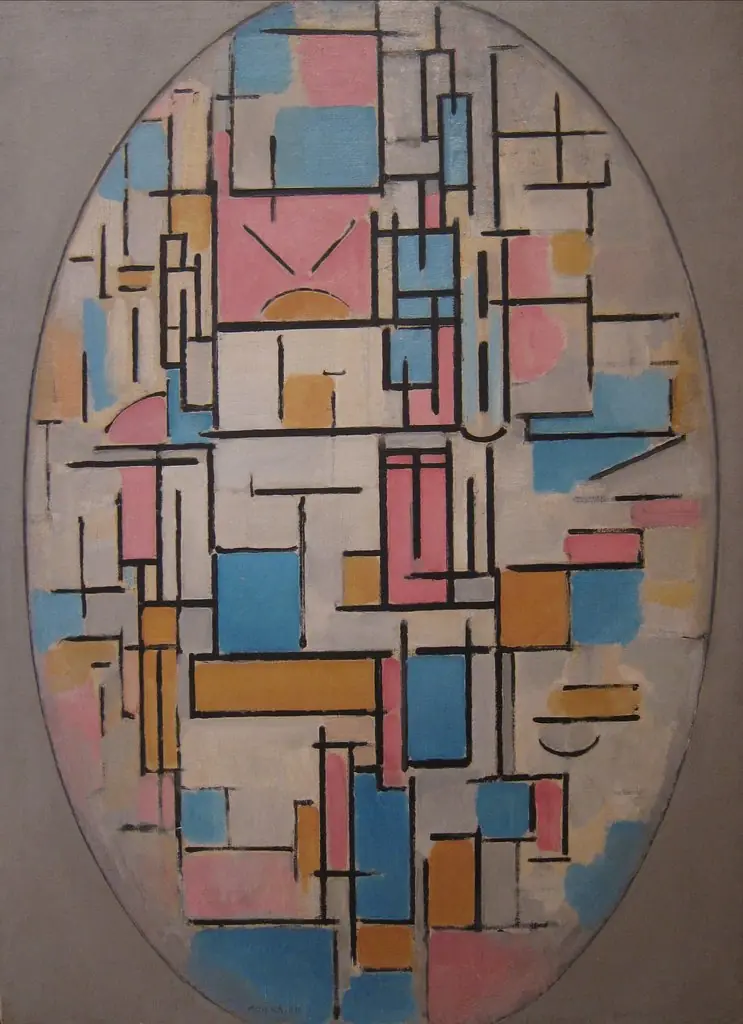 Composition in Oval with Color Planes 1
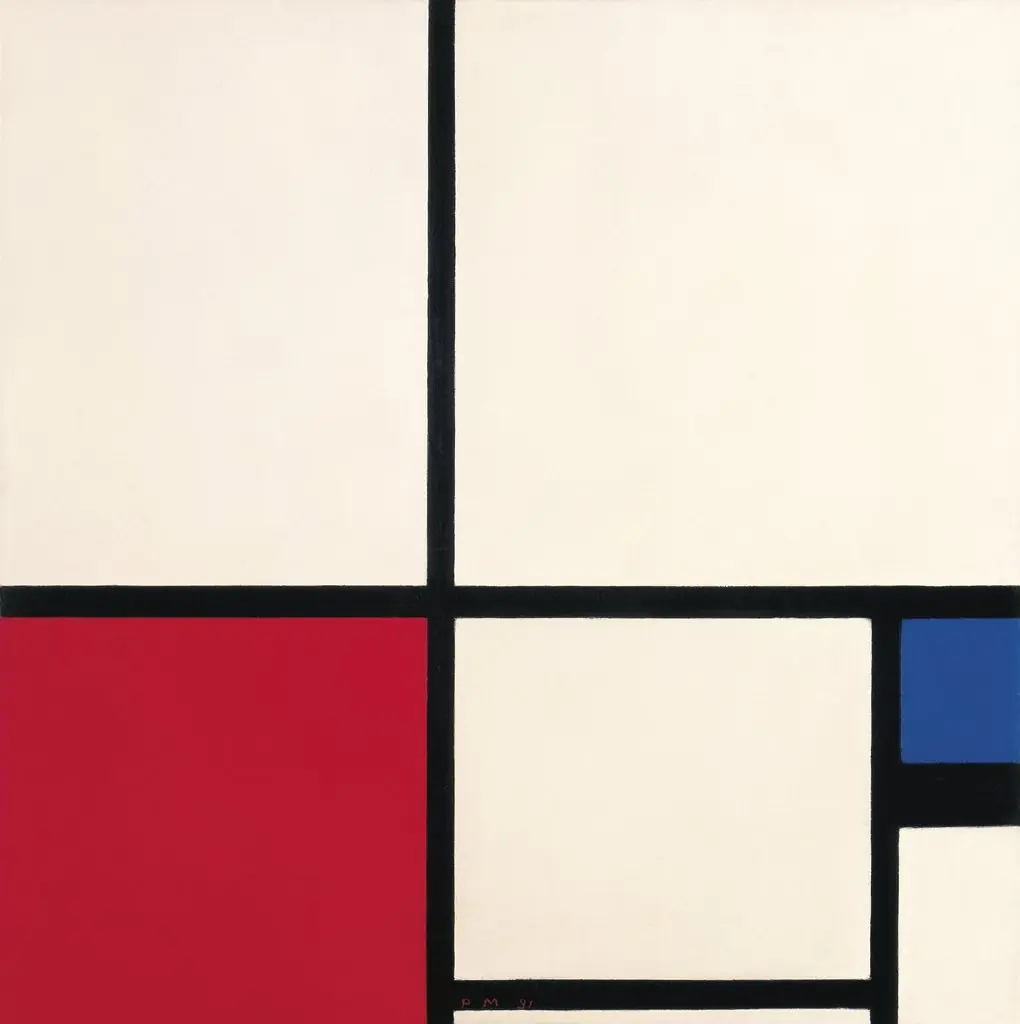 Composition in Colours
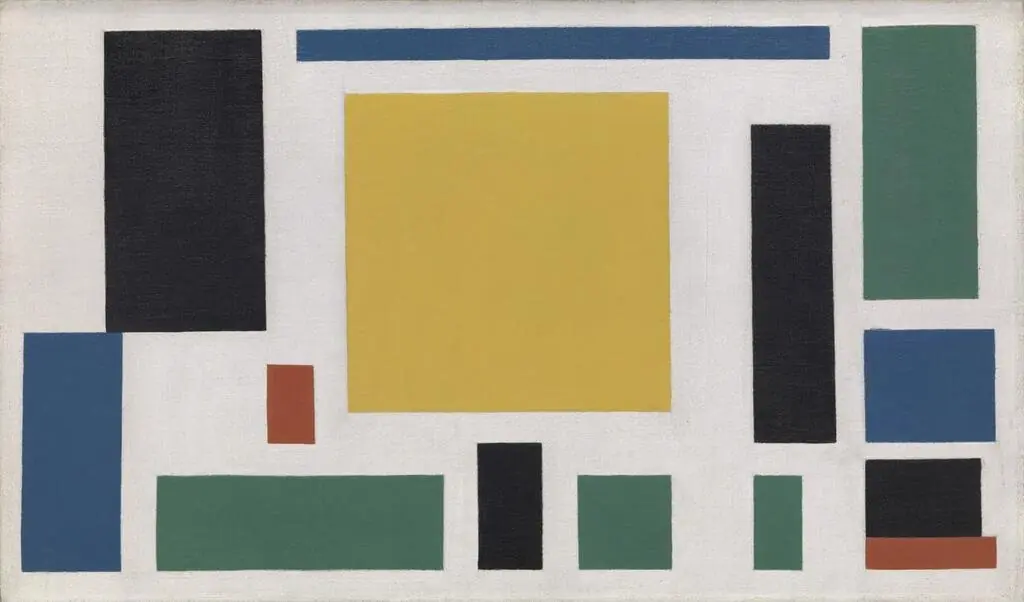 Composition VIII (The Cow)
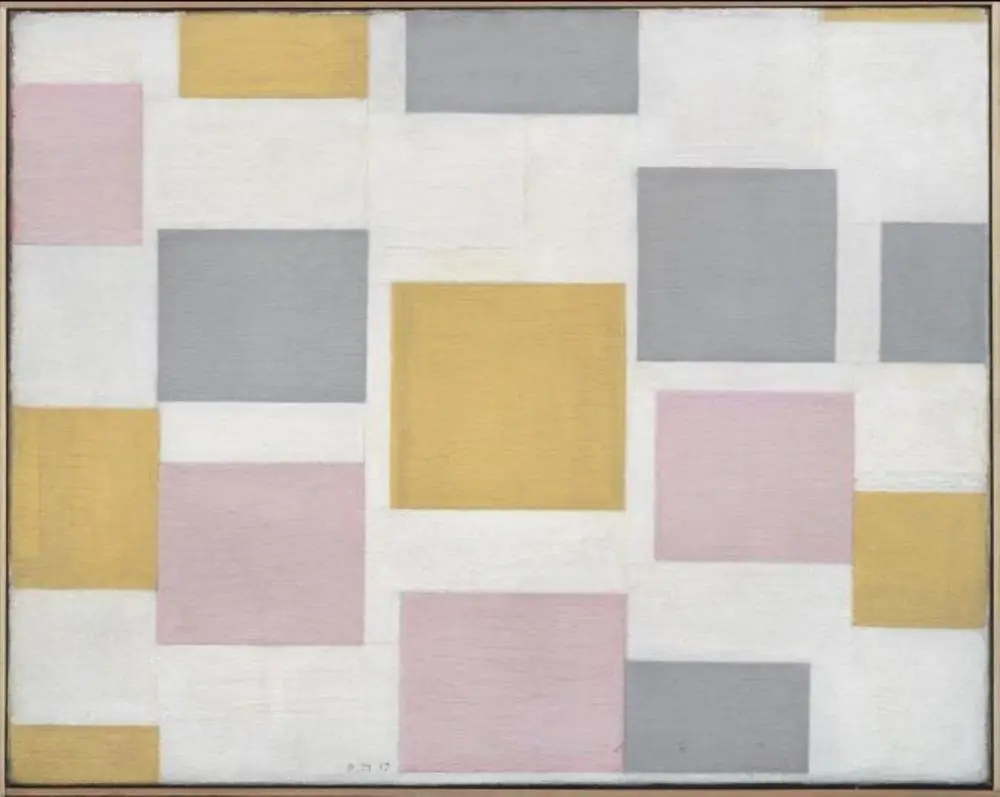 Composition with Color Planes 5
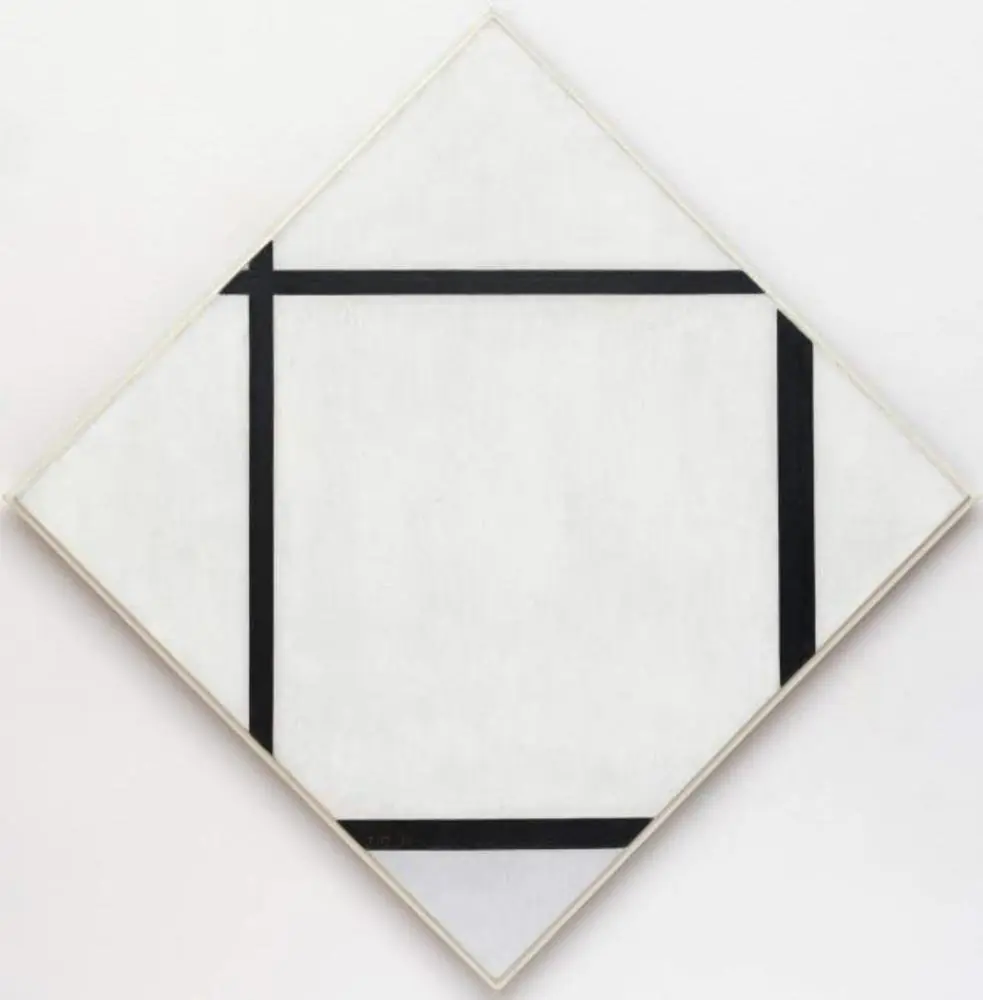 Tableau I: Lozenge with Four Lines and Gray
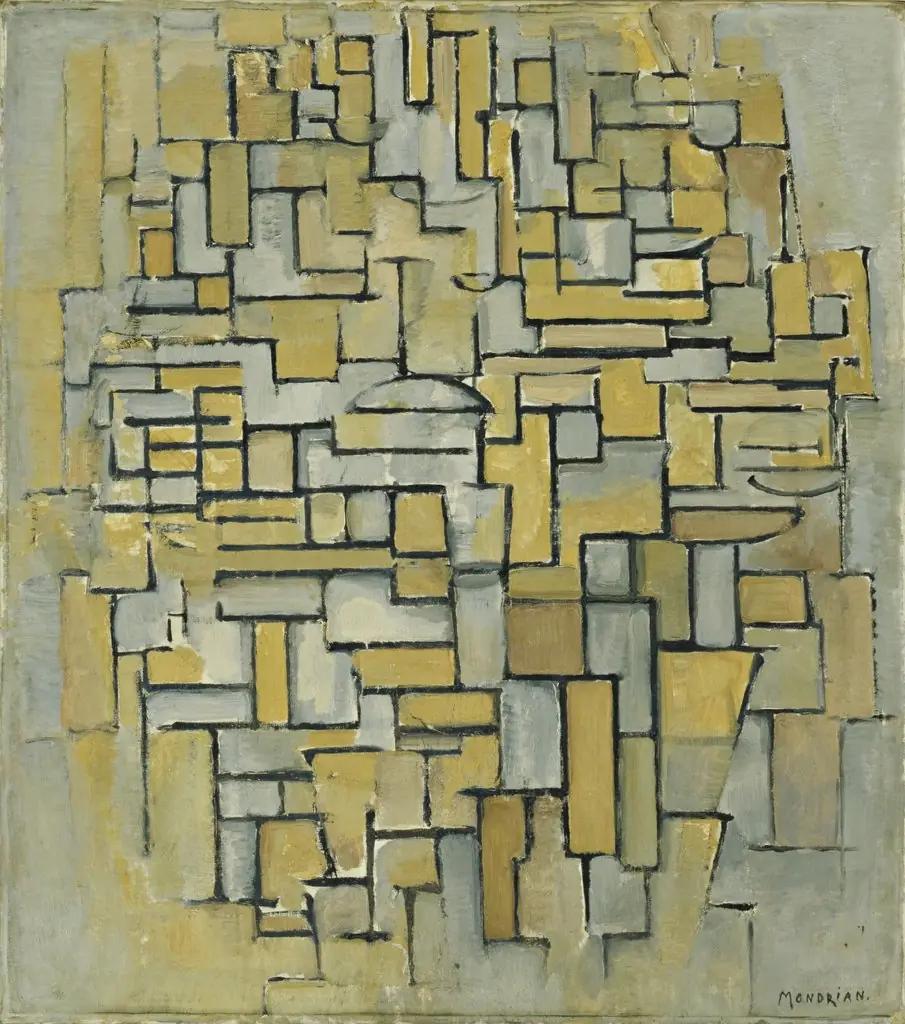 Composition in Brown and Gray
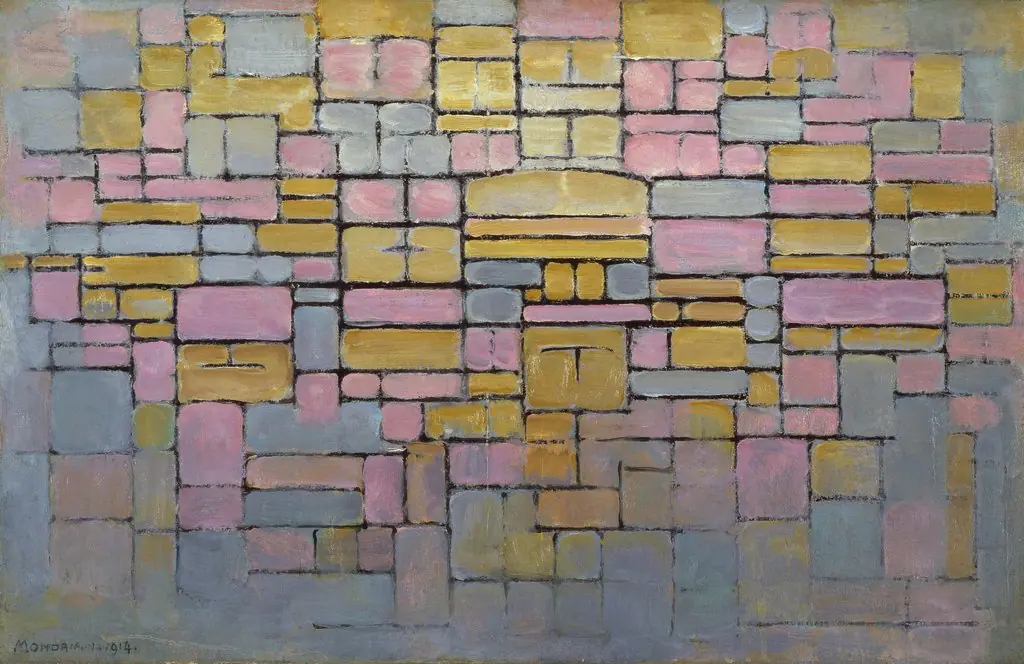 Tableau no. 2
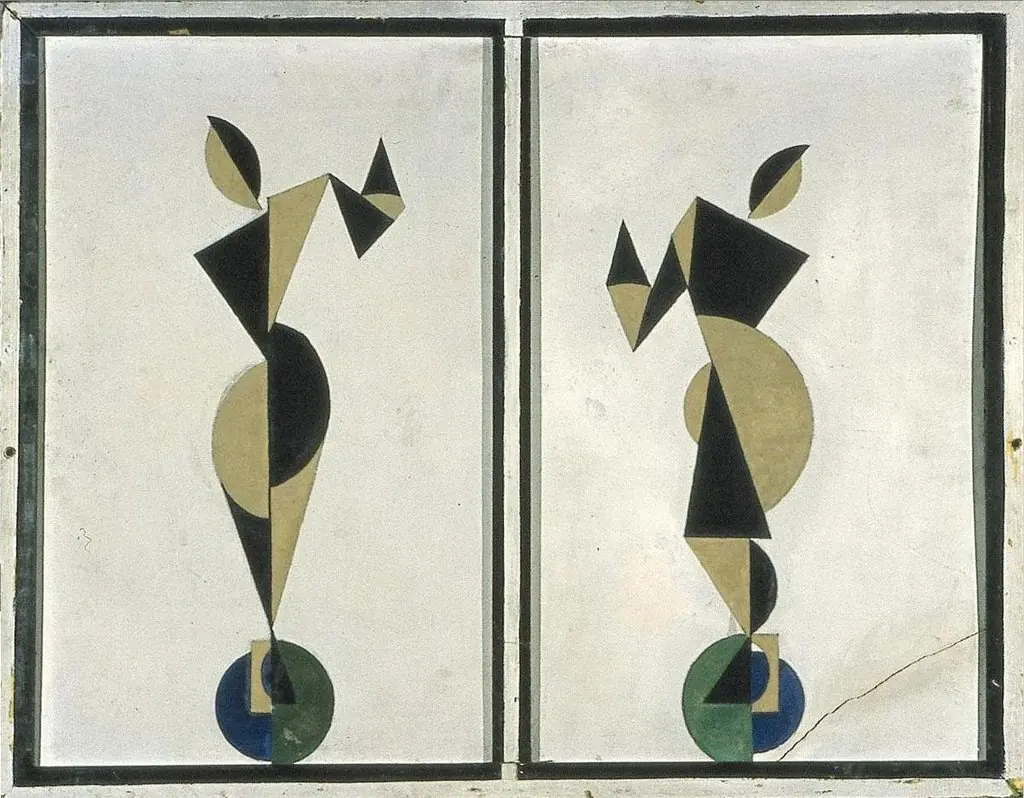 Dancers
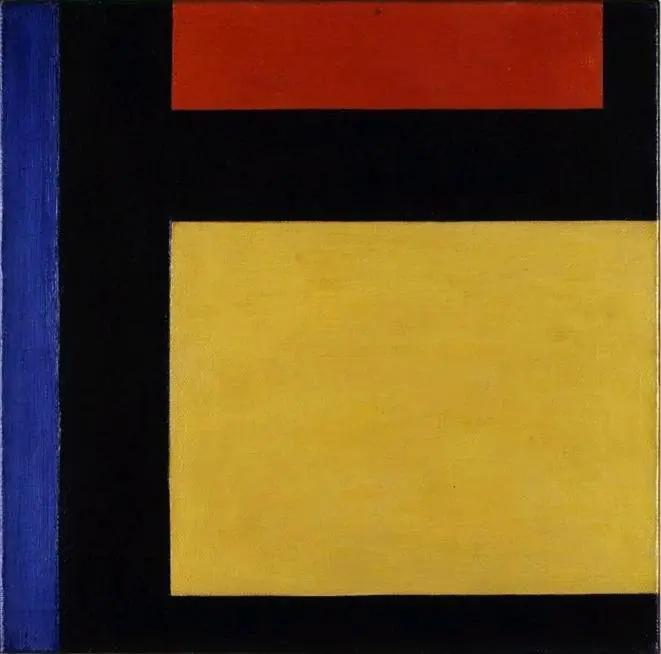 Contra-compositie X
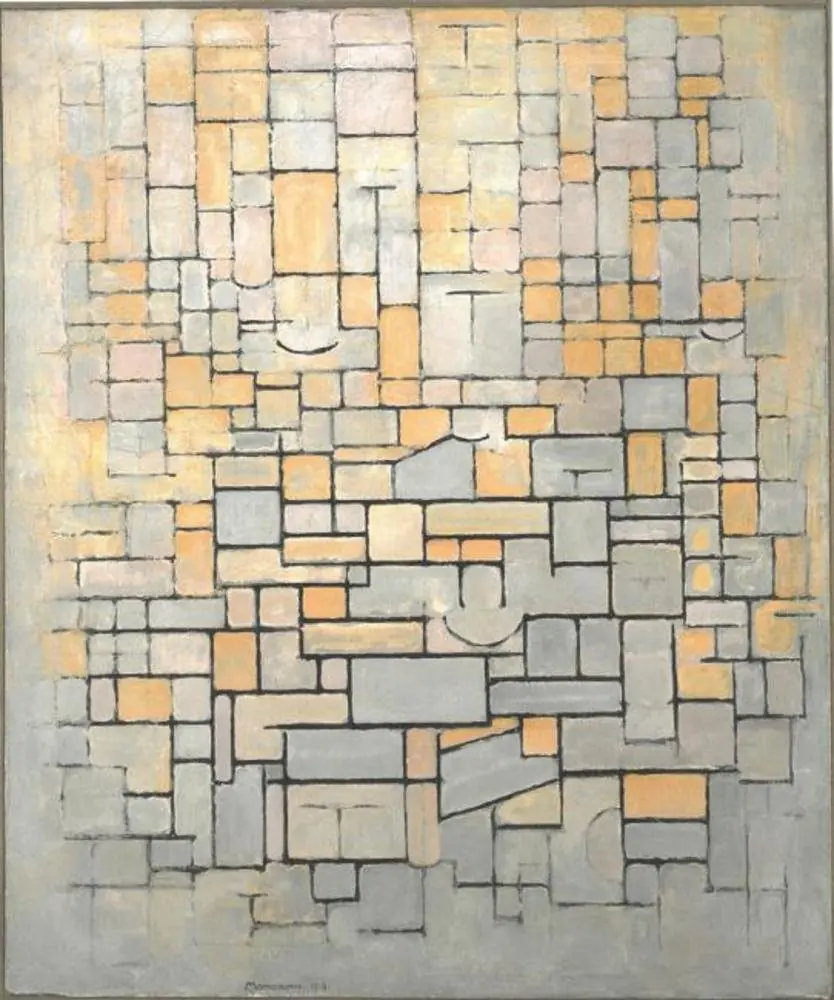 Tableau no.I
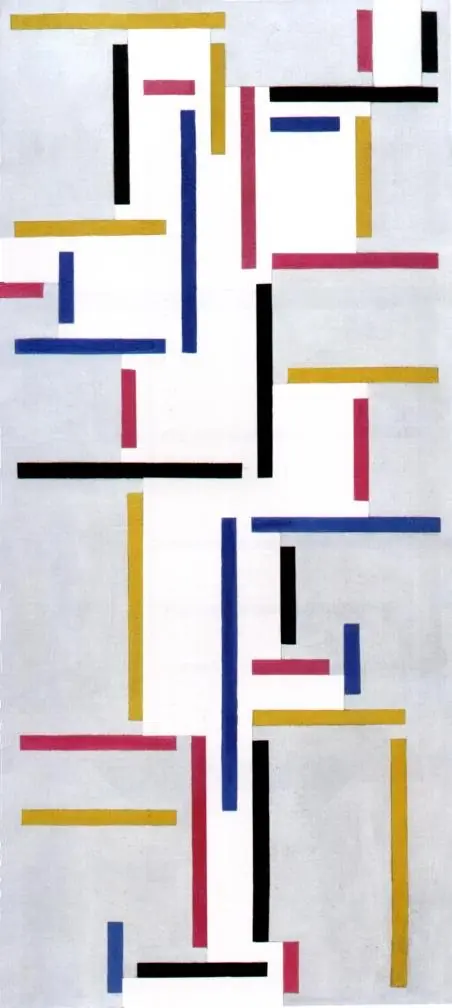 Rhythm of a Russian dance
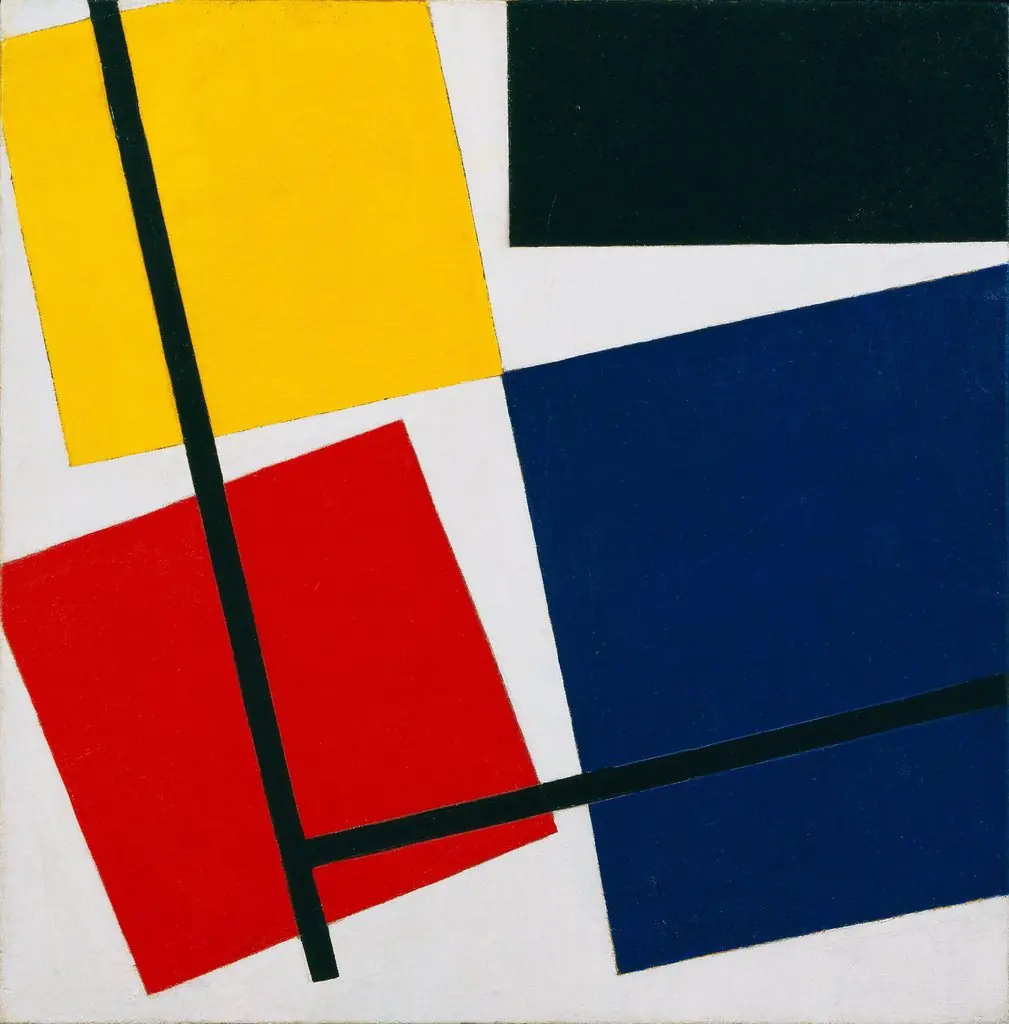 Simultaneous Counter-Composition
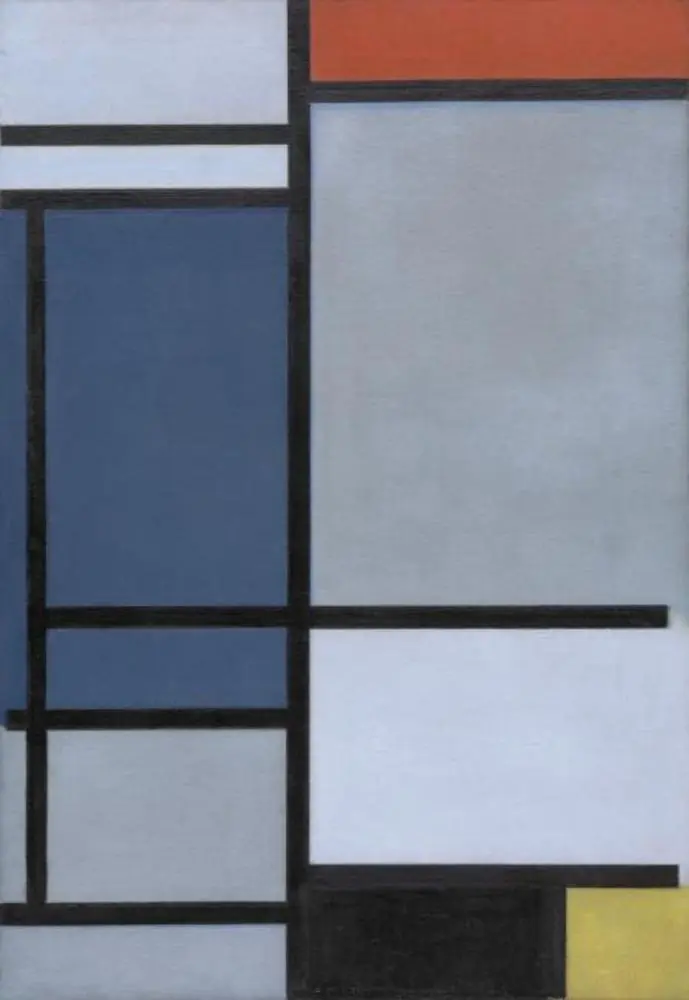 Composition with Red Blue Black Yellow and Gray
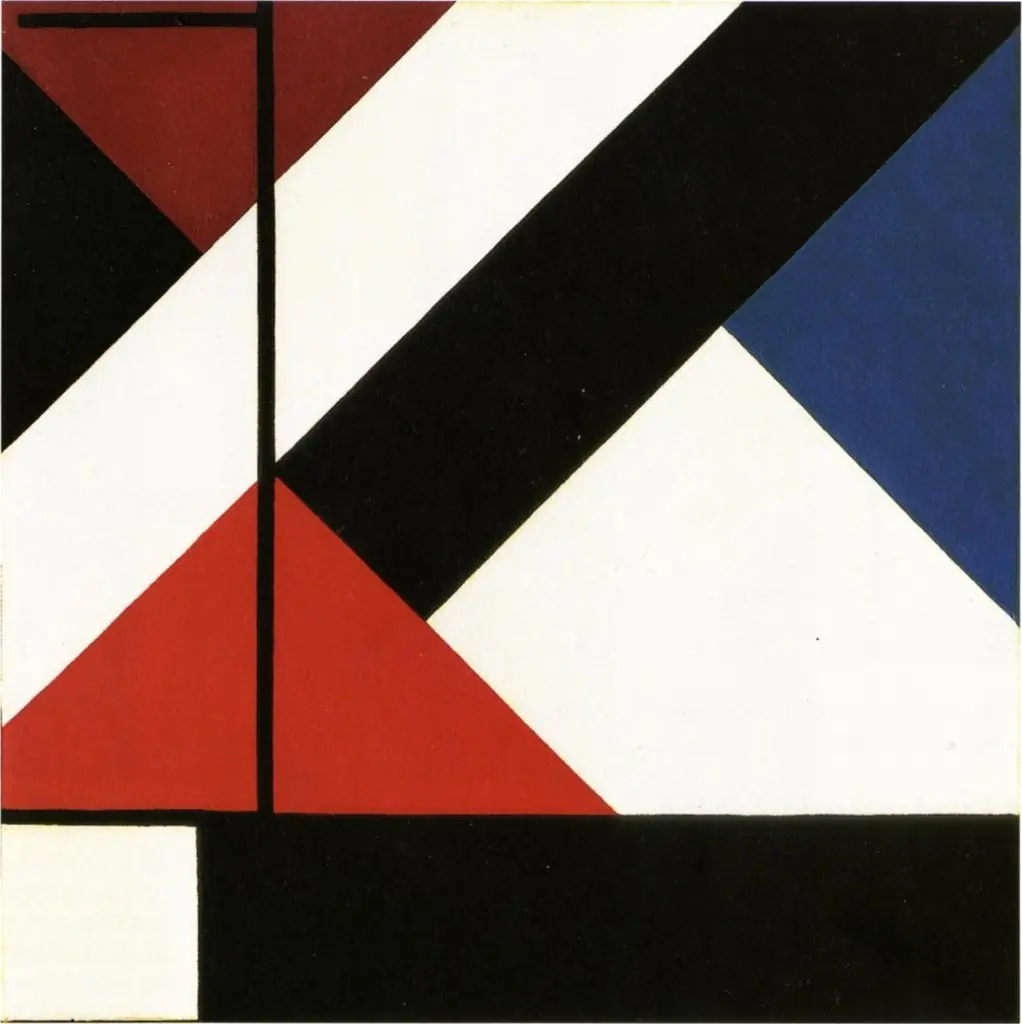 Simultaneous Counter-Composition
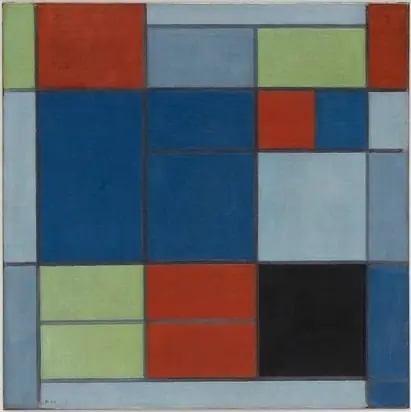 Composition C
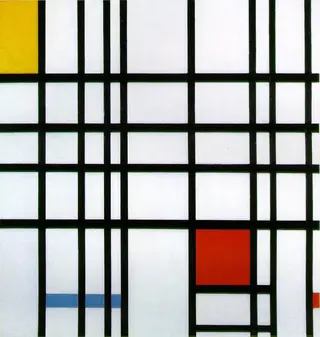 Composition with Red, Yellow and Blue
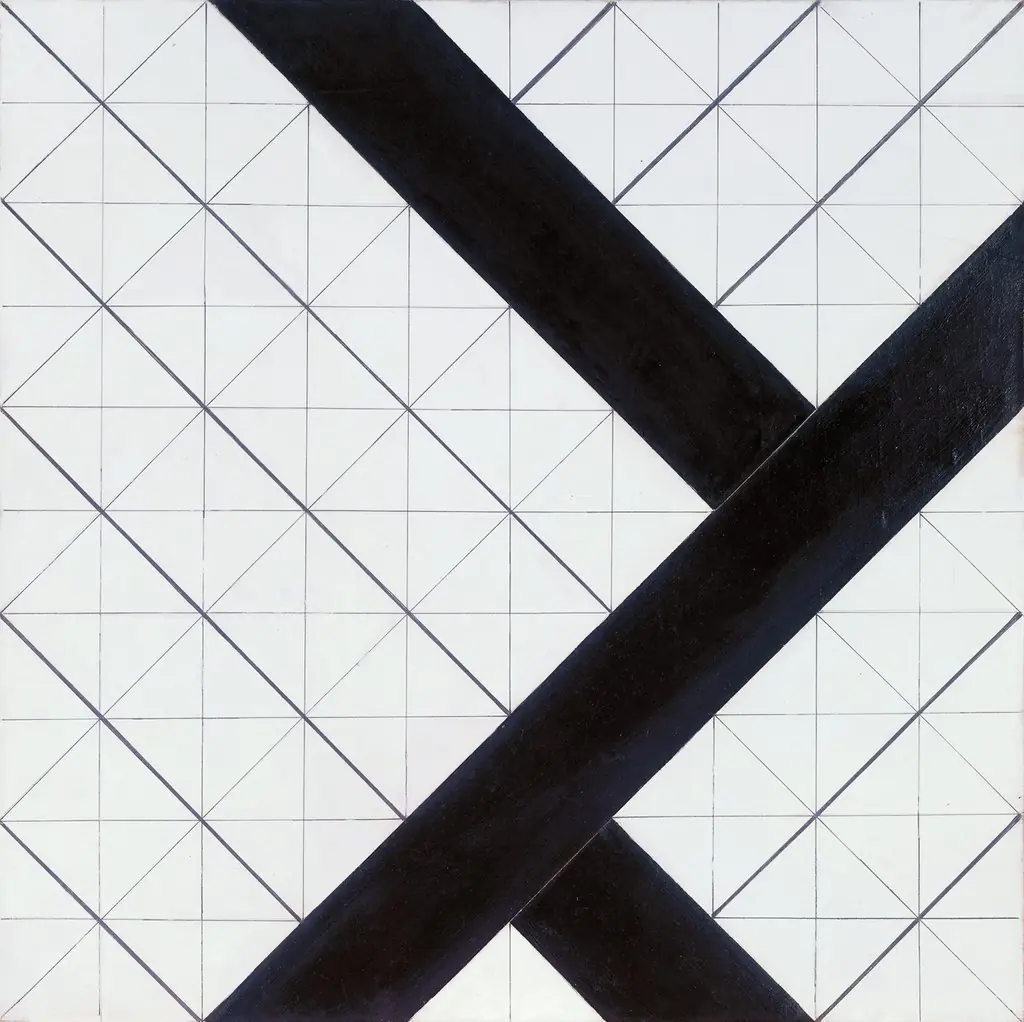 Counter-Composition VI
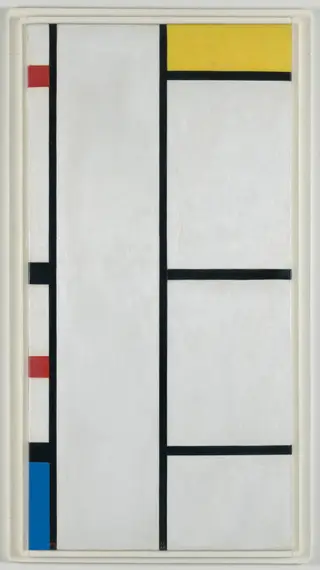 Composition (no. III) blanc-jaune
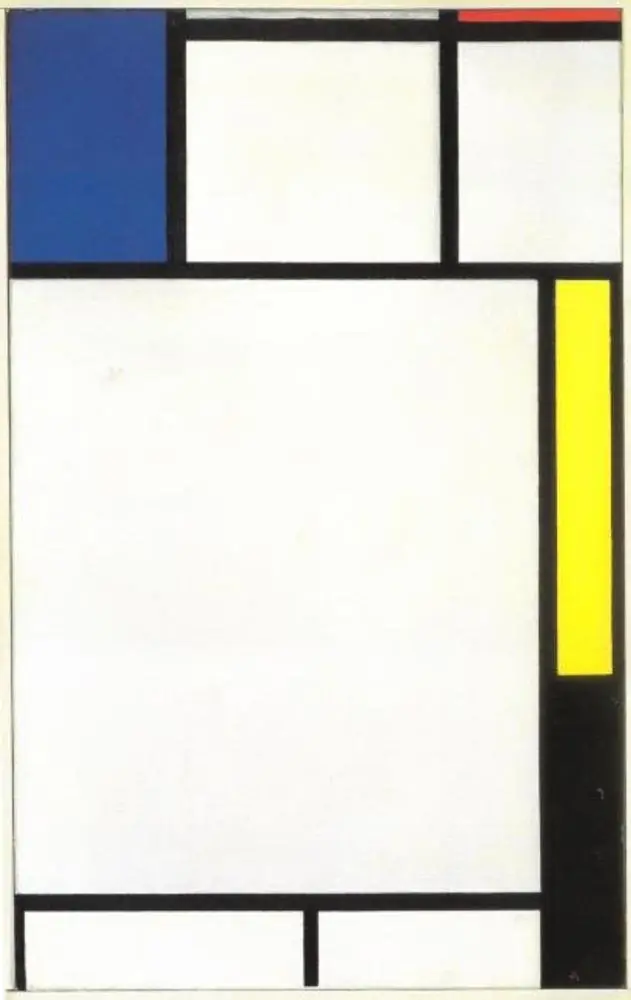 Composition with blue, red, yellow, and black
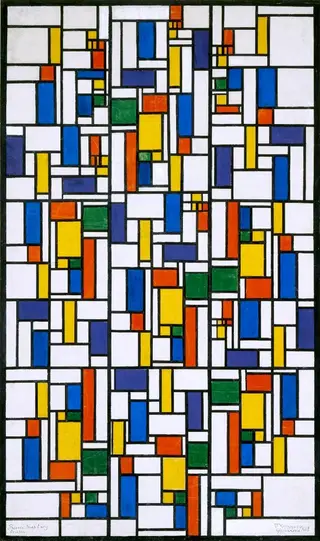 Komposition V.. Farbentwurf für Glasfenster
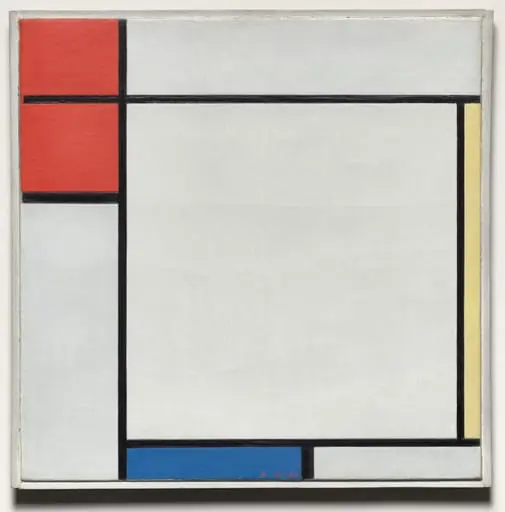 Composition with Red, Yellow, and Blue
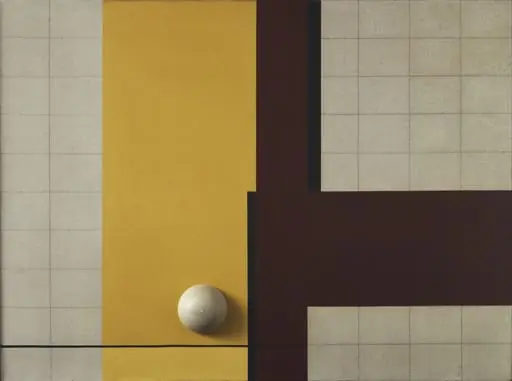 Untitled
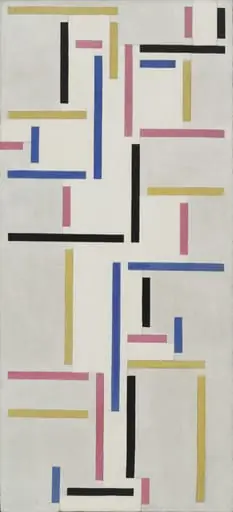 Untitled
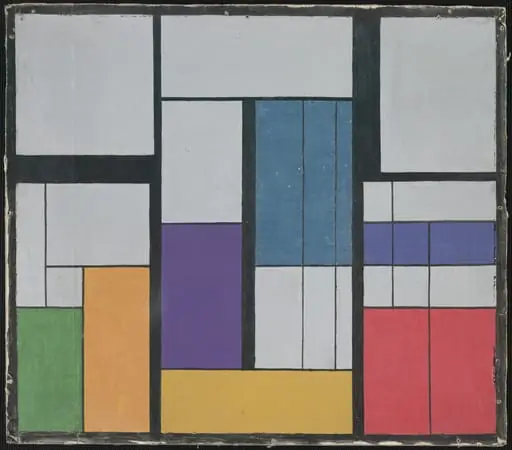 Untitled
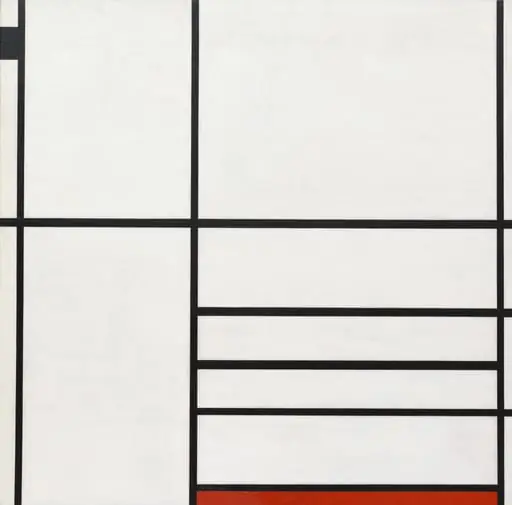 Untitled
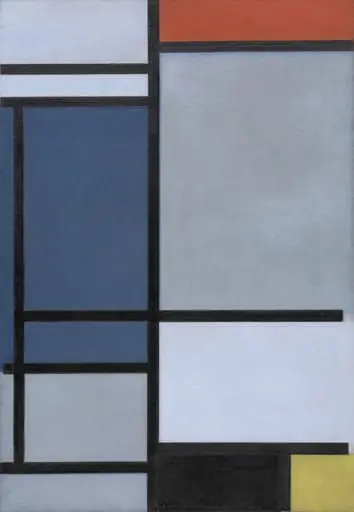 Untitled
 Untitled
 Untitled
 Untitled
 Untitled
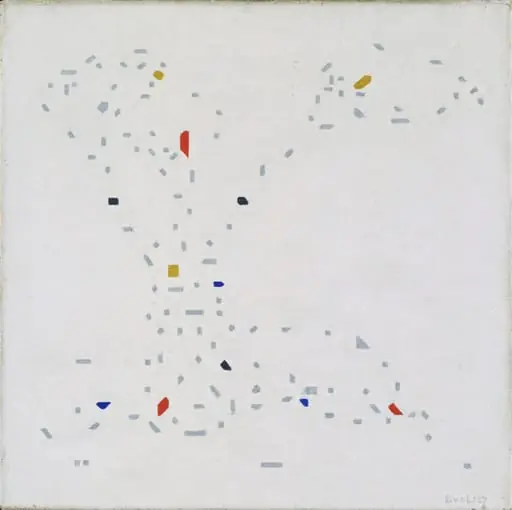 Untitled
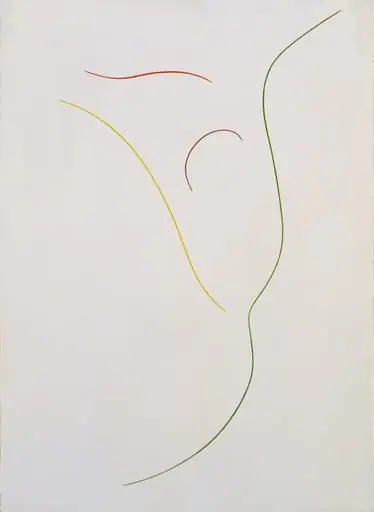 Untitled
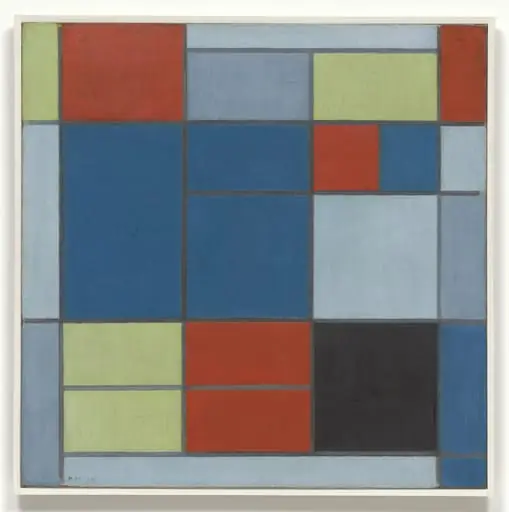 Untitled
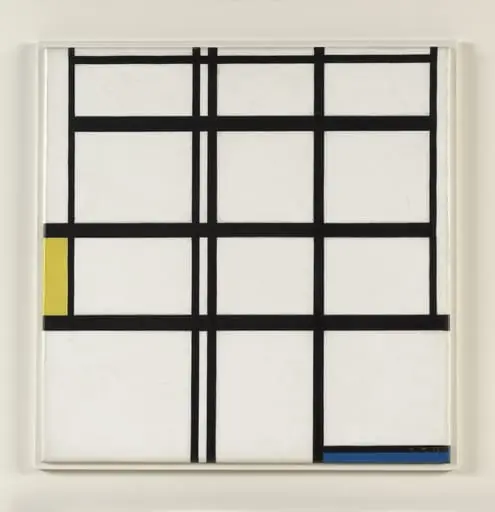 Untitled
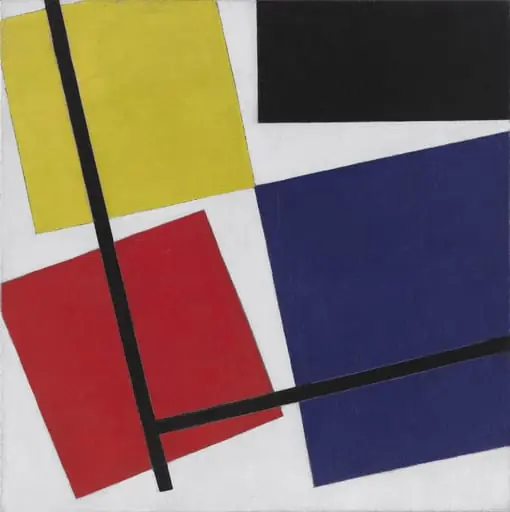 Untitled
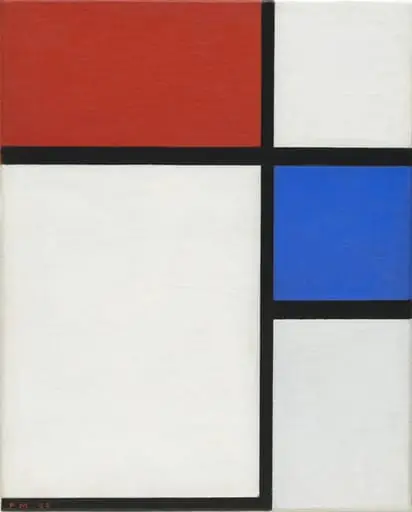 Untitled
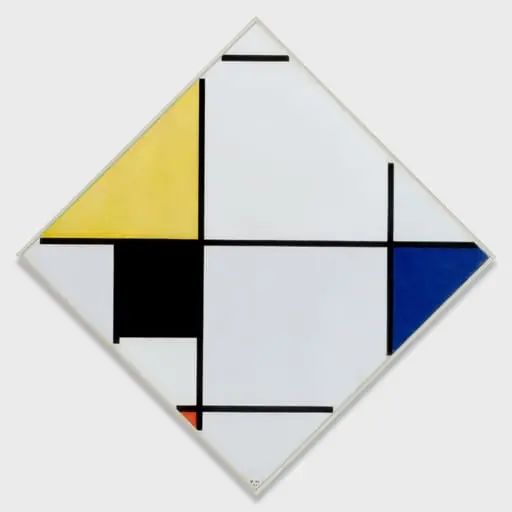 Lozenge Composition with Yellow, Black, Blue, Red, and Gray
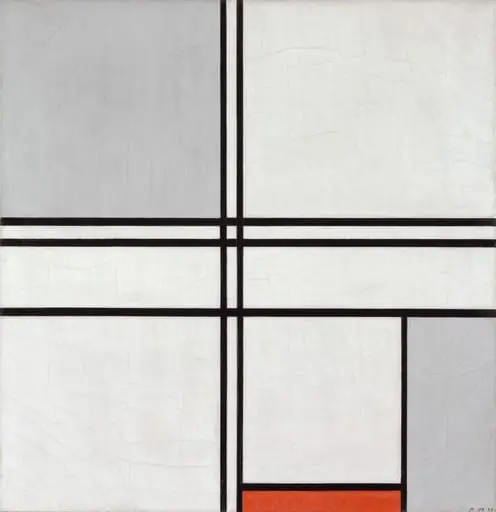 Composition (No. 1) Gray-Red
Groups & collectives
Frequently asked questions
What is De Stijl?
De Stijl is an art movement. A Dutch movement founded in 1917 around Theo van Doesburg and Piet Mondrian that reduced art to vertical and horizontal lines and the primary colors plus black and white.
How many De Stijl works does Artifact World Gallery have?
Artifact World Gallery holds 65 public-domain De Stijl works, all free to view and download.
Who are the key De Stijl artists?
Key De Stijl artists in the collection include Piet Mondrian, Gino Severini and Theo van Doesburg.
When did De Stijl take place?
De Stijl dates from 1917–1932.
Where can I see De Stijl works?
De Stijl works in the collection are held by Museum of Modern Art, Kröller-Müller Museum and Art Institute of Chicago.