Artwork
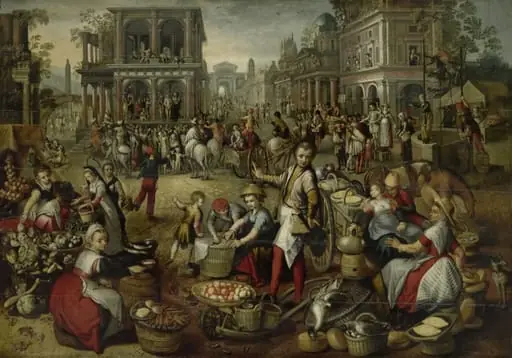
Market Scene (Fragment of An Ecce-homo)
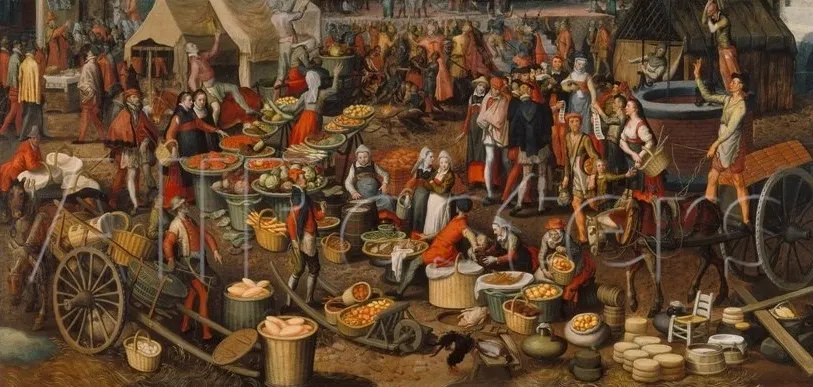
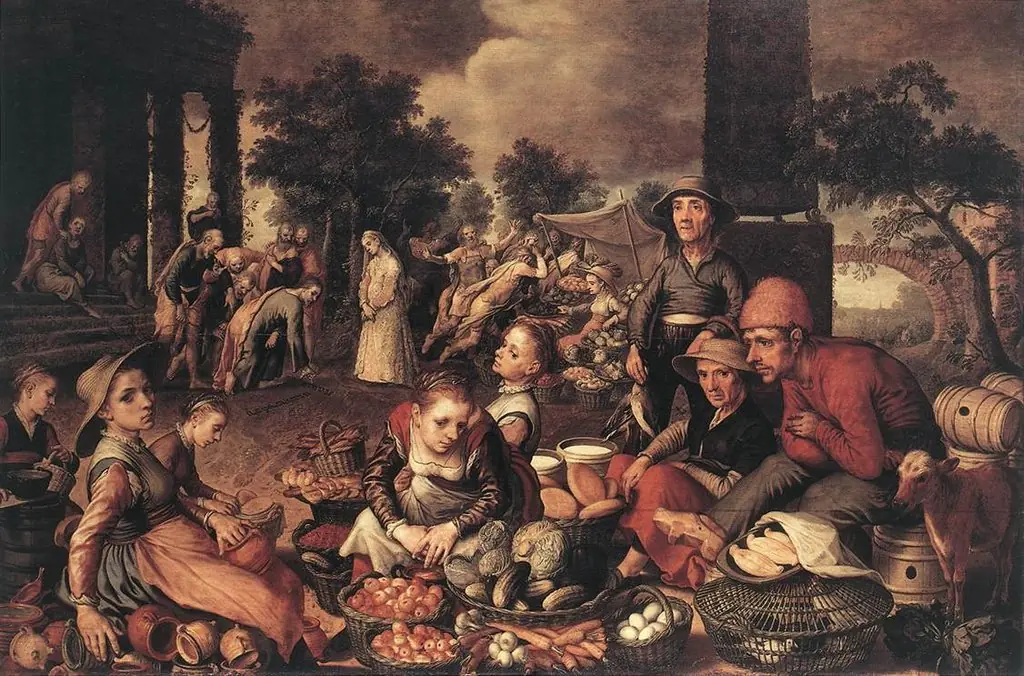
Market Scene (Fragment of An Ecce-homo) is an oil painting by the Dutch Golden Age artist Pieter Aertsen. It dates from 1550 and is held in the collection of the Bavarian State Painting Collections.
About this work
Overview
It presents a vivid market scene, notable for its scale and the integration of secular daily life with a faint religious narrative in the distance.
Painted around 1550 by Pieter Aertsen, this oil-on-panel work is a fragment originally part of a larger composition depicting the Ecce Homo. It presents a vivid market scene, notable for its scale and the integration of secular daily life with a faint religious narrative in the distance. The painting exemplifies Aertsen’s innovative approach to genre painting, elevating ordinary commerce to the foreground while relegating sacred imagery to the background.
Subject & Meaning
The central focus is a bustling open-air market filled with vendors, shoppers, and goods, fish, vegetables, bread, and pottery, arranged with meticulous attention to detail. Behind the crowd, barely visible, is a small scene of Christ presented to the people, framed by architecture. This juxtaposition suggests a commentary on worldly distractions overshadowing spiritual matters, a common theme in Northern Renaissance art that invites viewers to reflect on moral priorities.
Technique & Style
Aertsen employed richly layered oil paint to render textures with precision: the sheen of fish scales, the roughness of baskets, the dampness of cobblestones. His use of naturalistic lighting and varied color tones, earthy browns, muted greens, and vivid reds from produce, creates depth and atmosphere. The composition avoids idealization, favoring observational realism over dramatic contrast, though subtle chiaroscuro enhances spatial volume without theatricality.
History & Provenance
The painting was likely part of a larger altarpiece or devotional panel, later separated and reclassified as a standalone genre scene. It entered the collection of the Alte Pinakothek in Munich in the 19th century, having passed through several private holdings in the Low Countries. Its survival as a fragment underscores the shifting perceptions of genre painting, once considered secondary to religious or historical subjects.
Context
In mid-16th century Amsterdam, rising urban commerce and Protestant values reshaped artistic priorities. Aertsen’s work responded to a growing middle-class audience interested in depictions of daily life. While religious imagery remained culturally significant, artists began embedding it within secular settings, reflecting a broader societal shift toward materialism and the observation of ordinary experience as worthy of artistic attention.
Legacy
Aertsen’s integration of market scenes with subtle religious motifs influenced later Flemish and Dutch painters, including Bruegel and the still-life specialists of the 17th century. His compositional strategy, elevating the mundane, helped establish genre painting as a legitimate field. Though less known than contemporaries, his approach laid groundwork for the Dutch tradition of detailed, narrative-rich domestic and commercial scenes.
Artist & collection
Artist
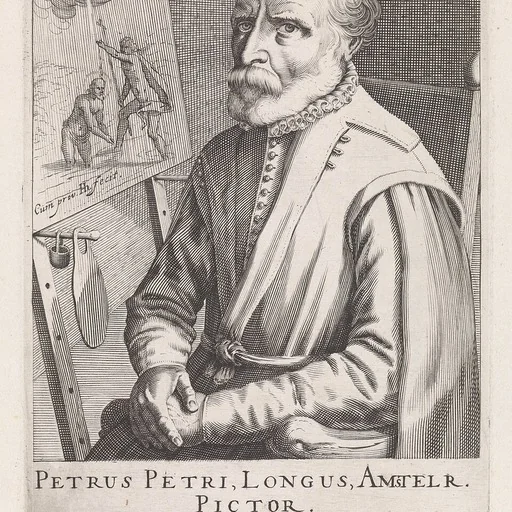
Pieter Aertsen (1508 in Amsterdam – 2 June 1575 in Amsterdam), called Lange Piet ("Tall Pete") because of his height, was a Dutch painter in the style of Northern Mannerism.

 Christ and the woman taken in adultery
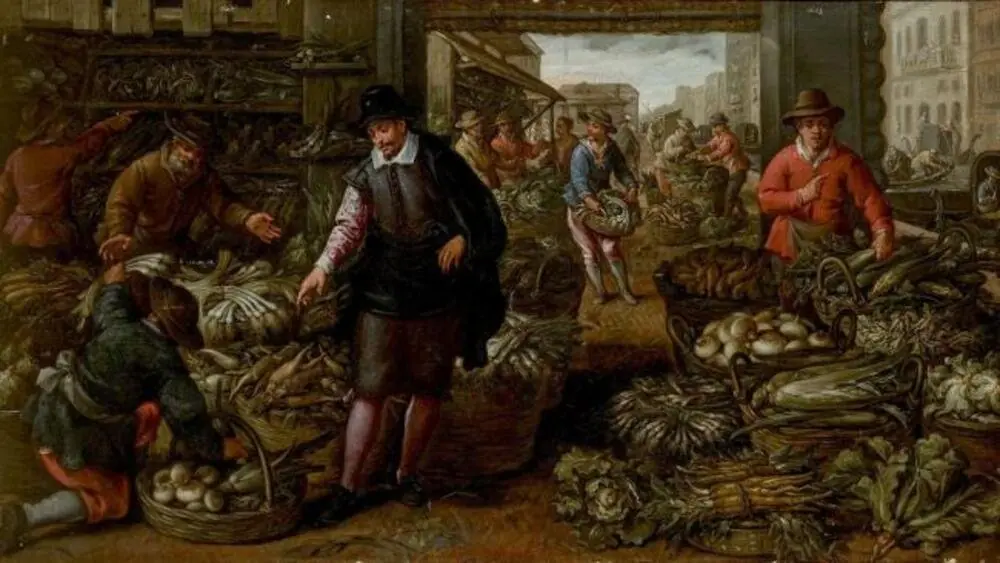 Vegetable Market in Venice
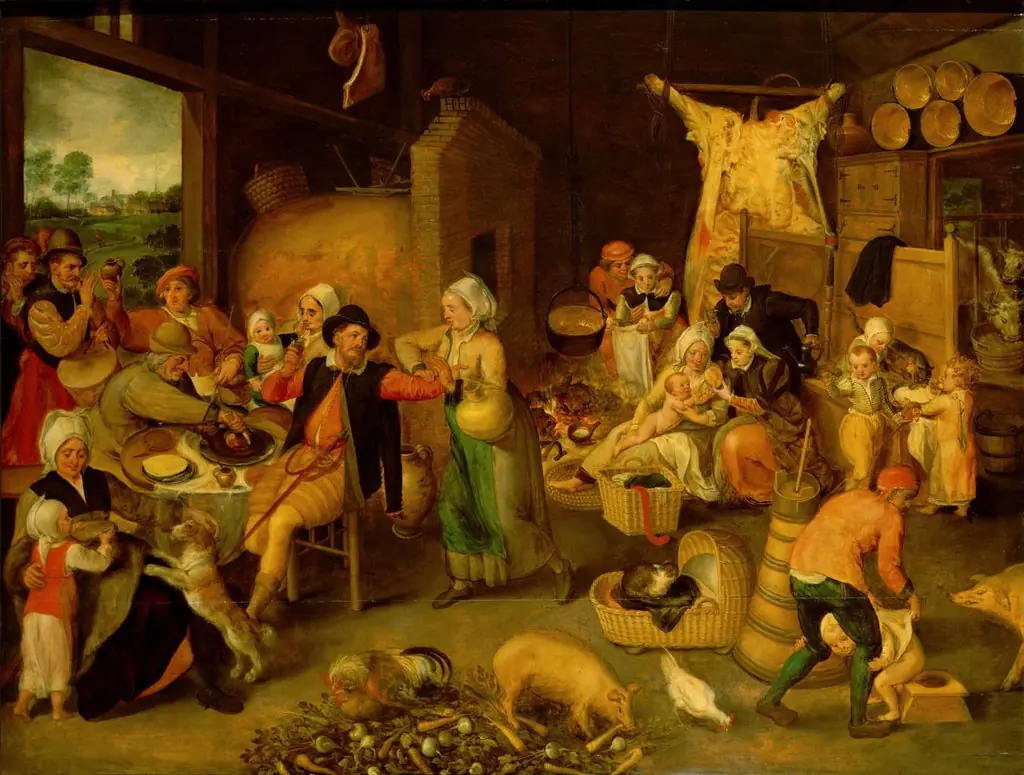 Farm with Distinguished Visitors
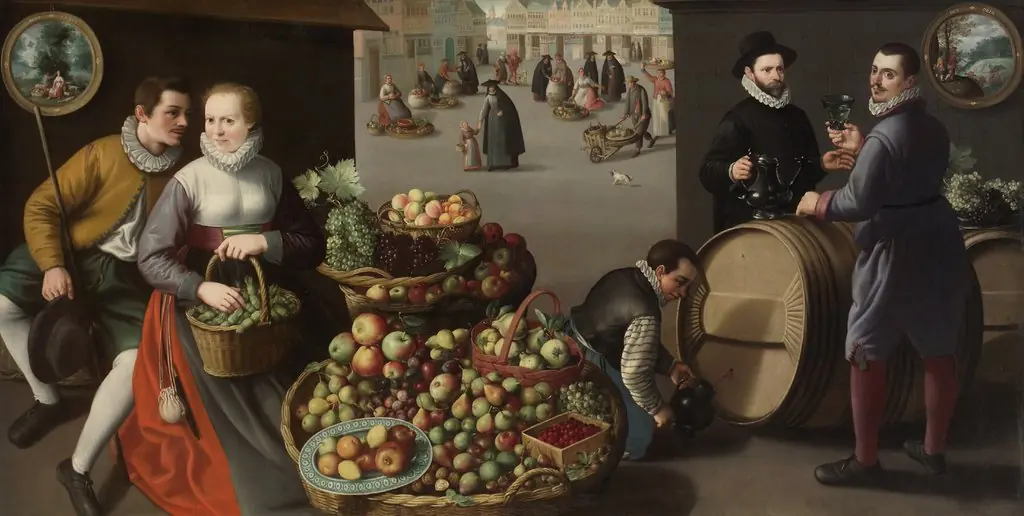 Obstmarkt (September-Oktober)
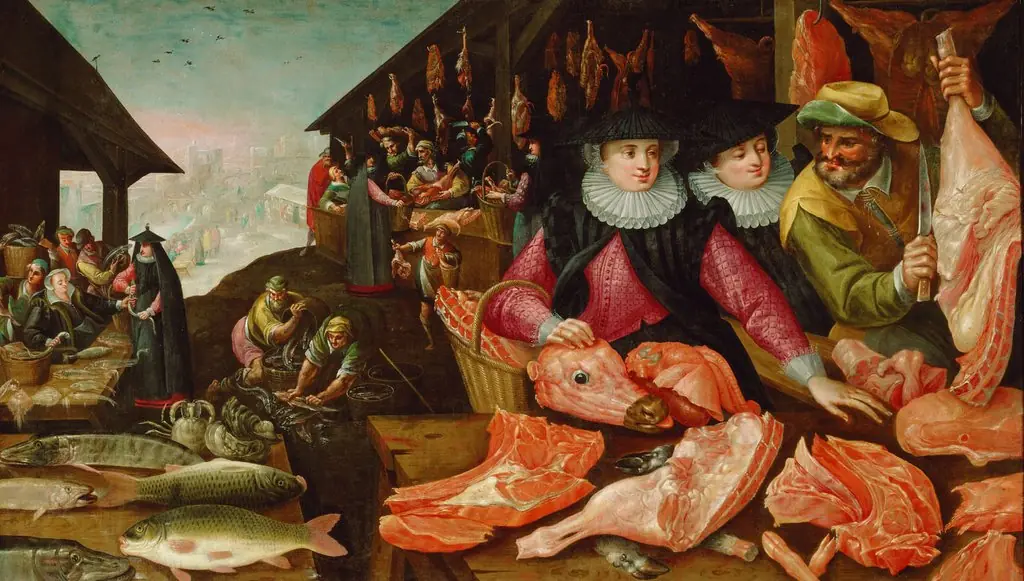 Fleischmarkt (Winter)
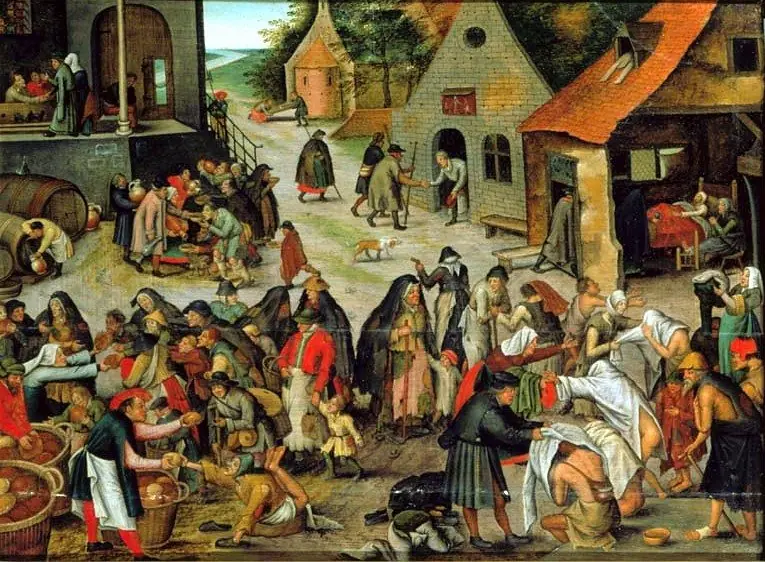 The Seven Acts of Mercy by Pieter Brueghel the Younger
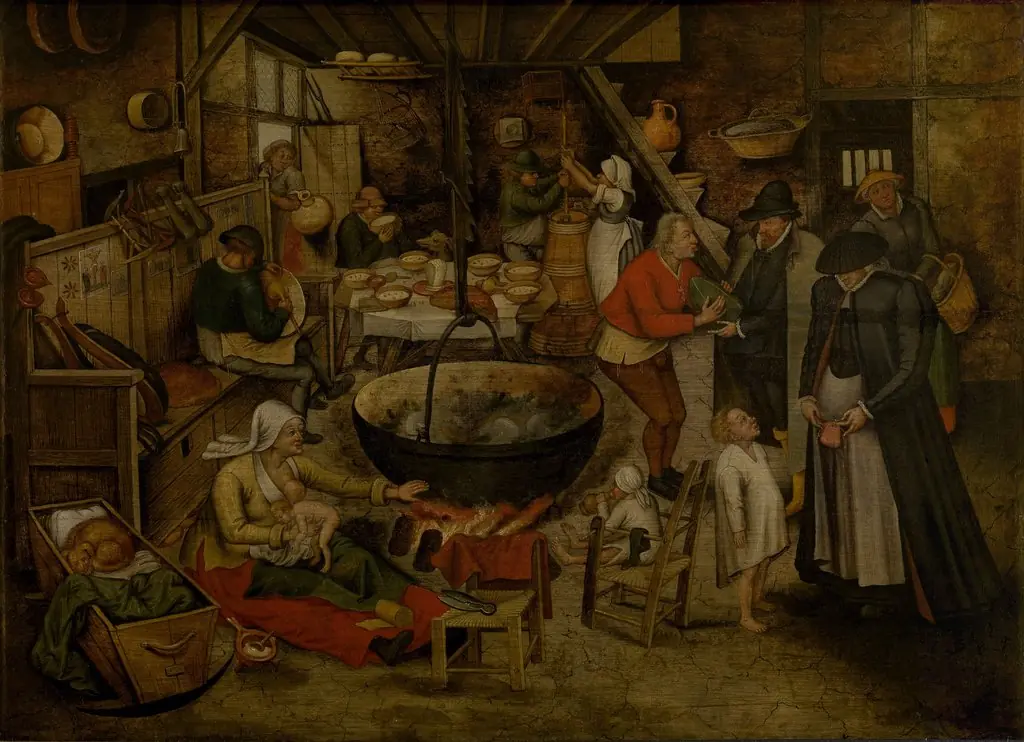 Visit to the Peasants
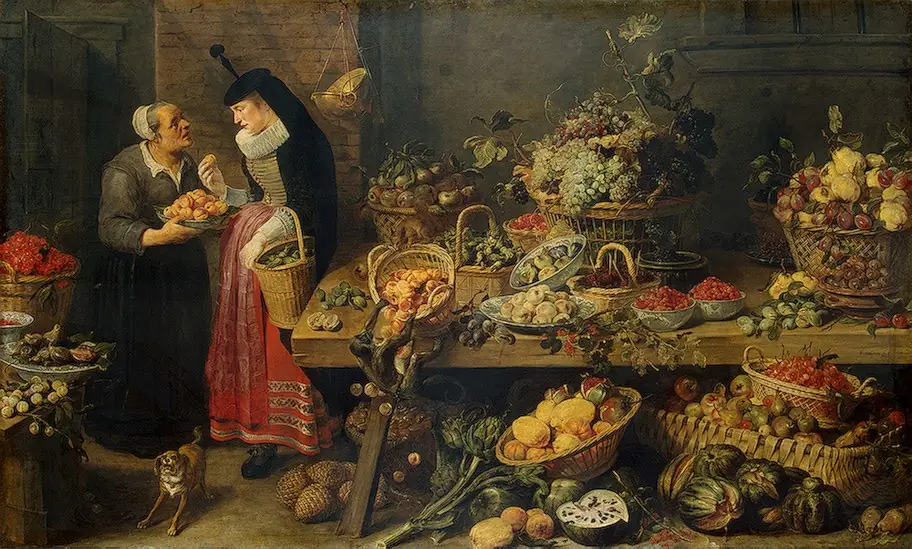 The Fruit Shop
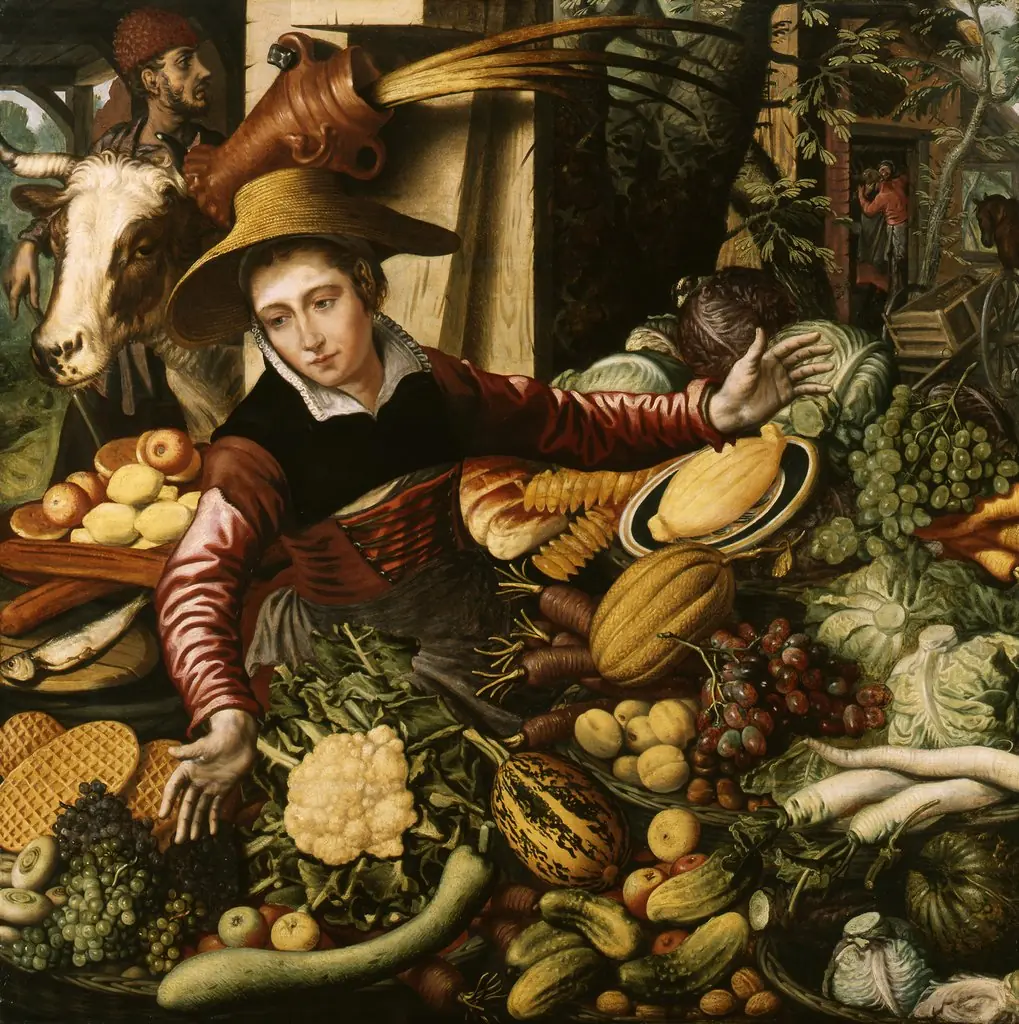
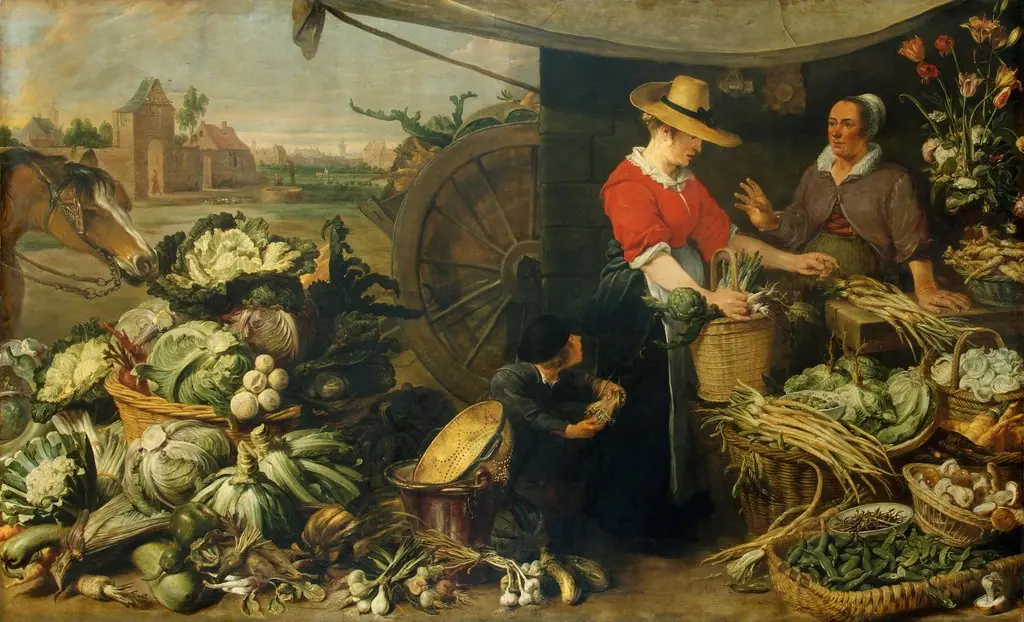 Greengrocery Stall
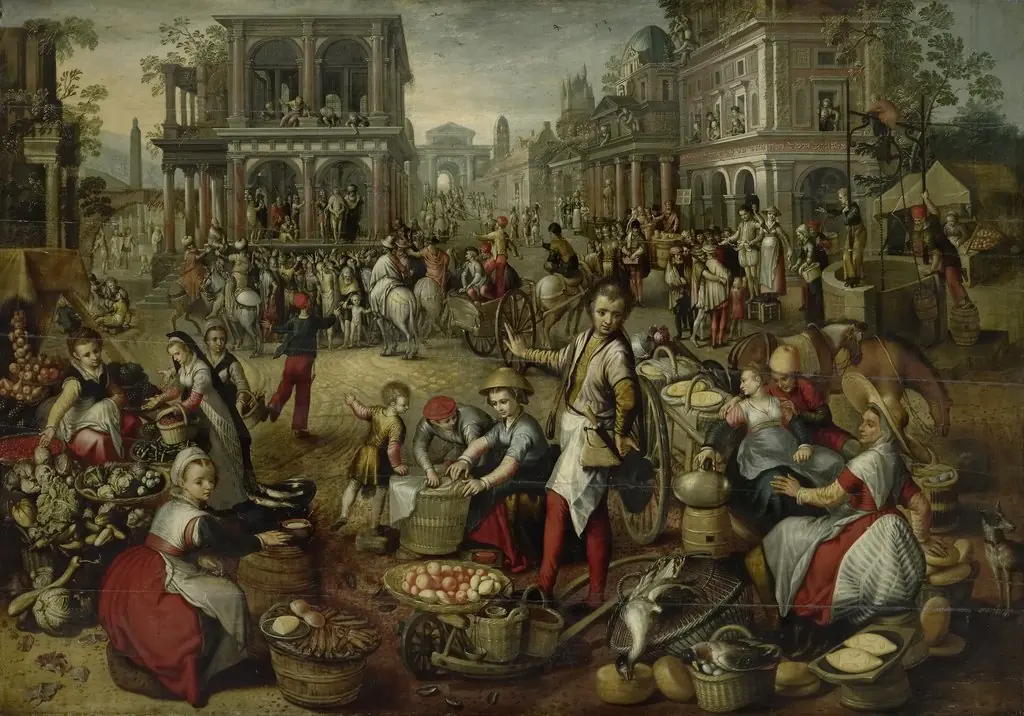
 Marketplace, with the Flagellation, the Ecce Homo and the Bearing of the Cross in the background
- Marketplace with the flaggellation, the Ecce Homo and the bearing of the cross in the background