Artwork
It is too Late to Fill in the Well After the Calf has Drowned
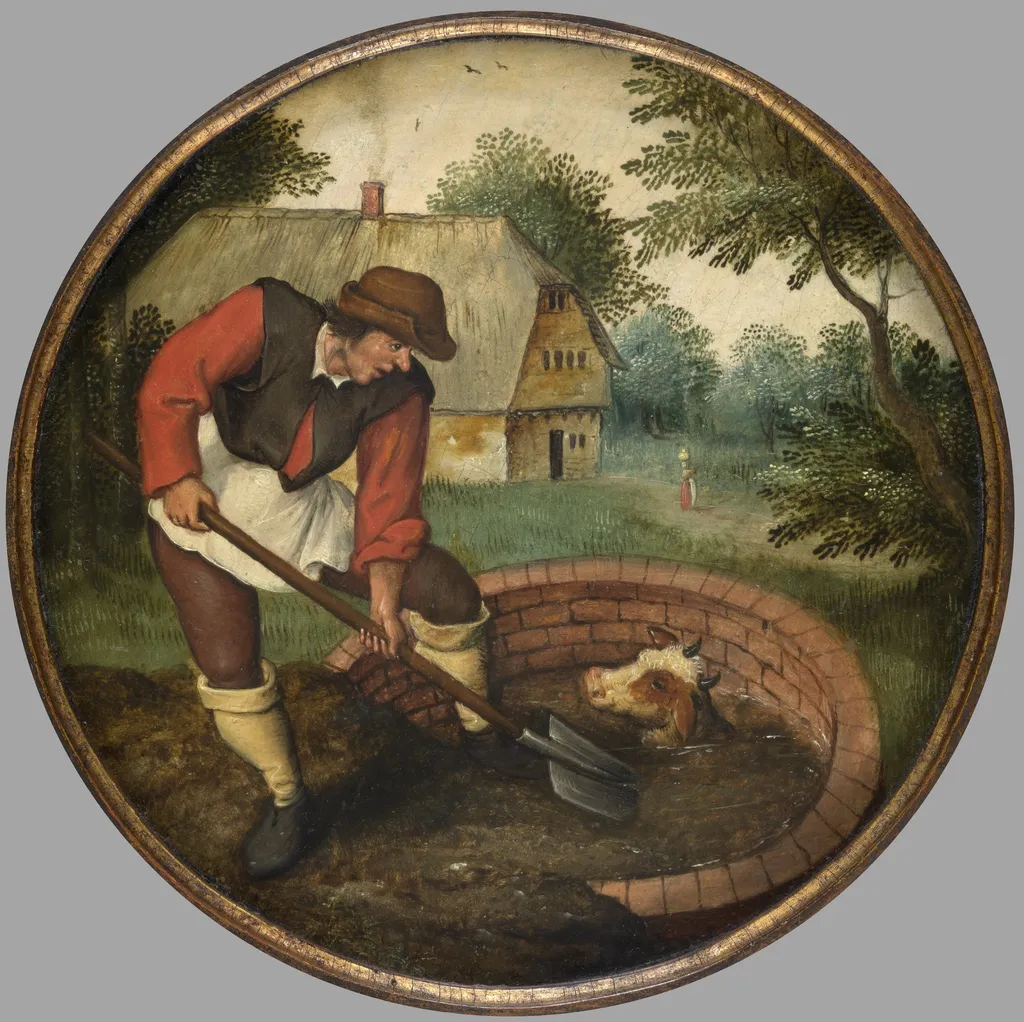
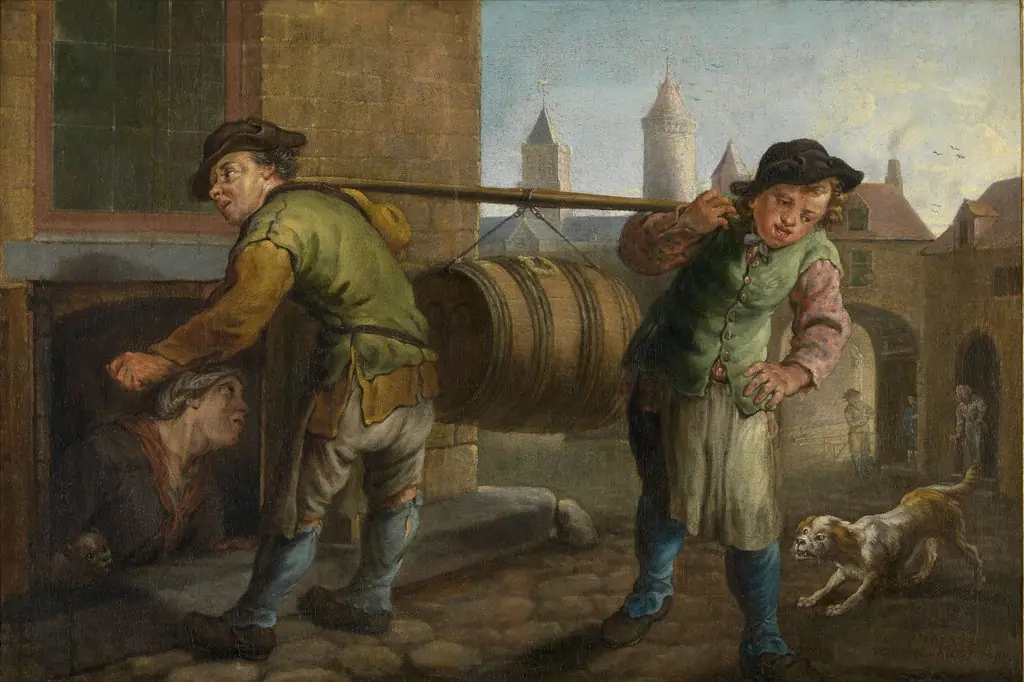
It is too Late to Fill in the Well After the Calf has Drowned is an oil painting by the Flemish Baroque painting artist Pieter Brueghel the Younger. It dates from 1610 and is held in the collection of the Royal Museum of Fine Arts Antwerp.
About this work
Subject & Meaning
The imagery conveys regret and wasted labor, turning an everyday activity into a moralizing reflection on irreversibility.
The painting depicts a man digging with a shovel, visualizing the Flemish proverb that gives the work its title. As a genre scene, it illustrates the proverb’s lesson about the futility of trying to repair a loss after it has occurred, here, the effort to fill a well once a calf has drowned. The imagery conveys regret and wasted labor, turning an everyday activity into a moralizing reflection on irreversibility.
Technique & Style
This genre scene is executed in oil paint on a panel support. The work depicts a narrative moment featuring a man engaged in digging with a shovel, illustrating the proverbial theme of the title. The composition focuses on this single figure and his action, characteristic of the genre art classification associated with the artist. The physical dimensions of the panel are recorded as 17 by 17 units.
History & Provenance
The work titled It is too Late to Fill in the Well After the Calf has Drowned was painted by Pieter Brueghel the Younger. It is an oil painting on panel depicting a man digging with a shovel. The work measures 17 cm in both height and width.
It belongs to the genre scene category and was created within the broader tradition of genre art. The painting is part of the collection of the Royal Museum of Fine Arts Antwerp, which holds it within its Vlaamse Kunstcollectie.
The provenance and creation history of the work are documented through its attribution to Pieter Brueghel the Younger and its inclusion in the Royal Museum of Fine Arts Antwerp's holdings. The work is classified as a painting and is recognized as part of the artist’s output in the genre_scene category. Its material composition includes oil paint applied to a wooden panel, consistent with techniques of the period. The dimensions and subject matter align with stylistic characteristics of early 17th-century Flemish genre paintings.
Overview
Created circa 1610 by Pieter Brueghel the Younger, this oil painting presents a modest rural tableau typical of Flemish Baroque genre scenes. The work is part of the Royal Museum of Fine Arts Antwerp’s collection and illustrates everyday labor near a shallow well, accompanied by a cow and a simple countryside backdrop.
Context
The painting reflects the period’s interest in depicting peasant life and labor, a theme popularized by the elder Bruegel. By focusing on a mundane task with a subtle moral undertone, the younger Brueghel continued the family’s legacy of using everyday scenes to comment on human behavior.
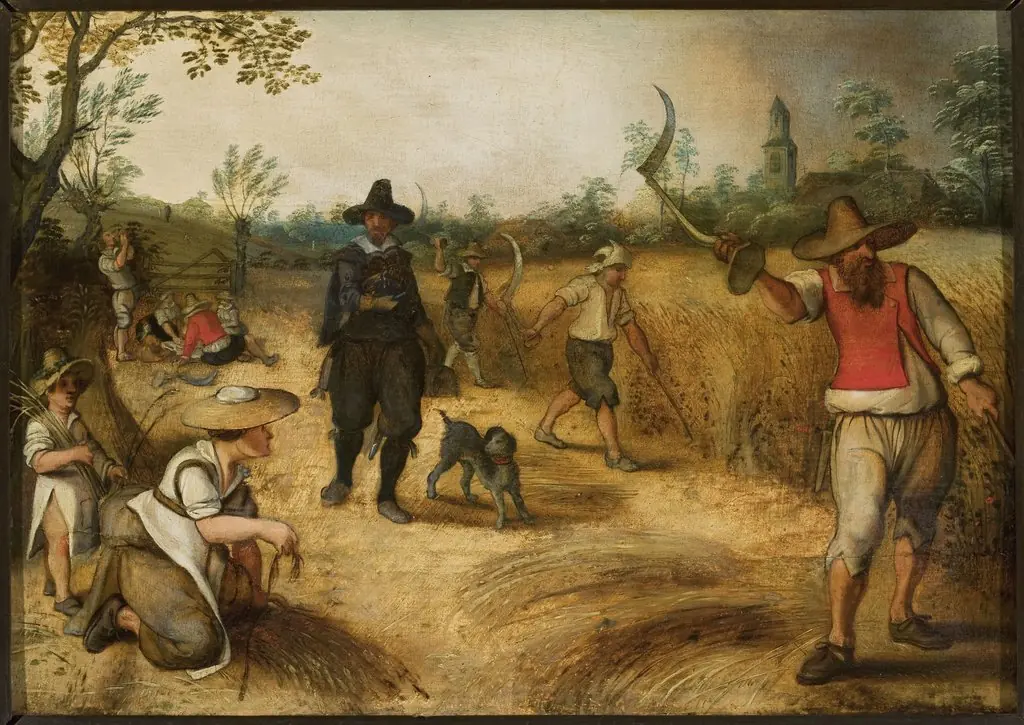
Own this work as a print
Artist & collection
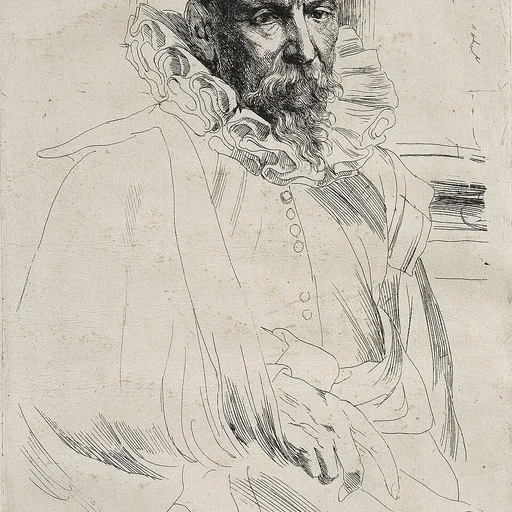
Artist
Pieter Brueghel the Younger ( BROY-gəl, also US: BROO-gəl; Dutch:; between 23 May and 10 October 1564 – between March and May 1638) was a Flemish painter known for numerous copies after his father Pieter Bruegel the…

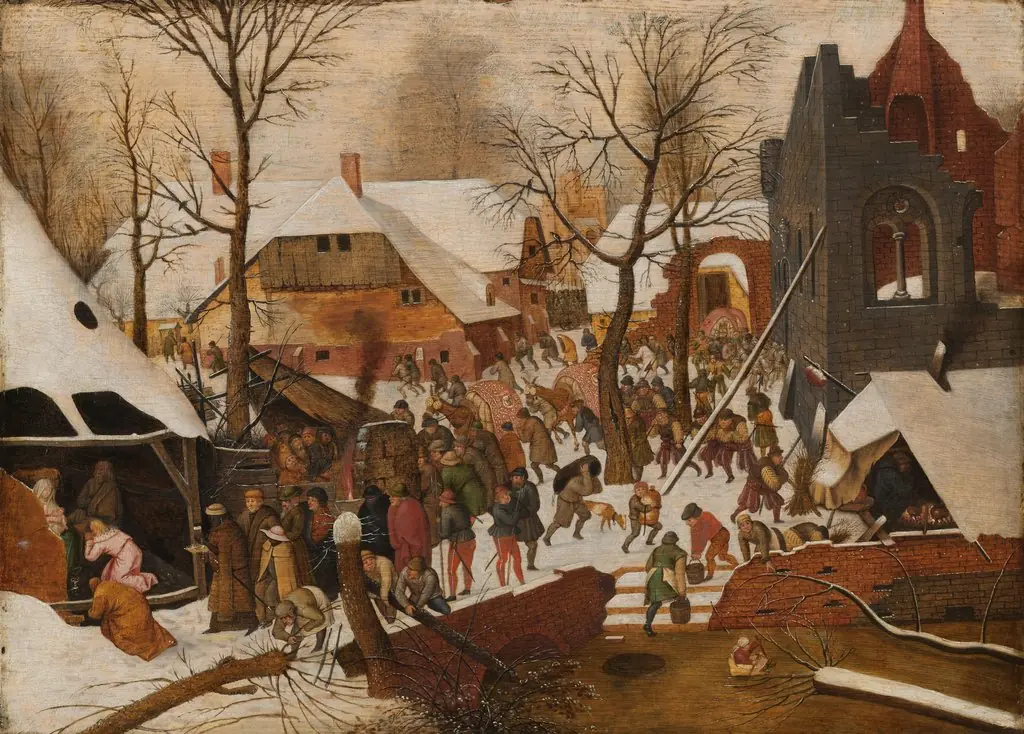 Adoration of the magi
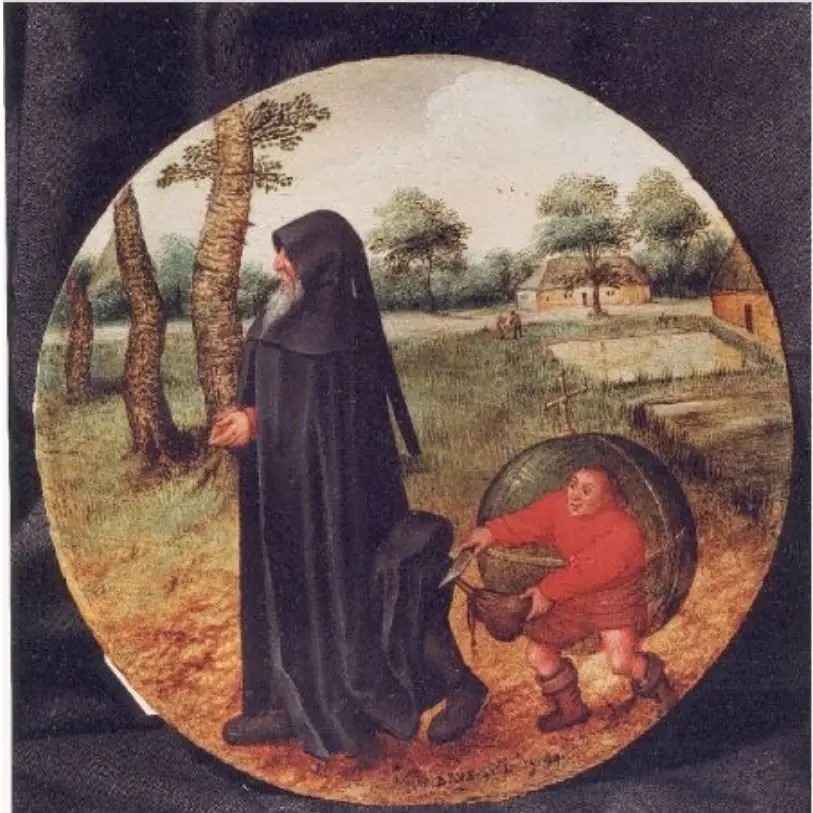 I Mourn because the World is so Untrustworthy
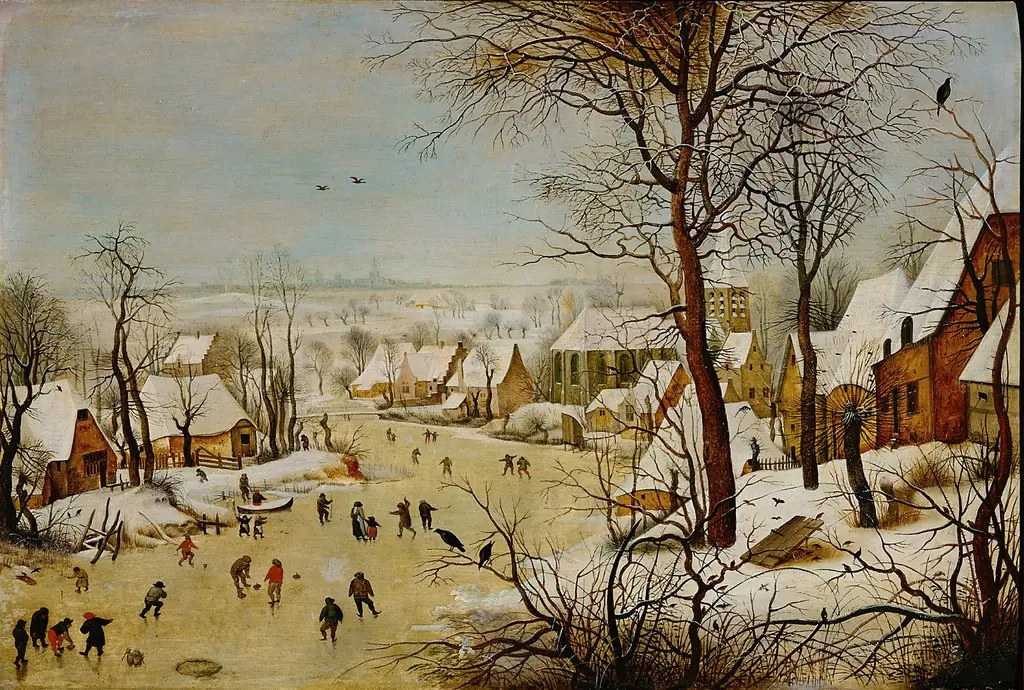 Winter Landscape with a Bird Trap
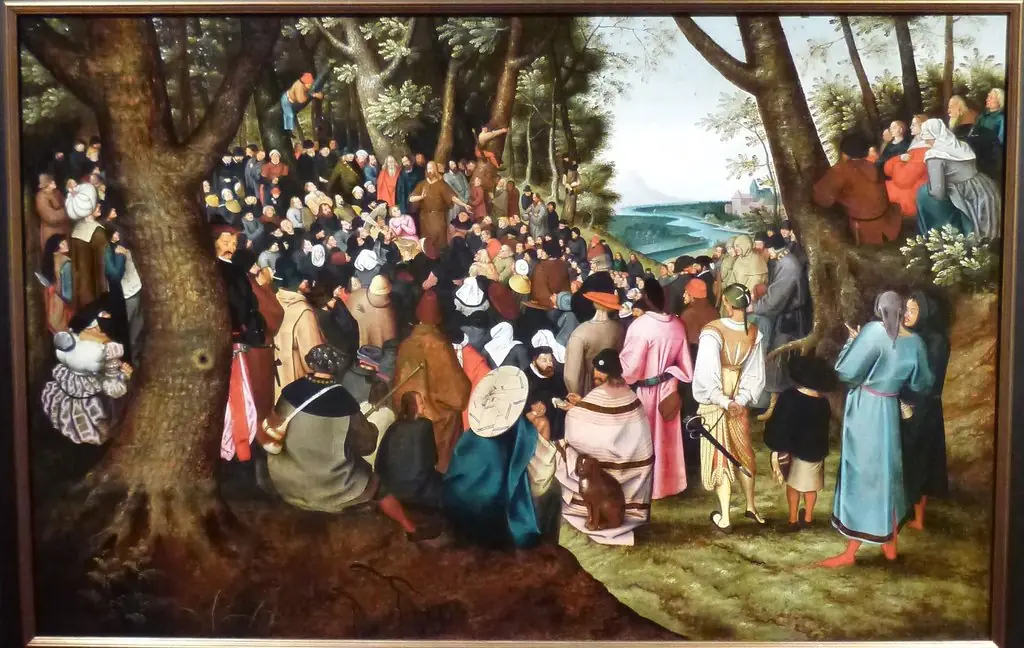 The Sermon of John the Baptist
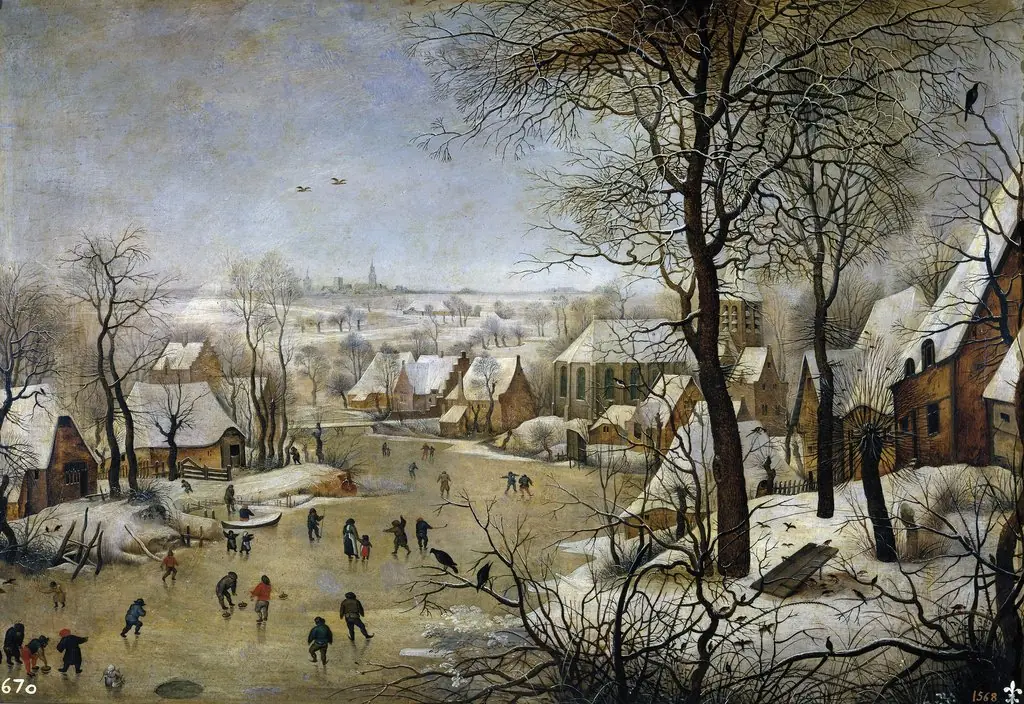 Winter Landscape with a Bird-trap
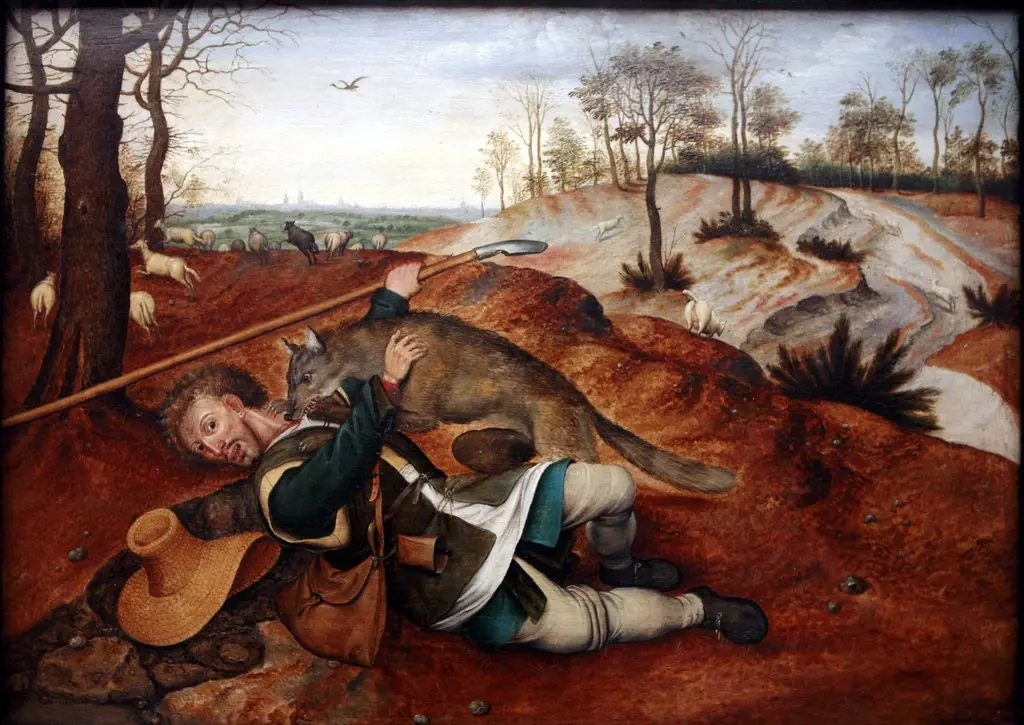 The Good Shepherd
 The Adoration of the Magi
 A Village Festival, With a Theatrical Performance and a Procession in Honour of St Hubert and St Anthony