Artwork
Barrel carriers
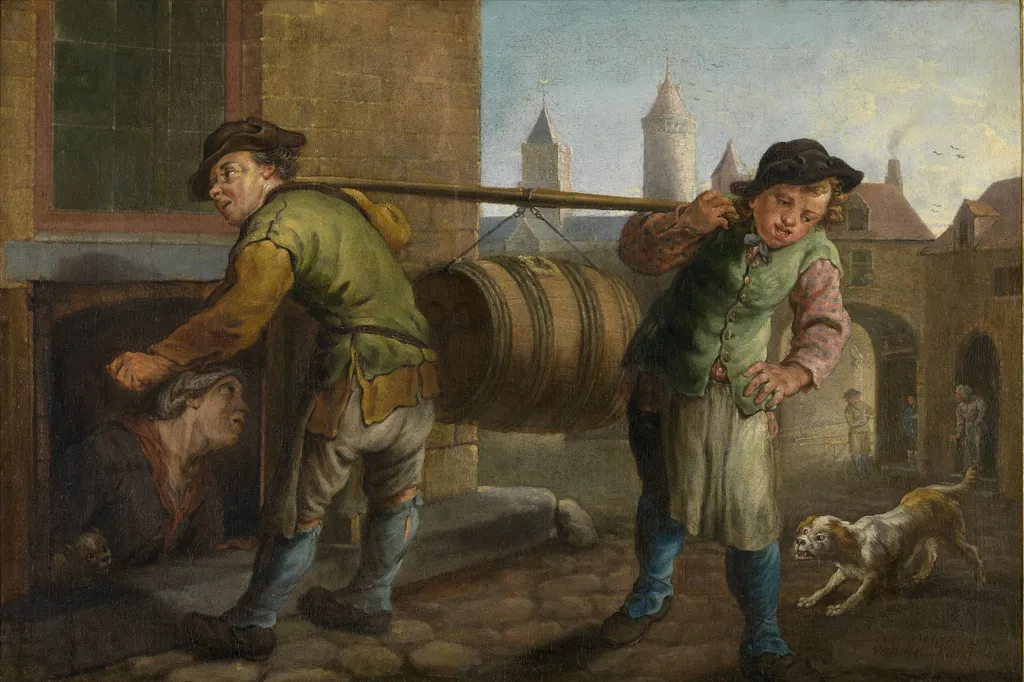
Barrel carriers is an oil painting by the Rococo painting artist Jan Anton Garemyn. It dates from 1728 and is held in the collection of the Groeningemuseum.
About this work
Subject & Meaning
The painting depicts a scene of barrel carriers at work in Bruges, with the city's identifiable landmarks providing topographical context.
The painting depicts a scene of barrel carriers at work in Bruges, with the city's identifiable landmarks providing topographical context. St. James Church appears as a prominent architectural feature, while a gate structures the urban space. The barrels themselves are the central objects of labor, carried by men whose activity constitutes the narrative focus of the work.
The inclusion of a dog and a bird introduces secondary figures that animate the scene and suggest everyday life beyond human commerce. A window punctuates the architectural setting, offering depth and domestic or civic reference. The figures are not individualized portraits but types engaged in productive labor, characteristic of genre painting traditions that documented working-class life and urban economies in the Flemish context of the early eighteenth century.
Technique & Style
Created in 1728, Barrel carriers is an oil painting executed on a canvas support. The work measures 72.5 cm in height and 107.4 cm in width. As an oil-on-canvas piece, it adheres to traditional painting techniques of the period, utilizing the medium's capacity for detailed depiction of urban life.
The composition captures a street scene featuring St. James Church, a gate, and various figures including men and a dog, alongside elements such as barrels, birds, and windows within the city of Bruges.
History & Provenance
The work titled Barrel carriers was created by Jan Anton Garemyn in 1728 as an oil painting on canvas. It measures 72.5 cm in height and 107.4 cm in width and depicts St. James Church, a barrel, a dog, a gate, Bruges, a bird, a window, and a man. The painting belongs to the collection of the Groeningemuseum, where it has been housed since its creation. Its inception is recorded as 1728, confirming the date of execution.
The painting Barrel carriers (1728) is housed in the Groeningemuseum, where it holds the inventory number NG399.
It has been exhibited in the museum's collection display and featured in a 2018 exhibition on Flemish 18th‑century genre scenes.
The work measures 72.5 cm in height and 107.4 cm in width, executed in oil on canvas.
Legacy
Barrel carriers by Jan Anton Garemyn exerted influence through its depiction of everyday material culture in 18th-century Bruges. The work's detailed rendering of barrel transport and domestic objects contributed to the visual documentation of regional economic practices. Its presence in the Groeningemuseum collection has ensured continued scholarly attention to Garemyn's role in documenting provincial life.
The painting's compositional elements, including architectural details and animal subjects, have been referenced in studies of Flemish genre painting traditions. The work remains a key example of Baroque-era narrative painting in the museum's holdings.
The painting's legacy is anchored in its representation of material conditions in Bruges during the early 18th century. Its detailed depiction of barrel carriers, architectural elements, and domestic animals provides insight into contemporary commercial activities. The work's inclusion in the Groeningemuseum's collection since its creation has made it a reference point for understanding visual documentation of trade practices.
Its compositional details, including St. James Church and window elements, continue to inform analyses of regional artistic documentation.
Barrel carriers has maintained relevance through its visual record of economic life in Bruges. The depiction of barrel transport, domestic objects, and architectural features offers historical context for material culture studies. The work's enduring presence in the Groeningemuseum's collection underscores its significance as a documented example of 18th-century Flemish genre painting.
The painting's legacy persists in scholarly examinations of Baroque-era narrative traditions. Its detailed rendering of everyday objects and architectural elements contributes to understanding of visual documentation practices in Flanders. The work's continued study reflects its importance as a documented artifact of commercial life in 18th-century Bruges.
Overview
Barrel Carriers is a 1728 oil painting by Jan Anton Garemyn, a Flemish artist active in Bruges. The work captures a everyday scene set against the city's backdrop, including St. James Church.
Context
Set against the recognizable backdrop of St. James Church, the scene blends everyday Bruges life with the city's architectural identity, contextualizing the artwork within its locale.
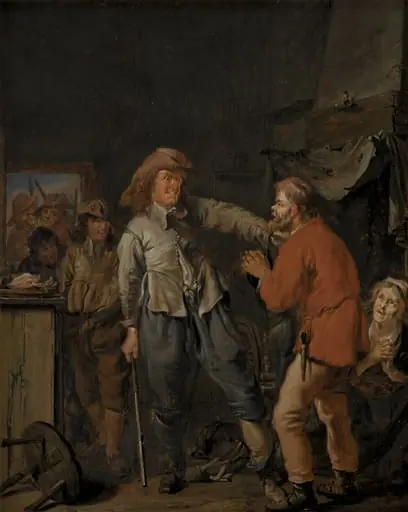
Artist & collection
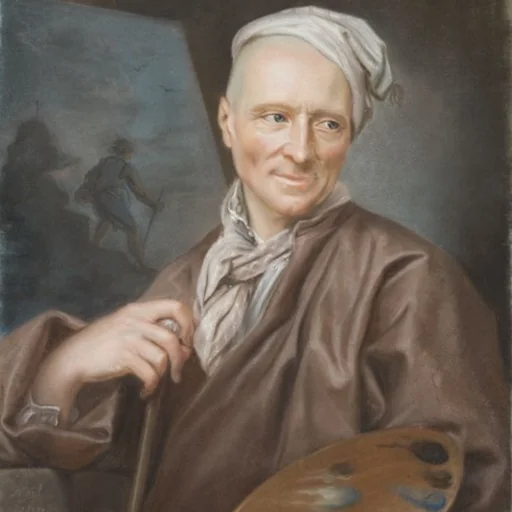
Artist
Jan Anton Garemijn or Jan Anton Garemyn (15 April 1712, Bruges – 23 June 1799, Bruges) was a Flemish painter and engraver and draftsman.

- Soldiers Breaking into a Peasant's Cottage
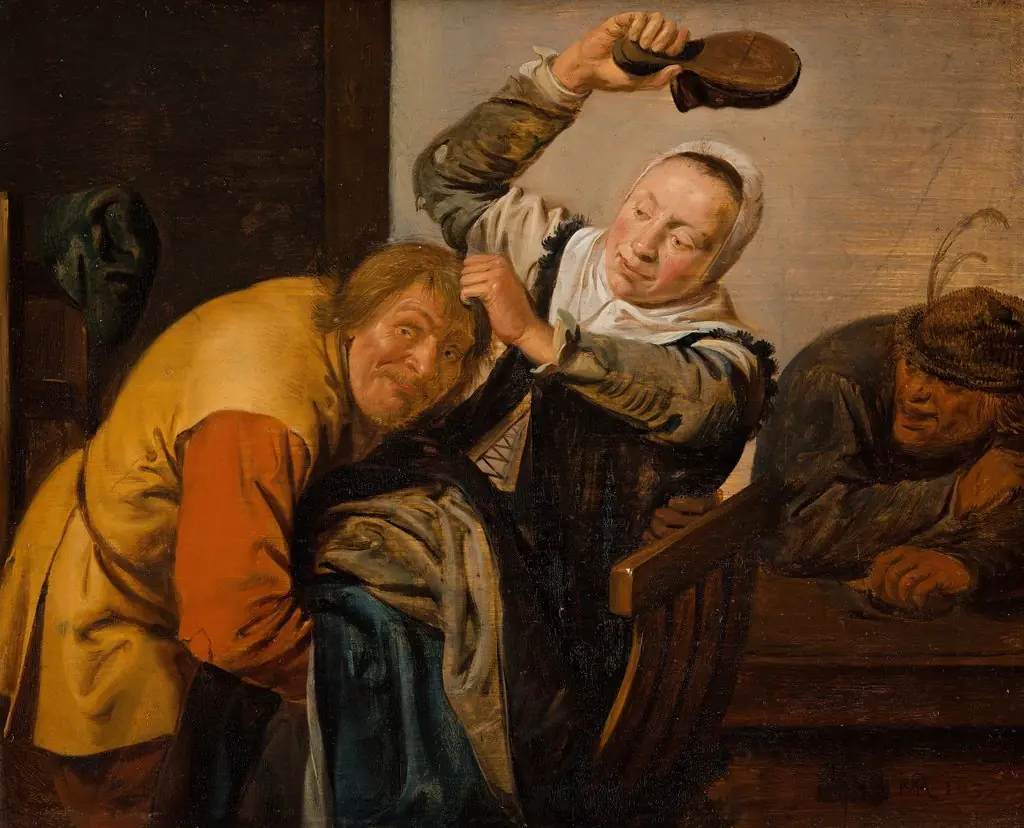 The Five Senses: Touch
 Despăducherea
 Interior with Drinking Figures and Crying Children
 De dorstigen laven
 A Street Scene with Knife Grinder and Elegant Couple
 Drengene om vællingen
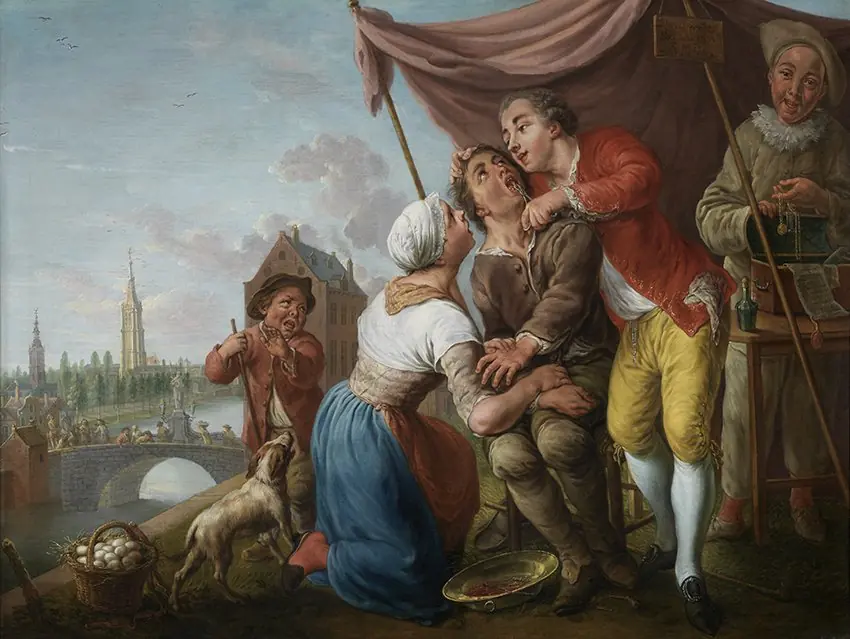
 The Tooth-Puller
 Interior tavern scene with peasants drinking and smoking
 Soldiers in a stable
 Interior of a Peasant Hut
 Farming in the Inn