Artwork
Sorgheloos ("Carefree") in Poverty
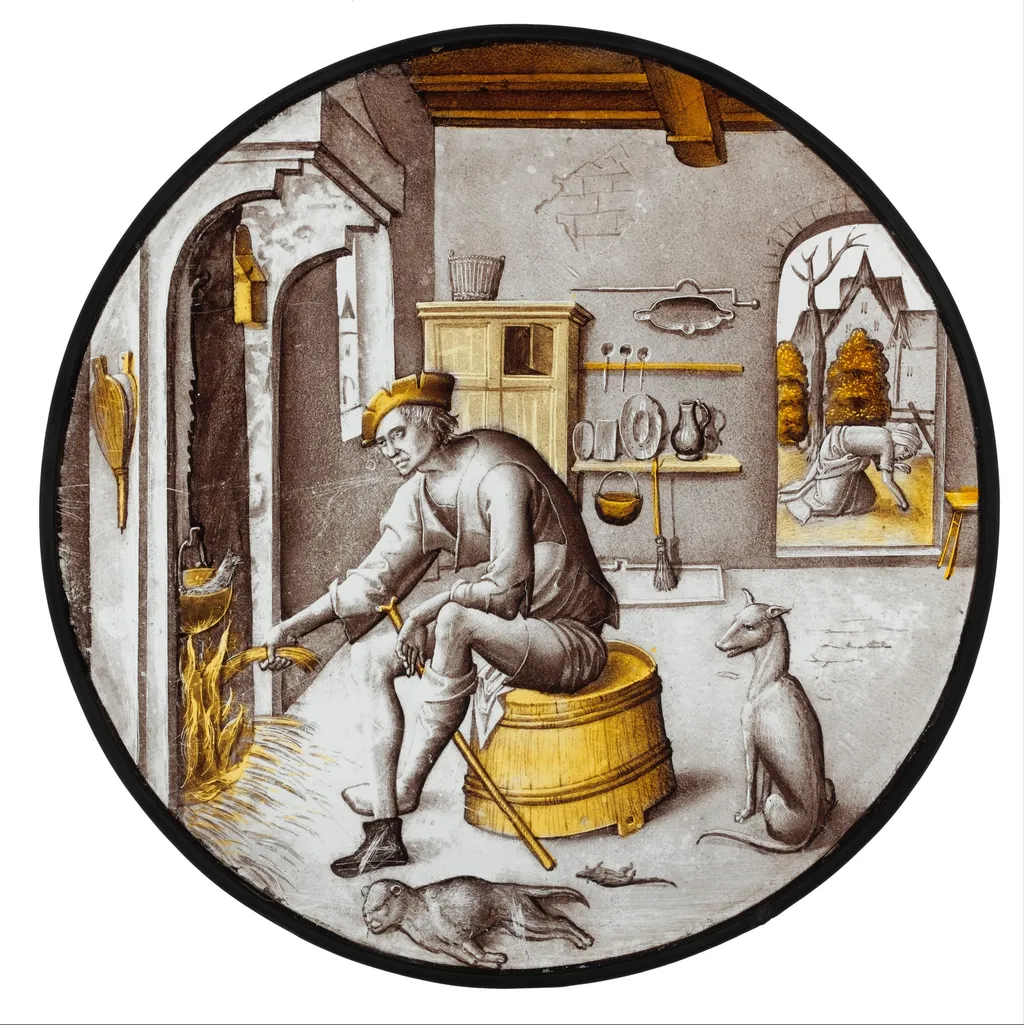
Sorgheloos ("Carefree") in Poverty is an unspecified painting. It dates from 1515 and is held in the collection of the Metropolitan Museum of Art.
About this work
Subject & Meaning
The painting shows a man in humble circumstances, embodying the figure of Carefree amid poverty. Its iconography juxtaposes the carefree attitude with material lack, suggesting a commentary on inner freedom versus external hardship. The work is part of the Metropolitan Museum of Art collection and was created in 1515.
History & Provenance
The painting is classified as an anonymous work, with no documented artist of record or commission information available in the sources.
Sorgheloos ("Carefree") in Poverty was created in 1515, according to the work's canonical dating. The painting is classified as an anonymous work, with no documented artist of record or commission information available in the sources.
The work is held in the collection of the Metropolitan Museum of Art, where it remains located. No further details regarding its earlier ownership history or acquisition circumstances are documented in the available sources.
Legacy
The painting's inclusion in the Metropolitan Museum of Art underscores its continued relevance in art historical discourse. Its legacy reflects early Netherlandish interest in social themes, particularly the depiction of poverty amid festive contexts, a motif that resonated through later genre painting traditions.
Overview
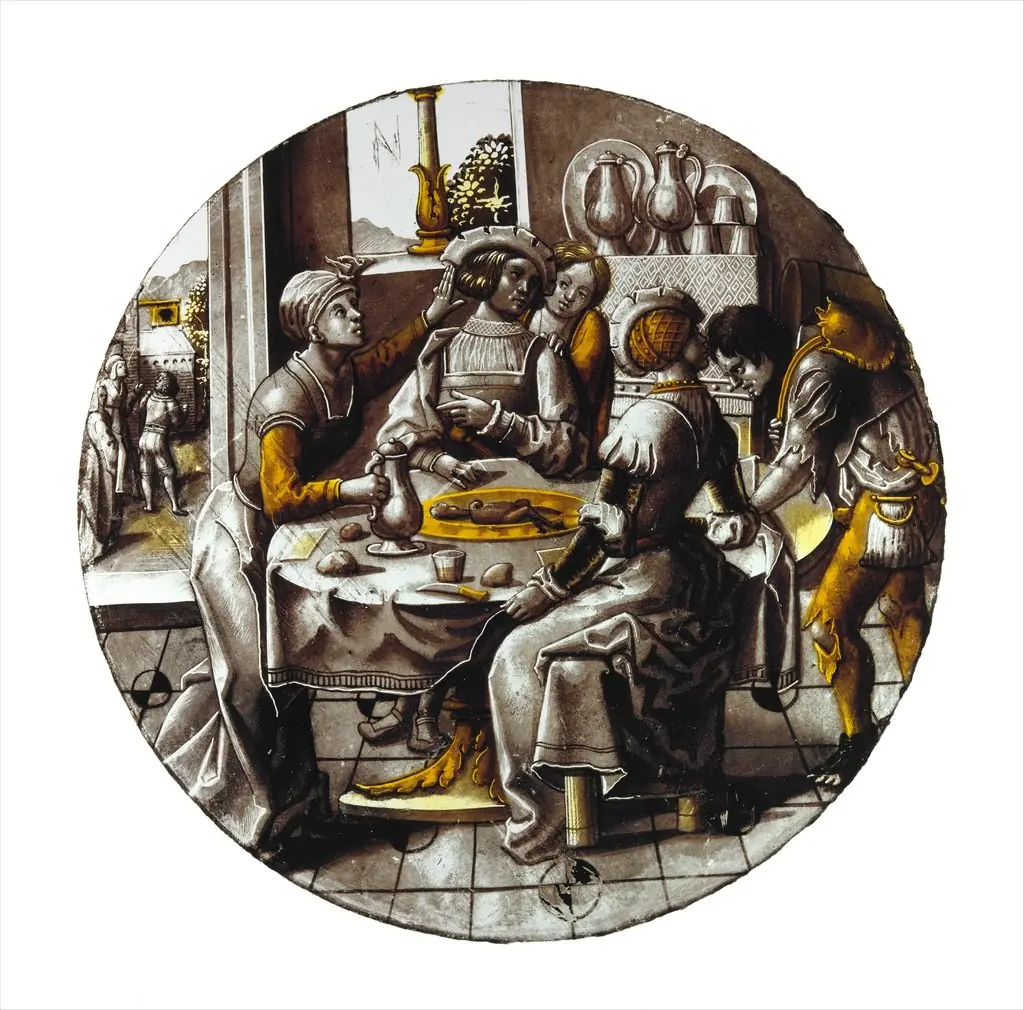
Sorgheloos ("Carefree") in Poverty is a painted composition that portrays a shirtless male figure seated on a wooden barrel. He holds a hammer‑like implement, while his discarded clothing lies nearby. A small dog rests close to him, and a mouse scurries across the floor.
The interior is filled with jars, pots, and a shelf crowded with tools, and a narrow window reveals a figure working outdoors.
Technique & Style
The work employs chiaroscuro, using strong contrasts of light and shadow to model forms and create depth. Illuminated areas highlight the man's torso and the objects on the shelf, while darker tones recede into the background, giving the cramped interior a three‑dimensional quality.
Context
The inclusion of everyday objects, tools, containers, a domestic animal, places the painting within a genre tradition that depicts ordinary life. The external view through the window introduces a juxtaposition between indoor idleness and outdoor activity, a common motif in works that explore social or moral themes.
Artist & collection

 Roundel with Lazarus at the House of Dives
 Roundel with Lazarus at the House of Dives
 Roundel with Playing at Quintain
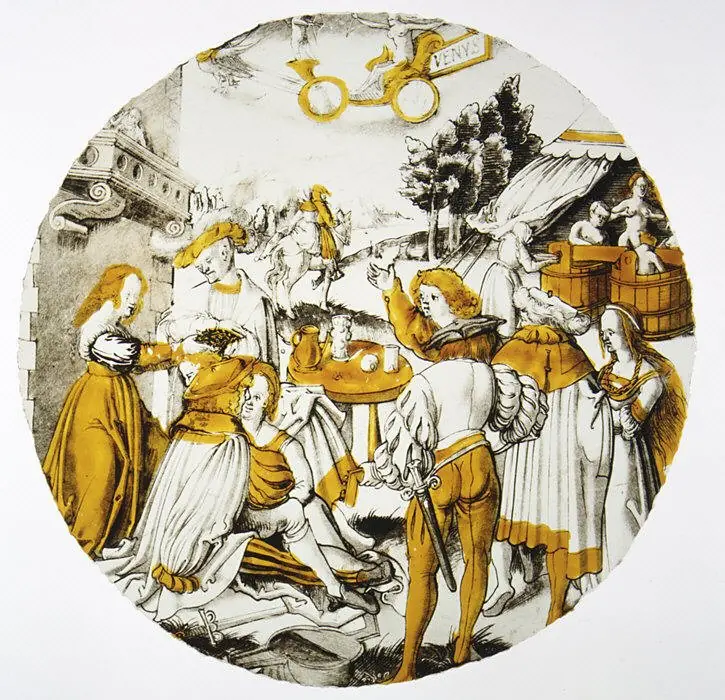 Roundel of The Planet Venus and Her Children
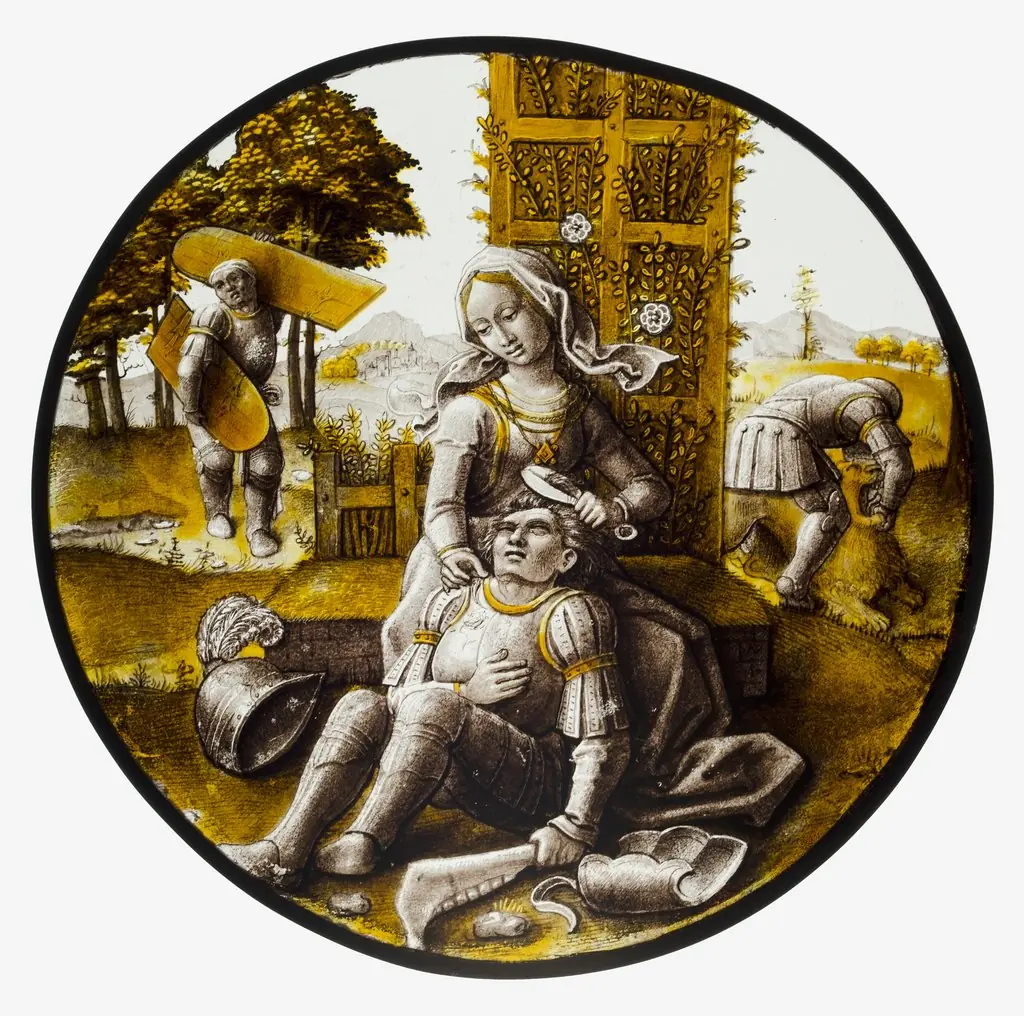 Roundel with Delilah Cutting the Hair of Samson
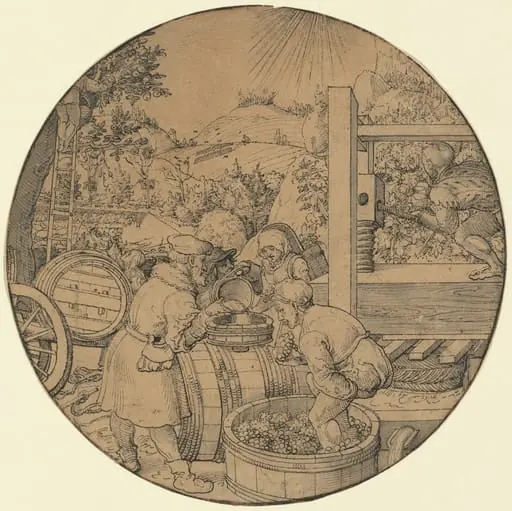 The Wine Harvest (September)
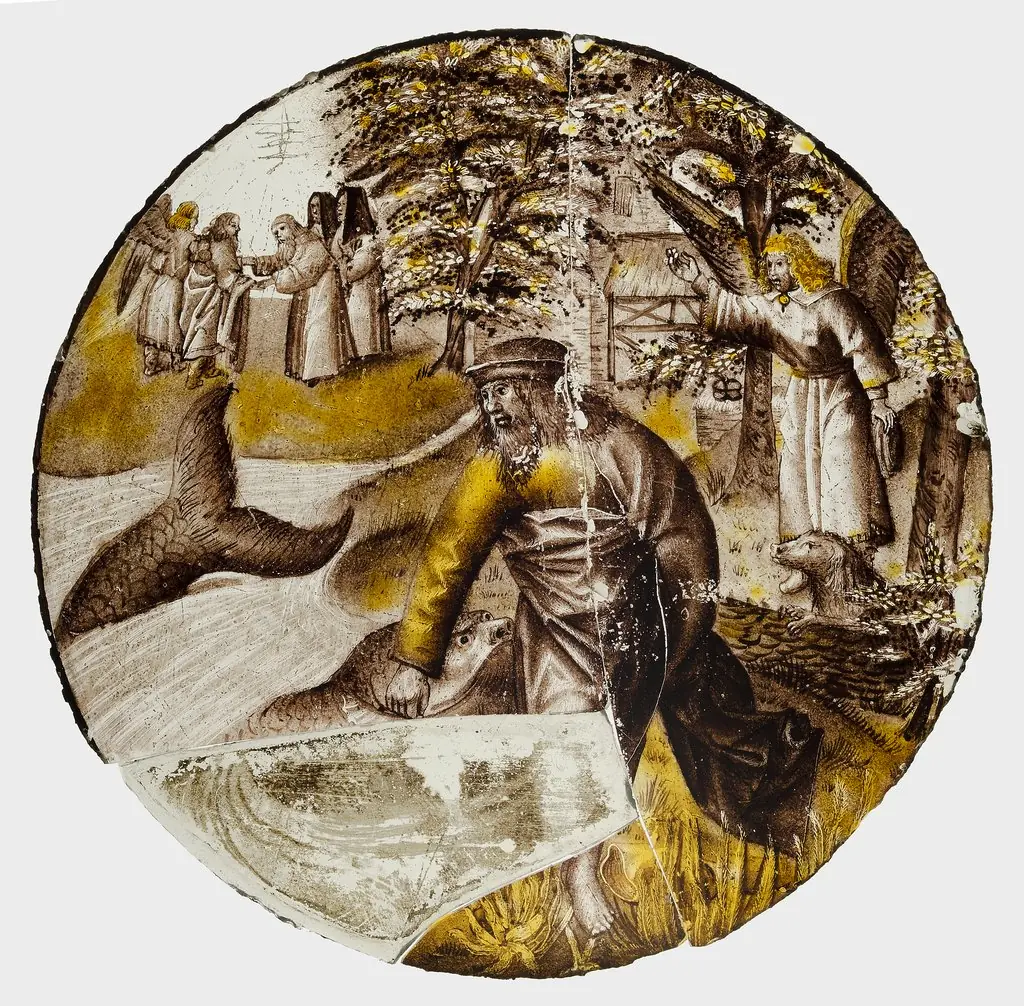 Roundel with Tobias Drawing the Fish from the Water
 Roundel with the Temptation of Saint Anthony
 Roundel with Architecture (from a series of The Septem Artes Mechanicae)
 It is too Late to Fill in the Well After the Calf has Drowned
 The Hay Harvest (June)
- Roundel with Sorgheloos ("Carefree") with Easy Fortune