Artwork
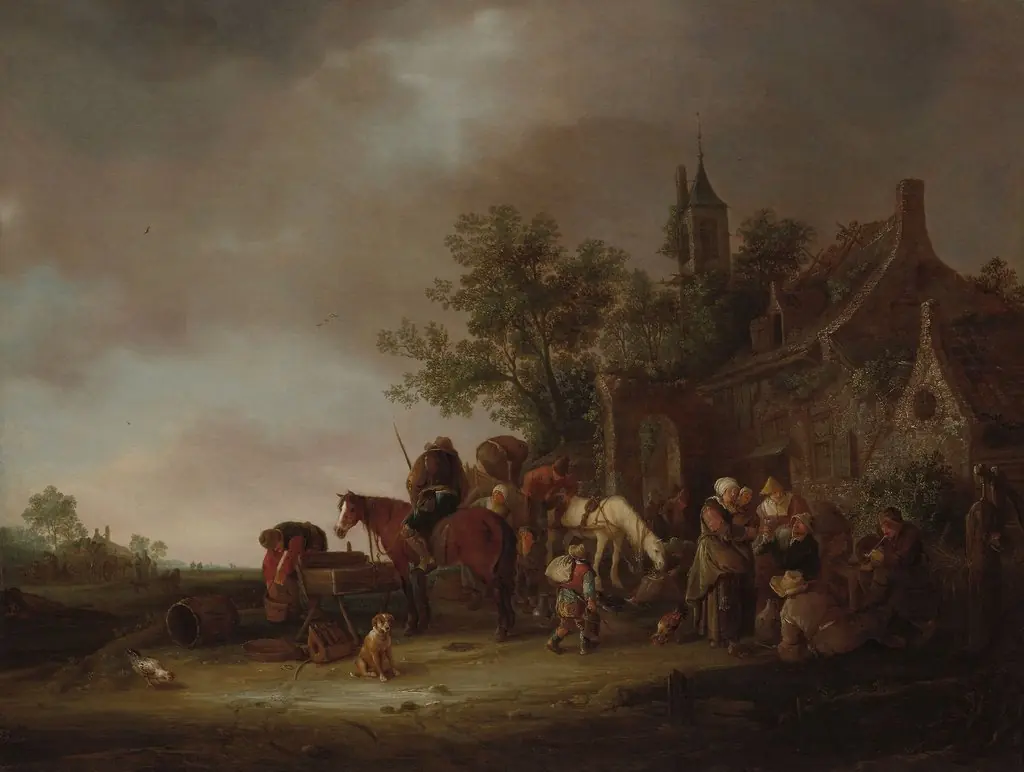
Halting at a Roadside Inn
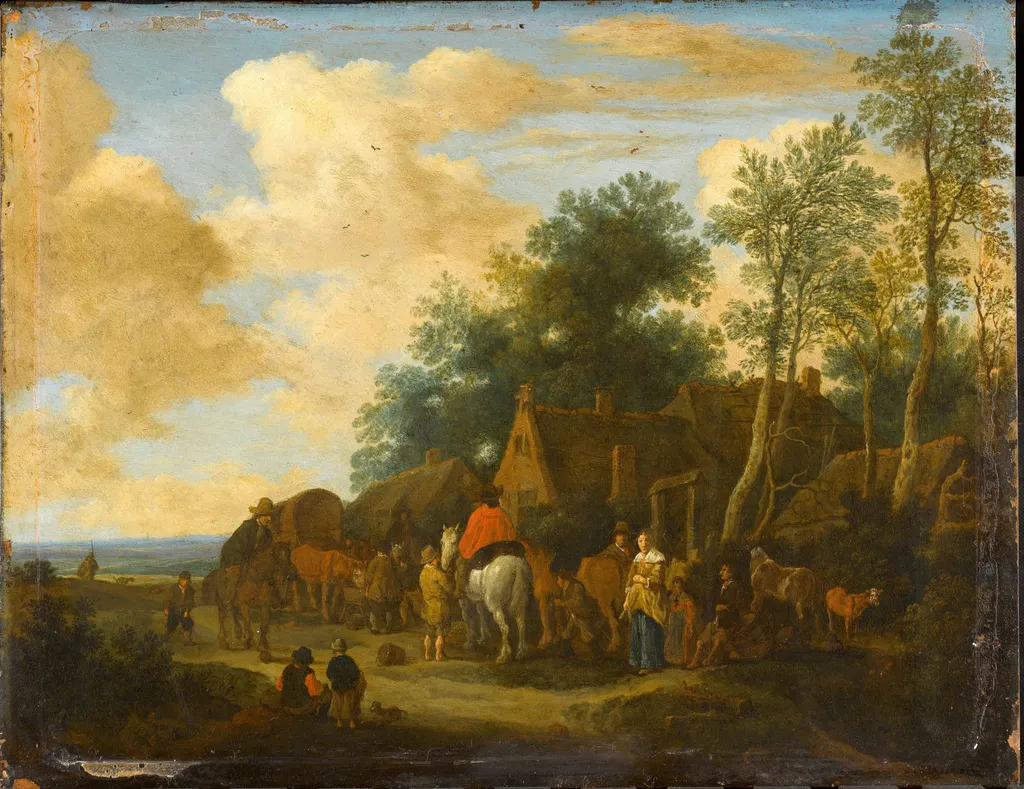
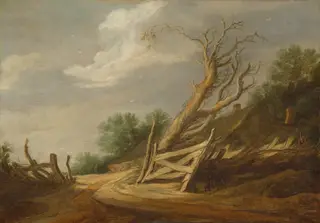
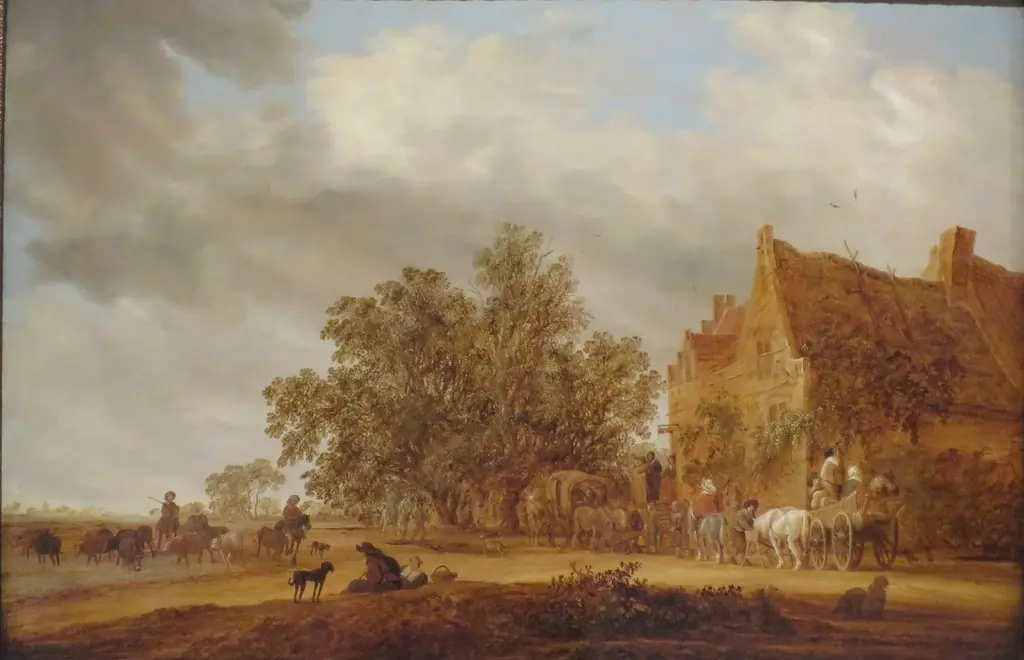
Halting at a Roadside Inn is an unspecified painting by the Dutch Golden Age artist Pieter de Molijn. It dates from 1657 and is held in the collection of the Rijksmuseum.
About this work
Technique & Style
Pieter de Molijn worked primarily in oil paint on wood or canvas, employing a tonal landscape approach characterized by muted palettes and rapid execution.
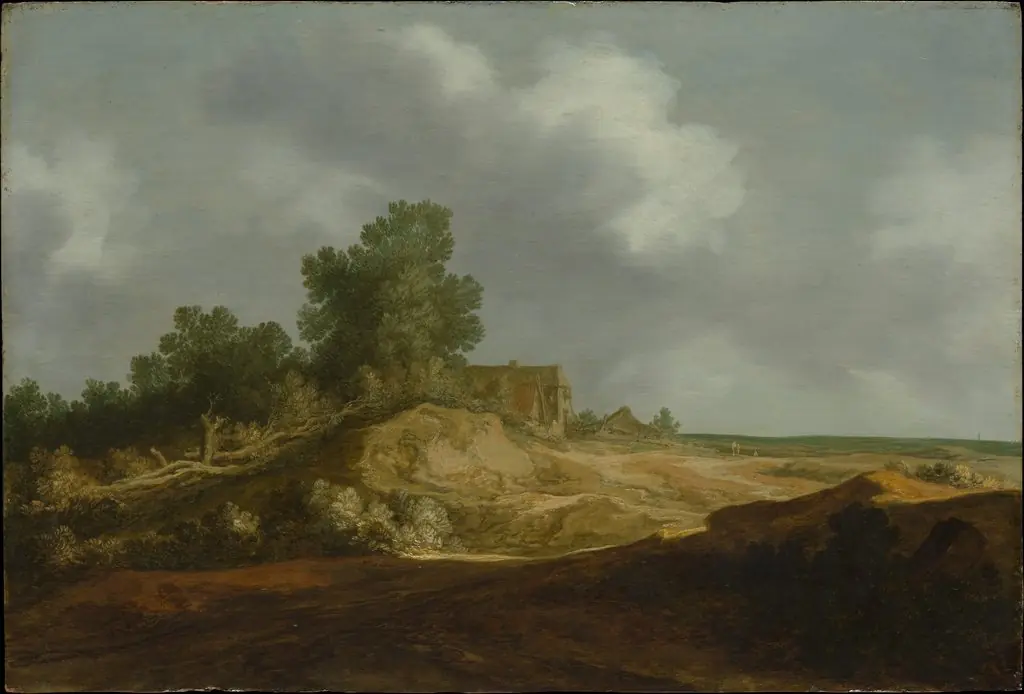
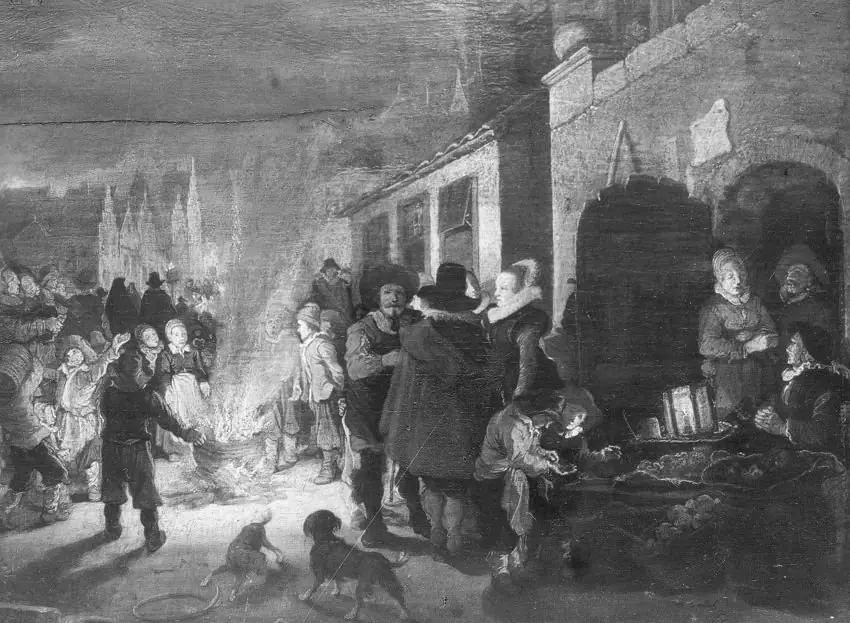
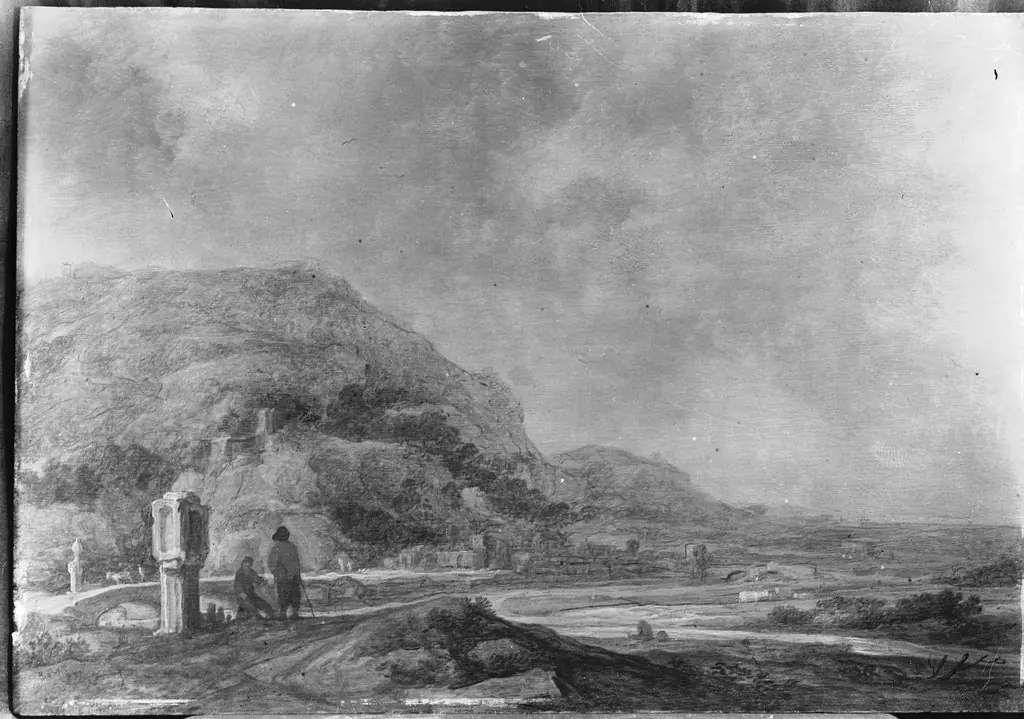
Pieter de Molijn worked primarily in oil paint on wood or canvas, employing a tonal landscape approach characterized by muted palettes and rapid execution. He favored the 'wet-on-wet' technique, applying layers of pigment directly to achieve atmospheric effects, particularly in dune and coastal scenes. His compositions often featured diagonal arrangements with figures emerging from the background, enhancing spatial depth. While known for landscapes, he also produced genre scenes, marine views, and architectural studies, reflecting the versatile output typical of Dutch Golden Age artists. This stylistic range is documented in his signed works and documented in archival inventories from 1661 and 1673.
Context
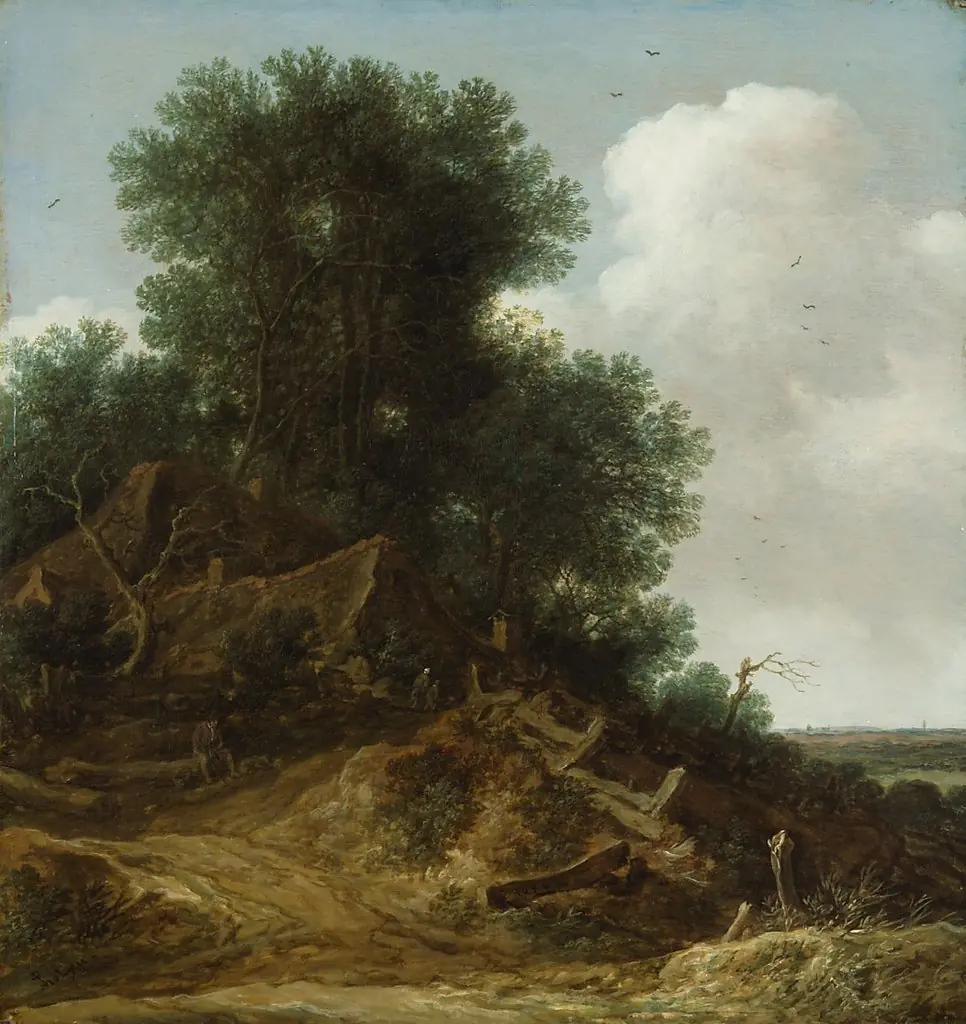
Pieter de Molijn (1595-1661) is regarded, alongside Jan van Goyen and Salomon van Ruysdael, as a principal representative of the tonal phase of Dutch landscape painting, a movement centered in Haarlem during the early seventeenth century. His 1657 painting Halting at a Roadside Inn belongs to a body of work in which resting travelers and soldiers recur as a favored motif, complementing his better-known dune scenes and summer landscapes with peasant cottages. De Molijn's wider artistic context is defined by his association with the Haarlem Guild of St. Luke, where he joined in 1616 and served as dean from 1632, and by his probable training under Esaias van de Velde. He in turn taught Gerard ter Borch (the Elder and his son), Allart van Everdingen, Jan Coelenbier, Anthony Molijn, and Jan Wils, extending his influence across the next generation of Dutch landscape and genre painters. His adoption of a rapid wet-on-wet technique with a restricted, near-monochrome palette helped shorten production time and shaped the tonal idiom that defined the Haarlem school. Scholarly engagement with his work includes Allen Eva-Jeney's 1987 dissertation, Hans Ulrich Beck's 1998 catalogue raisonné of his drawings, and I. van Thiel-Stroman's 2006 study in the Frans Hals Museum collection, alongside earlier entries in Thieme-Becker and Hollstein.
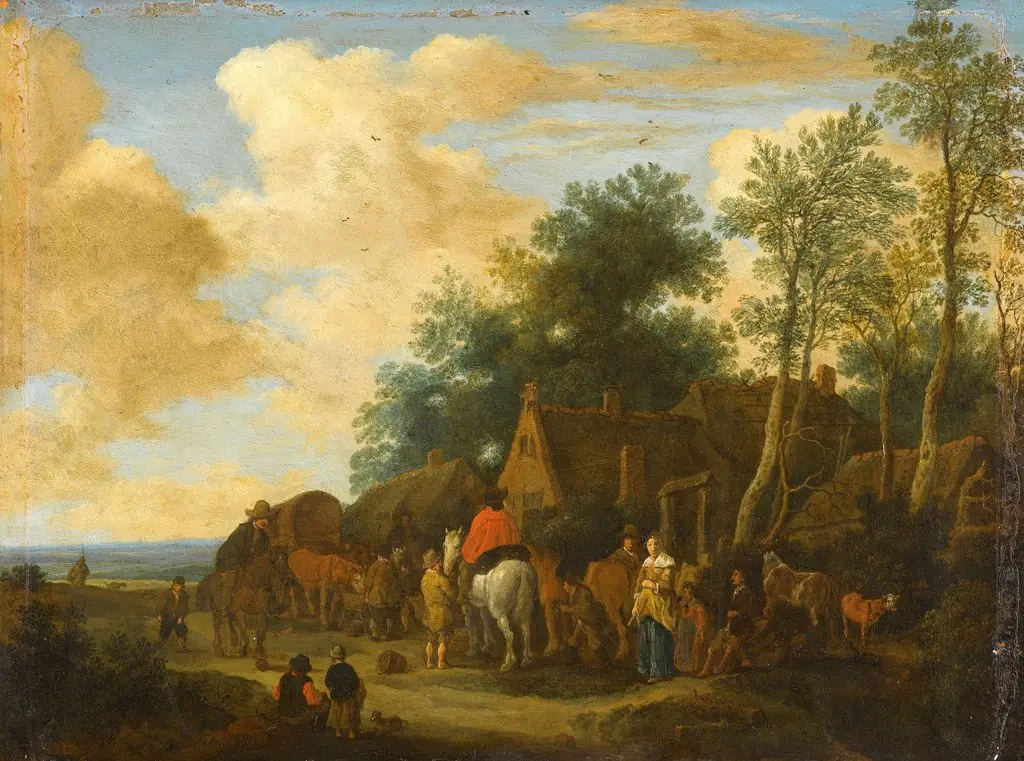
Own this work as a print
Artist & collection
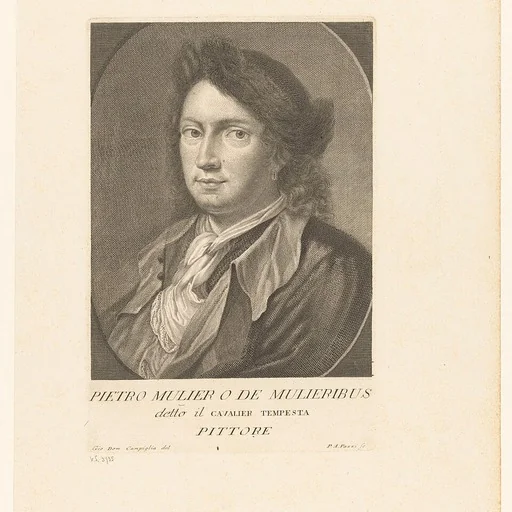
Artist
Pieter de Molijn (6 April 1595 in London – 23 March 1661 in Haarlem) was a Dutch Golden Age painter and engraver of English birth and Flemish descent.