Artwork
Portrait of a Moravian Woman
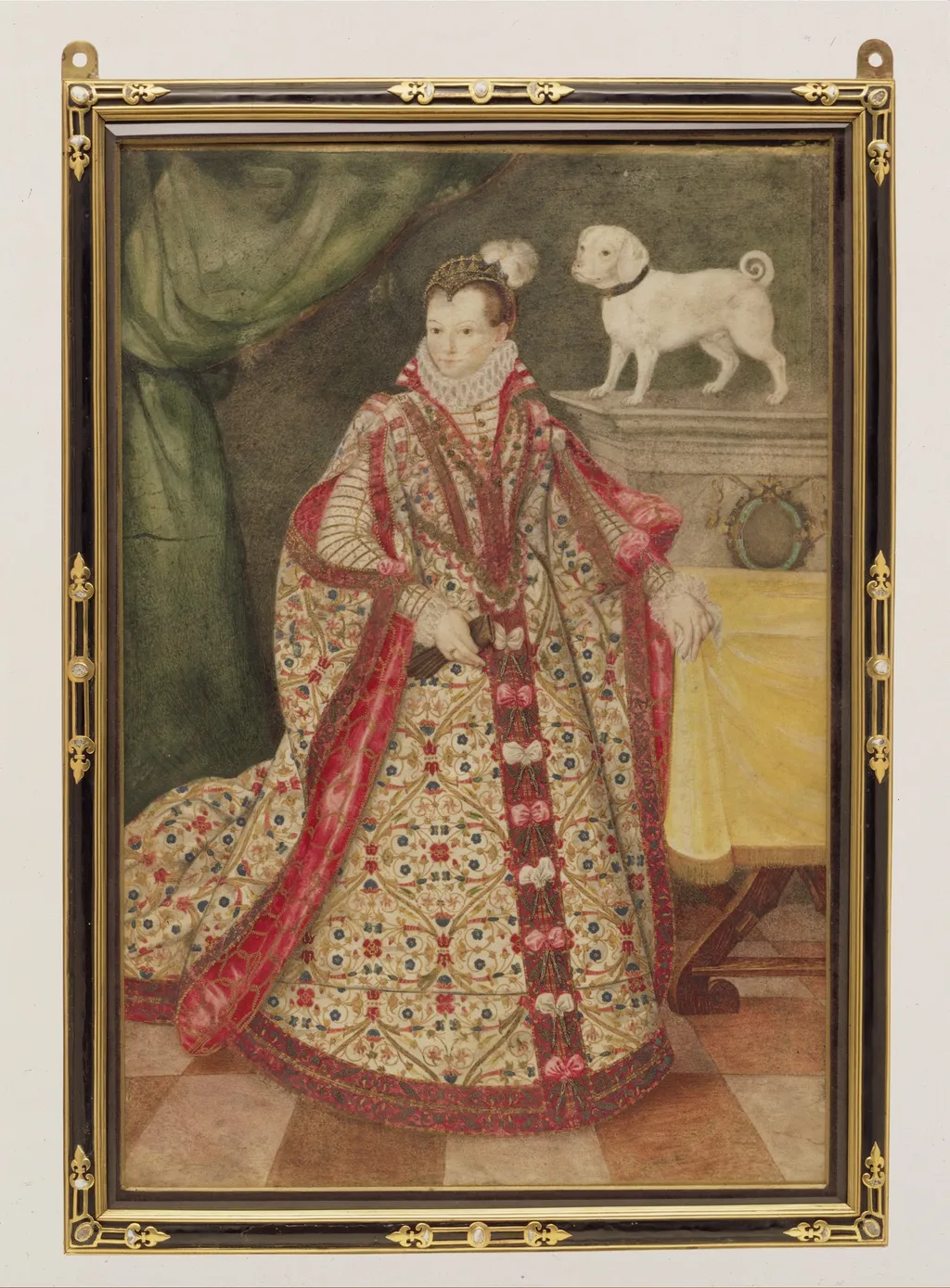
Portrait of a Moravian Woman is an unspecified painting by the Dutch Golden Age artist Pieter Pietersz II. It dates from 1600 and is held in the collection of the Metropolitan Museum of Art.
About this work
History & Provenance
The provided sources do not contain information regarding specific exhibition histories, loan records, or temporary display schedules for this artwork.
The painting titled Portrait of a Moravian Woman was created in 1600 by Pieter Pietersz II, as recorded in contemporary cataloguing. Its dimensions measure 266 × 183 mm, and it portrays a woman accompanied by a dog, reflecting typical portrait conventions of the period. The work is attributed to the artist Pieter Pietersz II and has been part of the Metropolitan Museum of Art’s collection since its acquisition, with the museum’s records noting its inception in 1600 and its classification as a portrait.
No documentation of a specific commission survives, but the painting’s provenance is documented through the museum’s ownership chain.
The Portrait of a Moravian Woman, a 1600 oil painting attributed to Pieter Pietersz II, is held in the collection of the Metropolitan Museum of Art. While specific accession numbers are not detailed in the available records, the work is cataloged within the museum's holdings as a portrait depicting a woman accompanied by a dog. The painting measures 266 cm in height and 183 cm in width.
The provided sources do not contain information regarding specific exhibition histories, loan records, or temporary display schedules for this artwork. Consequently, its public presentation history remains undocumented in the current dataset, though its permanent location is confirmed as the Metropolitan Museum of Art.
Overview
Pieter Pietersz II, a painter active during the Dutch Golden Age, completed Portrait of a Moravian Woman around 1600. Born in Haarlem in 1578, he primarily worked in Amsterdam until his death in 1631. This painting exemplifies the period's flourishing artistic output, presenting a formal depiction of a woman accompanied by a small dog, characteristic of portraiture from this era.
Subject & Meaning
The portrait features a woman adorned in a vibrant, intricately patterned dress, rich with red and gold fabrics, complemented by a white ruff collar and an elaborate headpiece. The tiny embroidered flowers on her attire subtly communicate her social standing and wealth. Positioned behind her on a ledge, a small white dog serves as a calm, attentive companion, a common motif in portraits signifying loyalty or status.
Context
Pieter Pietersz II belonged to a notable artistic lineage, being the son of Pieter Pietersz the Elder and the grandson of Pieter Aertsen, both established painters. This familial tradition placed him firmly within the vibrant artistic environment of the Dutch Golden Age. His work, including this portrait, reflects the period's demand for detailed and realistic depictions of individuals.
He was buried in Amsterdam's Oude Kerk in 1631, though some of his paintings are occasionally attributed to his father.
Own this work as a print
Artist & collection
Artist
Pieter Pietersz II (1578 in Haarlem – 1631 in Amsterdam), was a Dutch Golden Age painter.

- Portrait of a Woman
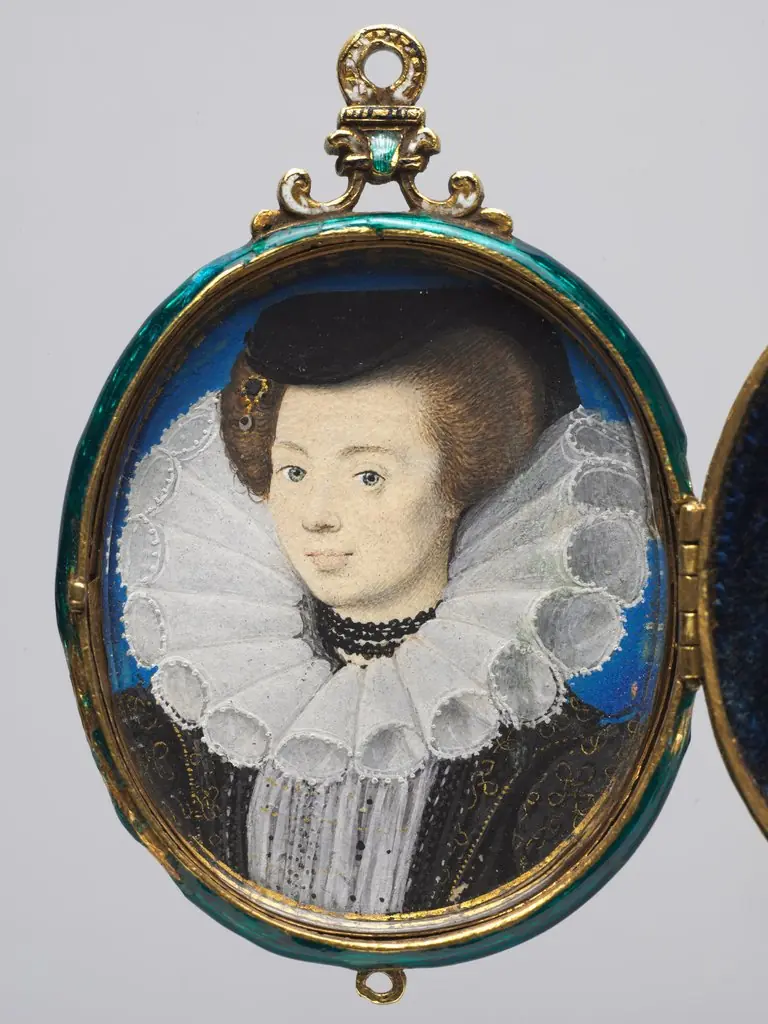 Portrait of a Woman
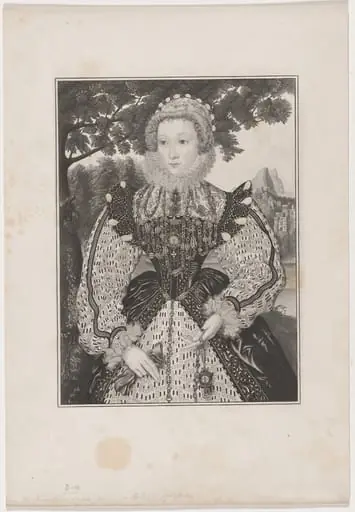 Mary of Guise
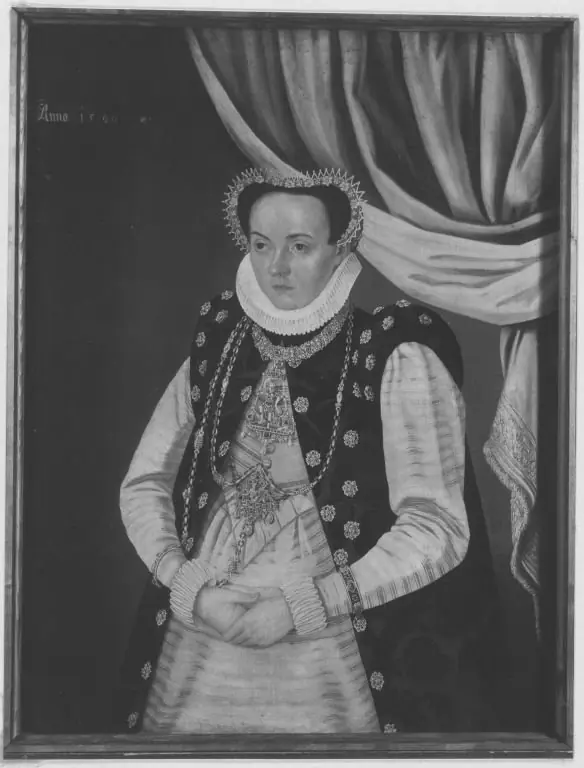 Portrait of a lady in a ruff, dated 1590
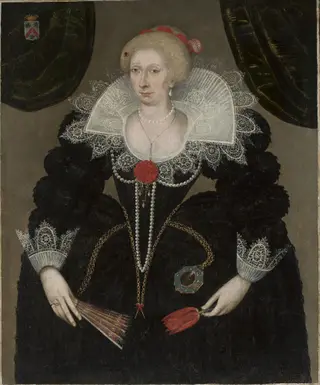 Portrait of Susanne le Royer de Brisolliéres
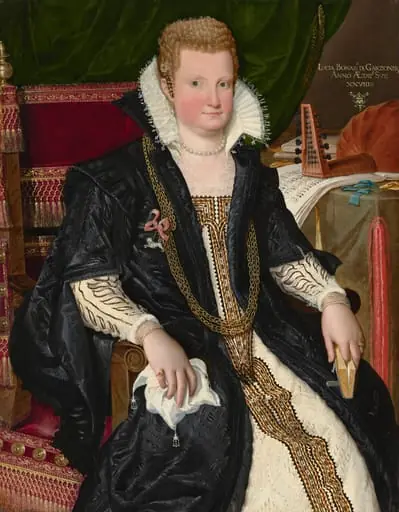 Lucia Bonasoni Garzoni
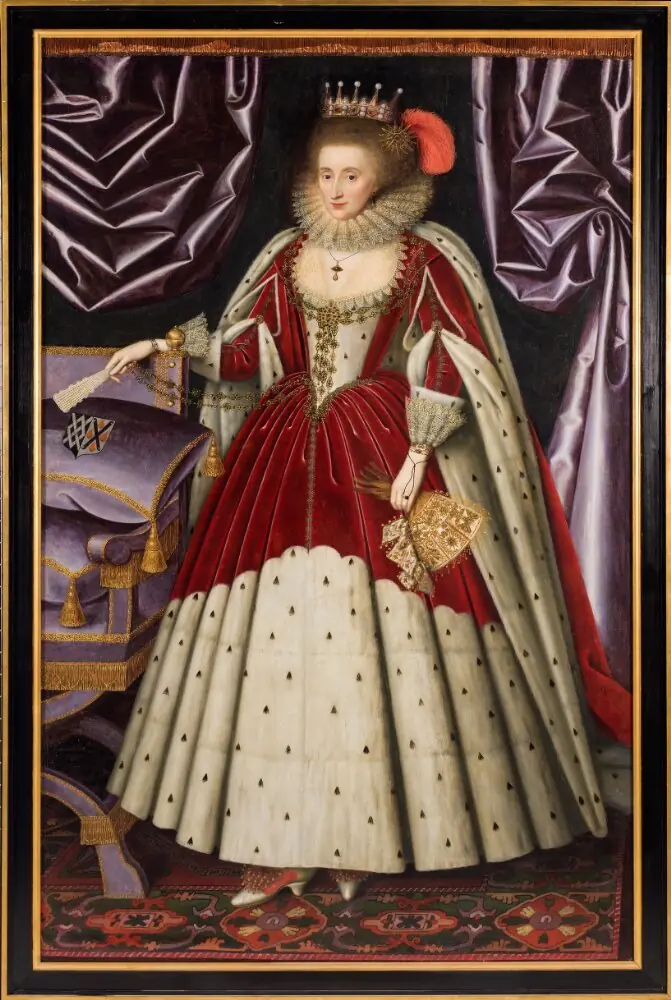 Lucy Harington, Countess of Bedford
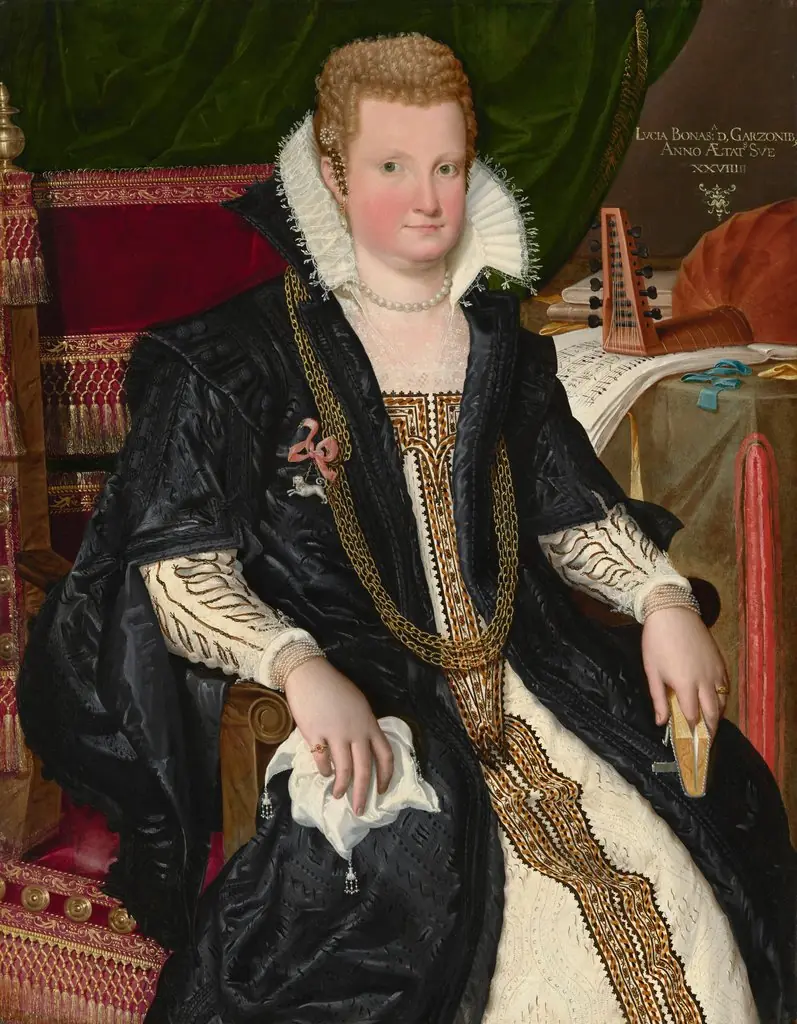 Lucia Bonasoni Garzoni
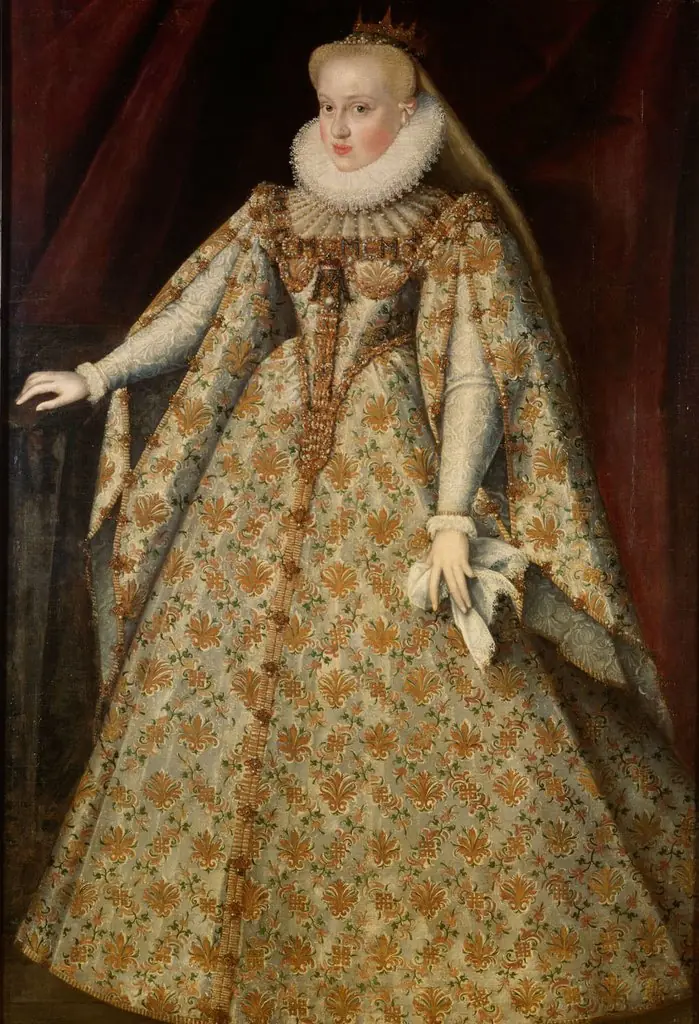 Portrait of Archduchess Maria Christina of Austria (1574–1621)
 Portrait of a Woman
 Anne of Denmark
 Portrait of a Woman