Artwork
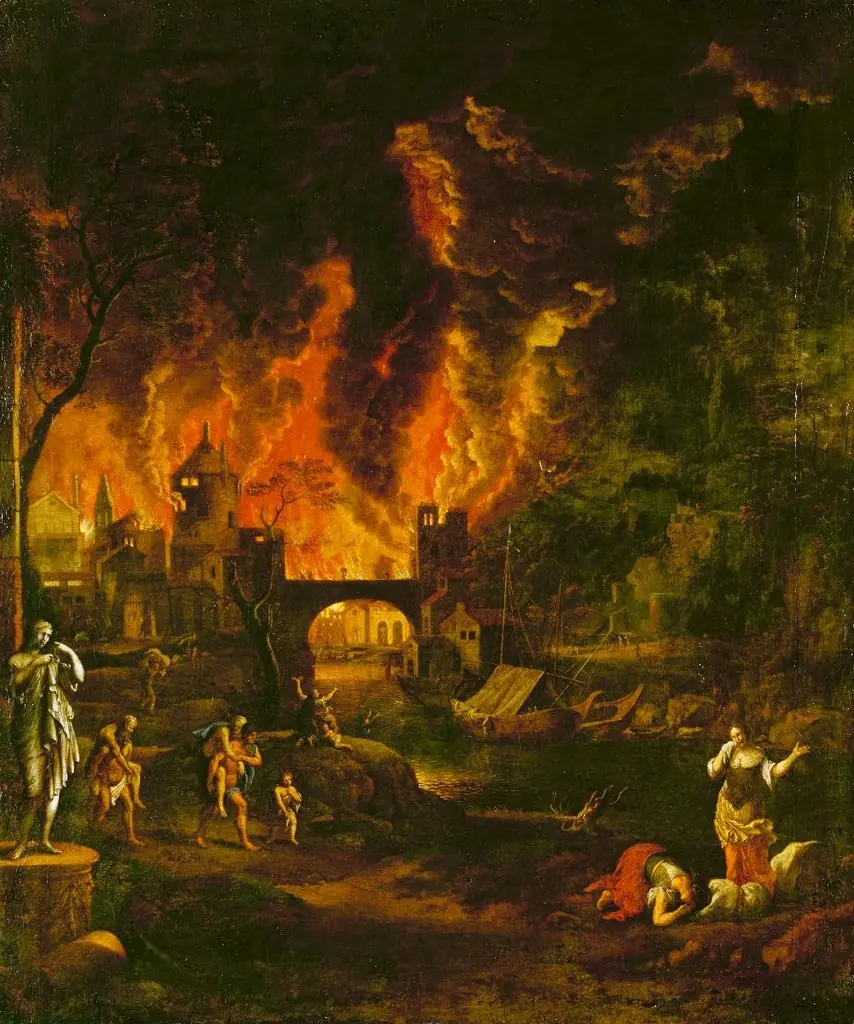
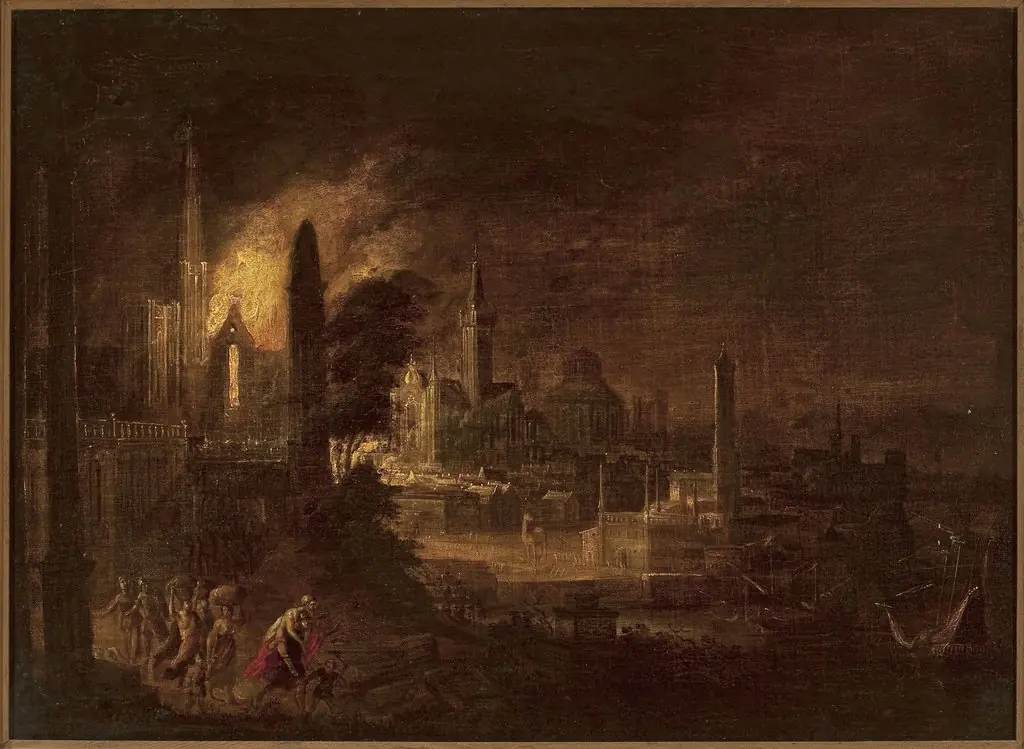
Aeneas trägt seinen Vater Anchises aus dem brennendem Troja
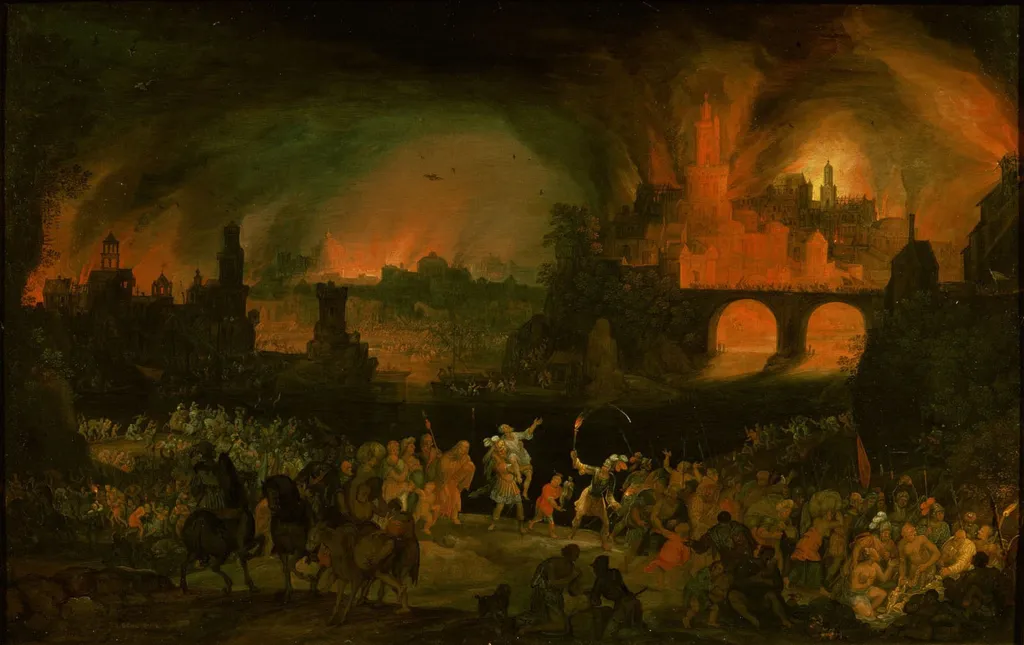
Aeneas trägt seinen Vater Anchises aus dem brennendem Troja is an unspecified painting by the Early Baroque Italian artist Pieter Schoubroeck. It dates from 1606 and is held in the collection of the Kunsthistorisches Museum.
About this work
Technique & Style
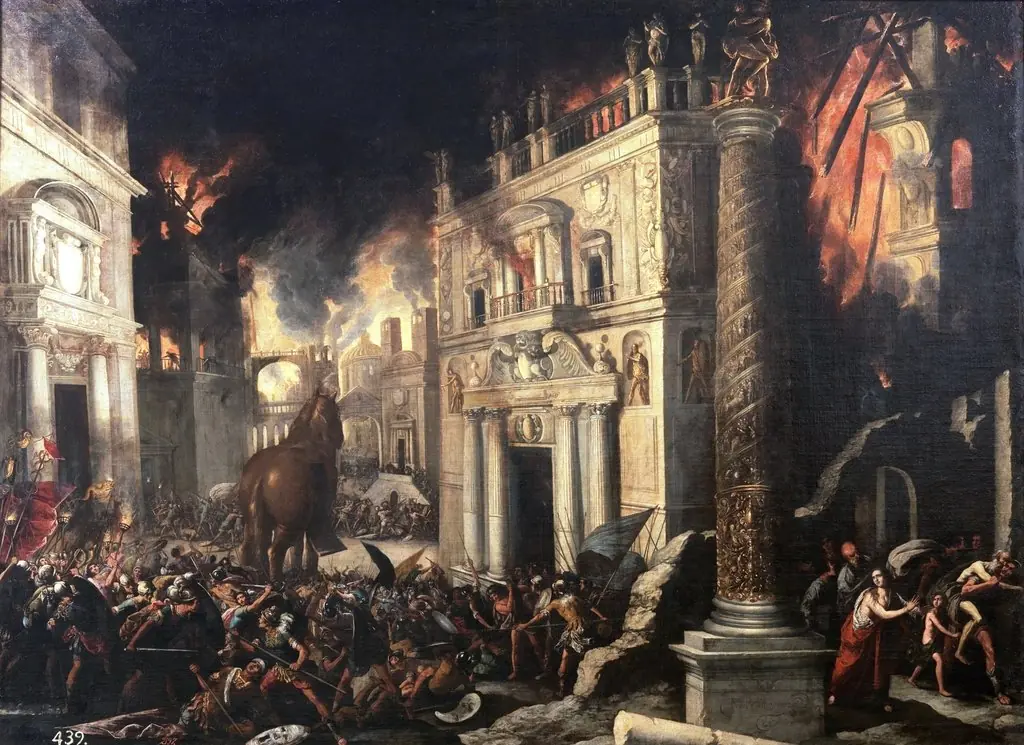
It portrays the hero Aeneas bearing his elderly father Anchises from the flames of Troy, a scene drawn from classical mythology.
The work is an oil painting on canvas, created in 1606 by Pieter Schoubroeck. It portrays the hero Aeneas bearing his elderly father Anchises from the flames of Troy, a scene drawn from classical mythology. The composition emphasizes dramatic movement and chiaroscuro, highlighting the emotional intensity of the rescue. The painting is housed in the Kunsthistorisches Museum, where it remains on display.
History & Provenance
The painting was created in 1606 by Pieter Schoubroeck, depicting the mythological scene of Aeneas carrying his father Anchises from the burning city of Troy. It entered the collection of the Kunsthistorisches Museum, where it remains on display.
The work was commissioned during the early Baroque period, reflecting the era's fascination with classical narratives rendered in dynamic compositions. Its creation history is documented through archival records of the artist's workshop, confirming the date of execution as 1606.
Overview
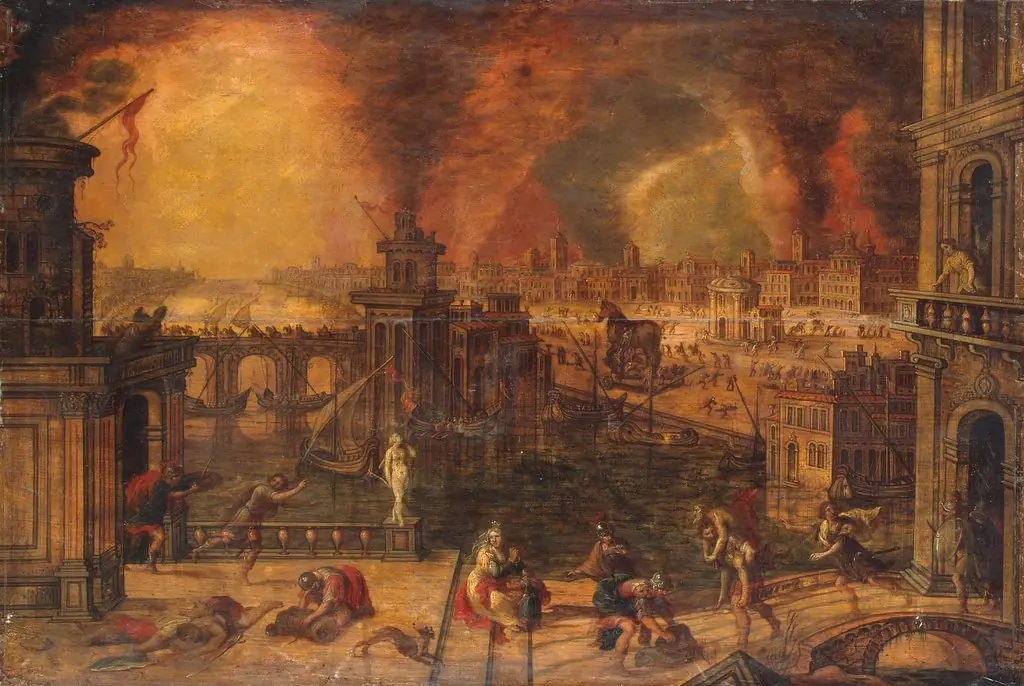
Created in 1606, this oil painting by Dutch‑German artist Pieter Schoubroeck portrays the legendary escape of Aeneas from the conflagrated city of Troy. The composition captures a frantic exodus, with figures fleeing on foot and horseback amid a skyline ablaze. Aeneas, central to the scene, bears his aged father Anchises, embodying the ancient motif of filial duty in the face of disaster. The work is part of the collection of the Kunsthistorisches Museum in Vienna.
Subject & Meaning
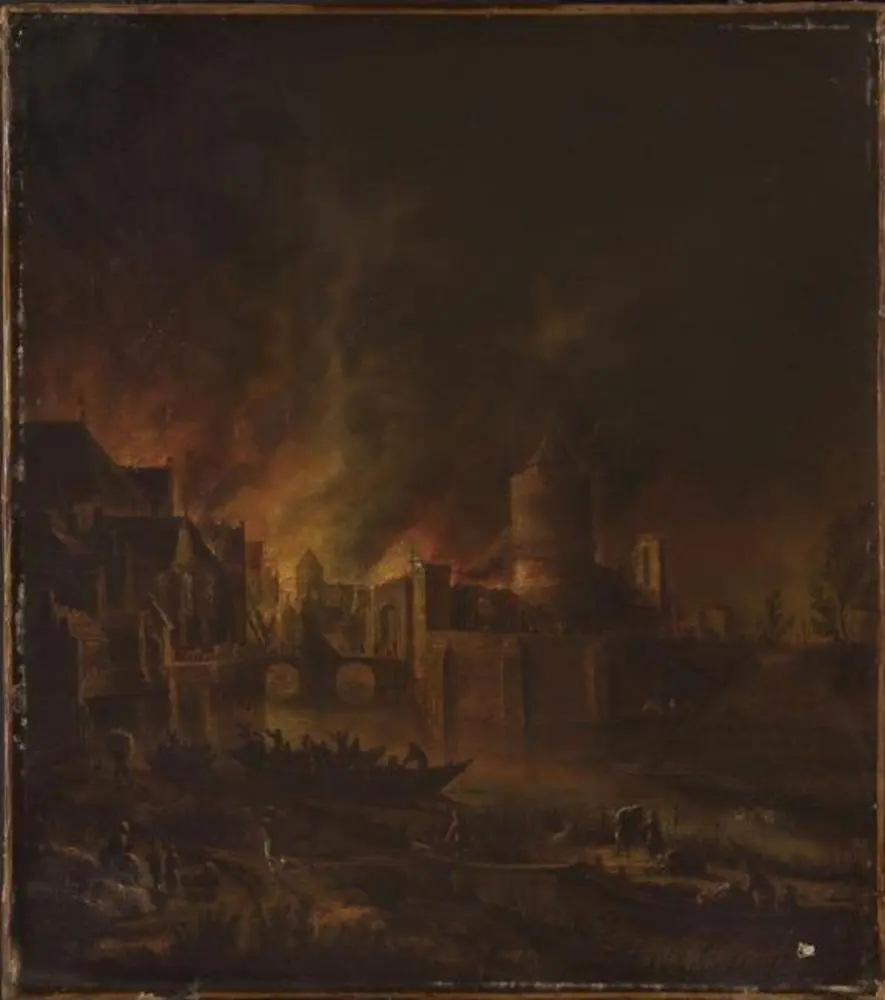
The narrative derives from Virgil’s Aeneid, where Aeneas leads a remnant of Troy’s survivors to safety after the city’s destruction. By emphasizing the act of carrying his father, the painting underscores themes of piety, sacrifice, and the continuity of lineage amid catastrophe. The chaotic backdrop of burning structures and fleeing crowds reinforces the urgency and loss inherent in the mythic flight.
Artist & collection