Artwork
Orpheus and Eurydice in the Underworld
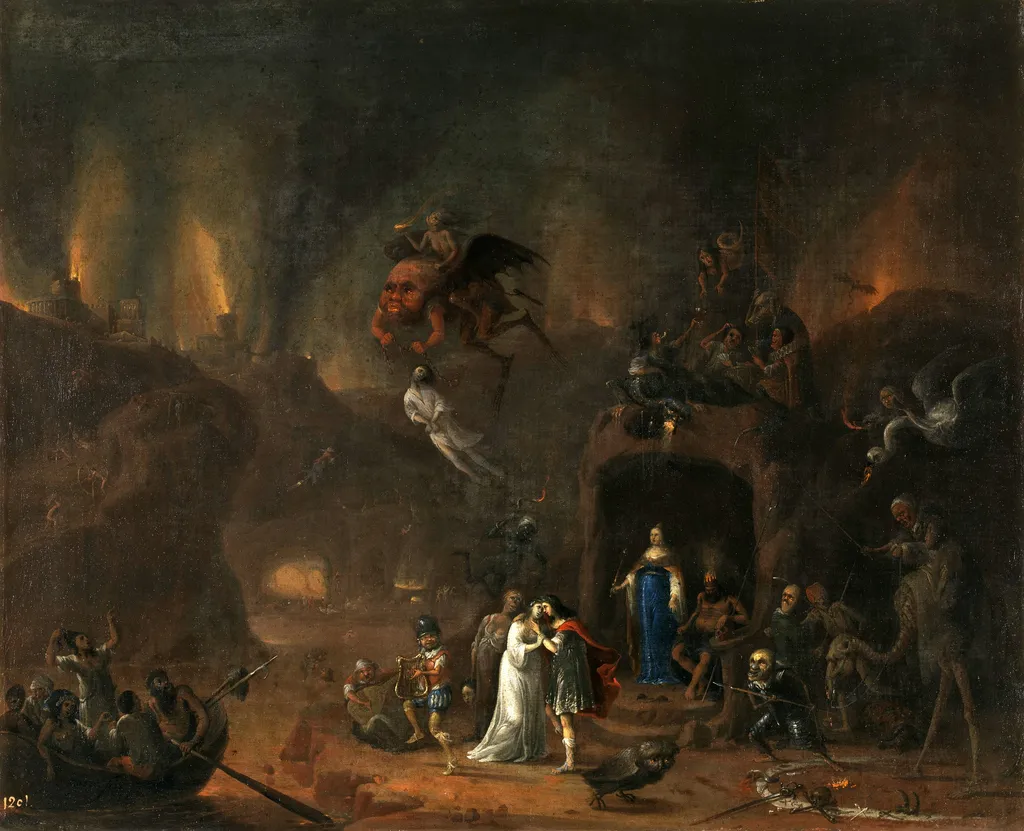
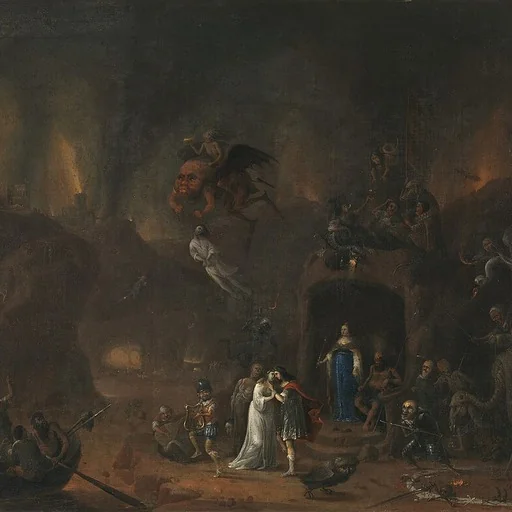
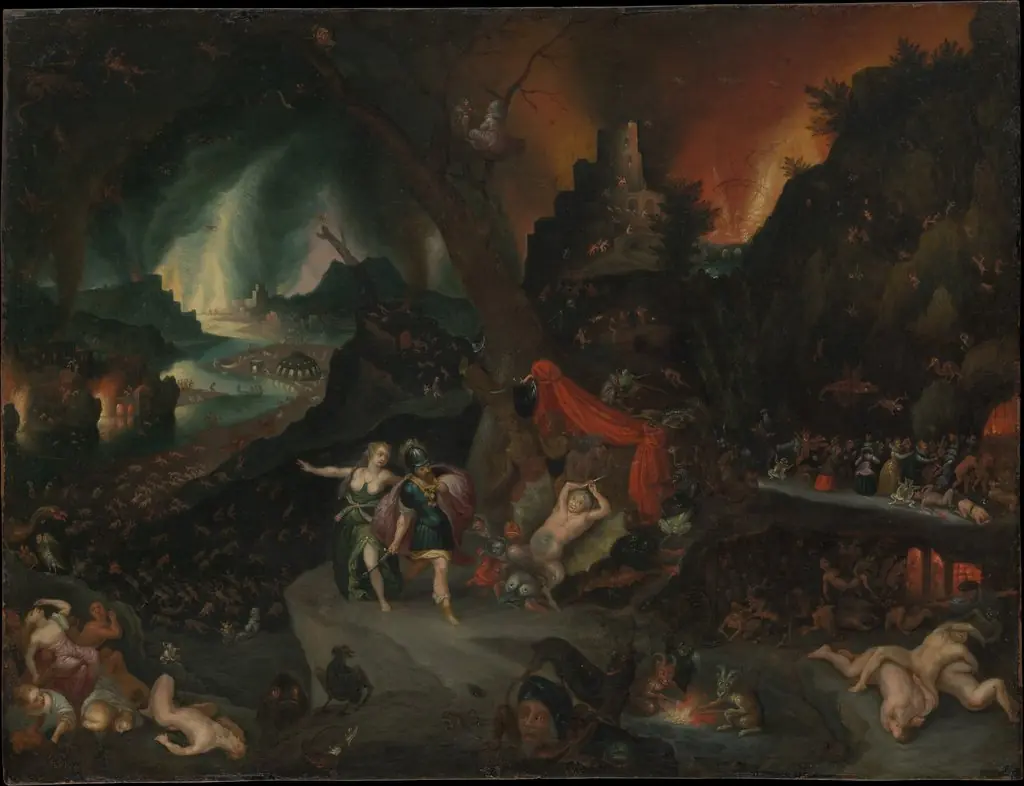
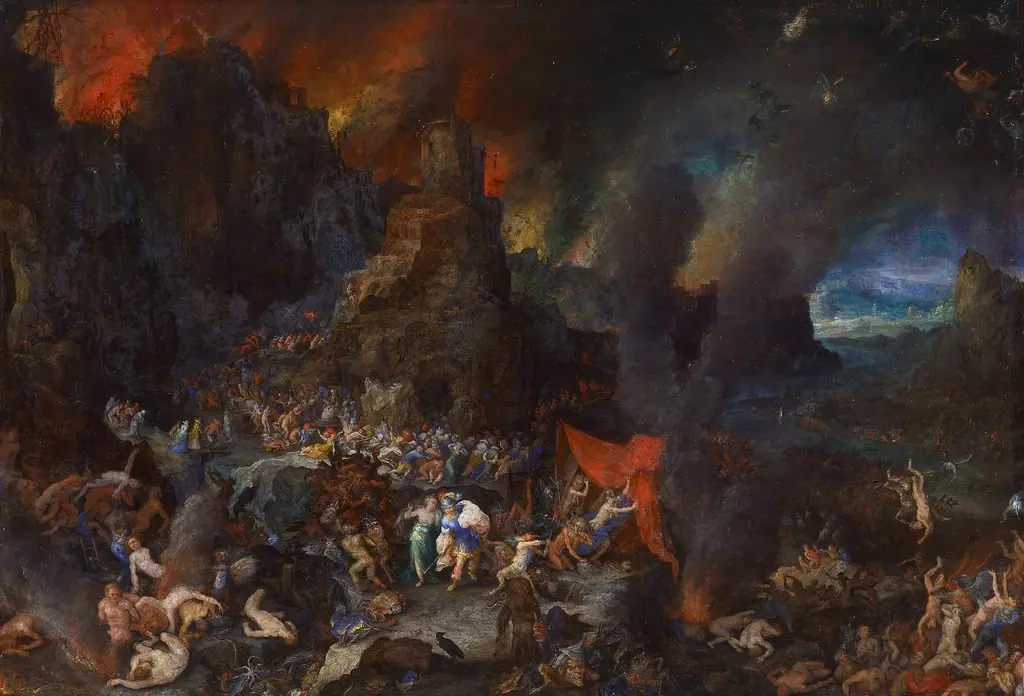
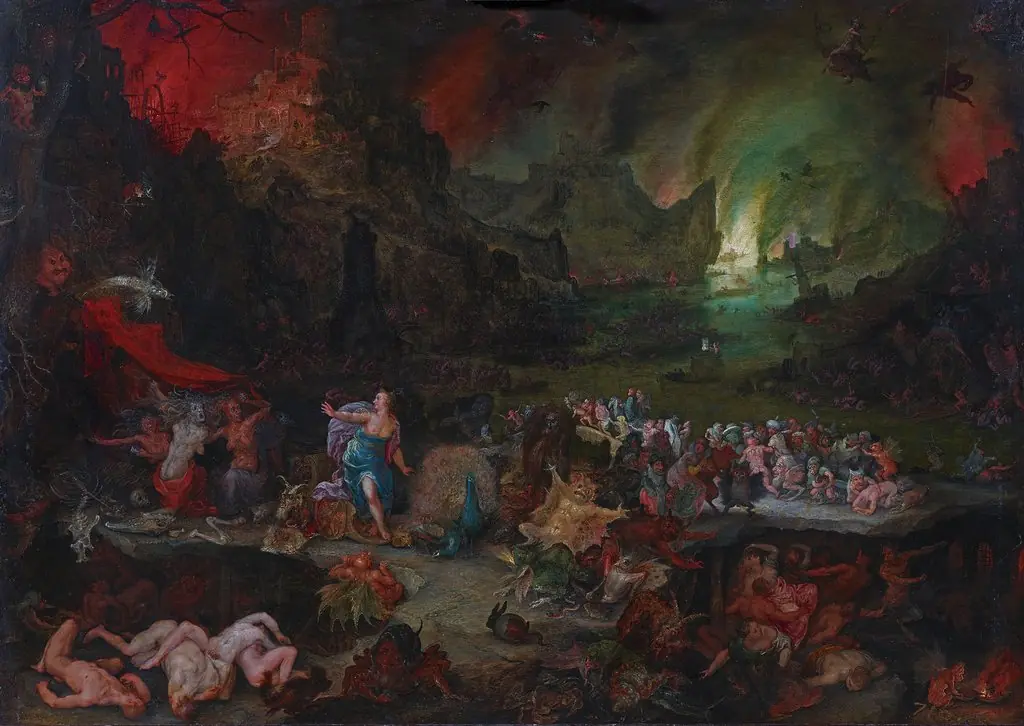
Orpheus and Eurydice in the Underworld is an oil painting by the Dutch Golden Age artist Pieter Fris. It dates from 1652 and is held in the collection of the Museo del Prado.
About this work
Subject & Meaning
The composition emphasizes the tragic tension inherent in the myth, highlighting themes of longing, loss, and the fleeting nature of reunion.
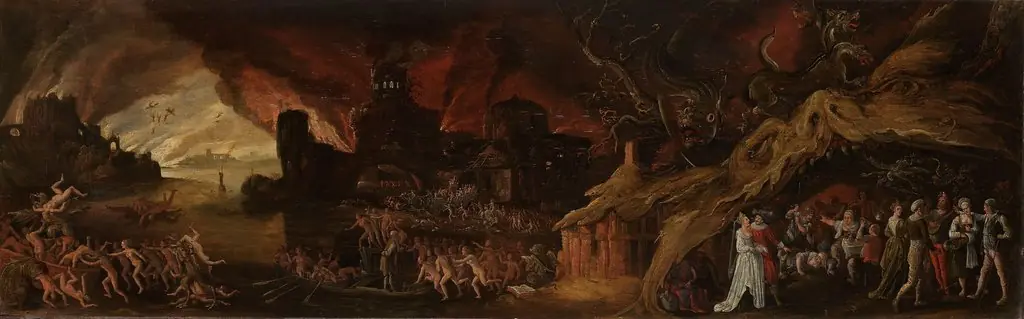
The painting Orpheus and Eurydice in the Underworld by Pieter Fris portrays the mythological moment of Orpheus descending into the realm of the dead to retrieve his beloved Eurydice. Through his lyre and gaze, Orpheus commands attention from the spectral figures, embodying hope and the fragile power of love against death. The composition emphasizes the tragic tension inherent in the myth, highlighting themes of longing, loss, and the fleeting nature of reunion. The work exemplifies 17th-century Dutch mythological painting, blending naturalistic detail with emotional depth.
The subject draws directly from classical mythology, where Orpheus ventures into the underworld, a recurring symbol of both spiritual journey and human vulnerability. His lyre, a symbol of artistic harmony, contrasts with the darkness of the realm, underscoring the transcendence of art over mortality. The painting’s meaning lies in its poignant representation of love’s struggle against inevitable separation, resonating with Baroque-era contemplations of fate and redemption.
Technique & Style
Executed in 1652, this mythological painting by Pieter Fris utilizes oil paint applied to a canvas support. The work measures 61 cm in height and 77 cm in width. As a piece classified within the mythology genre, it depicts the figures of Orpheus and Eurydice situated in the underworld. The composition is currently held in the collection of the Museo del Prado.
History & Provenance
Pieter Fris created the oil painting Orpheus and Eurydice in the Underworld in 1652. Executed on canvas, the work depicts the mythological figure Orpheus within an underworld setting. The painting eventually entered the collection of the Museo del Prado in Madrid, where it remains held.
Specific details regarding the original commission, early ownership history, or the circumstances of its acquisition by the museum are not provided in the available records.
Legacy
Pieter Fris's 1652 mythological painting Orpheus and Eurydice in the Underworld entered museum collections through its acquisition by the Museo del Prado, where it remains on view. The work has been frequently reproduced in scholarly publications on Dutch Baroque art and cited in studies of mythological subjects in 17th-century European painting. Its composition influenced later interpretations of the Orpheus myth in Northern European art, particularly in the treatment of underworld landscapes.
Overview
Pieter Fris’s 1652 oil painting, Orpheus and Eurydice in the Underworld, presents a nocturnal tableau of the Greek legend’s climactic moment. The work is part of the collection at the Museo del Prado and measures the dramatic encounter of the two lovers amid a tumultuous subterranean setting.
Context
The work belongs to a broader Baroque fascination with mythological drama, aligning with contemporaneous depictions of underworld scenes by artists such as Caravaggio. Fris’s rendering combines Dutch realism with Italian theatricality, situating the myth within a visual language that emphasizes emotional intensity and moral allegory.
Own this work as a print
Artist & collection