Artwork
The Last Judgment and the Seven Deadly Sins
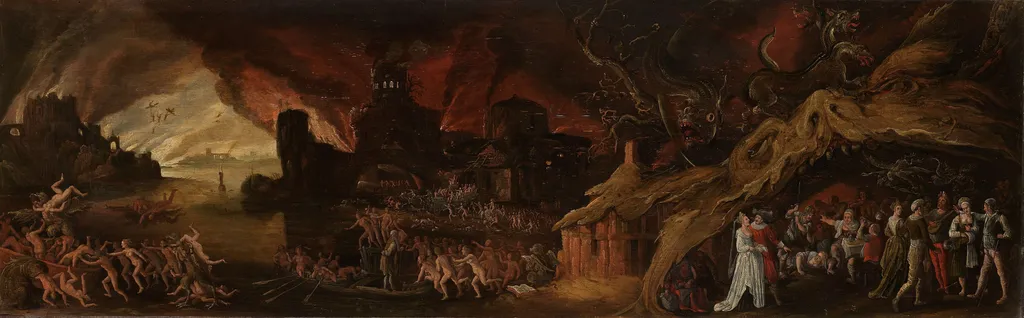
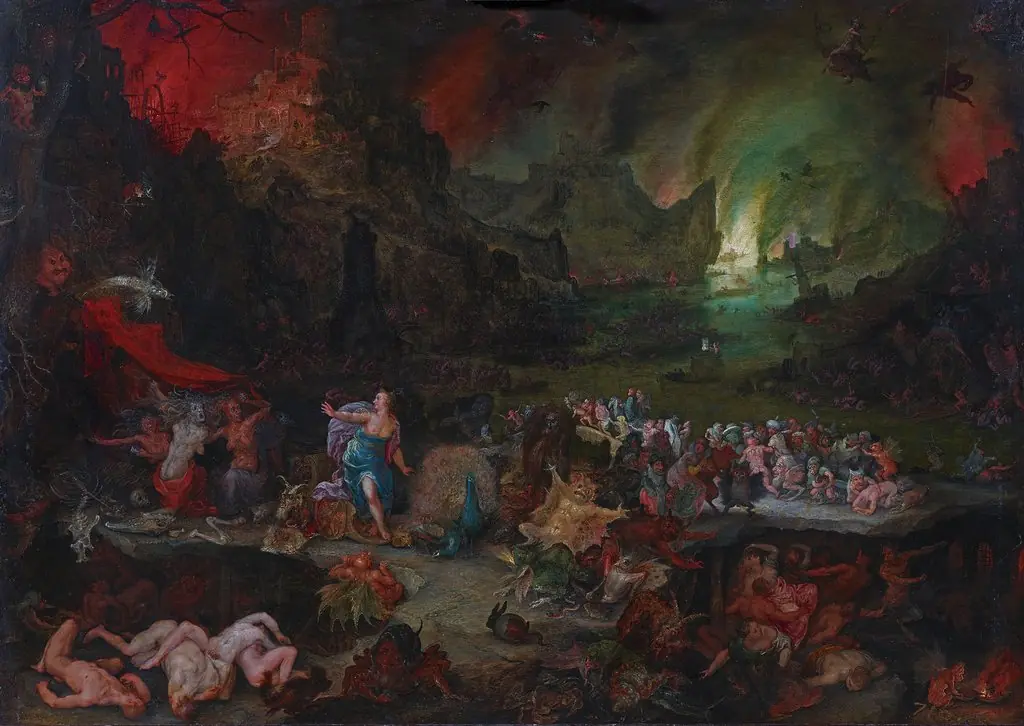
The Last Judgment and the Seven Deadly Sins is an oil painting by the Early Baroque Italian artist Jacob van Swanenburgh. It dates from 1619 and is held in the collection of the Rijksmuseum.
About this work
Subject & Meaning
The work portrays the biblical Day of Judgment intertwined with personifications of the seven deadly sins, a common theme in Counter-Reformation religious art that dramatizes moral accountability before divine judgment.
The central composition shows Christ presiding over the final judgment while figures embodying pride, envy, wrath, greed, lust, gluttony, and sloth emerge from the lower registers, each identified by traditional iconographic attributes such as a crown for pride or a serpent for envy.
Symbolically, the painting serves as a visual sermon urging viewers to confront personal vice and seek redemption, reflecting the moral urgency of early 17th‑century Dutch Catholic worship.
The subject is thus a didactic amalgam of theological narrative and moral allegory, using established symbolic codes to communicate the consequences of sin and the necessity of virtuous conduct.
History & Provenance
Jacob van Swanenburgh created the oil painting The Last Judgment and the Seven Deadly Sins in 1619. Executed on a panel measuring 28 cm by 88 cm, the work depicts religious themes centered on the Day of Judgment and the seven deadly sins. The painting is currently held in the collection of the Rijksmuseum.
Overview
Jacob van Swanenburgh’s 1619 oil painting combines the biblical scene of the Last Judgment with allegorical figures representing the seven deadly sins. Dark tones and stark contrasts dominate the canvas, conveying a turbulent vision of divine reckoning and moral corruption.
Technique & Style
Employing pronounced chiaroscuro, van Swanenburgh creates depth through illuminated foreground figures against a shadowy, flame‑filled sky. The dramatic lighting and vigorous brushwork reflect the early Baroque sensibility he absorbed during his Italian sojourn.
Context
Produced at a time when Dutch artists were integrating Italian Baroque dynamism with local religious reform, the work exemplifies the period’s preoccupation with moral didacticism. Its emphasis on judgment and sin aligns with broader Protestant visual culture of the early seventeenth century.
Artist & collection
Artist
Jacob Isaacszoon van Swanenburg (Dutch pronunciation:; 1571 in Leiden – 1638 in Utrecht) was a Dutch painter, draftsman and art dealer.

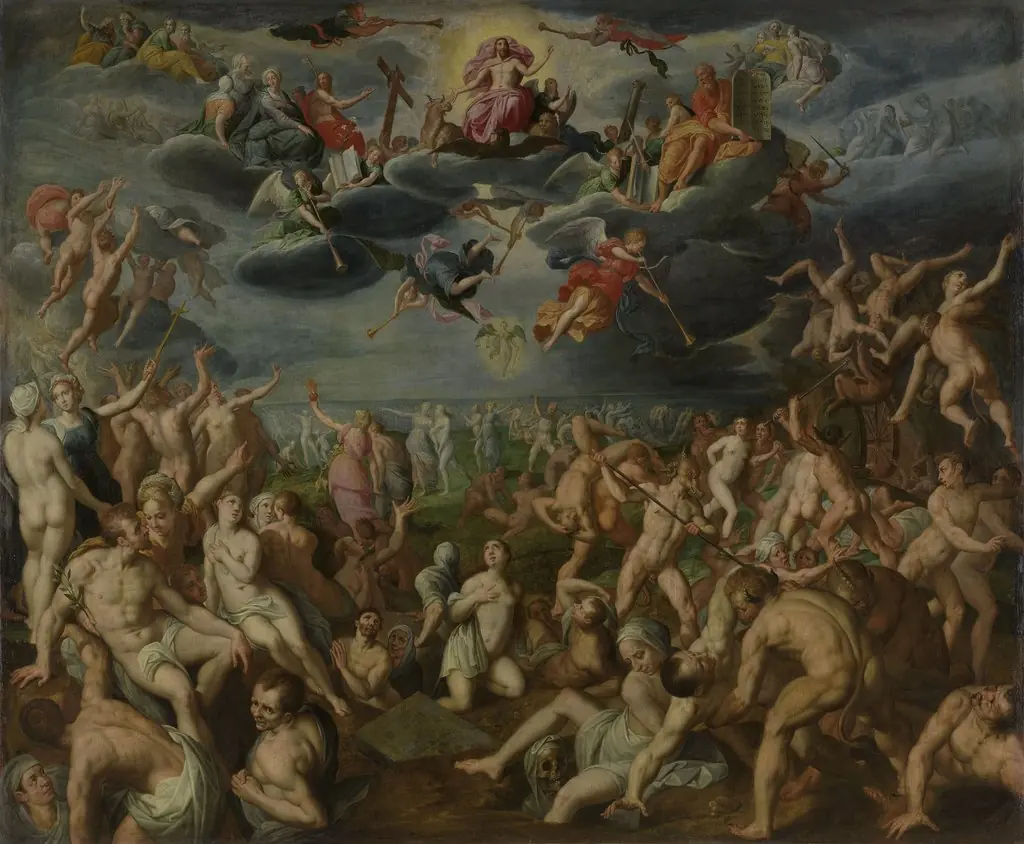 The Last Judgement
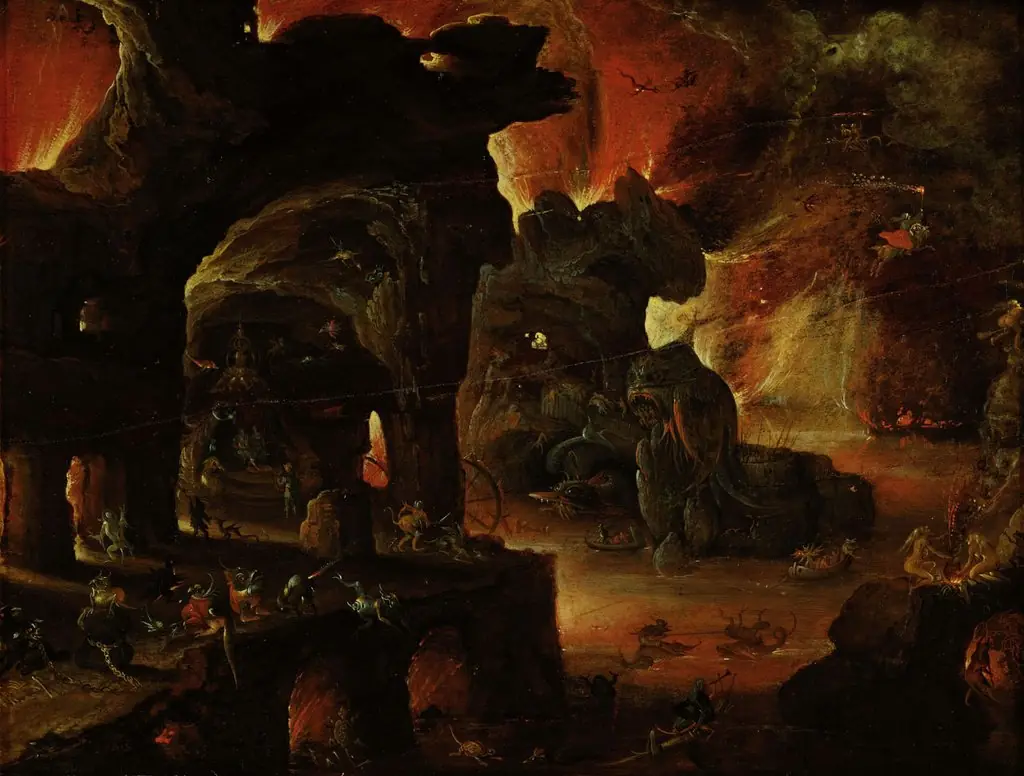 Orpheus in the Underworld
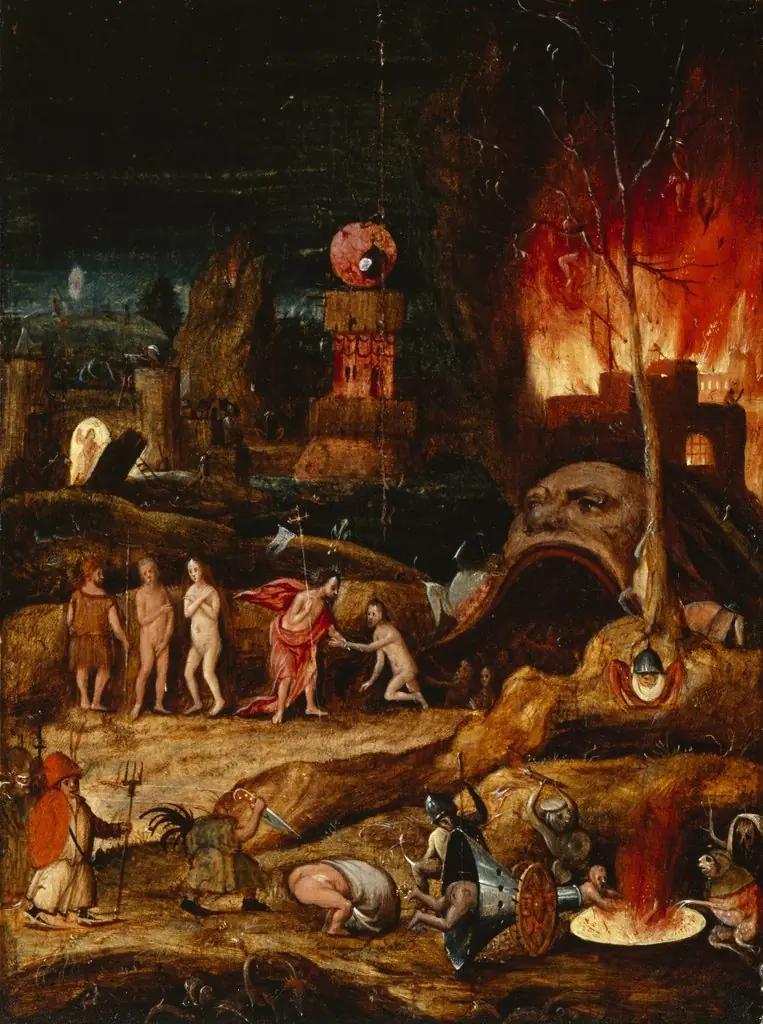 Christ in Limbo
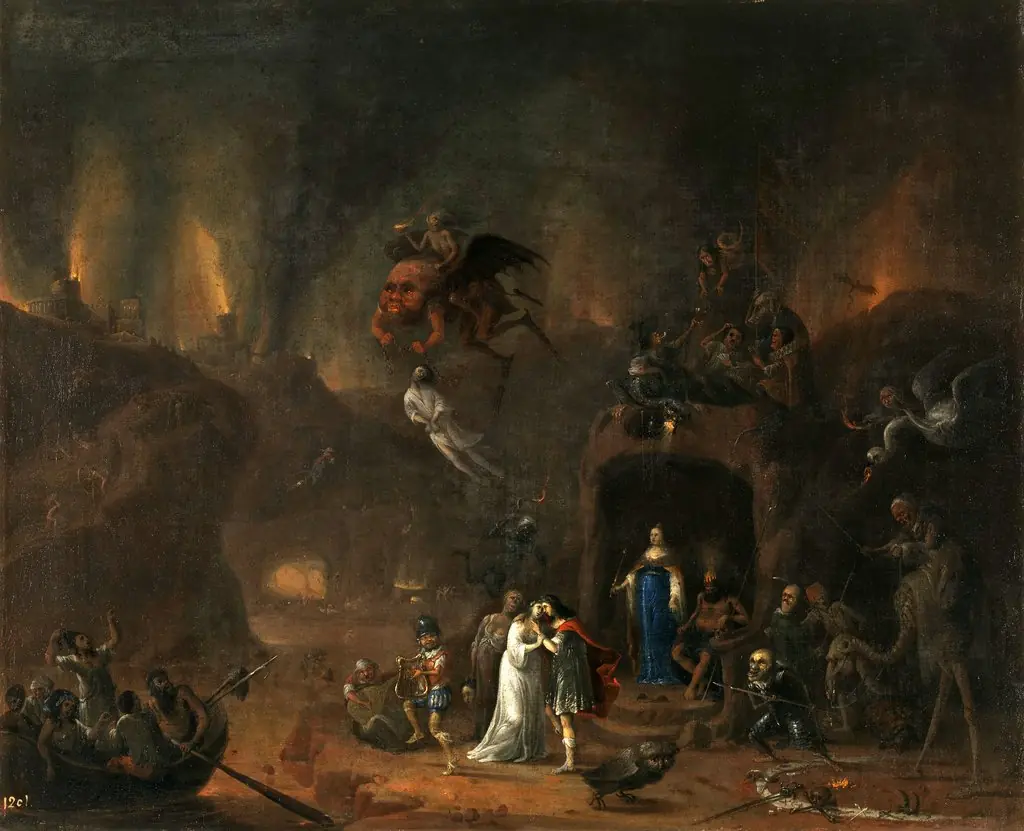 Orpheus and Eurydice in the Underworld
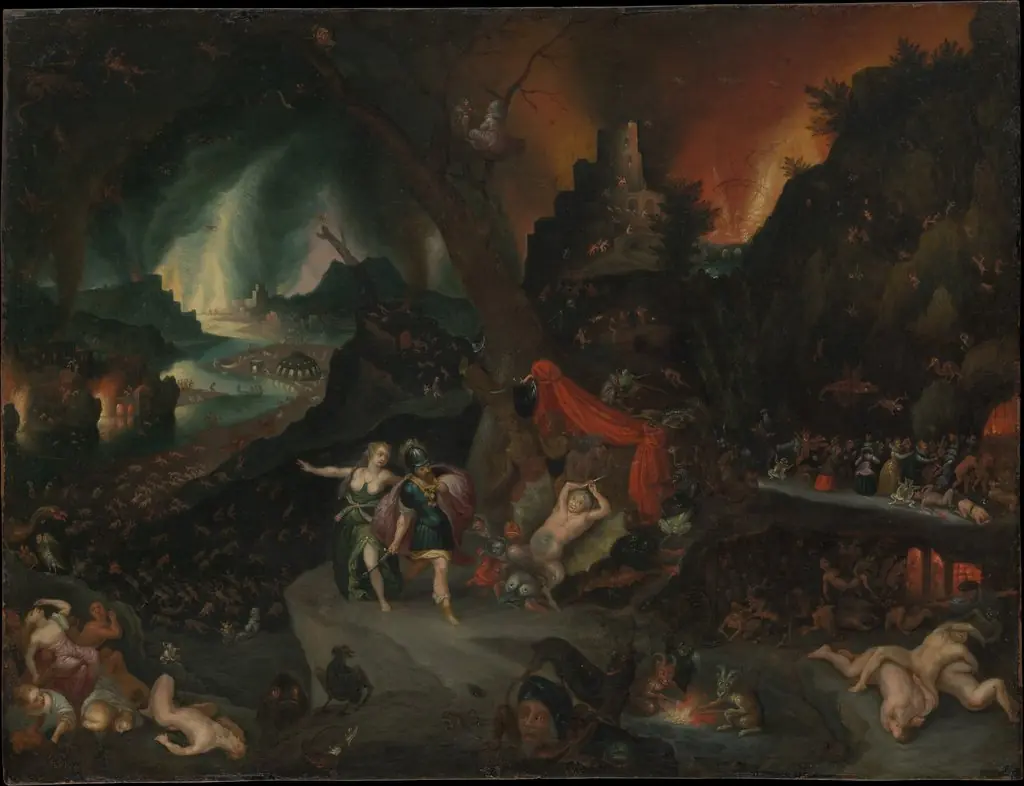 Aeneas and the Sibyl in the Underworld
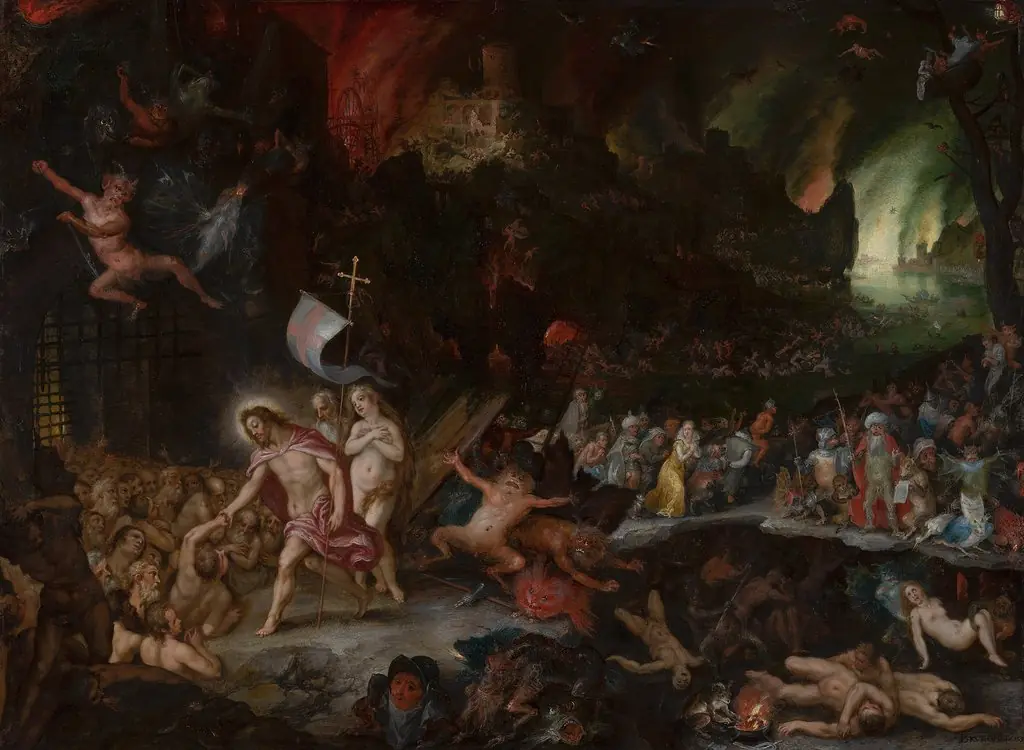 Christ's Descent into Limbo
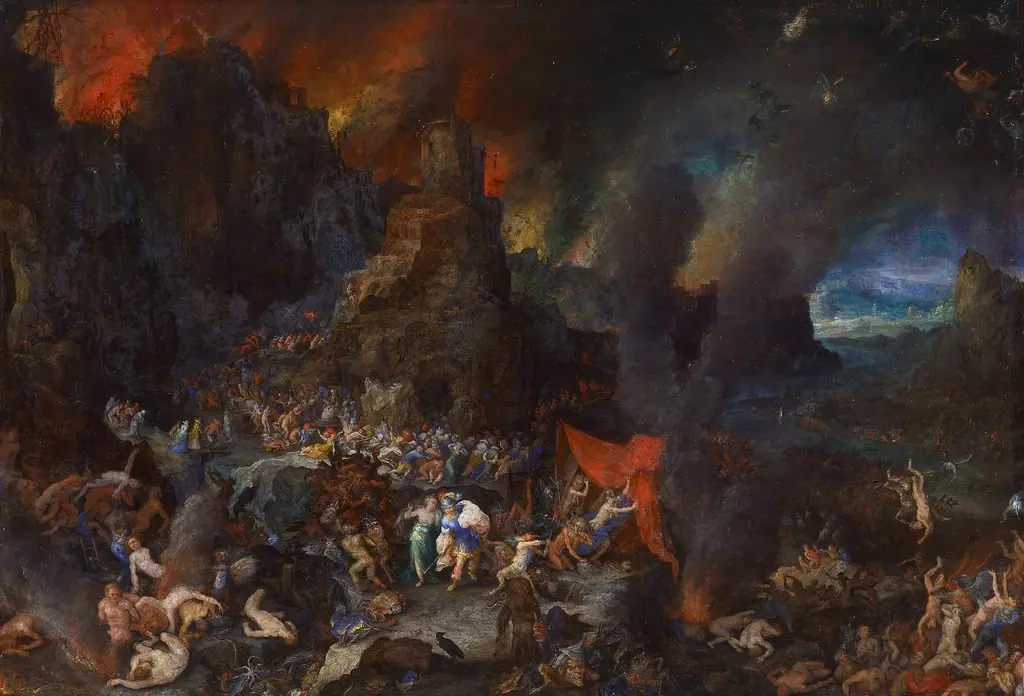 Aeneas and a Sibyl in the Underworld
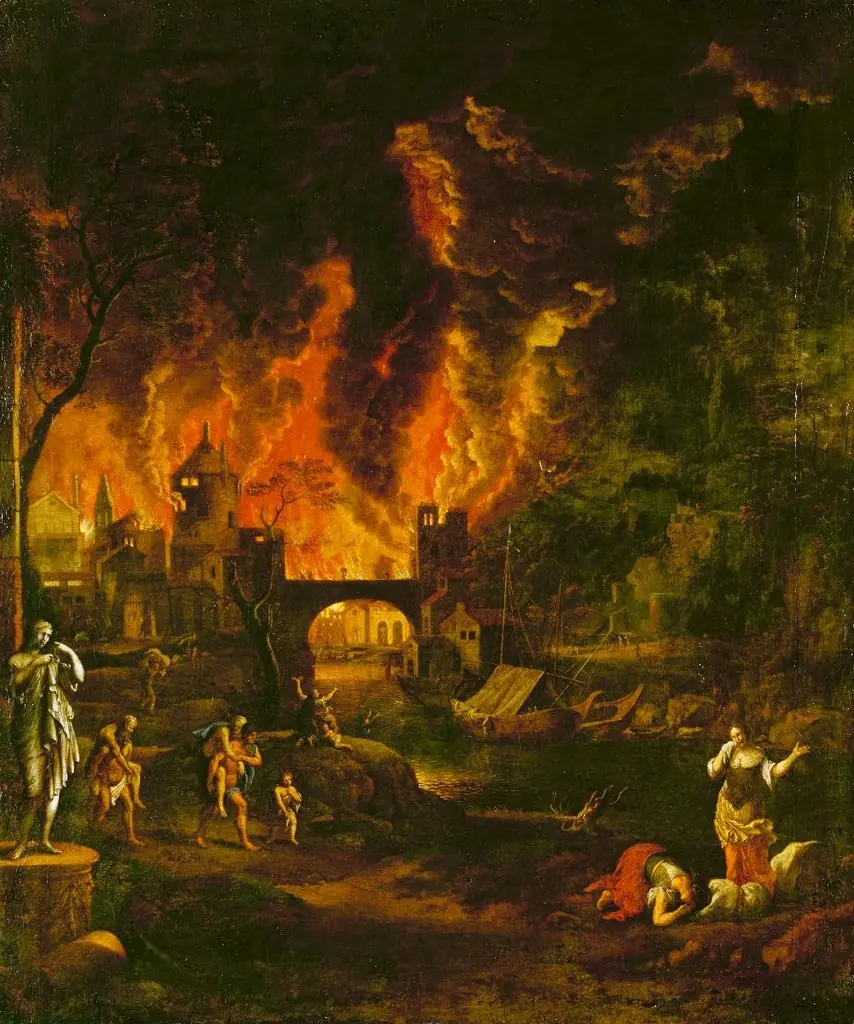 Das Feuer
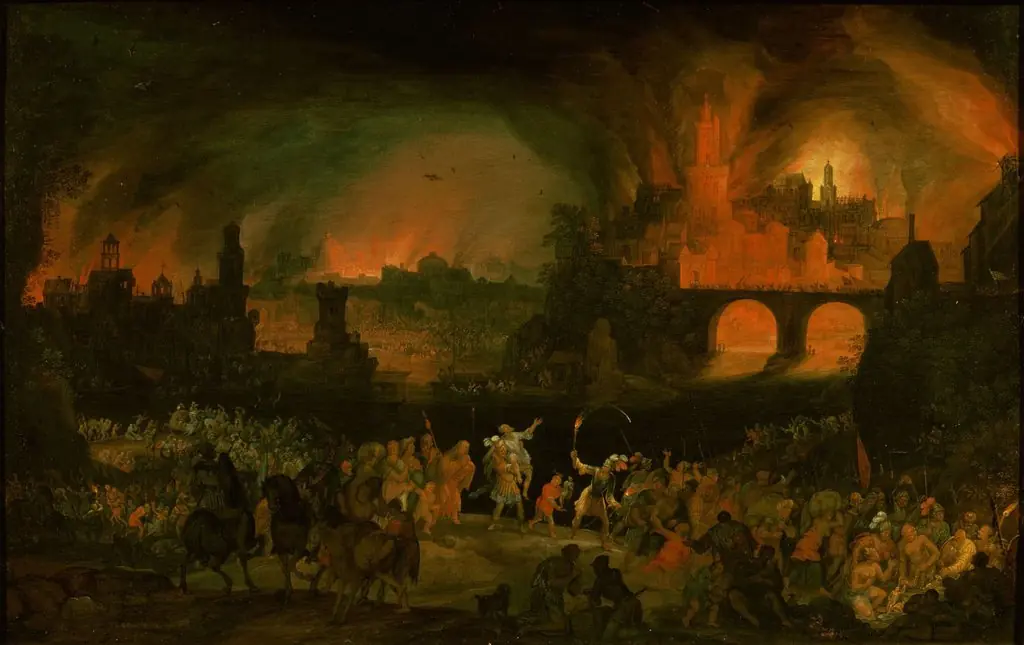 Aeneas trägt seinen Vater Anchises aus dem brennendem Troja
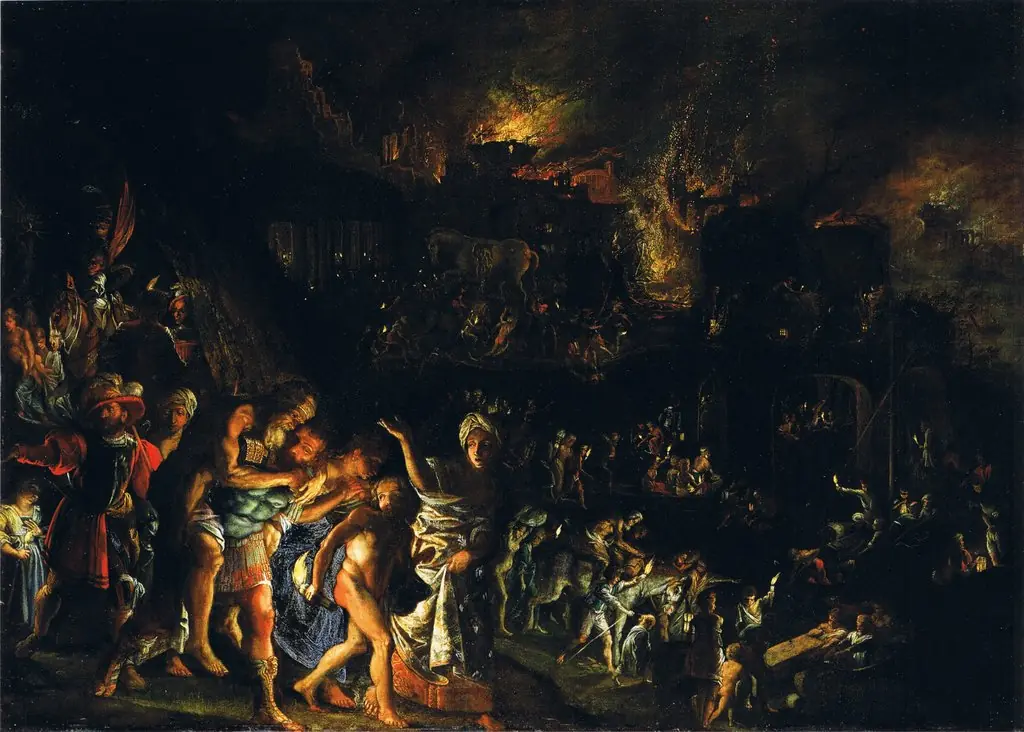 The Burning of Troy
 Juno in the Underworld
- The Last Judgment