Artwork
The Crucified Christ
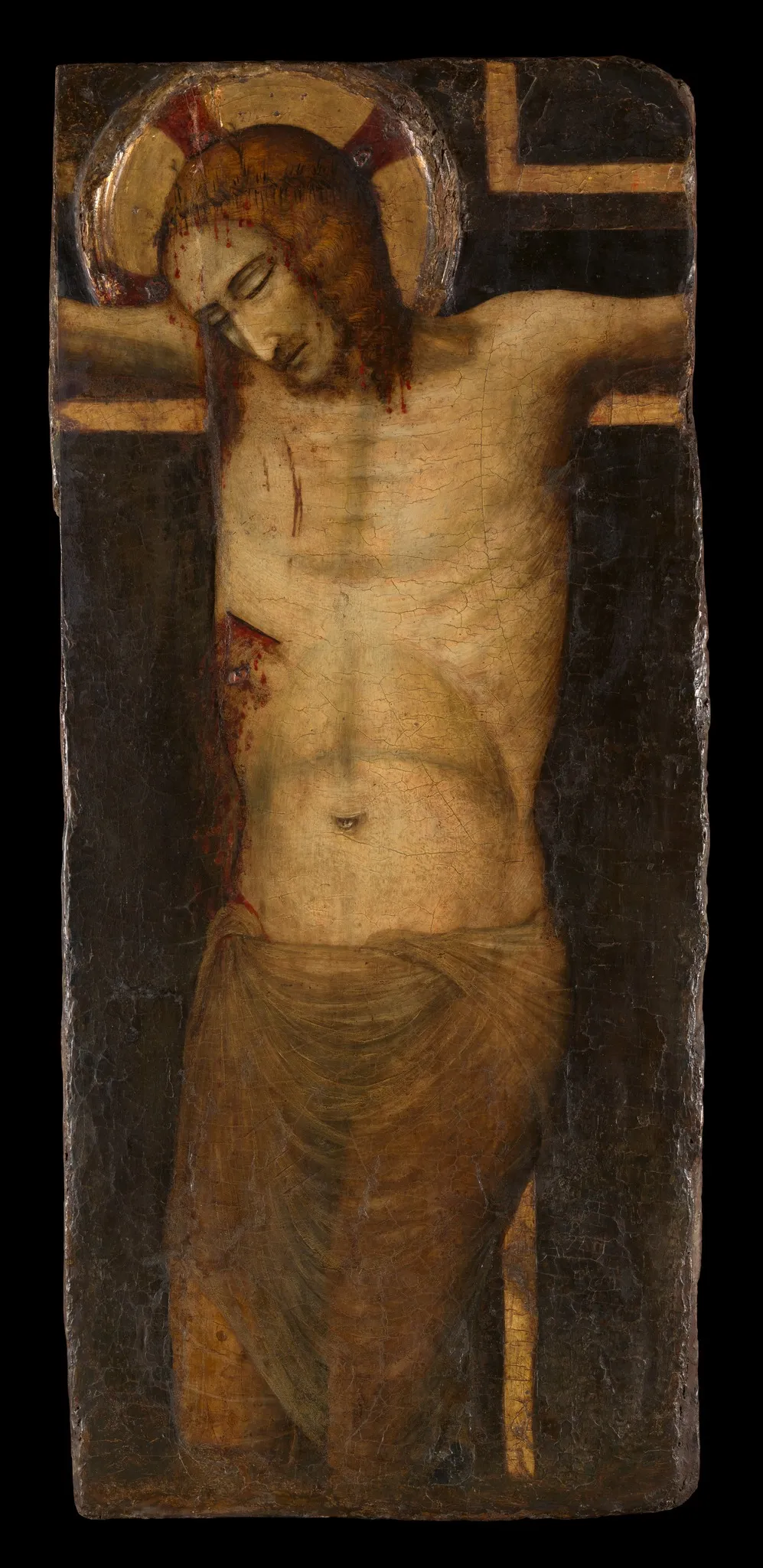
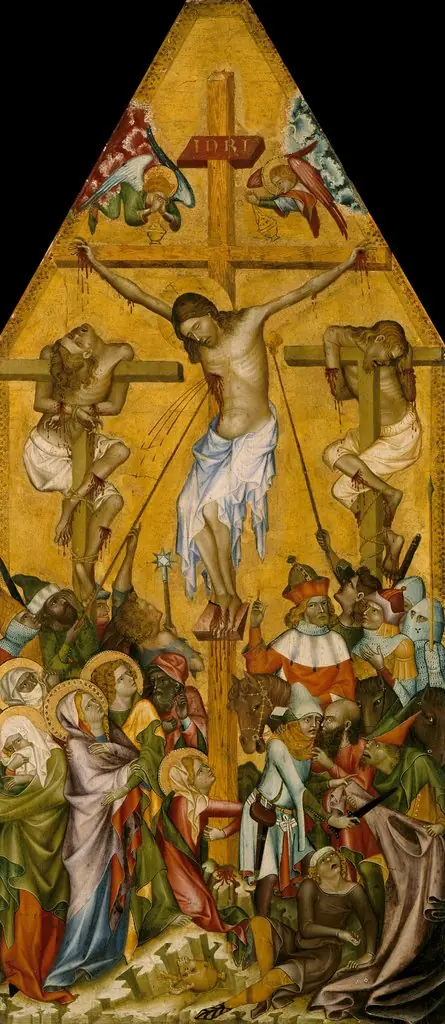
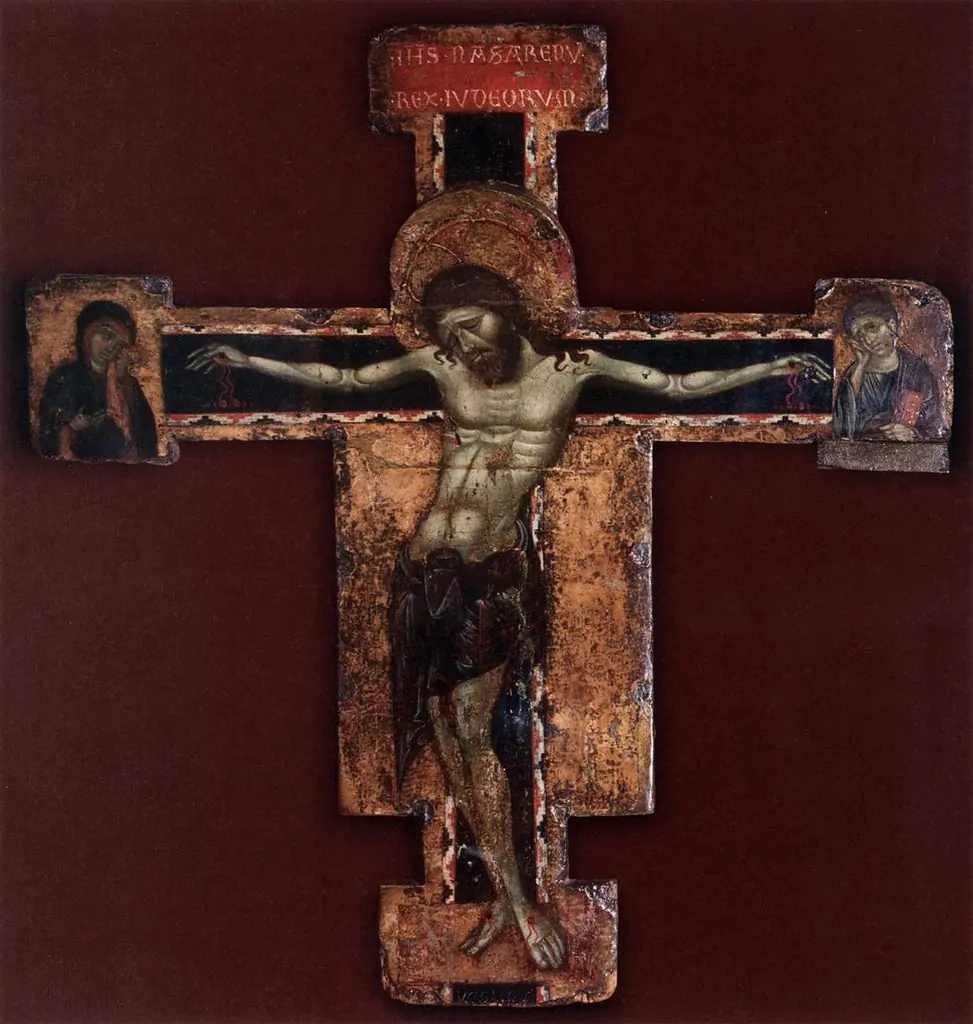
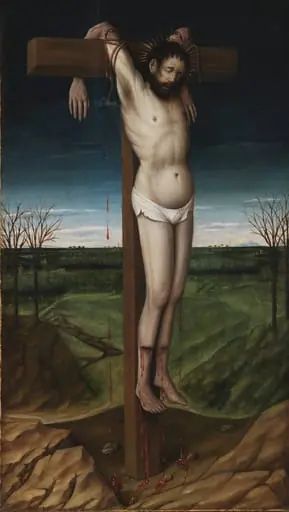
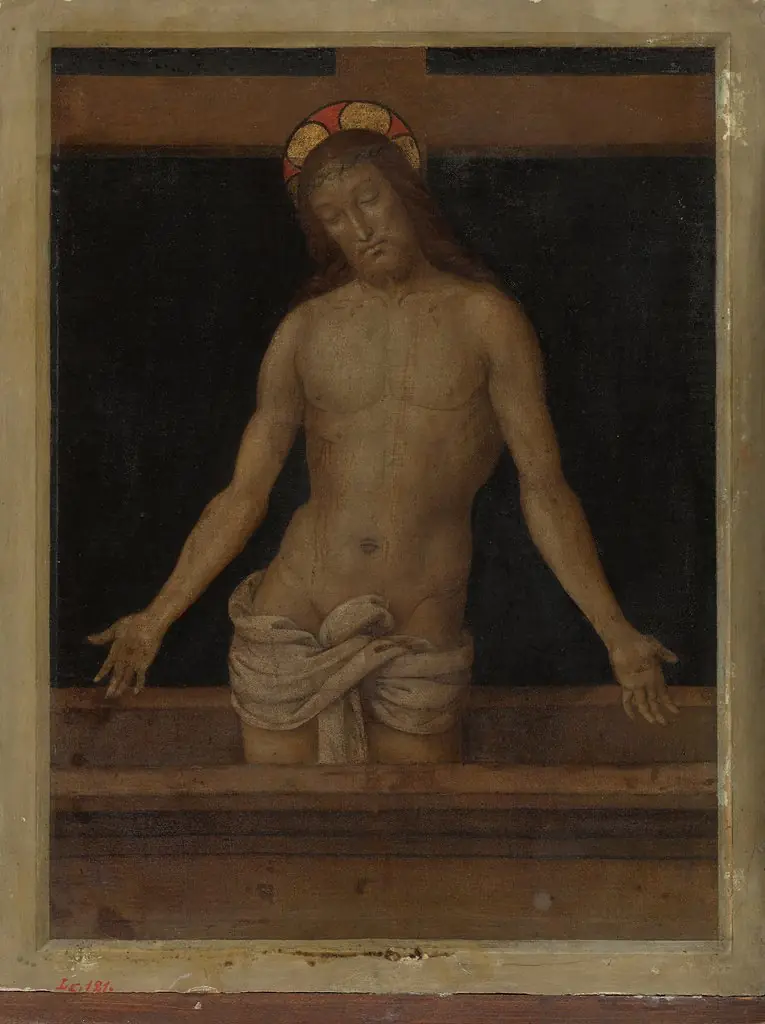
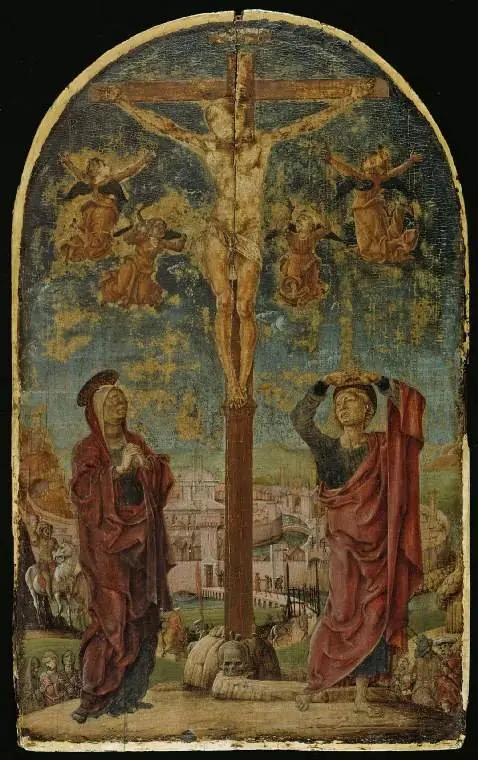
The Crucified Christ is an unspecified painting by the Byzantine icon painting artist Pietro da Rimini. It dates from 1328 and is held in the collection of the Metropolitan Museum of Art.
About this work
Subject & Meaning
The painting portrays the crucifixion of Jesus, a central episode in Christian iconography that emphasizes sacrifice and redemption.
The painting portrays the crucifixion of Jesus, a central episode in Christian iconography that emphasizes sacrifice and redemption. Pietro da Rimini renders the figure of Christ on the cross, flanked by traditional symbols such as the crown of thorns, nails, and a halo, which together convey both the suffering and the divine nature of the event. The composition’s focus on the central figure and the surrounding narrative elements underscores the theological meaning of Christ’s atonement, a theme recurrent in 14th‑century religious art.
The work’s provenance in the Metropolitan Museum of Art and its dating to 1328 further establish its historical context within early Italian devotional painting.
History & Provenance
The Crucified Christ is dated to 1328, as indicated by an internal corpus entry that records the work’s creation under Pietro da Rimini. The painting entered the collection of the Metropolitan Museum of Art, where it remains housed. According to Wikidata, the work depicts the crucifixion of Jesus and entered the museum’s holdings with an inception date of 1328.
The documented provenance and attribution align with the artist’s documented activity in the early fourteenth century, situating the work within the Italo-Byzantine tradition of central Italy.
The Crucified Christ by Pietro da Rimini, dated 1328, is held in the collection of the Metropolitan Museum of Art. The painting, which depicts the crucifixion of Jesus Christ, measures 103.8 cm in height and 45.7 cm in width. No specific inventory or accession number is documented in the available sources, and no exhibition history is recorded.
Overview
Pietro da Rimini's painting, The Crucified Christ, dates to 1328. This religious work presents a solemn depiction of Jesus Christ during his crucifixion. It is currently part of the collection at The Metropolitan Museum of Art, offering insight into early 14th-century Italian religious art.
Technique & Style
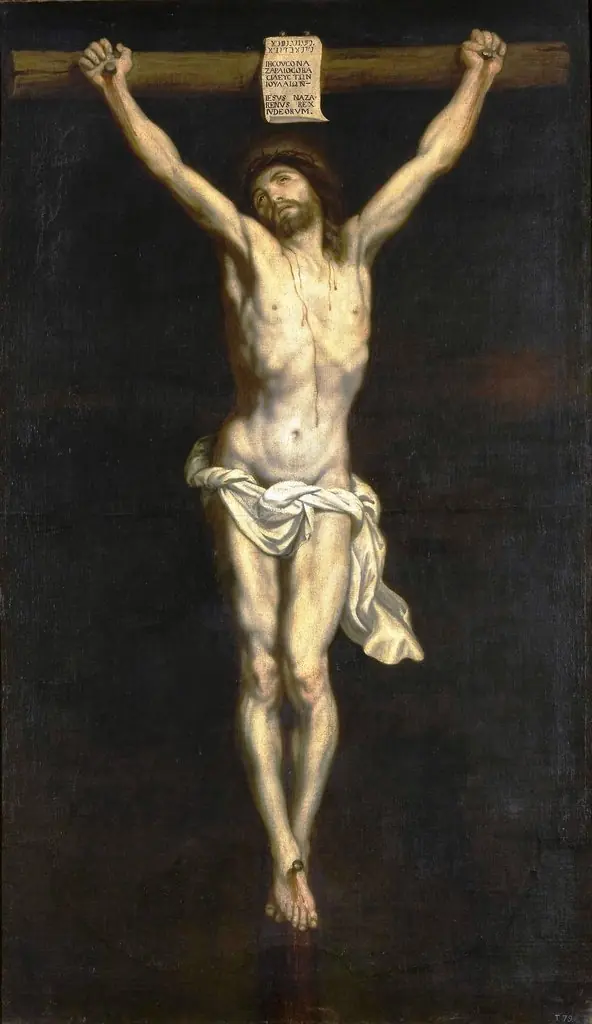
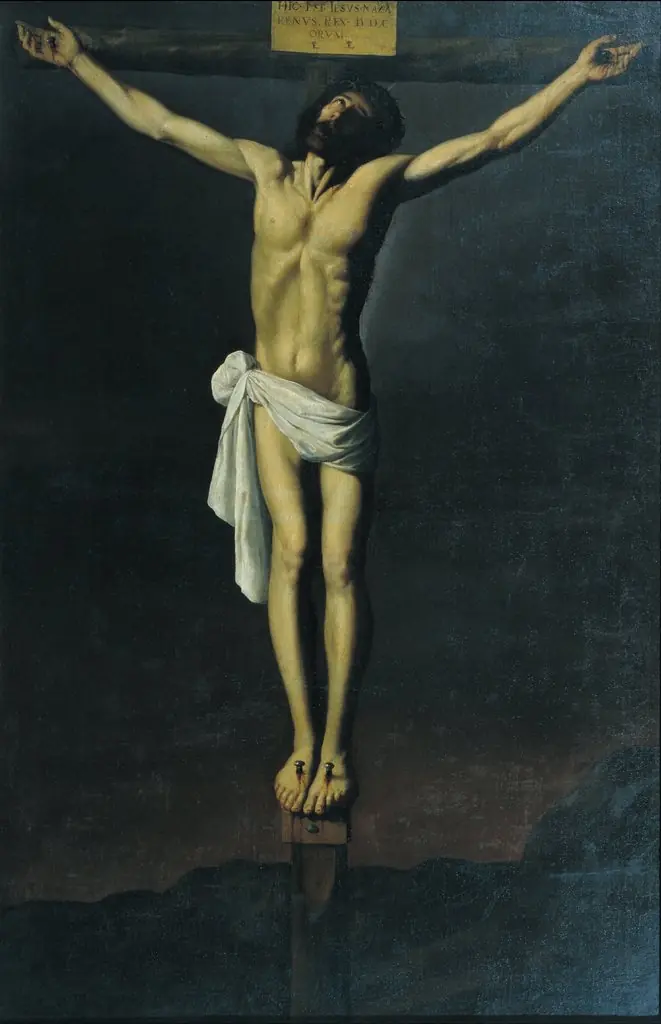
Rimini's approach to the crucifixion emphasizes a stark realism. The figure of Christ is rendered with a pale complexion, contrasting with the visible wounds on his hands, feet, and side. A crown of thorns rests upon his head, and the body's musculature is subtly defined, conveying a sense of exhaustion against a somber, dark background. The use of light and shadow highlights these details, contributing to the painting's dramatic impact.
Artist & collection