Artwork
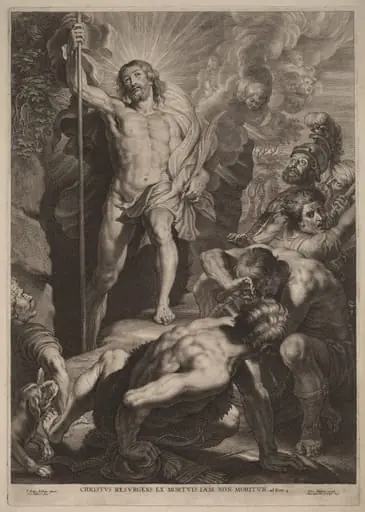
Peccati Mortisque Triumphor Christus
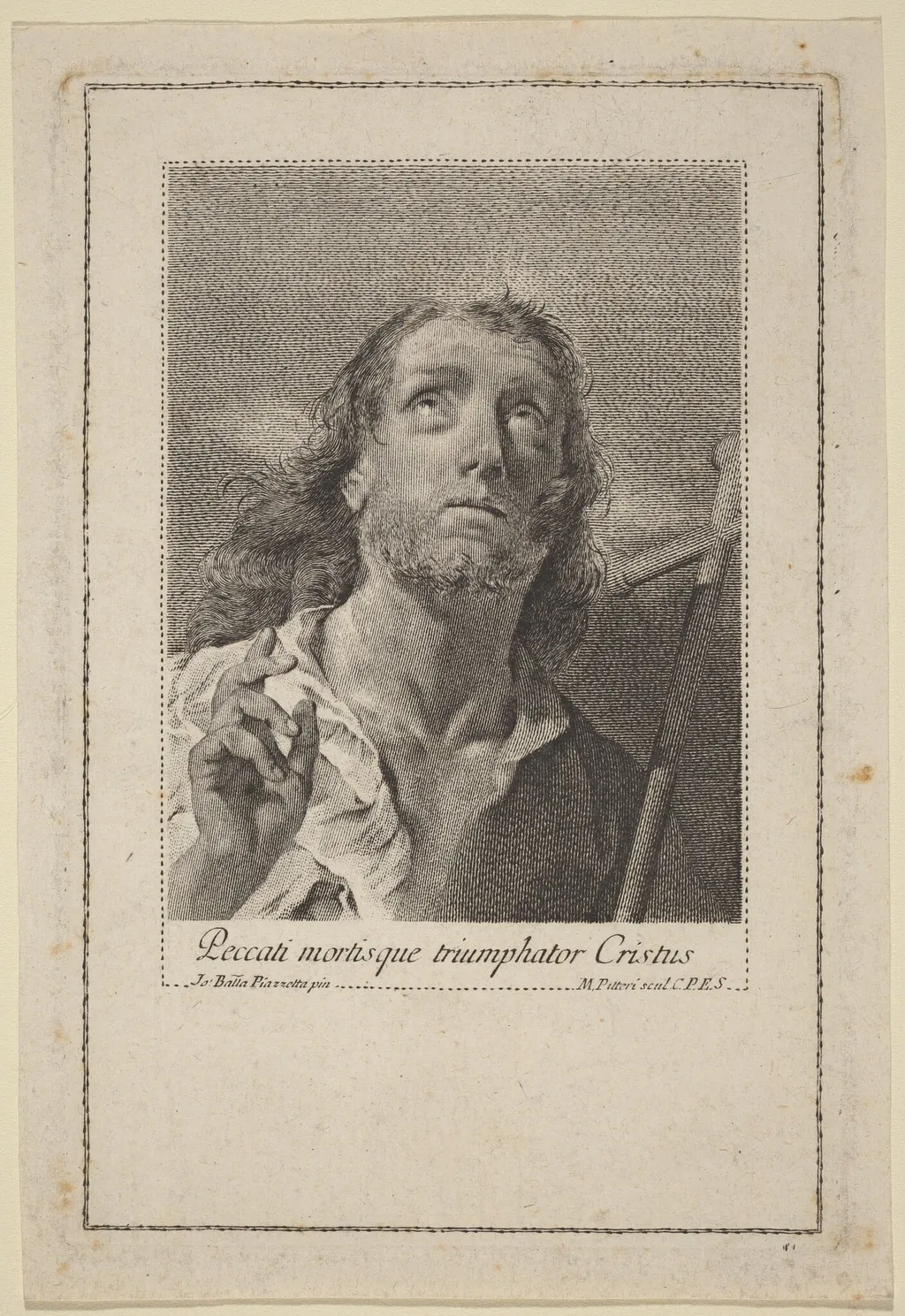
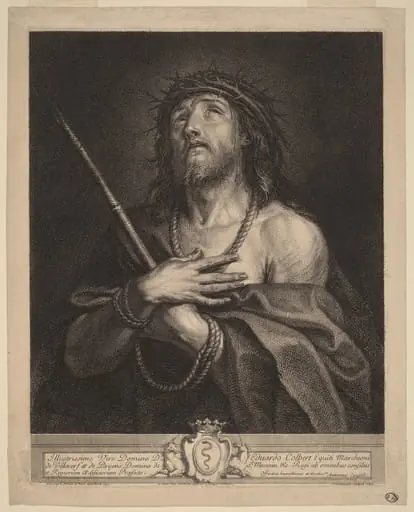
Peccati Mortisque Triumphor Christus is an ink print by the Baroque artist Marco Alvise Pitteri. It dates from 1744 and is held in the collection of the National Gallery of Art.
About this work
Overview
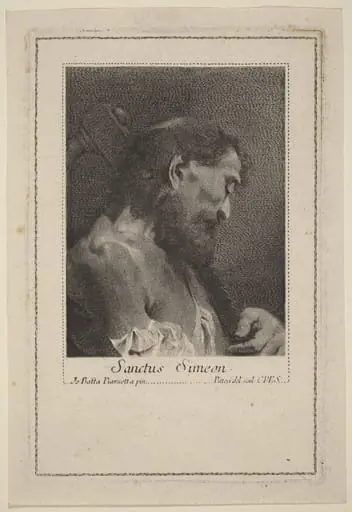
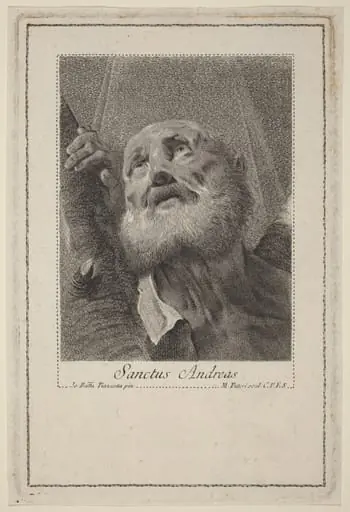
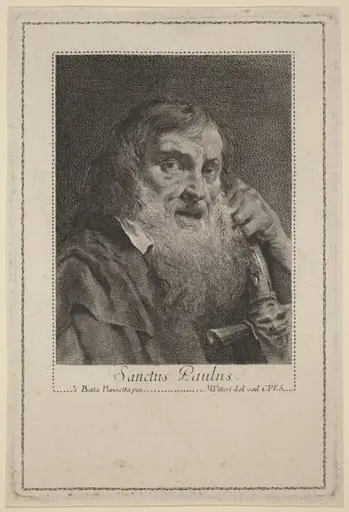
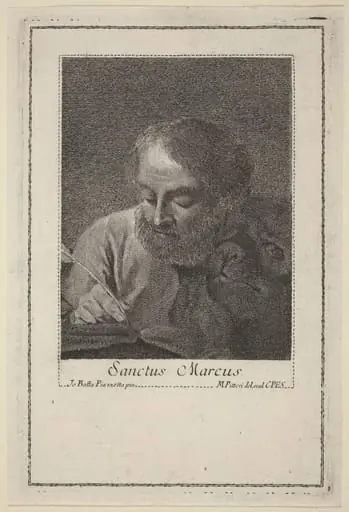
Rendered with precise linear detail, the image isolates the figure against a featureless background, emphasizing spiritual focus over narrative context.
Created in 1744 by Marco Alvise Pitteri, this black-and-white engraving presents a solitary figure of Christ in contemplative repose. Rendered with precise linear detail, the image isolates the figure against a featureless background, emphasizing spiritual focus over narrative context. The Latin inscription beneath identifies the subject as Christ victorious over sin and death, a conventional devotional motif of the period.
Subject & Meaning
The figure depicts Christ as a serene, bearded man with long, wavy hair, hands clasped before him in prayerful surrender. His upward gaze suggests divine communion rather than suffering, aligning with the inscription that proclaims his triumph over mortality and sin. This portrayal reflects a post-Reformation emphasis on Christ’s redemptive authority, avoiding graphic suffering in favor of quiet triumph.
Technique & Style
Pitteri employs fine, controlled etching lines to model volume and texture, particularly in the folds of the robe and the contours of the face. The absence of tone or wash relies entirely on line density to suggest shadow and depth. The background remains unadorned, directing attention to the figure’s stillness and the clarity of his gesture, characteristic of 18th-century religious printmaking.
History & Provenance
The engraving was produced during Pitteri’s active years in Venice, a center for religious print distribution. Likely intended for private devotion or ecclesiastical use, it circulated among clerical and lay audiences seeking visual aids for meditation. No known original impressions are documented in major collections, suggesting modest production and limited survival.
Context
In mid-18th-century Italy, devotional imagery often emphasized Christ’s victory over death as a counterpoint to Enlightenment skepticism. Pitteri’s work aligns with a broader tradition of engraved religious prints that prioritized clarity and emotional restraint, serving as accessible tools for personal piety amid shifting cultural attitudes toward faith.
Legacy
Pitteri’s engraving exemplifies the quiet, linear aesthetic of Venetian religious prints of the period. Though not widely celebrated in art historical narratives, it reflects the enduring role of printmaking in sustaining devotional practice. Its simplicity and focus on symbolic gesture influenced later ecclesiastical imagery, particularly in regions where literacy and access to paintings were limited.
Own this work as a print
Artist & collection