Artwork
The Marriage of Cupid and Psyche
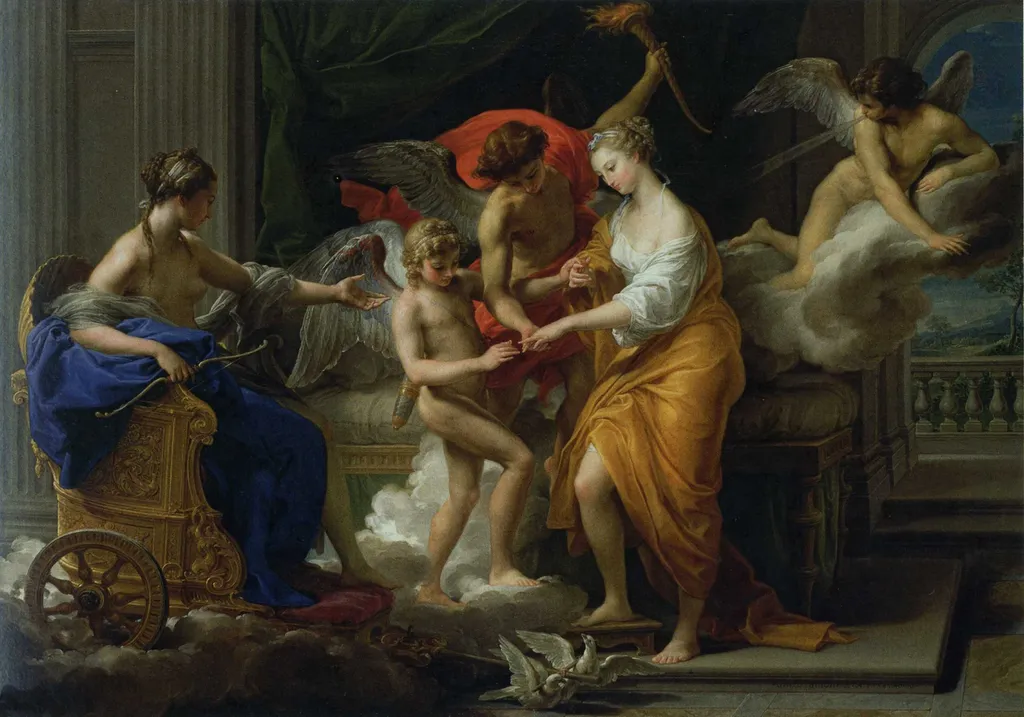
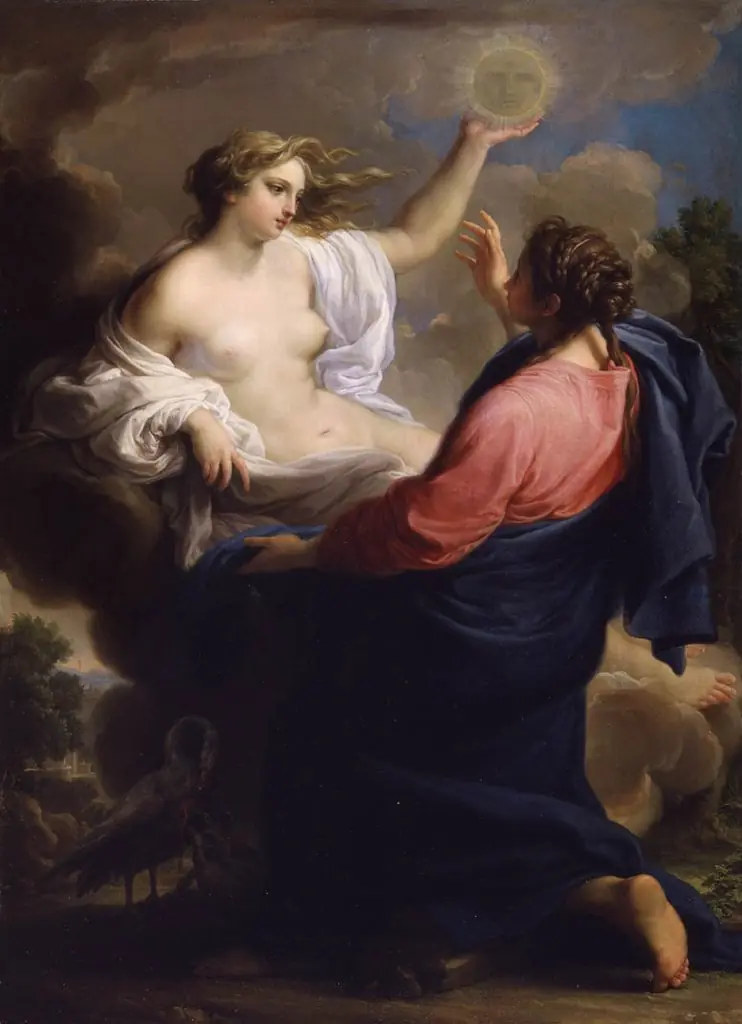
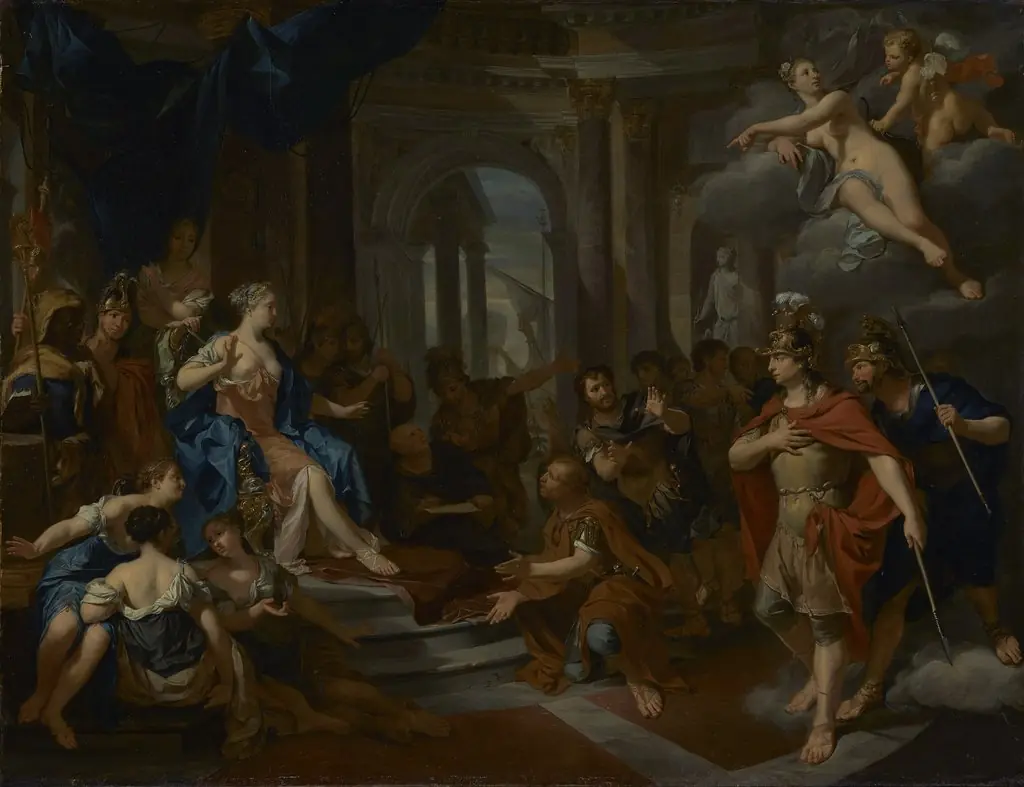
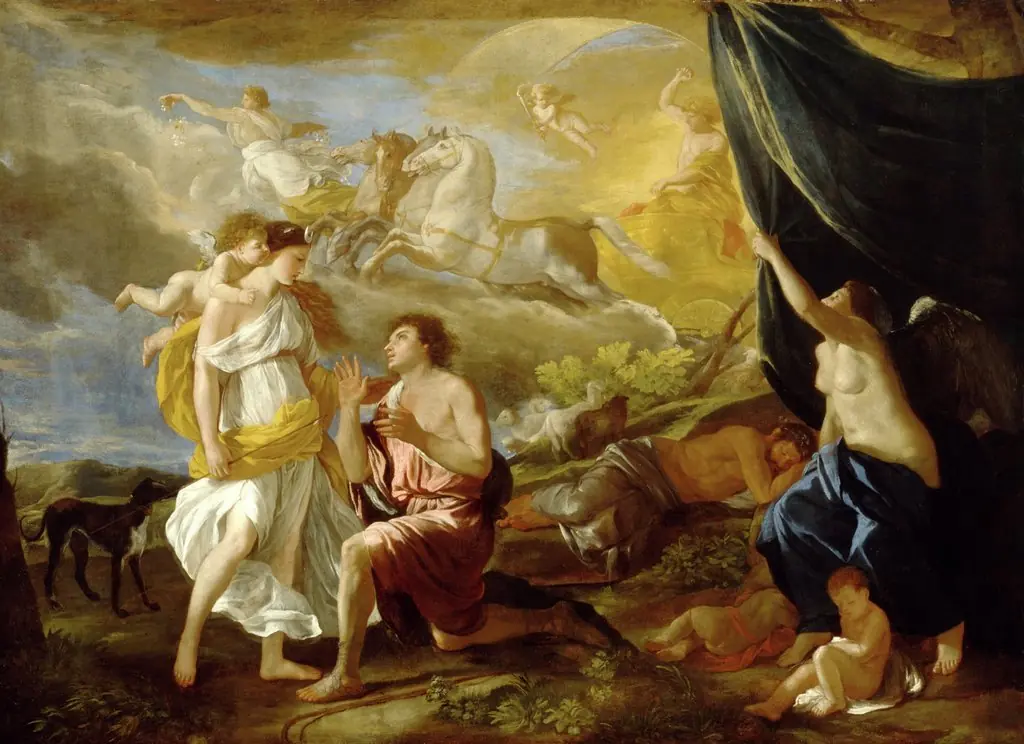
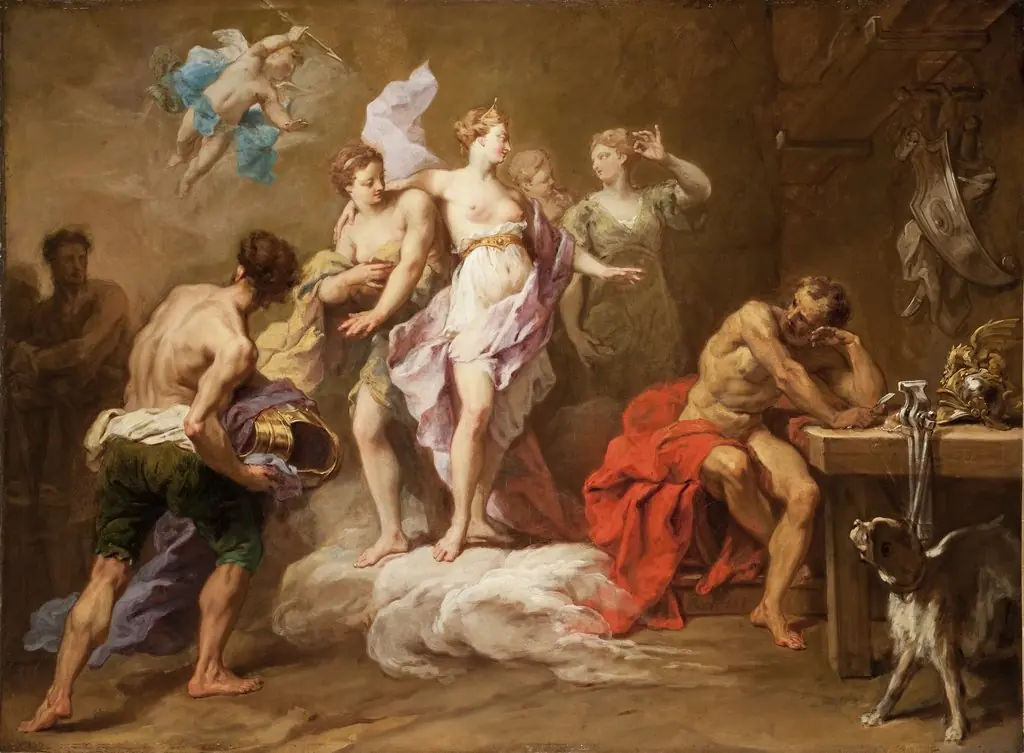
The Marriage of Cupid and Psyche is an oil painting by the Rococo painting artist Pompeo Batoni. It dates from 1756 and is held in the collection of the Gemäldegalerie Berlin.
About this work
Subject & Meaning
By depicting the moment of marriage rather than earlier trials, Batoni emphasizes reconciliation and harmony between mortal and immortal love.
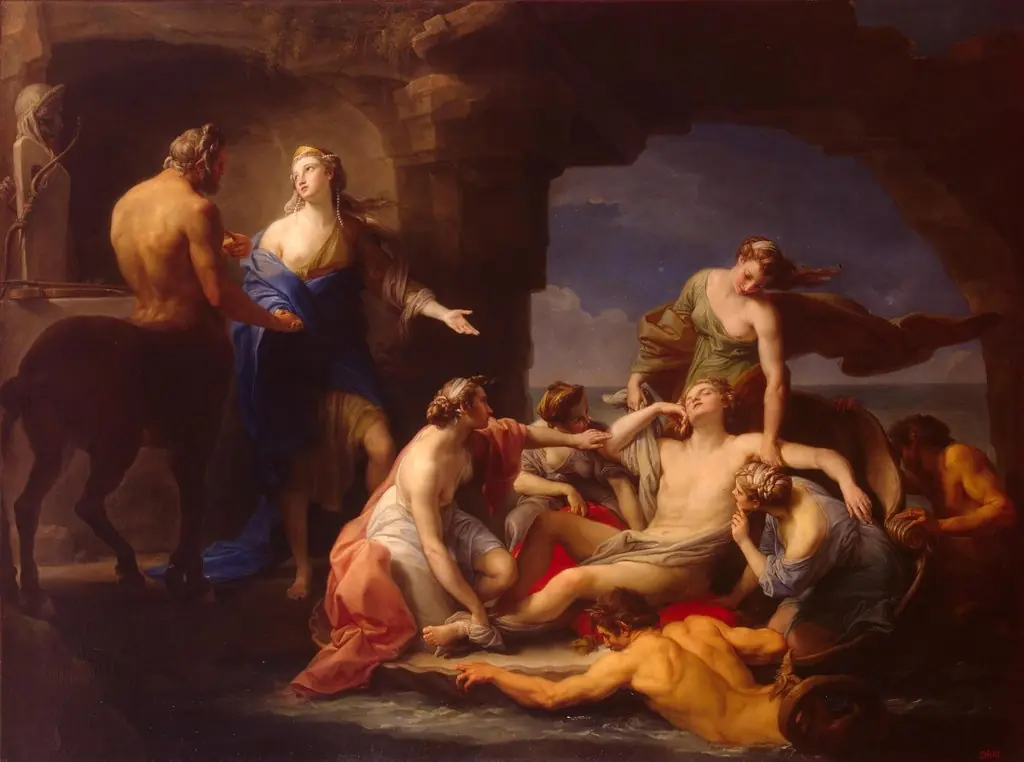
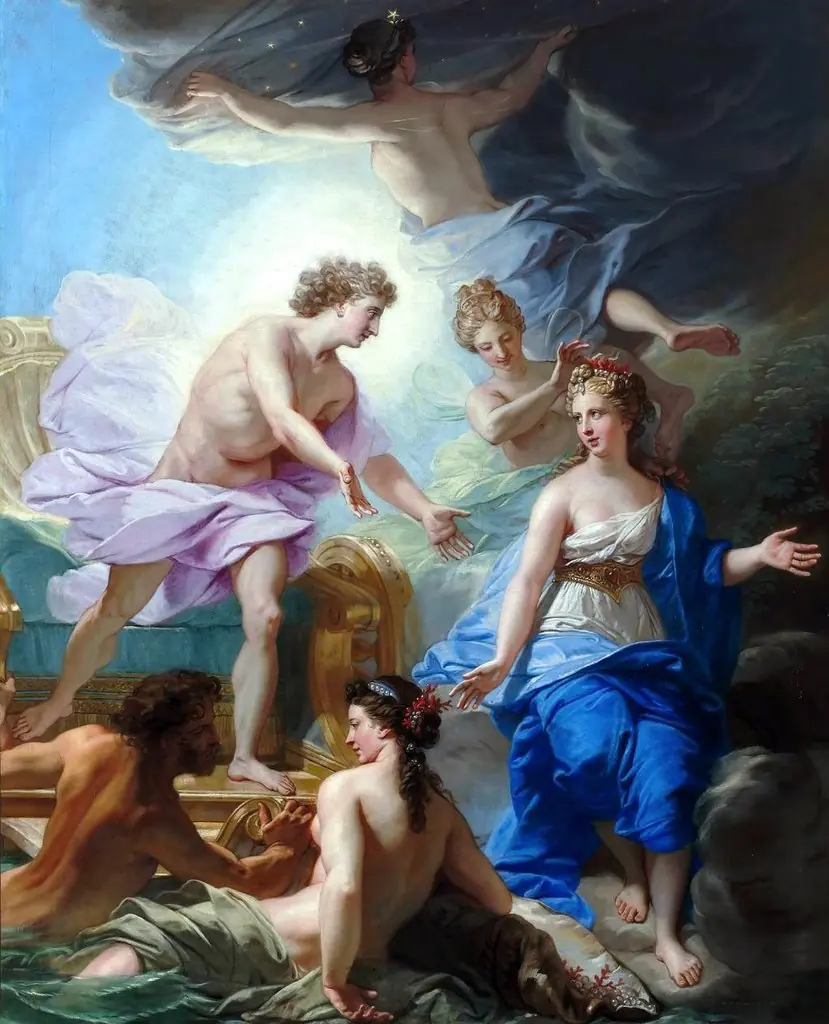
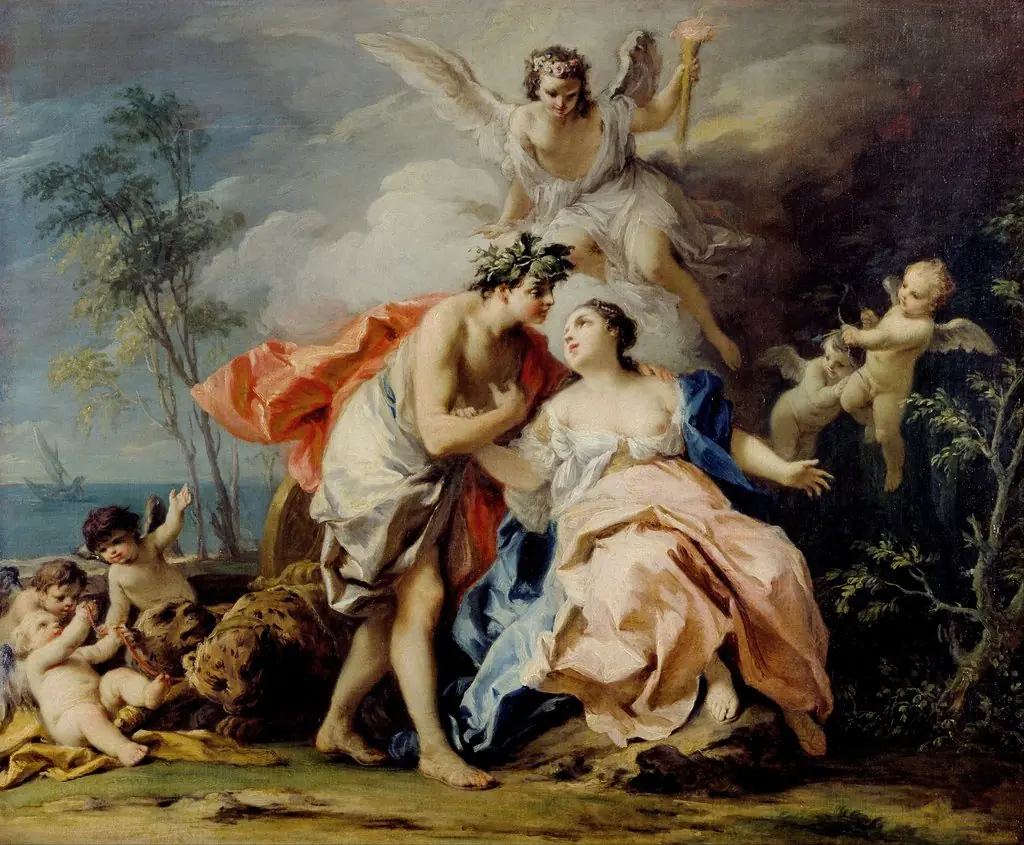
Pompeo Batoni's painting illustrates the mythological union of Cupid and Psyche, the central narrative drawn from Apuleius's tale of the mortal princess Psyche and the god of love. The composition brings together the divine and human realms: Cupid and Psyche appear as the principal couple, while Venus (Aphrodite), Cupid's mother, oversees the event from her chariot, signaling her reluctant acceptance of the marriage. The figure of Hymen, god of weddings, marks the ceremonial nature of the scene, and Zephyrus, the gentle west wind, alludes to his earlier role in transporting Psyche to Cupid's hidden palace.
The exchange or display of a ring reinforces the theme of betrothal and sacred union, transforming a story of trial and separation into a celebration of love's triumph over divine jealousy.
The work represents the Neoclassical taste for refined mythological subjects, in which classical literature provided moral and emotional lessons through allegory. By depicting the moment of marriage rather than earlier trials, Batoni emphasizes reconciliation and harmony between mortal and immortal love.
Technique & Style
Created in 1756, The Marriage of Cupid and Psyche is executed in oil paint on a canvas support. The work measures 85 cm in height and 119 cm in width. As a mythological painting, the piece depicts the union of Cupid and Psyche alongside figures such as Venus, Hymen, and Zephyrus, often accompanied by symbolic elements like a chariot and a ring.
The composition reflects the artist's handling of the genre through the arrangement of these classical figures within the painted space.
History & Provenance
Pompeo Batoni painted The Marriage of Cupid and Psyche in 1756. The work is executed in oil on canvas and measures 85 by 119 cm. It is held in the collection of the Gemäldegalerie Berlin, where it remains on display.
Overview
Pompeo Batoni's 1756 oil painting, The Marriage of Cupid and Psyche, presents a vibrant mythological narrative. Executed in the Rococo style, this work showcases the Italian artist's renowned technical proficiency. The composition captures a pivotal moment from the classical tale, featuring prominent deities and allegorical figures.
This piece reflects Batoni's growing international acclaim, particularly among the British and Anglo-Irish elite undertaking the Grand Tour.
Own this work as a print
Artist & collection
Artist
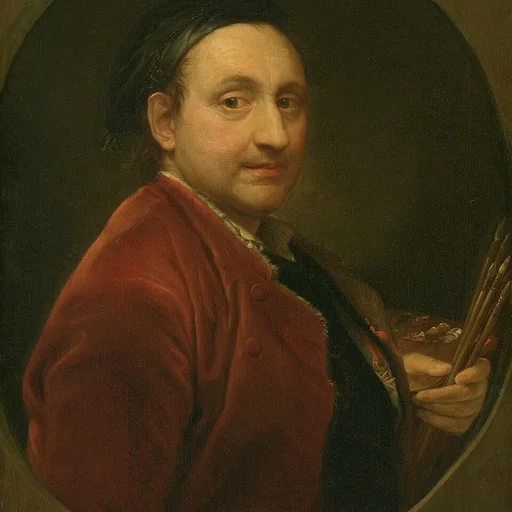
Pompeo Girolamo Batoni (25 January 1708 – 4 February 1787) was an Italian painter who displayed a solid technical knowledge in his portrait work and in his numerous allegorical and mythological pictures.