Artwork
Selene and Endymion
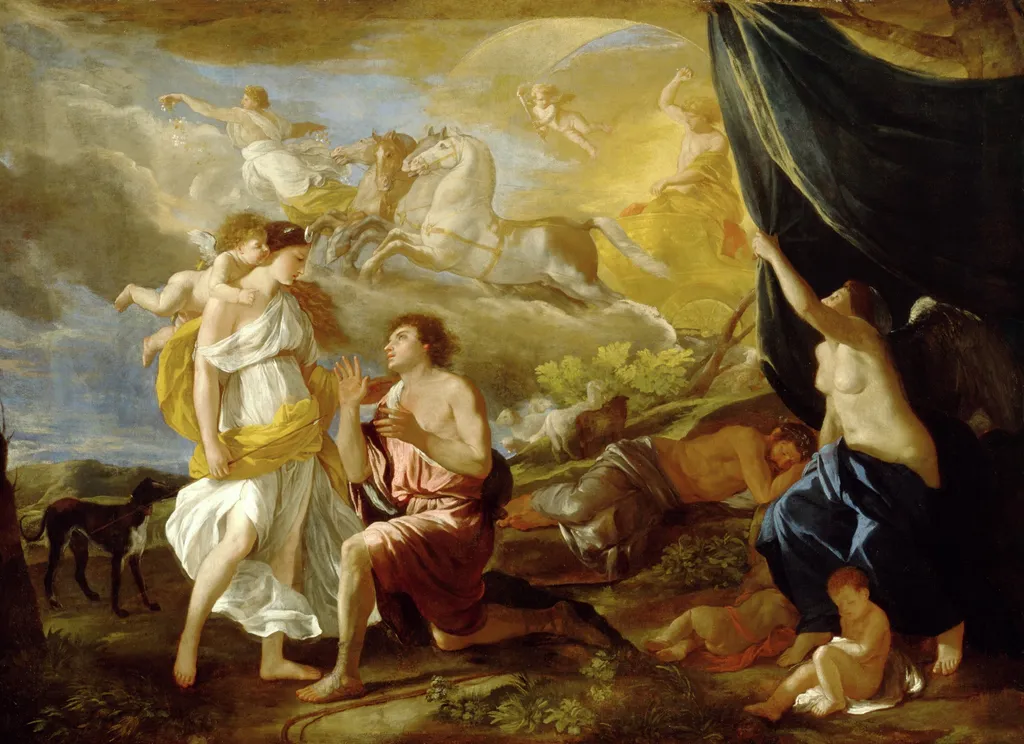
Selene and Endymion is an oil painting by the Early Baroque Italian artist Nicolas Poussin. It dates from 1630 and is held in the collection of the Detroit Institute of Arts.
About this work
Subject & Meaning
Selene, the Greek goddess of the moon, is shown with her mortal lover Endymion, a shepherd youth whose eternal sleep she visited night after night.
The painting depicts the mythological figures Selene and Endymion, as confirmed by the work's main subject and the figures named in its iconographic description. Selene, the Greek goddess of the moon, is shown with her mortal lover Endymion, a shepherd youth whose eternal sleep she visited night after night. The pairing belongs to the classical tradition of divine-mortal love stories drawn from Greek mythology, a subject Poussin treated as part of his broader engagement with antique themes during his early career.
The composition reflects the mythological genre conventions of the period, presenting the encounter between the lunar goddess and the sleeping youth as a meditation on desire, mortality, and the persistence of beauty. By rendering this Ovidian and later literary subject in oil on canvas, Poussin transforms an ancient narrative into a vehicle for exploring the tension between divine longing and human transience.
Technique & Style
The work is an oil painting executed on canvas, reflecting the classical mythological genre characteristic of Nicolas Poussin’s mature practice. Poussin employed layered oil pigments to render the figures of Selene and Endymion with a restrained, idealized style that emphasizes clarity of line and balanced composition.
The surface retains its original canvas support, and while the varnish has darkened slightly, the overall condition remains stable, allowing the subtle gradations of light and shadow to persist. Formal analysis highlights the deliberate spatial arrangement and the harmonious proportioning of the figures within the rectangular format, underscoring the work’s adherence to classical compositional principles.
History & Provenance
Selene and Endymion is an oil-on-canvas painting by Nicolas Poussin dated to 1630. According to the Wikidata record, the work entered the collection of the Detroit Institute of Arts, where it remains held. The sources do not provide further details on the original patron, the circumstances of its commission, intermediate owners, or any subsequent transfers between collections prior to its acquisition by the Detroit Institute of Arts.
Beyond the 1630 creation date and its current institutional home, the available documentation does not record a fuller provenance chain or commissioning history for the painting.
Context
Nicolas Poussin's 1630 oil painting 'Selene and Endymion' resides in the Detroit Institute of Arts and exemplifies his mature mythological synthesis during the French Baroque period. The work reflects scholarly interpretations of classical mythology through its compositional clarity and emotional restraint, aligning with Poussin's broader artistic philosophy that prioritized line over color. Its enduring influence on academic art theory stems from this calculated balance of narrative precision and aesthetic idealism, cementing its significance within the canon of Western painting.
Legacy
Nicolas Poussin's 1630 oil painting Selene and Endymion entered the Detroit Institute of Arts collection and became recognized as a seminal mythological work. Its compositional clarity and treatment of classical narrative influenced later academic painters who sought to emulate Poussin's synthesis of mythological subject with rigorous draftsmanship. Contemporary scholarship cites the piece as a benchmark for studying 17th-century French mythological painting and its role in shaping European artistic discourse on antiquity.
Overview
Selene and Endymion is a mythological oil painting by Nicolas Poussin, created in 1630. It is now held at the Detroit Institute of Arts.
Own this work as a print
Artist & collection
Artist
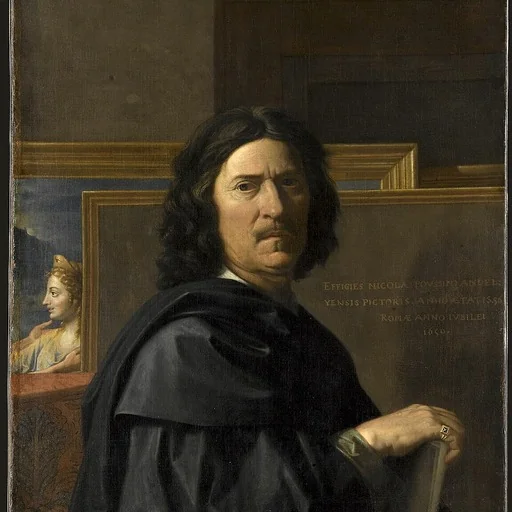
Nicolas Poussin (UK: US: French:; June 1594 – 19 November 1665) was a leading painter of the classical French Baroque style, although he spent most of his working life in Rome.

- The Abduction of Orithyia
 Juno, Io and Argus
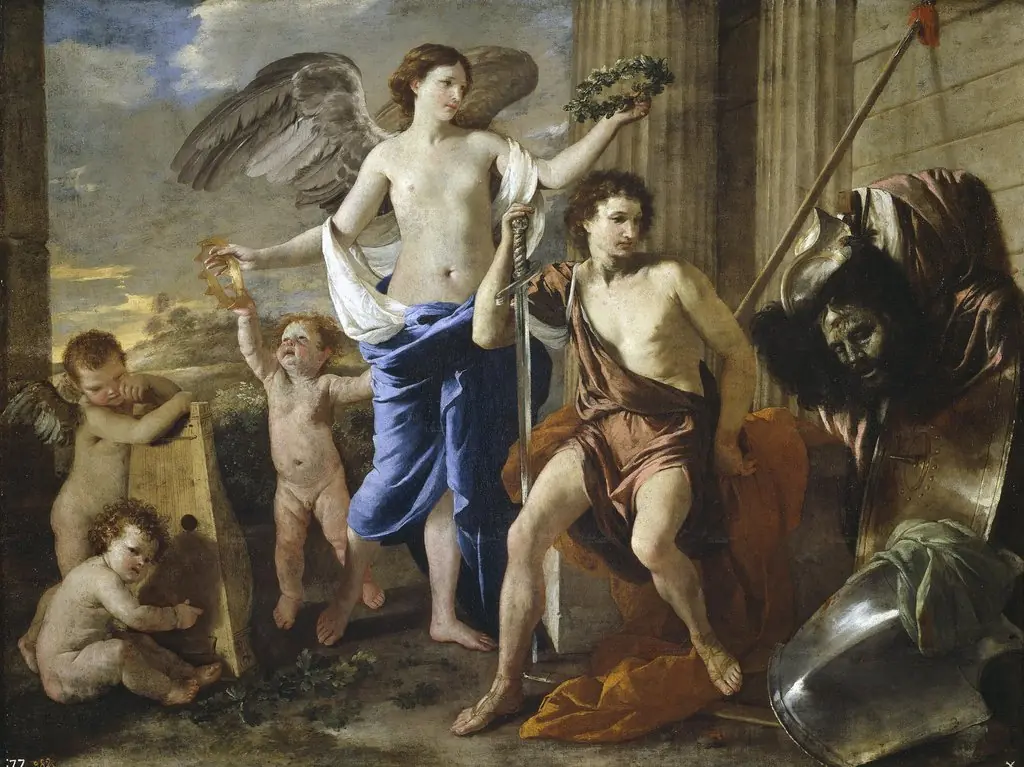 The Triumph of David
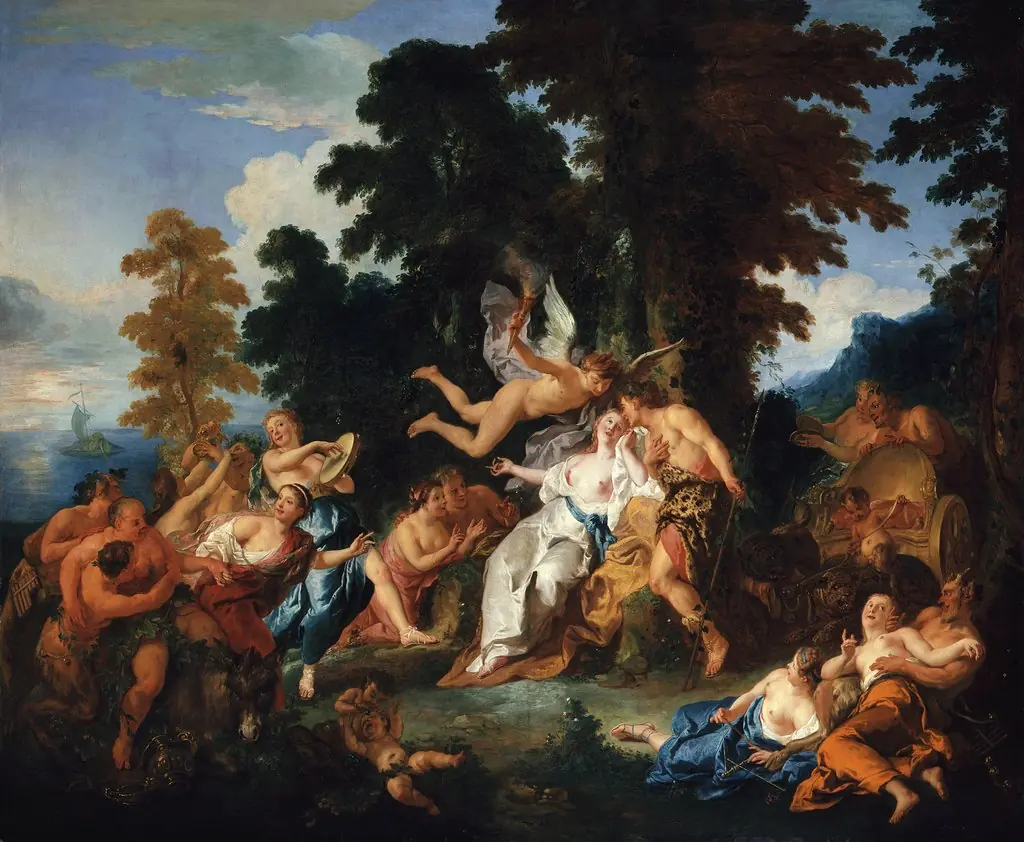 Bacchus and Ariadne
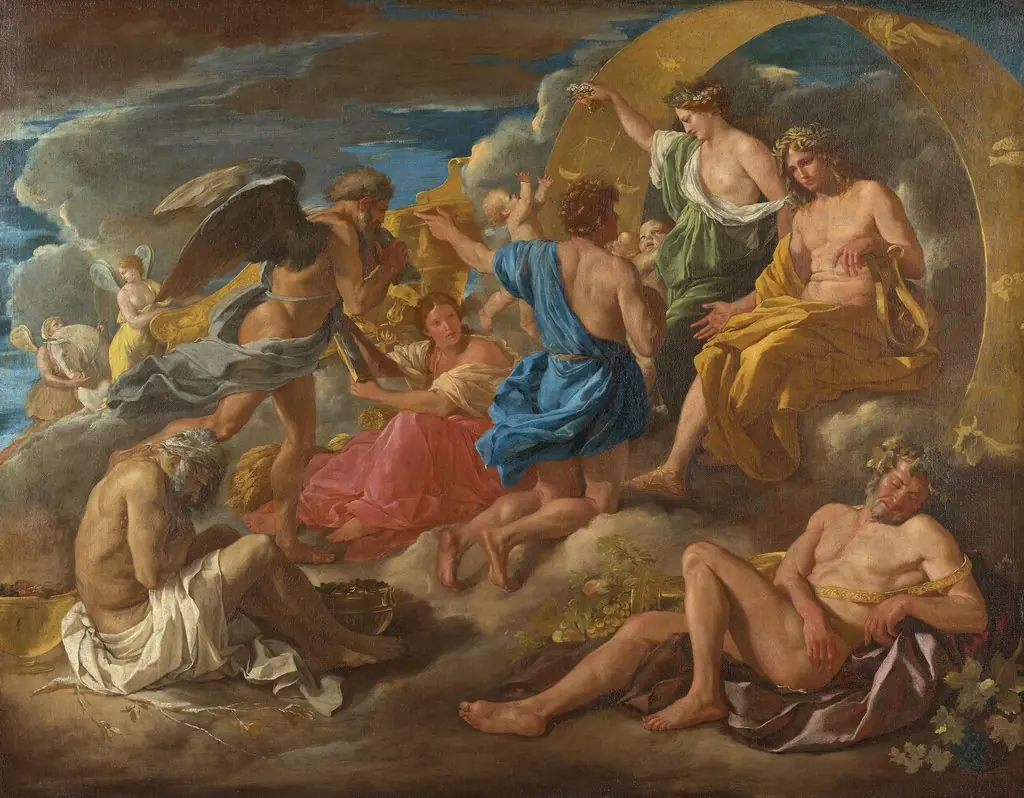 Helios and Phaeton with Saturn and the Four Seasons
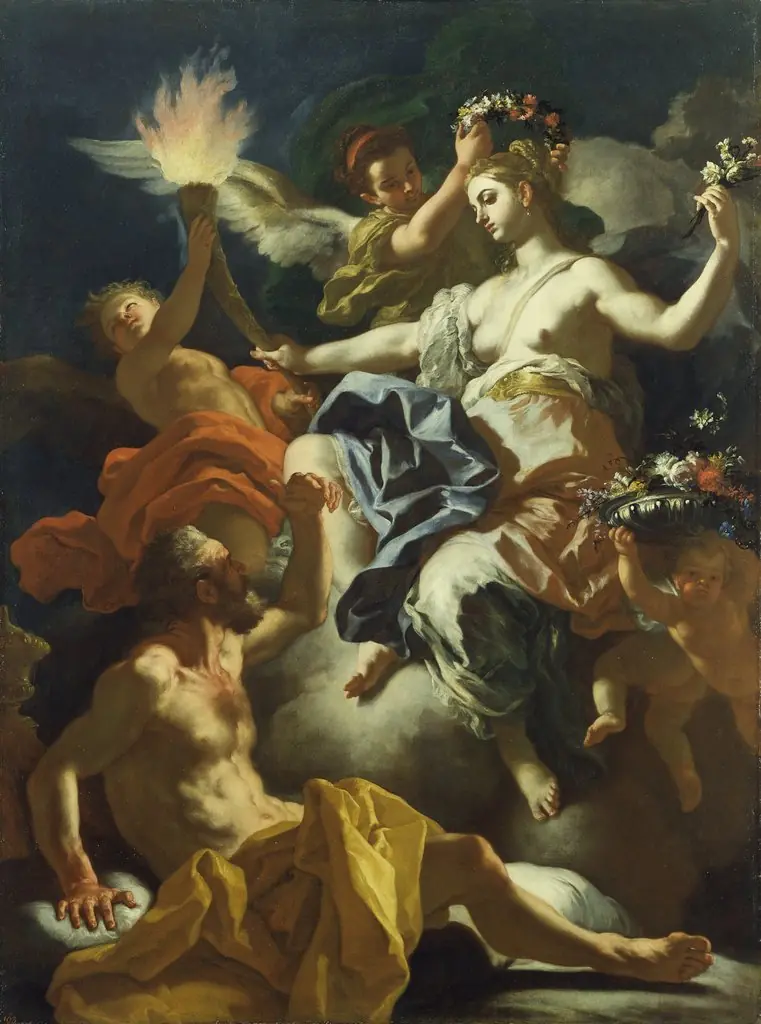 Aurora Taking Leave of Tithonus
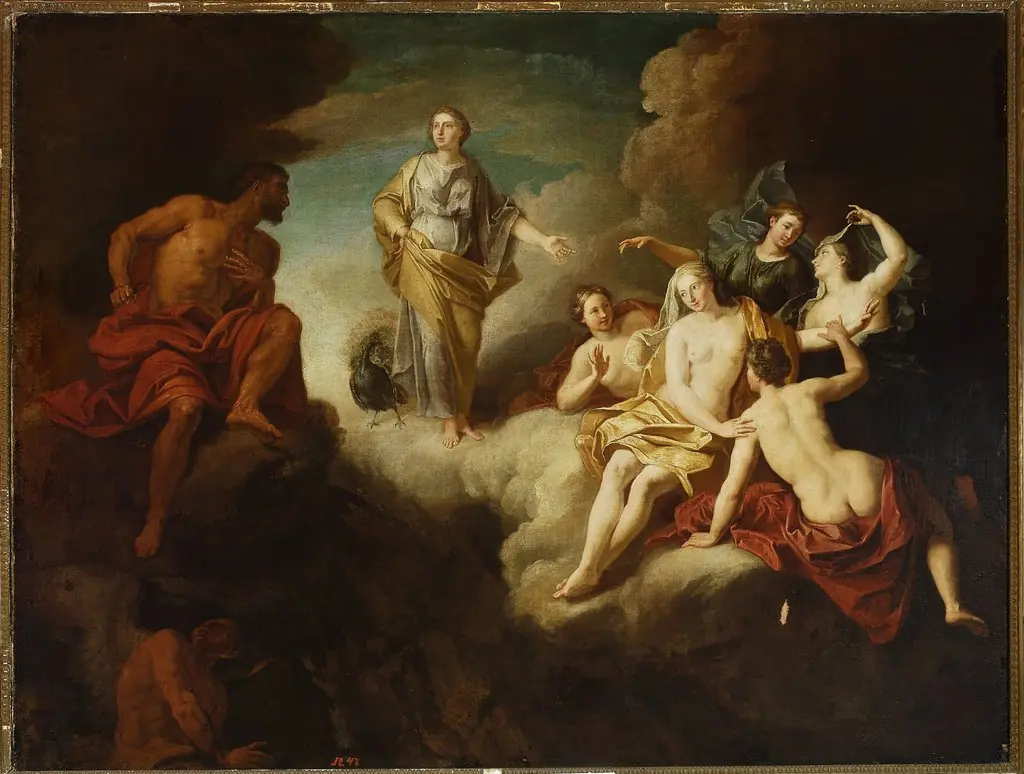 Juno asks Aeolus to destroy Aeneas's ships
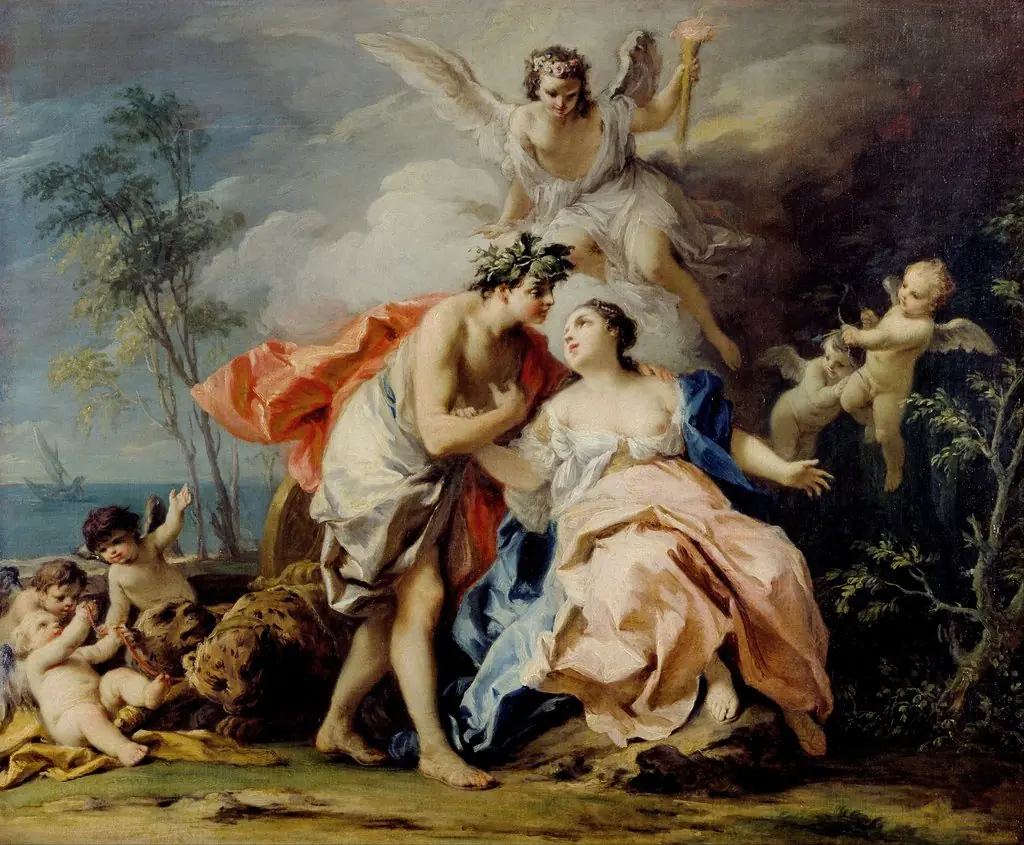 Bacchus and Ariadne
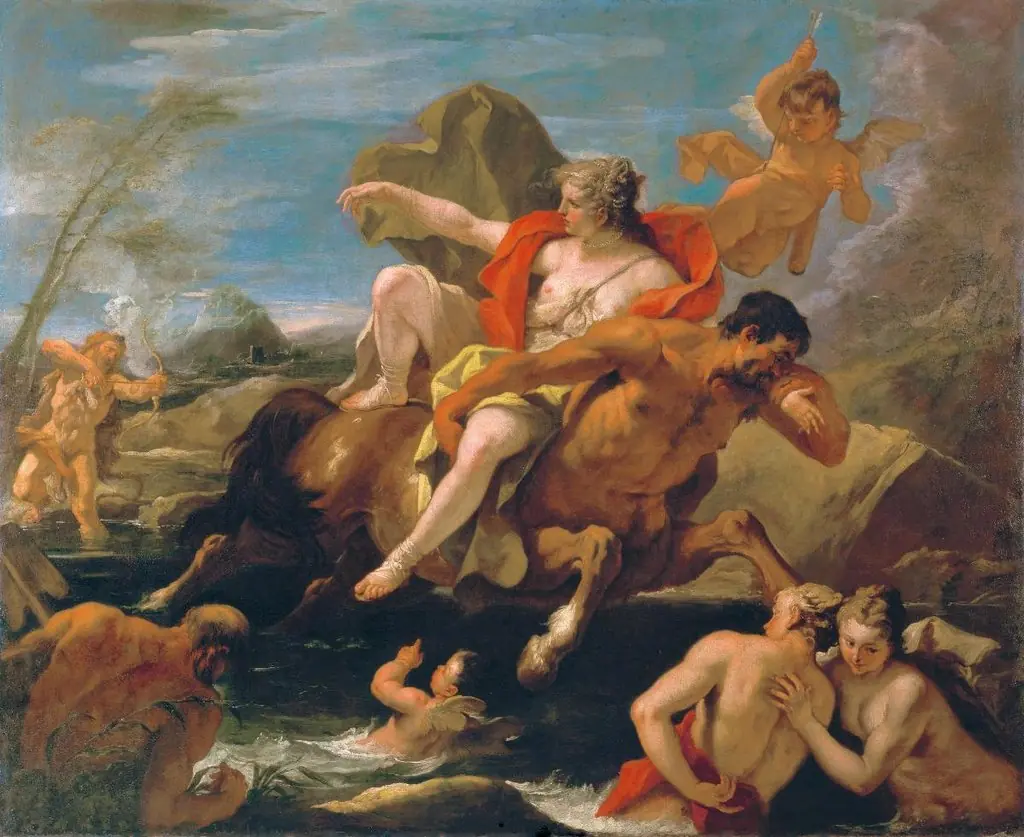 Nesso rapisce Deianira
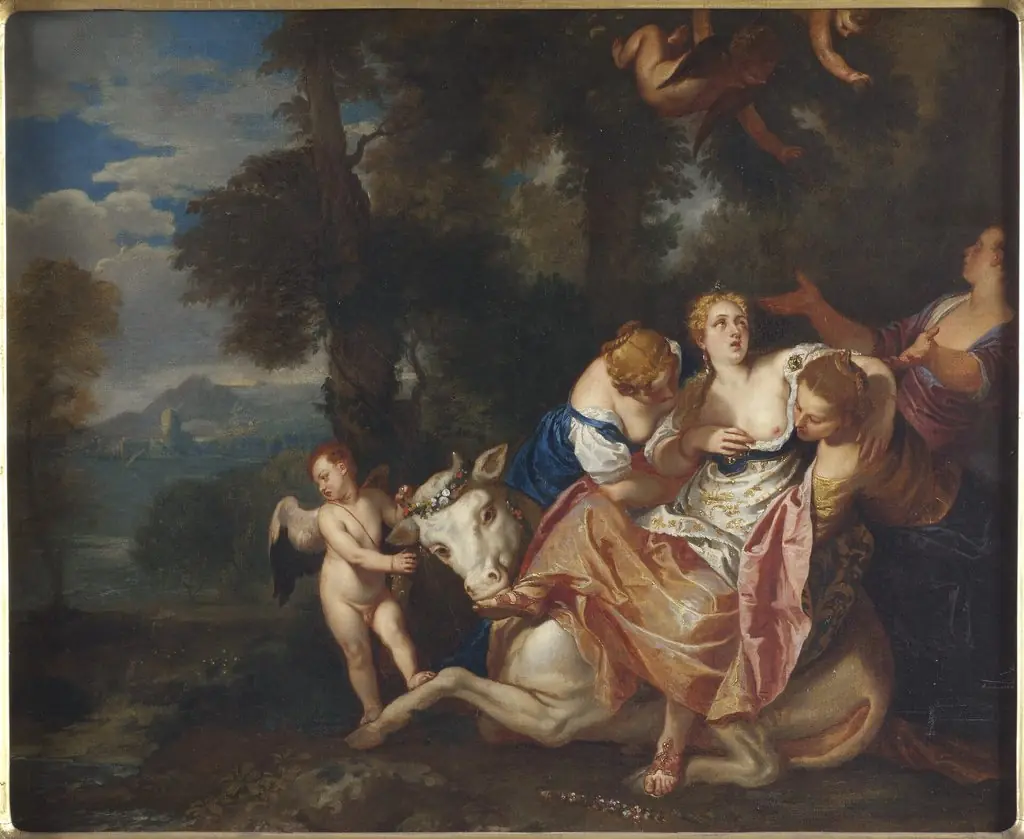 The Rape of Europa
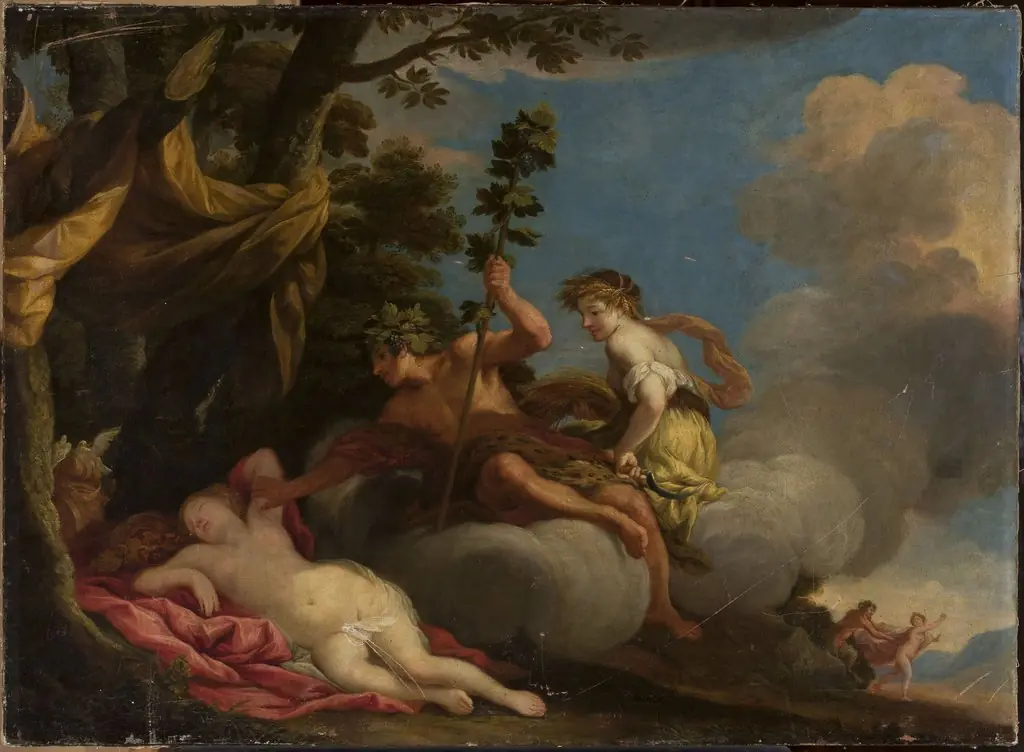 Ceres and Bacchus awaken Venus
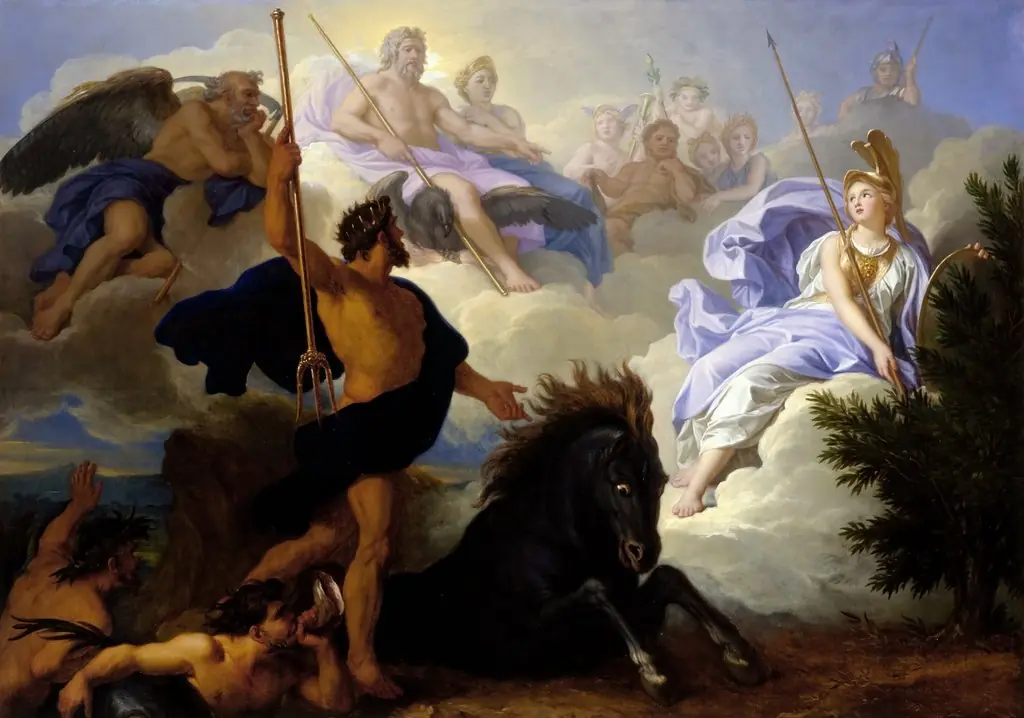 Dispute between Minerva and Neptune over the Naming of the City of Athens