Artwork
Căsuțe sub mal
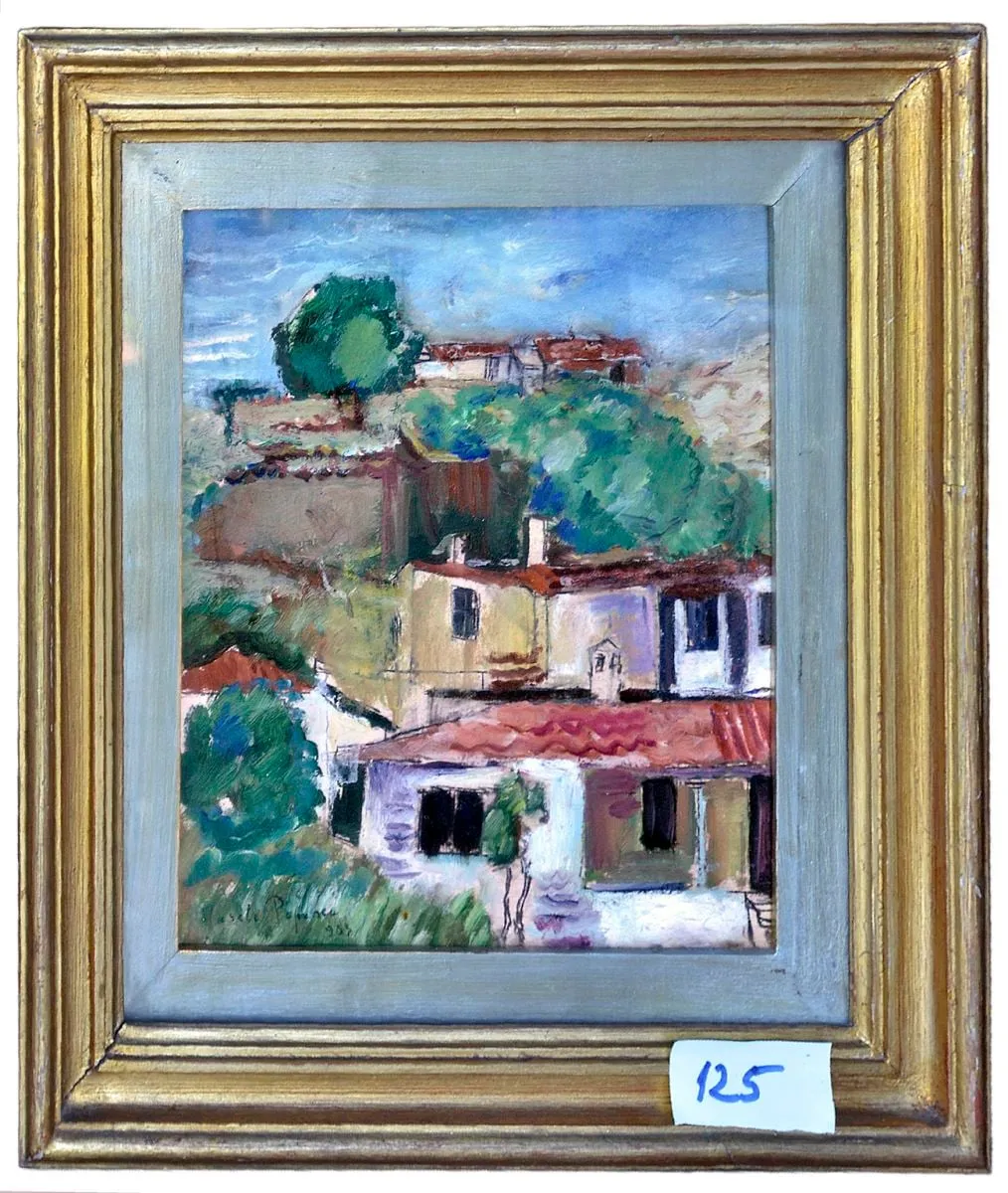
Căsuțe sub mal is an unspecified painting by the Naïve art artist Vasile Popescu. It dates from 1933 and is held in the collection of the National Museum of Romanian Literature.
About this work
Overview
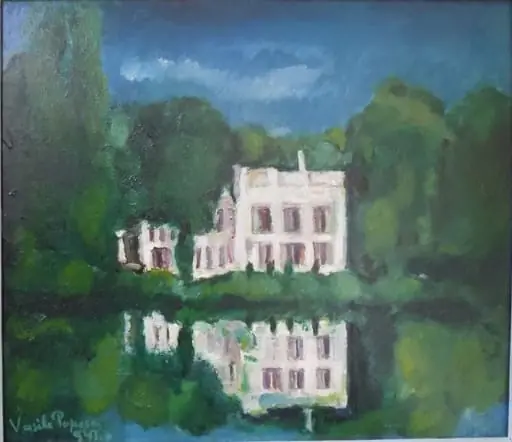
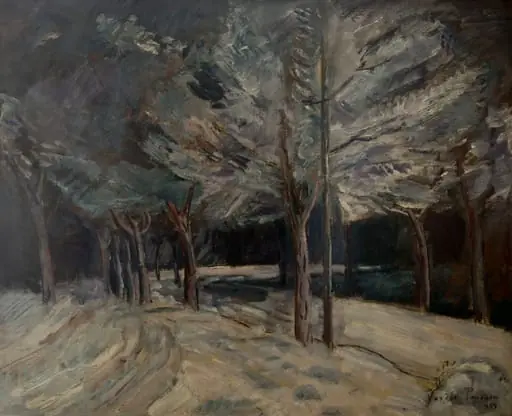
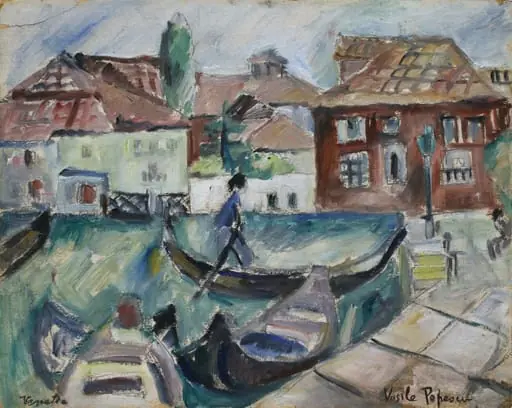
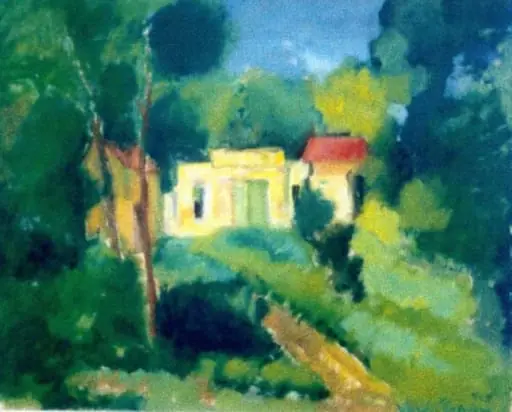
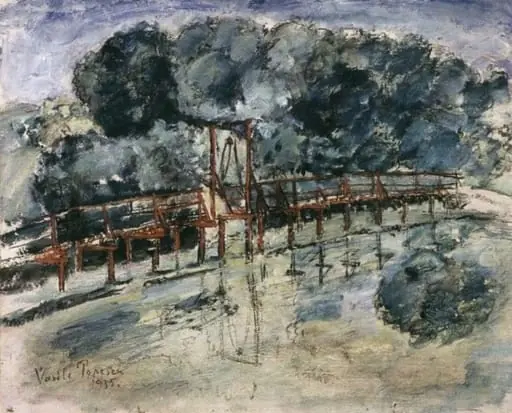
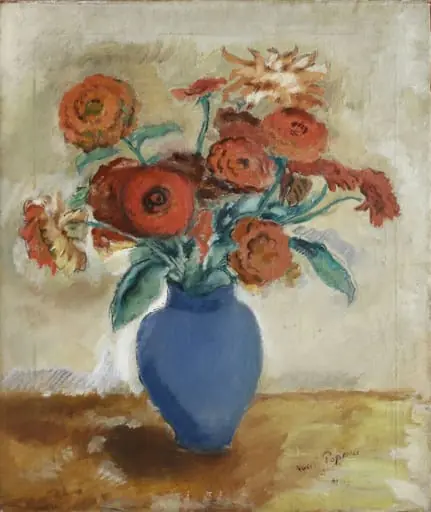
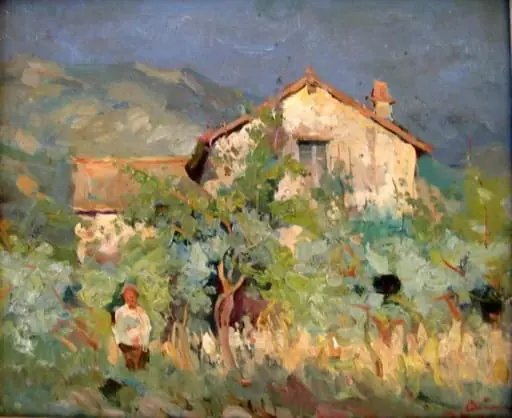
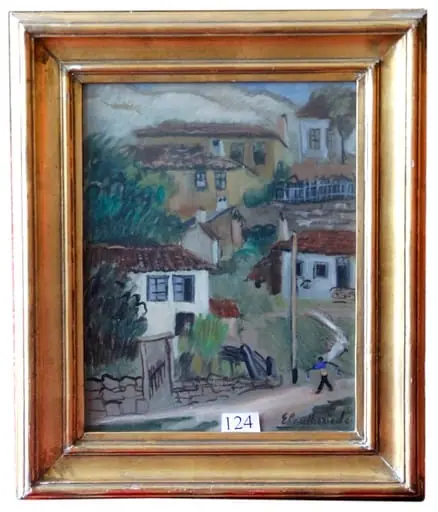
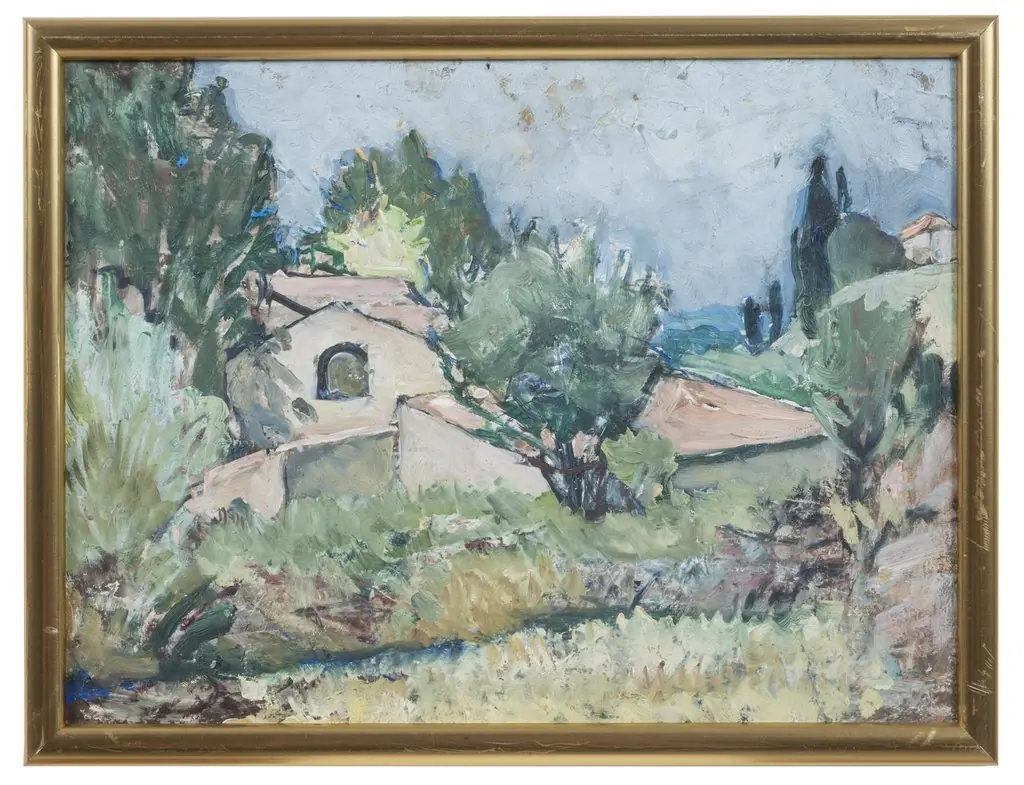
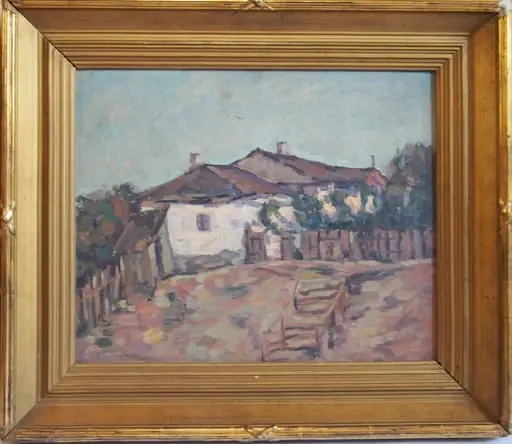
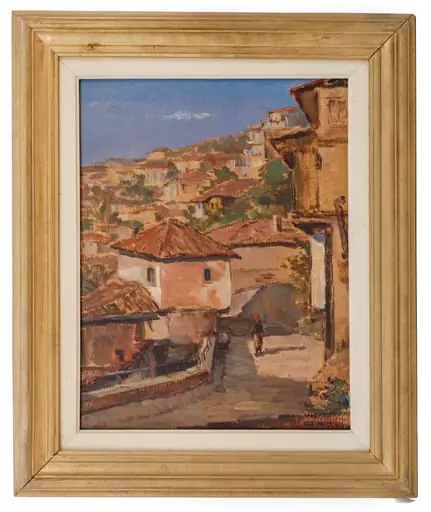
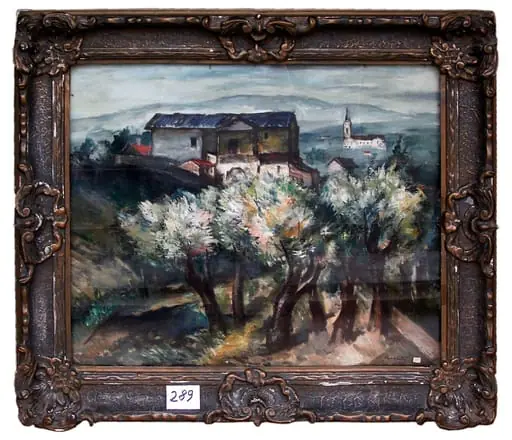
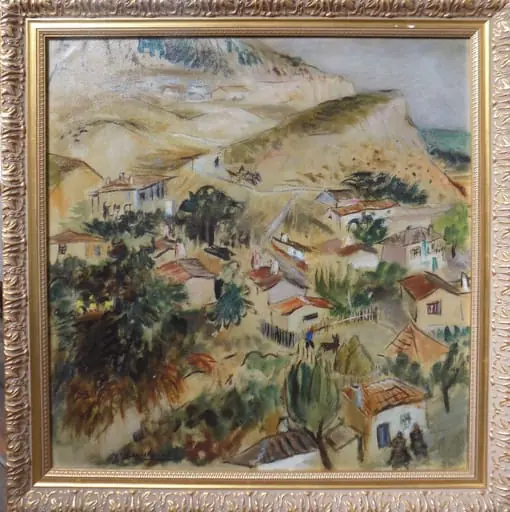
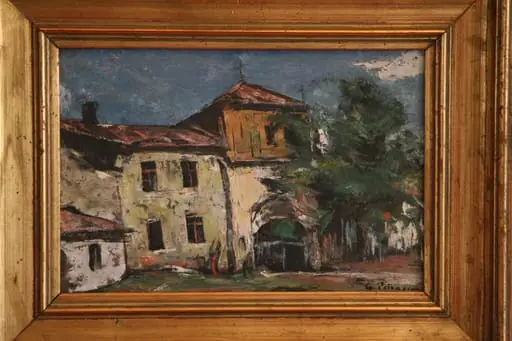
Created in 1933 by Romanian artist Vasile Popescu, Căsuțe sub mal is a landscape painting depicting a group of modest dwellings nestled along a sloping terrain.
Created in 1933 by Romanian artist Vasile Popescu, Căsuțe sub mal is a landscape painting depicting a group of modest dwellings nestled along a sloping terrain. Rendered with a sense of immediacy, the work captures a rural scene not as a polished composition but as a direct observation, emphasizing texture and atmosphere over detail. The surface bears the marks of spontaneous application, suggesting the artist worked quickly in response to the subject.
Subject & Meaning
The painting portrays a cluster of small, vernacular homes clinging to a hillside, typical of rural Romanian settlements. There is no human presence, yet the architecture implies quiet habitation. The subdued palette and unadorned forms evoke a sense of endurance and simplicity, reflecting the everyday life of peasant communities. The scene carries no overt narrative, instead offering a contemplative view of place and quiet resilience.
Technique & Style
Popescu employed thick, expressive brushwork and visible impasto to build the surfaces of the houses and surrounding earth. Colors, ochres, browns, muted reds, and hints of green, are applied with urgency, creating a tactile, almost sculptural quality. The loose handling and lack of fine detail suggest a sketch-like immediacy, aligning the work with modernist tendencies that valued emotional resonance over academic precision.
History & Provenance
Painted during a period of growing interest in Romanian folk identity, Căsuțe sub mal emerged from Popescu’s engagement with local landscapes outside urban centers. While specific ownership history is not widely documented, the work is held in institutional collections in Romania, reflecting its recognition as part of the nation’s interwar artistic output. Its preservation underscores its role in documenting regional visual culture.
Context
In the early 1930s, Romanian artists increasingly turned to rural life as a source of authentic national expression, distancing themselves from European academic traditions. Popescu’s work aligns with this movement, capturing the quiet dignity of peasant architecture. The painting’s informal style contrasts with the idealized depictions common in earlier decades, signaling a shift toward realism grounded in direct experience.
Legacy
Căsuțe sub mal remains a representative example of interwar Romanian modernism, valued for its honest rendering of rural life and its departure from ornamental conventions. Though not widely exhibited internationally, it continues to inform discussions on regional identity in Romanian art. Its textured surfaces and unembellished subject matter have influenced later generations seeking to connect artistic form with lived environment.
Artist & collection
Artist
Vasile Popescu was a Romanian basketball player who competed in the 1952 Summer Olympics.

Museum
National Museum of Romanian Literature
Continue through works from the same source collection.