Artwork
Caffè Florian in Venice
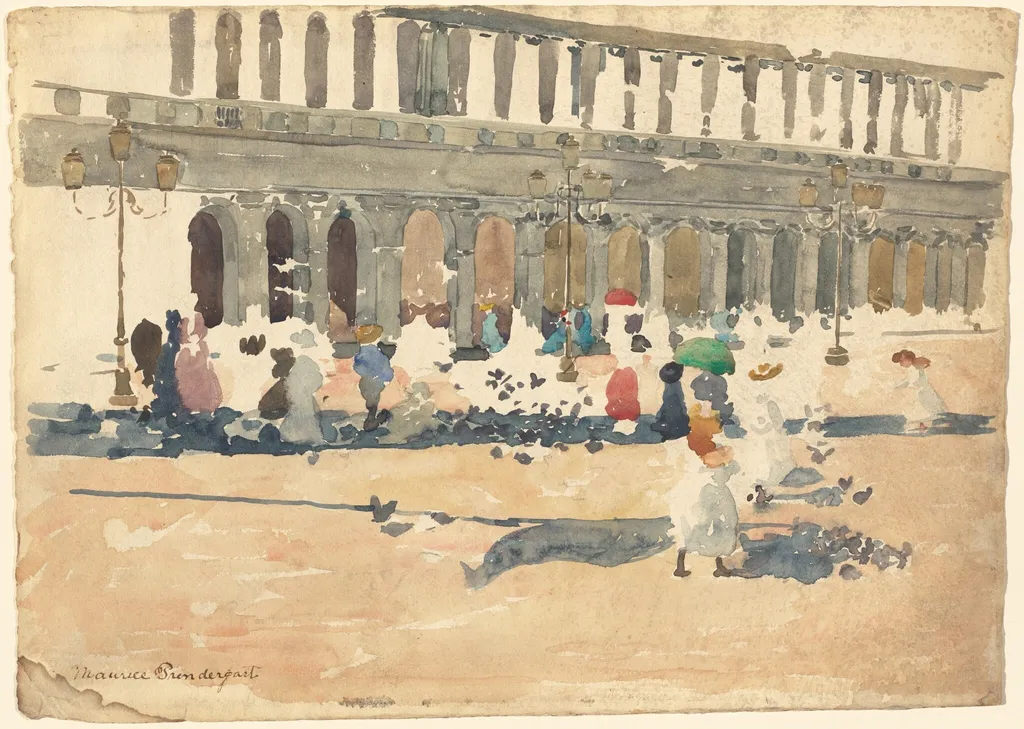
Caffè Florian in Venice is a graphite drawing by the Impressionist artist Maurice Prendergast. It dates from 1898 and is held in the collection of the National Gallery of Art.
- Inscription
- Inscribed:lower left in pen and brown ink: Maurice Prendergast; by unknown hand, lower right verso in black chalk: 1909 / Venice
About this work
Overview
Maurice Brazil Prendergast’s Caffè Florian in Venice is a watercolor and graphite work on wove paper dated 1898. The drawing belongs to a series of urban scenes that reflect the artist’s interest in public leisure and social interaction. Executed during a period of European travel, the piece distills the energy of a Venetian café into a composition of fragmented color and light.
Subject & Meaning
The setting conveys a fleeting, almost cinematic moment, emphasizing the rhythms of urban sociability rather than individual identities.
The scene centers on Caffè Florian, a historic Venice café, rendered as a hub of contemporary life. Figures in relaxed postures populate tables beneath arched windows, while others traverse the wet pavement. The setting conveys a fleeting, almost cinematic moment, emphasizing the rhythms of urban sociability rather than individual identities. Prendergast’s focus on collective experience aligns with broader late-19th-century explorations of modernity.
Technique & Style
Prendergast employs loose, overlapping brushstrokes to build luminous washes of color, a method reminiscent of Post-Impressionist practices. Graphite underdrawing establishes structure, while transparent watercolor layers suggest movement and atmosphere. The technique prioritizes optical effects over precise detail, allowing forms to dissolve into light. This approach distinguishes his work from the sharper realism of contemporaries like the Ashcan School.
History & Provenance
Created in 1898 during Prendergast’s European sojourn, the watercolor entered American collections in the early 20th century. Its exhibition history includes venues associated with progressive art circles, reflecting the artist’s ties to groups like The Eight. The work’s ownership trajectory mirrors the broader reception of Post-Impressionist influences in the United States during the period.
Context
The drawing emerges from a moment when American artists engaged with European modernism. Prendergast’s Venetian scenes, though less overtly political than Ashcan School works, share an interest in everyday urbanity. His use of watercolor, then gaining legitimacy as a fine-art medium, aligns with experiments in capturing ephemeral effects, a hallmark of Impressionist and Post-Impressionist aesthetics.
Own this work as a print
Artist & collection
Artist
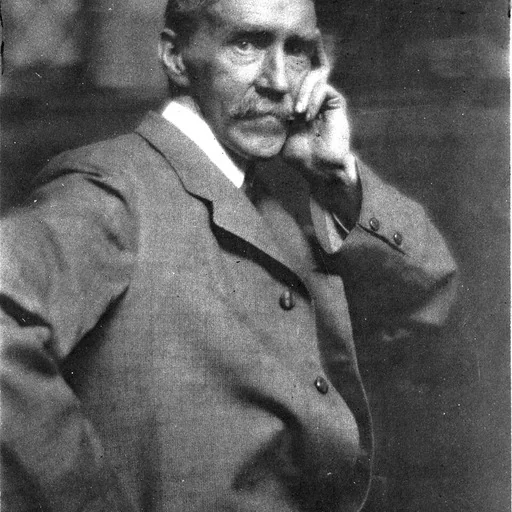
Maurice Brazil Prendergast (October 10, 1858 – February 1, 1924) was a Newfoundlander-American artist who painted in oil and watercolor, and created monotypes.

- Hexham
 Untitled
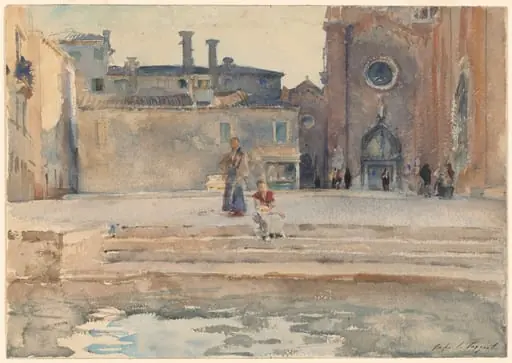 Campo dei Frari, Venice
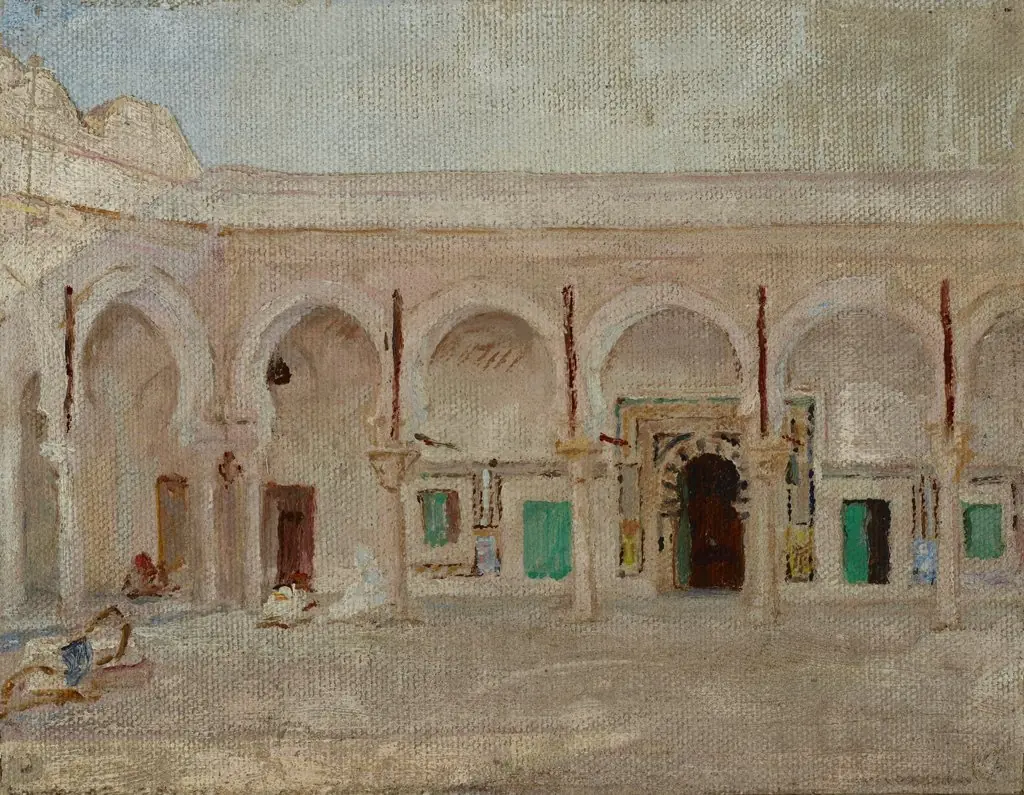 Kairouan (Courtyard in the Mosque of the Sword)
 A Spanish Carnival, Algeciras
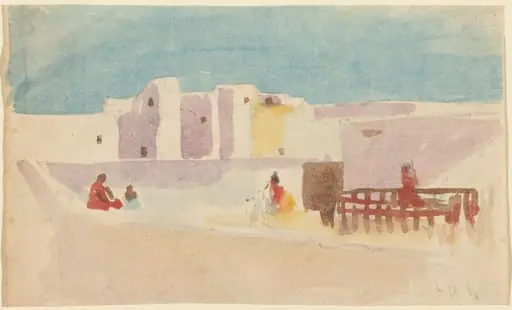 Walls of a North African City
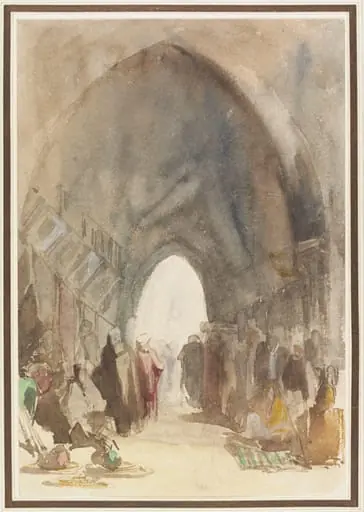 An Eastern Market.
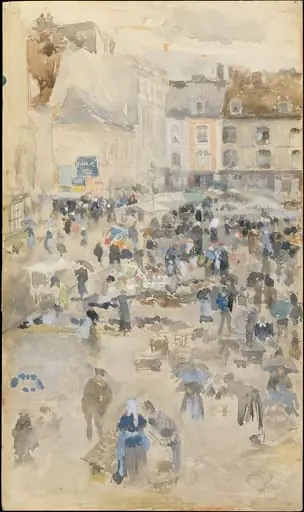 Variations in Violet and Grey—Market Place, Dieppe
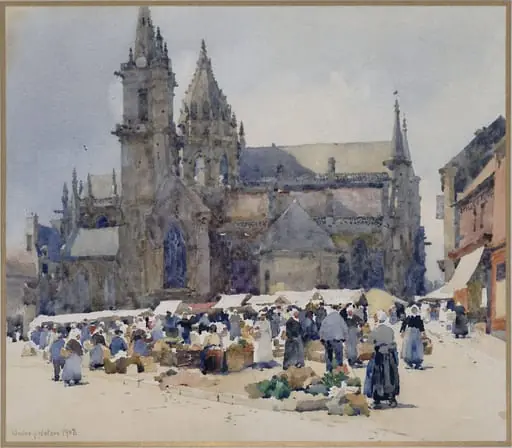 Market day, Valognes
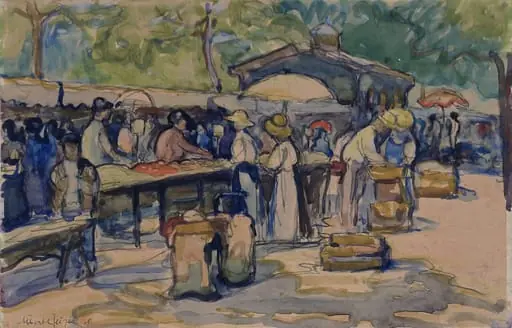 Market Stalls
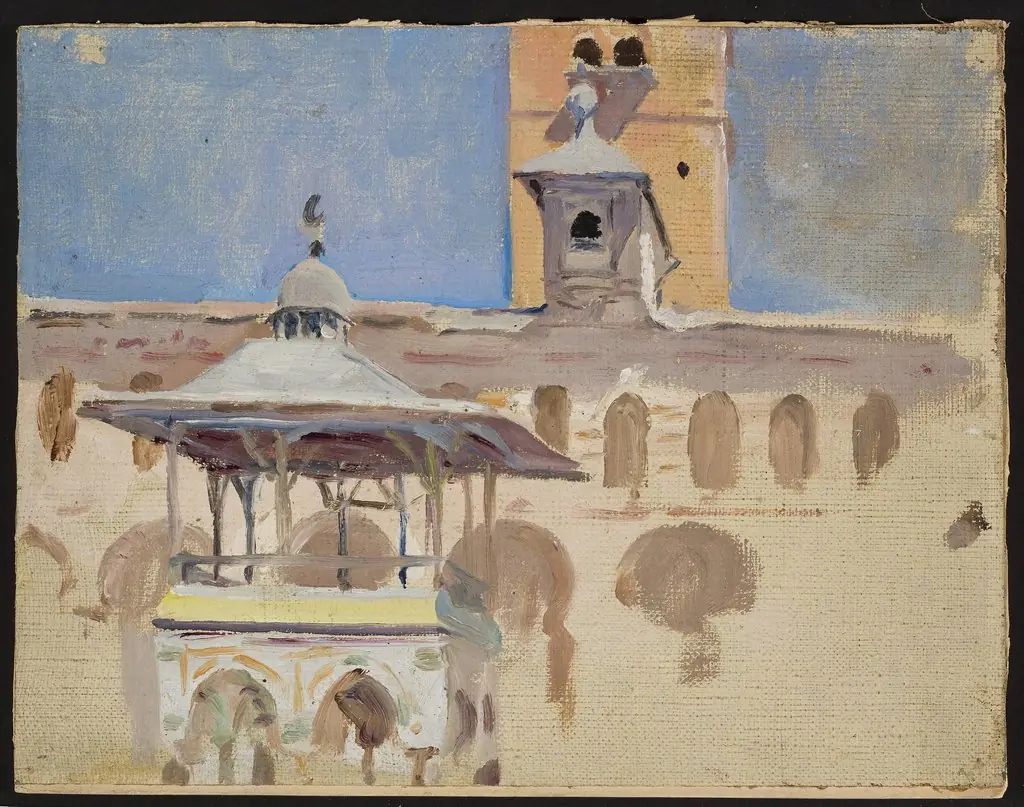 Damascus. From the journey to Palestine
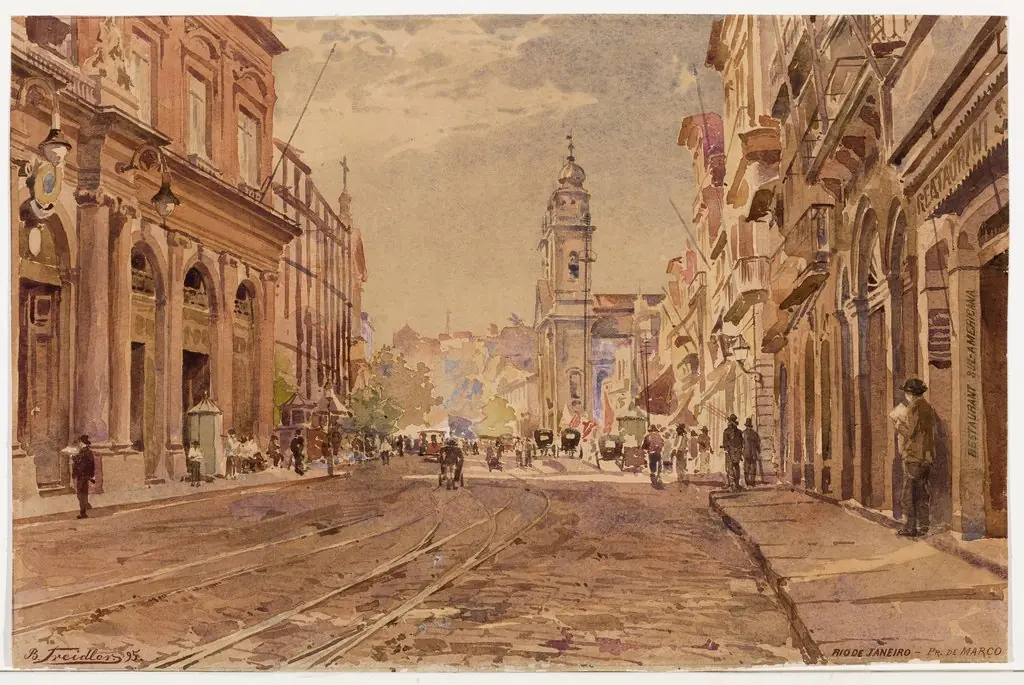 Rio de Janeiro - Pr. de Março