Artwork
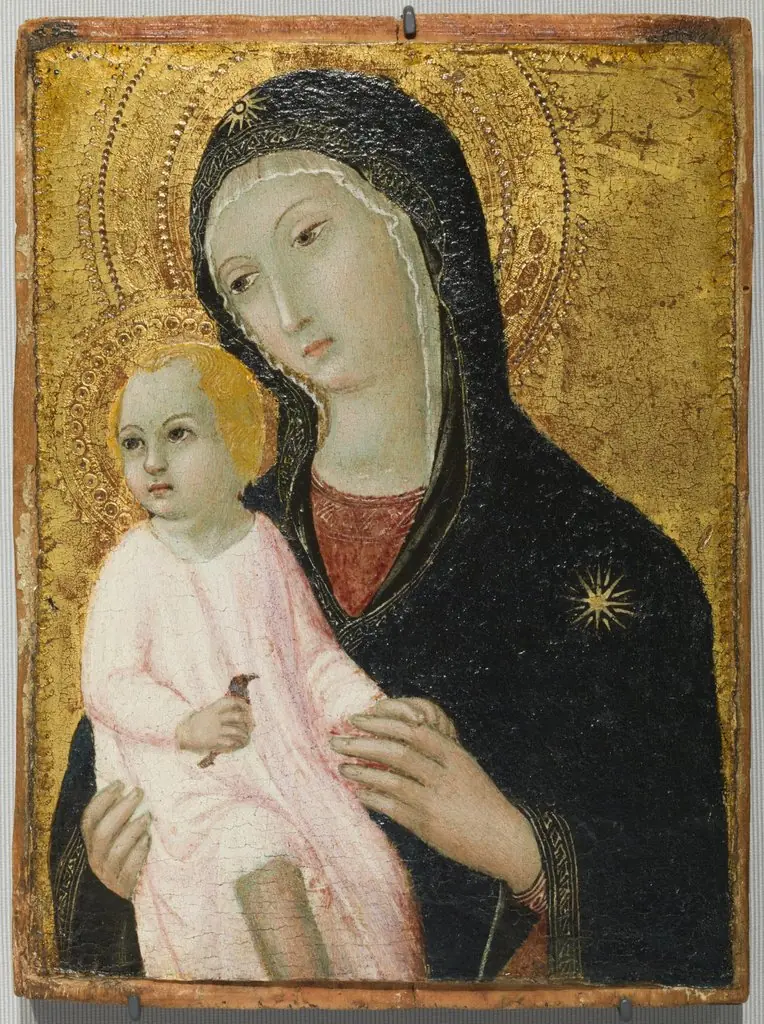
Virgin and Child
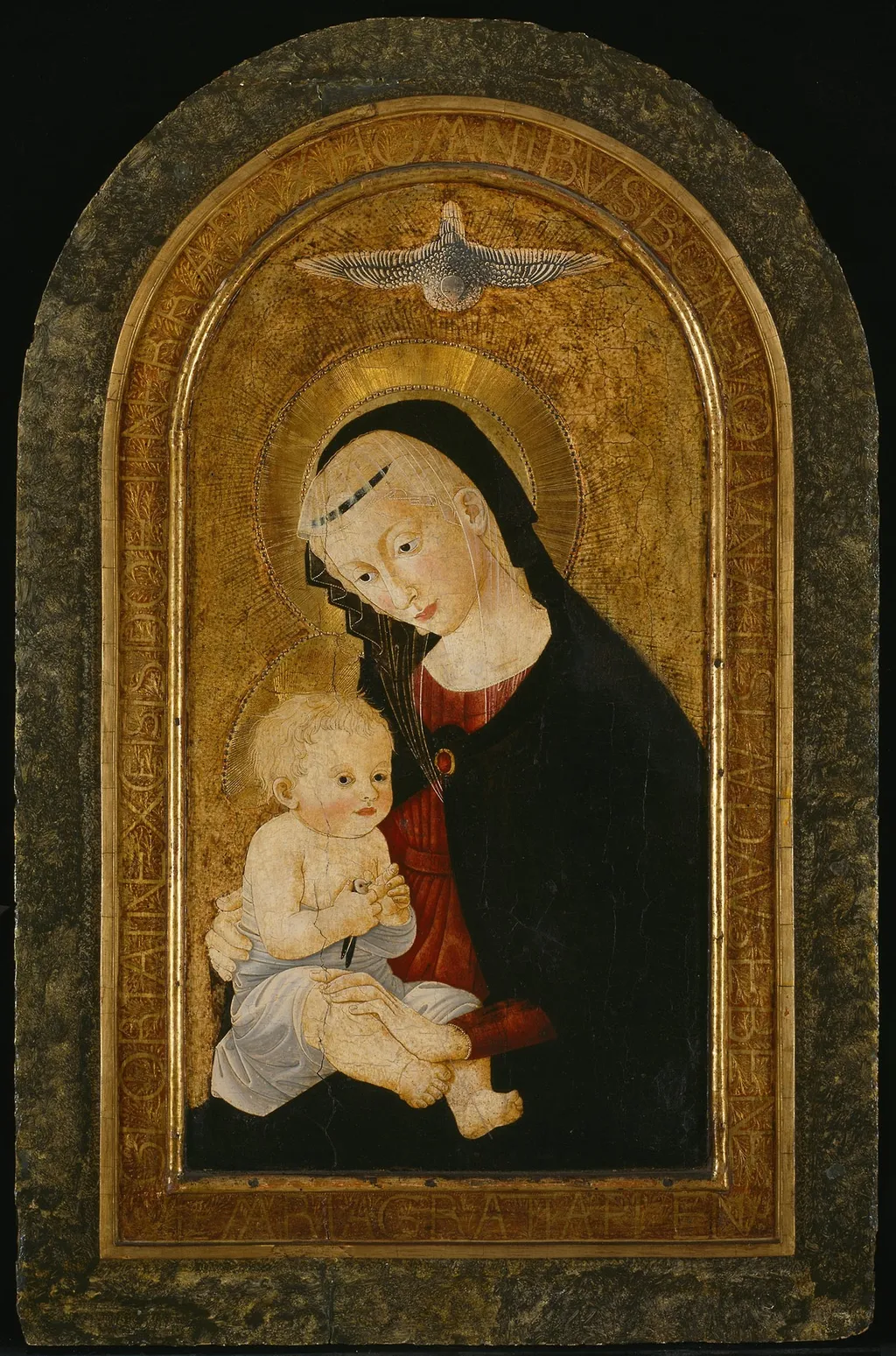
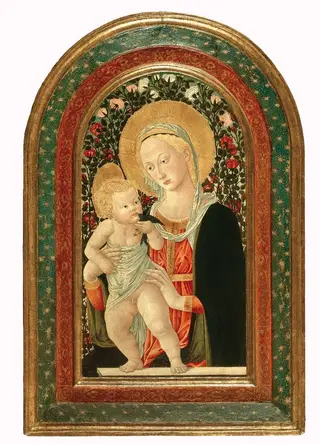
Virgin and Child is an unspecified painting by the Early Renaissance artist Master PS. It dates from 1450 and is held in the collection of the Art Institute of Chicago. Created around 1450, this panel painting is attributed to the workshop of Pseudo‑Pier Francesco Fiorentino.
About this work
Subject & Meaning
The work's subject functions as a visual sermon on humility and grace, where Mary's gestures and attributes convey her role as the Church's spiritual mother.
The composition portrays the Virgin Mary cradling the infant Christ, embodying core Marian iconography of protection and divine motherhood within a medieval religious framework. The child's presentation as both a vulnerable human figure and a symbol of salvific destiny reflects theological themes of incarnation and intercession, aligning with standard Marian symbolism in 15th-century devotional art.
The work's subject functions as a visual sermon on humility and grace, where Mary's gestures and attributes convey her role as the Church's spiritual mother. This representation reinforces Catholic doctrines of divine favor and the sacred bond between mother and child, serving as an object of contemplation for worshippers.
Technique & Style
The work is classified as a painting created by the artist known as Pseudo-Pier Francesco Fiorentino, also identified as a Lippi-Pesellino Imitator. Dating to approximately 1450, the piece falls within the genre of religious art and depicts the Virgin Mary with the Christ Child. While the specific support material and technical handling methods are not detailed in the available records, the artwork is recognized as a devotional image from the mid-fifteenth century. It is currently held in the collection of the Art Institute of Chicago.
History & Provenance
The Virgin and Child is dated to circa 1450, aligning with the period associated with the circle of Lippi and Pesellino, whose stylistic traits inform its attribution to the Pseudo–Pier Francesco Fiorentino.
The painting entered the collection of the Art Institute of Chicago, where it remains in the museum’s holdings.
The painting known as Virgin and Child, attributed to the artist Pseudo-Pier Francesco Fiorentino, is held in the collection of the Art Institute of Chicago. Dating to approximately 1450, this religious work depicting the Madonna and Child resides permanently within the museum's holdings. The provided sources do not list a specific inventory or accession number for the piece, nor do they document any history of exhibitions or loans beyond its current location at the Art Institute of Chicago.
Context
Created around 1450, the Virgin and Child is attributed to the Pseudo-Pier Francesco Fiorentino, a designation used for an artist whose identity remains obscure but whose work imitates the style of Pier Francesco Fiorentino. This attribution places the painting within a specific circle of Florentine religious art from the mid-15th century, reflecting the period's continued engagement with devotional imagery of the Madonna and Child. The work is currently held in the collection of the Art Institute of Chicago, where it serves as an example of the output of followers and imitators active in the region during this era.
As a religious painting, it contributes to the understanding of how artistic styles were transmitted and adapted by lesser-known masters following established Florentine traditions.
Overview
Created around 1450, this panel painting is attributed to the workshop of Pseudo‑Pier Francesco Fiorentino. It portrays the Virgin Mary holding the infant Christ, set against a darkened backdrop that isolates the figures. The work is part of the collection of the Art Institute of Chicago, where it is displayed as an example of mid‑15th‑century devotional art.
Own this work as a print
Artist & collection

 Madonna and Child with the Infant Saint John the Baptist and Angels
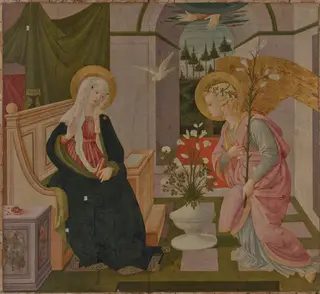 The Annunciation to the Virgin
 Maria col bambino
 Entablature from the Temple of Castor and Pollux, Rome
 Entablatures from Santa Pudenziana and the Arch of Camigliano, Rome
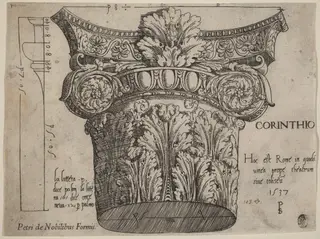 Capital from the Colosseum, Rome
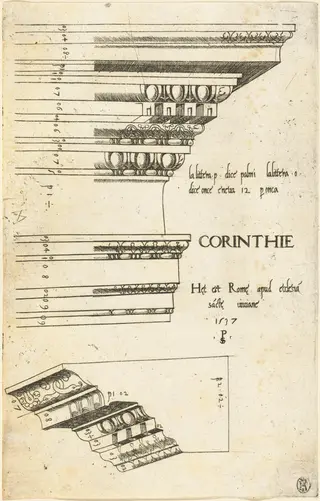 Entablature from the Church of Saint Bibiana, Rome
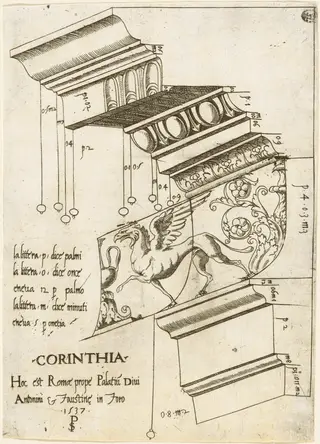 Entablature from the Temple of Antoninus and Faustina, Rome
- Virgin and Child
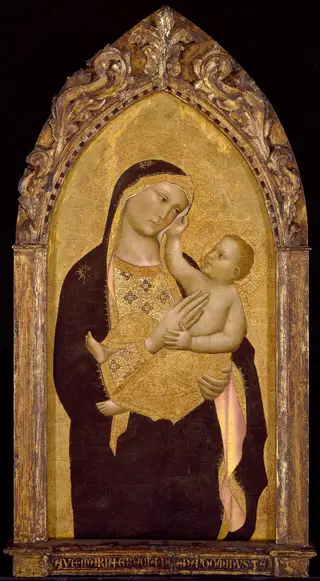 Virgin and Child
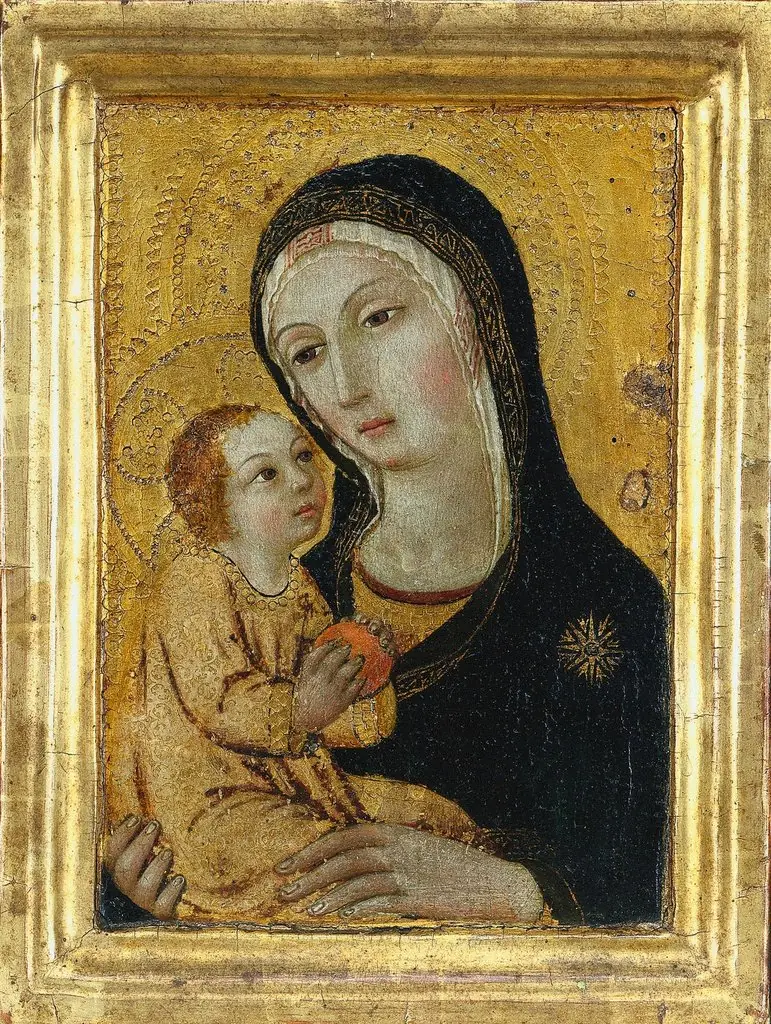 Virgin and Child
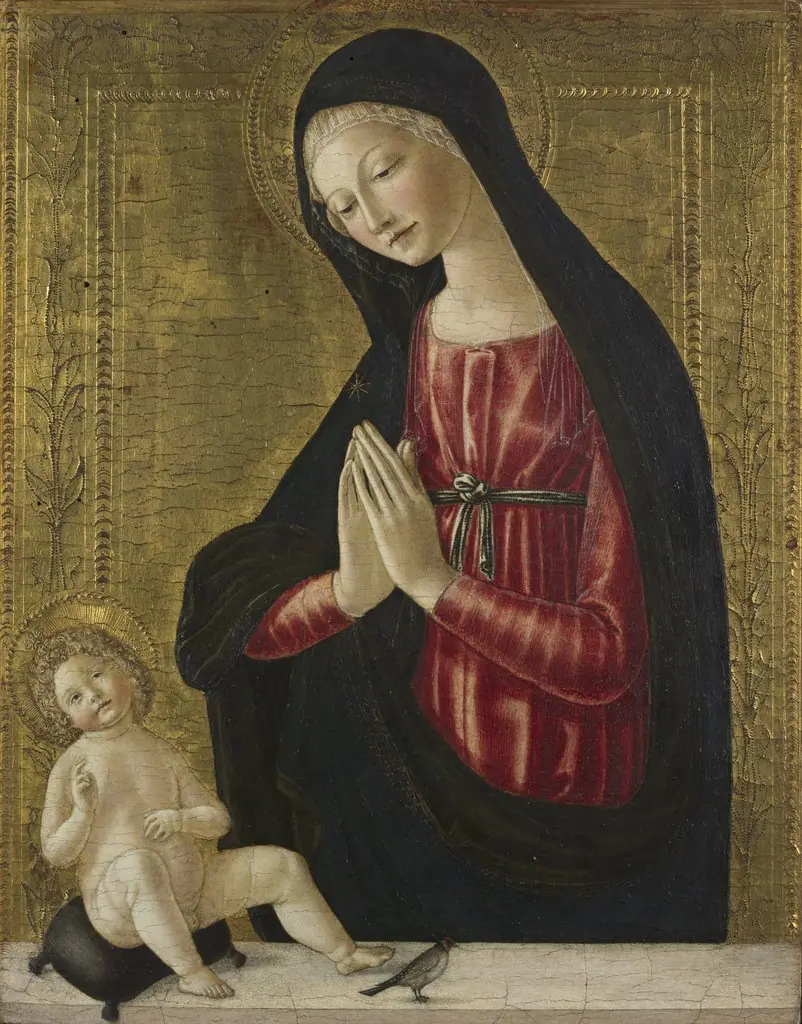 Virgin and Child with a Goldfinch
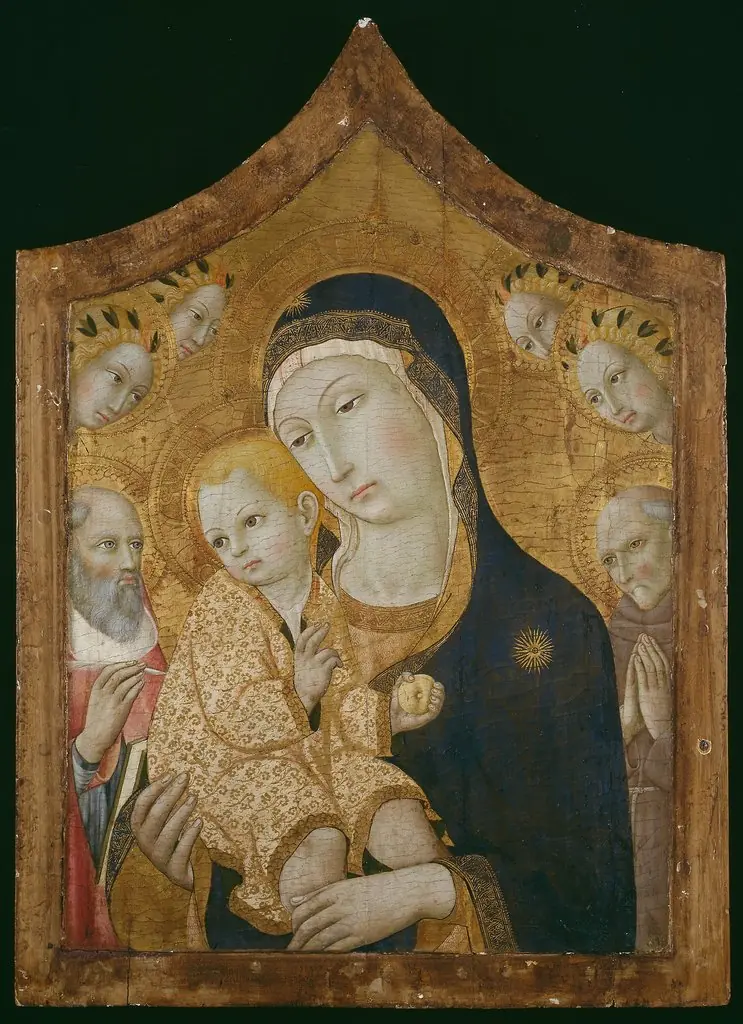 Virgin and Child with Saints Jerome, Bernardino of Siena, and Angels
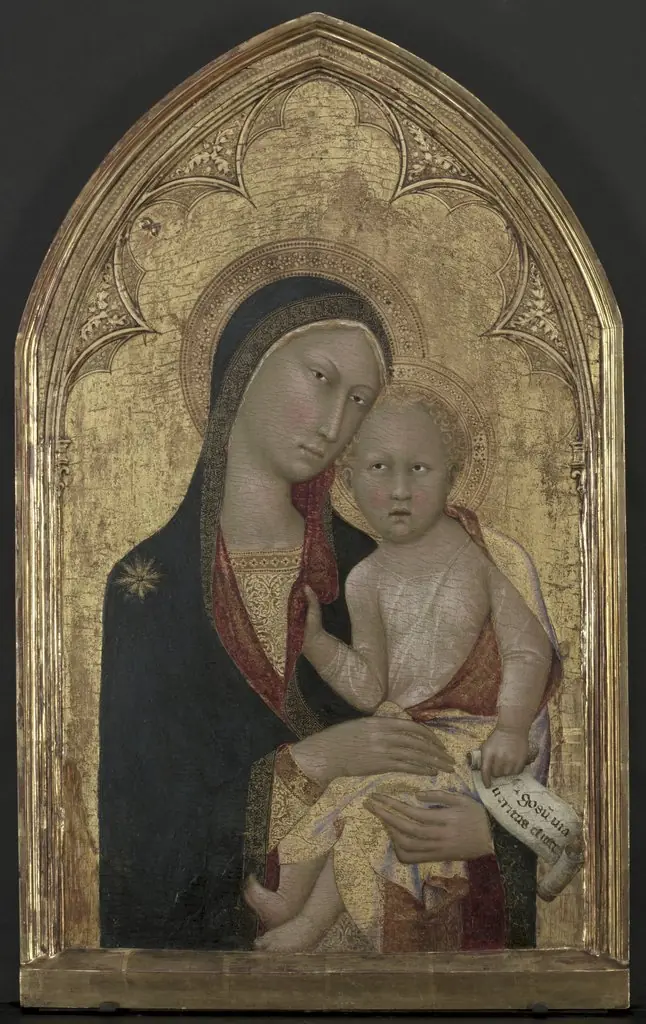 Madonna and Child
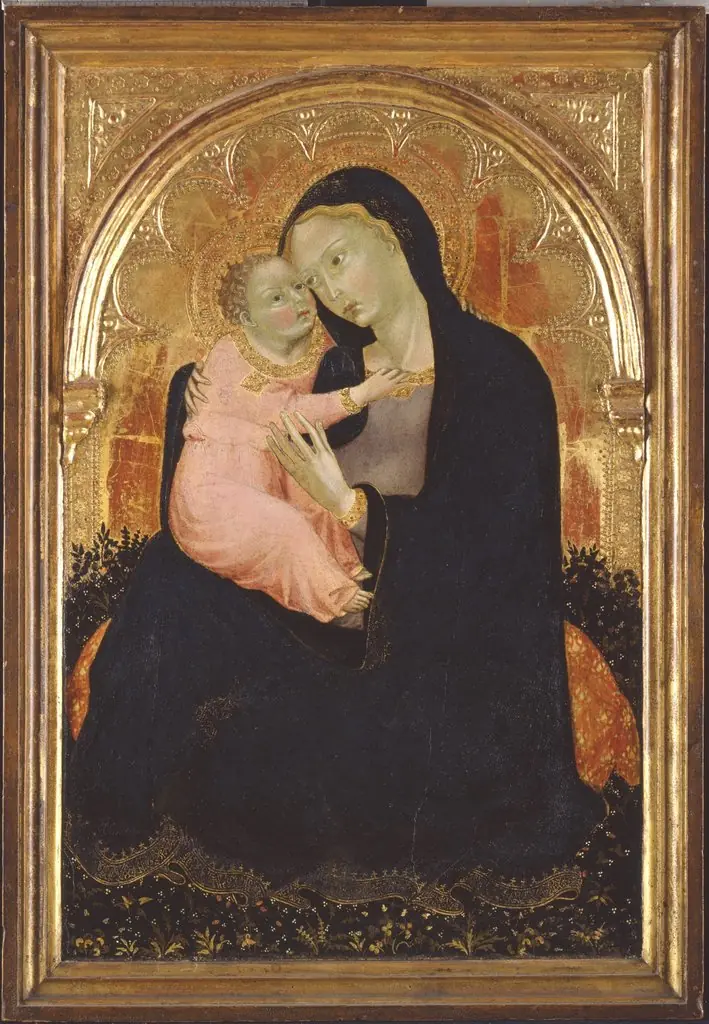 Madonna and Child
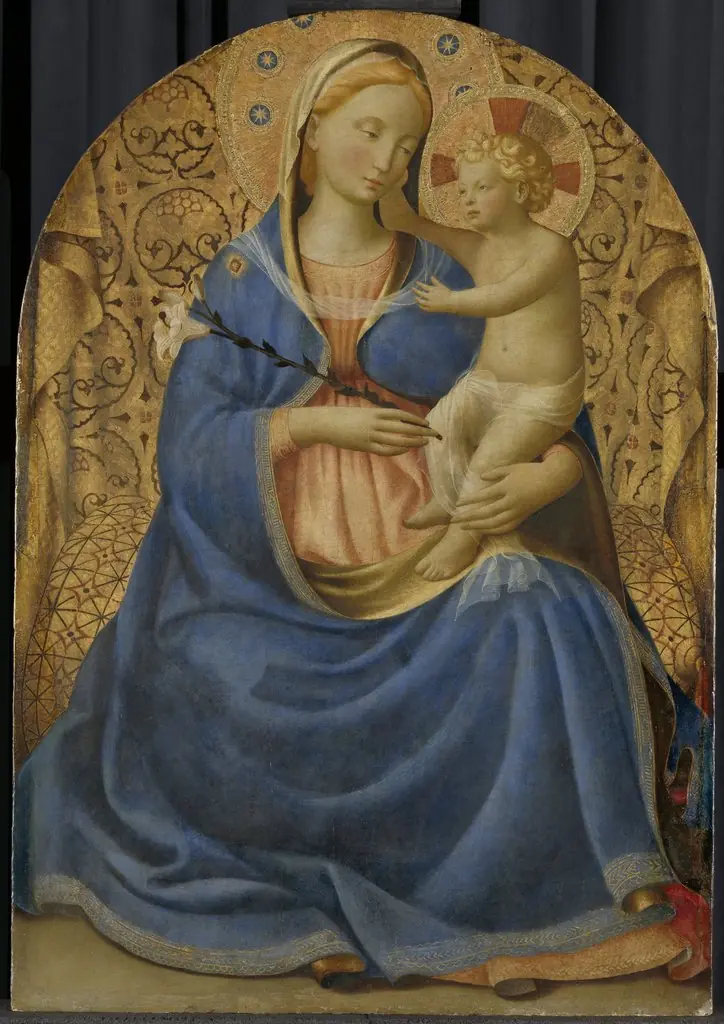 Madonna of Humility
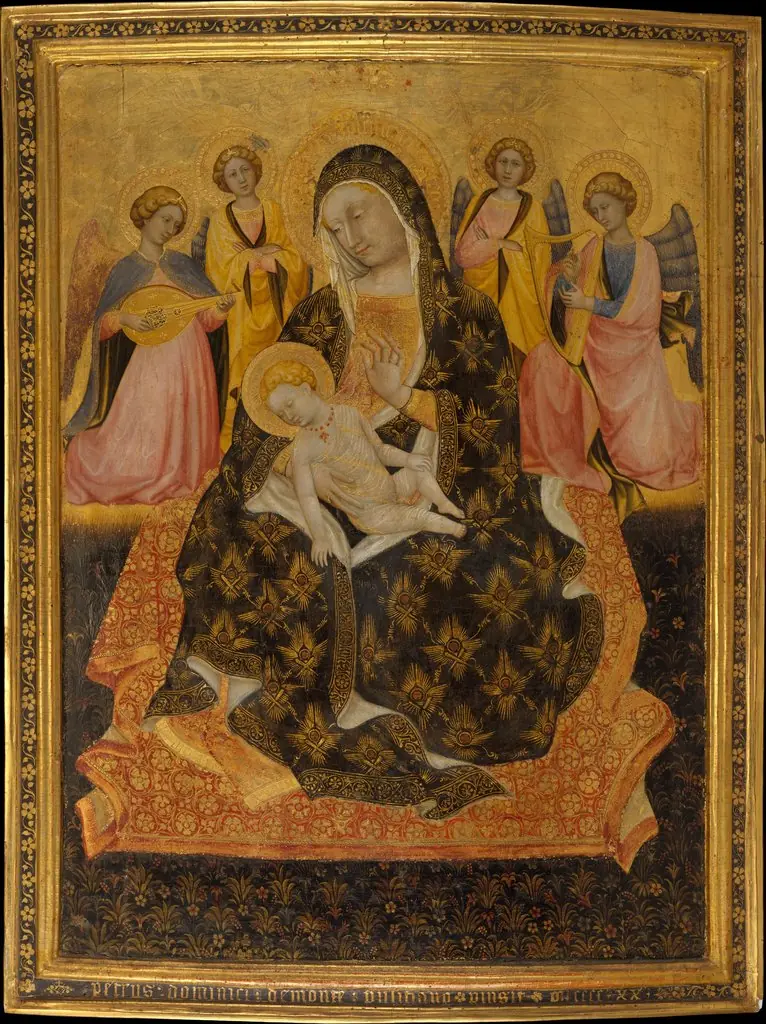 Madonna and Child with Angels
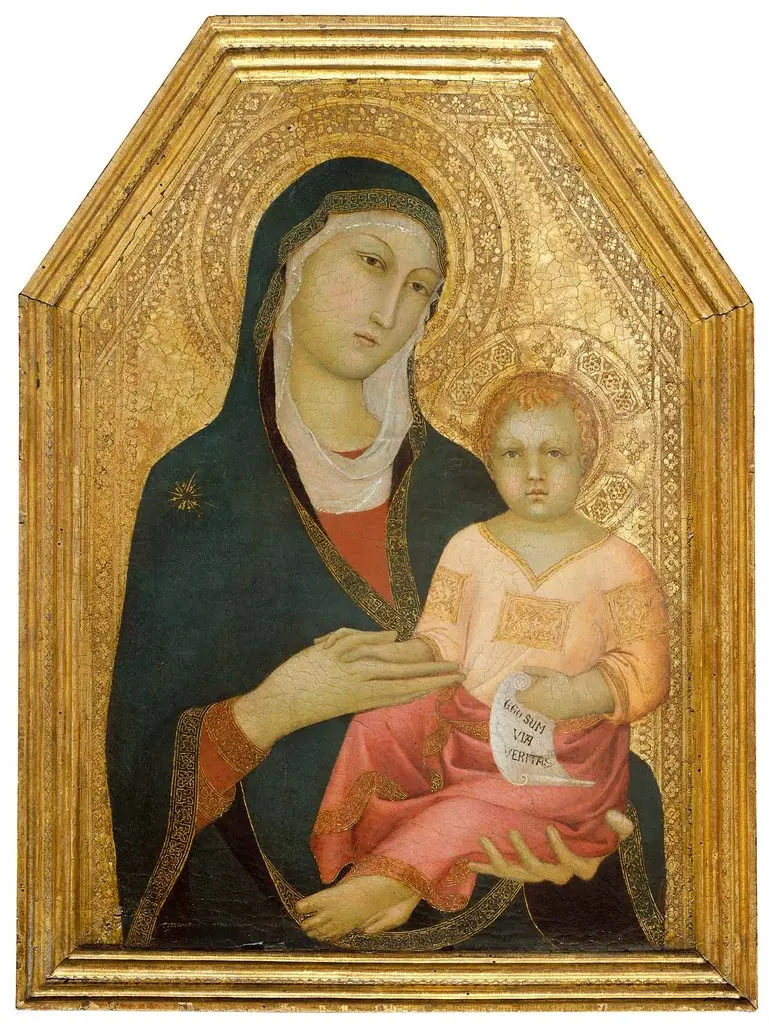 Virgin and Child
 Madonna and Child
 Madonna and Child with St. Catherine of Siena, Saint Anthony of Padua and Angels