Artwork
Virgin and Child with a Goldfinch
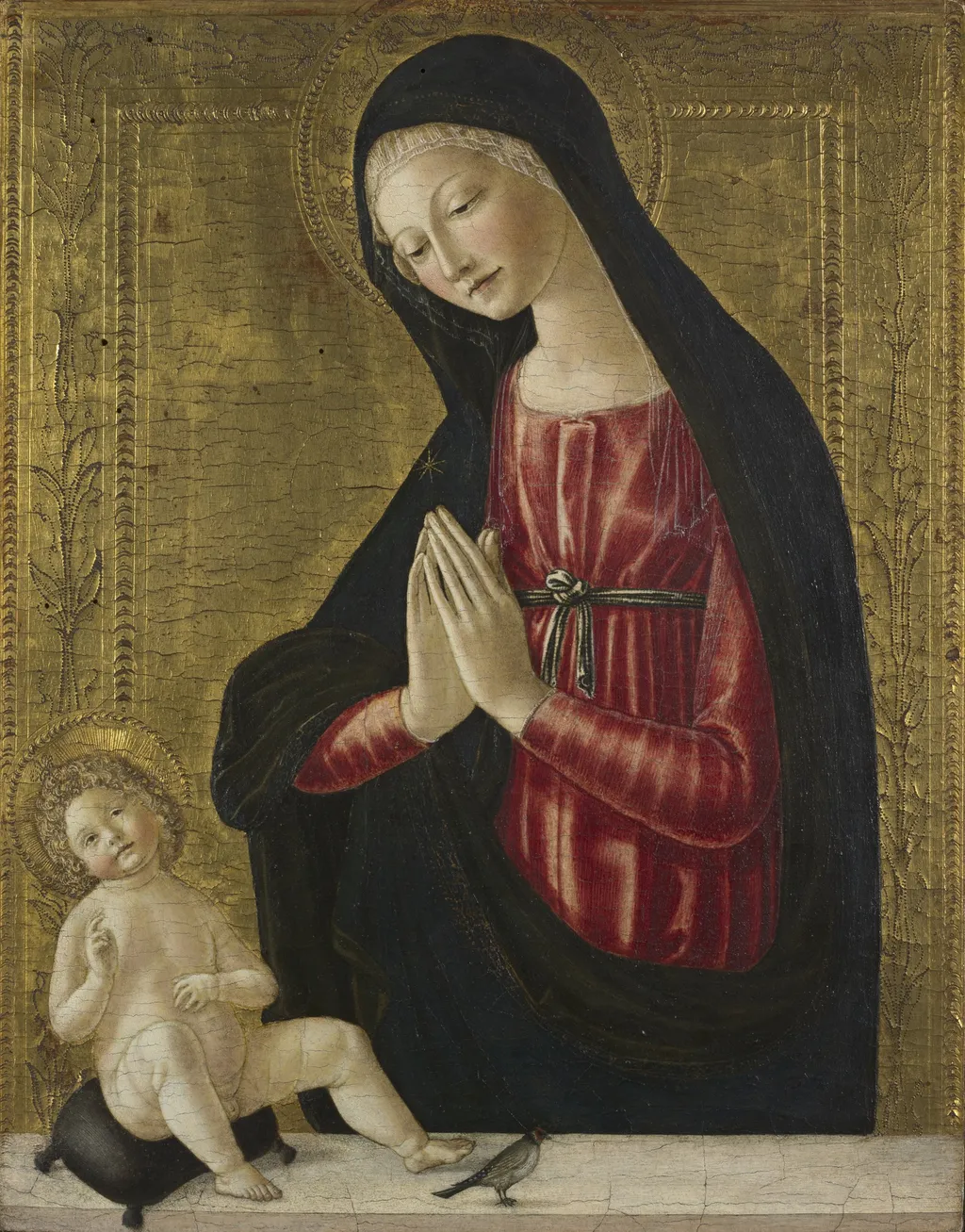
Virgin and Child with a Goldfinch is an unspecified painting by the Early Renaissance artist Neroccio de' Landi. It dates from 1496 and is held in the collection of the Cleveland Museum of Art.
About this work
Subject & Meaning
The Virgin is depicted standing, hands folded in prayer, wearing a red robe and a black mantle, while the child rests on a marble ledge.
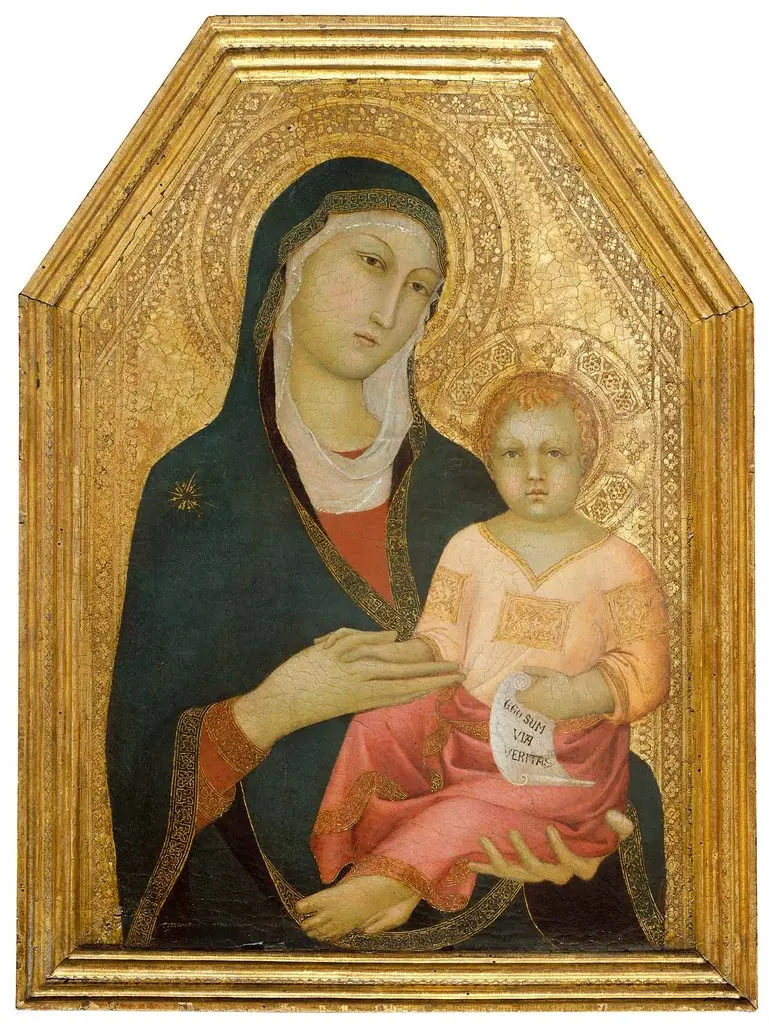
The painting shows the Virgin Mary holding the infant Jesus, with a goldfinch perched near the child. The Virgin is depicted standing, hands folded in prayer, wearing a red robe and a black mantle, while the child rests on a marble ledge. The goldfinch, a small bird with red markings, functions as a symbolic attribute that alludes to the future Passion of Christ, its association with thorns echoing the crown of thorns and its red plumage suggesting blood.
The work belongs to the religious genre of late-15th-century Sienese art and is now housed in the Cleveland Museum of Art.
Technique & Style
Executed in 1496 in Siena, this work is a panel painting created using tempera, oil, and gold leaf. The support measures 38.8 by 30.5 cm. The background is distinguished by gold sheets embossed with vertical and vegetal motifs, providing a decorative field for the figures.
Stylistically, the composition is dominated by a standing Virgin Mary, depicted with hands clasped in deep prayer. She wears a red robe beneath a black mantle. The Christ Child rests on a black cushion atop a marble ledge positioned in the lower register to the viewer's right.
A goldfinch is placed in close proximity to the child, serving as a symbolic reference to the Passion.
History & Provenance
Created by Neroccio di Bartolomeo de' Landi in Siena, the tempera, oil, and gold on wood panel painting is dated to 1496. The work measures 38.8 cm in height and 30.5 cm in width. It is currently held in the collection of the Cleveland Museum of Art, where it is catalogued under the accession number 1980.101.
The specific commissioning patron and the detailed chain of ownership prior to its arrival at the museum are not detailed in the provided sources.
Context
The Virgin and Child with a Goldfinch, dated to 1496, is a tempera, oil and gold panel by Sienese artist Neroccio di Bartolomeo de' Landi, housed in the Cleveland Museum of Art. Scholars have interpreted the goldfinch as a prefiguration of Christ's Passion, linking the work to broader iconographic traditions in Renaissance religious art. The painting is often discussed alongside Neroccio's Madonna col Bambino tra i santi Bernardino e Caterina in the Pinacoteca Nazionale di Siena, situating it within the artist's mature Sienese output and the wider context of late Quattrocento Siena.
Overview
This panel painting, Virgin and Child with a Goldfinch, was completed in 1496 by the Sienese artist Neroccio di Bartolomeo de' Landi. It presents a devotional image of the Virgin Mary tenderly holding the Christ Child, a common theme in early Renaissance art. The work is currently housed in the collection of The Cleveland Museum of Art, representing a significant example of Sienese Quattrocento painting.
Own this work as a print
Artist & collection


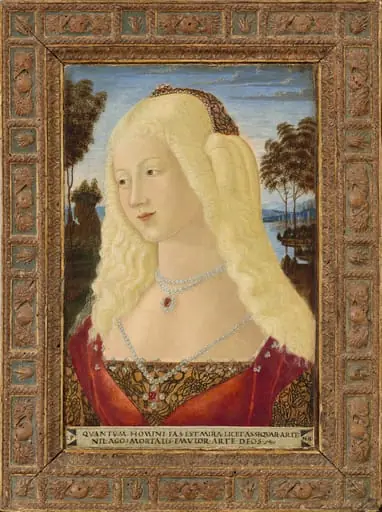
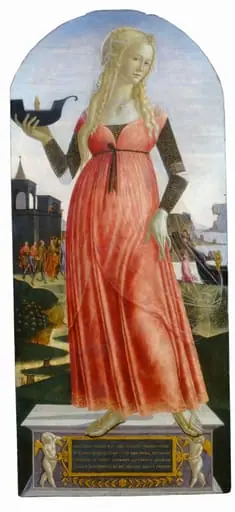
- The Virgin and Child
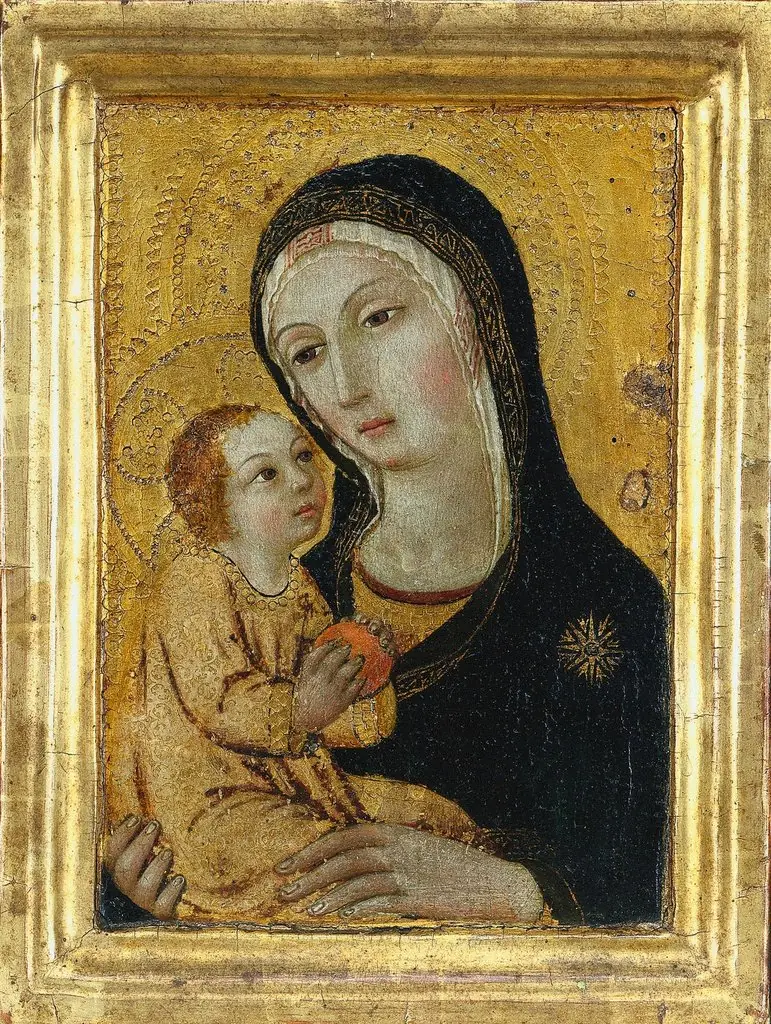 Virgin and Child
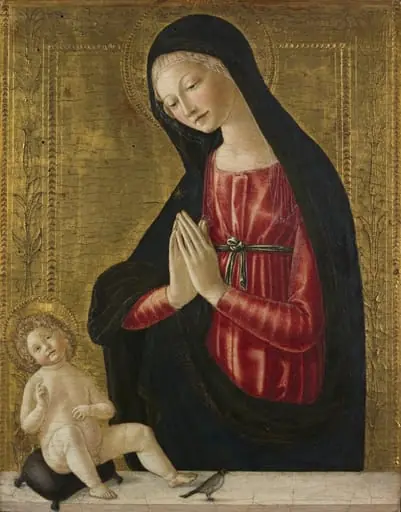 Virgin and Child with a Goldfinch
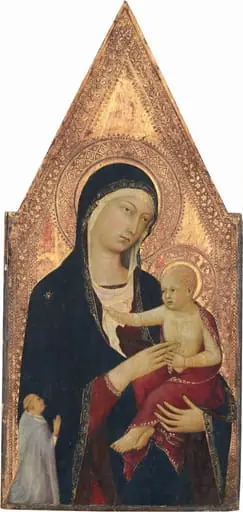 Madonna and Child with Donor
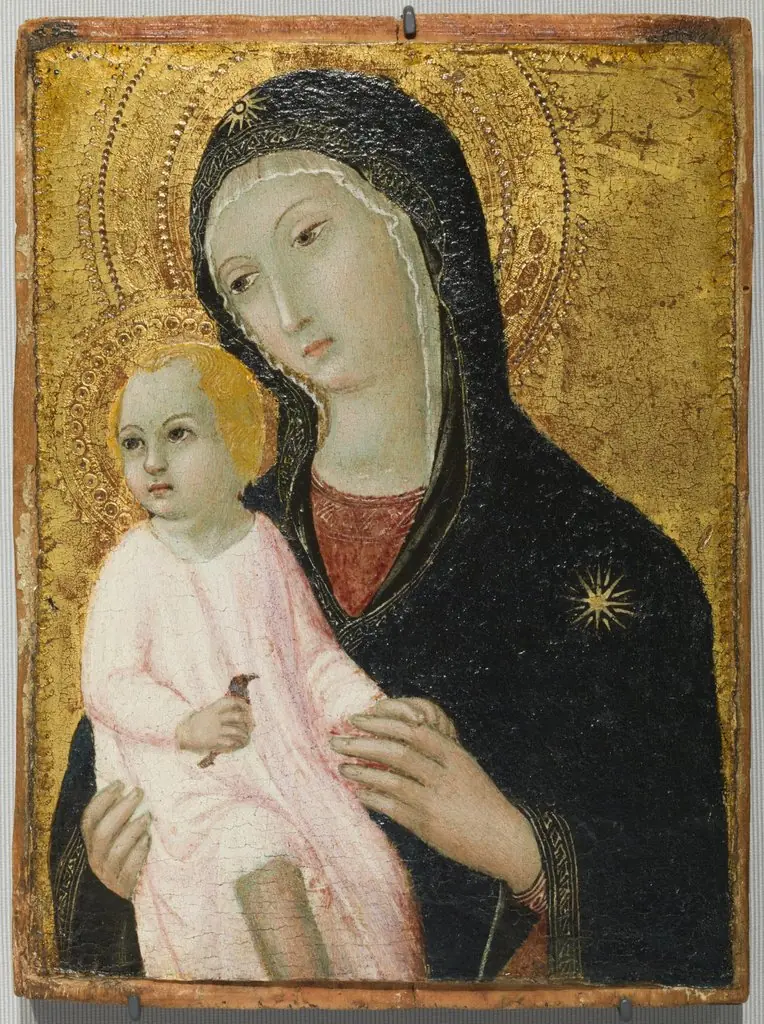 Madonna and Child
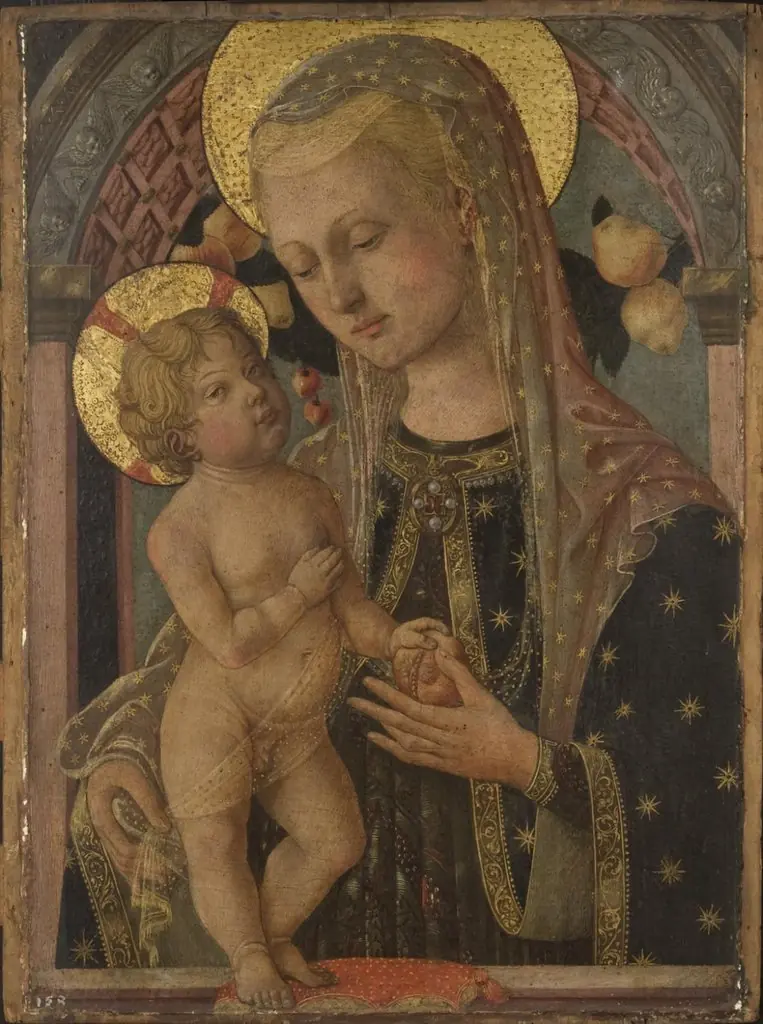 Virgin and Child with a Pomegranate
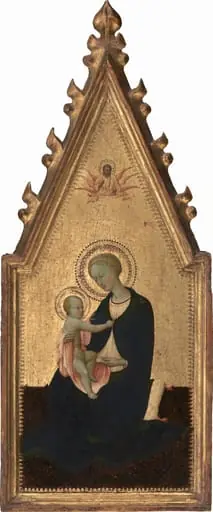 Madonna of Humility
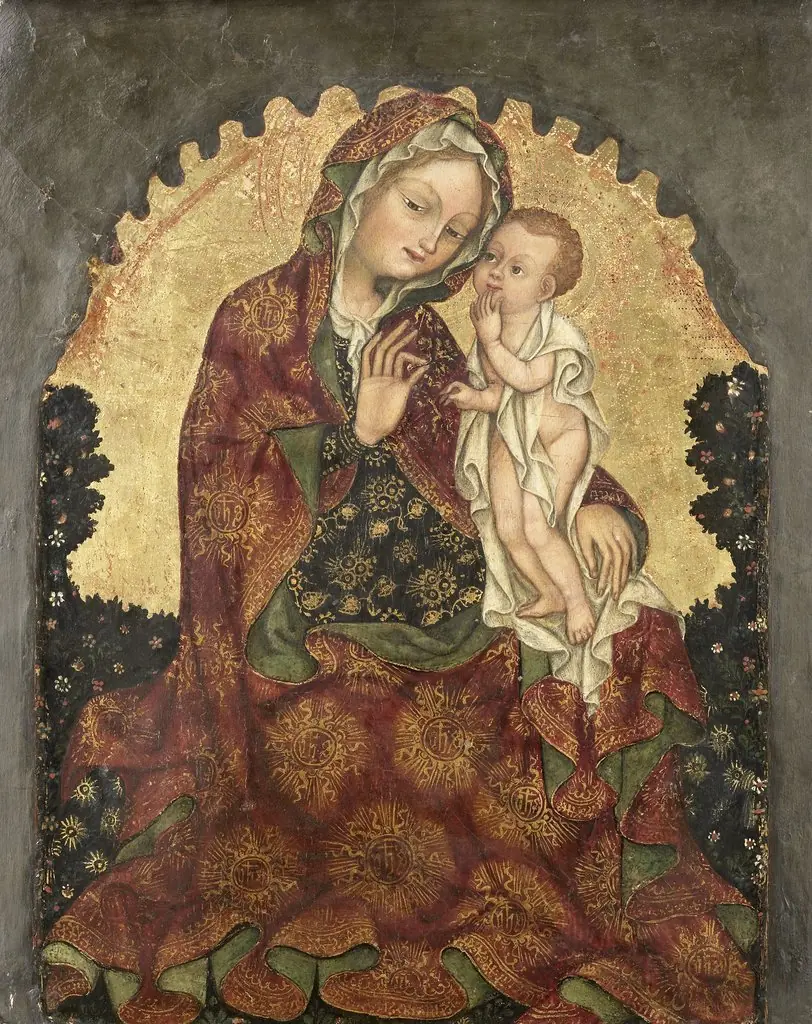 Madonna of Humility (Madonna dell'Umiltà)
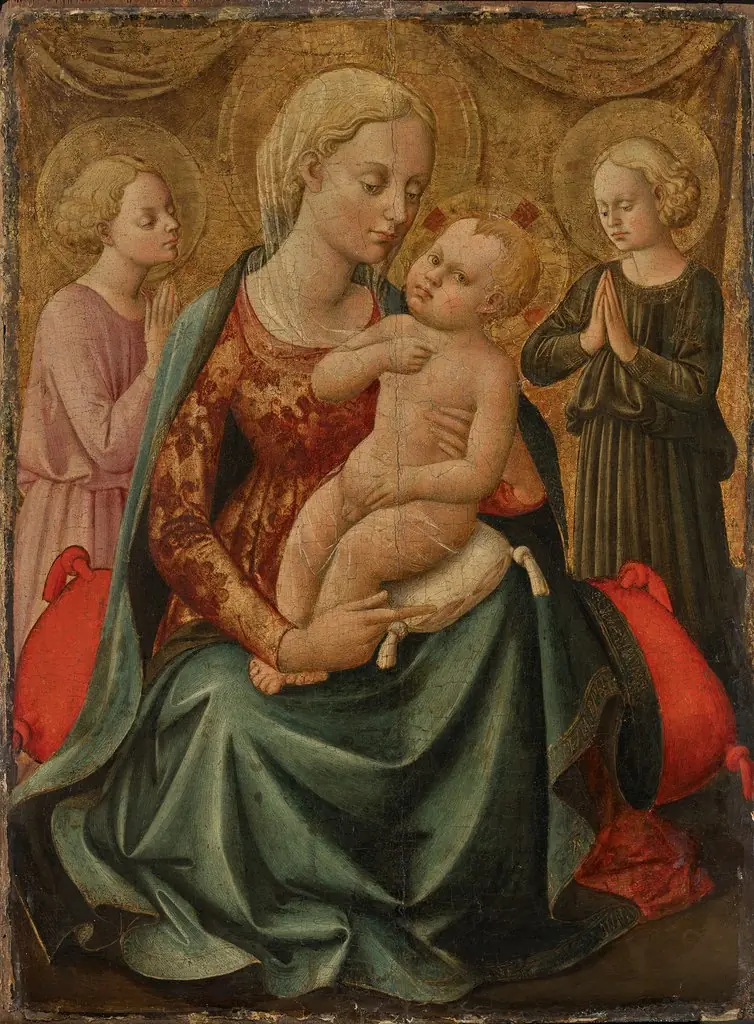 Madonna and Child
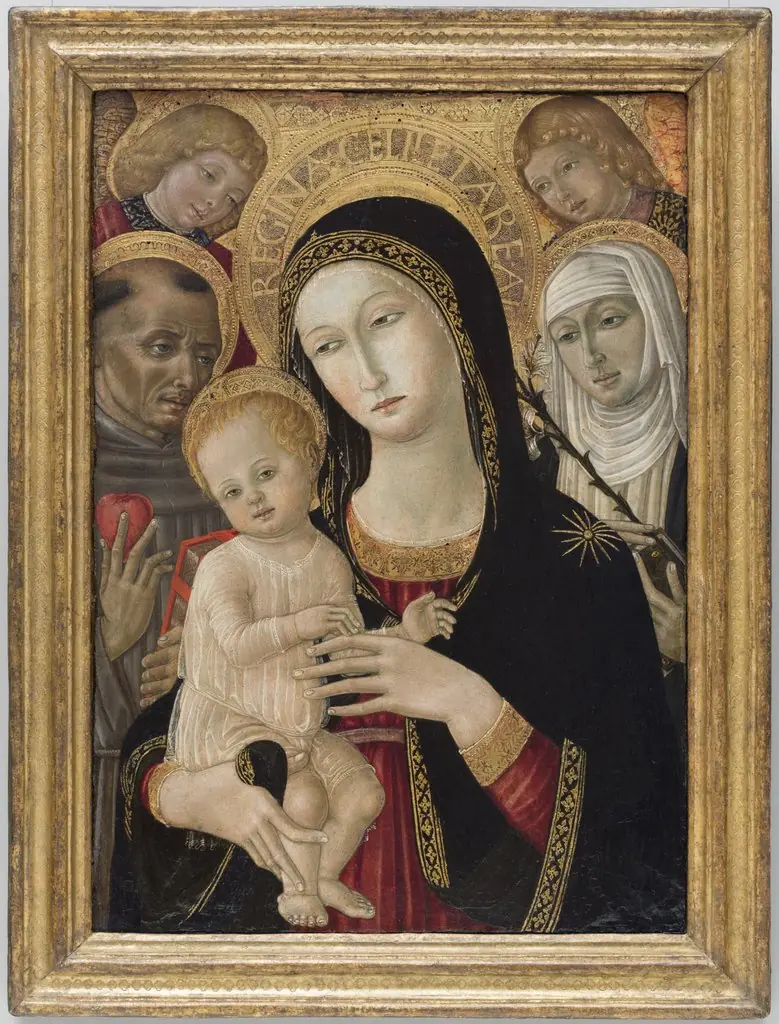 Madonna and Child with St. Catherine of Siena, Saint Anthony of Padua and Angels
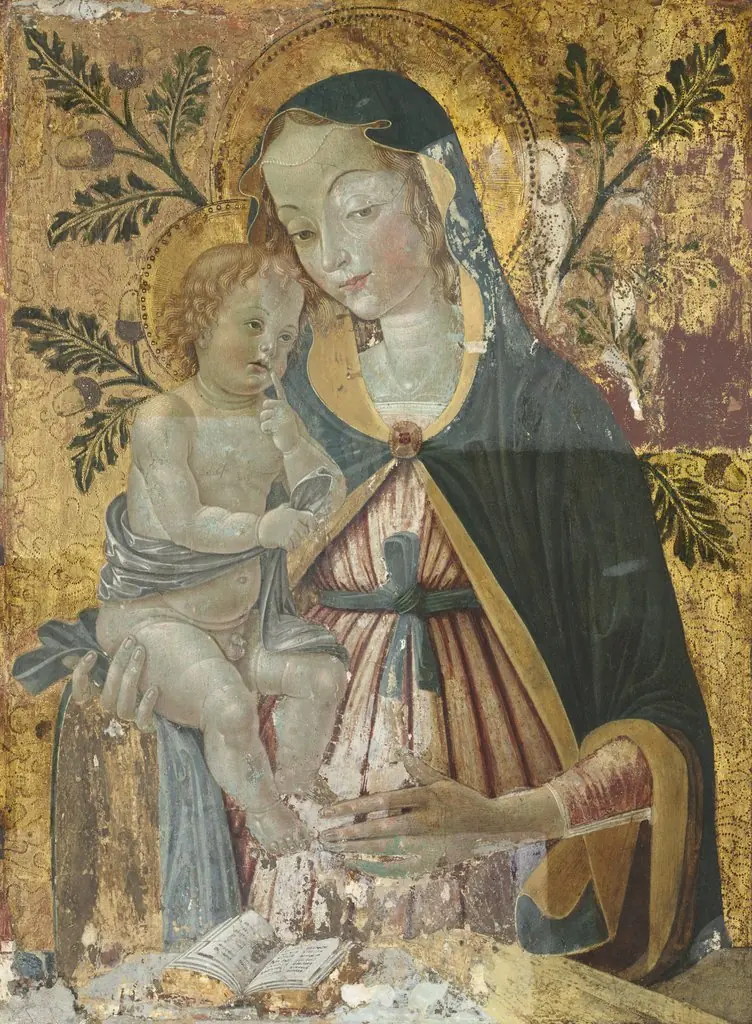 Virgin and Child
 Virgin and Child