Artwork
Portrait of an Unknown Man
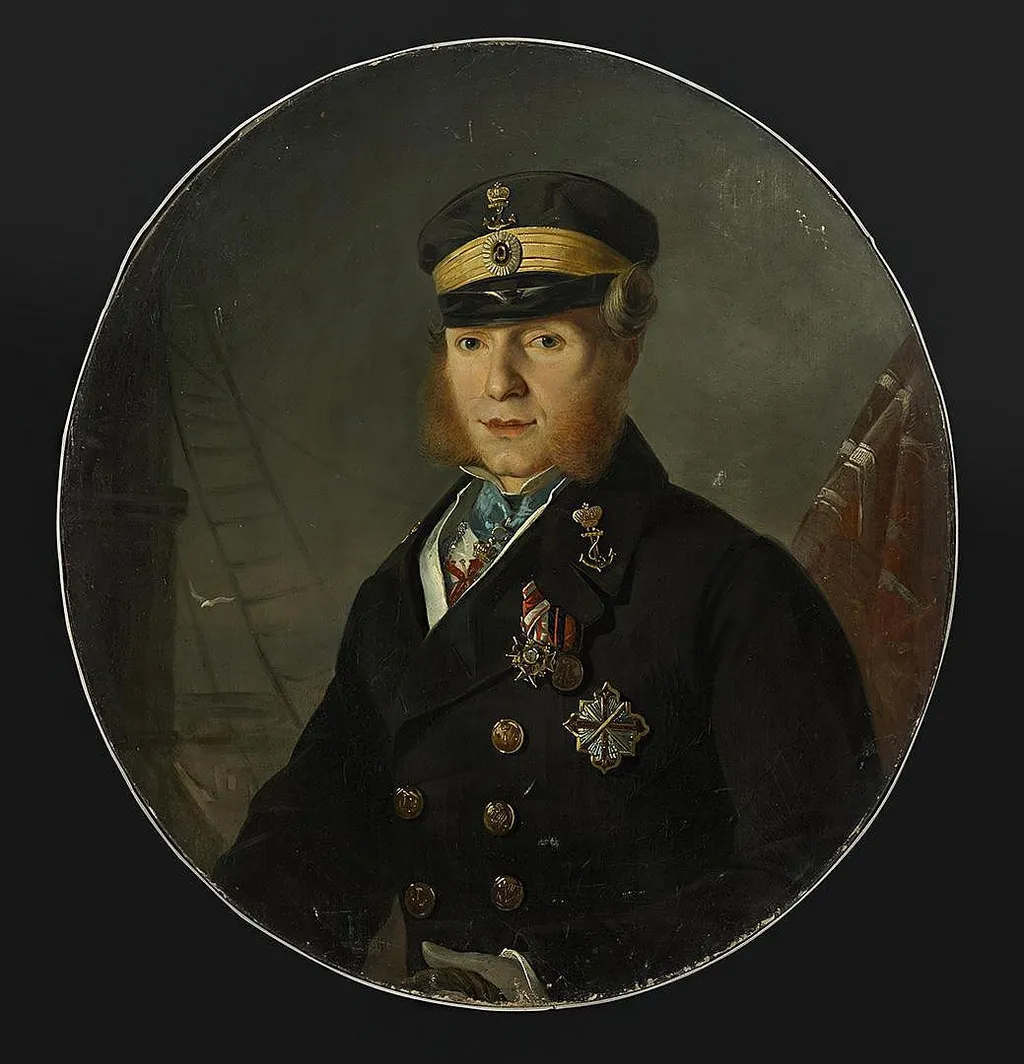
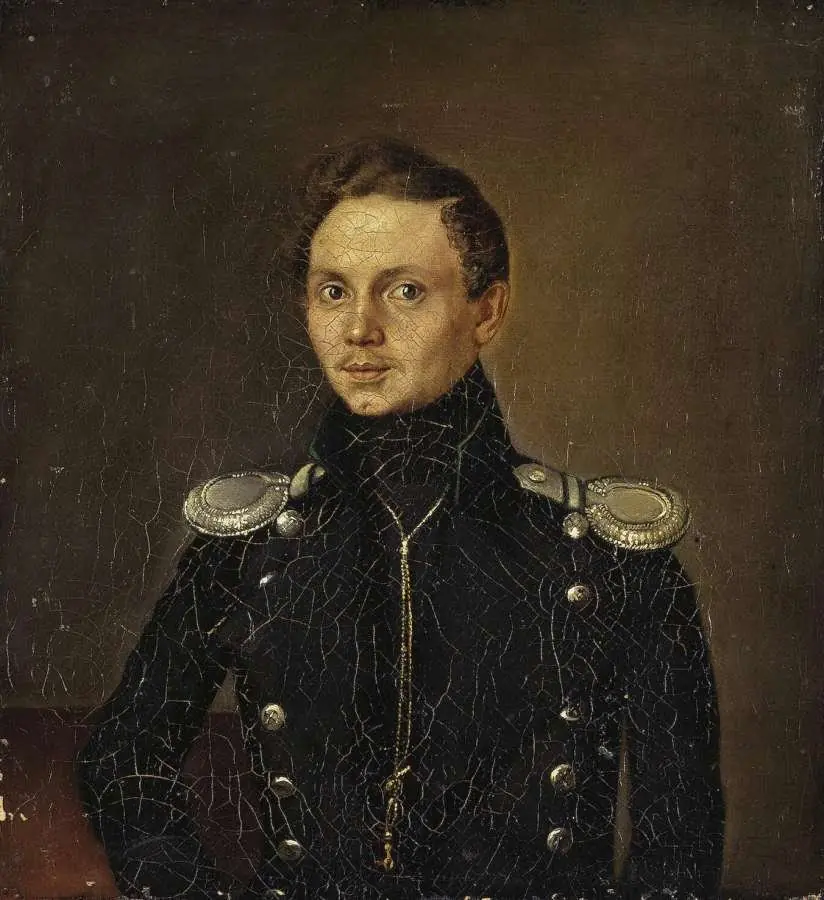
Portrait of an Unknown Man is an oil painting by the Realist artist Pyotr Soldatkin. It dates from 1854 and is held in the collection of the Hermitage Museum.
About this work
Overview
Painted in 1854 by Pyotr Soldatkin, this oil portrait depicts a man whose identity remains unrecorded. The work is part of the State Hermitage Museum’s collection, where it is preserved as an example of mid-19th-century Russian portraiture. Its restrained composition and careful attention to detail reflect the academic traditions of the time, emphasizing dignity over personal narrative.
Subject & Meaning
The faint suggestion of a ship’s sail in the background may imply naval affiliation, though no specific identity or event is documented.
The sitter is dressed in a black military uniform with gold embellishments, including buttons and medals, suggesting rank or service. The blue cravat and white shirt add subtle contrast, while the black hat reinforces formality. The faint suggestion of a ship’s sail in the background may imply naval affiliation, though no specific identity or event is documented. The portrait conveys authority through attire rather than gesture or expression.
Technique & Style
Soldatkin employs a muted gray background to isolate the figure, drawing focus to the textures of fabric and metal. Light falls deliberately across the uniform, highlighting the sheen of gold buttons and the fold of the cravat. Subtle chiaroscuro models the face and shoulders, lending volume without theatricality.
The brushwork is precise but not overly refined, balancing realism with a quiet restraint typical of academic portraiture.
History & Provenance
The painting entered the State Hermitage Museum’s collection in the 19th century, likely acquired through official channels or donation. No records indicate its original commission or ownership prior to museum acquisition. Its survival in good condition suggests careful handling, though its subject’s identity was never formally recorded, leaving the portrait as a study in rank rather than individuality.
Context
Created during the reign of Nicholas I, the portrait reflects the Russian Empire’s emphasis on military order and institutional hierarchy. Portraits of unnamed officers were common, serving as visual affirmations of state service rather than personal legacy. Soldatkin, trained in the Imperial Academy of Arts, adhered to established conventions, aligning his work with state-sponsored ideals of discipline and decorum.
Legacy
Though not widely exhibited outside Russia, the portrait remains a representative example of academic portraiture from the mid-1800s. It contributes to scholarly understanding of how military identity was visually constructed in imperial Russia. Soldatkin’s restrained use of light and texture influenced later generations of Russian painters, even as his name faded from public memory.
Artist & collection

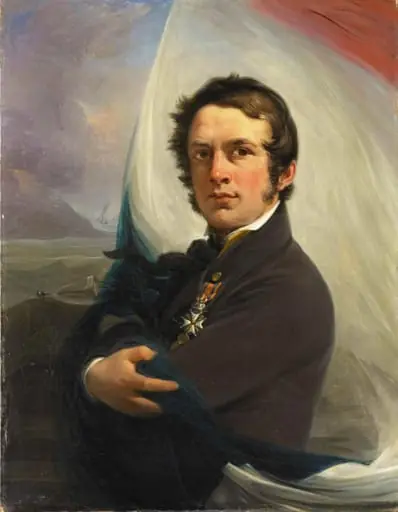
- Portrait of Jacob Hobein, Rescued the Dutch Flag under Enemy Fire, 18 March 1831
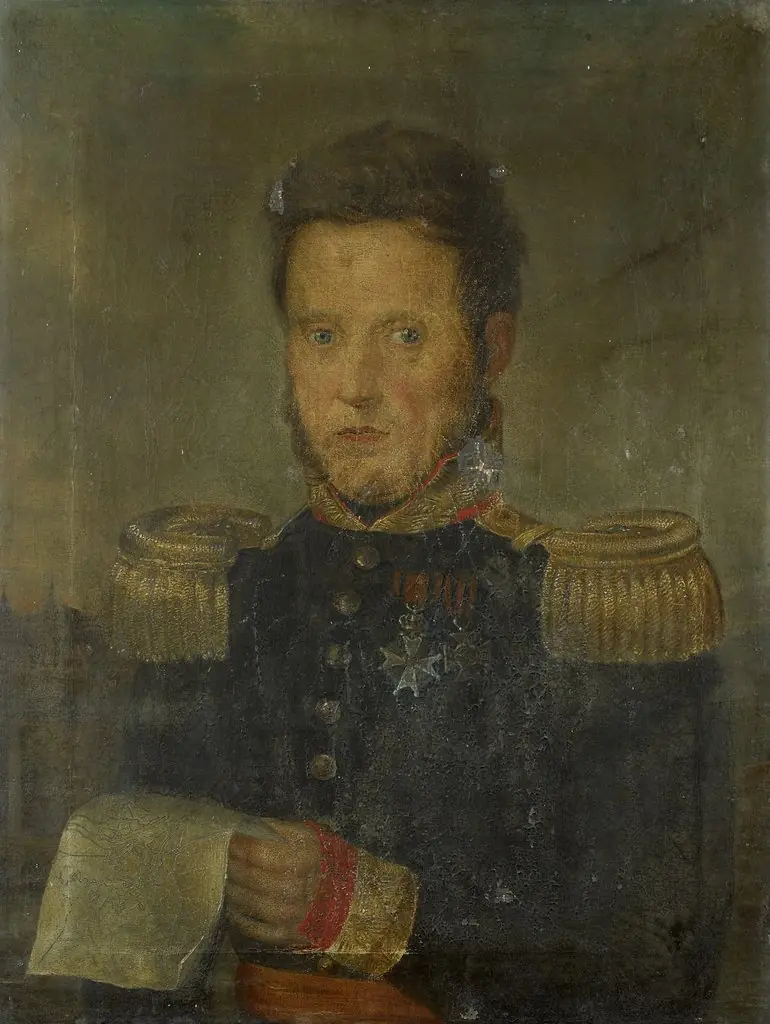 Portret van een generaal
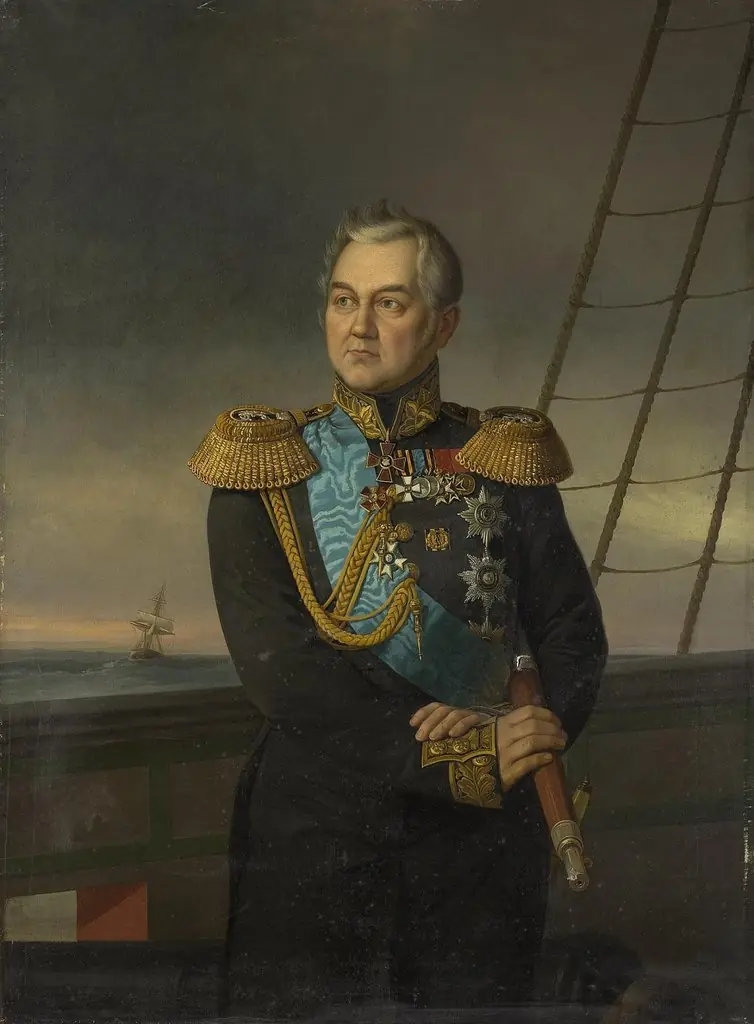 Portrait of Admiral Mikhail Lazarev
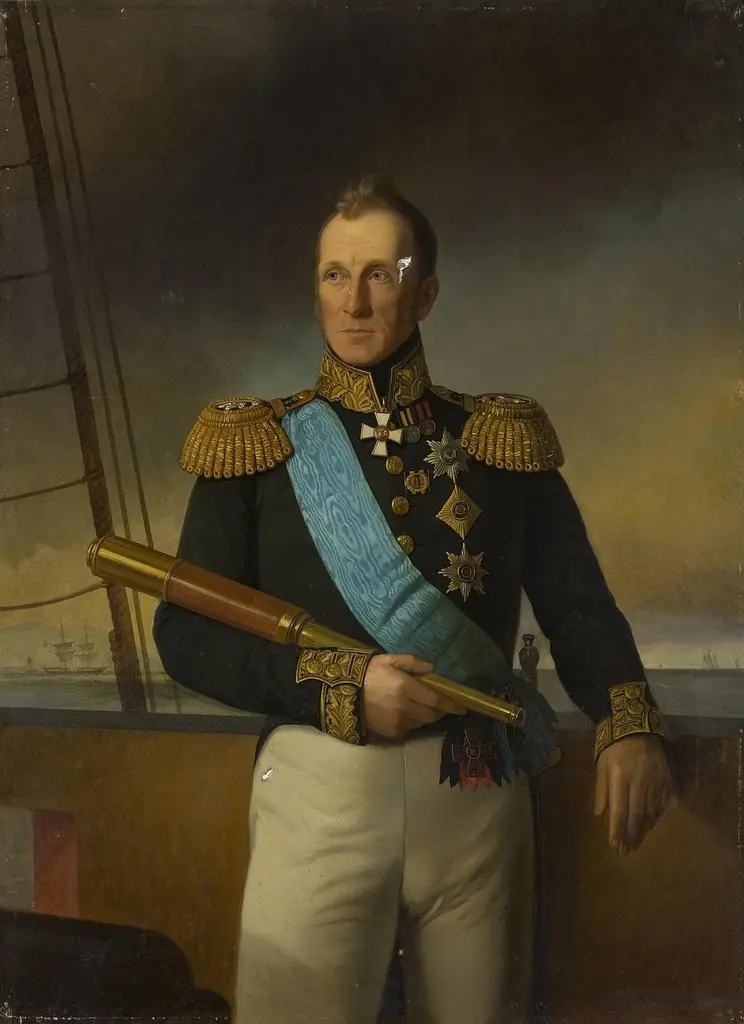 Portrait of Admiral Alexei Greig
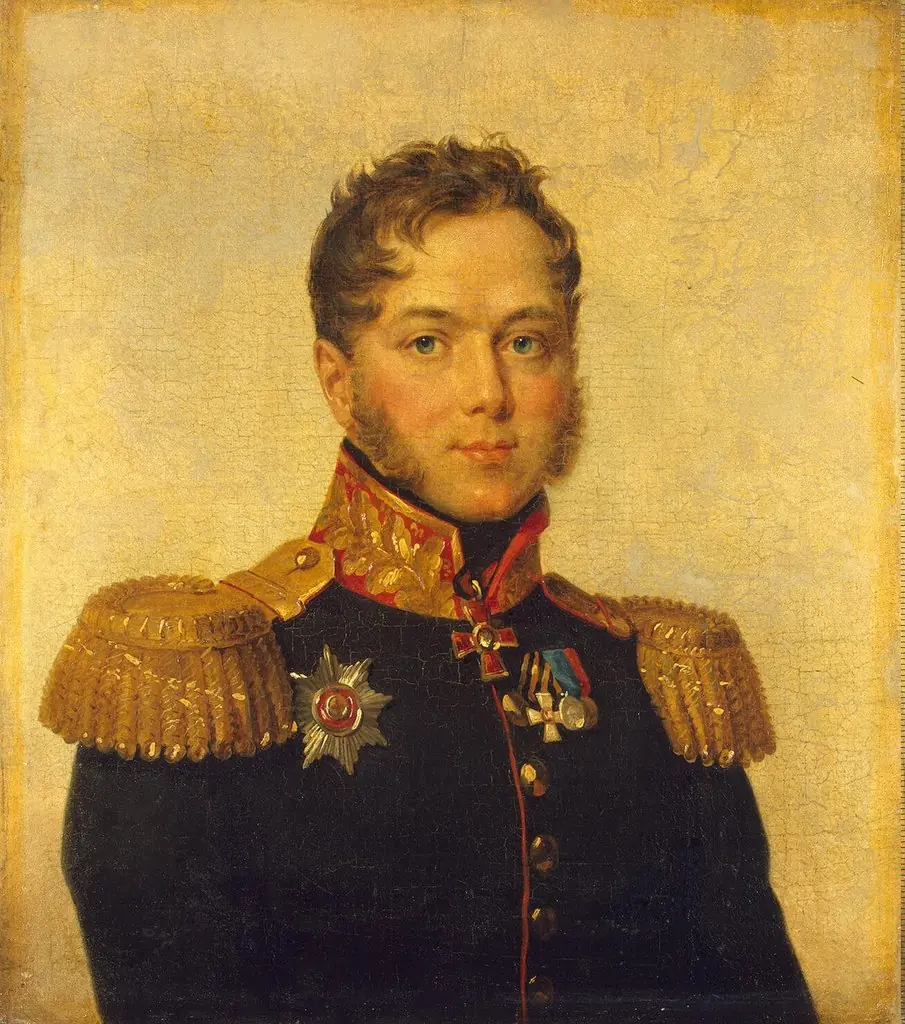 Portrait of Alexander N. Berdyayev (1778-1824)
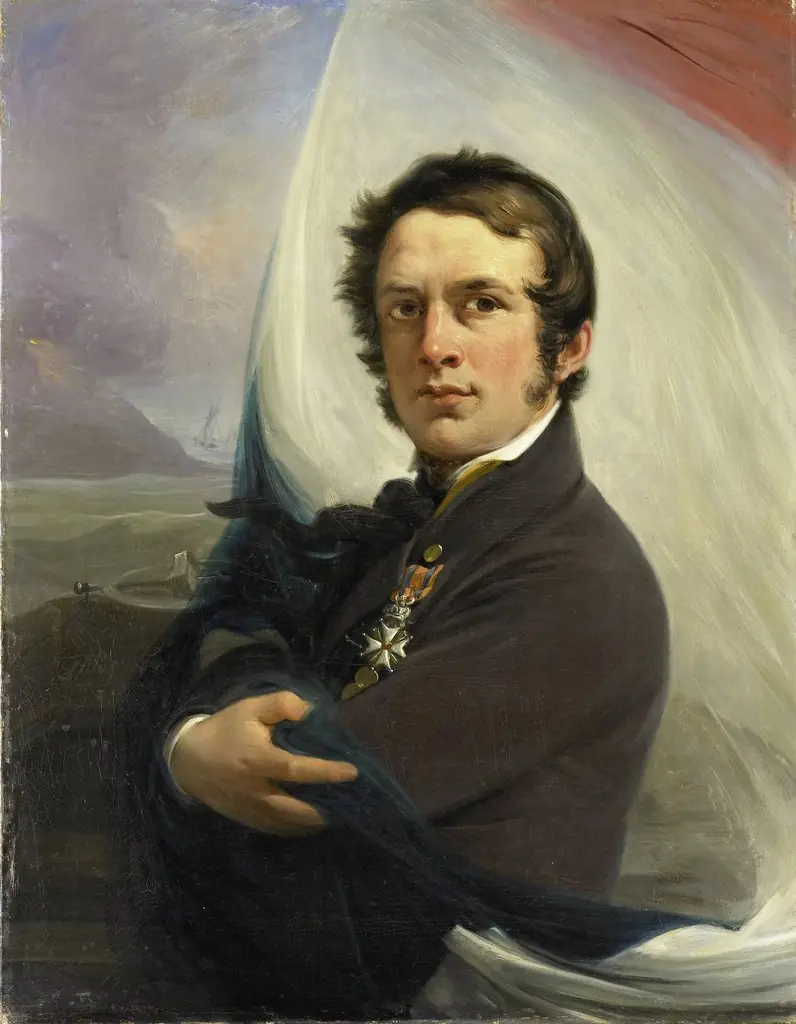 Portrait of Jacob Hobein, Rescued the Dutch Flag under Enemy Fire, 18 March 1831
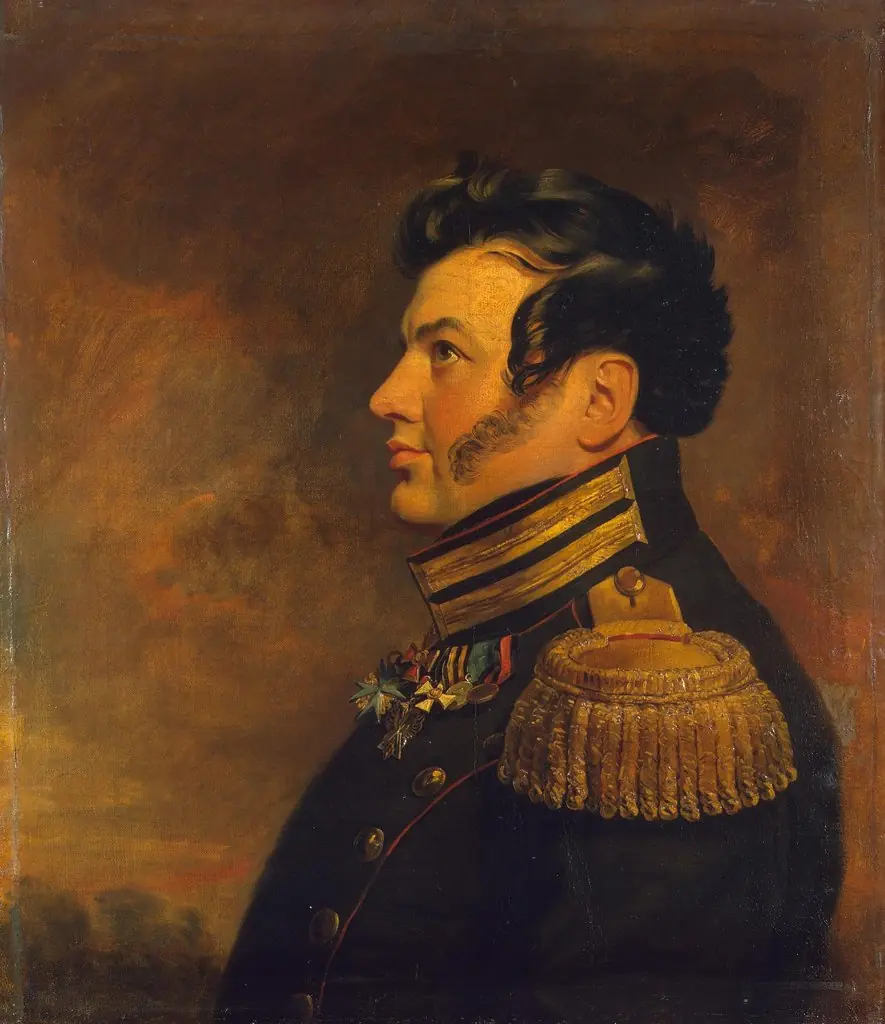 Portrait of Maxim K. Kryzhanovsky (1777-1839)
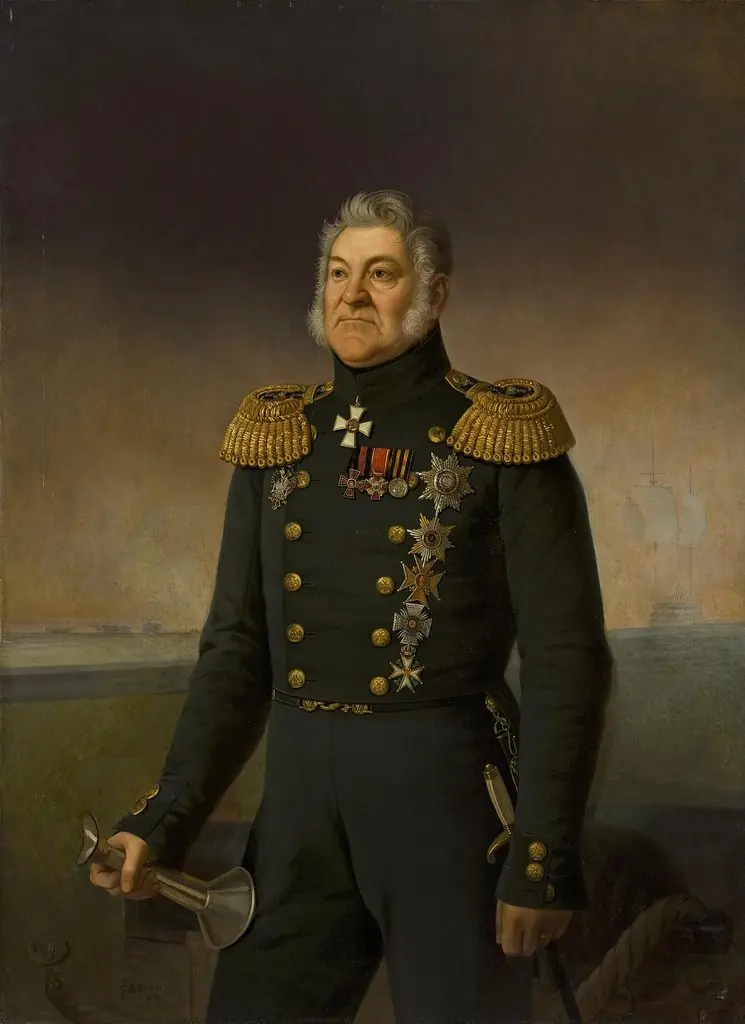 Portrait of Admiral Login Heiden
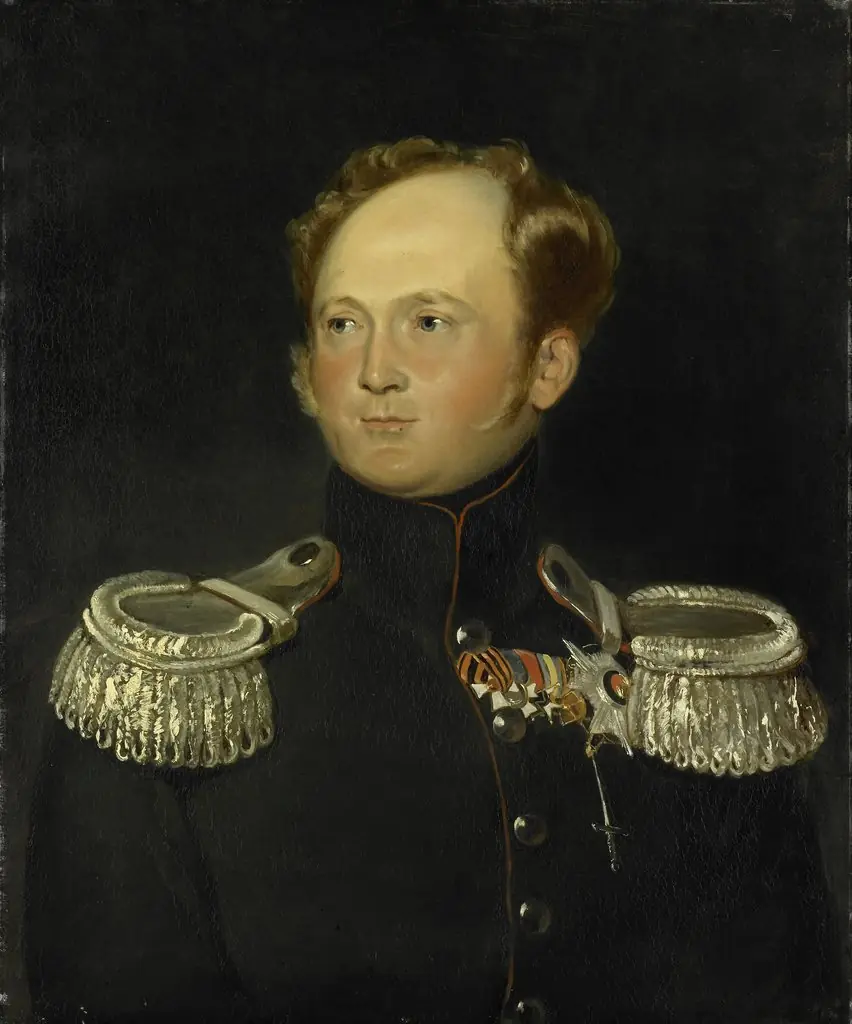 Portrait of Alexander I, Emperor of Russia
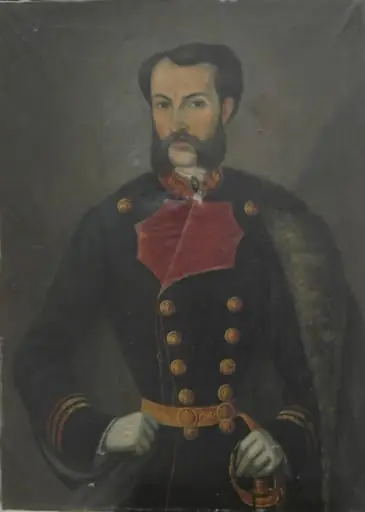 Radu Fărcășanu
 Portrait of Mikhail Lermontov
 Portrait of Nikolai D. Kudashev (1784-1813)