Artwork
Franz Joseph I, Emperor of Austria wearing a Field Marshal uniform with the Great Star of the Military Order of Maria Theresa
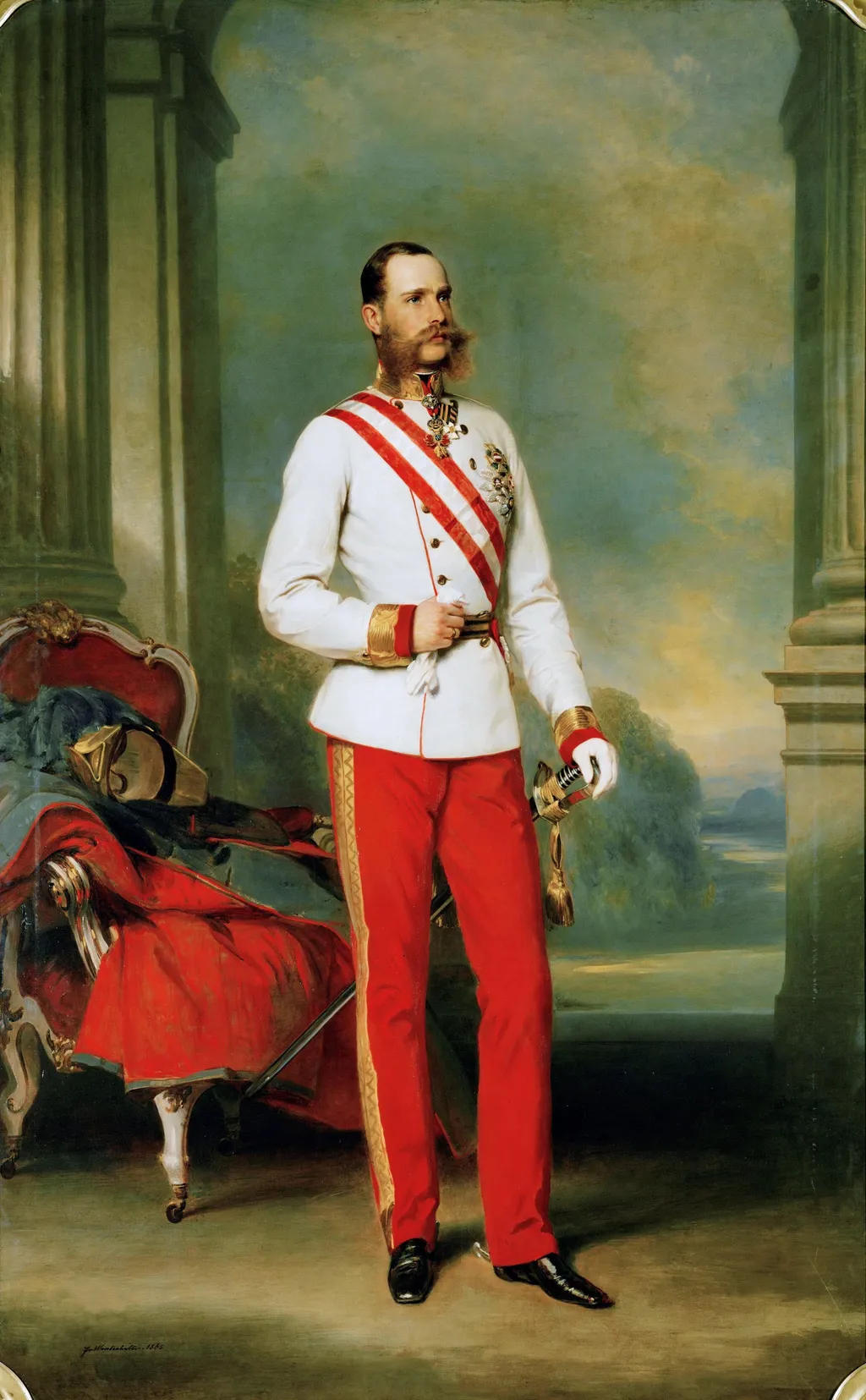
Franz Joseph I, Emperor of Austria wearing a Field Marshal uniform with the Great Star of the Military Order of Maria Theresa is an oil painting by the Biedermeier artist Franz Xaver Winterhalter. It dates from 1865 and is held in the collection of the Kunsthistorisches Museum.
About this work
He had a long reign, from 1848 to 1916, and his time on the throne saw significant events, including the Revolution of 1848 and the First World War.
This painting is a portrait of Franz Joseph I, Emperor of Austria. It was created in 1865.
The portrait depicts Franz Joseph I in a field marshal uniform with several decorations. He had a long reign, from 1848 to 1916, and his time on the throne saw significant events, including the Revolution of 1848 and the First World War.
The painting is held at the Kunsthistorisches Museum, where you can learn more about the artist and the subject, but to explore the artist's style, look up the artist: Q168659.
Subject & Meaning
The portrait shows Franz Joseph I of Austria in his capacity as a military commander, clothed in the formal uniform of a field marshal and adorned with the Great Star of the Military Order of Maria Theresa. This attire underscores his authority and the martial virtues associated with his imperial role. The work also functions as a symbol of the Habsburg dynasty’s continuity and prestige, linking the emperor to both historical legitimacy and contemporary power.
It was commissioned shortly after his accession and later entered the collection of the Kunsthistorisches Museum in Vienna.
The painting was created by Franz Xaver Winterhalter in 1865 and is housed in the Hofburg Palace, where it remains on public view.
The portrait reflects the Rococo Revival style through its ornamental details and the emphasis on regal elegance, while also serving as a diplomatic image intended to reinforce the emperor’s status among European courts.
Technique & Style
The work is an oil painting on canvas, a typical support for Winterhalter’s portraiture. His technique employs smooth, finely blended brushwork that renders the emperor’s field marshal uniform with precise detail and a subtle sheen, reflecting the artist’s celebrated ability to depict luxurious fabrics and insignia. Stylistically, the portrait aligns with the Rococo Revival movement, evident in its elegant composition, soft lighting, and refined decorative qualities that emphasize the sitter’s status while maintaining a dignified, formal presence.
History & Provenance
The portrait was painted by Franz Xaver Winterhalter in 1865 in Vienna. Winterhalter traveled to the Austrian capital in September 1864 specifically to execute this work alongside a pendant depicting Empress Elisabeth of Austria. The painting is held in the collection of the Kunsthistorisches Museum and is on display at the Hofburg Palace in Vienna;.
The portrait is part of the permanent collection of the Kunsthistorisches Museum in Vienna. It is currently on display at the Hofburg Palace, the former imperial residence where the museum's holdings are exhibited. The work was created in Vienna in 1865 by Franz Xaver Winterhalter shortly after his arrival in the city to paint the Emperor and his wife.
No specific inventory or accession numbers are provided in the available sources for this piece. Additionally, the documentation does not record any specific exhibition history or touring schedule for the painting beyond its status as a displayed work within the Hofburg Palace.
Context
Executed in 1865, this portrait exemplifies Franz Xaver Winterhalter's status as a preeminent court painter for European royalty during the mid-nineteenth century. Having previously established his reputation through depictions of French and British monarchs, Winterhalter arrived in Vienna in September 1864 specifically to create this image of Emperor Franz Joseph I alongside a companion portrait of Empress Elisabeth. The work situates the sitter within the visual language of imperial authority, showcasing him in a field marshal's uniform adorned with the Order of Maria Theresa and the Order of the Golden Fleece.
Art historians recognize such commissions as central to Winterhalter's practice of crafting elegant, prestige-driven society portraits that defined the aesthetic of royal courts between 1830 and 1870. The painting remains a significant holding of the Kunsthistorisches Museum, displayed at the Hofburg Palace.
Legacy
The portrait established Winterhalter's reputation as a master of imperial image-making, influencing court portraiture across Europe through its blend of Rococo elegance and emerging realism. Its display of the Emperor in the Order of Maria Theresa reinforced the Habsburgs' military prestige, shaping visual narratives of authority that persisted through subsequent diplomatic representations. The work remains central to discussions of 19th-century European ceremonial art, frequently cited in scholarly analyses of court culture and artistic patronage, and continues to inform contemporary understandings of imperial iconography.
The painting's presence in the Kunsthistorisches Museum collection has ensured its ongoing scholarly attention, with exhibitions and publications consistently referencing its stylistic significance and role in shaping Habsburg visual identity during a period of profound political transformation.
Overview
Franz Xaver Winterhalter’s 1865 oil portrait presents Emperor Franz Joseph I of Austria in full field‑marshal regalia. The canvas captures the monarch at the height of his reign, emphasizing his military rank and the numerous orders he wore, including the great star of the Military Order of Maria Theresa.
Own this work as a print
Artist & collection
Artist
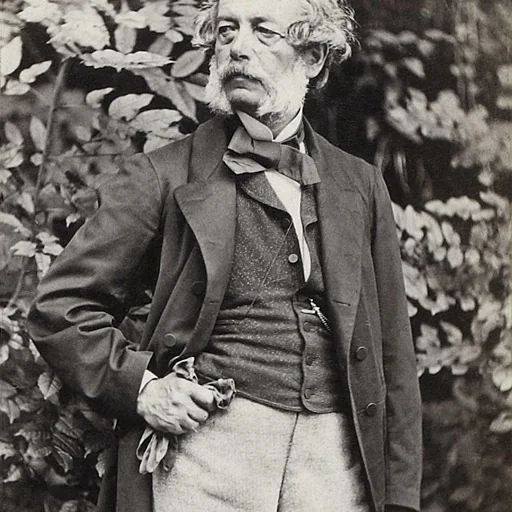
Franz Xaver Winterhalter (20 April 1805 – 8 July 1873) was a German painter and lithographer, known for his flattering portraits of royalty and upper-class society in the mid-19th century.

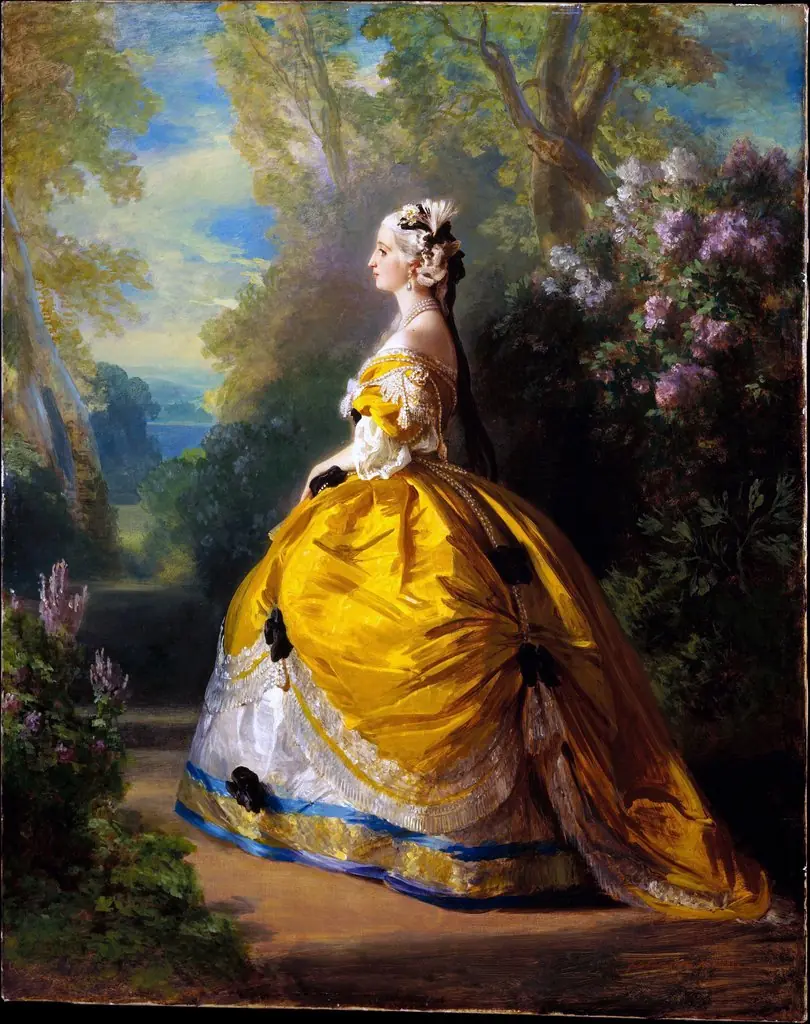 Portrait of Empress Eugénie de Montijo
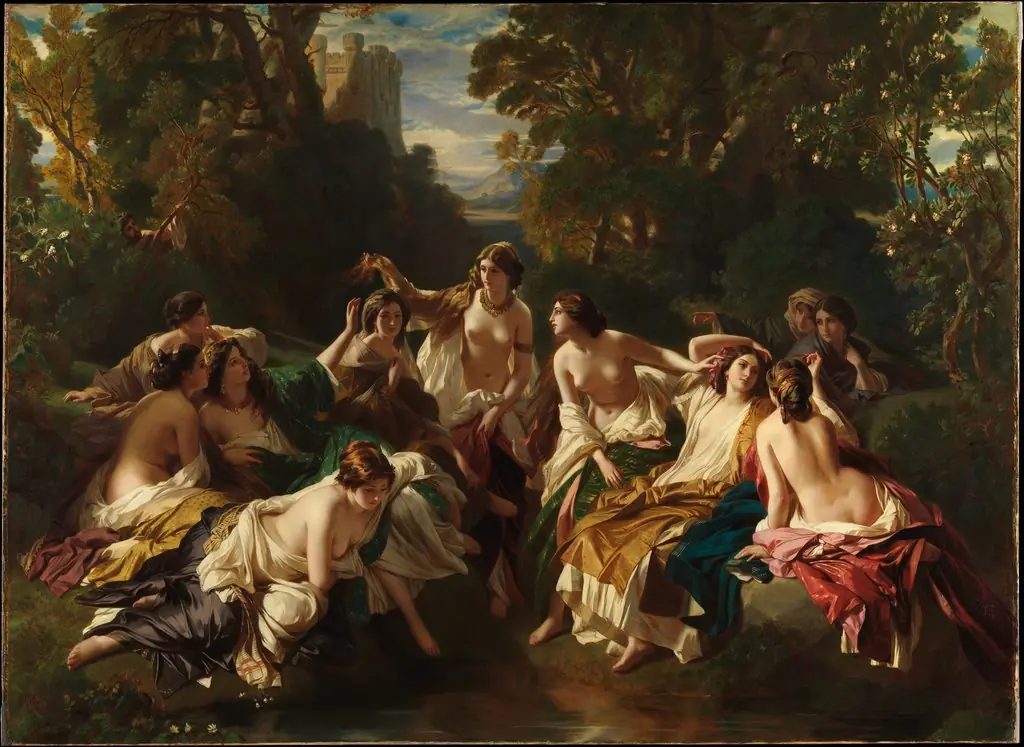 Florinda
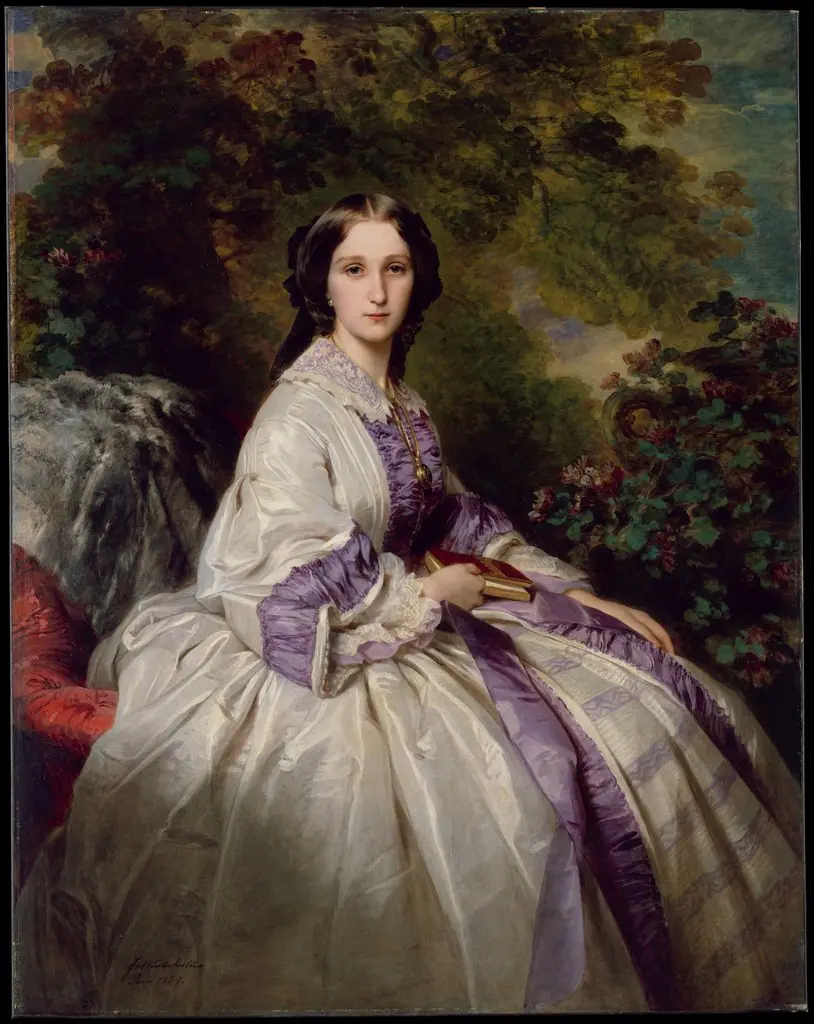 Portrait of Countess Alexander Nikolaevitch Lamsdorff
 Portrait of Sophia Frederika Mathilda (1818-77), Princess of Württemberg
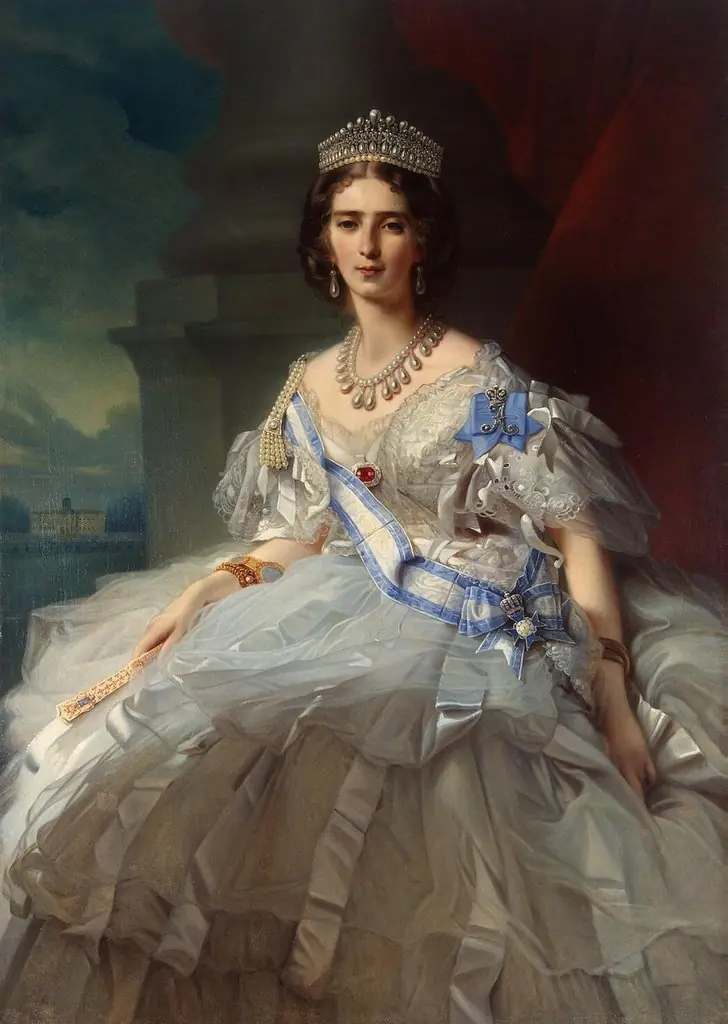 Portrait of Princess Tatyana Yusupova
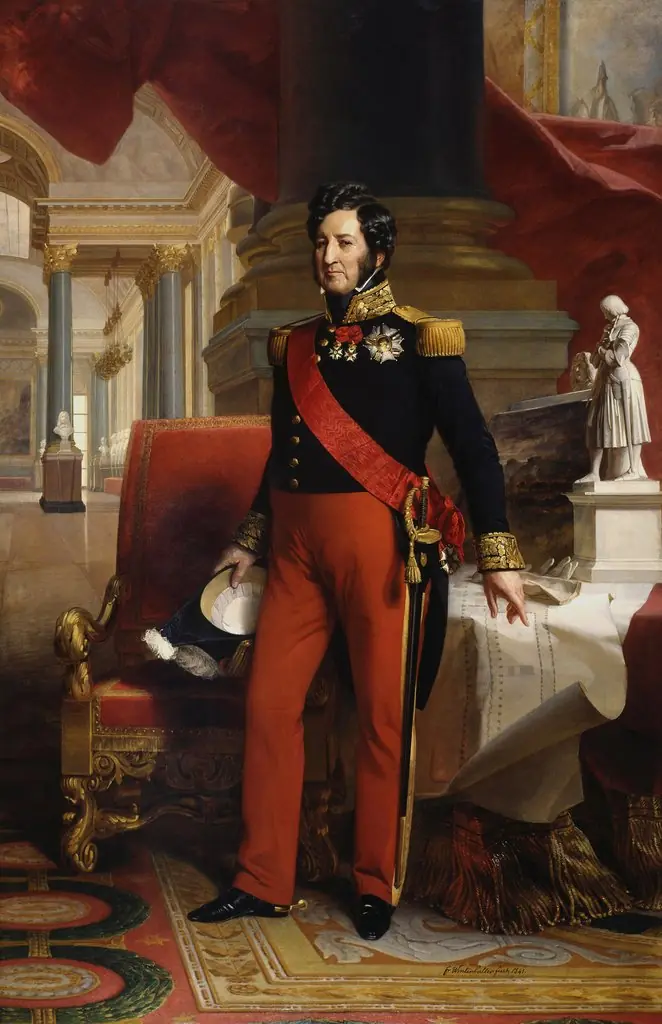 Louis-Philippe I, King of the French (1773–1850)
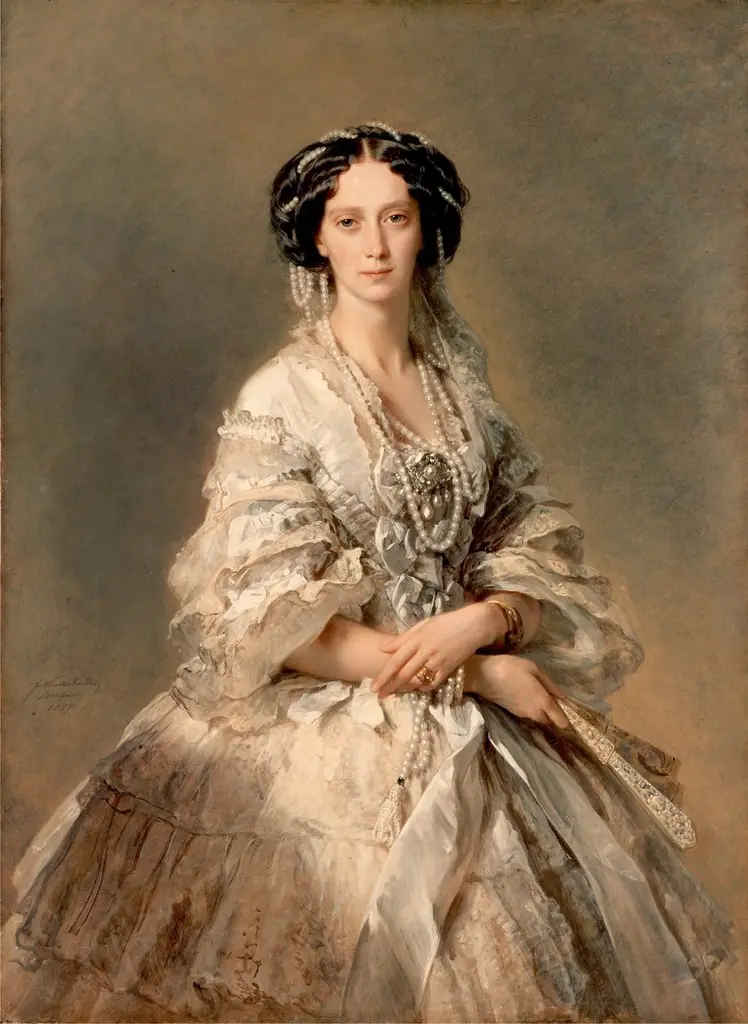 Portrait of Empress Maria Alexandrovna
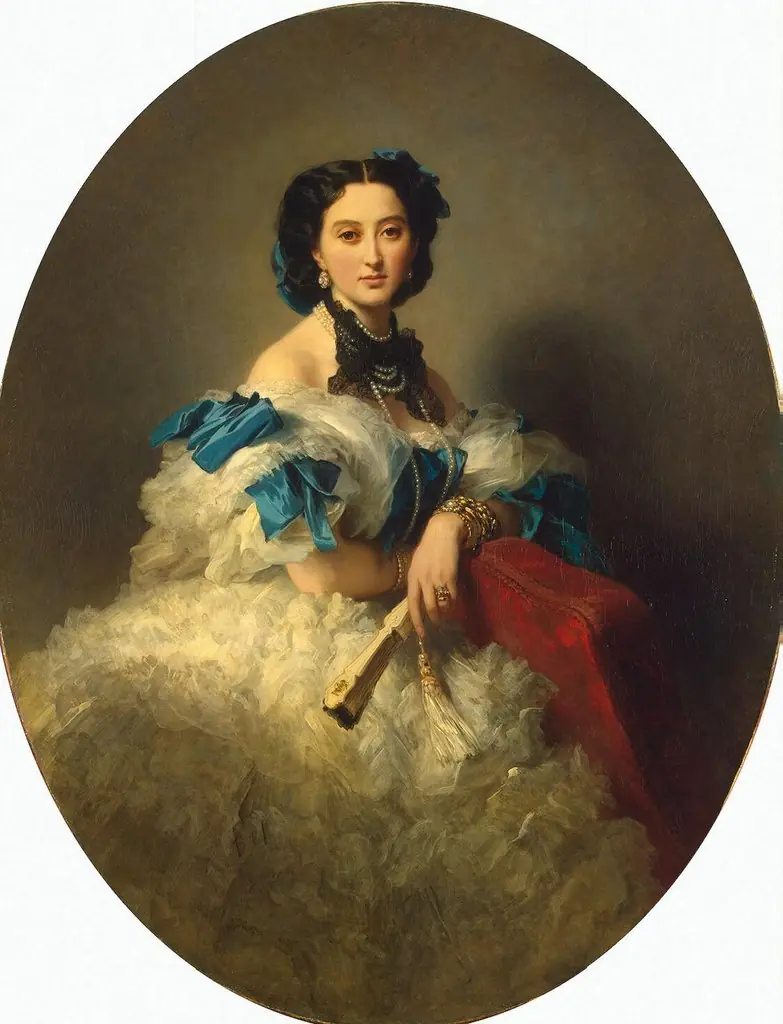 Portrait of Countess Varvara Musina-Pushkina
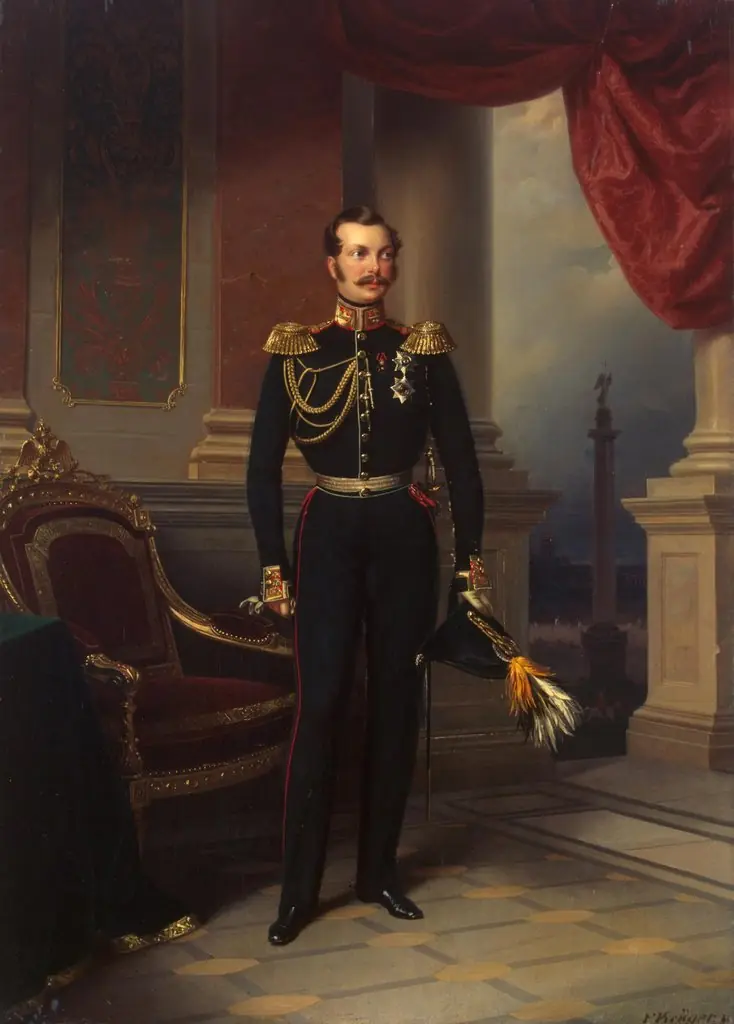 Portrait of Grand Prince Alexander Nikolayevich
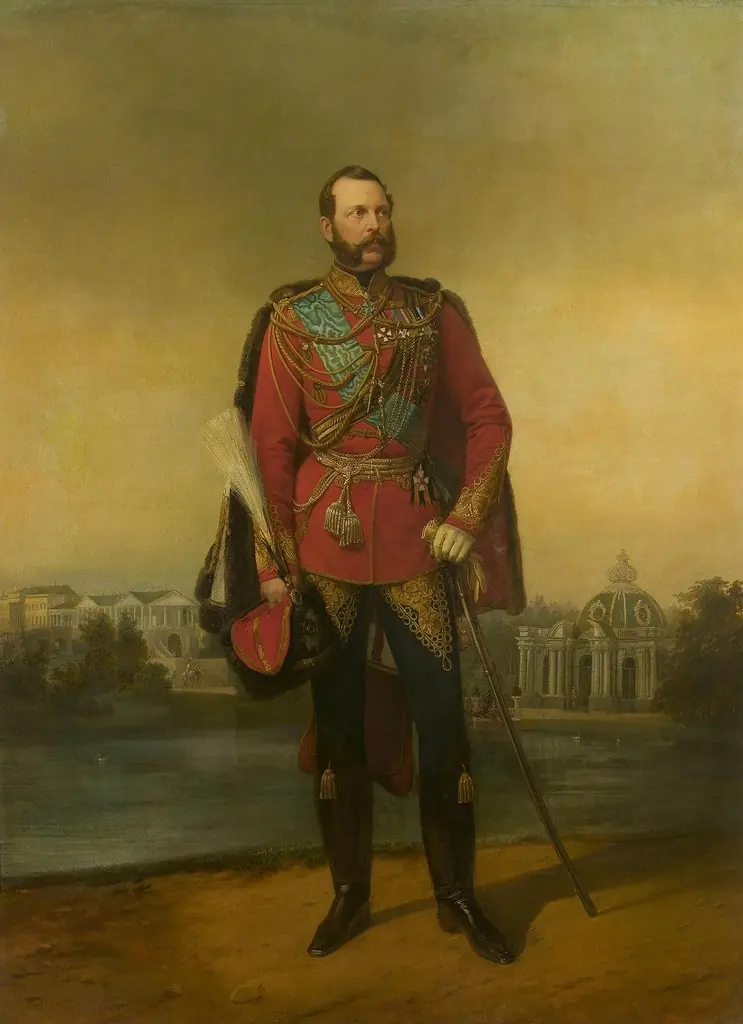 Portrait of Emperor Alexander II
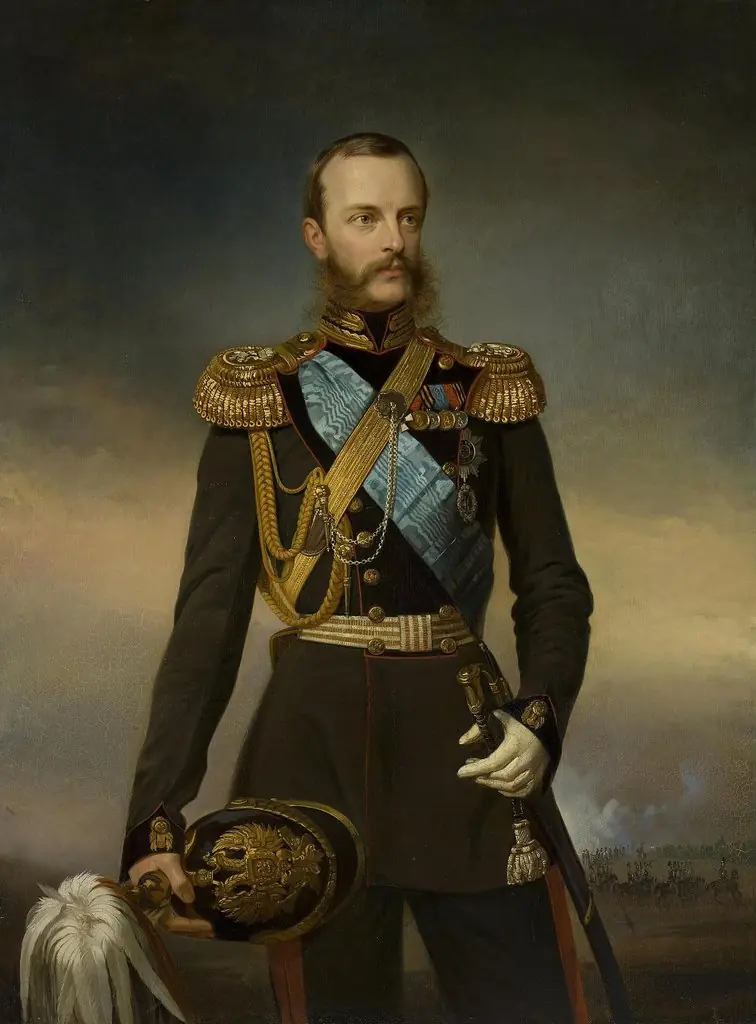 Portrait of Grand Duke Mikhail Nikolaevich
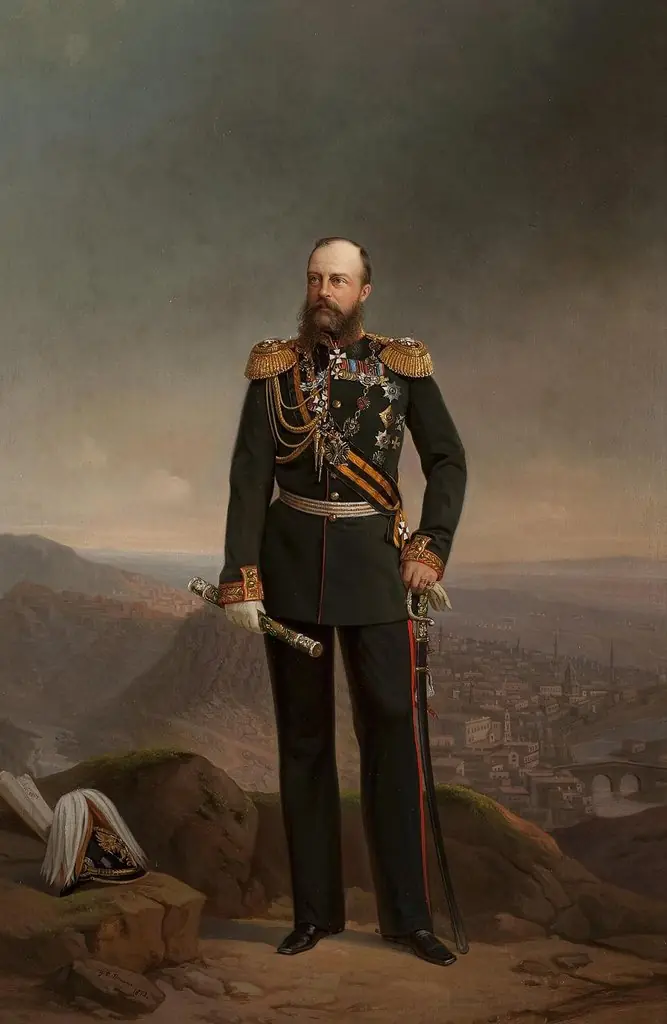 Portrait of Grand Duke Mikhail Nikolayevich
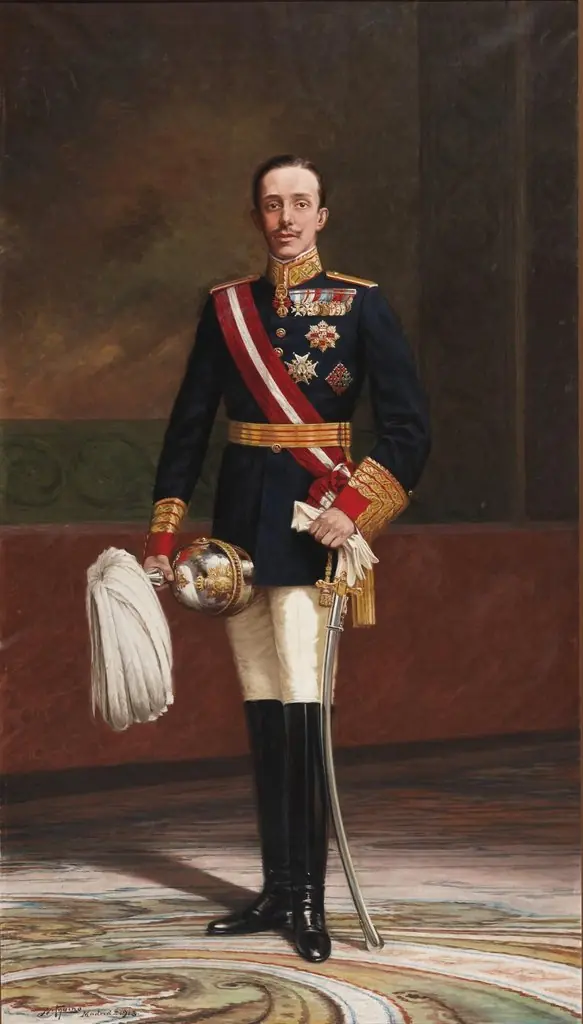 Alfonso XIII con uniforme de capitán general
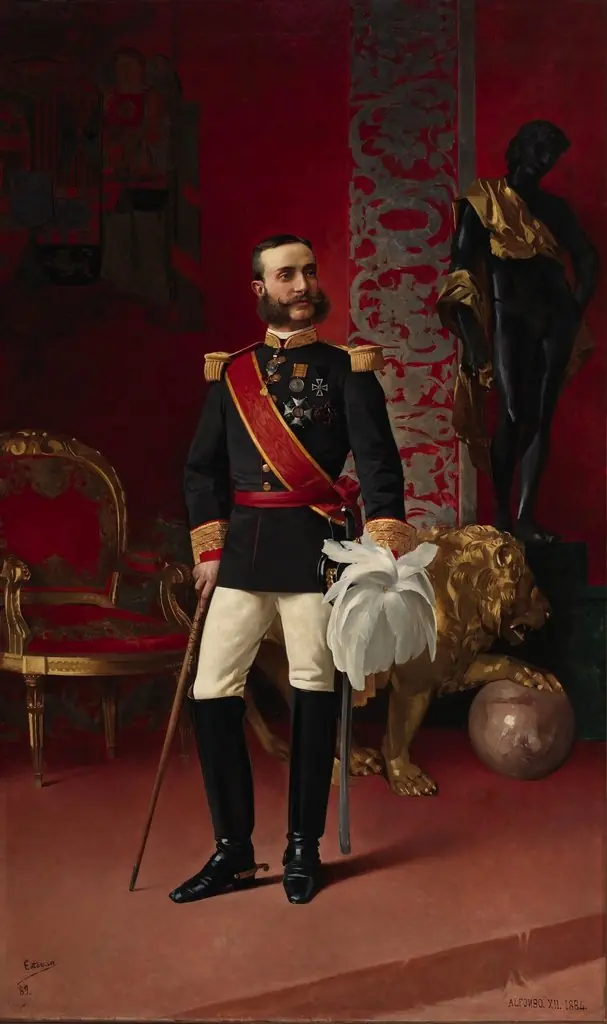 Alfonso XII
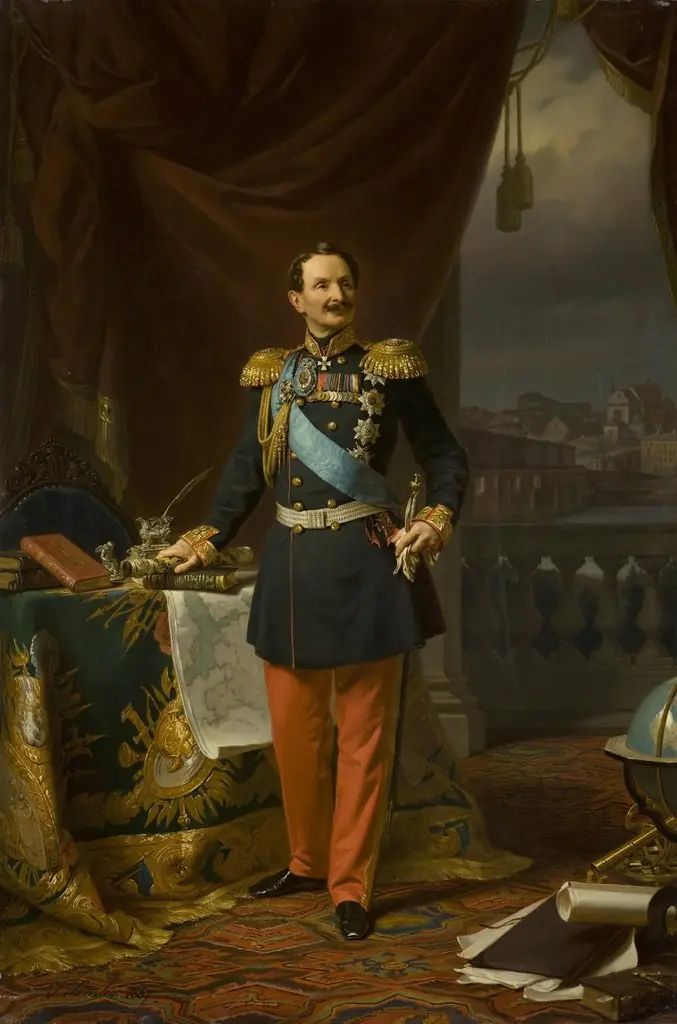 Portrait of Field-Marshal Count Fiodor (Friedrich Wilhelm) Berg
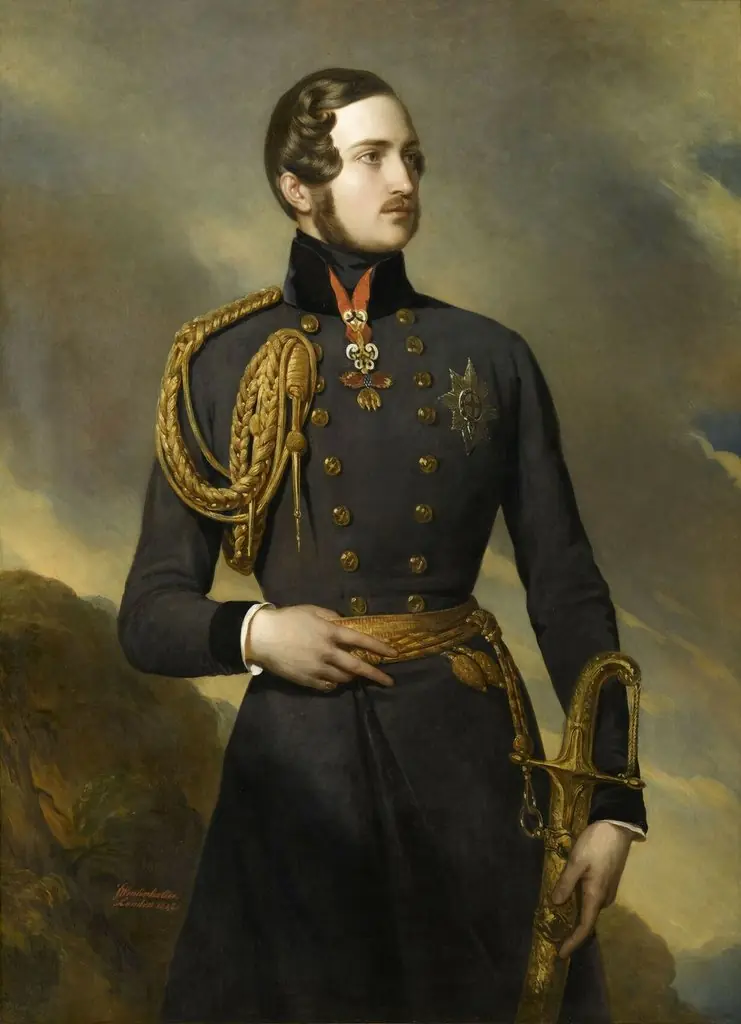 Albert of Saxe-Coburg-Gotha, Prince Consort (1819–1861)