Artwork
Alfonso XII
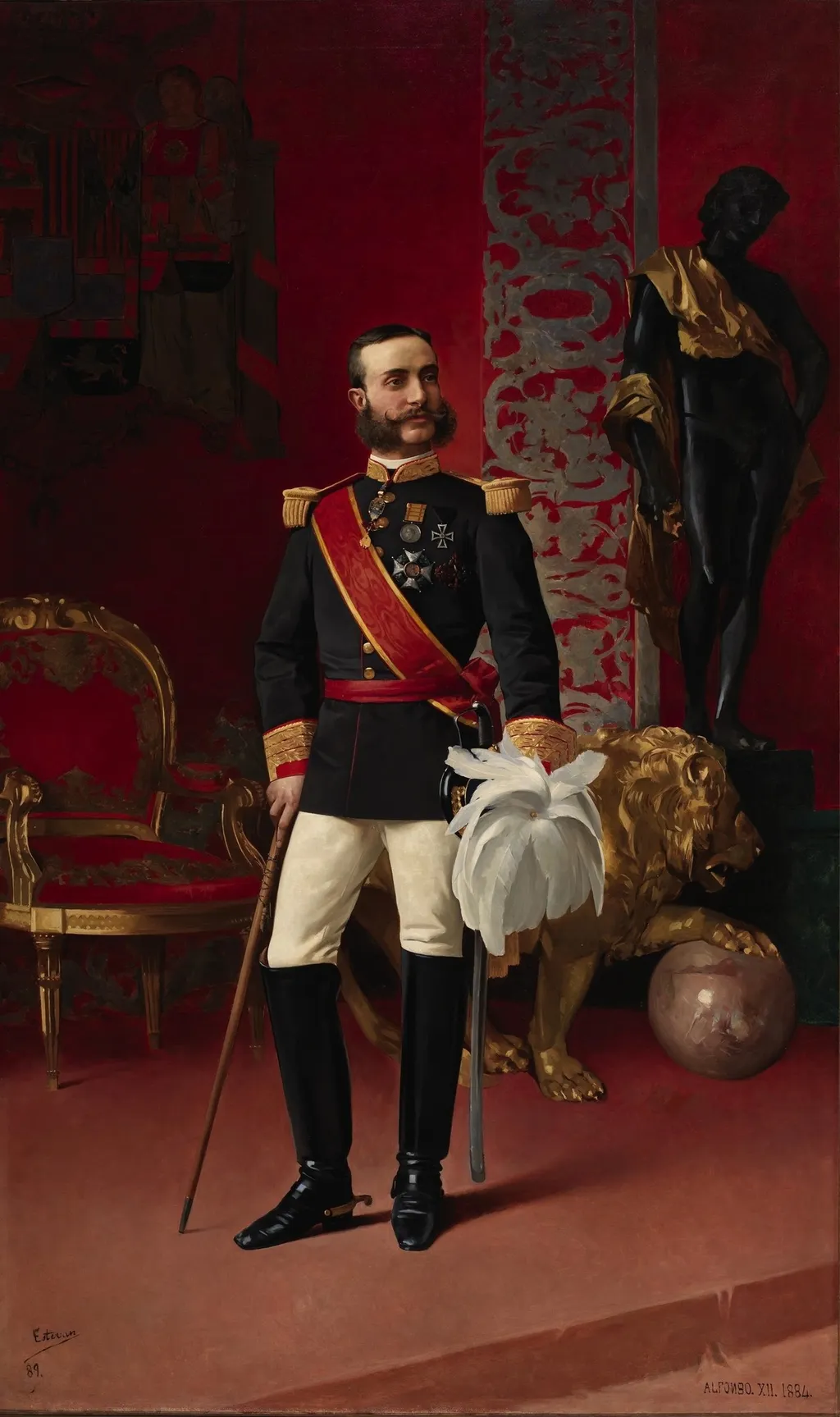
Alfonso XII is an oil painting by the Post-Impressionist artist Enrique Estevan y Vicente. It dates from 1895 and is held in the collection of the Museo del Prado.
About this work
Technique & Style
The work is a large-format painting, measuring 263 cm in height and 156 cm in width, a vertical orientation suited to a full-length royal portrait.
Alfonso XII is executed in oil paint on canvas, a standard medium for late nineteenth-century Spanish portraiture. The work is a large-format painting, measuring 263 cm in height and 156 cm in width, a vertical orientation suited to a full-length royal portrait. Its composition incorporates a range of carefully observed attributes of monarchy, including a saber, the Golden Fleece, a seat, a hat, and a sculpture, indicating a formal, ceremonial handling of the sitter.
As a museum-held canvas in the collection of the Museo del Prado, the painting is preserved as part of the institution's holdings, though no specific condition report is documented in the available sources. The stylistic character is consistent with the academic portrait tradition of the period, employing oil on canvas to render regal iconography with precise detail.
History & Provenance
The painting titled Alfonso XII was created by the artist Enrique Estevan y Vicente in 1895. Executed in oil on canvas, the work measures 263 cm in height and 156 cm in width. The piece entered the collection of the Museo del Prado, where it is recorded under inventory number P00968.
The artwork portrays the Spanish monarch alongside specific regalia, including a saber, the insignia of the Golden Fleece, a hat, and a seat, with a sculpture also depicted in the composition.
Overview
Enrique Estevan y Vicente’s 1895 oil on canvas, titled Alfonso XII, presents a formally dressed figure within an opulent interior. The work is part of the Museo del Prado’s collection, where it remains on display as an example of late‑nineteenth‑century Spanish portraiture.
Subject & Meaning
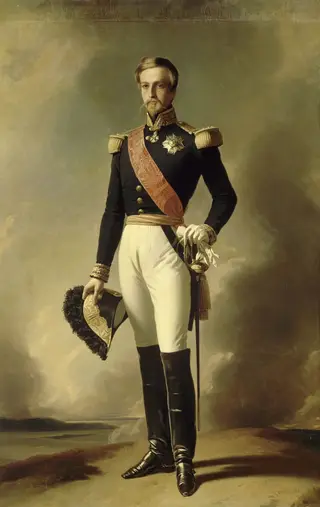
The central figure is a man in a black military coat edged in red, white breeches, and an array of medals, holding a saber in one hand while resting a white hat against his side. A gilded lion sculpture and a deep red curtain frame him, underscoring themes of authority and ceremonial grandeur without overt emotional expression.
Context
The portrait aligns with a broader trend in post‑Restoration Spain of depicting military and royal figures in elaborate settings, reinforcing the visual language of power. The inclusion of the lion, a traditional symbol of courage, alongside the formal attire situates the work within contemporary notions of patriotism and state authority.
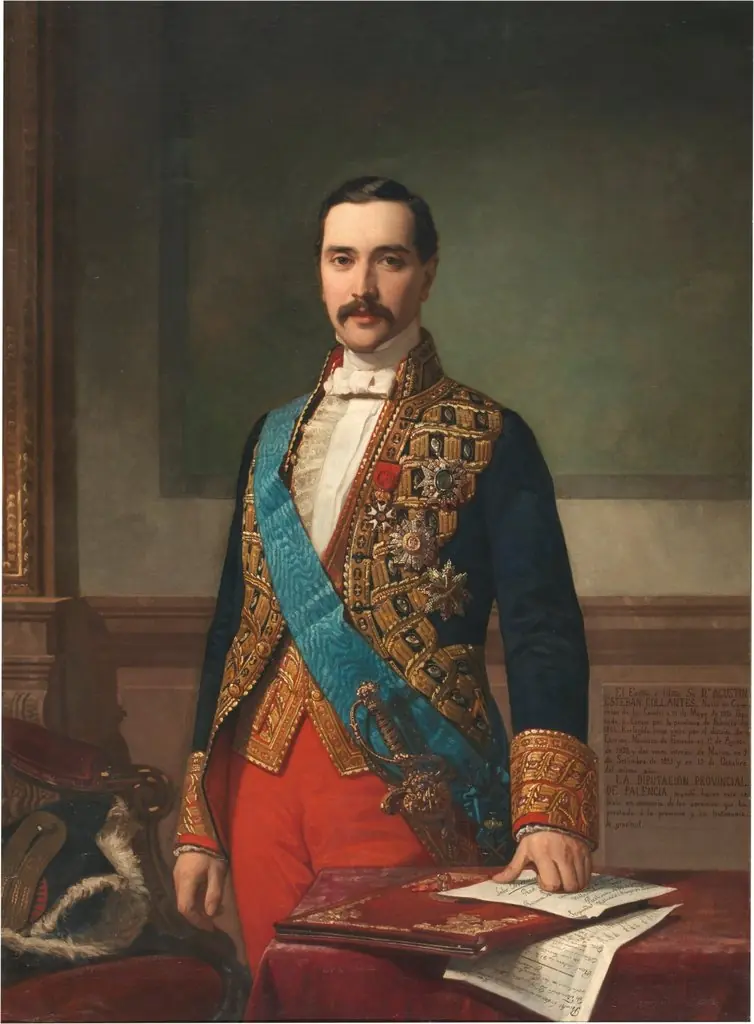
Artist & collection
Artist
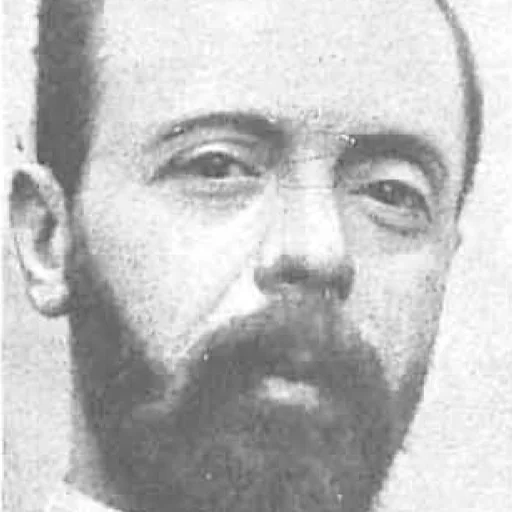
Enrique Estevan y Vicente (1849–1927) was an artist, born in Salamanca.

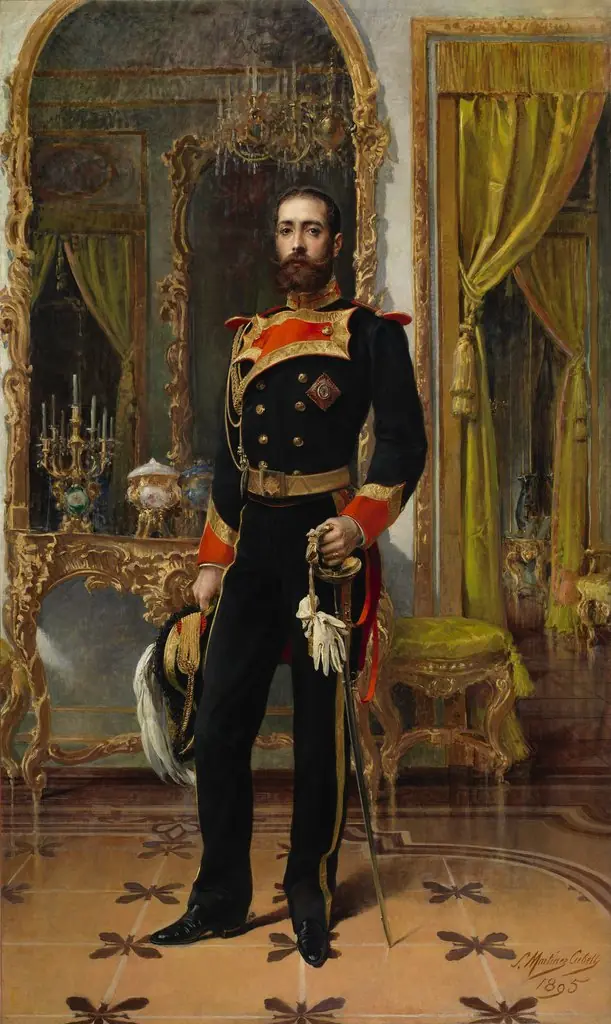 José Martínez de Roda luego marqués de Vistabella
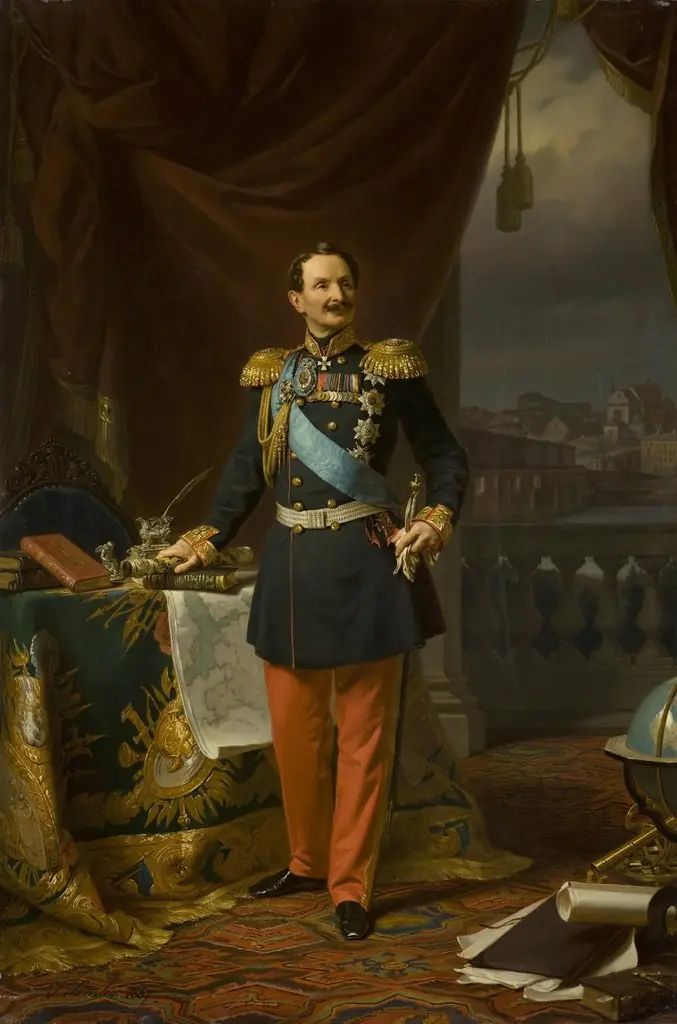 Portrait of Field-Marshal Count Fiodor (Friedrich Wilhelm) Berg
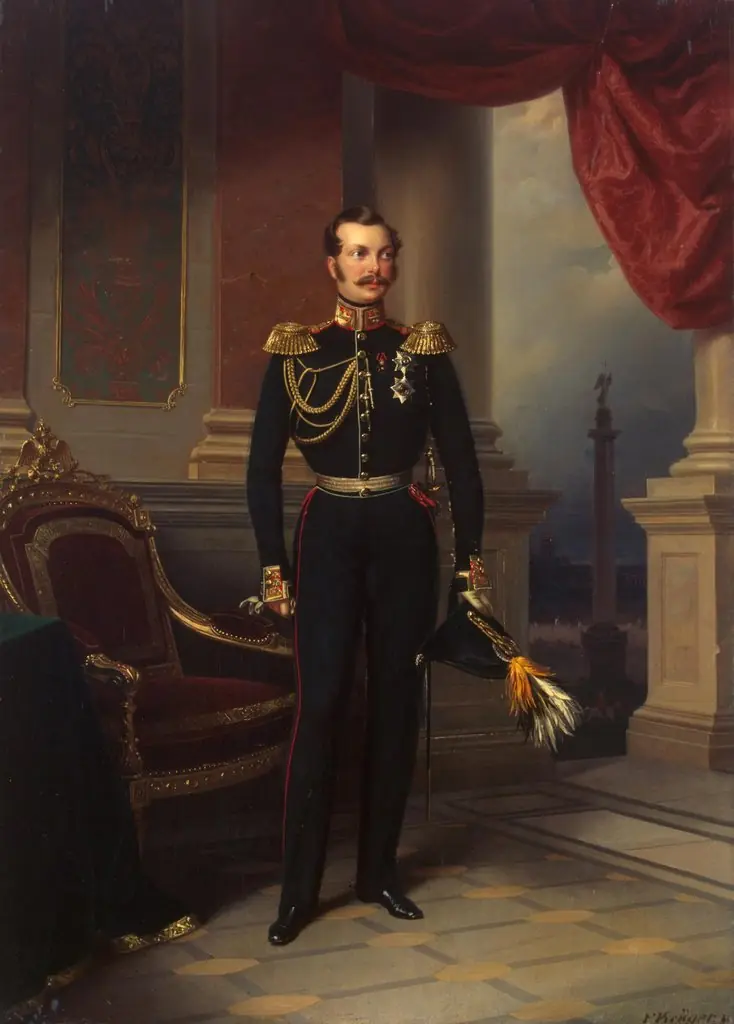 Portrait of Grand Prince Alexander Nikolayevich
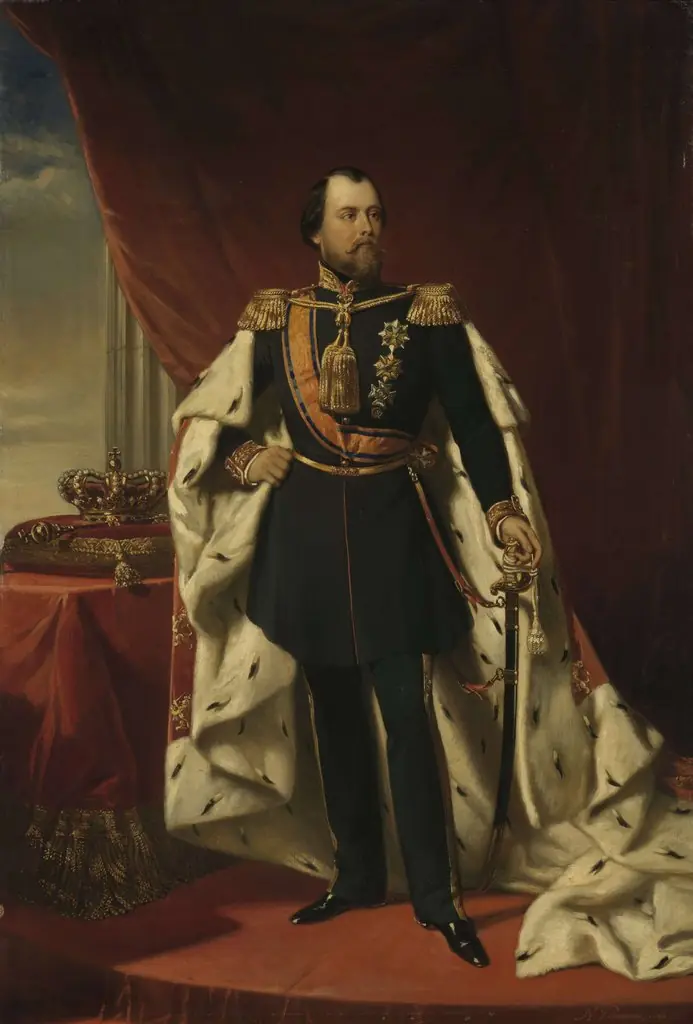 Portrait of William III, King of the Netherlands
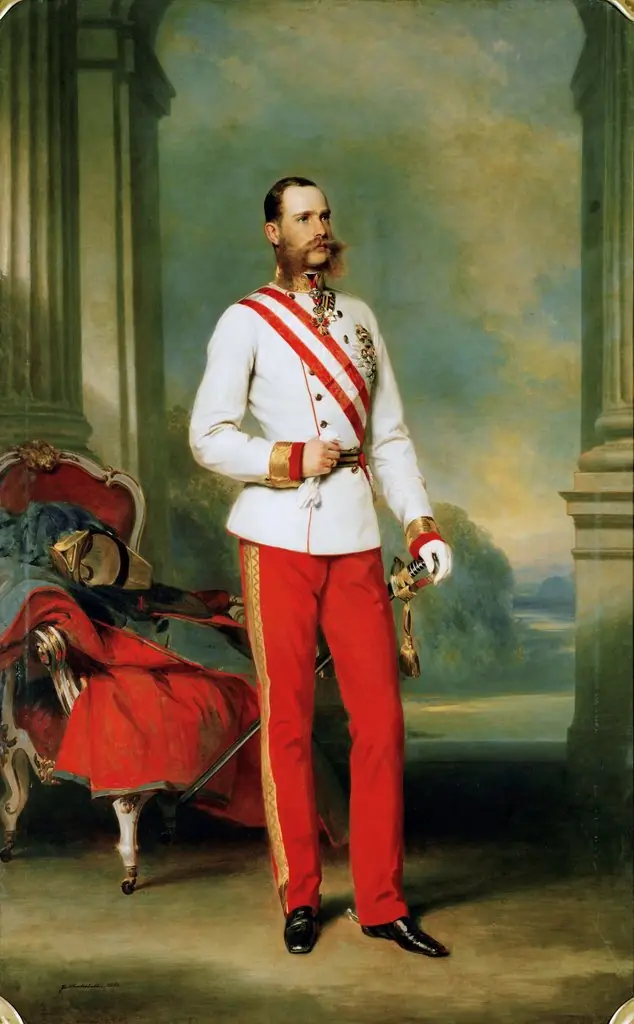 Franz Joseph I, Emperor of Austria wearing a Field Marshal uniform with the Great Star of the Military Order of Maria Theresa
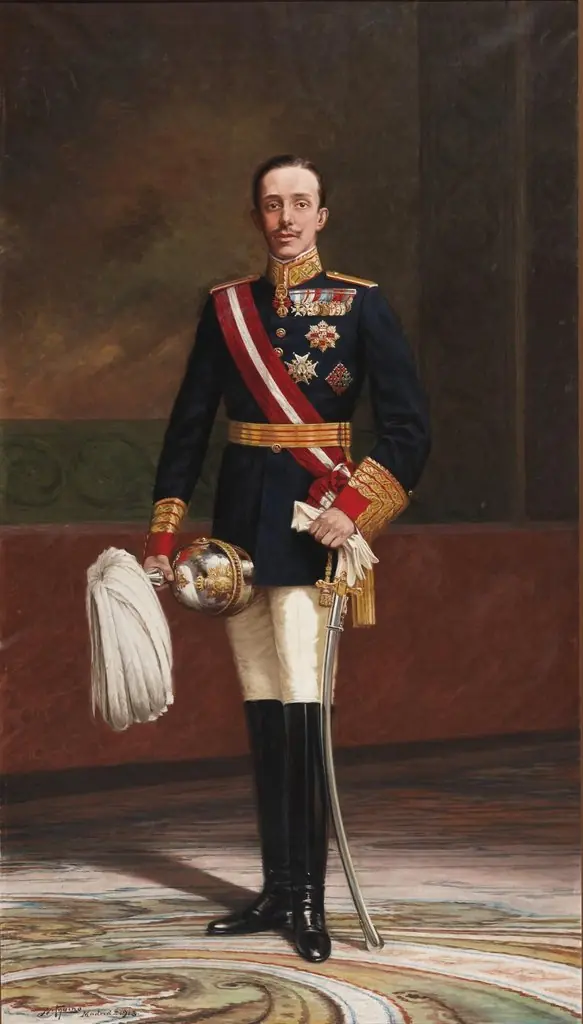 Alfonso XIII con uniforme de capitán general
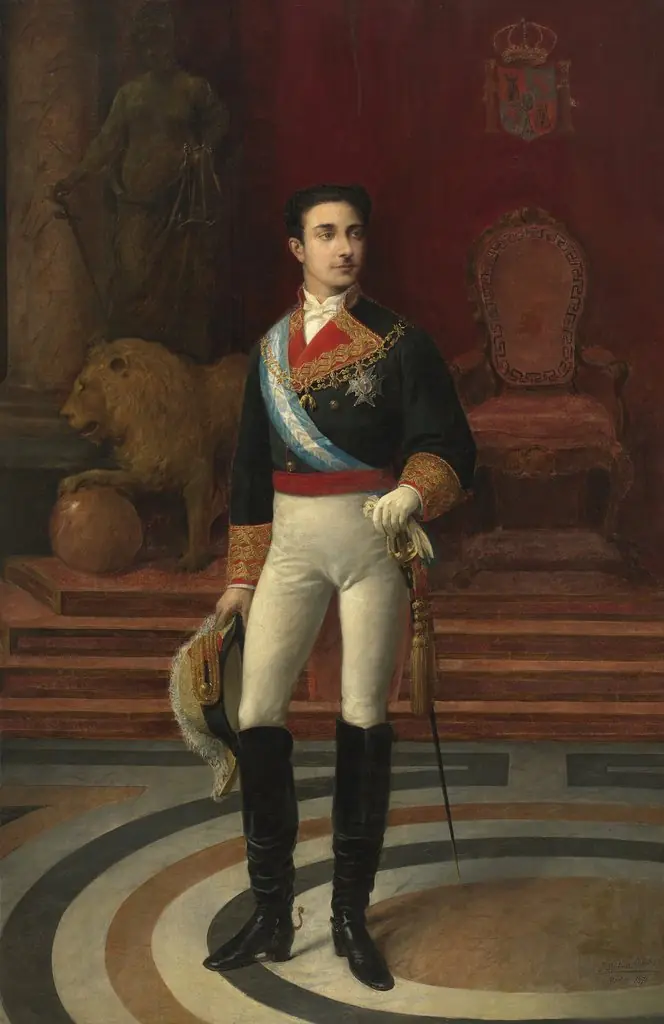 Alfonso XII
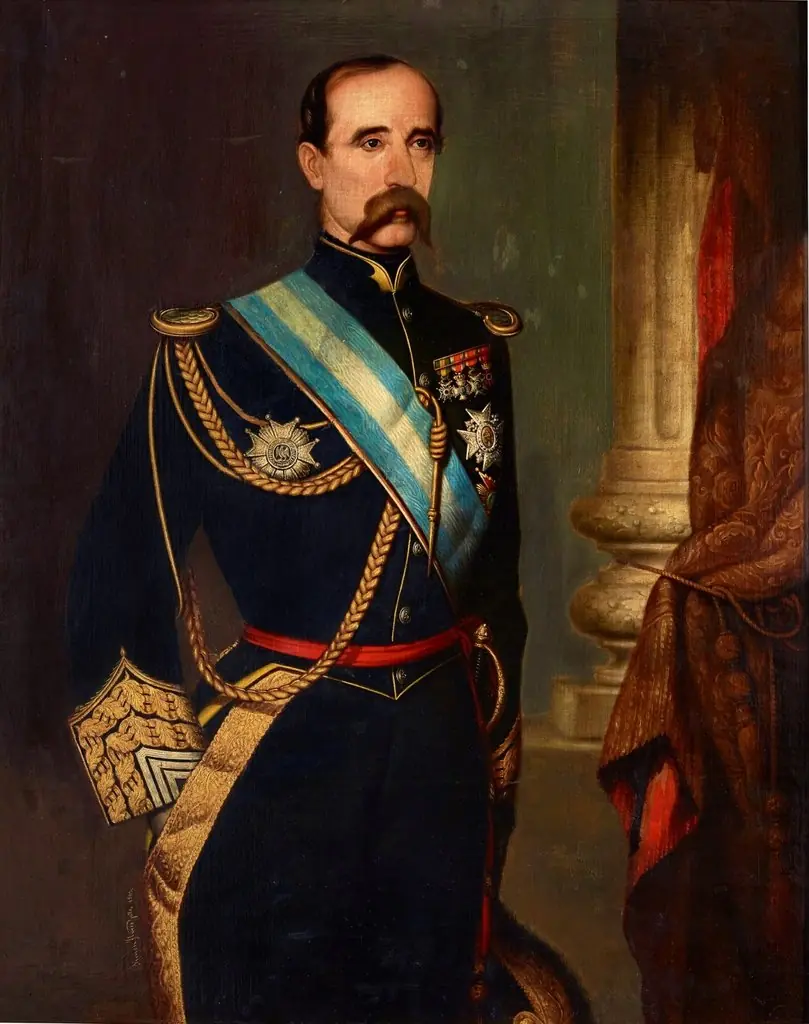 José Lemery e Ibarrola Ney y González
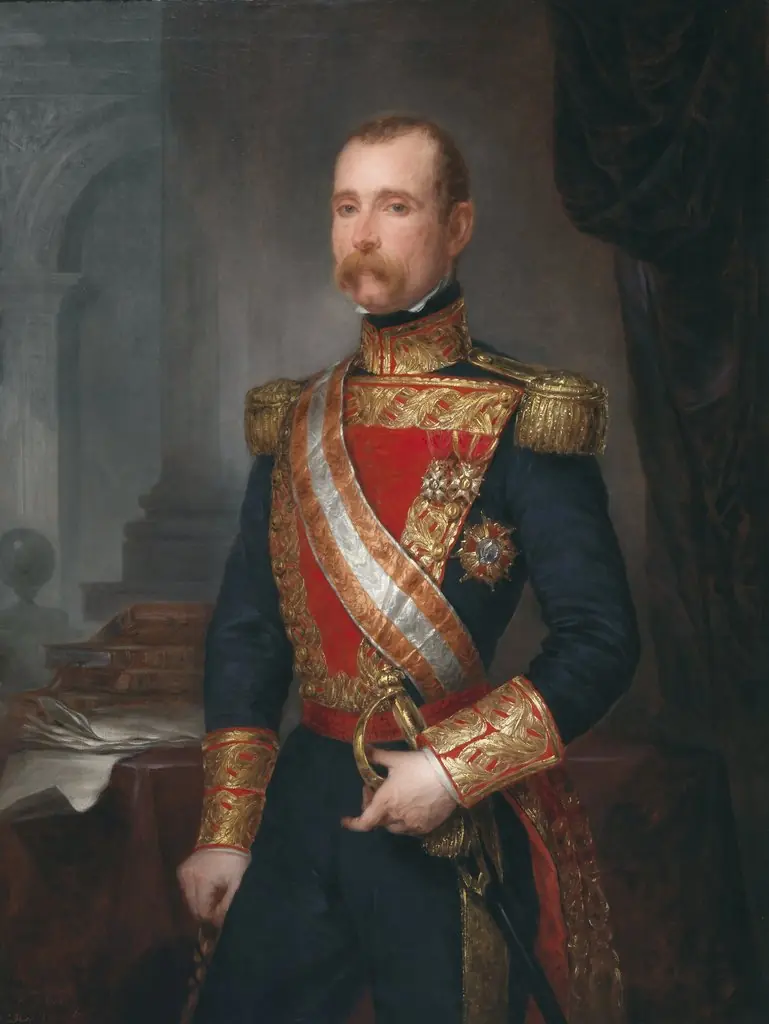 Antonio Ros Olano ministro de Comercio Instrucción y Obras Públicas
 Portrait of Prince Henri, Duke of Aumale (1822-1897)