Artwork
Portrait of Countess Varvara Musina-Pushkina
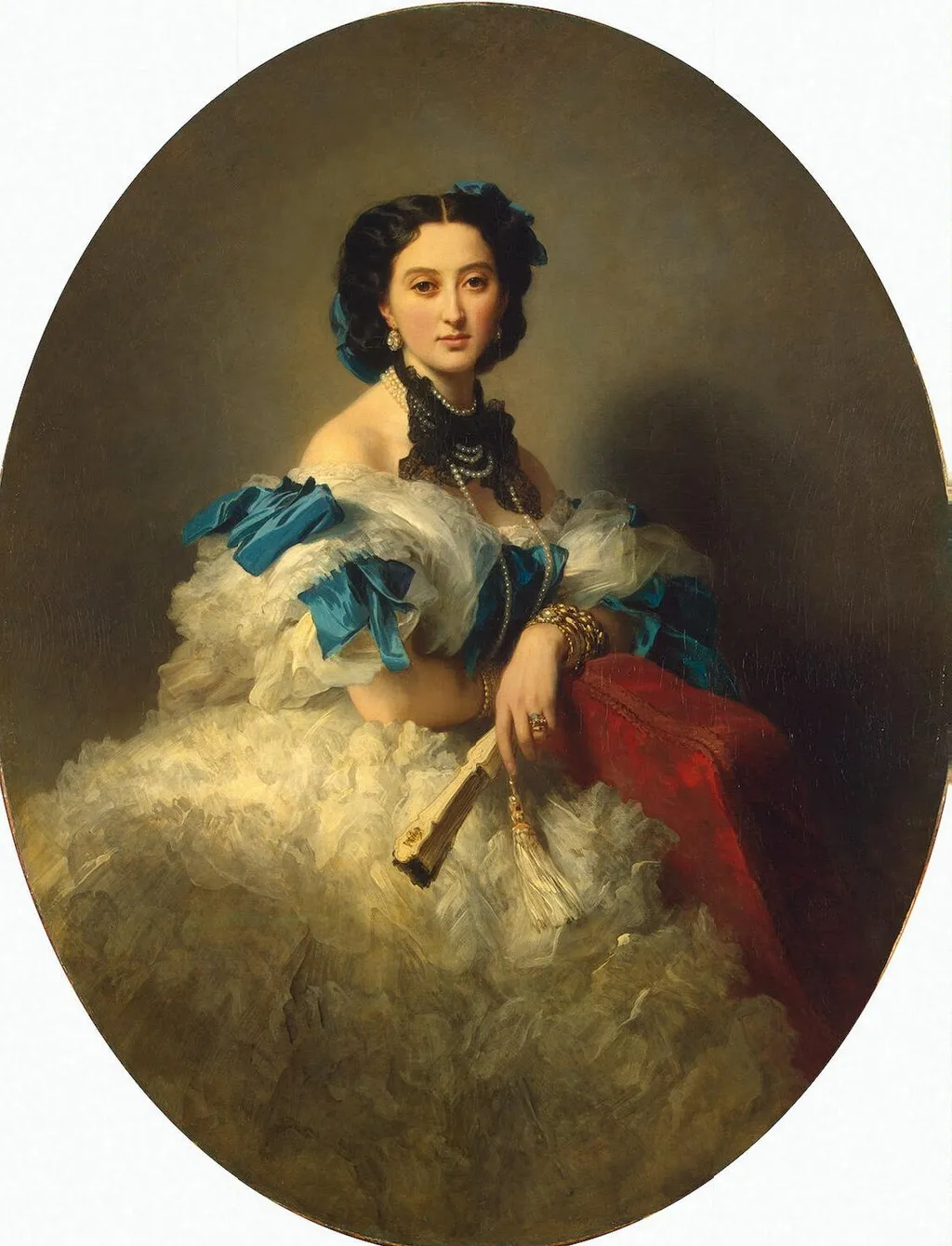
Portrait of Countess Varvara Musina-Pushkina is an oil painting by the Realist artist Franz Xaver Winterhalter. It dates from 1850 and is held in the collection of the Hermitage Museum.
About this work
Subject & Meaning
The work depicts Varvara Sheremeteva, also known as Countess Varvara Musina-Pushkina, as its primary subject.
The work depicts Varvara Sheremeteva, also known as Countess Varvara Musina-Pushkina, as its primary subject. Painted by Franz Xaver Winterhalter in 1850, the portrait captures the sitter in the medium of oil on canvas. A specific iconographic element included in the composition is a hand fan held by the countess.
The painting serves as a formal representation of the aristocratic subject, emphasizing her status through the artist's characteristic style of mid-19th-century portraiture.
Technique & Style
The portrait is an oil painting on canvas, executed in 1850 by Franz Xaver Winterhalter. The artist used oil paint as the medium, applied to a woven canvas support, which was the standard technique for academic portraiture of the period. This combination of medium and support allowed for the smooth blending and detailed rendering characteristic of Winterhalter’s work.
History & Provenance
The portrait was commissioned by Count Sergei Musin-Pushkin for his wife Varvara Sheremeteva and painted by Franz Xaver Winterhalter in 1850 in France. It entered the collection of the Hermitage Museum in St. Petersburg shortly after its completion. The work measures 147 by 112 centimeters and depicts the sitter holding a hand fan.
Winterhalter created the painting using oil on canvas, a medium confirmed by technical analysis. The portrait remained in the private collection of the Musin-Pushkin family before its acquisition by the imperial museum.
The Portrait of Countess Varvara Musina-Pushkina is held in the collection of the Hermitage Museum. The work, created in 1850, is cataloged as an oil painting on canvas within the museum's holdings. It is part of the permanent collection displayed at the Hermitage Museum location. No specific inventory or accession number is provided in the available sources.
Legacy
The portrait of Varvara Musina-Pushkina has maintained enduring scholarly attention as a representative example of Winterhalter's aristocratic portraiture, particularly noted for its technical mastery and historical insight into Russian elite society. Its inclusion in the Hermitage Museum's collection has facilitated extensive academic study of 19th-century Russian art, cementing its reputation as an important work within the Winterhalter oeuvre and Russian portrait tradition.
Overview
Franz Xaver Winterhalter painted a portrait of Countess Varvara Musina‑Pushkina around 1850. Executed in oil on canvas, the work is part of the State Hermitage Museum’s collection. The composition centers on the countess, presented in an elaborate mid‑nineteenth‑century attire, with a modestly detailed background that keeps attention on the sitter.
![Portrait of Countess Marie Branicka de Bialacerkiew [née Princess Sapieha]](https://artifactworldgallery.com/img/franz-xaver-winterhalter--portrait-of-countess-marie-branicka-de-bialacerkiew-nee-prin--b90e3708579c979d-w320.webp)
Artist & collection
Artist
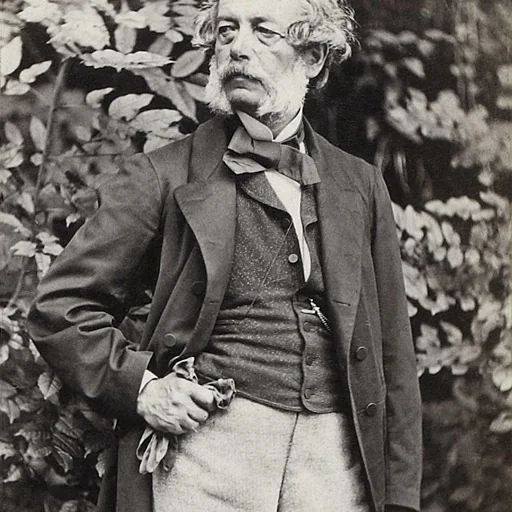
Franz Xaver Winterhalter (20 April 1805 – 8 July 1873) was a German painter and lithographer, known for his flattering portraits of royalty and upper-class society in the mid-19th century.

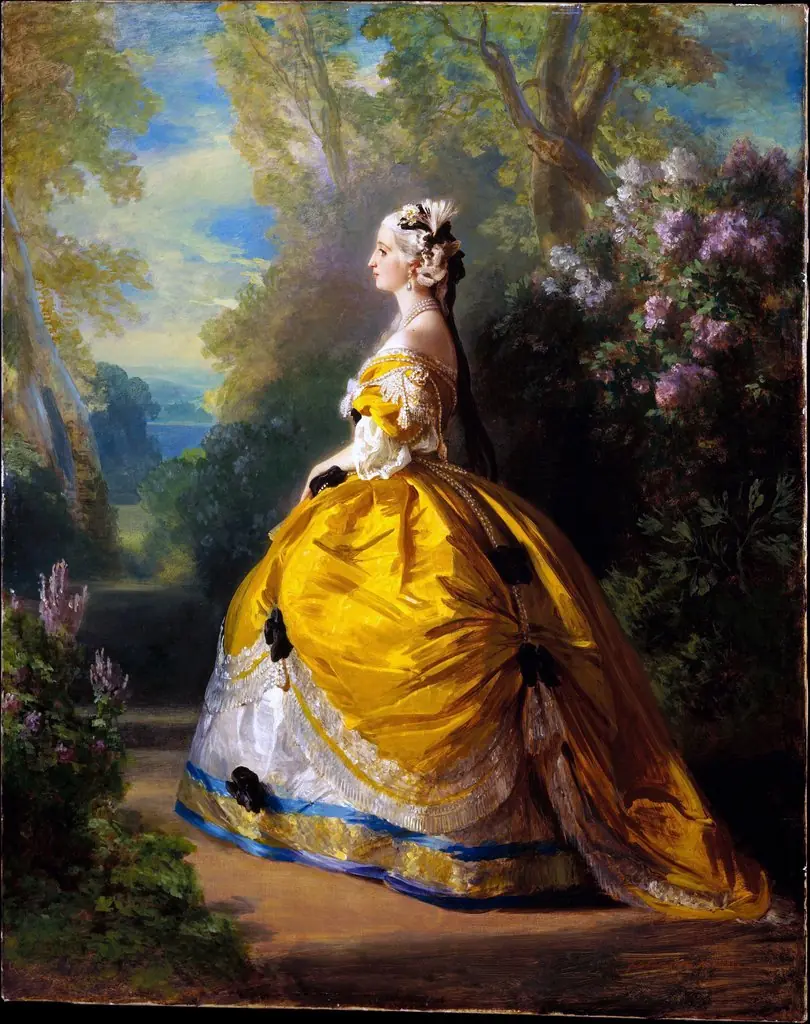 Portrait of Empress Eugénie de Montijo
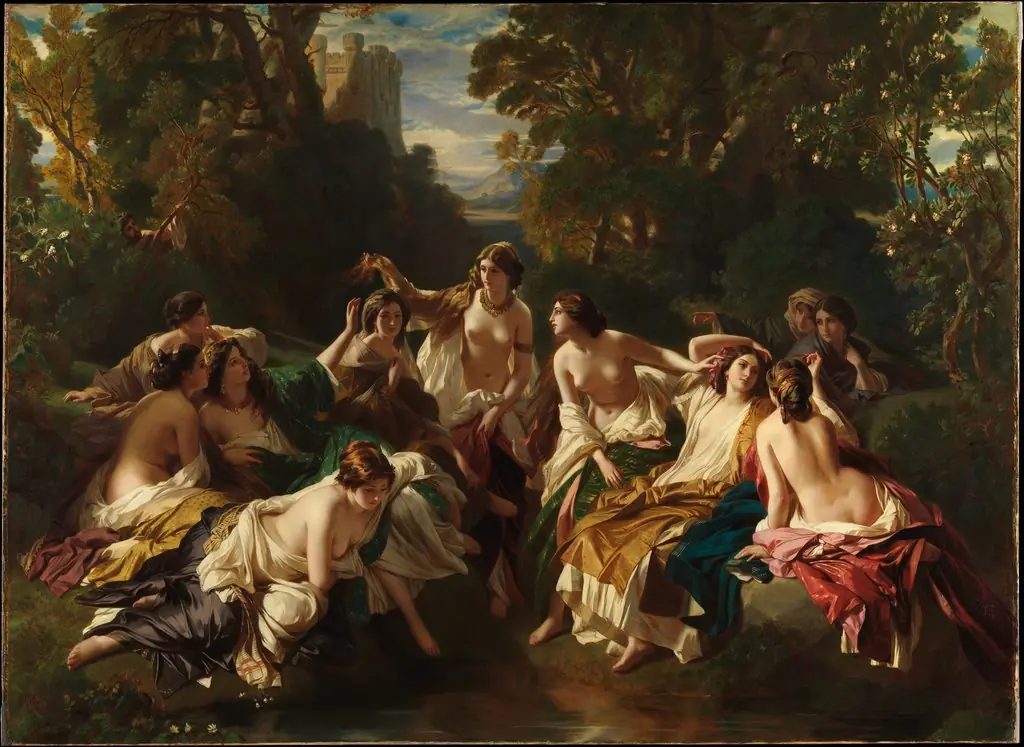 Florinda
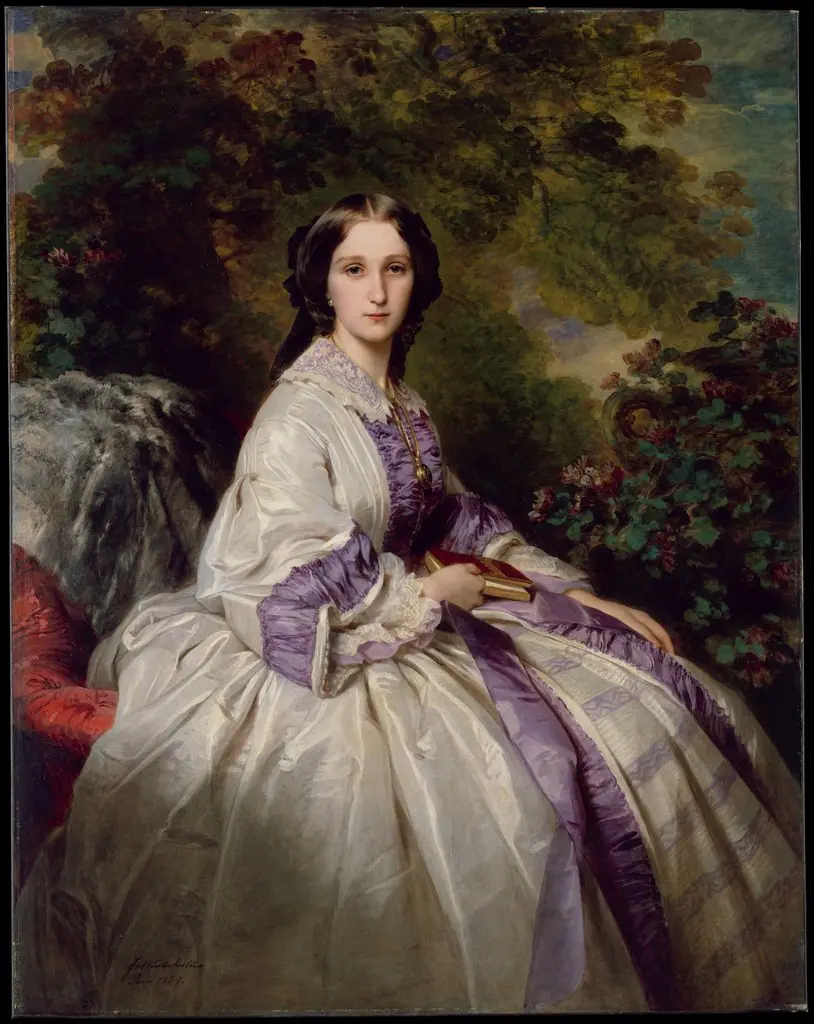 Portrait of Countess Alexander Nikolaevitch Lamsdorff
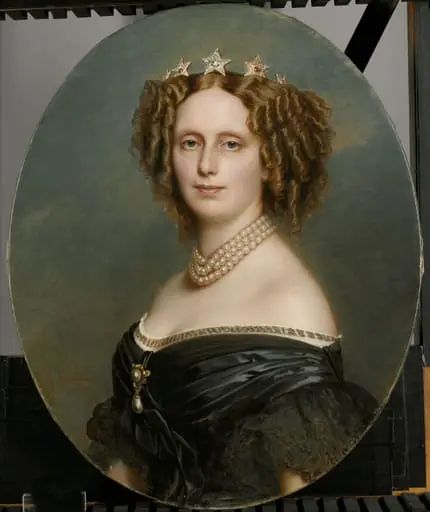 Portrait of Sophia Frederika Mathilda (1818-77), Princess of Württemberg
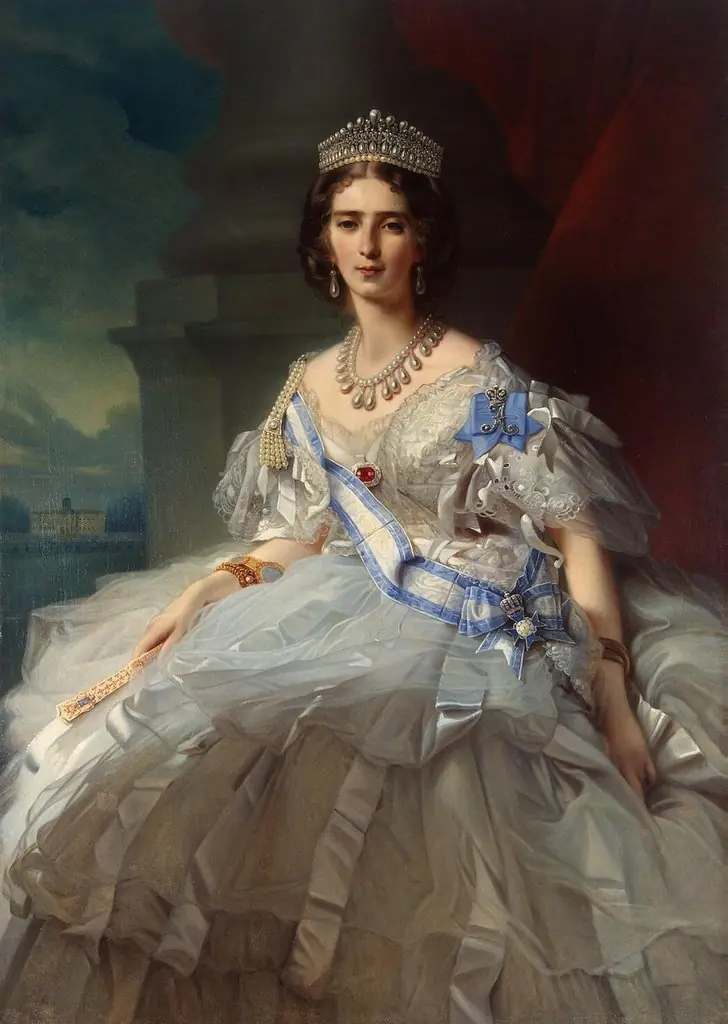 Portrait of Princess Tatyana Yusupova
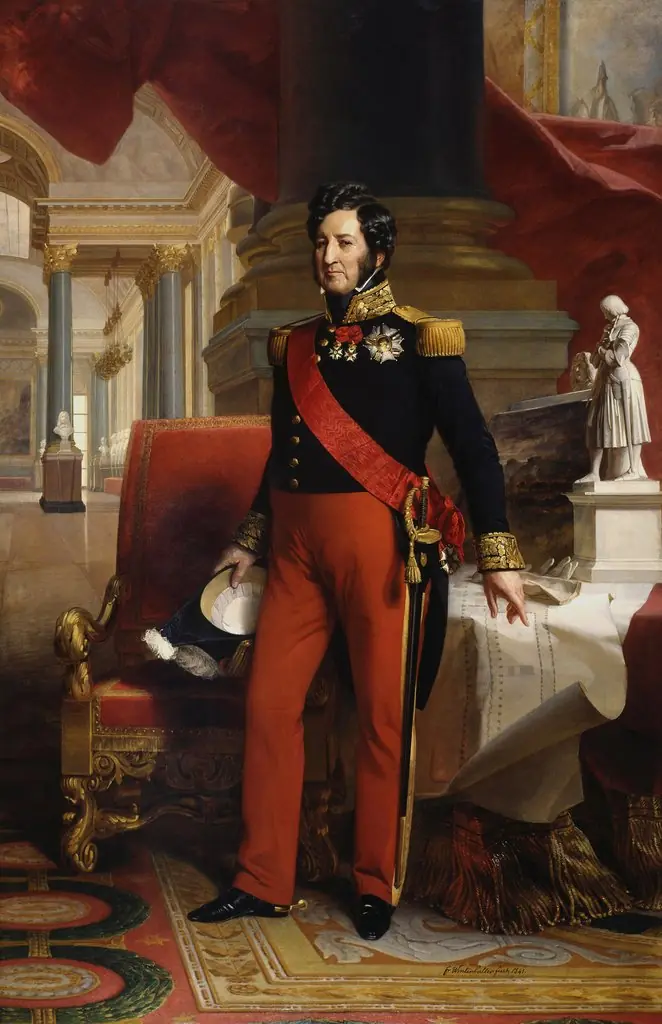 Louis-Philippe I, King of the French (1773–1850)
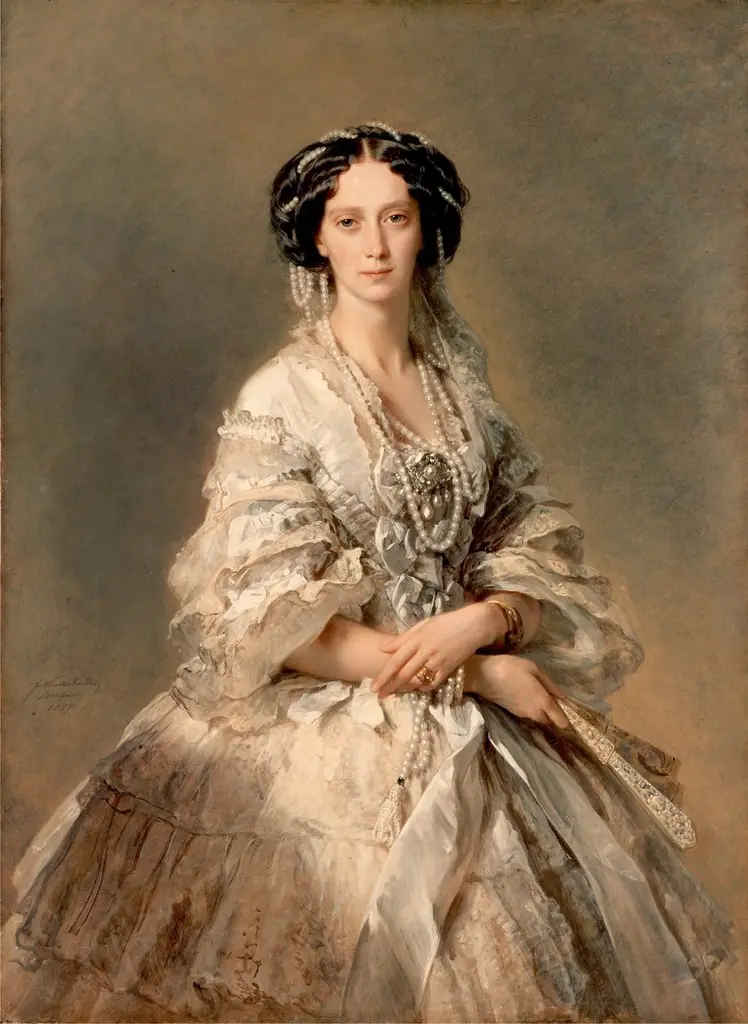 Portrait of Empress Maria Alexandrovna
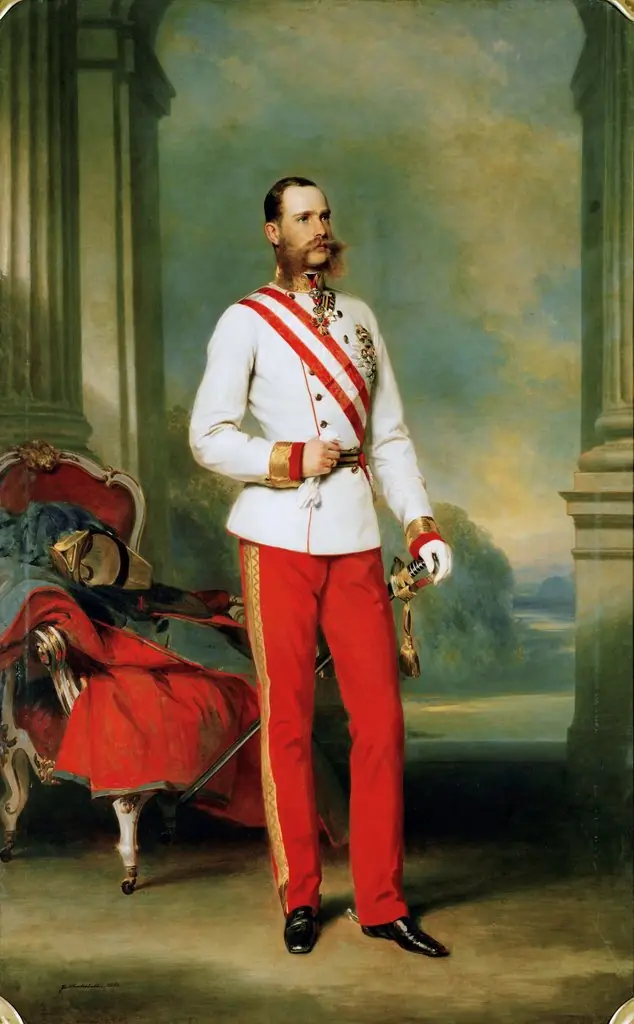 Franz Joseph I, Emperor of Austria wearing a Field Marshal uniform with the Great Star of the Military Order of Maria Theresa
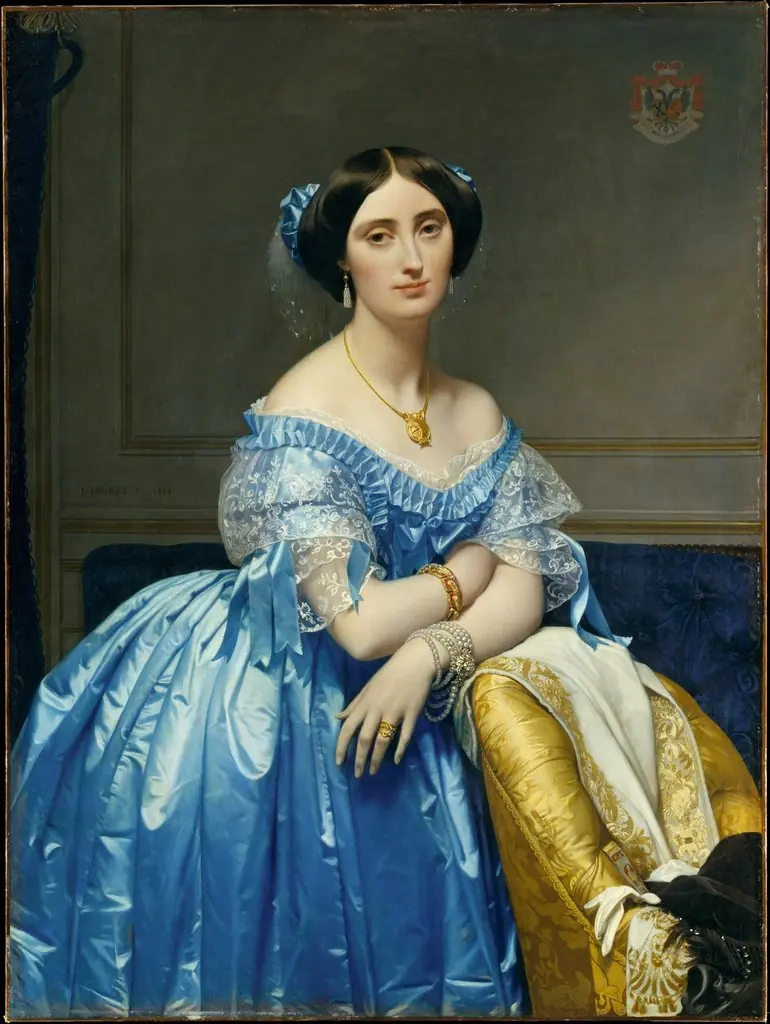 Joséphine-Éléonore-Marie-Pauline de Galard de Brassac de Béarn (1825–1860), Princesse de Broglie
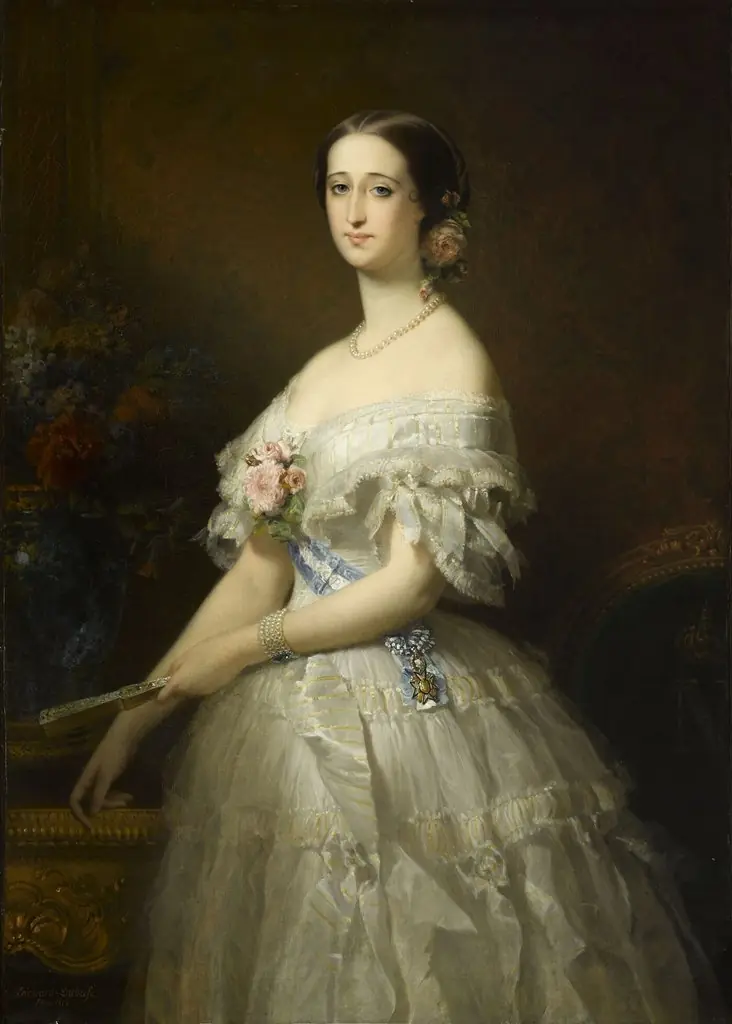 Portrait of the Empress Eugenie
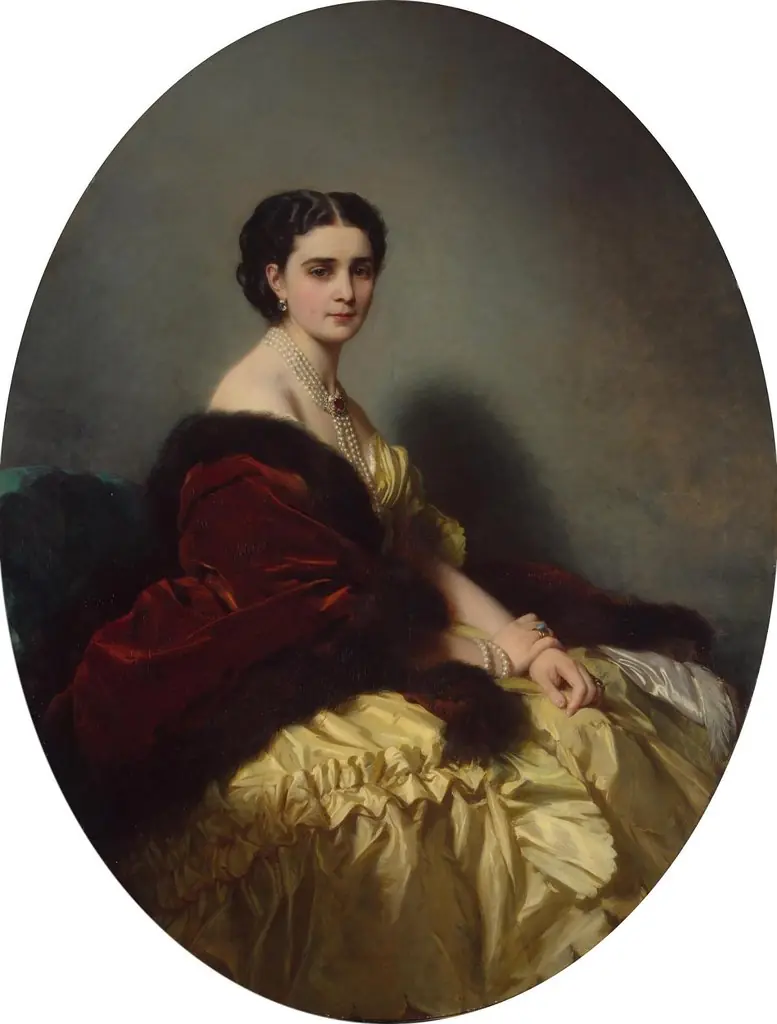 Portrait of Sophia Naryshkina
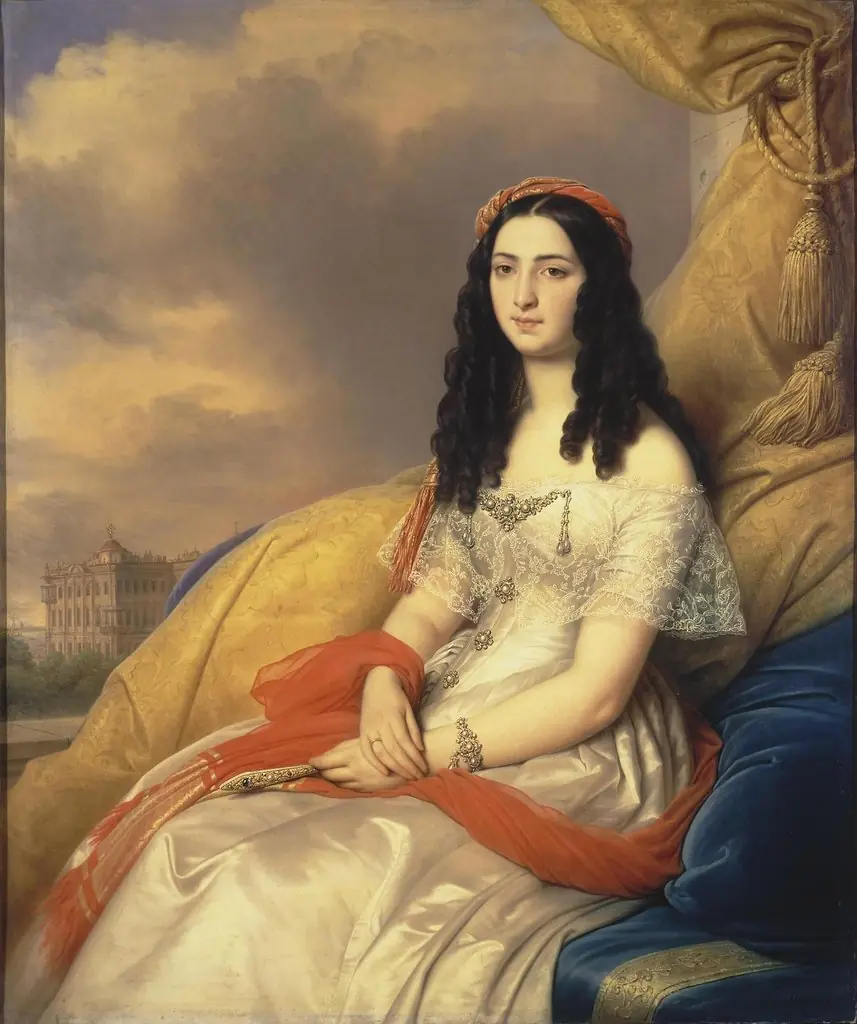 Portrait of Countess d'Ash
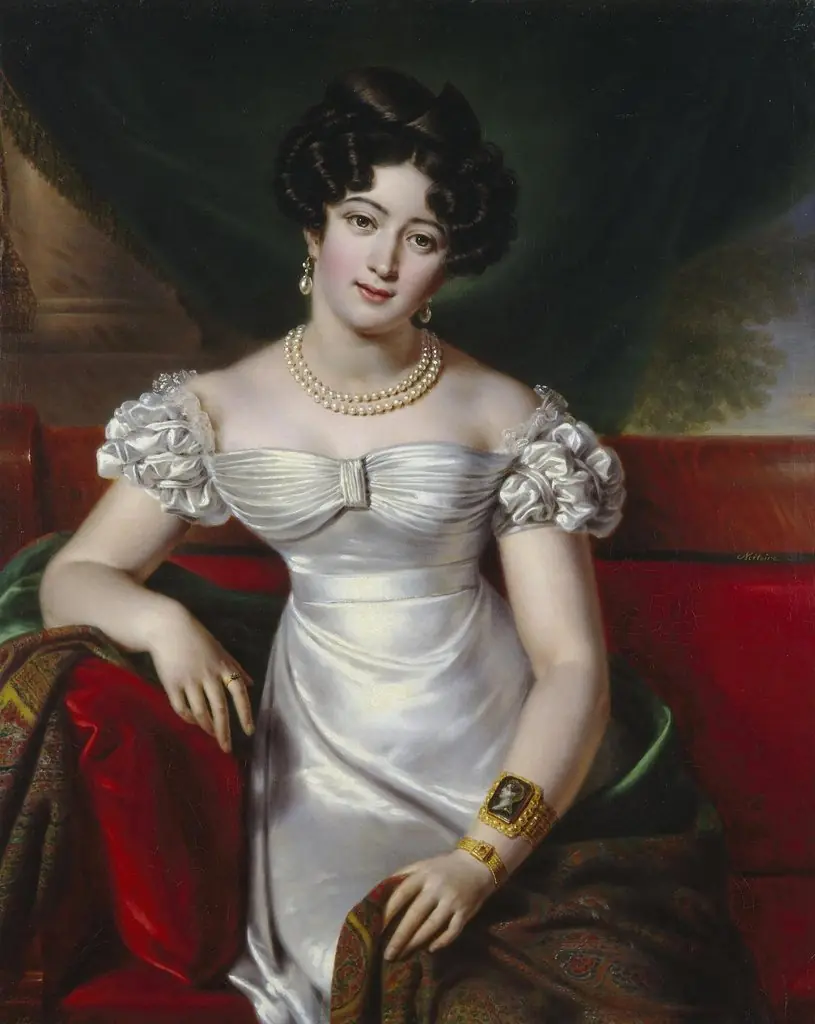 Portrait of Countess Yulia Samoilova
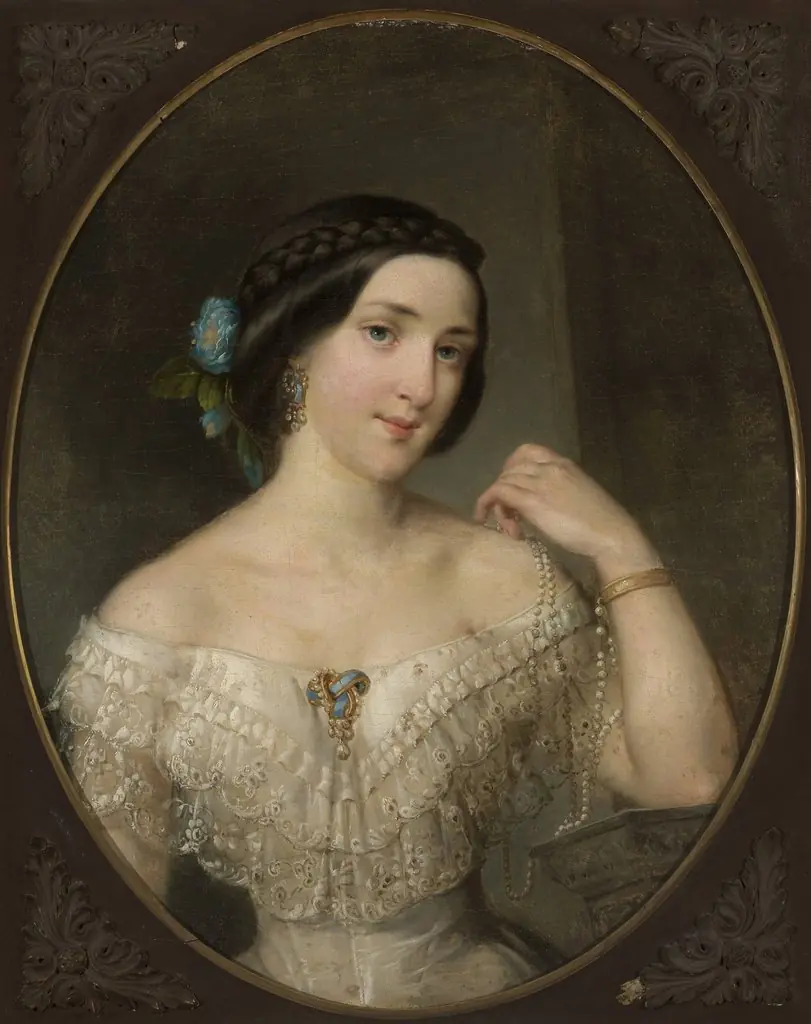 Portrait of Maria Ludwika Blumenfeld née Kobyłecka
 María Dolores de Aldama, Marchioness of Montelo
 Portrait of Yekaterina Scherbatova
 Portrait of Princess Zinaida I. Yusupova
- Portrait of Countess Marie Branicka de Bialacerkiew [née Princess Sapieha]